
Picture This! You Do the Hokey Pokey And…
Practice makes perfect, or so it is said. But workers who perfect unsafe practices and think nothing bad will ever happen to them are often sadly proven wrong.
Practice makes perfect, or so it is said. But workers who perfect unsafe practices and think nothing bad will ever happen to them are often sadly proven wrong.
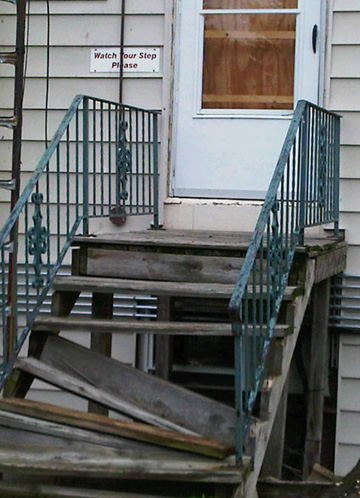
“Watch your step please” read this sign found outside an Illinois business. Given the condition of the steps leading up to it, that's pretty sound advice!
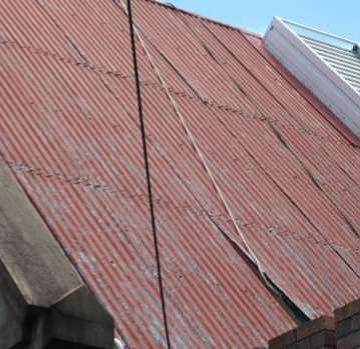
A safety inspector visited a church roofing project site after receiving a complaint about unsafe conditions and observed safety ropes running over sharp metal roofing surfaces. Here's a photo of what the inspector saw before issuing a stop- work order.
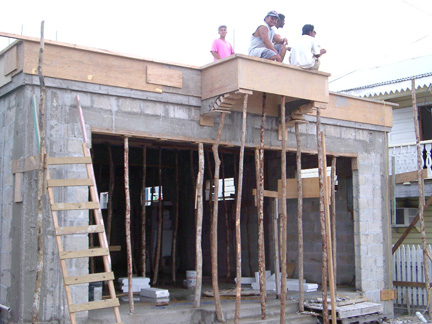
This rickety looking set-up is enough to raise the hair on your neck.
We often get away with multitasking as we walk, but not if the floor we're walking on is missing a few key components, such as planks.
This photograph illustrates a recipe for disaster. A worker toils high above the ground while standing on a stack of pallets hoisted by an aerial lift. To make matters worse, he has no form of fall protection and isn't even wearing a hardhat.
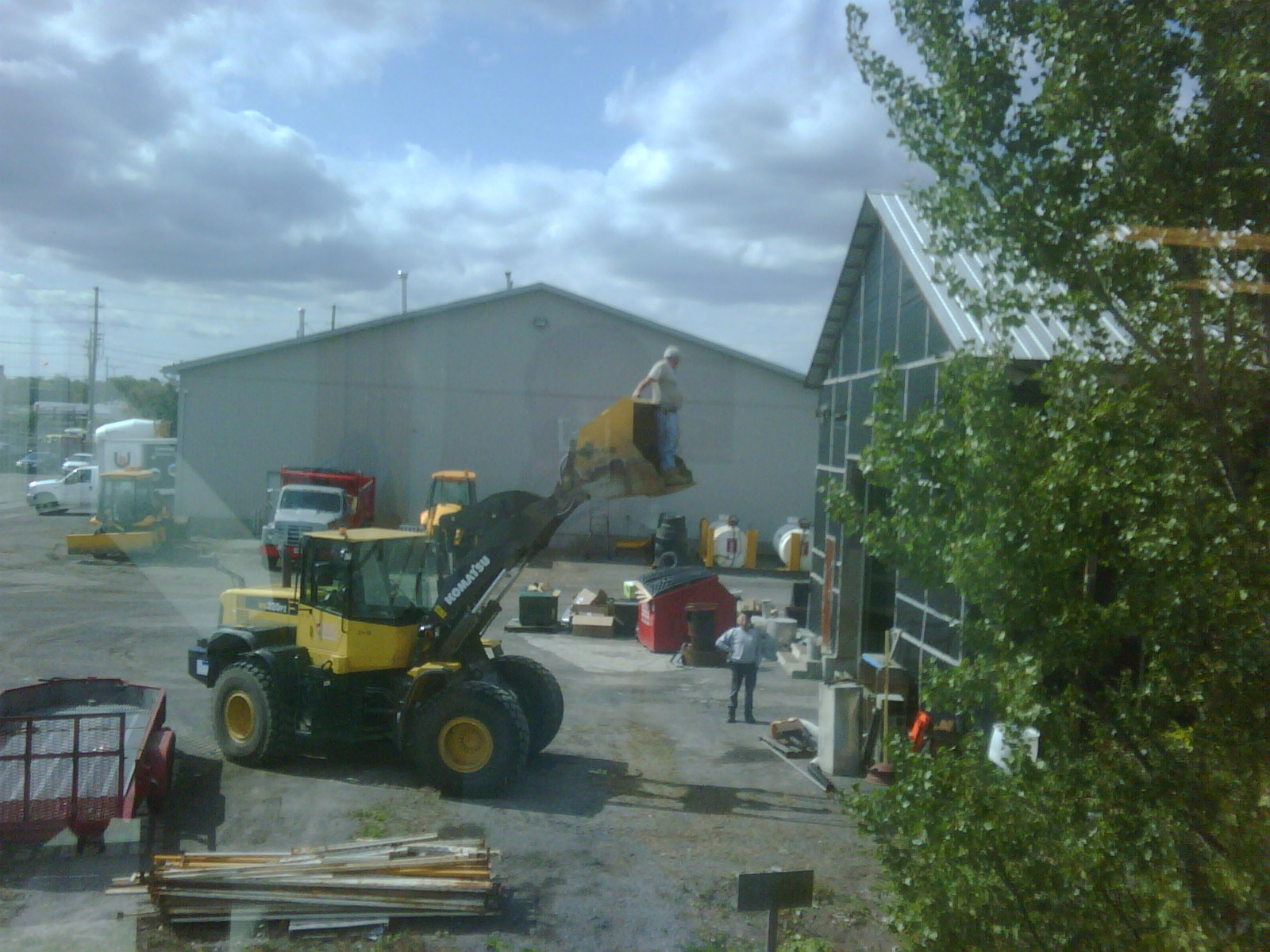
This photo illustrates a very dangerous way to use a boom as a work platform, above traffic no less.

The majority of the citations allege deficiencies in the plant’s [...]
This photograph of bricks tumbling from a scaffold shows how vital it is for workers to secure tools and materials against movement when working from scaffolds or other elevated areas. Anyone working or walking below could easily have been killed by the falling materials.
This photo was snapped in Australia, so it was probably a nice day to be working outside, but this guy is more than a little light on fall protection equipment and other safety gear. One slip and he could face some heavy personal consequences.
OSHA inspected an ice manufacturer and issued citations for 20 [...]
Most people hate the task of removing leaves and needles from rain gutters, so they try to get the job done as quickly as possible. This photograph shows a worker breaking two cardinal ladder safety rules while clearing a gutter of leaves.
Here's an example of how not to inspect a roof. This unsafe practice provides no fall prevention nor protection against what would likely be a fatal fall.

OSHA conducted an inspection and found a range of hazards [...]
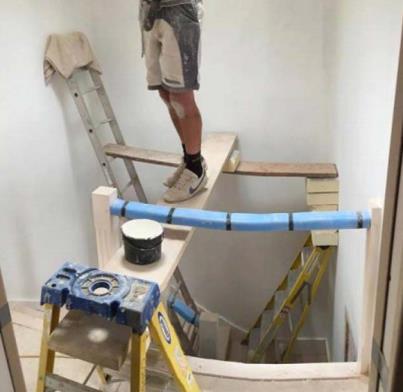
When working in a stairwell you need to have the right equipment and a plan for performing the job safely. The worker shown in this photograph has come up short on both counts, having cobbled together a questionable assortment of ladders, blocks and boards into a highly unstable and unsafe platform.
Here's an eye-popping photograph showing workers perched on makeshift scaffolding that could shift or snap without warning.
A Manitoba Workplace Safety and Health investigation found that Manitoba [...]
There are messy workplace and then there are th MESSY workplaces. Shown here is a housekeeping house of horrors that puts construction workers at serious risk for slip, trip and fall injuries.
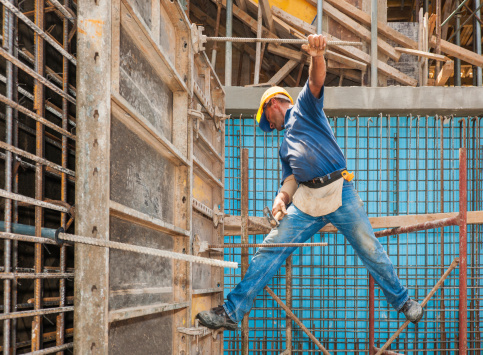
Want to show your employees an example of unsafe work practices? This construction worker is a frightening example of being a step away from a fatal fall.
These workers are taking a potentially deadly risk by tying off to one another
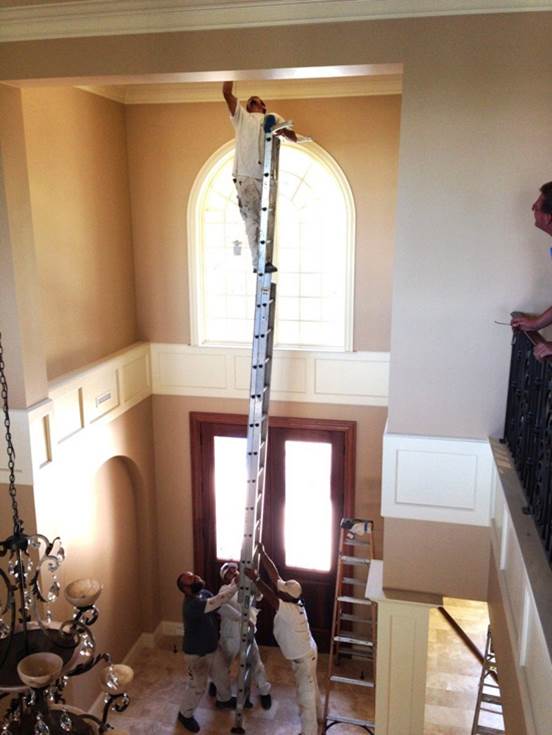
Picture This! Vertical Vertigo Holding an extended extension ladder upright [...]
This worker could be caught between shards of glass and a hard place as a result of leaning against a window.
The good news is she wasn’t far from expert medical [...]

OSHA has proposed $108,000 in penalties against a contractor for [...]

A farm supply cooperative has been cited for four alleged [...]
Since it's your first time, you may want to checkout some of the video tutorials.







 800-ICW-SAFETY (800.429.7233)
 SAFETYOnDemand@icwgroup.com