

Basic Electrical Toolbox SafetyTalk
WHAT’S AT STAKE? STATIC AND DYNAMIC ELECTRICITY All electrical systems [...]
WHAT’S AT STAKE? STATIC AND DYNAMIC ELECTRICITY All electrical systems [...]
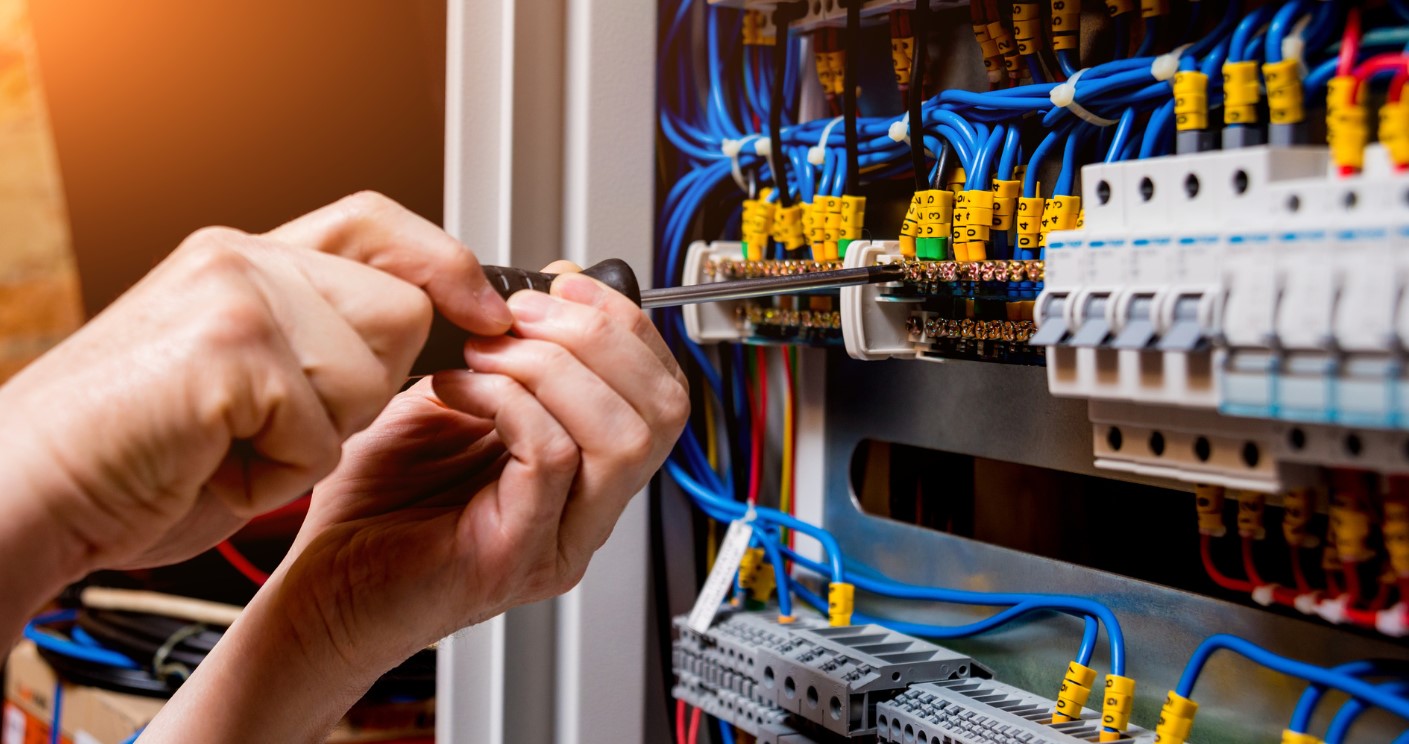
WHAT’S AT STAKE? Working with electricity can be dangerous. The [...]
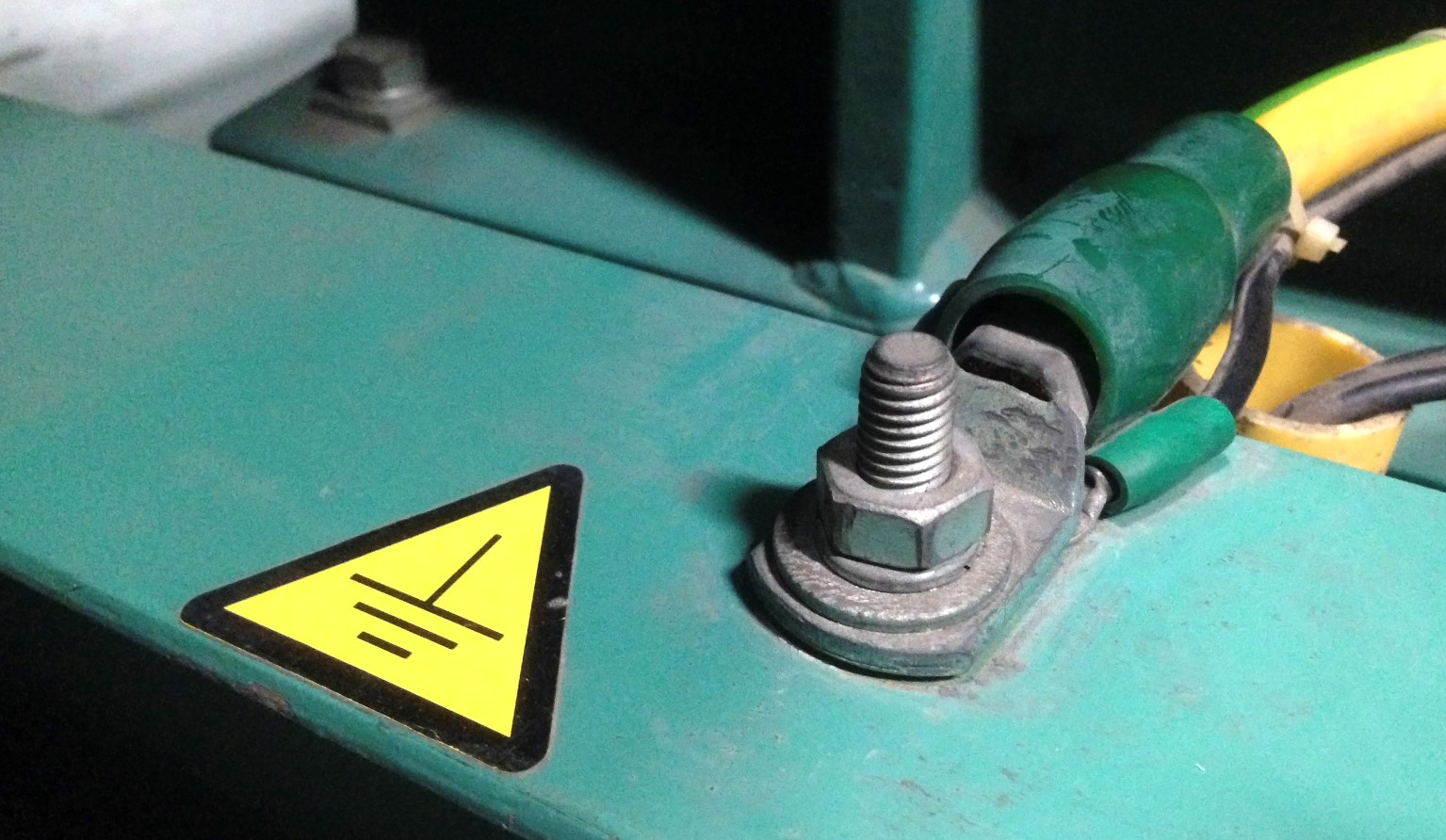
WHAT’S AT STAKE? The assured equipment grounding conductor program covers [...]
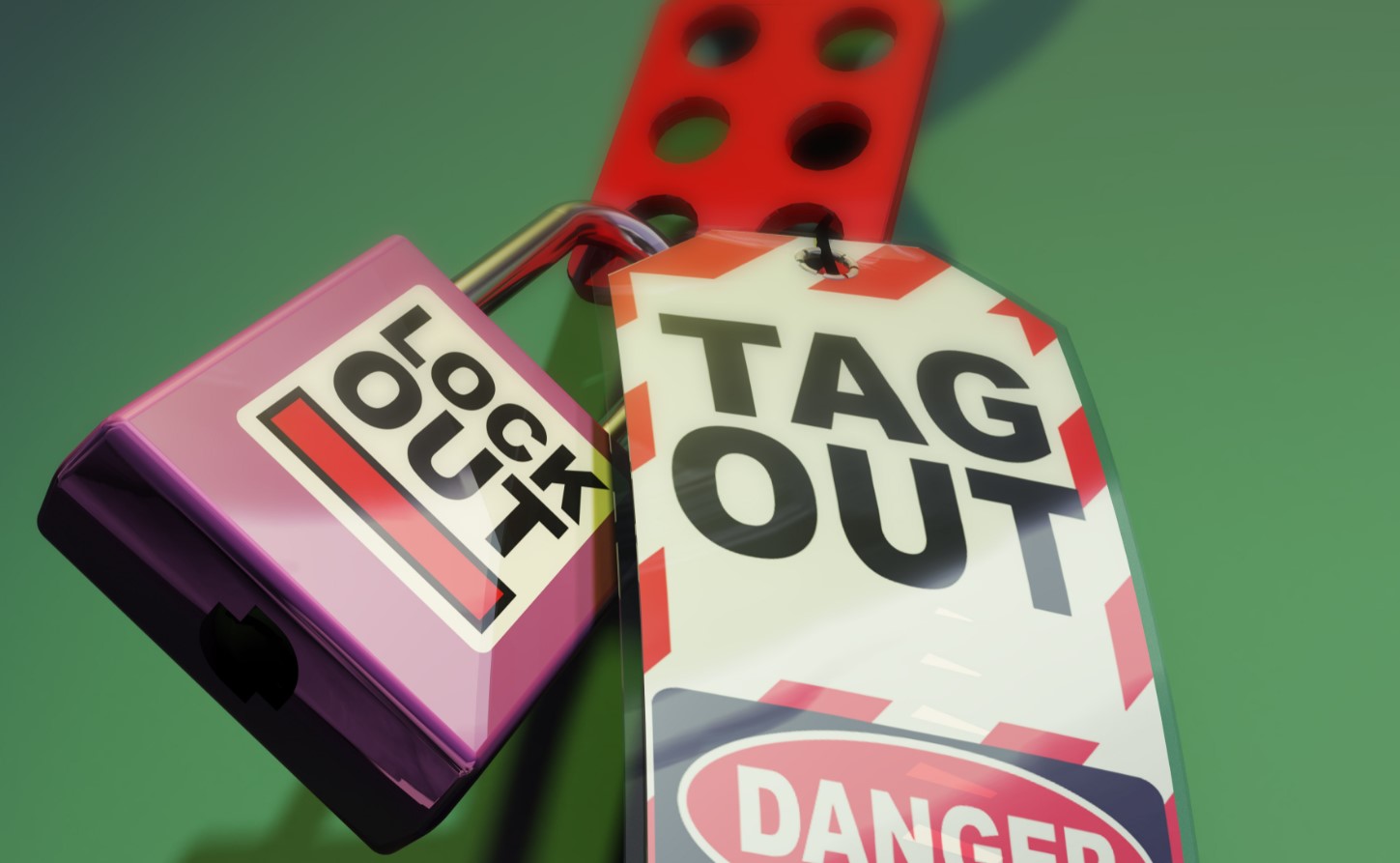
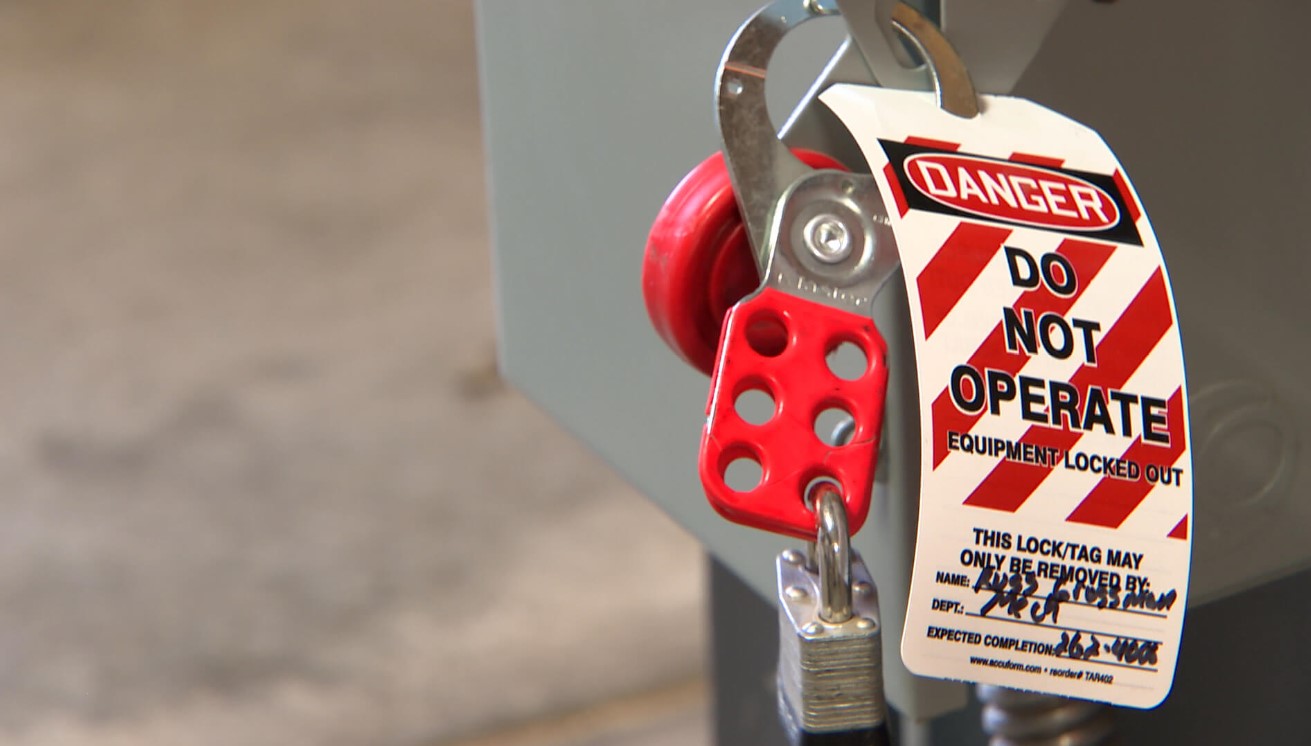
WHAT’S AT STAKE? WORK ACTIVITY Lockout There are many types [...]
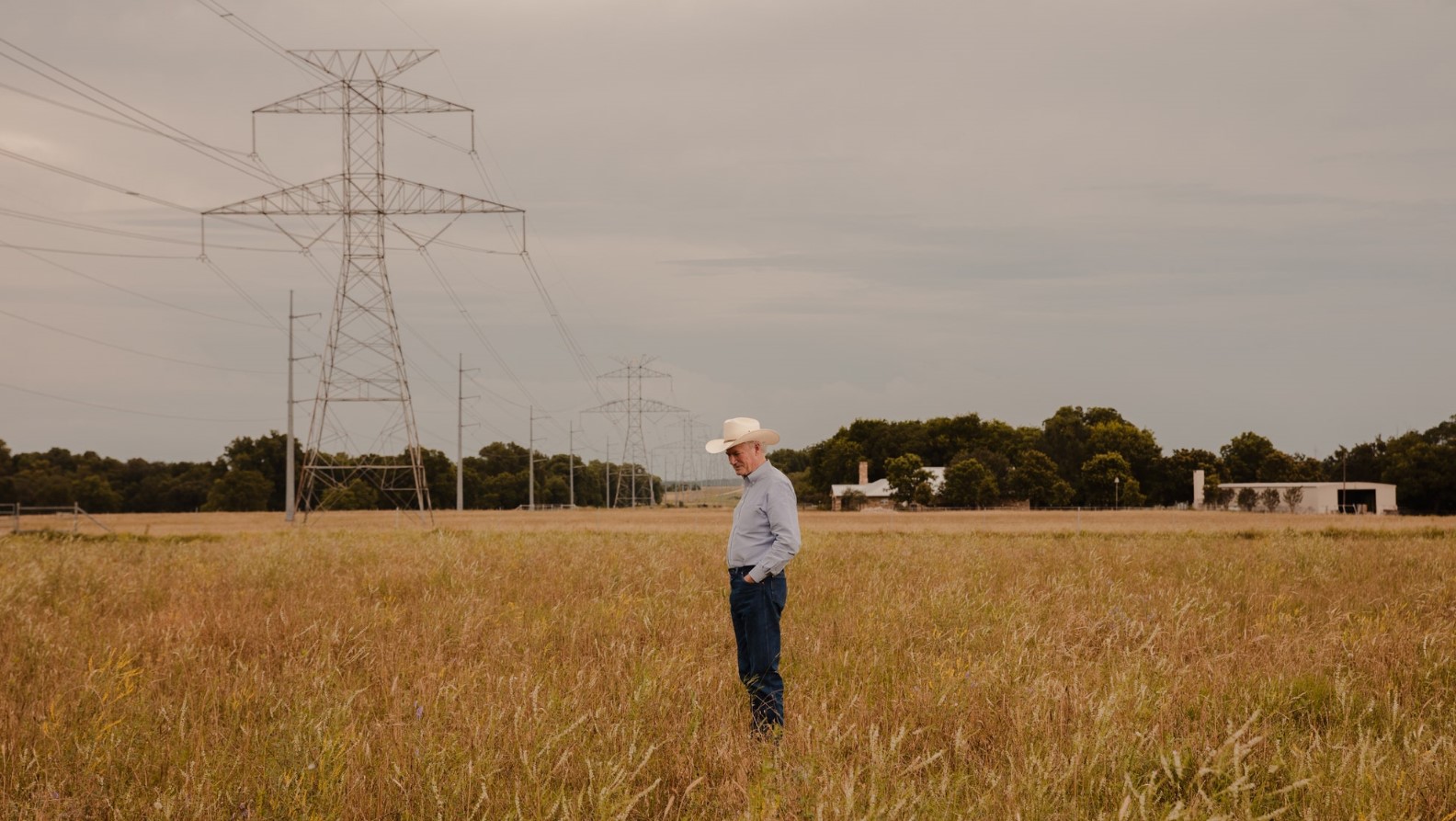
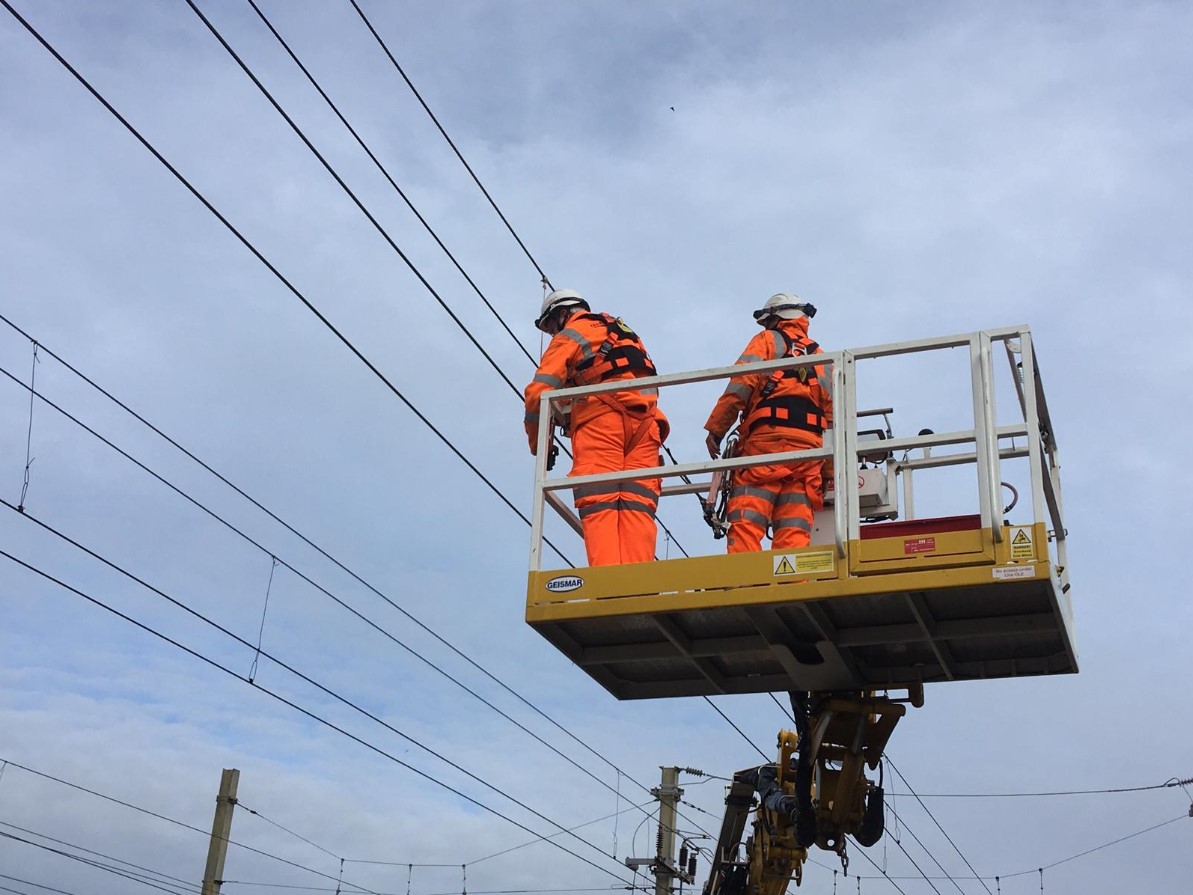
WHAT’S AT STAKE? Farms will sometimes have power lines on [...]
WHAT’S AT STAKE? Incidents involving high voltage power lines are [...]
Lista de verificación de la auditoría de seguridad de la [...]
Tres trabajadores, un electricista licenciado y dos aprendices, estaban recableando [...]
Electrical contracting safety audit checklist on proper handling of electrical [...]
WHAT’S AT STAKE? Lockout procedures and lockout products are critical [...]
DID YOU KNOW? The Electrical Safety Foundation International (ESFI) is [...]
DID YOU KNOW? The Electrical Safety Foundation International (ESFI) uses [...]
Extraído de: Occupational Safety & Health Administration La electricidad ha [...]
El Choque Eléctrico a la Asfixia Un trabajador recibió una [...]
Un pintor viajero murió de quemaduras térmicas masivas causadas cuando [...]
Lista de comprobación de la auditoría de seguridad de los [...]
Electrical Contractors Safety Audit Checklist, Cords and Plugs Do extension [...]
INTRODUCCIÓN Trabajar con piedra presenta muchos peligros para los trabajadores. [...]
INTRODUCTION Working with stone poses many dangers for workers. There [...]
ELECTRICAL LINES Use caution around power lines as contact between [...]
LINEAS DE ELECTRICIDAD Tenga cuidado cerca de los lineas de [...]
INTRODUCTION Workers in car wash operations encounter many hazards on [...]
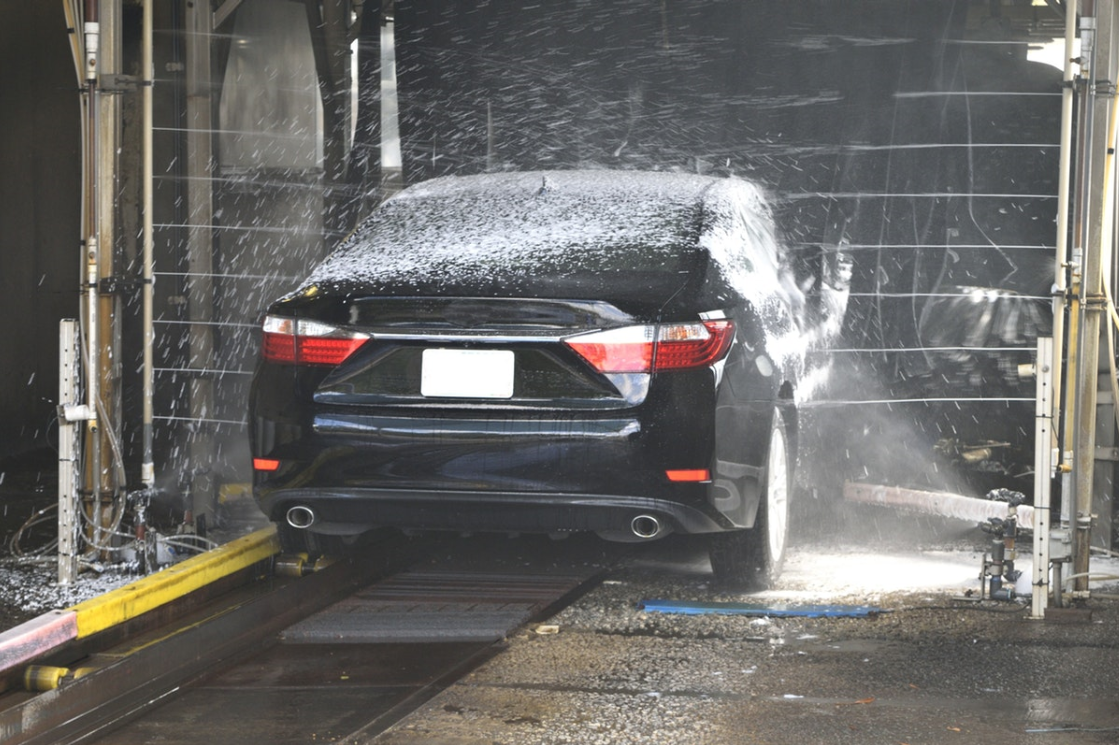
INTRODUCCIÓN Los trabajadores en operaciones de lavado de automóviles encuentran [...]
The top four causes of construction fatalities are: Falls, Struck-By, [...]
Safety Talk ¿QUE ESTÁ EN RIESGO? Para muchos de nosotros [...]
Since it's your first time, you may want to checkout some of the video tutorials.








 800-ICW-SAFETY (800.429.7233)
 SAFETYOnDemand@icwgroup.com