

Avoid Chemical Exposure
If you work with any amount of chemicals,? or work in an environment where chemicals are used, handled, stored,? transported or disposed of, you must understand the hazards and how to protect? yourself.
If you work with any amount of chemicals,? or work in an environment where chemicals are used, handled, stored,? transported or disposed of, you must understand the hazards and how to protect? yourself.
It's important for you to understand the potential hazards that you may be exposed to while working with hazardous waste.
If you work with hazardous chemicals, then you?ve been trained on safe work practices to reduce your exposure. But have you ever considered the effects these chemicals might have on your family?
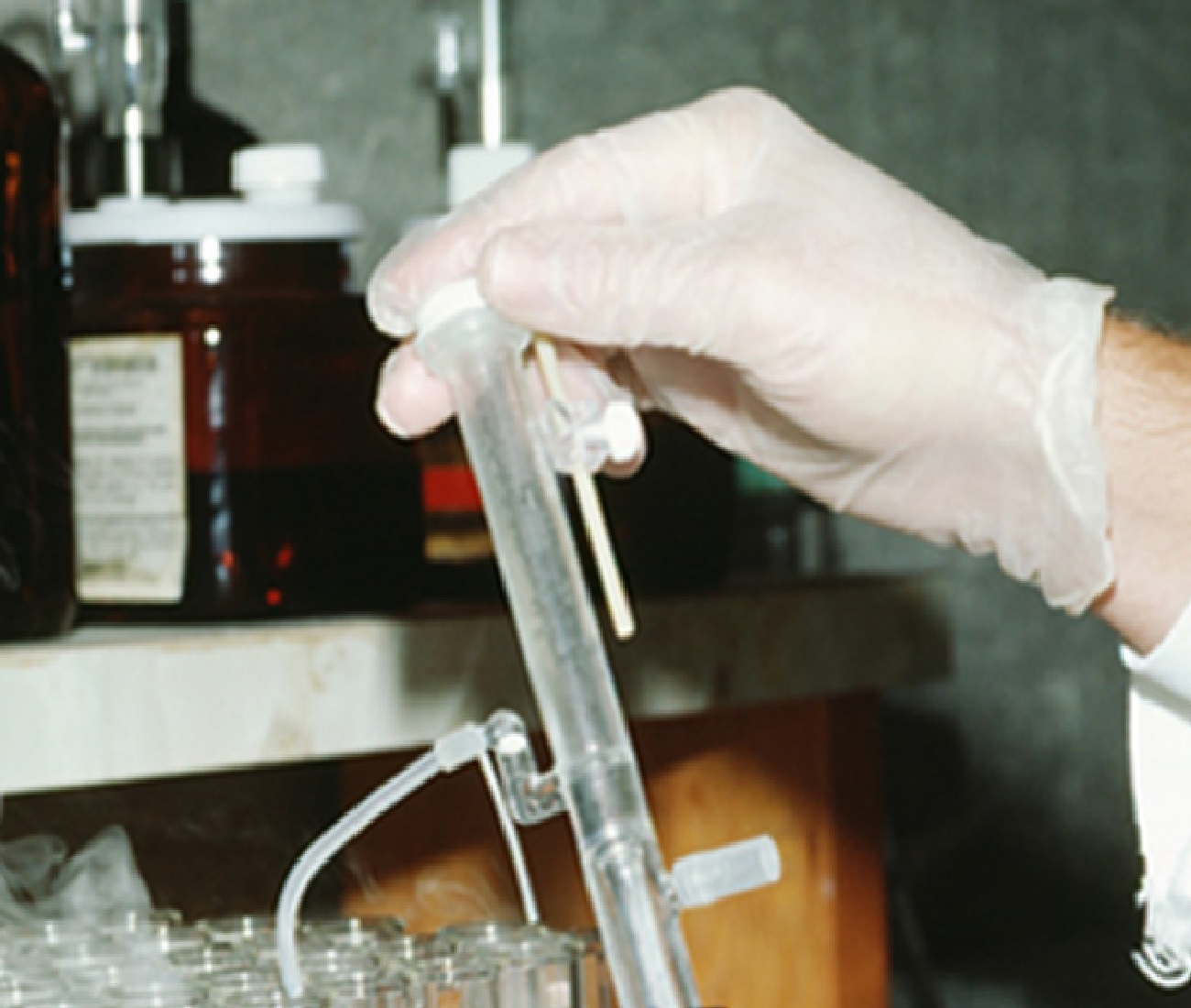
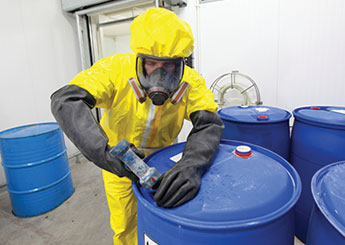
Gloves - of materials such as nitrile, poly vinyl chloride, natural rubber (latex) and butyl rubber
Thousands of people across North America become victims of unintentional poisoning every year. A major contributor to this problem is when toxic chemicals are stored in unlabeled containers.

Chemicals enter the body in a number of different ways. A chemical can be absorbed by the skin, inhaled, ingested or through a puncture like a needle. Once in the body, chemicals are circulated by

Laboratories harbor fire and explosion hazards, and radiation hazards. There may be high-powered equipment which could cause cuts, entanglement or electrocution. There also could be biohazardous materials which can cause fatal diseases.
Wet cement is a leading cause of skin problems for workers. These problems can be mild and short lived or severe and chronic.
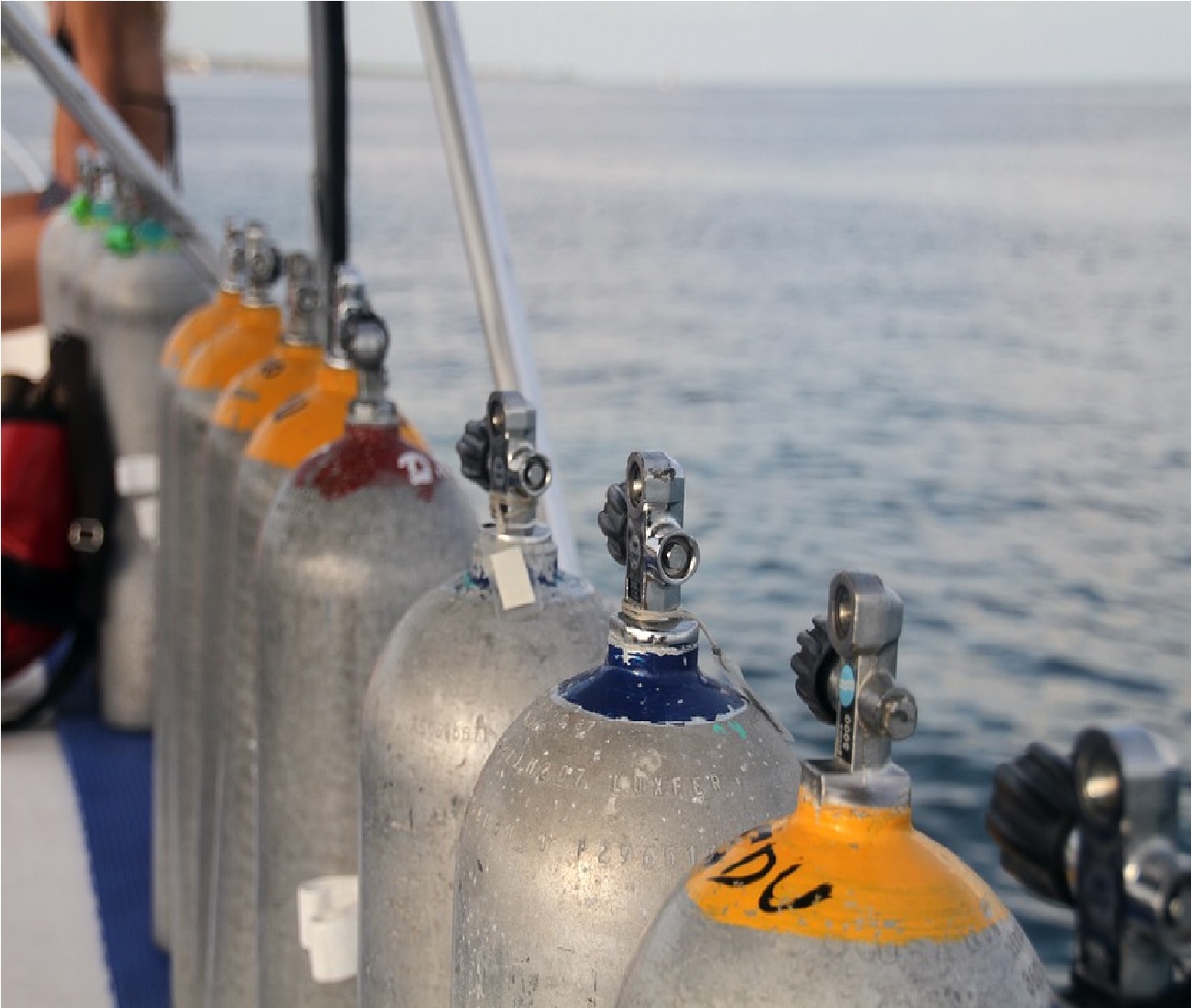
Compressed air can make short work of everything from changing tires to nailing and stapling, but its power demands respect.
Think “formaldehyde” and very likely images of laboratories, hospitals or funeral parlors come to mind. But formaldehyde’s uses go beyond that of specimen preservation and embalming fluid. It’s one of the most commonly used and encountered chemicals in industry today.
If you work with chemicals, make sure you are familiar with the first aid required in case of exposure. This information is located on the chemical label and on the Material Safety Data Sheet (MSDS).
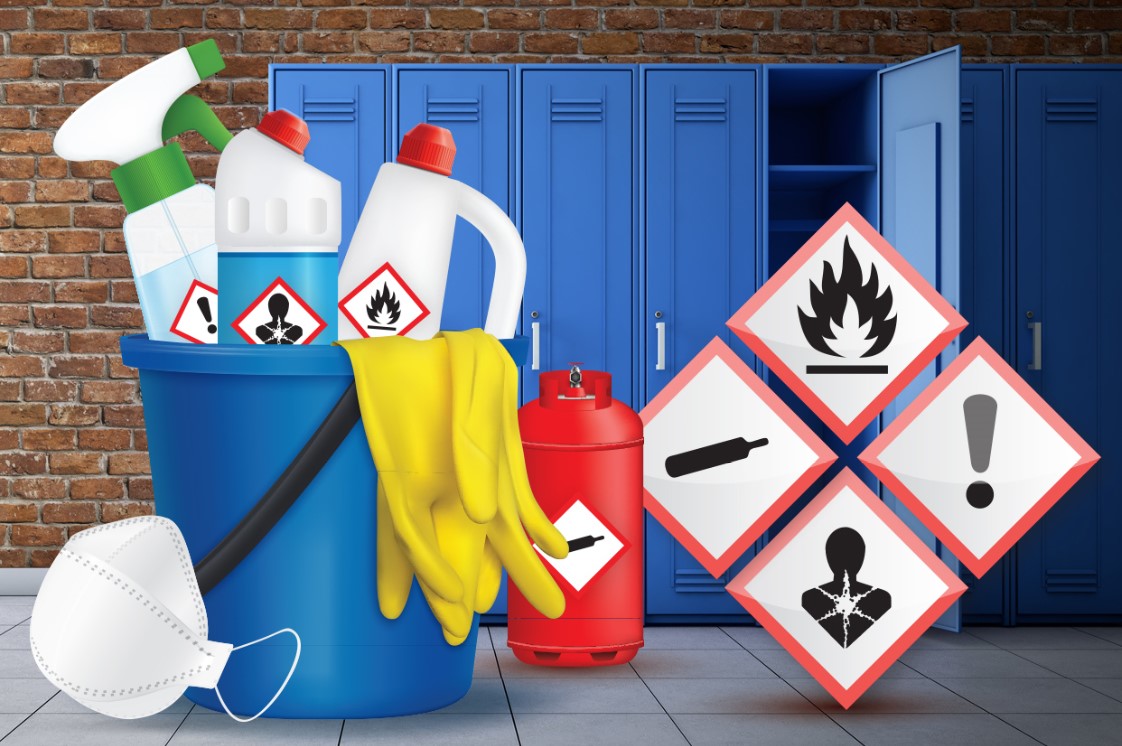
The Globally Harmonized System of Classification and Labelling of Chemicals (GHS) was created by the United Nations to help bring uniformity to hazardous materials labelling around the world.
The New Brunswick Department of the Environment claims that the [...]

An investigation opened in July 2008 resulted in citations alleging [...]
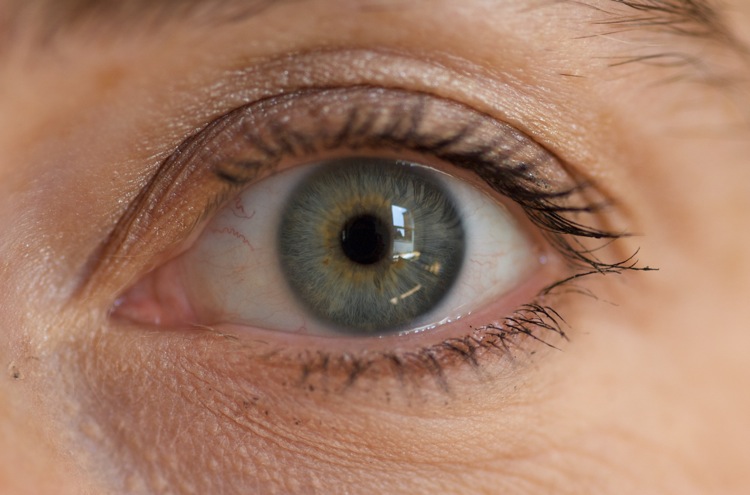
More than 32 million American adults wear contact lenses. Of [...]
Odds of winning the lottery: 1 in 135,145,920 (multi-state, mega [...]
Here are six chemical exposure facts that will shock you. [...]
In January 2007, a panel led by James A. Baker, [...]
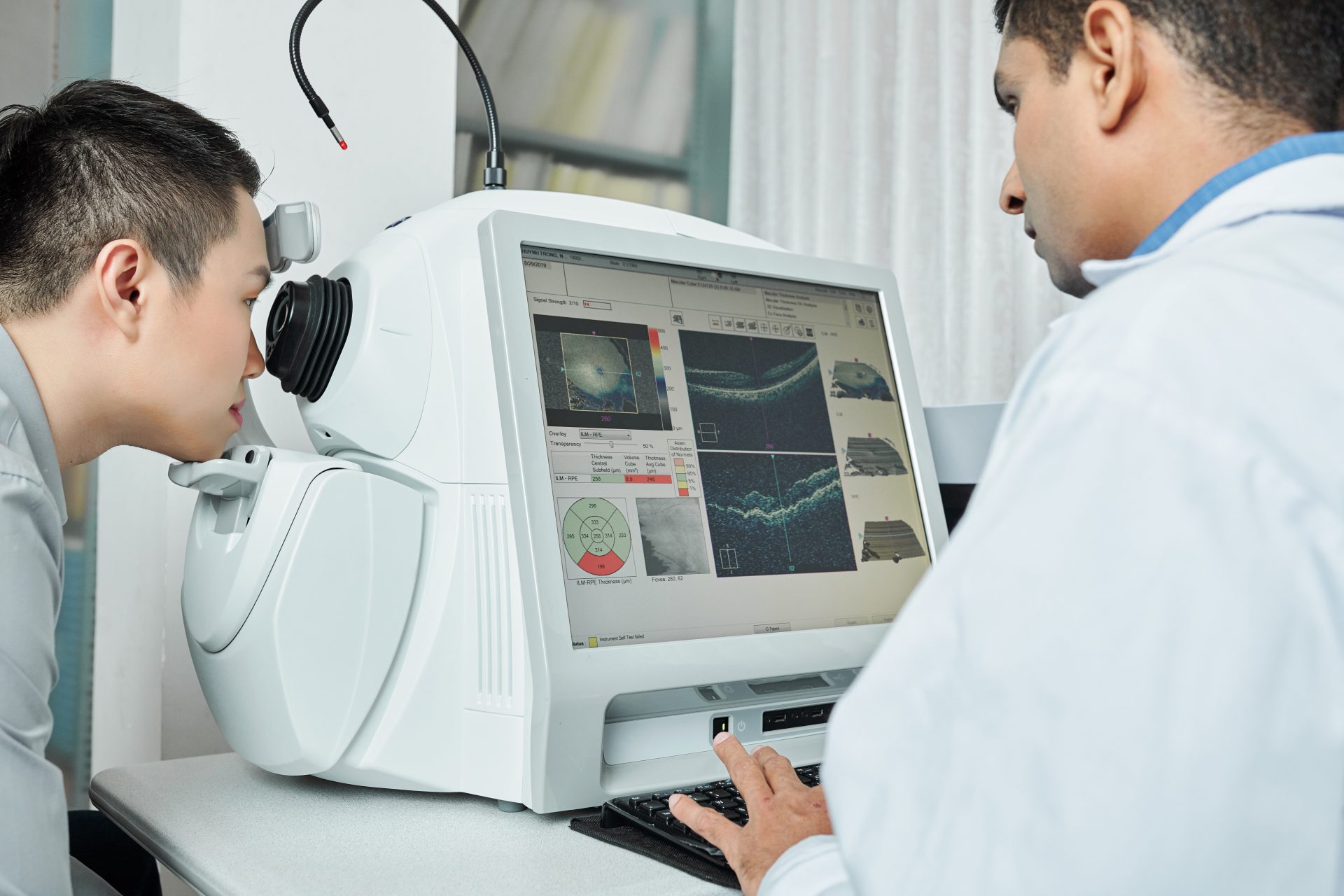
NIOSH (National Institute for Occupational Safety & Health). NIOSH has [...]

OSHA conducted an inspection at a west Milwaukee plant in [...]

The willful violation alleges failure to enforce lockout/tagout procedures to [...]
If you are familiar with a material safety data sheet, you???ll be familiar with the words in this puzzle.
Chemical hazards are complicated, but with training you can figure them out. Now if you can just figure out this crossword puzzle???.
Six important statistics regarding asbestos-related diseases.
An experienced crane operator was running an electrically powered gantry crane in a process building which was in the final stages of construction. Other than the occasional use of a propane-powered forklift, there were no
Since it's your first time, you may want to checkout some of the video tutorials.









 800-ICW-SAFETY (800.429.7233)
 SAFETYOnDemand@icwgroup.com