
add new Teach Category

Avoiding Carpal Tunnel Syndrome
Carpal Tunnel Syndrome, or CTS, is nerve damage in your hand that’s caused by repetitive motions, such as using tools or a computer keyboard.
add new Teach Category
Carpal Tunnel Syndrome, or CTS, is nerve damage in your hand that’s caused by repetitive motions, such as using tools or a computer keyboard.
Slips, trips and falls are the second most common cause of injury for home and community health workers. These types of accidents can result in serious disabling injuries and have a major impact on one???s ability to perform their job and may result in lost work days, reduction in productivity or a diminished ability to care for a client. Recognizing and correction of household hazards is examined as the first step in prevention. Common slips and falls are examined to show what are the actual root causes and steps are outlined for workers to take to reduce hazards for everyone in the home.
This program discusses how the safely operate Snowplows so operators can safely complete their tasks. Although they seem easy to use, they can be very dangerous when used by untrained drivers. Topics include: Pre operational inspection Obeying local, state, and federal laws Marking and flagging
PPE:Basic Training is just that, the Basics. Viewers will learn the basic purposes of each type of PPE and what hazards the PPE protects them against. Personal Responsibility to wear the PPE is stressed as is wearing the proper PPE for the proper task. Topics include: Footwear, Gloves, Eye Protection, Head Protection, Respirators and more. A great way to train new employees or open a discussion with experienced workers.
In most industries it is as simple as turning off the power and installing a lock to prevent the power from being turned back on. In the solid waste industry the purpose is the same, protecting employees, but the energy sources we need to control aren't usually controlled by just a circuit breaker. This program takes a detailed look about how to properly lock and block trash hauling vehicles during maintenance and clean out operations.

There are four generally agreed upon categories of workplace violence. Once you know what the categories of violence are you and your employer can practice ways to protect you, co-workers, and the public from ha
Slips, trips and falls are the second most common cause of injury for home and community health workers. These types of accidents can result in serious disabling injuries and have a major impact on one???s ability to perform their job and may result in lost work days, reduction in productivity or a diminished ability to care for a client. Recognizing and correction of household hazards is examined as the first step in prevention. Common slips and falls are examined to show what are the actual root causes and steps are outlined for workers to take to reduce hazards for everyone in the home.
Bloodborne pathogens are sometimes called the ???Unexpected Hazard??? because, for most of us, we just don???t expect to come into contact with blood or bodily fluids when performing our normal job duties. Nevertheless, an unexpected encounter with bloodborne pathogens can happen at anytime. Responding properly when confronted with blood and other bodily fluids is critical to your health and safety. The purpose of this program is to provide viewers with the knowledge needed to take the appropriate actions when encountering bloodborne pathogens unexpectedly.
Employees in industrial environments face different hazards than those in office or warehousing environments. For this reason they need training that addresses the hazards they face in the course of their job. This program covers General Safety Rules, Workplace Hazards, PPE, Machine Guarding, Emergency Action Plans, Slips & Falls, Housekeeping, Working at Heights, Hand & Electrical Tools, Hazard Communication, Forklifts, Proper Body Mechanics and other vital information.
The trucks and equipment your company operates are great pieces of equipment. They're versatile. They're powerful. And, they have to be inspected. A proper inspection protects workers and those working around them by ensuring that the equipment they are using is mechanically safe. And that's what this video is all about how???to perform a thorough, consistent and accurate pre-shift inspection.

Unexpected emergencies occur every day in many facilities, including laboratories, offices, and residential buildings. It might be a fire, flood, earthquake, shooting, tornado, or hazardous chemical spill. If you don’t know what to do during an emergency the odds increase that you or others around you will be injured or killed.
Workplace Violence is unacceptable, regardless of the work environment. This program defines different types of workplace violence common to home health care situations and discusses ways to prevent incidents. Recognition, prevention and de-escalation are the main techniques taught.
Bloodborne pathogens are sometimes called the ???Unexpected Hazard??? because, for most of us, we just don???t expect to come into contact with blood or bodily fluids when performing our normal job duties. Nevertheless, an unexpected encounter with bloodborne pathogens can happen at anytime. Responding properly when confronted with blood and other bodily fluids is critical to your health and safety. The purpose of this program is to provide viewers with the knowledge needed to take the appropriate actions when encountering bloodborne pathogens unexpectedly.
Incidents involving active shooters continue to be in the news. These acts of violence are becoming more commonplace in today's society, and although your chances of being a victim of an active shooter incident are minuscule, it is important your organization and your associates plan and be prepared for such an incident. Active shooters can strike where we live, where we work, where we study, where we shop or any other environment. No business or institution is immune to the potential of an active shooter attack. The purpose of this informational training is not to alarm viewers, but to enlighten them regarding some of the elements of an active shooter scenario and what they should do to be prepared to deal with such an act.

Employees in industrial environments face different hazards than those in office or warehousing environments. For this reason they need training that addresses the hazards they face in the course of their job. This program covers General Safety Rules, Workplace Hazards, PPE, Machine Guarding, Emergency Action Plans, Slips & Falls, Housekeeping, Working at Heights, Hand & Electrical Tools, Hazard Communication, Forklifts, Proper Body Mechanics and other vital information.
The trucks and equipment your company operates are great pieces of equipment. They're versatile. They're powerful. And, they have to be inspected. A proper inspection protects workers and those working around them by ensuring that the equipment they are using is mechanically safe. And that's what this video is all about how???to perform a thorough, consistent and accurate pre-shift inspection.

Multidrug-Resistant Organisms (MDRO) are bacteria and other microorganisms that can lead to an infection developing that does not respond to wide range of antibiotics. If the organism does not die off when treated with antibiotics or antimicrobials, they are said to be ‘resistant’. This means that if a person has an infection caused by one of these bacteria, then they are harder to treat and the antibiotics that do work are expensive and often cause nasty side effects. Each year in the US 23,000 people die from infections caused by MDROs.
Workplace Violence is unacceptable, regardless of the work environment. This program defines different types of workplace violence common to home health care situations and discusses ways to prevent incidents. Recognition, prevention and de-escalation are the main techniques taught.
Failure to lock out and tag machinery before working on it is a major cause of injury and death in the United States. Workers can be electrocuted or lose fingers, hands, arms, or suffer severe crushing injuries because machinery is inadvertently turned on while being serviced or maintained. Lockout/Tagout prevents these in juries. This short program is designed to explain basic lockout/tagout procedures, some terminology used in the procedures and general requirements.
Incidents involving active shooters continue to be in the news. These acts of violence are becoming more commonplace in today's society, and although your chances of being a victim of an active shooter incident are minuscule, it is important your organization and your associates plan and be prepared for such an incident. Active shooters can strike where we live, where we work, where we study, where we shop or any other environment. No business or institution is immune to the potential of an active shooter attack. The purpose of this informational training is not to alarm viewers, but to enlighten them regarding some of the elements of an active shooter scenario and what they should do to be prepared to deal with such an act.
Identifying and eliminating hazards are part of each drivers responsibilities. The purpose of this program is to help drivers analyze hazards and report them immediately to ensure their safety, the safety of their equipment and the safety of others working the same route in the future.
Customer Service…Hospitality, the two go hand in hand. Customer service is everyone’s job at the hotel, not just the Front Desk. This program outlines some do’s and dont’s of customer service and teaches your associates to make a good impression, regardless of what department they work in.
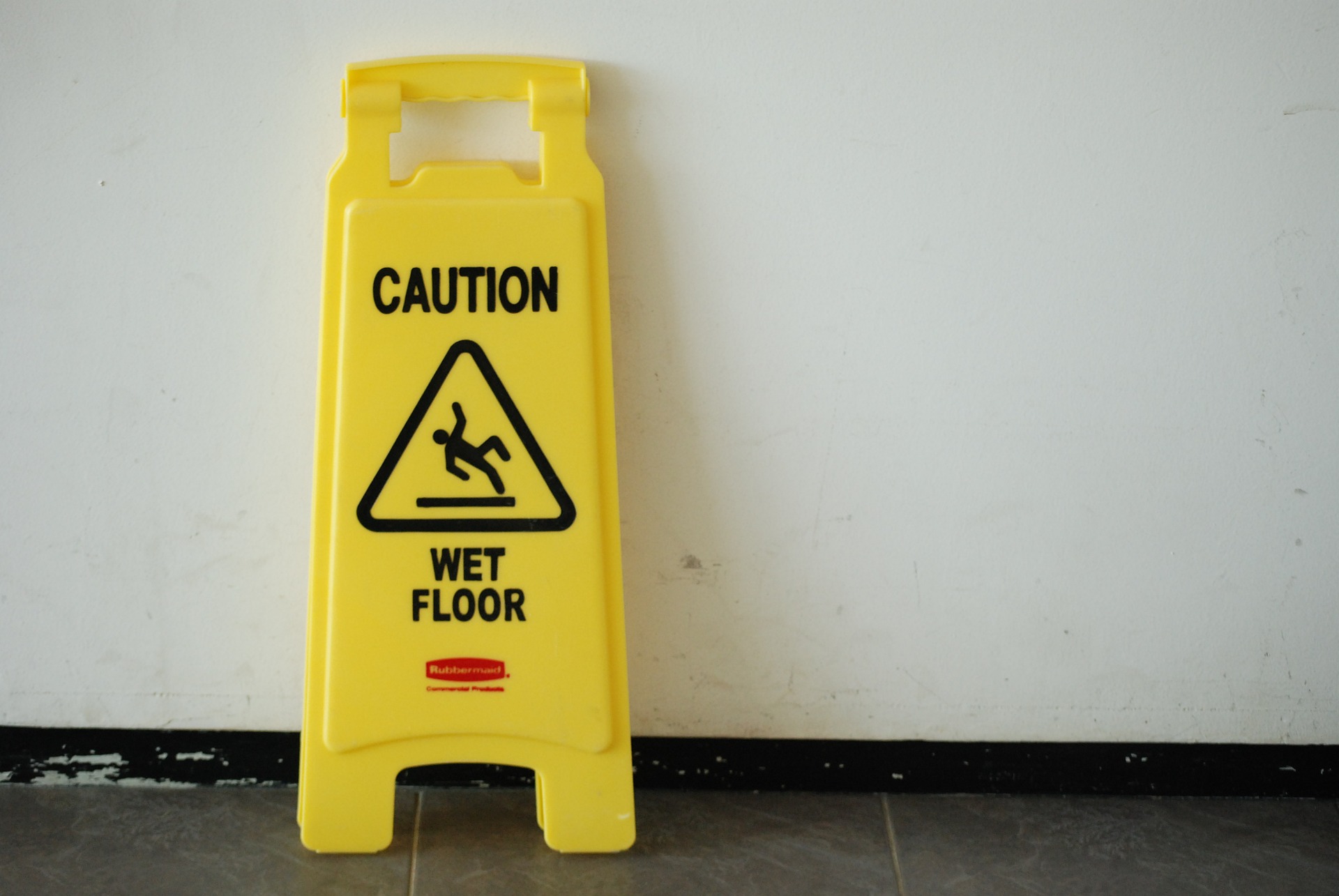
Housekeeping/Slips, Trips & Falls A construction site can become a very messy place. But, the longer it stays that way, the more dangerous it becomes. This video outlines the connection between good housekeeping and injury prevention, especially slips, trips & falls. Common trip and fall hazards are shown and the root causes are examined for maximum impact.
Failure to lock out and tag machinery before working on it is a major cause of injury and death in the United States. Workers can be electrocuted or lose fingers, hands, arms, or suffer severe crushing injuries because machinery is inadvertently turned on while being serviced or maintained. Lockout/Tagout prevents these in juries. This short program is designed to explain basic lockout/tagout procedures, some terminology used in the procedures and general requirements.
Back injuries caused by improper lifting are the most common disabling injuries in the workplace. A person can injure their back in virtually any type of occupation, often to the point they can no longer work in their chosen field, along with having a devastating impact on their overall quality of life. Many of the causes of back injury can be prevented by teaching employees how the back operates and the basics of proper lifting techniques. This video does just that. Great for new or experienced employees.
Since it's your first time, you may want to checkout some of the video tutorials.







 800-ICW-SAFETY (800.429.7233)
 SAFETYOnDemand@icwgroup.com
