Forklift Training and Certification Instructions | Step 7: Documentation

What You NEED To Do

Now take a copy of each operator’s certificate, attach a copy of the printed and completed forklift safety exam, attach the completed operator evaluation and file for future reference. OSHA may request to review this documentation if they should ever visit your facility.

BACK TO START | NEXT STEP OF 9


Forklift Training and Certification Instructions | Step 8: Refresher Certification

What You NEED To Do

Forklift operators will need to go through a documented forklift evaluation every three years. As a best practice, provide refresher forklift safety training as part of this evaluation.  Remember to provide certified forklift safety training for any newly hired employee before they operate one of your company’s forklifts.


Refresher forklift safety training is required for certified operators if any of the following should occur:

  1. The operator has been observed to operate the forklift in an unsafe manner.
  2. The operator has been involved in an accident or near-miss incident.
  3. The operator has received an evaluation that reveals that the operator is not operating the forklift safely.
  4. The operator is assigned to drive a different type of forklift.
  5. A condition in the workplace changes in a manner that could affect the safe operation of the forklift.

BACK TO START | NEXT STEP OF 9


Forklift Training and Certification Instructions | Step 9: Inspections

What You NEED To Do
Please train operators to conduct forklift inspections before the start of each shift and document any issues that require corrective action.

Download and print out sample inspection forms by clicking on the following links: Daily Checklist: Electric Forklift  or Daily Checklist: Gas or LPG Forklift

Forklift trainers should assess and identify site specific forklift hazards by regularly completing forklift hazard assessments.  At minimum you should complete a forklift hazard assessment on a quarterly basis.

Download and print out a sample assessment form by clicking on the following link:  Forklift Hazard Assessment English or Forklift Hazard Assessment Spanish.

BACK TO START


Motor Vehicle Safety Fatality Report – Spanish

Un hombre de 44 años muere en un accidente vehicular en Little Valley

El hombre conducía su Dodge Challenger 2020 cuando perdió el control de su vehículo en la Ruta 353 alrededor de las 6 p.m.

LITTLE VALLEY, N.Y. – Un hombre de Cattaraugus murió el sábado por la noche en un accidente automovilístico en la Ruta 353 en Little Valley.

El hombre de 44 años de edad, que no ha sido nombrado, estaba conduciendo su Dodge Challenger 2020 alrededor de las 6 p.m. cuando perdió el control de su coche, según los diputados.

El coche golpeó una barandilla en el lado oeste de la carretera y luego viajó a través de la carretera y golpeó un vehículo hacia el norte.

El coche continuó después de golpear el vehículo hacia el norte hasta que se salió del lado este de la carretera, en un campo donde dejó de viajar.

El conductor del Dodge Challenger, de 44 años, fue declarado muerto en el lugar de los hechos. Nadie más resultó herido.

Una investigación está todavía en curso. El sheriff del condado de Cattaraugus fue asistido por el Departamento de Bomberos de Little Valley y el Servicio Médico de Emergencia de la Nación Seneca en la respuesta.


Motor Vehicle Safety Picture This – Spanish

Fuente: https://sandovalpllc.com


New Equipment Meeting Kit

MARKET PLACE DYNAMICS

Every single day new technologies and equipment are being introduced into the marketplace. These technologies and equipment eventually make it to our workplaces. It is important to fully understand these new tools before beginning work. Often new tasks and equipment are a source for injury on the job.

NEW EQUIPMENT/PRACTICES AND PROTOCOLS

Here are basic guidelines of what needs to happen before a new piece of equipment or process is put into place.

  1. Involve a subject matter expert (SME). This person can be a rep from the supplier, someone who is familiar with the process within your company, or a consultant. Regardless of who it is, involving someone with the expertise on the new equipment before the decision is made to purchase or use it is crucial. Involving the SME before the equipment is purchased better ensures that all aspects of bringing in the new equipment have been thought of and if it will actually fits the needs of what it being brought into the workplace for.
  2. Review all the relevant paperwork for the piece of equipment. Documentation such as the operator’s manual, safety guidelines, and technical sheet should be reviewed by everyone involved in the process. From this material and guidance from the subject matter expert, company specific job hazard analysis, job safety analysis, and/or standard operating procedures should be created.
  3. Ensure that all of the other necessary resources in place to safely operate the equipment. Some other resources that could be needed is: additional training, other tools, other emergency equipment, maintenance equipment, additional personnel, more time to complete the task, shutdown schedules, etc. The list goes on and on depending how complex the new equipment is. The subject matter expert along with the other personnel involved in this process should be able to foresee these other needs and communicate them to the management during the onboarding process.

BENEFITS FOR BUSINESS TO BUY NEW EQUIPMENT

Meet Changing Business Needs

Investing in new equipment, as well as leading-edge technologies, enables businesses to be more agile and responsive as business needs change. It also better positions them to meet the changing preferences and requirements of customers and end users. For some small businesses, new equipment also enables them to reach new customers and markets, and offer new products and services.

Increase Efficiencies and Productivity

Investing in equipment that enables employees to work faster and reduces manual and repetitive tasks, can increase both efficiencies and overall productivity. The same applies to any new equipment that does more of what is needed, faster, safer, with better quality but with less waste, less maintenance, less resource usage, and less human interaction.

Workplace safety also encompasses more than the physical safety of employees. Outdated equipment, including computers and servers, can leave companies at greater risk of theft, damage, security breaches, and cybercrime.

Take Ownership

Some companies choose to lease rather than buy new equipment. Among the disadvantages to this option is that companies are at the mercy of the leasing company. They’re unable to make updates or changes to the equipment when needed unless the leasing company allows for it. They may have to wait on the leasing company to provide needed maintenance.

When a business purchases its’ own equipment, it can make modifications when necessary. The equipment can be sold if it outlives its service to the business, and the business also doesn’t have to abide by a leasing company’s rules. Additionally, there are tax advantages that come with ownership.

Remain Competitive

Businesses that choose to delay or avoid acquiring new equipment risk losing customers and contracts to competitors that do make the investments. New technology equipment can ease customers’ mind about data safety, while new industrial equipment can attract a customer due to increased speed or a wider range of capabilities.

It’s not just a matter of customer perception or a company’s reputation. Depending on the industry and company type, the lack of new equipment can make it difficult, if not impossible, to take on new work and provide the new products and services requested.

Pros and Cons

Investing in new equipment is a major undertaking for companies of all sizes. It can be especially precarious for small businesses. Before making any purchase decisions, businesses should assess their business needs and resources, and then review their options.

Leasing new equipment may be the right choice for some companies, while others may be able to hold off on doing anything with their equipment for a period of time. Others may find that making repairs or upgrades to existing equipment will suffice. Still others may opt to buy used equipment.

For those companies that do decide that buying new equipment is the way to go, there are still numerous decisions to be made. Equipment capabilities, lifespan, warranties, maintenance needs, and other factors also must be considered.

FINAL WORD

There are almost always secondary considerations that are not thought of when bringing in new equipment. Creating a thorough process for bringing in new equipment is a proactive approach that benefits everyone involved in many ways. The proper process will not only help to ensure injuries are prevented, but can also help to avoid costly mistakes from an operational standpoint.


New Equipment Stats and Facts

FACTS

  1. Nearly a third (106) of the fatal workplace injuries in American manufacturing operations stemmed from contact with objects and equipment. 83 deaths resulted from transportation incidents, 16 from fires and explosions, and 46 from falls, slips, and trips. 40 manufacturing workers died as a result of violence and other injuries by persons or animals. Exposure to harmful substances or environments claimed 50 lives.
  2. Machinery was the second biggest primary source of fatal injuries in U.S. manufacturing operations (71 deaths) in 2018 behind incidents involving vehicles (92 deaths). Among the types of equipment involved, material and personnel handling machinery was linked to 25 deaths, including five from powered conveyors and two from stacking machinery.
  3. The top five manufacturing industries with the most workplace fatalities during the year were: fabricated metal products (56), wood products manufacturing (48), food manufacturing (41), transportation equipment (33), and non-metallic mineral product manufacturing. Food manufacturing operations saw a decline year-over-year decline from the 51 deaths recorded in 2017.
  4. Fatalities involving contact with objects and equipment in all types of U.S. workplaces witnessed a 13% increase last year, from 695 in 2017 to 786, Powder & Bulk Solids reported in an earlier article. Incidents where workers became caught in operational equipment increased by a staggering 39%.
  5. Industry participants are expected to focus on expanding footprint in North America, with Canada slated to witness increased demand for construction equipment rental services. So much so that the government is dwelling on boosting investments in the region. To illustrate, the government of Canada earmarked USD 81.2 billion to foster the Canada initiative—emphasizing growth of public and commercial infrastructure.

STATS

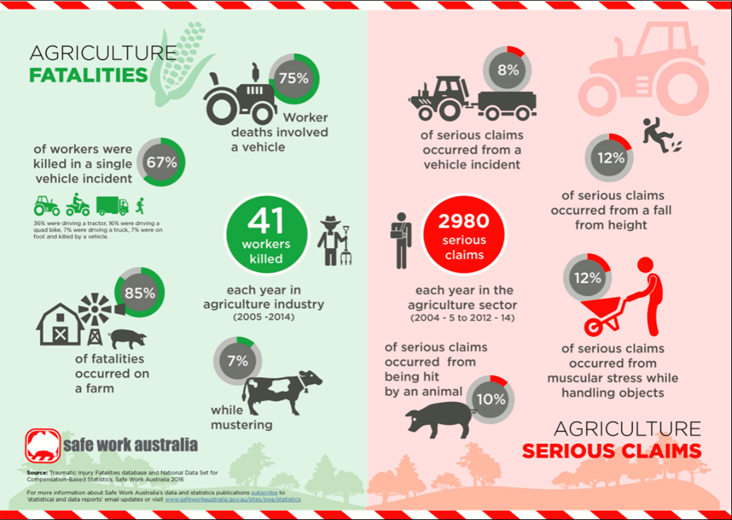
  • Addressing dangers posed by tractors, excavators, and other mobile machines needs to continue. High-risk worker groups should receive targeted information on machine safety.
  • In 2018, 58 percent of amputations (3,580 cases) involved some type of machinery. Parts and materials were involved in 15 percent of amputations. Tools, instrument and new equipment, including powered and unpowered hand tools, were involved in 7 percent.
  • There were a total of 14,625 work-related deaths caused by new equipment – 770 deaths per year on average. During the same period, there was a 32% drop in work-related deaths caused by new equipment. There was a 22% drop in deaths caused by mobile machinery and a 56% drop in deaths caused by stationary machinery.
  • The annual average occupational fatality rate (caused by new equipment) was 0.6 per 100,000 FTE. There was a yearly drop of 2.8% in the overall machine-related occupational fatality rate per 100,000 FTE. Similarly, there was an annual drop of 2.6% in mobile machine-related fatality rate and a decline of 3.5% in fixed machine-related fatality rate per 100,000 FTE.
  • There were a total of 4,831 machine-related accidents involving self-employed workers, accounting for 33% of the total number of accidents caused by machines.


New Equipment Fatality Report

Coroner identifies worker killed in construction accident near Hidden Springs

Officials say the man was operating a scraper when the machine rolled down a large hill.

ADA COUNTY, Idaho — A man was killed Monday afternoon when a large piece of a new construction equipment he was operating overturned.

The Ada County Coroner’s Office on Wednesday identified the victim as 25-year-old Patrick Lee Anderson of Meridian.

The workplace accident happened at about 4 p.m. off North Horse Collar Way, in an area of new construction on the east side of Hidden Springs.

According to the Ada County Sheriff’s Office, Anderson was operating a scraper – a machine used to move and level dirt – when the equipment rolled down a large hill.

The man was thrown from the scraper and struck by it, according to the sheriff’s office. He died from his injuries at the scene.

Anderson died from blunt force trauma, according to the coroner, and his death has been ruled an accident.

KTVB has reached out to the Occupational Safety and Health Administration for more information.

Source: ktvb.com


New Equipment Picture This

Source: https://www.safeworkaustralia.gov.au


New Equipment Meeting Kit – Spanish

QUÉ ESTÁ EN RIESGO

DINÁMICA DEL MERCADO

Cada día se introducen en el mercado nuevas tecnologías y equipos.

CUÁL ES EL PELIGRO

Estas tecnologías y equipos acaban llegando a nuestros puestos de trabajo. Es importante conocer a fondo estas nuevas herramientas antes de empezar a trabajar. A menudo, las nuevas tareas y equipos son una fuente de lesiones en el trabajo.

COMO PROTEGERSE

NUEVOS EQUIPOS/PRÁCTICAS Y PROTOCOLOS

Estas son las directrices básicas de lo que debe ocurrir antes de poner en marcha un nuevo equipo o proceso.

  1. Involucrar a un experto en la materia (SME). Esta persona puede ser un representante del proveedor, alguien que conozca el proceso dentro de su empresa o un consultor. Independientemente de quién sea, es fundamental contar con la participación de alguien experto en el nuevo equipo antes de tomar la decisión de comprarlo o utilizarlo. Implicar a la PYME antes de comprar el equipo garantiza mejor que se hayan pensado todos los aspectos de la incorporación del nuevo equipo y si realmente se ajustará a las necesidades para las que se incorpora al lugar de trabajo.
  2. Revise toda la documentación pertinente del equipo. La documentación, como el manual del operador, las directrices de seguridad y la ficha técnica, debe ser revisada por todos los implicados en el proceso. A partir de este material y de la orientación del experto en la materia, deben crearse análisis de riesgos laborales específicos de la empresa, análisis de seguridad laboral y/o procedimientos operativos estándar.
  3. Asegúrese de que se dispone de todos los demás recursos necesarios para utilizar el equipo de forma segura. Algunos otros recursos que podrían ser necesarios son: formación adicional, otras herramientas, otros equipos de emergencia, equipos de mantenimiento, personal adicional, más tiempo para completar la tarea, programas de parada, etc. La lista es interminable, dependiendo de la complejidad del nuevo equipo. El experto en la materia, junto con el resto del personal implicado en este proceso, debe ser capaz de prever estas otras necesidades y comunicarlas a la dirección durante el proceso de incorporación.

BENEFICIOS PARA LAS EMPRESAS AL COMPRAR NUEVOS EQUIPOS

Satisfacer las necesidades cambiantes de la empresa

Invertir en nuevos equipos, así como en tecnologías de vanguardia, permite a las empresas ser más ágiles y responder a los cambios en las necesidades del negocio. Además, las sitúa en una mejor posición para satisfacer las cambiantes preferencias y requisitos de los clientes y usuarios finales. Para algunas pequeñas empresas, los nuevos equipos también les permiten llegar a nuevos clientes y mercados, y ofrecer nuevos productos y servicios.

Aumentar la eficiencia y la productividad

Invertir en equipos que permitan a los empleados trabajar más rápido y reducir las tareas manuales y repetitivas, puede aumentar tanto la eficiencia como la productividad general. Lo mismo ocurre con cualquier equipo nuevo que haga más de lo que se necesita, más rápido, más seguro, con mejor calidad pero con menos residuos, menos mantenimiento, menos uso de recursos y menos interacción humana.

La seguridad en el lugar de trabajo también abarca algo más que la seguridad física de los empleados. Los equipos obsoletos, incluidos los ordenadores y servidores, pueden dejar a las empresas en mayor riesgo de robo, daños, violaciones de la seguridad y ciberdelincuencia.

Adquirir la propiedad

Algunas empresas optan por arrendar en lugar de comprar equipos nuevos. Una de las desventajas de esta opción es que las empresas están a merced de la compañía de leasing. No pueden realizar actualizaciones o cambios en el equipo cuando sea necesario, a menos que la empresa de leasing lo permita. Es posible que tengan que esperar a que la empresa de leasing les proporcione el mantenimiento necesario.

Cuando una empresa adquiere su propio equipo, puede realizar modificaciones cuando sea necesario. El equipo puede ser vendido si sobrepasa su utilidad para el negocio, y la empresa tampoco tiene que acatar las reglas de la compañía de leasing. Además, la propiedad con lleva ventajas fiscales.

Mantener la competitividad

Las empresas que deciden retrasar o evitar la adquisición de nuevos equipos se arriesgan a perder clientes y contratos frente a los competidores que sí realizan las inversiones. Los nuevos equipos tecnológicos pueden tranquilizar a los clientes en lo que respecta a la seguridad de los datos, mientras que los nuevos equipos industriales pueden atraer a un cliente gracias a una mayor velocidad o a una gama más amplia de capacidades.

No es sólo una cuestión de percepción del cliente o de la reputación de una empresa. Dependiendo del sector y del tipo de empresa, la falta de nuevos equipos puede dificultar, si no imposibilitar, la aceptación de nuevos trabajos y la prestación de los nuevos productos y servicios solicitados.

Ventajas e inconvenientes

Invertir en nuevos equipos es una tarea importante para empresas de todos los tamaños. Puede ser especialmente precaria para las pequeñas empresas. Antes de tomar cualquier decisión de compra, las empresas deben evaluar las necesidades y los recursos de su negocio y, a continuación, revisar sus opciones.

El arrendamiento de equipos nuevos puede ser la opción más adecuada para algunas empresas, mientras que otras pueden esperar a hacer algo con sus equipos durante un tiempo. Otras pueden considerar que basta con hacer reparaciones o mejoras en los equipos existentes. Y otras pueden optar por comprar equipos usados.

Para aquellas empresas que decidan que la compra de equipos nuevos es el camino a seguir, todavía hay que tomar numerosas decisiones. Hay que tener en cuenta la capacidad del equipo, su vida útil, las garantías, las necesidades de mantenimiento y otros factores.

CONCLUSIÓN

Casi siempre hay consideraciones secundarias en las que no se piensa al incorporar nuevos equipos. La creación de un proceso exhaustivo para la incorporación de nuevos equipos es un enfoque proactivo que beneficia a todos los implicados de muchas maneras. Un proceso adecuado no solo ayudará a prevenir lesiones, sino que también puede ayudar a evitar costosos errores desde el punto de vista operativo.


New Equipment Stats and Facts – Spanish

HECHOS

  1. Casi un tercio (106) de las lesiones mortales en el lugar de trabajo en las operaciones manufactureras estadounidenses se produjeron por contacto con objetos y equipos. 83 muertes se produjeron por incidentes de transporte, 16 por incendios y explosiones, y 46 por caídas, resbalones y tropiezos. 40 trabajadores de la industria manufacturera murieron como consecuencia de la violencia y otras lesiones provocadas por personas o animales. La exposición a sustancias o entornos nocivos se cobró 50 vidas.
  2. La maquinaria fue la segunda fuente principal de lesiones mortales en las operaciones de fabricación de Estados Unidos (71 muertes) en 2018, detrás de los incidentes con vehículos (92 muertes). Entre los tipos de equipos involucrados, la maquinaria de manipulación de materiales y personal estuvo vinculada a 25 muertes, incluyendo cinco de transportadores motorizados y dos de maquinaria de apilamiento.
  3. Las cinco industrias manufactureras con más muertes en el lugar de trabajo durante el año fueron: productos metálicos fabricados (56), fabricación de productos de madera (48), fabricación de alimentos (41), equipos de transporte (33) y fabricación de productos minerales no metálicos. Las operaciones de fabricación de alimentos experimentaron un descenso interanual respecto a las 51 muertes registradas en 2017.
  4. Las muertes relacionadas con el contacto con objetos y equipos en todos los tipos de lugares de trabajo de Estados Unidos experimentaron un aumento del 13% el año pasado, de 695 en 2017 a 786, informó Powder & Bulk Solids en un artículo anterior. Los incidentes en los que los trabajadores quedaron atrapados en el equipo operativo aumentaron un asombroso 39%.
  5. Se espera que los participantes de la industria se centren en la expansión de la huella en América del Norte, y se prevé que Canadá sea testigo de una mayor demanda de servicios de alquiler de equipos de construcción. Tanto es así que el gobierno se empeña en impulsar las inversiones en la región. A modo de ejemplo, el gobierno de Canadá destinó 81.200 millones de dólares para fomentar la iniciativa Canadá, que hace hincapié en el crecimiento de las infraestructuras públicas y comerciales.

ESTADÍSTICAS

  • Hay que seguir abordando los peligros que plantean los tractores, las excavadoras y otras máquinas móviles. Los grupos de trabajadores de alto riesgo deben recibir información específica sobre la seguridad de las máquinas.
  • En 2018, el 58% de las amputaciones (3.580 casos) implicaron algún tipo de maquinaria. Las piezas y los materiales estuvieron implicados en el 15 por ciento de las amputaciones. Las herramientas, los instrumentos y los equipos nuevos, incluidas las herramientas manuales con y sin motor, estuvieron implicados en el 7 por ciento.
  • Hubo un total de 14.625 muertes relacionadas con el trabajo causadas por equipos nuevos, es decir, una media de 770 muertes al año. Durante el mismo periodo, se produjo un descenso del 32% en las muertes relacionadas con el trabajo causadas por equipos nuevos. Se produjo un descenso del 22% en las muertes causadas por maquinaria móvil y del 56% en las causadas por maquinaria fija.
  • La tasa media anual de mortalidad laboral (causada por equipos nuevos) fue de 0,6 por cada 100.000 ETC. Se produjo un descenso anual del 2,8% en la tasa global de mortalidad laboral relacionada con las máquinas por cada 100.000 ETC. Asimismo, se produjo un descenso anual del 2,6% en la tasa de mortalidad relacionada con las máquinas móviles y un descenso del 3,5% en la tasa de mortalidad relacionada con las máquinas fijas por cada 100.000 ETC.
  • Hubo un total de 4.831 accidentes relacionados con máquinas en los que participaron trabajadores autónomos, lo que supone el 33% del total de accidentes causados por máquinas.


New Equipment Fatality Report – Spanish

El forense identifica al trabajador muerto en un accidente de construcción cerca de Hidden Springs

Las autoridades dicen que el hombre estaba operando un raspador cuando la máquina rodó por una gran colina.

CONDADO DE ADA, Idaho – Un hombre murió el lunes por la tarde cuando una pieza grande de una nueva construcción equipo de construcción que estaba operando volcó.

La Oficina del Forense del Condado de Ada identificó el miércoles a la víctima como Patrick Lee Anderson, de 25 años, de Meridian.

El accidente de trabajo ocurrió alrededor de las 4 p.m. en North Horse Collar Way, en un área de nueva construcción en el lado este de Hidden Springs.

De acuerdo con la Oficina del Sheriff del Condado de Ada, Anderson estaba operando un raspador – una máquina utilizada para mover y nivelar la tierra – cuando el equipo rodó por una gran colina.

El hombre salió despedido de la rasqueta y fue golpeado por ella, según la oficina del sheriff. Murió a causa de sus heridas en el lugar de los hechos.

Anderson murió por un traumatismo por objeto contundente, según el forense, y su muerte se ha considerado un accidente.

KTVB se ha puesto en contacto con la Administración de Seguridad y Salud Ocupacional para obtener más información.

Source: ktvb.com


New Equipment Picture This – Spanish

Fuente: https://www.ademan.org


Upcoming Live Virtual Training Classes: Forklift Train the Trainer

Register for our next virtual forklift train the trainer class with live instructor. During this 6-hour class, you will learn how to train, evaluate and certify your forklift operators as specified by OSHA’s Powered Industrial Truck standard 1910.178. You will be actively engaging in instructor led training activities and interacting with other students. To receive your certification of completion, you will be required to pass a written exam that evaluates your comprehension.


Class Prerequisite

To attend this training course and certify your forklift operators you must have practical hands-on
knowledge, training and experience operating forklifts as required by OSHA standard 1910.178(l)(2)(iii).

Zoom System Requirements

Your computer will need to meet the following system requirements.

  • An internet connection – broadband wired or wireless
  • Speakers and a microphone – built-in or USB plug-in or wireless Bluetooth
  • A webcam or HD webcam – built-in or USB plug-in

Additional Requirements

To attend this course online, each registrant is required to:
• Log in with their unique email
• Have their webcam turned on during the whole course
• Microphones available to participate in interactive exercises.

NOTE:
• Working or driving during the course will result in dismissal.
• Groups attending on one login will be reminded to log in individually.

  • FREE – Limited to the first 40 RSVPs per class
  • Maximum of 3 participants per policyholder

Date Time (PT) Register Class Status
Wednesday, February 18, 2026 8:00 am Register Full
Wednesday, May 13, 2026 8:00 am Register Full
Wednesday, August 19, 2026 8:00 am Register Open
Wednesday, November 11, 2026 8:00 am Register Open


Heavy Equipment (Four Other Hazards) Meeting Kit – Spanish

QUÉ ESTÁ EN RIESGO

TIPOS DE EQUIPOS PESADOS

Los equipos pesados pueden clasificarse en las siguientes categorías en función del tipo de operación: 

  • equipos de excavación
  • equipos de elevación
  • equipos de carga y transporte
  • equipos de compactación
  • equipos de nivelación y acabado
  • equipos de pavimentación y  
  • equipos de tratamiento de superficies

CUÁL ES EL PELIGRO

PELIGROS DE LA MAQUINARIA PESADA 

Estos son algunos puntos clave que hay que tener en cuenta cuando se trabaja con equipos pesados.

Reparación o servicio deficiente: Una reparación deficiente puede incluir una reparación realizada por una persona no autorizada. Dichas reparaciones o el mantenimiento de los equipos pueden poner en peligro la seguridad de los operadores y de otras personas debido a un fallo mecánico de los equipos pesados.

Obstrucción de la vista durante la marcha atrás: Debido al tamaño de los equipos pesados, los operadores de los equipos tienen una visión obstruida y puntos ciegos mientras retroceden. Las ventanas sucias o rotas también pueden bloquear la visión del operador de personas u objetos que supongan un peligro potencial.

Choque con personas y colisión con otros equipos: Los equipos pesados suelen operar muy cerca de otros equipos pesados y de trabajadores a pie. Las interacciones entre el equipo pesado y los trabajadores a pie no siempre están coordinadas.

Atrapamiento entre equipos y objetos: Se han producido muchos incidentes en áreas de trabajo en los que los trabajadores a pie quedan atrapados entre el equipo pesado y otros objetos fijos o son aplastados entre el equipo. 

Caída de los pilotos del equipo o de los cubos: Aunque no está permitido, el hecho de que los trabajadores (que no sean los operarios) se suban ocasionalmente al equipo ha sido la causa de muchos accidentes laborales en la construcción.

Vuelco del equipo: El vuelco del equipo puede ocurrir cuando la carga en el equipo es más que la capacidad del equipo. El vuelco también se produce cuando uno de los lados del equipo se encuentra en un terreno inestable o suelto o en una zona deprimida.

Conducción a velocidades excesivas: Los equipos pesados no están diseñados para velocidades excesivas. Sin embargo, si no están cargados, los operarios pueden tener la tendencia a conducir a velocidades superiores a las normales, causando peligros a los trabajadores a pie y a otras personas en la obra.

Choque eléctrico inesperado: Los equipos pesados pueden entrar en contacto con líneas eléctricas aéreas y subterráneas que provocan choques eléctricos o electrocución.

Fallo de los mecanismos de elevación/fallos operativos: Estos fallos pueden producirse en los equipos de elevación, ya sea por un fallo mecánico o por la falta de conocimiento adecuado del mecanismo de elevación.

Lesiones de los operarios por dificultades de entrada/salida: Un diseño ergonómico deficiente y unas prácticas de entrada y salida inadecuadas (por ejemplo, saltar de la cabina en lugar de bajar lentamente) pueden causar lesiones a los operadores de los equipos.

Máquinas fuera de control: La huida se produce cuando las ruedas no se bloquean al aparcar o cuando los operadores no son capaces de controlar el equipo. 

Obstrucciones aéreas: Los operadores pueden ser golpeados por las ramas de los árboles u otras obstrucciones aéreas y el equipo en movimiento cuando no son conscientes de las ramas de los árboles u otros objetos fijos por encima de la cabeza.

OTROS CUATRO PELIGROS RELACIONADOS CON EL USO DE LA MAQUINARIA PESADA

Existen también otros peligros relacionados con el manejo de la maquinaria pesada que pueden dar lugar a lesiones frecuentes.

  1. Los resbalones, los tropezones y las caídas son algunos de los tipos de incidentes más comunes que provocan lesiones a los trabajadores. Los operadores de equipos pesados no están exentos de que les ocurran estos incidentes. Subir a la cabina del equipo o caminar sobre las superficies resbaladizas de una máquina son dos sucesos comunes que pueden resultar en una lesión por resbalón, tropiezo o caída para un operador.
  2. Los puntos de pellizco se encuentran en muchos lugares diferentes en una pieza de equipo pesado. Los atascos de las puertas o los capós de los equipos son dos lugares comunes de puntos de pellizco en los que los operarios se lesionan los dedos.
  3. La carga suelta puede provocar lesiones debido a que el operador pierde el control de su equipo. La pérdida de control se debe a que el operador se distrae de su trabajo debido a los objetos que se mueven en su cabina. Otra forma en que la carga suelta puede conducir a un incidente es cuando un objeto que no está asegurado se atasca en un control o bajo un pedal del equipo.
  4. Las fugas en el equipo pueden provocar varios tipos de lesiones o pérdidas materiales. Una fuga en una línea presurizada es especialmente peligrosa. Las líneas hidráulicas con fugas pueden inyectar líquido bajo la piel de un trabajador. Esto mata el tejido, lo que a menudo provoca la amputación de la parte del cuerpo afectada si no se trata rápidamente. Las fugas en el equipo también pueden provocar un incidente de resbalón para aquellos trabajadores que pisen el fluido.

COMO PROTEGERSE

MEJORES PRÁCTICAS PARA MITIGAR ESTOS OTROS PELIGROS

  • Utilice siempre tres puntos de contacto cuando suba a la cabina de los equipos pesados.
  • Limpie las botas y los escalones de cualquier barro para evitar condiciones resbaladizas.
  • Vigile la colocación de las manos y evite los puntos de pellizco. Asegúrese de que los protectores del equipo están colocados y funcionan para evitar que las manos o partes del cuerpo queden atrapadas en ellos o entre ellos.
  • Mantenga la cabina limpia. Asegúrese de que todos los objetos dentro de la cabina estén atados o asegurados correctamente.
  • Realice siempre una inspección previa al uso del equipo pesado. Etiquete el equipo que tenga fugas hasta que se repare adecuadamente.
  • No compruebe nunca las fugas en las líneas presurizadas con las manos, ni siquiera con guantes.

CONCLUSIÓN

Es importante recordar que hay muchos peligros presentes mientras se maneja la maquinaria pesada. Si bien es fundamental eliminar la posibilidad de que se produzcan incidentes de atropello, incidentes de atrapamiento o entre ellos, y vuelcos, es igualmente importante protegerse de estos otros peligros mencionados en esta charla.


Heavy Equipment (Four Other Hazards) Meeting Kit

TYPES OF HEAVY EQUIPMENT

Heavy equipment can be classified into the following categories based on the type of operation:

  • excavating equipment
  • lifting equipment
  • loading and hauling equipment
  • compaction equipment
  • grading and finishing equipment
  • paving and surface 
  • treatment equipment

HEAVY EQUIPMENT HAZARDS 

Here are some key points to keep in mind when working around heavy equipment.

Poor Repair or Service: Poor repair may include repairing by an unauthorized person. Such repairs or servicing of equipment may jeopardize the safety of operators and others due to mechanical failure of heavy equipment.

Obstructed View While Backing: Due to the size of heavy equipment, equipment operators have obstructed view and blind spots while backing. Dirty or broken windows may also block an operator’s view of people or objects posing potential hazards.

Striking People and Collision with Other Equipment: Heavy equipment usually operates near other heavy equipment and on-foot workers. The interactions between the heavy equipment and on-foot workers are not always coordinated.

Caught Between Equipment and Objects: Many incidents have occurred in work areas where on-foot workers are caught between heavy equipment and other fixed objects or crushed between the equipment. 

Riders Falling Off Equipment or Buckets: Although not permitted, casual riding of the equipment by workers (other than the operators) has been the cause of many construction workplace accidents.

Overturning of Equipment: Overturning of equipment can occur when the load on the equipment is more than the capacity of the equipment. Overturning also occurs when one side of the equipment is on unstable or loose ground or on a depressed area.

Driving at Excessive Speeds: Heavy equipment is not designed for excessive speeds. However, if they are not loaded, the operators may tend to drive at higher-than-normal speeds causing hazards to on-foot workers and others on site.

Unexpected Electrical Shock: Heavy equipment can come in contact with overhead and underground power lines that cause electrical shock or electrocution.

Failure of Lifting Mechanisms/Operational Failures: Such failures can occur in lifting equipment either due to the mechanical failure or lack of proper knowledge of the lifting mechanism.

Injuries to Operators Due to Ingress/Egress Difficulties: Poor ergonomic design and improper ingress and egress practices (e.g., jumping out of the cab instead of coming down slowly) can cause injuries to equipment operators.

Runaway Machines: Runaway occurs when the wheels are not blocked upon parking or when operators are not able to control the equipment. 

Overhead Obstructions: Being struck by limbs of trees or other overhead obstructions and moving equipment can occur when the operators are unaware of the limbs of trees or other fixed overhead objects.

FOUR OTHER HAZARDS RELATING TO THE USE OF HEAVY EQUIPMENT

There are also other hazards relating to heavy equipment operation that can result in frequent injury.

  1. Slips, trips, and falls are some of most common types of incidents that result in injuries to workers. Operators of heavy equipment are not exempt from these incidents occurring to them. Climbing into the cab of equipment or walking on the slick surfaces of a machine are two common occurrences that can result in a slip, trip, or fall injury for an operator.
  2. Pinch points are in many different places on a piece of heavy equipment. Door jams or equipment hoods are two common pinch point locations where operators injure fingers.
  3. Loose cargo can lead to injury due to an operator losing control of their equipment. A loss in control results from an operator being distracted from their work due to objects moving around in their cab. Another way loose cargo can lead to an incident is when an object that is not secured gets stuck in a control or under a pedal of the equipment.
  4. Leaks on equipment can lead to multiple different types of injuries or property loss. A leak in a pressurized line is especially hazardous. Hydraulic lines that are leaking can inject fluid underneath the skin of a worker. This kills tissue which often results in amputation of the affected body part if not treated quickly. Leaking equipment can also lead to a slip incident for those workers who happen to step on the fluid.

BEST PRACTICES TO MITIGATE THESE OTHER HAZARDS

  • Always use three points of contact when climbing into the cab of heavy equipment.
  • Clear boots and steps of any mud to avoid slick conditions.
  • Watch hand placement and avoid pinch point areas. Ensure equipment guards are in place and functioning to avoid hands or body parts from being caught-in or between them.
  • Maintain a clean cab. Ensure any items within the cab are tied down or secured properly.
  • Always complete a pre-use inspection prior to using heavy equipment. Tag out equipment that has leaks until it is properly repaired.
  • Never check for leaks on pressurized lines with your hands, even while wearing gloves.

FINAL WORD

It is important to remember that there are many hazards present while operating heavy equipment. While it is critical to eliminate the chance for struck-by incidents, caught-in or between incidents, and tip overs occurring, it is equally important to protect yourself from these other hazards mentioned in this talk.


Heavy Equipment (Four Other Hazards) Stats and Facts

FACTS

  1. The worst heavy equipment accidents can cause potentially fatal injuries to the spinal cord, head, and neck, such as concussions, broken bones, and amputations. 
  2. Ensuring adequate rollover protective structures for heavy equipment, requiring fastening of seat belts, adoption of a lock-out/tagout standard, establishing restricted access zones around heavy equipment, and requiring spotters for workers who must be near heavy equipment or trucks would reduce the risk of heavy equipment- and truck-related deaths in construction.
  3. There are many different construction site accidents associated with heavy equipment such as cranes, bulldozers, front-end loaders, dump trucks, and excavators. 

STATS

  • About 75% of struck-by fatalities involve heavy equipment, such as trucks or cranes. 
  • According to Injury Facts 2016, there were 721 workplace deaths due to these types of incidents and more than 232,570 injuries with days away from work in 2013. 
  • Heavy equipment crashes caused more than 7,600 deaths at a rate of almost 404 deaths per year.
  • The Bureau of Labor Statistics Census of Fatal Occupational Injuries identified 253 heavy equipment related deaths on construction sites in the Excavation Work industry.
  • Around a thousand construction workers are killed on job sites every year in the US. And that numbers gradually increased every year since 2013 according to the Bureau of Labor Statistics (BLS). An alarming number of those deaths and injuries were caused by heavy equipment. Most occurred when the victim was either struck by moving equipment or caught-in or between heavy machinery and another impediment (wall, another machine, etc). 
  • Heavy equipment operators and construction laborers made up 63% of the heavy equipment- and truck-related deaths. Rollovers were the main cause of death of heavy equipment operators. For workers on foot and maintenance workers, being struck by heavy equipment or trucks, and being struck by equipment loads or parts were the major causes of death.


Heavy Equipment (Four Other Hazards) Stats and Facts – Spanish

HECHOS

  1. Los peores accidentes con maquinaria pesada pueden causar lesiones potencialmente mortales en la médula espinal, la cabeza y el cuello, como conmociones cerebrales, roturas de huesos y amputaciones. 
  2. Garantizar estructuras adecuadas de protección contra el vuelco para los equipos pesados, exigir el abrochado de los cinturones de seguridad, adoptar una norma de bloqueo y etiquetado, establecer zonas de acceso restringido alrededor de los equipos pesados y exigir la presencia de observadores para los trabajadores que deban estar cerca de los equipos pesados o los camiones reduciría el riesgo de muertes relacionadas con los equipos pesados y los camiones en la construcción.
  3. Hay muchos accidentes en las obras de construcción relacionados con la maquinaria pesada, como grúas, bulldozers, cargadores frontales, volquetes y excavadoras.

ESTADÍSTICAS

  • Alrededor del 75% de las muertes por atropello implican equipos pesados, como camiones o grúas. 
  • Según Injury Facts 2016, en 2013 se produjeron 721 muertes en el lugar de trabajo por este tipo de incidentes y más de 232.570 lesiones con días de baja. 
  • Los accidentes con maquinaria pesada causaron más de 7.600 muertes, a un ritmo de casi 404 muertes al año.
  • El Censo de Lesiones Ocupacionales Fatales de la Oficina de Estadísticas Laborales identificó 253 muertes relacionadas con equipos pesados en obras de construcción en el sector de los trabajos de excavación.
  • Alrededor de un millar de trabajadores de la construcción mueren en las obras cada año en Estados Unidos. Y esa cifra ha aumentado gradualmente cada año desde 2013, según la Oficina de Estadísticas Laborales (BLS). Un número alarmante de esas muertes y lesiones fueron causadas por equipos pesados. La mayoría ocurrieron cuando la víctima fue golpeada por el equipo en movimiento o atrapada en o entre la maquinaria pesada y otro impedimento (pared, otra máquina, etc). 
  • Los operadores de maquinaria pesada y los trabajadores de la construcción representaron el 63% de las muertes relacionadas con la maquinaria pesada y los camiones. Los vuelcos fueron la principal causa de muerte de los operadores de maquinaria pesada. En el caso de los trabajadores a pie y de los trabajadores de mantenimiento, las principales causas de muerte fueron el atropello por equipos pesados o camiones y el golpe por cargas o piezas de equipos.


Heavy Equipment (Four Other Hazards) Fatality File – Spanish

Un hombre murió cuando el tractor que manejaba volcó dejándolo atrapado debajo. El viejo tractor tenía un eje delantero estrecho (triciclo). No contaba con una estructura de protección antivuelco (ROPS). Había una pala cargadora acoplada al bastidor del tractor, pero no se habían instalado contrapesos para el lastre. 

La pala cargadora, con la cuchara llena de piedras, estaba elevada hasta casi la altura del capó. El tractor se inclinaba hacia la derecha mientras el hombre lo dirigía hacia delante en un ligero ángulo ascendente en una pendiente. 

La posición de la pesada carga, la ausencia de lastre, la configuración del tractor, la dinámica de la combinación tractor-cargador y su carga en el transporte en el terreno inclinado y desigual contribuyeron al repentino vuelco de este tractor. El ROPS y el uso del cinturón de seguridad probablemente habrían evitado la muerte de este hombre.


Heavy Equipment (Four Other Hazards) Fatality File

A man died when the tractor he was operating overturned upside down pinning him underneath. The old tractor had a narrow (tricycle) front axle. It did not have a rollover protective structure (ROPS). A frontend loader was attached to the tractor’s frame, but no counterweights had been installed for ballast. 

The loader with its bucket full of rocks was raised to nearly hood height. The tractor leaned to the right as the man steered it forward at a slight upward angle on a slope. 

The position of the heavy load, the absence of ballast, the tractor’s configuration, the dynamics of the tractor-loader combination and its load in transport on the sloping, uneven terrain contributed to the sudden overturn of this tractor. ROPS and use of the seat belt would likely have prevented this man’s death.


Heavy Equipment (Four Other Hazards) Picture This

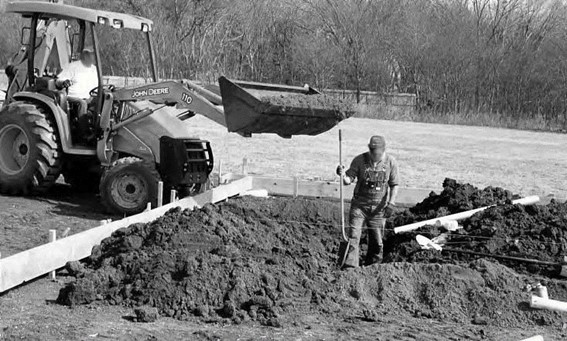
What is wrong in this picture? Every year heavy equipment operators, ground workers and pedestrians are injured or killed by heavy mobile equipment used in construction. Many of these incidents are the result of rollovers or by individuals being struck or crushed by equipment. In fact, “struck-by” deaths are one of the construction industry’s “Fatal Four” leading causes of death on the job site—of which 75% involve heavy equipment.

While the best way to stay safe is to stay aware, contractors can help reduce the dangers and help minimize injuries and fatalities associated with heavy equipment by incorporating a few administrative controls at the job site.

Worker visibility and visual and verbal communication play an important role in ongoing safe operations. Blind spots can be a significant operator issue. A spotter, trained in hand signals, can help provide safety guidance and communication between the operator, workers, and nearby pedestrians to compensate for blind spots.

Construction workers are around heavy equipment every day, and they can become accustomed to the presence of heavy equipment, not giving much thought to the risks. Taking some time to understand and follow safety rules—and staying alert while on the job—can help construction workers stay safe.


Heavy Equipment (Four Other Hazards) Picture This – Spanish

¿Qué hay de malo en esta imagen? Cada año, los operadores de equipos pesados, los trabajadores del suelo y los peatones resultan heridos o muertos por los equipos móviles pesados utilizados en la construcción. Muchos de estos incidentes son el resultado de vuelcos o de personas que son golpeadas o aplastadas por el equipo. De hecho, las muertes por atropello son una de las cuatro causas principales de muerte en el sector de la construcción, y el 75% de ellas están relacionadas con la maquinaria pesada.

Aunque la mejor manera de mantenerse seguro es estar atento, los contratistas pueden ayudar a reducir los peligros y a minimizar las lesiones y las muertes asociadas a los equipos pesados incorporando algunos controles administrativos en el lugar de trabajo.

La visibilidad de los trabajadores y la comunicación visual y verbal desempeñan un papel importante en las operaciones seguras en curso. Los puntos ciegos pueden ser un problema importante para el operador. Un observador, entrenado en señales manuales, puede ayudar a proporcionar una guía de seguridad y comunicación entre el operador, los trabajadores y los peatones cercanos para compensar los puntos ciegos.

Los trabajadores de la construcción están rodeados de equipos pesados todos los días, y pueden acostumbrarse a la presencia de equipos pesados, sin pensar demasiado en los riesgos. Dedicar algo de tiempo a entender y seguir las normas de seguridad -y mantenerse alerta mientras se trabaja- puede ayudar a los trabajadores de la construcción a mantenerse seguros.


Motor Vehicle Safety Meeting Kit

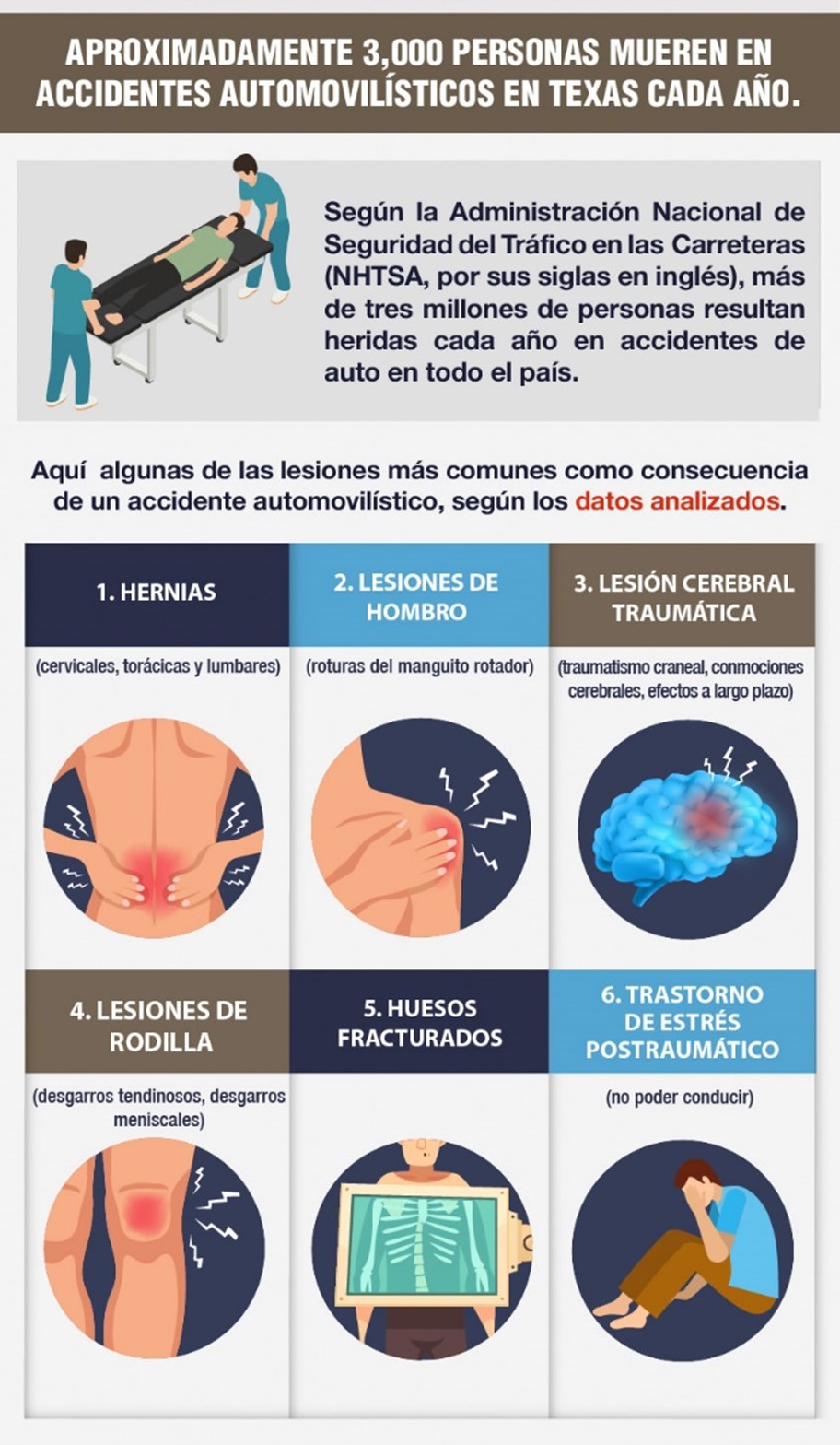
Year after year, motor vehicle incidents are at the top of the list for cause of workplace fatalities. Off the job, they take tens of thousands of lives a year. Driving safely while off the job is just as important of driving safely while on the job. A serious car crash will affect your family emotionally as well as probably financially. Serious injuries sustained in a car crash will affect your ability to earn an income. Not only will your family be affected from a car crash off the job, but your company and coworkers will as well. Everyone has a role at work and when one person isn’t healthy or misses work, the company loses a valuable piece to that puzzle.

SHARE RESPONSIBILITY

Regardless what the statistics are in relation to the fatality and injuries in motor vehicle crashes, road safety is a shared responsibility between employers and employees.

Reducing motor vehicle crash deaths was one of the great public health achievements of the 20th century for the US. However, more than 32,000 people are killed and 2 million are injured each year from motor vehicle crashes. In 2013, the US crash death rate was more than twice the average of other high-income countries. In the US, front seat belt use was lower than in most other comparison countries. One in 3 crash deaths in the US involved drunk driving, and almost 1 in 3 involved speeding. Lower death rates in other high-income countries and a high percentage of risk factors in the US suggest that we can make more progress in reducing crash deaths.

SAFE DRIVING TIPS

Before You Drive

  • Manage journeys – Ask yourself if you can get your work done without driving. Can you use a phone call, an email, an online meeting to avoid unnecessary driving? Can you reduce risks by using public transit?
  • Taxis and ride-hailing services are travel options you can use to eliminate some of the driving you do. Use the suggested practices in this tip sheet to ensure a safe trip.
  • If you need to drive, prepare for the trip. Even if it’s a short trip, TripCheck is a handy online tool to help you get ready for the trip ahead.
  • Prepare yourself – Are you well-rested, alert and confident to reach your destination?
  • Prepare a trip plan – Check the route you intend to travel and scope out an alternate route just in case. Check traffic and road conditions. Set up a check-in contact, and share your plan with your supervisor.
  • Prepare your vehicle – Are the seat, mirrors and headrest adjusted for you? Do a pre-trip inspection to confirm everything is working properly. Is the maintenance up to date? If you don’t think the vehicle is up to the trip, talk to your supervisor.

While You Drive

  • It’s up to you to know the rules and make sure you follow them.
  • Wear your seatbelt.
  • Take a break from driving at least once every two hours. Stretch your legs. Have a quick walk. Rehydrate.
  • Pay attention and avoid distractions. Don’t use a cell phone or adjust the GPS while driving. When you’re behind the wheel, driving is your only job.
  • Drive for the conditions. Speed limits are set for optimal driving conditions. Adjust your speed so that it’s right for you and your vehicle in those conditions.

After You Drive

  • Report any vehicle damage or required maintenance.
  • Share information about unsafe routes or things to watch out for so your colleagues don’t encounter the same problems, are better prepared or can make other adjustments like timing.

OTHER TIPS

  • Do not engage in other activities while driving. Activities such as using cellphones, eating, or even just reaching for an item takes your eyes and focus off the road. A large majority of accidents are caused by distracted drivers.
  • Be a defensive driver. Always leave yourself an out when driving. Think about your next move if an accident was to happen in front of you or a car ran the next stop light. Thinking ahead and being proactive when driving can save your life.
  • Maintain a clean and well-kept vehicle. Dirty windows and dust can be distracting and make it hard to see while driving. Loose cargo such as empty water bottles, tools, PPE, and other items are not only a distraction, but they can also interfere with controls in the vehicle.

OSHA MAINTENANCE AND SAFETY REQUIREMENTS

OSHA requires weekly maintenance checks to make sure they’re in safe operating conditions free of damage.

Areas to check are:

  • brakes, including trailer brake connections, handbrakes and emergency brakes
  • tires, horns, lights, reflectors, wipers, defrosters, and or fire extinguishers
  • steering system, coupling devices
  • operating controls, safety devices, as well as seat belts
  • Any defects found must be corrected before the vehicle can be placed back into service.

Help Yourself

Safe work habits are important. Here are three actions you can take to be safe on the job site.

Prepare for safe driving

You must have a valid driver’s license to drive on public roads.

Concentrate on working safely

Whether you are the driver or a passenger, always wear your safety belt. Obey all traffic signs and signals. Risks and shortcuts can lead to serious injury and death.

FINAL WORD

A safe driving program can save lives.  Workplace vehicle accidents are the leading cause of death for workers of all ages.  The employer program should work to keep the driver and others the road safe. The program must work to change driver attitudes, improve behavior, and increase skills to build a safe culture. Employers should instruct employees on basic safe driving practices.


Motor Vehicle Safety Stats and Facts

FACTS

  1. Millions of workers use motor vehicles every day, which may be why motor vehicles are the leading cause of work-related deaths. Semi-trucks had the most fatalities at 28% over automobiles at 24% and pickup trucks at 12%.
  2. Fatigue is a major cause of highway injuries
  3. The National Transportation Safety Board (NTSB) reported that fatalities occurring with company vehicles were caused by fatigue, alcohol, drugs, and other medical issues.
  4. Implementing safe driver programs at work keeps employees safe.
  5. The number of large trucks registered and large-truck miles driven are increasing, as are overall large-truck crash rates based on miles driven.
  6. Crash deaths of occupants of large trucks (above 10,000 pounds) are increasing.

STATS

  • Traffic crashes are the number one cause of on the job deaths in America. 2 of every 5 people killed at work die in a workplace vehicle accident. According to the Bureau of Labor Statistics more than 1,766 deaths a year result from occupational transportation incidents. That number is more than 38% of the 4,547 annual number of fatalities from occupational injuries.
  • Every 12 minutes someone dies in a motor vehicle crash, every 10 seconds an injury occurs and every 5 seconds a crash occurs. Many of accidents happen during work.
  • Deaths have decreased for the third consecutive year, 39,107 people died in motor-vehicle crashes in 2019. However, motor-vehicle crashes remain the leading cause of death for people for every single year of life from age 4 to 12 and from 14 to 22 and a leading killer in all age groups.
  • In 2019, 277 million vehicles were registered and 39,107 people died on the road.
  • In 2019, the number of deaths decreased 0.8% and the mileage death rate of 1.20 per 100 million vehicle miles was down 1.6% from the 2018 rate of 1.22.
  • Medically consulted injuries in motor-vehicle incidents totaled 4.5 million in 2019, and total motor-vehicle injury costs were estimated at $463.0 billion. Costs include wage and productivity losses, medical expenses, administrative expenses, motor-vehicle property damage, and employer costs.
  • Miles traveled increased 0.7%, the number of registered vehicles went up 1.5%, and the population grew 0.3%. As a result, the mileage death rate decreased 1.6%, the vehicle death rate decreased 0.7%, and the population death rate was down 0.8% from 2018 to 2019.


Motor Vehicle Safety Fatality Report

44-year-old man dies in Little Valley car accident

The man was driving his 2020 Dodge Challenger when he lost control of his vehicle on Route 353 around 6 p.m.

LITTLE VALLEY, N.Y. — A Cattaraugus man died Saturday night in a motor vehicle accident on Route 353 in Little Valley.

The 44-year-old man, who has not been named, was driving his 2020 Dodge Challenger around 6 p.m. when he lost control of his car, according to deputies.

The car hit a guard rail on the west side of the road and then traveled across the road and hit a northbound vehicle.

The car continued after hitting the northbound vehicle until it went off the east side of the roadway, into a field where it stopped traveling.

The 44-year-old driving the Dodge Challenger was pronounced dead at the scene. No one else was injured.

An investigation is still underway. The Cattaraugus County Sheriff was assisted by Little Valley Fire Department and Seneca Nation EMS in the response.