Picture This! Worse Than Burnt Toast

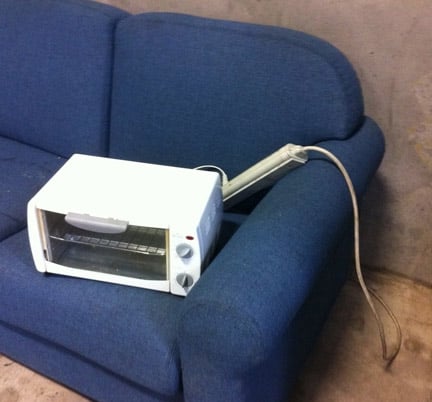
When there’s no table or countertop handy and you’re hungry, finding a convenient place to plug in a toaster oven can be challenging. But this sort of arrangement could easily result in much more than burnt toast. (Naval Safety Center photo)

Toaster on a couch


Picture This! Perched on the Top Rung

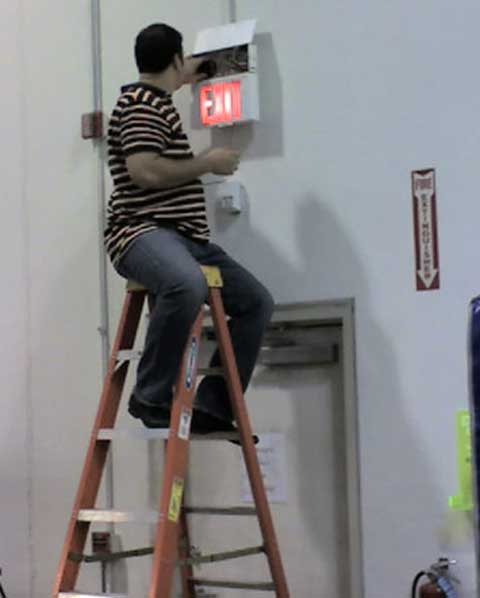
If standing on the top rung of a ladder isn’t safe, sitting on it certainly isn’t either. And there could be an electrical hazard here too, as the exit sign this guy is working on is illuminated. (Naval Safety Center)

Top Rung

Top 10 Workplace Safety & Health OSHA Violations for 2011

Straight Talk About Ladder Safety


Picture This! Sticks and Bricks Could Break Bones

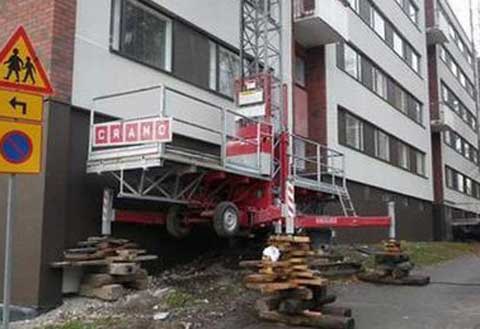
Here’s an interesting-yet-potentially deadly way to support a crane’s outriggers. Just use an assortment of whatever seems to be handy, safety be damned. How would you like to be walking past this worksite? (Naval Safety Center)

Crane on Blocks


Picture This! In the Crow’s Nest

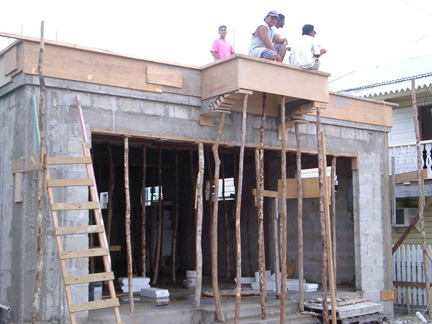
Snap. Crackle. Drop. This rickety looking set-up is enough to raise the hair on your neck. A corporate safety officer snapped this photo while vacationing in Belize. (Naval Safety Center)
Bad place to take a break


Picture This! Important Information Scrawled on a Paper Towel

We assume this is important information, so it shouldn’t be scrawled on a piece of paper towel that could blow away in a draft or get wet and quickly become illegible.


Picture This! De-Feeting the Purpose of Safety Footwear

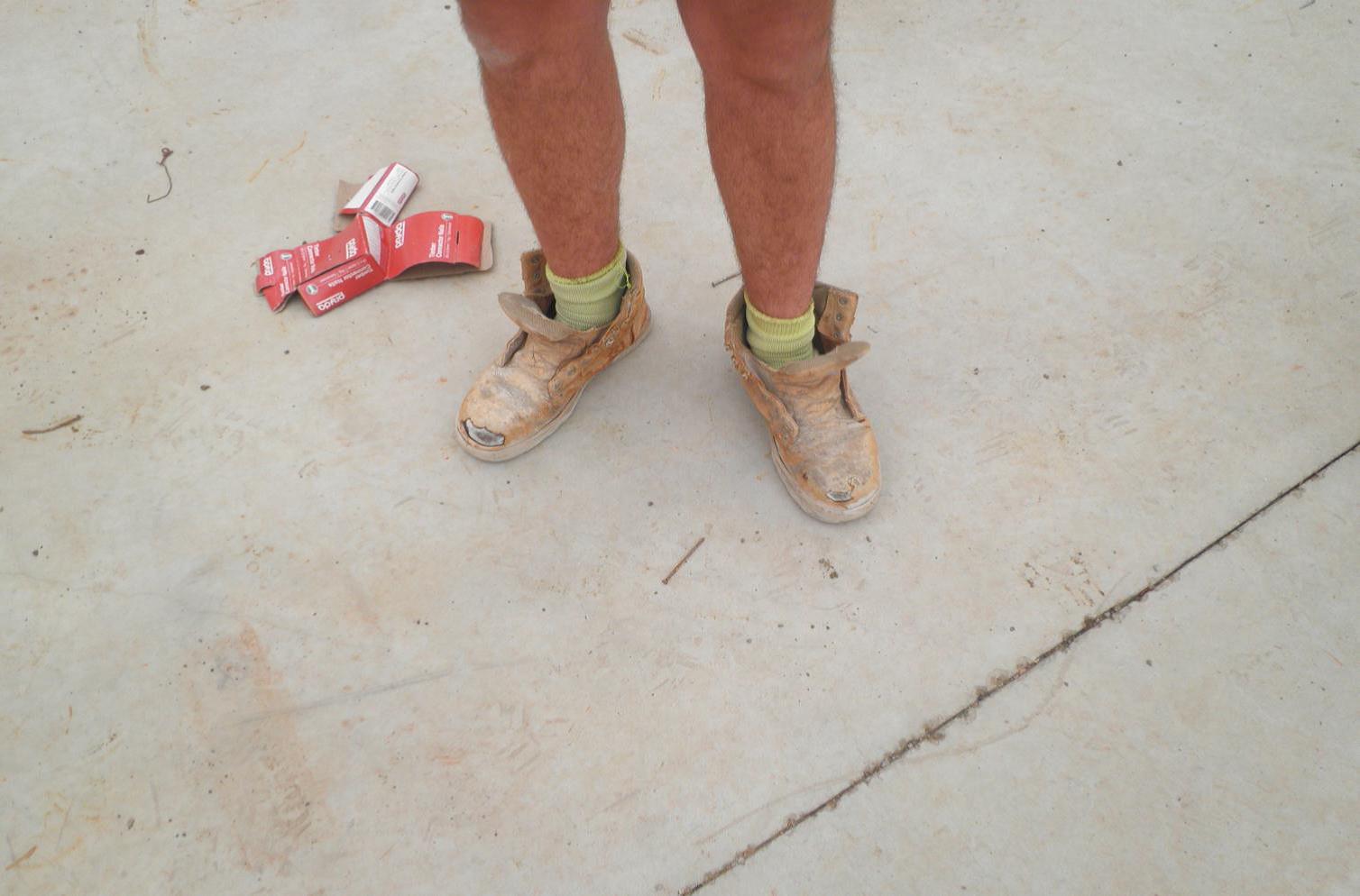
Whatever part of this safety footwear which was considered to be “safe” by the wearer is something that only he would know. Everyone else would be left scratching their heads. The bricklayer sporting these sad safety shoes was sent home and told to not come back until he was wearing appropriate PPE. These boots have no laces, leaving them gaping at the ankles, and also have damaged safety toes. No wonder he was sent walking.  Footwear must be suitable for the hazards and be maintained in good condition. (WorkSafe Victoria, Australia)


Picture This! Hold it Steady, Boys

There’s never a shortage of ladder lunacy playing out in workplaces across the world. Here, a worker using a too-short ladder gets a boost from three co-workers. You’ll also notice he is straddling an electrical line. While the power must have been shut off, this arrangement still puts the worker’s safety, and that of others, in significant danger. (Naval Safety Center)


Picture This! Kicking Up Deadly Dust

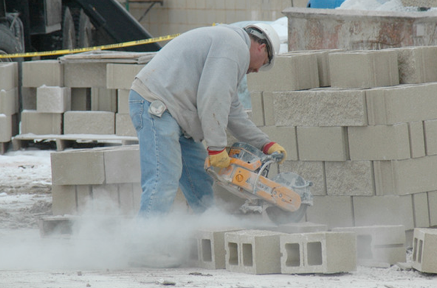
Head protection: check. Hand protection: check. Two out of three ain’t bad, as the saying goes, but in this case the critical missing PPE element is respiratory protection. This worker is kicking up a lot of dust as he uses a concrete saw. We wouldn’t want to be on the breathing end of this arrangement. Ongoing exposure to silica dust can lead to deadly silicosis and lung cancer. Use of appropriate respiratory PPE is essential in preventing silica exposure.


Picture This! Drivers Forced to Read Between the Lines

Staying in one’s lane on an interstate highway isn’t usually a challenge, unless the road lines look like they were drawn by a toddler. This problem occurred on Interstate 66 in Virginia. These squiggly lines weren’t painted on the road, but instead formed when temporary striping tape on the road peeled off. The crooked traffic “lanes” were narrower than many large vehicles and at least one crash is said to have occurred.


Picture This! Stacking the Odds Against Safety

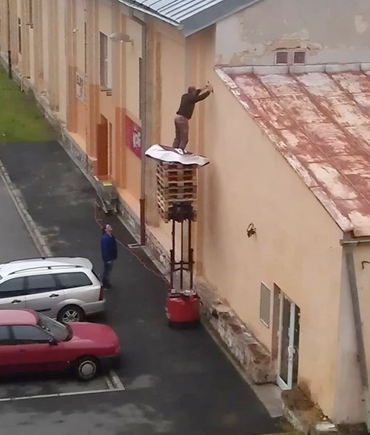
There is a right way and a wrong way to do things. Guess which method is illustrated here? A worker risks life and limb by standing on a stack of pallets piled on top of an aerial lift. To make matters worse, he is leaning forward to reach the wall, all without using any form of fall protection. (Fail Blog)


Picture This! I Spy a Contaminated Eyewash Station

eyewash station

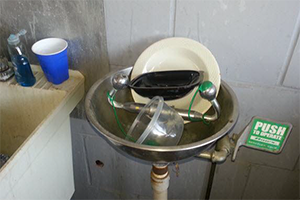
Maybe this company has never experienced an eye emergency where a worker needed instant access to an emergency eyewash station to flush contaminants from the eyes. Someone has added a few contaminants of his own to this eyewash station, in the form of dishes. There is a real sink, albeit not a very clean looking one, immediately to the left of this eyewash station, so it is doubly puzzling as to why anyone would place dishes in an emergency eyewash unit. (Naval Safety Center)


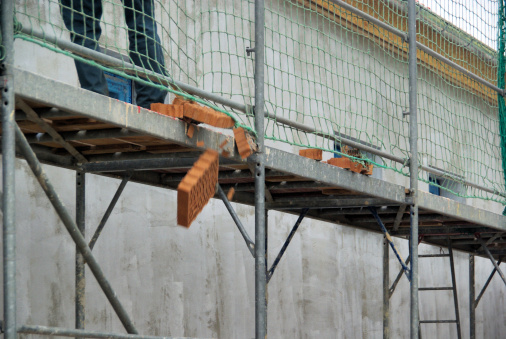
Picture This! A Few Bricks Short of a Secured Load

In a race between these falling bricks and a shouted warning to people working or walking below, these bricks would likely inflict horrible injuries before people could even register what was happening. Tools and materials must be secured against movement on scaffolding. If possible, barricades should be set up to prevent people from walking or working under scaffolding. (Ginarte O’Dwyer Gonzalez Gallardo & Winograd, LLP Attorneys)


Picture This: Trench and Excavation Hazards


Trenches and excavations poses various safety hazards to the workers who must work in and around them. What hazards and safety violations do you see in this photo?

  1. Part of the trench is unsupported; leaving workers exposed to cave-in hazards.
  2. Shoring is not consistently braced by screw jacks. This could allow the sides of the trench walls to collapse.
  3. The spoil pile of rocks and other materials is not far enough back from the edge of the excavation.
    • Workers could easily be hit or crushed by objects and equipment that are not a safe distance away from the edge of the excavation.
    • In the U.S, material must be at least 2 feet from the edge of an excavation.
    • In Canada, the distance is at least 1 meter.
  4. There doesn’t appear to be a ladder or other means of safe entry and exit. Excavations must have a way for workers to safely enter and exit. Check with your supervisor or competent person on specifics.

Collapses of excavations are all too common and often fatal. Protect yourself and others by being aware of the hazards and the safety measures that should be in place, before you step into an excavation.


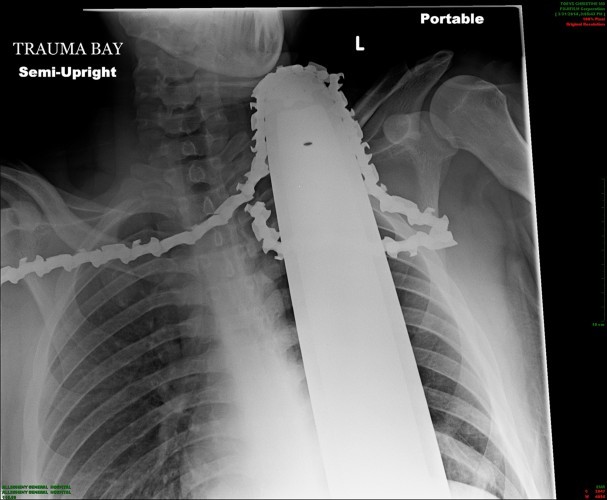
Picture This! Worker Survives Chainsaw Necklace Nightmare


Chainsaw Necklace Nightmare

A chainsaw that cuts through trees like butter obviously can create unspeakable destruction when it kicks back and strikes its operator. Amazingly, a young tree trimmer is still around to speak about an incident that left a running chainsaw’s chain embedded in his neck. The saw’s chain snapped and it flew back and sliced about two inches into his skin, lodging the blade and chain between his collarbone and his neck. The saw was still running afterwards. The worker, James Valentine, 21, managed to shut off the chainsaw and climb down the tree he had been cutting. He survived the horrifying experience only because the saw did not strike any major arteries and instead cut into muscle tissue. Valentine successfully underwent surgery in Pittsburgh to remove the blade and chain and said he is looking forward to returning to work. Here is an X-ray showing the saw’s chain lodged in Valentine’s neck. (Photo courtesy Allegheny Health Network)


Picture This! Right Place, Right Time

A customer at a restaurant in Saskatoon, SK, was in the right place at the right time when she had an allergic reaction to the dessert she was eating. Star Winter, 28, at right, broke into hives, her face began swelling, and her lips went numb. Restaurant host Aidan Murphy, 18 (at left) recognized she was having a food allergy and having a nut allergy himself, he carries an epinephrine auto injector with him. He gave the device to Winter and her dinner companion, a retired nurse, administered it. Winter said she initially felt worse, but by the time she saw a doctor, her symptoms were improving. Without the young worker’s quick thinking, the outcome could have been much worse. (CTV News Saskatoon)
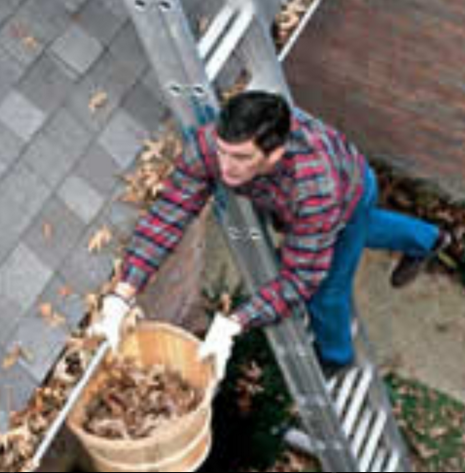
Picture This! One Point of Contact Puts Safety in the Gutter

Clearing rain gutters of leaves is a job many people want to get out of the way in a hurry because of their fear of being high off the ground on a ladder. Safety often takes a back seat to convenience, as is evidenced by this photograph showing a worker’s unorthodox and unsafe ladder-ballet working style. Two cardinal rules of safe ladder use are the need to maintain three points of contact with the ladder and never placing one’s body outside the ladder’s rails. If this unbalanced ladder slid sideways, playing fast and loose with physics could soon prove deadly for this man. (Internet)


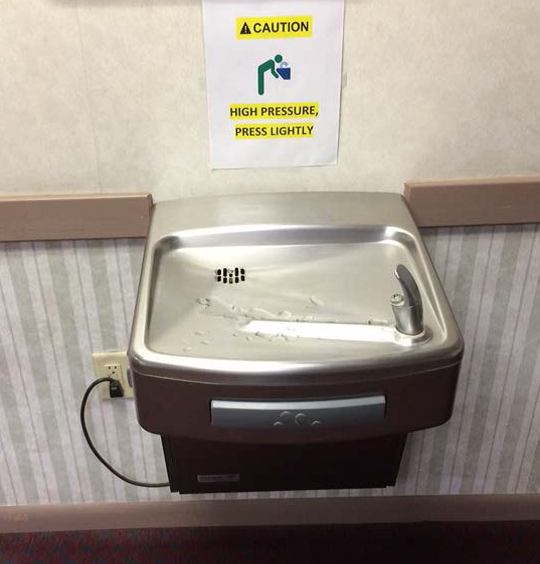
Picture This! Zap Your Thirst Here

Some people get a charge from energy drinks, but here’s a way to get one from a plain old drinking fountain. Notice the position of the plug and outlet, and the sign warning of high-pressure water delivery. And the outlet does not appear to have ground fault circuit interruption (GFCI) protection. Still thirsty? (Naval Safety Center)


Picture This! Everything-But-The-Kitchen-Sink Platform Elevates Fall Hazard

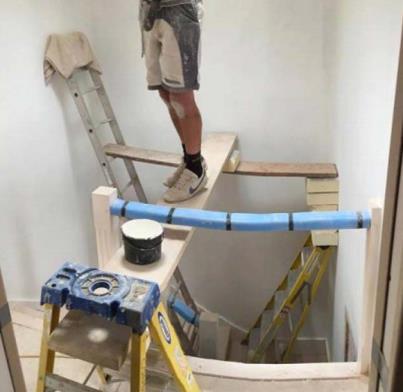
When working above a stairwell, you need to have the right equipment and a plan for performing your job safely. The worker shown in this photograph has come up short on both counts, having assembled a questionable assortment of ladders, blocks and boards into a platform that no safety-conscious worker would want to be caught dead on. Check out the bend in the board along the rear wall. It’s ironic that the worker has made the effort to prevent damage to the wall by covering one ladder’s side rails with a cloth, yet taken no effort to protect his life. (Naval Safety Center)


Picture This! Did Anyone See Where I Put the…

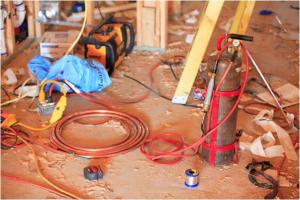
Construction sites are busy places where workers have a lot on their minds. In this housekeeping house of horrors, it would be easy for a worker to fall for any number of tripping hazards. Workplace housekeeping goes far beyond appearances. Clutter can cause serious trip and fall hazards, along with fire hazards.


Picture This! Worker Rescued Nine Hours After Racking Falls Onto Forklift

We don’t know how fond forklift operator Tomasz Wiszniewski is of cheese, but he could be forgiven for liking it a little less after becoming trapped under 55,000 tonnes of the stuff when 18-metre (60-foot) high shelving collapsed at a food distribution warehouse in Hinstock, England. Wiszniewski, seen at right, stayed inside his forklift’s protective structure throughout the ordeal and was able to walk out of the plant without injuries. Investigators are trying to determine the cause of the racking collapse. (Daily Express, UK)


Picture This! Whaddaya Mean I Can’t Park it Here?

Picture This! Whaddaya Mean I Can’t Park it Here?

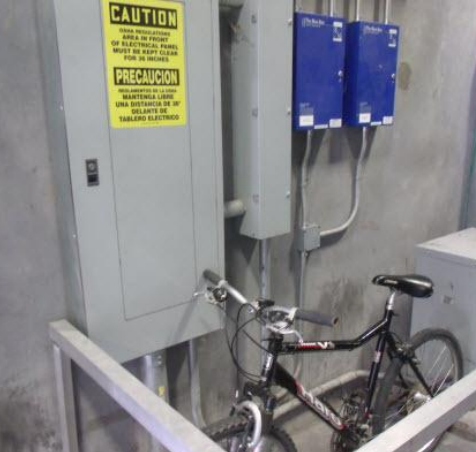
 Maybe this bike owner has difficulty judging distances, but the bright yellow warning sign on this electrical panel clearly warns that the area in front of it must be kept clear for 36 inches. In an emergency requiring a breaker switch to be shut off, removing this obstruction to gain access to the panel could waste critical time. Apparently an inch is as good as a mile to one who doesn’t care about rules. (Naval Safety Center)


Picture This! This Power Bar Appears Good to Glow

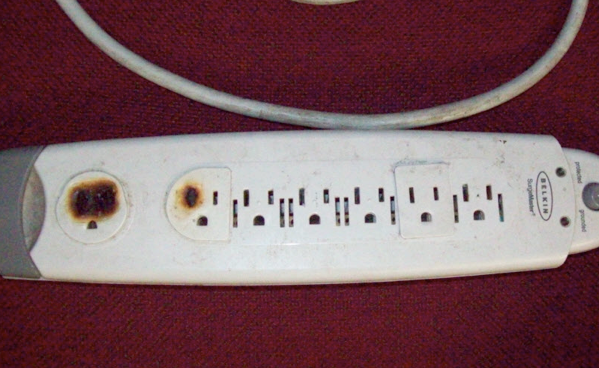
Since October is Fire Prevention Month, it’s only fitting to show a photograph of a situation that would have any electrician or firefighter shaking his or her head. A safety inspector found this device, still in use, under a bed. The person(s) sleeping in this bed may well have never awakened from this nightmarish hazard if a fire had started. (Naval Safety Center)


Picture This! Vertical Vertigo

Picture This! Vertical Vertigo

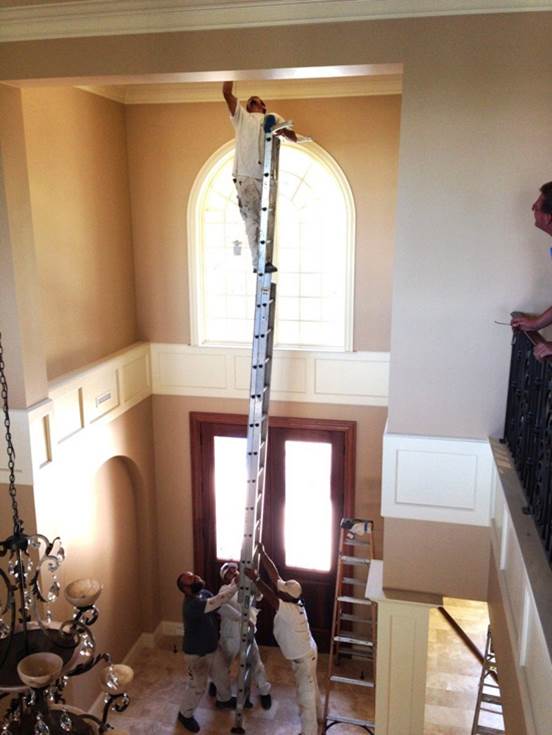
Holding an extended extension ladder upright is a difficult enough task, but when there’s a person standing high on top of one, all bets are off. Three workers struggle to hold an occupied ladder in a vertical position in this photograph. If the worker on the ladder moved suddenly, the outcome could turn deadly for this crew. Wrong ladder + wrong method = safety fail. (Naval Safety Center)


Picture This! And This Little Bare Wire Goes in Here

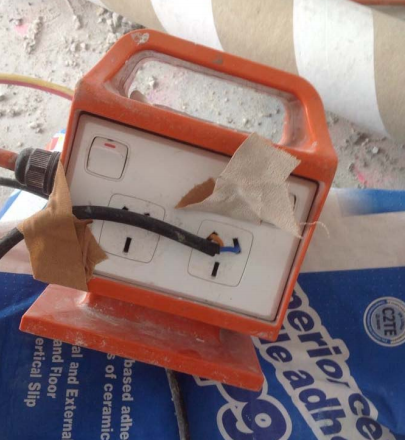
Making do with what you have is good advice in many situations, but in the world of workplace safety, making do often translates into taking unsafe shortcuts. Here we have a situation where someone has shoved bare electrical wires into an electrical outlet and then taped the makeshift wiring to hold it in place. Hopefully necessity won’t become the mother of electrocution. (WorkSafeVictoria, Australia)


Picture This! A Bucket Load of Problems

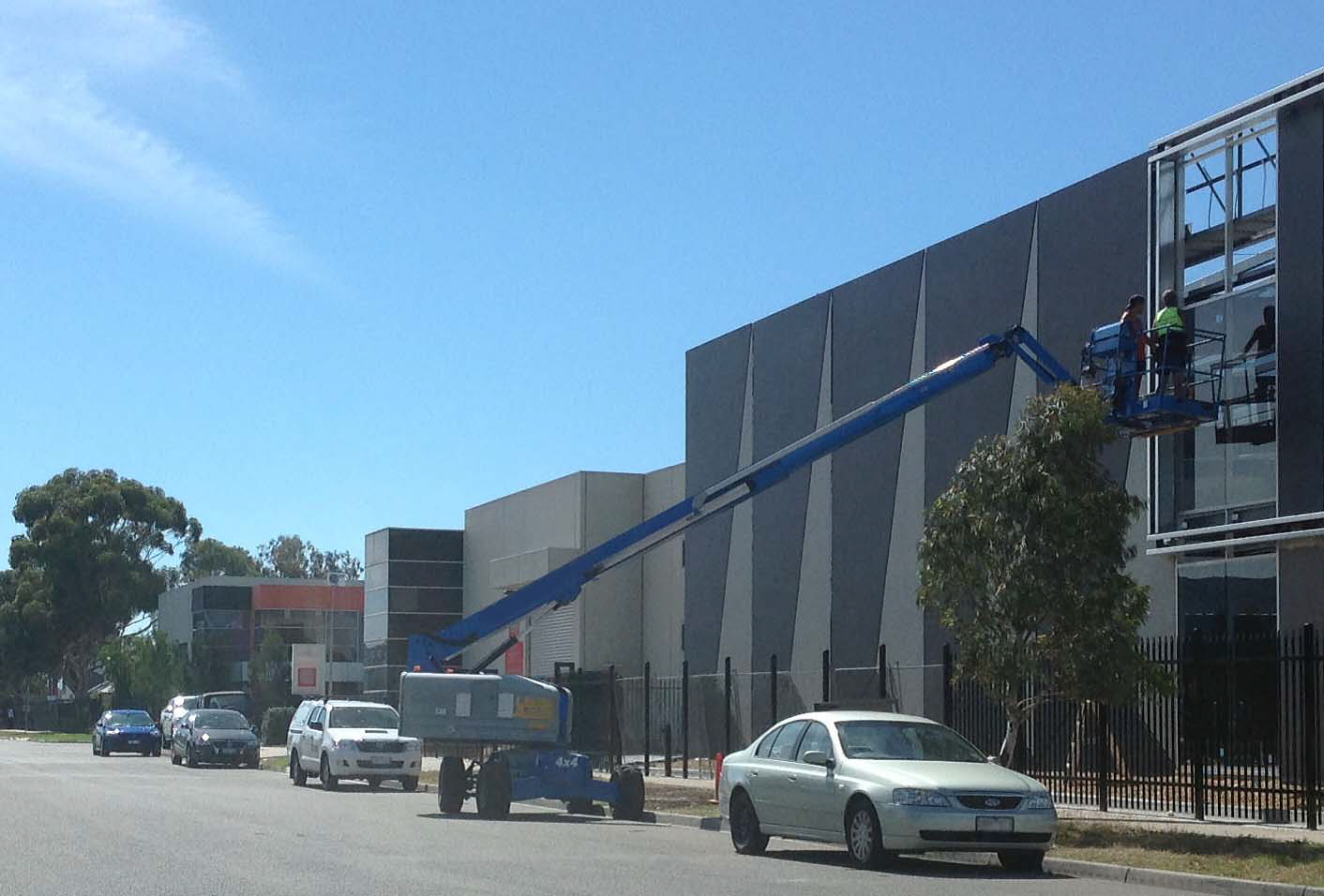
What’s wrong with this picture? Actually, there are three things. First, the workers in the bucket are not wearing fall protection harnesses. Second, the counterweight on the lift is protruding into a traffic lane, with no traffic management practices in place, and third, there is no barricade to prevent people from walking under the boom or bucket. (Victorian WorkCover Authority, Australia)