Benzene Safety

Safety Talk

What’s at Stake?

Benzene is a highly flammable, colorless or light yellow, sweet smelling liquid that evaporates quickly into the air. Since its vapor is heavier than air it can sink into the low-lying areas. It is found in products made from coal and petroleum. Lubricants, plastics, rubber, dyes, and other chemicals can be produced with benzene.

What’s the Danger?

Benzene works by causing cells not to work correctly. For example, it can cause bone marrow not to produce enough red blood cells, which can lead to anemia. Also, it can damage the immune system by changing blood levels of antibodies and causing the loss of white blood cells. Benzene is also harmful to the eyes, skin, airway, nervous system, and lungs and can cause blood cancers like leukemia. The seriousness of poisoning caused by benzene depends on the level of exposure and the age and overall health of the exposed person. The level of exposure depends upon the dose, duration, and work being done. Some examples of workers at risk of benzene exposure include the following:

  • Factory workers where steel or rubber is made or processed.
  • Workers in the printing industry or who work around printing inks.
  • Fire fighters exposed to toxic smoke.
  • Workers in gas stations, shoe making or repair, and who work in laboratories.

How to Protect Yourself

Read the Safety Data Sheet

Prior to working with benzene or any other chemical, take time to read the safety data sheet. Learn the signs and symptoms of exposure, safe use, what PPE to wear, and what to do if you’ve been (or think you’ve been) exposed.

Protect with PPE

  • Wear chemical safety goggles and a face shield must be worn when contact/splash is possible.
    • Remove contact lenses prior to working with benzene.
  • Use chemical protective clothing including, gloves, aprons, and boots. Safety equipment manufacturers recommend the following as protective materials:
    • Polyvinyl alcohol, Viton, Barrier PE/PA/PE
    • Silver Shield – PE/EVAL/
    • Tychem BR/LV, Tychem Respsonder CSM, Tychem TK
  • Respiratory Protection
    • NIOSH recommends
      • Over .5 ppm – NIOSH approved full facepiece with organic cartridge.
      • 5 ppm – NIOSH approved suppliedair with full facepiece in pressuredemand/positive-pressure mode. ‚
      • 500 ppm is immediately dangerous to life and health.
      • If there is a potential for 500 ppm, a NIOSH approved self-contained breathing apparatus – SCUBA – with a full facepiece in pressure-demand/ positive-pressure mode with emergency escape air cylinder.
    • Check with federal, state, and provincial exposure guidelines.

Signs of Overexposure

Benzene is extremely hazardous if inhaled, ingested, or absorbed through your skin. Symptoms can start to develop within a few minutes to several hours after exposure:

  • Drowsiness, dizziness, or tremors.
  • Rapid or irregular heartbeat.
  • Headaches, confusion, unconsciousness.
  • Vomiting or irritation of the stomach.
  • Convulsions, rapid or irregular heartbeat.

First Aid

Route of Entry First Aid
Inhalation If safe, wear PPE and move victim to fresh air. Call 911. Loosen tight clothing. Administer oxygen if available and you’re trained. Perform CPR if victim is not breathing.
Ingestion Call poison control or EMS. Do not induce vomiting unless told to do so by medical personnel. Never try to give an unconscious person food or drink.
Eye Contact Remove contact lenses. Immediately begin to flush eyes with clean water for at least 1520 minutes.  Call for emergency help.
Skin Contact/ Absorption Flush skin with lukewarm water ASAP – for 15-20 minutes. While doing this remove contaminated clothing and shoes. Follow up with a doctor for any pain or irritation. Double bag, seal, label, and leave clothing, shoes, and leather goods at the scene for safe disposal.


Final Word

Benzene is a cancer-causing chemical and its exposure is regulated by strict safety regulations. Educate yourself on the hazards and protective measures and talk to your supervisor or safety contact if you have questions or concerns.



First Aid and Four Fatalities

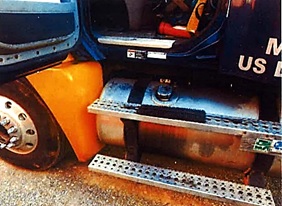
A 51-year-old male truck driver died after he suffered a heart attack and fell while attempting to enter or exit his truck at a shipping yard. Investigators believe the fall was the result of the heart attack.

https://www.tn.gov/content/dam/tn/workforce/documents/Employees/SafetyHealth/tosha/fatalityinvestigationarchive2017/34Fallfromtruckstep-Inspection1279830.pdf

A 44-year-old male police officer drowned while attempting to rescue a citizen from a submerging vehicle.


https://www.tn.gov/content/dam/tn/workforce/documents/Employees/SafetyHealth/tosha/fatalityinvestigationarchive2017/6Drowning-Inspection1210766.pdf

A 39-year-old male employee received a wasp sting to his face and was admitted to the hospital for an allergic reaction. He died three days later because of complications from the reaction.


https://www.tn.gov/content/dam/tn/workforce/documents/Employees/SafetyHealth/tosha/fatalityinvestigationarchive2017/23WaspSting-Inspection1250148.pdf

A 21-year-old male employee was fatally injured when he was over-exposed to methylene chloride while stripping a bathtub in an apartment home.


https://www.tn.gov/content/dam/tn/workforce/documents/Employees/SafetyHealth/tosha/fatalityinvestigationarchive2017/12Overexposuretomethylenechloride-Inspection1229753.pdf

Timely first aid saves lives. As these four fatal incidents show, accidents at work vary greatly in type, cause, and location. The common thread between them is the chance that first aid might have made a difference in how these workers’ stories ended.

CPR, use of an AED (Automated External Defibrillator), immediate use of an EpiPen – could have potentially saved the lives of these four men.


Picture This: First Aid Kit Fiasco

https://www.reddit.com/r/OSHA/comments/5m8ghh/opened_my_labs_first_aid_kit_because_i_burned/

Let’s hope that whatever your ailment is it can be taken care of by either aspirin, ammonia inhalants, or random white cloth. If not you’re out of luck.

The laboratory worker who submitted this photo to Reddit had burned himself and when he opened the first aid kit this is what he found. The cloth might have been helpful to cover and protect the burn… except it’s definitely not sterile.

First aid kits must be stocked with supplies that are appropriate for the potential hazards and types of injuries that could be reasonably expected to happen at a location. They must also be stocked according to any regulatory requirements or recommendations from consensus standards, such as ANSI.

Your employer should be checking all first aid kits regularly and restocking as needed. If you see a first aid kit that needs restocking let your supervisor know right away.


By the Numbers: First Aid Matter – When Minutes Matter

  • A human heart can cease beating within 4 minutes after breathing stops.
  • Permanent brain damage can occur within 4 to 6 minutes after breathing stops.
  • Average ambulance response time is 8 to 12
  • More than 1/3 of Canadian deaths each year are attributed to coronary disease, which makes it the leading cause of death in Canada.
  • Each year, more than 350,000 people in the United States — one every 90 seconds — experience cardiac arrest. Those who receive CPR from a bystander are up to 3 Times more likely to survive than someone who doesn’t receive such assistance.
  • The survival rates of individuals suffering cardiac arrest decrease by approximately 7 – 10% every minute that defibrillation is delayed.
  • The use of an Automated External Defibrillator (AED) can save the lives of 30% or more of those who suffer cardiac arrest.
  • When defibrillation is delayed, survival rates decrease to approximately 50% at 5 The earlier defibrillation occurs, the better the prognosis.
  • Research shows that people who have first aid training can reduce their own personal injuries by as much as 30%.


Picture This: How Would You Treat Hands Like These?

Frostbite is the freezing of the extremities (fingers, toes, nose, earlobes, etc.) caused by loss of blood flow, which can cause tissue damage and the need for amputation.

You’re at risk of frostbite if you work outdoors, in/near/above water or inside freezers or refrigerated facilities, including:

  • Construction and mining
  • Utilities
  • Oil and gas extraction
  • Transportation and truck driving
  • Agriculture, Lumber, Fishing
  • Mortuaries
  • Food production and warehousing

Make sure you know the signs and symptoms of frostbite so you can recognize and properly treat the condition.


Frostbite Signs & Symptoms

  • Bluish or pale, waxy skin
  • Blackened skin (extreme cases)
  • Blistering
  • Numbness, tingling, stinging sensation

Frostbite First Aid Treatment

  • Get into warm room ASAP
  • Loosely cover affected area
  • Give victim warm, sweetened (non-alcoholic) drinks
  • Allow victim and affected area to warm up
  • DO NOT rub affected area
  • DO NOT directly expose affected area to fire, heat lamp or other heat source that can cause burns
  • DO NOT break blisters

Frostbite Prevention

To protect against frostbite, follow these safe work practices:

  1. Wear warm, insulated and water-proof gloves.
  2. Take frequent rest breaks to warm up.
  3. Keep your fingers and hands dry.
  4. Avoid touching cold metal objects with your bare skin.

ADDITIONAL RESOURCES

Safety Talk – Winter Work Wear: Avoid a Chilly Surprise with the Right Work Wear


Focus On: 8 Crucial Skills Supervisors Need to Have

1. Communication

Having excellent communication skills allows supervisors to speak with impact, whether it be off-the-cuff dialogue or brief updates to their team.

2. Conflict Resolution

A supervisor’s ability to define and identify conflict styles, causes, and methods for handling conflict can improve the department’s or organization’s productivity.

3. Leadership

Supervisors with leadership skills help bring accountability to their teams by creating a supportive and motivating work environment.

4. Critical Thinking

A supervisor with critical thinking skills has the ability to develop a step-by-step process from targeting the problem to developing a solution.

5. Interpersonal Skills

Interpersonal skills enable an individual to develop highly effective teams that are built upon consensus, effective meetings, social style understanding and relationships.

6. Time and Priority Management

Supervisors with time and priority management skills can boost productivity and efficiency. It is ideal for supervisors to understand what is urgent and what is important.

7. Diversity and Generational Differences in the Workplace

Being aware of diversity issues helps supervisors appreciate the different experiences and places value on the impact it has on the workplace.

8. Problem Solving

A valuable supervisor is someone who not only knows how to take an issue and find the root of the real problem but also has a process for solving the problem in a structured manner.

You can read the full article here: https://www.yourerc.com/blog/post/8-crucial-soft-skills-supervisors-need-to-have.aspx


Supervisor Secret: Training Adults Using Participatory Learning

Want to see a higher rate of retention and return on investment in your training program? Keep these characteristics in mind when it comes to adult learning.

  1. Adults are self-motivated.
  2. Adults expect training to apply immediately and directly to their lives/work/job.
  3. Adults learn best when are actively engaged – and not passively listening to a lecture or video.
  4. Learning activities for adults work best when learners can practice and develop both technical knowledge and general skills.
  5. Adults learn best when they can interact with both the instructor and their peers. This can be done in a variety of ways – even when using online learning.
  6. Adult learners retain and understand concepts when personal experiences are shared.

Participatory Methods of Instruction

Let’s look deeper into the concept of engaging learners by sharing personal experiences – or participatory training. Participatory training methods draw on participants’ own experiences. They encourage teamwork and group problem solving. Participants can analyze safety and health problems in a group and work to develop solutions. There can also be valuable exchanges between workers and trainers about their lives and work.

Participatory methods work well with people who have difficulty reading and writing. They also allow the instructor to see who is having difficulty with certain concepts and to engage with them to ensure comprehension.

Participatory methods:

  1. Draw on the participants’ own knowledge and experience about safety and health issues.
  2. Emphasize learning through doing without relying on reading.
  3. Create a comfortable learning experience for everyone.

Samples of Participatory Methods

Participatory training methods draw on the trainee’s own experiences and knowledge, as well as encourage valuable exchanges between workers and trainers. The following are examples of methods to encourage trainees to participate and be actively engaged in class:

  • Ice-breakers
  • Role-playing
  • Games
  • Small group exercises
  • “Trigger” visuals
  • Brainstorming
  • Demonstrations and hands-on activities
  • Participatory lectures


Quick Course – Fatigue at Work Can Kill You

Course Description

You’re an accident waiting to happen if you are not alert at work. This applies to most high-risk jobs (trucking and transport jobs), repetitive jobs (such as sorting logs in a lumber mill), and a host of other jobs – regardless of the inherent risk level.

The risk of making mistakes at work increases dramatically if workers sleep for less than seven to eight hours or are awake for more than 17 consecutive hours.


Supervisor Secret: Leading Through Change

Leading the Charge Through Change

The only thing you can count on in today’s workplace is change. Just when you get accustomed to one way of doing things, a new plan comes along.

The rapid advances in technology affect every workplace. From just-in-time delivery systems to better personal protective equipment, changes are always taking place.

As a supervisor, you often find yourself in the position of guiding your crew through changes. Here are some tips for making the transitions a little easier:

  • Stay alert. Don’t spread rumors, but pay attention to them.
  • Listen to the people in management and in your work area. The sooner you know about intended changes, the better prepared you will be to deal with them.
  • Learn as much as you can about the planned changes. Take advantage of any orientation or training sessions offered to you. Read up on the new equipment or system on your own. Stay on top of technological developments and other advances in your field.
  • Encourage your workers to upgrade their education and training continually, so they can be prepared for the inevitable workplace changes they will experience.
  • Once the particular changes are decided upon, embrace them enthusiastically. Commit yourself to the changeover.
  • Encourage your crew to view the new systems optimistically. Changes need the support of everyone involved to be effective and easy.

No improvement can happen without change.

Encourage enthusiastic participation in the changes taking place in your work area. Try to involve workers in planning the changes, and cultivate good communication.

  • Give the workers as much information about the plan as far ahead of time as you can. Give them time to get used to the idea. It is important to explain the reasons for the change.
  • Involve the workers in the planning process. They are much more likely to co-operate if they have a hand in deciding future developments.
  • Introduce big changes gradually. Allow the workers to focus on one new thing at a time, but keep them aware of the big picture so they will know where they are going.
  • Keep the lines of communication open as the changes are put into place. Frequently ask for feedback about problems and how to solve them.
  • Watch for backsliding into old ways of doing things. Workers can be tempted to use old methods when no one is looking or when they are under pressure to meet a deadline.
  • Celebrate milestones. Acknowledge the accomplishments of your workers in learning the new ways of working. Make sure the employees know how much you appreciate their efforts. It doesn’t hurt to point out these accomplishments to company management to help your workers get the recognition they deserve.
  • After the change is in place, begin planning to deal with the next one.


Tools: Signs, Symptoms, and First Aid Treatment for Cold-Related Conditions

Signs, Symptoms, and First Aid Treatment for Cold-Related Conditions

Keep workers safe (and warm) by training them on the signs, symptoms, and first aid treatment for cold-related illnesses. You can download and edit this chart to share with your workers.

Condition Signs & Symptoms First Aid Treatment
Frostbite  

  • Bluish or pale, waxy skin
  • Numbness or Tingling
  • Stinging
  • Blisters
 

  • Get into warm room ASAP
  • DON’T rub affected area
  • DON’T use heating pad/heat lamp – can cause burns
  • DON’T break blisters
  • Loosely cover and protect affected area from contact
  • Give victim warm, sweetened drinks


Trench foot  

  • Reddening of skin
  • Numbness
  • Leg cramps
  • Tingling pain
  • Swelling
  • Blisters
  • Bleeding under skin
  • Foot turns dark purple, blue, or gray
 

  • Remove shoes, boots, wet socks
  • Dry feet
  • DON’T let victim walk – this may cause tissue damage to the feet
Chilblains  

  • Redness
  • Itching
  • Blistering
  • Inflammation
  • Ulceration
 

  • DON’T scratch
  • Slowly warm skin
  • Use corticosteroid creams to relieve itching and swelling
  • Keep blisters/ulcers clean and covered


Hypothermia  

     Early Symptoms

  • Shivering
  • Fatigue
  • Loss of coordination
  • Confusion/Disorientation

     Late Symptoms

  • No shivering
  • Blue skin
  • Dilated pupils
  • Slowed pulse & breathing
  • Loss of consciousness
 

  • Request immediate medical help
  • Move victim to warm area
  • Remove wet clothing
  • Warm center of body—chest, neck, head, groin
  • Have victim drink warm beverages without alcohol
  • When body temperature increases, keep victim dry and wrapped in a warm blanket—including the head and neck
  • Begin CPR if victim has no pulse


Focus On: Nine Ways Stress is More Dangerous Than You Think

Some people believe stress makes them perform better. But that’s rarely true. Research consistently shows the opposite — that stress usually causes a person to make more mistakes. Besides making you forget where you put your keys, stress also can have dramatic negative impacts on your health.

Here are nine examples:

  1. Stress makes it difficult to control your emotions

It’s no secret that stressed people can fly off the handle. But new research reveals just how little stress is required for you to lose your cool. A 2013 study by neuroscientists found that even mild levels of stress can impair our ability to control our emotions.

In the study, researchers taught subjects stress control techniques. But after participants were put under mild stress — by having their hands dunked in icy water — they could not easily calm themselves down when shown pictures of snakes or spiders.

  1. Stress can promote disease

Some people are more prone to certain diseases, and chronic stress can give these conditions the green light. Stress has been linked to illnesses that include cancer, lung disease, fatal accidents, suicide, and cirrhosis of the liver. Researchers at Johns Hopkins University have discovered that children exposed to chronic stress are more likely to develop a mental illness if they are genetically predisposed.

  1. Stress can affect your love life

Sex is a pleasurable and effective way to relieve stress. But stress can also get you out of the mood quicker than you think. A 1984 study found that stress can affect a man’s body weight, testosterone levels, and sexual desire. Numerous studies have shown that stress — especially performance anxiety — can lead to impotence. High levels of stress in pregnant women also may trigger changes in their children as they grow, specifically behavioral and developmental issues.

  1. Stress can ruin your teeth and gums

Some people respond to stressful situations through nervous tics or by grinding their teeth. While people often grind their teeth unconsciously or when they sleep, it can do lasting damage to your jaw and wear your teeth thin.

  1. Stress can ruin your heart

Stress can physically damage your heart muscle. Stress damages your heart because stress hormones increase your heart rate and constrict your blood vessels. This forces your heart to work harder and increases your blood pressure. According to the American Institute of Stress, the incidence rate of heart attacks and sudden death increases after major stress inducing incidents, like hurricanes, earthquakes, and tsunamis.

  1. Stress can make you gain weight

In the ancient days of hunter-gatherers, harsh conditions forced people to eat as much as possible when food was available in order to store up for lean times. That compulsion lives on inside us and comes out when we are stressed. Researchers at the University of Miami found that when people find themselves in stressful situations, they are likely to consume 40 percent more food than normal. Those scientists recommended turning off the nightly newscast before eating dinner, to keep bad news — and overeating — at bay.

  1. Stress can make you look older

Chronic stress contributes significantly to premature aging. Researchers at the University of California, San Francisco, discovered that stress shortens telomeres — structures on the end of chromosomes — so that new cells can’t grow as quickly. This leads to the inevitable signs of aging: wrinkles, weak muscles, poor eyesight, and more.

  1. Stress weakens your immune system

The connection between mind and body is often underestimated. But everyone has experienced a cold when they can least afford to. That’s because the high demands stress puts on the body make the immune system suffer, which makes you more vulnerable to colds and infections. The American Psychological Association (APA) recommends calming exercises, as well as social outlets, to relieve stress.

  1. Stress can lead to long-term disability

The potential dangers created by even mild stress should not be underestimated. They can lead to long-term disability serious enough to render you unable to work. Researchers reached this conclusion after their five-year study of 17,000 Swedish working adults, ages 18 to 64, published in 2011 by the Journal of Epidemiology and Community Health. One in four study subjects in the Stockholm area who had mild stress were awarded disability benefits for physical conditions like angina, high blood pressure, and stroke. Nearly two-thirds drew benefits for a mental illness.

Read the full article by Brian Krans here: https://www.healthline.com/health-news/mental-eight-ways-stress-harms-your-health-082713#1


Tool: Work/Warm-Up Schedule for Cold Weather Work


Disciplining Employees for Safety Obligations: What Is Permitted?

Date: February 27th, 2019

Speaker: Adrian Miedema

Download Slides: Click here

Due diligence requires that employers impose consequences – often discipline – on employees for safety violations. But what level of discipline will “stick”? This webinar will survey court and arbitration (non-union and union) decisions regarding discipline or dismissal for safety violations. You will learn:

-what type of investigation is required before disciplining employees for safety violations?
-are “zero tolerance” or “cardinal safety rules” discipline policies enforceable?
-how do you determine what level of discipline is appropriate?
-what can you do to make the discipline “stick”?

We will offer practical tips based on the caselaw.


Emotional Wellness Checklist

Emotional wellness is the ability to successfully handle life’s stresses and adapt to change
and dificult times. Here are tips for improving emotional health:


Workplan: 8 Steps to Creating a Wellness Program

Physically and mentally healthy employees are happier, safer, and more productive. Consider this scenario, Pat’s aging parent needs round-the-clock care and Pat and his siblings have been taking shifts to provide this care while they look for a suitable and affordable long-term care facility. The lack of sleep, stress, and anxiety means Pat shows up to work tired and distracted. This distraction leads to an almost deadly incident.

An employee wellness program can provide support to Pat and other employees who are facing challenging times and help all employees with their overall wellness. More and more companies are hopping on board the wellness wagon because they understand the connection between wellness and work – here are few:

  • Increased productivity
  • Decreased stress
  • Decreased turnover
  • Fewer incidents/injuries
  • Decreased insurance premiums

In Tess Taylor’s article, 8 Steps to a Corporate Employee Wellness Program, she outlines eight steps to creating an employee wellness program.

Step 1: Use an Employee Survey to Evaluate Needs

The best designed corporate wellness benefits and programs focus on the actual needs of employees. How can you get this detailed information? Conduct a workplace survey and ask employees directly. Get at least 5-10 low-cost wellness ideas out there for wellness perks and see what are the most popular that your employees choose. Here are five examples:

  1. De-stress Zones
  2. Water Coolers
  3. Flexible Work Schedules
  4. Employee Assistance Programs
  5. Free Health Snacks

Step 2: Identify Wellness and Lifestyle Issues

As part of your survey, you will also be assessing the lifestyle concerns and wellness needs that employees have. For some, it could be getting more active; for others, it could be to reach targeted health goals. Get to the heart of these needs to increase participation in the wellness program.

Step 3: Find a Corporate Wellness Technology Tool

To facilitate your corporate wellness program, it’s time to research and find a technology product that can help employees self-manage their wellness goals. There are many wellness tech tools that can help employees keep their health in check, track fitness, and weight loss goals, and connect with the resources they need to make informed choices.

Step 4: Partner with the Employee Benefits Company and Wellness Vendors

A successful wellness program is made up of many people and resources, including the support of the employee benefits company and wellness vendors. Be sure to work directly with the insurance broker to find out what wellness benefits and tools already exist, because many offer free and low-cost options now. Connect and establish a directory of local wellness vendors to provide services like onsite massage therapy, healthy cooking demos, and even discounted wellness gear.

Step 5: Establish a Written Employee Wellness Policy and Team

Just like any other employee policy you create, you will also want to publish clear employee wellness program guidelines and make them part of your employee handbook. Hand them out when recruiting and when enrolling employees in their benefit plans and have posters around the workplace that educate employees about this wellness initiative.

Step 6: Host a Wellness Event Centered on Employees

One way that many companies roll out their wellness programs is with an onsite health and wellness fair for employees and their families. Work with local vendors to participate and include a wide variety of wellness interests to make this a successful event. Time the wellness event around certain dates. Schedule one at least two months before the annual open enrollment period.

Step 7: Promote Health and Provide Wellness Incentives in a Fun Way

While your wellness fair will be a fun event, it’s no substitute for year-round education and promotion of your wellness program. Make it a part of your corporate culture with ongoing incentives for employees to take steps to better their health. Host walking and running clubs, have an area on campus for fitness and de-stressing and create marketing around the idea of wellness at work.

Step 8: Gather Feedback and Results for Future Improvements

Over time, your company will be able to spot trends in the way employees respond to and participate in wellness programs. Success stories will emerge out of the ranks of those who take part in the wellness offerings. Make sure to gather feedback and ideas for future enhancements to the program.


By the Numbers: Employee Wellness Programs

5 lifestyle behaviors (physical inactivity, poor nutrition, smoking, alcohol use, and non-adherence to medications) and five chronic medical conditions (diabetes, heart disease, lung disease, mental illness, and cancer) drive 75% of all deaths worldwide.  https://www.uschamber.com/sites/default/files/022436_labr_wellness_report_opt.pdf

More than 60% of survey respondents in a RAND report, reported that workplace wellness programs reduced their organizations’ health care costs. Soeren Mattke et al., RAND Inc. Workplace Wellness Programs Study: Final Report (Santa Monica, CA: RAND Health, 2013).

Michael Roizen, M.D., chair of the Cleveland Clinic Wellness Institute, has determined there are five behaviors that mitigate chronic disease:

  • Walking 30 minutes a day
  • Eating healthy
  • Not smoking
  • Having a waist size that is less than half of your height
  • Drinking alcohol only in moderation.

If an individual engages in these five behaviors, they typically spend 33% to 50% less on health care costs compared with people who have health risks.

Multiple authors published an article in the Journal of Occupational and Environmental Medicine that asked the question, “Do Workplace Health Promotion (Wellness) Programs Work?” The authors concluded that programs using evidence-based strategies produced a ROI between $2 and $3.60. Employees adopted healthy habits, less time away from work, and lower medical and pharmacy costs. Goetzel et al., “Do Workplace Health Promotion (Wellness) Programs Work?”


Is Your Work Killing You?

Workplace stress is bad for your heart,” says Michael Miller, MD, director of the Center for Preventive Cardiology at the University of Maryland School of Medicine and author of Heal Your Heart.

Signs of job stress include:

  1. Your heart races, your palms sweat, and your blood pressure goes way up.
  2. You feel tired and cranky, and you snap at your family and friends.
  3. You have trouble sleeping and concentrating.
  4. You catch colds more often and have trouble shaking them off.
  5. You “self-medicate” with a tub of ice cream or an extra glass of wine.

If you’ve got a job like this, your chance of having a heart attack goes up.

Stress releases hormones like adrenaline and cortisol. Job stress that is short-lived, holiday or seasonal work, for example, is easier for your body to bounce back from this flood of hormones. But prolonged stress means your body stays flooded with these hormones and starts converting them into cholesterol. This can lead to heart disease.

Ask yourself the following questions from Redford Williams, MD, head of behavioral medicine at Duke University School of Medicine.

  1. Does the stress cause problems with how well I do my job? Is it hard to focus?
  2. Do my co-workers feel the same way?
  3. Does the stress trouble my relationships at home? Do I snap at family members, avoid friends, and argue over little things?
  4. Does it affect my physical health? Do I get sick more often, feel tired all the time, eat or sleep poorly, or drink more than usual?
  5. Do my friends and family tell me I’m not my usual self?

Dr. Williams explains that if you answered yes to one or more of these, you’ve got workplace stress and it needs to be managed. He offers the following advice.

Speak Up

If you think it’s worth the effort to try and change the stressors/stressful situation, speak up. Talk to your manager and explain your concerns and offer a solution such as:

  • More time to complete a task.
  • Help setting priorities.
  • Training for a different role.

Doing this – taking control of the problem – will result in a drop of levels of anxiety, depression, and blood pressure.

Use Your Resources

Psychologist David Ballard, PsyD, specializes in employee wellness suggests talking to your human resources department about what stress-management and wellness options are available to employees.

Relax and Chill

On the other hand, you might decide that your energy is better spent on relaxation. “The key is to find behaviors that get you back to your pre-stress levels,” Ballard says.  He recommends these tips:

  1. Have fun in your off-hours. Find an activity you love and throw yourself into it. Maybe it’s volunteering or joining a theatre group or singing in a choir. The only rule? Enjoy yourself and don’t think about work.
  2. Find ways to unwind. Try a hobby, sports, reading, meditation or prayer, or anything else you enjoy that enhances your life.
  3. Get up from your desk a couple of times an hour and stretch. Or take a walk on your lunch break. Spending time in green spaces like parks can curb feelings of depression and anxiety.
  4. Connect with others. “When you’re stressed out, you tend to disconnect from your relationships. And that’s exactly the opposite of what you need,” Ballard says. Isolating yourself can raise your risk for heart disease. Your friends can help you get through the rocky times, so keep them close.


Picture This: Would You Know What to Do?

If you saw a co-worker showing any or all these symptoms would you know what to do? Do you have an idea of what might be happening?

These are all warning signs of a stroke. Other symptoms include dizziness, a severe headache, and blurred vision.

A stroke is a blood clot preventing your brain from getting the blood it requires. The important thing is what you do if stroke symptoms happen; the sooner the treatment, the less chance of serious damage to the brain and less chance of permanent disability.

WARNING SIGNS OF A STROKE

Recognizing the warning signs of a stroke could prevent serious damage. Be aware of the following signs among your co-workers.

  • Numbness or weakness in face, arm, or leg, especially on one side.
  • Confusion or trouble understanding other people.
  • Trouble speaking.
  • Difficulty seeing with one or both eyes.
  • Trouble walking or staying balanced or coordinated.
  • Severe headache that comes on for no known reason.

WHAT SHOULD I DO IF SOMEONE IS HAVING A STROKE?

If someone is experiencing symptoms of a stroke, take these steps to lessen the effects of blood loss to the brain.

  • Don’t ignore stroke warning signs – even there’s just one warning sign or if symptoms are mild or go away.
  • Don’t wait! Every minute counts.
  • Call 911 or emergency medical services (EMS) if one or more symptoms lasts for more than a few minutes. An ambulance can get you to a hospital without delay.
  • Check the time when symptoms begin. This is important information to share when you arrive at the hospital.

Even if you’re not 100% sure if someone is experiencing a stroke, be sure to act as soon as possible. It’s better to have a wasted trip to the hospital rather than risk permanent damage. Having some basic knowledge to recognize the symptoms of a stroke or heart attack could save your own or a co-worker’s life and prevent any long-term damage.


By the Numbers: 10 Equipment Safety Tips

Share, review, and discuss these heavy equipment safety tips with your equipment operators to reduce the chances of an incident.

  1. Blind spots
  • Heavy equipment operators must be 100 percent sure that no one is behind them or in their blind spots when moving, even if this involves getting out of the machine and checking.
  • If vision is limited, have a spotter stand in a safe, visible position to guide and direct you.
  • Inform those working around you for the day of your blind spots and require them to make eye contact with you before coming in the equipment’s vicinity.
  • High-visibility vests are mandatory on all sites.
  1. Communication
  • Always be in constant communication with the people working around you.
  • A two-way radio is the best form of communication; if that option is not available then use hand signals from a spotter who has been properly trained.
  • Communication with operators should be touched upon at every safety meeting and reinforced by the foreman on site.
  1. Seatbelts
  • Wearing your seatbelt in heavy equipment is just as important as in a moving motor vehicle.
  • Not only will it save your life in the case of a rollover, but it also keeps you firmly in your seat when operating on rough terrain, saving energy, and reducing close calls.
  1. Mounting and Dismounting
  • Falls and stepping on and off are some of the biggest causes of injury. This includes entering and exiting the cab of a machine.
  • Always maintain three points of contact when getting on or off your equipment.
  • Never jump.
  1. Loading/Unloading Equipment
  • Always be sure to be on level ground when loading or unloading your equipment. It greatly reduces the risk of rollovers or sliding off the low-bed ramps.
  • If you are unloading on a busy job site or high traffic area, make sure people are clear of the unloading area and use a spotter to guide you.
  1. Overhead and Underground Hazards
  • Before work starts on any job site, all overhead obstructions such as power lines and low clearance should be identified and flagged.
  • Call your area’s “one-call” service to be sure underground utilities such as water, sewer, gas, and electrical are located and marked with color-coded paint and flags.
  • Play it safe when getting close to the underground utility and hand dig to uncover.
  • When leaving holes that workers or the public can fall into, be sure to set up barriers and snow fencing.
  1. Lock-out/Tag-out
  • All employers must train and have procedures in place to ensure the machine or energy source is rendered inoperative before any employee performs servicing or maintenance.
  • This includes hazards such as pinch points, attachments, and raised loads.
  • Look for picture warnings, locks, and tags and heed their instructions/warnings.
  1. Load Limits
  • Be aware of the load limits of equipment of any equipment you’re operating. Depending on the equipment set-up and size the load limits can change drastically.
  • When lifting loads – make sure loads are secure with proper rigging attachments, and always inspect rigging to ensure it’s in good working condition.
  • Confirm all workers are at a safe distance when lifting and moving loads.
  1. Walk-around Inspection
  • Inspect equipment at least once daily before operating.
  • This involves walking around with a predeveloped checklist of components to check for good working order.
  • Hydraulic hoses, undercarriage, oil levels, stress points, etc., are all areas that need to be inspected. Report issues to the maintenance/safety department and don’t operate until machine is fixed.
  1. Know Your Limits
  • Operating heavy equipment can be a stressful job at times even for a seasoned veteran.
  • Never put yourself in a situation you don’t feel comfortable in, regardless of your instructions.
  • Get out of the cab and look around if you’re unsure about working on a slope or around hazards.

Staying calm and alert throughout the day will allow you to be more productive and will translate to a positive working environment for those around you.


Conveyors, Cranes, and Slings

What’s at Stake?

Materials handling is an essential task in any industry and covers everything from moving steel pipes by crane to manually hauling bags of concrete. Whatever your workers are moving or assembling, this common task also involves some of the most common costly injuries.

Besides back injuries incurred while lifting, workers also suffer injuries from using equipment designed to move materials such as conveyors, cranes, and slings.

What’s the Danger?

Failing to properly secure a load of material, pallets, boxes, or other items can result in damaged product and equipment, spills and leaks, and falling objects that could cause slips, trips, and falls, or fatal crushing injuries. Conveyors have their own set of dangers including entanglement in the moving belts and rollers.

How to Protect Yourself

Conveyors

Possible injuries include hands and fingers being pinched in the conveyor, being struck by falling material, or being caught and dragged into the conveyor.

  • Don’t lose your life over loose clothing, jewelry, or neck lanyards used for badges.
    • This includes hooded sweatshirts or other clothing with hoods or ties that dangle or hang.
    • Tie back long hair and keep it from hanging down your back or in front of your face.
  • Emergency stops should be installed so they can be easily accessed along the conveyor belt.
    • Locate the emergency buttons or pull cords so you can reach them quickly in an emergency.
    • If you don’t see an emergency stop or one isn’t easily reached, talk to your supervisor or safety contact (safety manager, safety committee member).
  • For areas where the conveyor passes over work areas, guards must be installed to prevent material from falling on you and other workers below.

Cranes

  • Never operate a crane unless you’ve had training.
  • Plan each lift and take time to know what you are lifting, how much it weighs, and the rated capacity of the crane.
    • Cranes will vary with the length of the boom and the boom radius.
    • Include additional precautions when operating near power lines.
  • Inspect the crane daily for damage. The inspection must be done by someone who is very familiar with the crane and knows how to inspect it properly.

Slings

  • Visually inspect slings before and during use and remove any damaged or defective slings from service.
  • Don’t use slings that are:
    • Loaded beyond their rated capacity.
    • Shortened with knots, bolts, or other makeshift devices.
    • Kinked, burned, frayed or deformed.
    • Check the links and hooks on chain slings for deformation.
  • When a load is suspended, ensure:
    • Loads are clear of all obstructions.
    • Operators avoid sudden starts and stops. If you see this happening talk to the operator directly or talk to your supervisor.
    • Other employees stay clear of loads before and during lifting and suspension by barricading the area and putting up warning signs.
Final Word

Take time to plan lifts, inspect equipment, and safely secure loads. The care and caution you take can save a life.


Gain Control of New Equipment and Machines

What’s at Stake?

Every now and then you will come face-to-face with a new piece of equipment or new machine at work, or something slightly different from what we are trained on and used to using. The areas for potential problems will vary significantly with the equipment involved, but usually a few basic rules apply.

What’s the Danger?

Never assume new equipment and machines are just like the old ones. Chances are they aren’t. They might be faster, more complex, and largely unfamiliar. That’s why training is critical! You need to become acquainted with new equipment and machines before you can safely use them.

EXAMPLE

The driver of a garbage truck was on a highway, heading to the last stop of his shift. He was working overtime, so he was driving one of the other trucks in the fleet and had a different route. Investigators believe the driver had intended to flick the” open door” switch before he arrived at his next stop.

He was used to the switch being in the first position on the panel. On this vehicle, however, it was in the third position. The switch in the first position on this vehicle raised the garbage box. When the garbage box hit the side of a pedestrian overpass, the overpass fell onto the cab of the truck. The driver was fatally crushed.

How to Protect Yourself

When you switch machines or get new equipment, you need to deal with different control layouts, operating procedures, and other design differences. These differences can be significant safety concerns if you don’t fully understand new operating instructions and all safety precautions.

Here are 10 points to keep in mind when using new machinery:

  1. No matter what the piece of equipment or machine is, read the operator’s manual.
  2. Take advantage of any instruction offered by the manufacturer’s representative or a trainer.
  3. Be sure you understand both the start-up and shut-down procedures.
    • Even if the equipment looks the same, the procedures could be radically different from before.
  4. Familiarize yourself with the controls and be sure to note how they differ from what you’re used to.
    • Do they operate the way you expect them to?
    • Are they where you expect them to be?
  5. Learn how the guards work and how they should be secured.
  6. Identify all energy sources on the new equipment, such as electrical, pneumatic or hydraulic.
    • There may be more than one.
    • Learn all lockout procedures associated with the new equipment.
  7. Learn the new maintenance procedures.
    • When is maintenance required/what is the maintenance schedule?
    • What maintenance records are you required to keep?
  8. Learn about any chemical or atmospheric hazards associated with the new equipment and how to protect yourself against these hazards.
  9. Learn the signs that might indicate problems in the new machine or equipment.
    • Ask for a trouble-shooting checklist and know who to call in case of malfunction.
  10. Never assume all new machines and equipment are safe.
    • Engineers and purchasing managers can make mistakes and they likely don’t know your job as well as you do.
    • Your evaluation is important in making sure the equipment is right for the job, safely assembled, and properly guarded.

Final Word

New equipment and machinery can make your job easier, but it can also put you in danger. Follow the 10 tips and always put safety first when operating something new or different.


Nine Ways to Control Stress

What’s at Stake?

Stress – everyone has it. It is a natural part of life, but too much stress can cause health problems and can affect your ability to work safely. It’s becoming increasingly difficult to disconnect and unwind in our 24/7/365 world of news, noise, and responsibilities.

What’s the Danger?

The accumulated stresses of everyday life can damage your health in irreversible ways — from early aging to heart problems to long-term disability.

Physical symptoms of excessive stress can include headaches, digestive upsets, muscle tension, sweating, shaking, heart irregularities, fatigue and other discomforts.

Emotional and mental symptoms can include nervousness, depression, confusion, inability to concentrate, mood swings and anger.

Long-term stress has been linked to ailments such as heart disease, cancer and ulcers.

Certain behaviors may also be symptoms of too much stress – excessive eating, drinking, smoking or drug use. Recklessness in driving and work activities may also be a sign of stress.

How to Protect Yourself
  1. Learn to manage your time better to avoid last-minute deadline pressures or work overload. Learn to delegate some responsibilities.
  2. Tackle first things first. Learn to complete your work in order of priority – doing the most important task first and saving the least important for last.
  3. Talk things over with somebody you trust. This helps you by letting off steam, and you may come up with some solutions.
  4. Learn to focus on solutions rather than problems. Instead of just complaining about what is wrong, try to find ways to fix it.
  5. Learn some specific stress reduction skills. Many people find relief from stress by practicing techniques such as deep breathing, progressive relaxation or even meditation.
  6. Get regular exercise. It will help you fight stress in two ways. First, exercise is relaxing, and it gets your mind off your worries. Second, being physically fit can help you to handle stressful events better.
  7. Eat regular balanced meals. You’ll feel better and you’ll improve your health. Don’t overdo the caffeine because it can increase nervousness. Take it easy on sugar, as well as alcohol and other drugs.
  8. Get enough sleep and take time to relax each day.
  9. Develop some interests outside of work. Spend some time on a recreational activity each day – even if you have only 15 minutes to spare.
Final Word

It is important to reduce stress, so you can concentrate on doing your job well and safely. Controlling stress will help you spend quality time with family and friends outside of work too.

What would you do?

Your busiest time at work happens to coincide with the holiday season. You’re working long hours, work itself is even more chaotic than usual, and you’ve got a ton of things to get done before family comes to stay for the holiday. You feel the stress of it all piling up. What would you do?


Heavy Equipment Daily Inspection Checklist

[company logo]                                                                                                                  Company Name

Equipment Operator’s Daily Check                                                                              

Name:                                                                                        For week starting (Monday)                                            

0  Circle days worked.
Check deficiencies.

Source: BC Forest Safety Council


Upper Boom Failure on Aerial Lift

Incident Summary

A 45-year-old owner of an electrical contracting company died after falling 9 feet to the road when the articulating boom of the aerial lift truck he was working from collapsed (photo 1).

The victim, working at a height of approximately 35 feet, was changing light bulbs on overhead streetlights along a state highway. After replacing a bulb, he began lowering the boom. The upper boom actuating chain connecting the upper and lower boom sections broke and the upper section fell, striking the truck bed. The impact broke the metal mounting bracket that attached the bucket to the boom tip causing the bucket to rotate away from the boom. The victim was thrown from the bucket, striking the back of his head and neck on the truck before coming to rest on the road surface. The six-foot lanyard did not prevent the victim from striking the truck as the distance from the lanyard’s anchorage point to truck bed was less than six feet.

A co-worker (the victim’s son), witnessed the collapse from the ground and began resuscitation efforts. The victim’s wife was also present on site and worked as part of the crew. The victim was pronounced dead at the hospital from massive head trauma.

Investigation Results

A crew member stated to investigators the victim had talked about the boom making a “funny noise” earlier in the day. Company records documented periodic maintenance on the engine and chassis components of the truck, but no records were available to support an ongoing maintenance program for the articulating boom.

Post incident inspection of the articulating boom revealed the boom actuating chain had separated resulting in the catastrophic collapse of the upper boom (photo 2).

It appears lack of proper lubrication of the chain is likely what caused the chain to break. This incident highlights the significance of:

1. Reading and adhering to the manufacturers’ recommended maintenance schedule. The operation and maintenance manual detailed maintenance recommendations, procedures and warnings.

  • In particular, the manufacturer recommended the roller chains, including the upper boom actuating chain, be lubricated every 30 days.
  • A warning in the manual stated a lack of lubrication can cause galling and corrosion of the chain pins; breakage of the pins; and result in free fall of the upper boom (photo 4).


2. Pre-use inspection and removing suspect equipment from service until has been made safe to use.

3. Regular maintenance and inspection by a qualified person.

  • The operation and maintenance manual recommended regular maintenance and inspections to include – the upper boom actuating chain for lack of lubrication, broken rollers and pins.
  • It also stated lack of lubrication is indicated by squeaking or groaning noises when the booms are moved.
  • The recommended inspection/maintenance frequency for pulleys, sprockets, pins and chains is monthly. A major overhaul of the unit was recommended, according to average use, after 3 years or 6,000 hours of use, whichever came first
    • The aerial lift involved in this incident was 18 years old.
    • There was no record of maintenance and inspection having been performed on the boom structure or other assemblies of the aerial lift.


Picture This: Concrete Pumping Truck Dangers

This picture was taken by a reddit user. He stopped to take the picture because the crane appeared to be too close to the power lines. It is possible the lines have been isolated, however the gentlemen taking the picture said he was told the line was live. Regardless, it’s a good reminder to watch your distances when working around power lines.

Since this is a concrete pumping truck, they should be following the American Concrete Pumping Association guidelines for working around electrical wires. They state: if electrical wires are within 20 feet of the area to be poured (50 feet when the voltage exceeds 350kv); a dedicated spotter will be employed. His only job is to monitor the movement of the boom and warn the operator if the boom approaches closer than 20 feet (50 feet when the voltage exceeds 350kv) to the wires. It’s worth noting – the most common cause of fatal accidents involving concrete pumps is electrocution.

Other potential hazards seen in this image include unstable/soft ground (see the tire depressions from the truck) which could affect the stability of the equipment. If the outriggers aren’t properly supported with outrigger pads the weight of the equipment could easily cause it to sink in the soft soil and cause instability or even tipping.