Equal Employment Opportunity Commission (EEOC)

This section addresses the U.S. Equal Employment Opportunity Commission (EEOC) and its role in workplace employment.

Overview

Federal law prohibits the occupational discrimination (for both current and potential employees) based on race, color, religion, sex, nationality, disability, pregnancy, genetics, or age (for those 40 or older). The EEOC, the federal regulation agency, governs (in most situations) any employer/ business with a minimum of 15 employees – except for age discrimination cases which the minimum number of employees raises to 20. Note: it is also illegal to retaliate, punish or discriminate in any way against an individual who charges or participates in the charging of an employer for discrimination.

Employment Practices

Under the EEOC, federal law forbids discrimination in all employment aspects. This includes:

  • Job Advertisements
  • Recruitment
  • Application & Hiring
  • Job Referrals
  • Job Assignments & Promotions
  • Pay and Benefits
  • Discipline & Discharge
  • Employment References
  • Reasonable Accommodation & Disability
  • Reasonable Accommodation & Religion
  • Training & Apprenticeship Programs
  • Harassment
  • Terms & Conditions of Employment
  • Pre-Employment Inquiries
  • Dress Code
  • Constructive Discharge/Forced To Resign

Employment & Recordkeeping

Unfair treatment for those covered (see above) is not permitted. This includes harassment, refusing reasonable accommodation and/or any retaliation against discrimination complaints. Employers are required to keep & maintain personnel records for minimum of 1 year, (If terminated, records must be kept 1 year from date of employee termination.) payroll records kept & maintained for 3 years , and any records explaining the basis of pay for 2 years.


Cumulative Trauma Disorders (CTDPH) – Spanish

Qué son los trastornos traumáticos acumulativos?

Esta hoja informativa describe los Trastornos de Trauma Acumulativo (CTD), proporciona información sobre algunos tipos de CTD y sus síntomas más comunes, aborda quiénes están en riesgo de desarrollarlos y explica cómo prevenir los CTD.

Trastornos de trauma acumulativo (CTD por sus siglas en Ingles) también conocidos como lesiones por esfuerzo repetitivo, trastornos de movimiento repetitivo, síndrome de sobreuso y trastornos musculoesqueléticos relacionados con el trabajo. Los CTD son la mayor causa de enfermedades ocupacionales en los Estados Unidos y el tipo de enfermedad ocupacional más frecuente en Connecticut. Las CTD son lesiones del sistema musculoesquelético, que incluye articulaciones, músculos, tendones, ligamentos, nervios y vasos sanguíneos. Las CTD suelen ser causadas por una combinación de los siguientes factores de riesgo:

  • movimientos repetitivos
  • Esfuerzos enérgicos: tirar, empujar, levantar y agarrar
  • posturas incómodas – posiciones del cuerpo que no son la posición natural de descanso
  • posturas estáticas – posiciones del cuerpo mantenidas sin moverse
  • la compresión mecánica de los tejidos blandos de la mano contra los bordes o las crestas, como el uso de herramientas u objetos que presionan contra la palma de la mano
  • movimiento rápido de las partes del cuerpo
  • vibración, especialmente en presencia de condiciones de frío
  • estrés mental
  • La falta de un tiempo de recuperación suficiente (descansos, días libres), lo que aumentará el riesgo de desarrollar un CTD por cualquiera de los factores mencionados.

Los trastornos de trauma acumulativo afectan principalmente a las extremidades superiores e incluyen trastornos como el síndrome del túnel carpiano, la tendinitis de la muñeca, el atrapamiento del nervio cubital, la epicondilitis, la tendinitis del hombro y syndrome. la vibración mano-brazo syndrome. Aunque las lesiones de espalda están excluidas de la definición de los CTD, es importante señalar que también suelen ser el resultado de factores de riesgo similares. Aunque algunas ocupaciones tienen más factores de riesgo que otras para el posible desarrollo de los CTD, esos factores de riesgo pueden reducirse. Es importante señalar que los CTD son prevenibles.


Cumulative Trauma Disorder – Spanish

Esta sección trata de los Trastornos de Trauma Acumulativo, y el peligro ergonómico.

Hay cinco factores de riesgo principales que contribuyen al desarrollo de una CTD:

  1. Posición – Cuando se trabaja con las muñecas aproximadamente rectas, los codos a unos 90°, los hombros relajados y la columna vertebral mantenida en su curva natural en forma de “S”, se minimiza la tensión ejercida sobre los músculos, tendones, discos y ligamentos.
  2. Fuerza – Cuanta más fuerza se requiera para realizar una tarea particular, o cuanto más tiempo se deba aplicar esa fuerza, mayor será el riesgo de desarrollar un CTD.
  3. Repetición – Tareas que utilizan los mismos músculos y tendones una y otra vez, requieren más esfuerzo muscular y permiten menos tiempo de recuperación. A menudo, los trabajos que requieren altas tasas de repetición pueden provocar fatiga y lesiones.
  4. Vibración – El uso de herramientas o equipos vibratorios o de impacto durante horas puede estresar las manos y los brazos, la parte baja de la espalda y el cuello.
  5. Levantamiento – El levantamiento sin ayuda, frecuente o pesado, especialmente cuando se realiza de forma inadecuada, puede estirar los ligamentos de la espalda y hacer que las vértebras se desalineen.

Otros factores como las temperaturas extremas, la mala iluminación, la salud general, la edad y el sexo también pueden tener un efecto. De hecho, es imposible predecir exactamente quién podría desarrollar una enfermedad de transmisión sexual. Debido a que los trastornos traumáticos acumulativos son tan impredecibles, es especialmente importante que pueda reconocer los síntomas de las CTD comunes en sus primeras etapas. Tome los síntomas seriamente. Los costos médicos y el tiempo fuera del trabajo aumentan a medida que la enfermedad progresa.

La tendinitis, el síndrome del túnel carpiano y los problemas de la espalda baja son los trastornos traumáticos acumulados más comunes, tanto en la oficina como en el taller.

Tendinitis

La tendinitis, una inflamación de un tendón, puede ocurrir en cualquier articulación del cuerpo. La tendinitis asociada con el trabajo de oficina es más probable que ocurra en la muñeca debido a las tensiones que puede implicar el teclear o archivar. En la industria, la tendinitis también es común en el codo y el hombro.

Los tendones conectan el músculo con el hueso. Cualquier trabajo que se haga, cualquier movimiento que se haga, requiere que los músculos se expandan y se contraigan, y mueve los tendones hacia adelante y hacia atrás a través de una articulación. Cuando un tendón se usa demasiado tiempo o con demasiada fuerza, el resultado puede ser la tendinitis, una condición dolorosa que suele tardar mucho en curarse.

Para evitar el desarrollo de la tendinitis, los empleados deben poder trabajar sin esforzarse.

Síndrome del túnel carpiano

El síndrome del túnel carpiano afecta a la sensación y al movimiento del pulgar y de los tres primeros dedos. Es causado por la presión en un nervio de la muñeca.

El síndrome del túnel carpiano puede comenzar con una tendinitis en la muñeca, a menudo por escribir a máquina o hacer cualquier tipo de trabajo manual repetitivo con una posición de muñeca incómoda. Cuando los tendones se inflaman, se hinchan y ejercen presión sobre un nervio principal que pasa por una pequeña abertura llamada túnel carpiano; el nervio mediano, controla la sensación y el movimiento en el pulgar y los tres primeros dedos.

Cualquier cosa que cree presión en el nervio mediano puede afectar la habilidad de una persona para usar su mano. Otras causas de presión podrían ser la acumulación de exceso de líquido causado por una lesión, cambios hormonales o ciertas condiciones médicas. Los primeros síntomas del síndrome del túnel carpiano suelen producirse por la noche o durante los períodos de descanso. Si la enfermedad continúa, los síntomas también pueden comenzar a presentarse durante el día. Son síntomas comunes y prolongados:

  • Hormigueo o entumecimiento en la mano por la noche o durante el descanso.
  • Hormigueo o entumecimiento en la mano durante el día.
  • Dolor en la mano y posiblemente en el brazo.
  • Dificultad para sujetar los objetos.
  • El desgaste de los músculos del talón de la mano debajo del pulgar

Es extremadamente importante conseguir ayuda médica para el síndrome del túnel carpiano mientras los síntomas están en las primeras etapas.

Dolor en la parte baja de la espalda

Muchos problemas de espalda, especialmente de la parte baja de la espalda, pueden ser el resultado de tensiones menores que se acumulan durante un largo período de tiempo. Éstas pueden ser causadas por sentarse sin el apoyo adecuado, o por levantar, bajar, cargar e incluso levantarse y bajar de manera que se ejerce una tensión innecesaria en la espalda.

La columna vertebral soporta mucho peso y los efectos del estrés diario que se ejerce sobre los músculos, las articulaciones y los discos de la espalda pueden llegar a convertirse en un verdadero problema.

La columna vertebral es una serie de vértebras separadas y acolchadas por discos fuertes y resistentes. El peso de toda la parte superior del cuerpo, más cualquier otra cosa que una persona recoja, es soportado por los músculos de la espalda. Este peso también ejerce presión sobre los discos de la columna vertebral. El trabajo con los músculos de la espalda fatigados a menudo puede resultar en una espalda rígida o dolorida al final del día. Pero también puede llevar a un problema mucho más grave. A lo largo del tiempo, muchas de las condiciones que hacen trabajar demasiado los músculos de la espalda también pueden provocar un problema muy doloroso con los discos, especialmente los discos de la parte baja de la espalda.

Las acciones que más a menudo conducen a los problemas de la espalda baja son:

  • Torciendo con una carga
  • Levantar una carga demasiado lejos del cuerpo
  • Levantar con demasiada frecuencia
  • Levantar una carga demasiado pesada
  • Llevar una carga pesada en una mano en lugar de dos
  • Inclinarse hacia adelante, hacia atrás o hacia cualquier lado sin apoyo
  • Estar sentado por largos períodos sin apoyo para el peso de la parte superior del cuerpo

Todas estas cosas pueden poner una presión innecesariamente alta en los discos. En realidad sobrecargan los discos con demasiado peso, o los cargan de forma desigual. En lugar de estar distribuido uniformemente, el peso de la carga se concentra en un lado de los discos.

Demasiada presión en un disco puede resultar en un desgaste prematuro. También puede crear pequeños desgarros en la pared del disco, causando eventualmente que se abombe o se rompa. Cuando un disco se rompe, el resultado puede ser muy serio, a menudo incapacitante.

Para ayudar a los empleados a evitar problemas con la parte baja de la espalda, asegúrese de que se sienten, se pongan de pie, levanten y lleven de la mejor manera posible.


Electrical Contact Sets Off Fireball – Spanish

Un pintor viajero murió de quemaduras térmicas masivas causadas cuando un contacto eléctrico provocó una explosión de material impermeable volátil.

El pintor y un compañero de trabajo estaban en la cesta de un elevador de personas, diseñado para levantar a los trabajadores para hacer tareas en lugares alejados del suelo. El elevador  estaba cerrado por una barandilla metálica. Los trabajadores aplicaban un líquido inflamable impermeabilizante en el techo de un edificio. Ambos usaban rodillos y alargadores.

La cesta del elevador que contenía a los trabajadores entró en contacto con una instalación eléctrica no vigilada y energizada. El pintor se aferraba a un poste de aluminio que tocaba tanto la barandilla de la cesta como una parte metálica del techo, completando un cortocircuito a tierra. Se desplomó hasta el suelo de la cesta del elevador. El material impermeable de la cesta del elevador se convirtió en una bola de fuego. Su compañero saltó a través del fuego desde el ascensor hasta el techo. El pintor murió en la escena; su compañero sobrevivió con severas quemaduras.

No se contactó con la compañía eléctrica para una evaluación de seguridad del lugar antes de realizar este trabajo. Los trabajadores habían atado una tabla de madera con una cuerda de nylon al borde exterior de la cesta del elevador, pensando que les daría alguna protección contra las descargas eléctricas. Este dispositivo improvisado no funcionó. Hable con la compañía de electricidad sobre los riesgos antes de realizar este trabajo. Conozca los peligros y cómo protegerse.


Cumulative Trauma Disorder

This section addresses Cumulative Trauma Disorders, and ergonomic hazards.

There are five main risk factors that contribute to the development of a CTD:

  1. Position – When working with the wrists approximately straight, elbows at about 90°, shoulders relaxed and the spine kept in its natural “S” curve, the strain placed on muscles, tendons, discs and ligaments is minimized.
  2. Force – The more force required to perform a particular task, or the longer that force must be applied, the greater the risk of developing a CTD.
  3. Repetition – Tasks that use the same muscles and tendons over and over, require more muscle effort and allow less recovery time. Often jobs that require high repetition rates can lead to fatigue and injury.
  4. Vibration – The use of vibrating or impact tools or equipment for hours at a time can stress the hands and arms, the lower back and the neck.
  5. Lifting – Unassisted, frequent or heavy lifting, especially when performed improperly, can stretch the ligaments of the back and cause the vertebrae to become misaligned.

Other factors such as extreme temperatures, poor lighting, general health, age and gender can also have an effect. In fact, it is impossible to predict exactly who might develop a CTD. Because cumulative trauma disorders are so unpredictable, it is especially important for you to be able to recognize symptoms of common CTDs in their early stages. Take symptoms seriously. Medical costs and time away from the job both increase as the illness progresses.

Tendonitis, carpal tunnel syndrome, and lower back problems are the most common cumulative trauma disorders—both in the office and on the shop floor.

Tendonitis

Tendonitis, an inflammation of a tendon, can occur at any joint in your body. Tendonitis associated with office work is most likely to occur at the wrist because of the stresses that can be involved in typing or filing. In industry, tendonitis is also common at the elbow and shoulder.

Tendons connect muscle to bone. Any work that is done, any movement that is made, requires muscles to expand and contract, and moves tendons back and forth through a joint. When a tendon is used too long or too hard, the result can be tendonitis, a painful condition that usually takes a long time to heal.

To avoid developing tendonitis, employees should be able to work without straining.

Carpal Tunnel Syndrome

Carpal tunnel syndrome affects feeling and movement in the thumb and first three fingers. It is caused by pressure on a nerve in the wrist.

Carpal tunnel syndrome can begin with tendonitis in the wrist—often from typing or doing any kind of repetitive hand work with an awkward wrist position. When the tendons become inflamed, they swell and put pressure on a major nerve that passes through a small opening called the carpal tunnel; the median nerve, controls feeling and movement in the thumb and first three fingers.

Anything that creates pressure on the median nerve can affect a person’s ability to use his or her hand. Other causes of pressure could be the accumulation of excess fluid caused by injury, hormonal changes or certain medical conditions. The first symptoms of carpal tunnel syndrome often occur at night or during periods of rest. If the illness continues, the symptoms may also begin to occur during the day. Common prolonged symptoms:

  • Tingling or numbness in the hand at night or during rest.
  • Tingling or numbness in the hand during the day.
  • Pain in the hand and possibly up the arm.
  • Difficulty holding onto objects.
  • Wasting of muscle in the heel of the hand below the thumb.

It is extremely important to get medical help for carpal tunnel syndrome while the symptoms are in the early stages.

Lower Back Pain

Many back problems, especially of the lower back, can be the result of minor stresses that accumulate over a long period of time. These can be caused by sitting without adequate support, or by lifting, lowering, carrying and even getting up and down in ways that put unnecessary stress on the back.

The spine supports a lot of weight and the effects of the daily stresses that are put on the muscles, joints and discs in the back can eventually add up to a real problem.

The backbone is a series of vertebrae separated and cushioned by strong, resilient discs. The weight of the entire upper body, plus anything else that a person picks up, is supported by the back muscles. This weight also puts pressure on the discs in the spine. Working with fatigued back muscles can often result in a stiff or aching back at the end of the day. But it can also lead to a much more serious problem. Over a period of time many of the conditions that overwork back muscles can also lead to a very painful problem with discs – especially the discs in the lower back.

The actions that most often lead to lower back problems are:

  • Twisting with a load
  • Lifting a load too far out from the body
  • Lifting too frequently
  • Lifting a load that is too heavy
  • Carrying a heavy load in one hand instead of two
  • Leaning forward, backward or to either side without support
  • Sitting for long periods without support for the weight of the upper body

All of these things can put unnecessarily high pressure on discs. They actually overload the discs with too much weight, or they load the discs unevenly. Instead of being evenly  distributed, the weight of the load is concentrated on one side of the discs.

Too much pressure on a disc can result in premature wear. It can also create tiny tears in the disc wall, eventually causing it to bulge out or rupture. When a disc ruptures, the result can be very serious – often disabling.


Cumulative Trauma Disorders (CTDPH)

What are Cumulative Trauma Disorders?

This fact sheet describes Cumulative Trauma Disorders (CTDs), provides information about some types of CTDs and their most common symptoms, addresses who is at risk for developing them, and explains how to prevent CTDs.

Cumulative trauma disorders (CTDs) also known as repetitive strain injuries, repetitive motion disorders, overuse syndrome and work-related musculoskeletal disorders. CTDs are the largest cause of occupational disease in the United States and the most frequently reported type of occupational disease in Connecticut. CTDs are injuries of the musculoskeletal system, which includes joints, muscles, tendons, ligaments, nerves, and blood vessels. CTDs are usually caused by a combination of the following risk factors:

  • repetitive motions
  • forceful exertions – pulling, pushing, lifting, and gripping
  • awkward postures – body positions that are not the natural resting position
  • static postures – body positions held without moving
  • mechanical compression of soft tissues in the hand against edges or ridges, such as using tools or objects which press against the palm
  • fast movement of body parts
  • vibration, especially in the presence of cold conditions
  • mental stress
  • lack of sufficient recovery time (rest breaks, days off), which will increase the risk of developing a CTD by any of the above factors.

Cumulative trauma disorders primarily affect the upper extremities and include such disorders as carpal tunnel syndrome, wrist tendonitis, ulnar nerve entrapment, epicondylitis, shoulder tendonitis, and hand-arm vibration syndrome.         Common symptoms of CTDs include pain, and swelling of the body parts that are performing the work duties. Although back injuries are excluded from the definition of CTDs, it is important to note that they too, are often the result of similar risk factors. While some occupations have more risk factors than others for the possible development of CTDs, these risk factors can be reduced. It is important to note that CTDs are preventable.


Forklift Safe Work Practices

WHAT’S AT STAKE?

The forklift is a commonly used tool that helps people lift and move heavy loads with very little physical effort and excellent precision. Using a forklift lessens the risk of injuries caused by lifting or carrying heavy items. For this reason, many companies employ forklifts and forklift operators to do this kind of labor. These machines are powerful, though, and there is always risk involved when they are used by people who have not been trained on operating them safely.

Forklifts (also called industrial lift trucks) are used to lift, stack and transfer loads in many workplaces. However, every year they continue to cause workplace deaths and injuries resulting in substantial financial and human costs for workers, industry and the community all forklifts fall.

WHAT’S THE DANGER?

The National Traumatic Occupational Surveillance System registered 1,530 worker deaths from forklift accidents between 1980 and 2001. Of these accidents, the biggest portion, 22%, was caused by a forklift overturn. Collisions between forklifts and workers on the ground where the ground worker died accounted for 20% of deaths. Another 16% of deaths were caused by someone being crushed by a forklift, and 9% by an operator falling from a forklift. In fact, each year almost 100 people are killed and another 20,000 injured by forklift accidents.

With proper training and diligent forklift safety practices, most of these deaths could have been prevented. If you work around forklifts or are a forklift operator, you should learn all you can about using these machines safely to prevent injury or death.

HOW TO PROTECT YOURSELF

Safety Features of Forklifts

Although you might think that driving a car would prepare you to operate a forklift, they do not work in the same way. In most automobiles the front wheels provide steering, but in a forklift the steering is done by the rear wheels. This allows the front end to be used to carry the load, but requires room for the rear of the forklift to swing around to make turns.

Forklifts are also not as quick to respond as cars. Stopping quickly and swerving are hard to do without losing control of the forklift. It is also very easy to lose control on inclines. In order to minimize risks, you should always keep the load on the uphill side, which requires the operator to drive in reverse, sometimes for long stretches.

Forklifts are equipped with a load backrest to keep the load from falling onto the operator. This backrest is required any time loads are lifted high and could fall to the rear when driving on uneven surfaces or in the case of acceleration or sudden stops. Forklifts that can be used to lift loads over the operator are also required to have an overhead guard. These guards are meant to protect the operator from small packages being dropped, but are not effective against the loss of a full load.

Restraints for operators are standard requirements for all forklifts built since 1992. Older forklifts can often be retro fitted with operator restraints. As a forklift operator, it is important to always use the restraint because it can prevent you from being thrown out of the protective cage should your forklift overturn. Many fatalities occur because operators attempt to jump from the machine when it overturns. The nature of forklifts causes them to turn very slowly at first. Then the center of gravity shifts, and the turn speeds up rapidly. The slow turn gives operators the false sense that they have time to jump out, when in reality they do not.

Safety Features of Forklifts

  • A horn to indicate when a forklift is coming through an intersection or when the operator’s vision is obscured. Forklifts also have backup alarms that will sound whenever the forklift operates in reverse.
  • All forklifts should have a re extinguisher on board (a), especially those that are gas powered.
  • The warning, directional, and brake light (b) must be in working order.
  • Mirrors are often used to help the driver maintain a visual of his surroundings to avoid collisions with other equipment and people.
  • Additional forward or rear-facing lighting may be present to assist with visibility in low light conditions (c).

Operational Safety of Forklifts

Along with maintaining the vehicle, any forklift operator must use safety precautions while driving it. You must remind yourself of how dangerous these vehicles can be and avoid situations that put you and other employees at risk. This includes any kind of horseplay on or around the equipment. There is always temptation to fool around and play games at work, but the potential for disaster is too great to give in to these temptations. Instead operators must remain completely focused on the vehicle and the job at hand.

At the end of the day, it is the forklift driver who holds the keys to avoiding disasters. He or she has to understand how the forklift works and how to react in a given situation in order to avoid an accident. These skilled drivers have to pay attention to many factors while operating their trucks. For example, they must pay close attention to the type of terrain. Any loose objects, holes, or bumps on the road surface can lead to a loss of control.

This can cause you to drop the load or sink and destabilize. The surface you drive on must be rated for four times the amount of weight you will carry. For example, if your forklift weighs 6,000 pounds and is carrying a 4,000 pound load, you multiply the total, 10,000 pounds, by four, which means the floor must be able to hold 40,000 pounds. Keep in mind that the weight on forklifts is not completely even, so if just one wheel goes off onto a surface that is not rated for that weight, it could cause the whole vehicle to destabilize.

FORKLIFT SAFE WORK PRACTICES

What does it take to be safe in the modern industrialized plant/factory where the forklift is the prime driver of goods, merchandise??

DO’s

  1. Perform a visual and operational check of the forklift at the start of the shift.
  2. Buckle up as soon as you get on the forklift.
  3. Place forks as far under the load as possible. Drive with load against heel of rack with mast tilted back.  Be sure forks are spaced correctly to support load.
  4. Operate a forklift smoothly when stopping, starting, lifting and tilting.
  5. Carry load as low as possible.
  6. Sound horn before moving forklift when other vehicles or worker may not be able to see forklift movement.
  7. Match speed to driving surfaces, load and workplace conditions.
  8. Know that overloading the forklift can cause loss of steering.
  9. Check for adequate overhead clearance before raising the load.
  10. Keep forks pointed uphill when traveling with a load on an incline.
  11. Keep forks pointed downhill when traveling without a load on an incline.
  12. Travel in reverse when load is blocking frontal vision.
  13. Sound horn and slow down when approaching pedestrians, doorways, rows aisles, ramps and other forklifts.
  14. Keep pedestrians away and raise and lower the load smoothly. Any elevated load is hazardous.
  15. Stop when a group of people are waking across the route being traveled: lower the load to the floor, and wait until the people get by before proceeding.
  16. Watch out for pedestrians, avoid driving a forklift up to anyone who is standing in front of a bench or other fixed object.
  17. Stay constantly alert to changing or unusual conditions.
  18. Always be prepared to stop.
  19. Whenever anything develops that affects the normal operation of the forklift, tell the supervisor immediately.
  20. Report any accidents promptly to supervisor, immediately.
  21. Use only approved personnel platforms, securely fastened to the forks to elevate anyone. Reduce speed when doors, corners and elevations restrict vision. Keep to right unless plant conditions or layout dictate otherwise.
  22. Park forklift with controls in neutral, brakes applied and forks in a down position with the motor switched off.
  23. Keep hands, arms, head and feet and legs inside the confines of a moving forklift.
  24. Observe and obey the load capacity of the forklift.

DON’T

  1. Do not leave forklifts running inside for long periods of time without ventilation.
  2. Do not handle steering wheel if your hands or gloves are greasy or slippery.
  3. Do not try to move or adjust any part of the load, the forklift or the surroundings when on the forklift.
  4. Do not move loads that are piled or stacked poorly.
  5. Do not lift a load that extends above the load backrest unless no part of the load can possibly slide back toward the operator.
  6. Do not allow anyone but the operator to ride on the forklift.
  7. Do not use pallets elevated by forklifts as an improvised working platform.
  8. Do not permit anyone to stand or walk under the elevated part of any forklift, whether loaded or unloaded.
  9. Do not allow anyone to stand, walk or work under elevated forks.

FINAL WORD

Forklift incidents can be prevented, especially when workers and businesses work together to improve health and safety at work.


FORTIS BC Safety Talk

WHAT’S AT STAKE?

Excavating is serious business. That is why it’s critical to take due care. Knowing where natural, gas pipelines are located BEFORE you start excavating is the first step to ensure safety on the job.

WHAT’S THE DANGER?

Striking or rupturing an underground utility line while digging can create an unsafe situation for you and the general public. It can also seriously delay your work schedule. When planning an excavation, take some time to think ahead.

This is instructive advice bearing in mind the following narrative that ended in disaster.

The cable construction company installation crew was installing a utility pole support anchor in a city sidewalk. They struck and ruptured an underground, high-pressure gas service pipeline, resulting in a natural gas leak.

Within a minute of striking the gas line, the company crew foreman, following company procedures, informed his supervisor. However, the supervisor did not immediately notify the owner of the gas line or emergency response agencies. About 15 minutes after the gas line was struck, another individual, who was not associated with the construction project, notified emergency responders. The supervisor called the owner of the gas line about 30 minutes after the line was struck.

A fire truck and four firefighters were on the scene about 18 minutes after the rupture and about 2 minutes after being notified. Two power company employees, a gas technician specialist, and a utility locator technician, having been notified by the fire department, arrived on the scene about 26 minutes after the pipeline was ruptured.

The gas technician specialist entered the basement of a nearby building, which housed a deli and a pizza restaurant. While the gas technician specialist was taking readings with a combustible gas monitor, the locator technician was determining whether the service line was properly marked. Approximately 39 minutes after the gas line was struck, the explosion killed the gas technician specialist, the utility locator technician, one person in the building, and a nearby pedestrian. A three-person power company construction crew, which had been dispatched to shut down the damaged portion of the line, was still 2 blocks away from the accident site when the explosion occurred.

According to a report from the fire department, the explosion occurred in the basement of the building that housed the pizza restaurant and deli. The report could not identify the source that ignited the gas that was accumulated in the basement. However, potential ignition sources included gas water heaters.

HOW TO PROTECT YOURSELF

Gas safety precautions

If your risk assessment has found hazards linked to the use of gas, then you need to put precautions in place.

There are a number of things you can do, such as the following.

  • Make sure your staff are trained to use equipment.
  • Store gas cylinders as per regulations.
  • Install and regularly test carbon monoxide (CO) detectors and alarm systems.
  • Perform regular inspections.
  • Schedule and record formal maintenance that is carried out by a competent person.
  • Make sure pipes, storage areas and vehicles carrying gas are suitably marked and signed.

You should also

  • keep areas around external flue outlets clear including from leaf and paper debris
  • make sure there is suitable airflow around gas appliances.
  1. REQUIREMENTS

Digging Responsibilities

Digging up a major intersection or installing fence posts, BC regulations require three steps before digging starts.

  1. Call BC One Call and request line location information. The call is free. If the activity as described on the underground pipeline location information request provided by BC One Call is:
  • Within two (2) meters or crossing the Intermediate Pressure pipeline(s) OR within a pipeline Right of Way, please call the Permit Desk at 604-576-7021 or 1-877-599-0996 to obtain a permit
  • Within ten(10) metres of the Intermediate Pressure pipeline(s) but is more tha n two (2) metres away from the Intermediate Pressure pipeline(s), please call the Public Underground Location Services Department at 1-888-822-6555 to request a physical locate.
  • Within forty (40) metres of the Intermediate Pressure pipeline(s) but is more than ten (10) metres away from the Intermediate Pressure pipeline(s), the activity is permitted to proceed.
  1. Use the information to mark the location of buried gas lines.
  2. Hand dig to expose the gas line.

Locating and Hand Digging Guidelines

Before beginning any excavation or boring, you must locate the buried gas line and hand dig to expose the line. The BC Safety Authority has approved these guidelines for locating and hand digging.

You MUST:

  • have gas line information on site
  • identify the location of the gas line and mark the line with paint or stakes until digging is underway
  • hand dig across the boundary limits of the locate area in cuts no more than 0.3 m deep

Do not use mechanical equipment to deepen the excavation past the hand dig area within the boundary limits.

When locating and exposing buried gas lines, the “no mechanized dig zone” refers to the area equal to the diameter of the gas pipe plus one metre on either side of the gas line’s indicated location extending upwards to the surface. Hand dig within “the zone” to expose the pipe, using manual equipment and tools. Mechanized equipment should not be used for any purpose other than to break the surface.

Safety Laws and Regulations

WorkSafeBC and the BC Safety Authority require you to obtain buried gas line location information and hand dig to expose the lines.

Line Location Assistance

You are responsible for contacting BC One Call and requesting line location information. However, Fortis BC will provide on-site locates on gas pipelines and temporary surface marking or staking when:

  • detailed records are not available
  • the information on the plans or listing of facility locations is unclear or the gas installation is not where Fortis BC records indicate
  • there is an emergency repair of another utility in progress (e.g., damaged water main or sewer)
  • the excavator has been unsuccessful in hand locating our main or service
  • the planned excavation is within 40 m of a pipeline operating above 100 psi (690 kPa). See section on obtaining a Fortis BC permit below.

All requests for location information must be submitted through BC One Call at 1-800-474-6886, *6886 on a cell phone, or faxed to 604-451-0344 a minimum of two business days prior to the scheduled start of an excavation.

If your project is delayed and your excavation work has not started within 10 working days of receiving gas line information from Fortis BC, you must verify the location information through BC One Call before beginning work.

FortisBC Gas Line Permit

You must have a permit from FortisBC for any activity or work when:

  • crossing over or under or undertaking construction or excavation work within 40 meters of a pipeline operating above 100 psi (690 kPa)
  • working within a FortisBC gas pipeline statutory right of way

FINAL WORD

Excavators need to: establish a detailed work plan and train their employees prior to excavating on the proper procedures of determining the locations of underground utilities; contact and coordinate with the utilities companies to establish the locations of the underground installations; and take all necessary precautions to prevent damaging underground utility installations.


Filling up Dieseling Equipment

WHAT’S AT STAKE?

Refueling is a hazardous activity. The hazards are greater when highly flammable fuels such as petrol are being dispensed, because petrol releases flammable vapors that expand into the atmosphere.

WHAT’S THE DANGER?

When a flammable liquid flows, static electricity is generated from the friction between dissimilar materials (e.g. the fuel and the metal fuel filler neck). When the static electricity discharges, it produces sparks which can ignite the fuel vapors. The fuel dispensing pumps found at service stations and the fuel filler necks of motor vehicles are earthed to minimize and control the static electricity produced during normal vehicle refueling.

The Dangers of Static Electricity

  • invisible and unpredictable.
  • discharged in the form of a spark which can ignite flammable materials.
  • a natural phenomenon that cannot be prevented but can be controlled.
  • rarely understood by most people.

HOW TO PROTECT YOURSELF

The risk of refueling fires is greater when fuel is dispensed into portable containers. The following should be observed to control the effects of static electricity and to control the risk of fire when refueling portable containers and other plant:

  • Always read and observe the safety signs at service stations.
  • Never use unapproved containers to store fuel.
  • Always use a plastic fuel container that complies with AS2906 or an appropriate metal container with a well-sealed lid.
  • Use only containers with serviceable caps / lids and seals.
  • Always place the fuel container on the ground before filling with flammable liquid. This will discharge any static electricity prior to refueling.
  • Never fill a container in the boot of a car, or in the tray, or on the tailgate of a utility, particularly if it is fitted with a plastic tray liner.
  • Fill containers slowly to avoid overflow and spillages.
  • Do not lock the refueling trigger “on”.
  • Do not fill portable containers to more than 95% full; this allows for expansion.
  • Secure portable fuel containers against transit damage.
  • Avoid refueling petrol operated equipment (mowers, generator sets, jet skis, etc.) while located within a utility tray.

HANBOOK OF FUELING/DIESELING PRACTICES

DO’s

  • Turn off vehicle ignition.
  • Place vehicle in gear and engage brake.
  • Note the location of fire extinguishers.
  • Put nozzle and hose back in the proper place.
  • Report all leaks as soon as possible. If a vehicle or piece of machinery leaks diesel, contain the spill using proper spill control procedures.
  • Guard against over-dieseling.

DONT’S

  • Do not smoke, within 7.5 meters (25’) of fuel.
  • Do not cause spillage of any amount.
  • Do not leave nozzle unattended while fueling.
  • Do not fully top up fuel tank.
  • Do not diesel equipment near waterways.
  • Do not diesel on asphalt.
  • Do not diesel where a source of ignition is present.

FINAL WORD

The storage of petrol may pose several risks: Fire/explosion, environmental damage, health effects when handled by individuals.


Ignition Sources During Fueling

WHAT’S AT STAKE?

Workplace have flammable liquids. They include fuel, common cleaning agents, solvents, points, coxes and polishes. Naked flames or burning cigarettes are obvious ignition sources but it can include static electricity generated from electronics including cellphones.

WHAT’S THE DANGER?

Internal combustion engines, whether fueled by gasoline, diesel, propane, natural gas, or other fuels, can act as ignition sources.

Examples:

  • Stationary engines such as compressors, generators and pumps.
  • Mobile equipment or transports such as vans, trucks, forklifts, cranes, well servicing equipment, drilling rigs, excavators, portable generators and welding trucks.
  • Contractor vehicles and motorized equipment.
  • Emergency response vehicles such as fire engines and ambulances.
  • Vehicle-mounted engines on vacuum trucks, tanker trucks and waste haulers.
  • Small portable engines such as mowers, blowers, generators, compressors, welders and pumps. This includes hand tools unrelated to a process, such as chain saws, brought in by contractors.
  • Cell phone use in operating areas, propylene oxide handling and storage area, propane, gas and refueling areas.
  • Fuel-rich conditions in an engine can result in incomplete combustion.
  • When uncombusted fuel from the cylinders enters the exhaust system, it can ignite due to the hot surface, discharging sparks and flames (backfire). These can ignite flammable vapors and gases in the surrounding area.

Other Ignition Sources – Mobile Phones

  • Mobile phones that light up when switched on or when they ring release enough energy to provide a spark for ignition
  • Mobile phones should not be used in filling stations, or when fueling lawn mowers, boat, etc.
  • Mobile phones should not be used, or should be turned off, around other materials that generate flammable or explosive fumes or dust, (I.e., solvents, chemicals, gases, grain dust, etc…)

INTERNAL COMBUSTION ENGINES

Internal combustion engines require a specific fuelto-air ratio to work properly. Air enters the engine through the intake that leads to the combustion chambers (cylinders). If employers allow internal combustion engines in areas where flammable vapors or gases exist, then the vapors and gases can enter the cylinders of the engine along with the air. Additional flammable material in the cylinders provides an external fuel source and increases the fuel-to-air ratio in the engine.

Changes in the fuel-to-air ratio create ignition hazards by:

  • Elevating engine operating temperatures.

Increasing the fuel-to-air ratio causes an increase in the energy output which results in increased surface and exhaust temperatures. Internal Combustion Engines as Ignition Sources Internal combustion engines present an ignition hazard when used in facilities processing flammable liquids and gases. If flammable vapors or gases are released in these facilities, an internal combustion engine could ignite the flammable materials with catastrophic consequences. Investigations by OSHA and the U.S. Chemical Safety Board (CSB) document a history of fires and explosions at workplaces (oilfields, refineries, chemical plants, and other facilities) where an internal combustion engine was identified as or suspected to be the source of ignition.1 Increasing the fuel-to-air ratio also causes pre-ignition within internal combustion engines. Pre-ignition occurs when a fuel-rich mixture in the cylinder ignites before the spark plug fires. Pre-ignition creates damaging pressure surges and higher engine surface and exhaust system temperatures. If the temperature of the surface of the engine in contact with the fuel/air mixture reaches the autoignition temperature of that mixture, a fire or explosion will occur.

HOW TO PROTECT YOURSELF

Identify Ignition Sources

A list of the different types of ignition sources that identify ignition and fire hazards at your own worksite.

  • Matches, cigarettes, cigarette lighters, flames, blow torches, gas appliances and heaters
  • Welding and flame cutting equipment
  • Static electricity generated by during fuel decanting and dispensing, clothing, or electronic equipment like mobile phones, thermostats, keyless remotes, light switches.
  • Hand tools, machinery and equipment that generate sparks eg, grinders
  • Operating plant and machinery that generates heat: boilers, steam pipes, engines, furnaces.
  • Prevent Engines from Becoming Ignition Workplace Sources
  • Identify areas where flammable liquids or gases are used or stored.
  • Evaluate where internal combustion engines are located.
  • Assess contractor use of internal combustion engines in flammable material areas. Whenever possible, do not install permanently-mounted internal combustion engines in areas where flammable vapors or gases could be present.

Four Rules for Safe Refueling:

  1. Turn off engine
  2. Don’t smoke
  3. Don’t use your cell phone – leave it inside the vehicle or turn it off
  4. Don’t re-enter your vehicle during fueling.

FINAL TAKEAWAY

If employers cannot remove internal combustion engines from areas processing flammable materials, then preventive measures should be used. Which include administrative procedures for the safe use of portable or mobile equipment with internal combustion engines.

FINAL WORD

Naked flames and burning cigarettes are clearly ignition sources. But the use of mobile or cell phones may be the worst culprit because the cell phone / mobile phone is attached to the “hip” as an appendage to people.


What Is and Isn’t Coronavirus – Spanish


What is Social Distancing? – Spanish


Cords and Plugs Checklist – Spanish

Lista de comprobación de la auditoría de seguridad de los contratistas eléctricos, cables y enchufes

  • ¿Los cables de extensión tienen un conductor de tierra?
  • ¿Están prohibidos los adaptadores de enchufe múltiples?
  • ¿Están todos los circuitos temporales protegidos por interruptores de desconexión o conectores de enchufe adecuados en la unión con el cableado permanente? ¿Se reparan o sustituyen rápidamente los cables expuestos y los cables con aislamiento deshilachado o deteriorado?
  • ¿Están los cables flexibles y los cables libres de empalmes o grifos?
  • ¿Se proporcionan abrazaderas u otros medios de sujeción en los cables o cordones flexibles en los enchufes, receptáculos, herramientas, equipos, etc., y se sujeta firmemente la cubierta del cordón en su lugar?
  • ¿Están intactas y seguras todas las conexiones de los cordones, cables y conductos?
  • ¿Están cerradas todas las aberturas no utilizadas (incluidos los trozos de conductos) de los recintos y accesorios eléctricos con las tapas, enchufes o placas adecuadas?
  • ¿Están los recintos eléctricos como interruptores, receptáculos, cajas de conexiones, etc., provistos de tapas o placas ajustadas?
  • ¿Se determina la ubicación de las líneas y cables eléctricos (aéreos, subterráneos, bajo el suelo, al otro lado de las paredes, etc.) antes de iniciar la excavación, la perforación o un trabajo similar?


Coronavirus Safety Advice While Shopping Infographic – Spanish


Cost Containment Injury Follow Up Safety BriefCost Containment Injury Follow Up Safety Brief – Spanish

Seguimiento de la supervisión/monitoreo del empleado lesionado

Los supervisores desempeñan un papel destacado en la prevención de accidentes, así como en el seguimiento y la vigilancia de las reclamaciones. La intervención eficaz de los supervisores después de una lesión a menudo puede prevenir los litigios, reducir el tiempo de descanso y garantizar una experiencia positiva de atención y preocupación para todos los involucrados. Más allá de las funciones críticas de asegurar el tratamiento del empleado lesionado y el procesamiento adecuado del papeleo, los supervisores también son responsables del seguimiento y el rápido retorno del empleado a la productividad.

El papel del supervisor 

El supervisor siempre debe responder positivamente al primer informe de lesión del empleado.

  • Tómese el tiempo necesario para manejar la lesión adecuadamente.
  • Autorice la atención médica inmediatamente.
  • No juzgue o evalúe la validez de la lesión, reúna e informe de los hechos.
  • Investigue el accidente y documente toda la información pertinente.

El supervisor puede desempeñar un papel importante para que el empleado lesionado vuelva al trabajo.

  • Manténgase informado del progreso del empleado.
  • Contacte con el empleado para ver cómo se siente y para determinar el progreso del tratamiento médico.
  • Asegure al empleado que el equipo lo necesita. Dígale al empleado cuánto lo extrañan.
  • Asegúrese de que el empleado asista a las citas médicas y que esté satisfecho con la atención médica.
  • Si es necesario, discuta el caso con el médico tratante, incluyendo la modificación de las oportunidades de trabajo/disponibilidad y la fecha de regreso al trabajo.

La actitud del supervisor puede hacer que el regreso del empleado al trabajo sea exitoso.

  • Haga que el empleado que regresa se sienta bienvenido y contento de estar de vuelta. Anime a sus compañeros de trabajo a seguir el ejemplo del supervisor.
  • Proporcione un deber modificado, si se indica – aclarar los deberes y expectativas – hacer cumplir las restricciones y limitaciones.


Covid-19 Prevention Flyer – Spanish


Crew Follows Boss Into Confined Space – Spanish

La Tripulación Sigue Al Jefe En El Espacio Confinado

Cuando un jefe de obra fue encontrado muerto en el agua en el fondo de una alcantarilla, sus trabajadores lo siguieron al espacio confinado y se arriesgaron a morir ellos mismos.

La muerte ocurrió cuando su tripulación estaba instalando una línea de alcantarillado. Había dicho a sus trabajadores que iba a tomar algunas medidas para planificar la siguiente fase del trabajo, pero no se sabe por qué entró en la alcantarilla cuando podría haber hecho los mismos cálculos fuera.

Cuatro de sus trabajadores arriesgaron sus vidas al entrar en el espacio confinado para intentar rescatarlo sin prepararse para peligros como una atmósfera carente de oxígeno o que contiene gases tóxicos. Cada vez que hay un incidente de “persona caída” en un espacio confinado, hay que sospechar de los peligros atmosféricos. Resultó que los cuatro trabajadores escaparon sin sufrir lesiones, aunque el primer rescatista que entró en la alcantarilla informó de que tenía náuseas y falta de aire, lo que debería haber alertado a los otros tres sobre la posibilidad de un problema con el aire del interior.

Cuando se hicieron las pruebas atmosféricas después del incidente, se encontró que el aire era normal en ese momento. Los investigadores supusieron que el jefe se resbaló y cayó cuando entró en la alcantarilla. Un forense confirmó que murió ahogado.

Es vital que todos los miembros de la tripulación sean conscientes de los peligros de la entrada en espacios confinados. Muchos intentos de rescate se convierten en múltiples muertes. Nadie debe entrar en un espacio confinado sin la formación, el equipo, la autorización y la ayuda externa de respaldo adecuados.


Crushed by Machine – No LOTO – Spanish

Aplastado Por La Máquina – No Hay Bloqueo/Etiquetado

Un empleado de 46 años fue herido mortalmente cuando fue aplastado por el pistón superior de una mezcladora de caucho. En el momento del incidente, la víctima estaba trabajando con un técnico de laboratorio para asegurarse de que los ingredientes adecuados estaban en su lugar para un lote de un tipo específico de goma.

Una vez que los ingredientes se colocaron en el transportador de alimentación; el transportador se colocó en posición en la parte delantera de la puerta de la mezcladora. El transportador alimentaba los ingredientes a la mezcladora y dos rotores en la parte inferior de la mezcladora combinaban los ingredientes. Se creía que este lote estaba arruinado debido al sobrecalentamiento, por lo que la tolva tenía que ser limpiada a mano.

Una vez que la tolva regresó al interior de la mezcladora, la víctima colocó su cabeza y ambos brazos dentro de la puerta frontal de la mezcladora para limpiar el lote malo. El carnero comenzó a moverse hacia abajo, y el movimiento hacia abajo del carnero inmovilizó a la víctima dentro de la puerta de la mezcladora, aplastándola.

La investigación reveló que la víctima no había cerrado la batidora antes de entrar para limpiarla; el pasador utilizado para evitar que el carnero cayera no estaba insertado bajo el carnero; y el interruptor del carnero en el panel de control principal estaba defectuoso.

Los investigadores también encontraron que los procedimientos de control de la energía no se desarrollaban, documentaban o utilizaban cuando los empleados se dedicaban a actividades como la limpieza y el despeje de la máquina. Lo que significa que no existía un procedimiento que requiriera que los empleados aplicaran un bloqueo en el extremo del pasador de bloqueo, de modo que no había nada que impidiera que el ariete bajara.

Por último, la investigación reveló que los empleados autorizados no habían recibido capacitación en el reconocimiento de fuentes de energía peligrosas, el tipo y la magnitud de la energía presente, o los métodos y medios necesarios para el aislamiento y el control de la energía.


Crushed-Between Scissor Lift and Support Beam – Spanish

Aplastado Entre La Elevación De Tijera Y El Rayo De Apoyo

Un empleado de 27 años resultó mortalmente herido al ser aplastado entre la barandilla de un elevador de tijera y una viga de soporte exterior de entrepiso mientras instalaba aislamiento en los conductos. El día del incidente, la víctima estaba trabajando sola instalando aislamiento alrededor de los conductos usando una plataforma de trabajo de tijera Dyna-Mite.

Sólo se podía acceder a los conductos a través de una pequeña abertura de aproximadamente dieciocho pulgadas de alto por treinta y una pulgadas de ancho bajo la plataforma del entresuelo entre las vigas verticales, una caja de conexiones eléctricas y las tuberías. En un esfuerzo por llegar a la zona, la víctima se colocó inclinada hacia atrás en el elevador de tijera con la espalda apoyada en las barandillas superiores del elevador.

En algún momento mientras instalaba el aislamiento la víctima quedó atrapada entre la barandilla superior del elevador de tijera y la parte inferior de la viga de soporte exterior del entresuelo. Durante la investigación se determinó que la consola de control del elevador de tijera no tenía la protección que impide la activación involuntaria de la bajada y subida de la plataforma de trabajo.

La consola de control se encontró colgada en el lado opuesto del elevador de la posición de trabajo de la víctima. Lo más probable es que la víctima contactara con la consola de control no vigilada con su pie mientras intentaba posicionarse inclinándose hacia atrás para salir del ascensor.

Si el guardia hubiera estado en el panel de control y la víctima no hubiera trabajado sola, es probable que este incidente hubiera tenido un resultado muy diferente. Sin embargo, durante la inspección también se comprobó que los controles inferiores del ascensor no funcionaban, por lo que es posible que, incluso si alguien más estaba presente, no hubiera podido mover el ascensor y liberar a la víctima a tiempo.

Este incidente también pone de relieve la importancia del mantenimiento preventivo y de retirar del servicio los equipos dañados o defectuosos hasta que sean reparados o sustituidos.


Cords and Plugs Checklist

Electrical Contractors Safety Audit Checklist, Cords and Plugs

  • Do extension cords have a grounding conductor?
  • Are multiple plug adaptors prohibited?
  • Are all temporary circuits protected by suitable disconnecting switches or plug connectors at the junction with permanent wiring? Are exposed wiring and cords with frayed or deteriorated insulation repaired or replaced promptly?
  • Are flexible cords and cables free of splices or taps?
  • Are clamps or other securing means provided on flexible cords or cables at plugs, receptacles, tools, equipment, etc., and is the cord jacket securely held in place?
  • Are all cord, cable and raceway connections intact and secure?
  • Are all unused openings (including conduit knockouts) in electrical enclosures and fittings closed with appropriate covers, plugs, or plates?
  • Are electrical enclosures such as switches, receptacles, junction boxes, etc., provided with tight fitting covers or plates?
  • Is the location of electrical power lines and cables (overhead, underground, under floor, other side of walls, etc.) determined before digging, drilling, or similar work is begun?


Respiratory Protection

WHAT’S AT STAKE?

Workplaces require millions of worker to wear respirators. Workers are protected against insufficient oxygen environments, harmful dusts, fogs, smokes, mists, gases, vapors and sprays by their use of respirators.

WHAT’S THE DANGER?

Whenever engineering and work practice control measures are not adequate to prevent atmospheric contamination at the worksite, employees need to wear respirators. Enclosing or confining the contaminant – producing operation, exhausting the contaminant, or substituting with less toxic – materials are strategies for preventing atmospheric contamination.

HOW TO PROTECT YOURSELF

Two basic ways respirators protect the user from removal

  1. Respirators include particulate respirators which filter out airborne particles, and
  2. Air-purifying respirators with cartridge canisters which filter out chemicals and gases.

Employees must use respirators while effective engineering controls, if they are feasible, are being installed. If engineering controls are not feasible, employers must provide respirators and employees must wear them when necessary to protect their health. The employee’s equipment must be properly selected, used, and maintained for a particular work environment and contaminant. In addition, employers must train employees in all aspects of the respiratory protection program.

Effective Respiratory Protection Program

Objective exposure to air contaminated with harmful dusts, fogs, fumes, mists, gases, smokes, vapors, or sprays, and to prevent occupational illness.

Program Administrator

  • Must be responsible for the program.
  • Must be knowledgeable about respirators to supervise the program properly.

General

Larger plants or companies with industrial hygiene, in-house medical department, safety engineering, or fire prevention departments should administer the program in liaison with the program administrator. In smaller plants without specialists, an upper-level superintendent, foreman, or qualified person must serve as program administrator.

Any respirator program should stress thorough training of all respirator users. Employees must be aware that a respirator does not eliminate the hazard. If the respirator fails, the user will be overexposed to dangerous substances. To reduce the possibility of failure, the respirator must fit properly and be maintained in a clean and serviceable condition.

The following factors must be addressed in any respiratory program

  • Written worksite specific procedures
  • Program evaluation
  • Selection of an appropriate respirator approved by the National Institute for Occupational Safety and Health (NIOSH)
  • Training
  • Fit testing
  • Inspection, cleaning, maintenance, and storage
  • Medical evaluations
  • Work area surveillance; and
  • Air quality standards.

Choose the Correct Respirator

It Involves:

  • Determine what the hazard is and its extent,
  • Consider factors that affect respirator performance and reliability, and
  • Select an appropriate NIOSH-certified respirator.

Selection Factors

  • When selecting respirators, employers must consider the chemical and physical properties of the contaminant, as well as the toxicity and concentration of the hazardous material and the amount of oxygen present. Other selection factors are nature and extent of the hazard, work rate, area to be covered, mobility, work requirements and conditions, as well as the limitations and characteristics of the available respirators.
  • Air-purifying respirators use filters or sorbents to remove harmful substances from the air. They range from simple disposable masks to sophisticated devices. They do not supply oxygen and must not be used in oxygen-deficient atmospheres or in other atmospheres that are immediately dangerous to life or health (IDLH).
  • Atmosphere-supplying respirators are designed to provide breathable air from a clean air source other than the surrounding contaminated work atmosphere. They include supplied-air respirators (SARs) and self-contained breathing apparatus (SCBA) units.

INSPECTION CARE OF RESPIRATORS

Attention to Wear and Tear

It is important to inspect all respirators for wear and tear before and after each use, giving special attention to rubber or plastic parts that can deteriorate or lose pliability. The facepiece, headband, valves, connecting tube, fittings, and cartridges, canisters or filters must be in good condition. A respirator inspection must include checking the tightness of the connections.

Monthly Inspection

Users must inspect SCBAs at least monthly and ensure that air and oxygen cylinders are fully charged according to the manufacturer’s instructions. The inspection should include a check of regulator and warning devices to ensure their proper function. Employers must keep records of inspection dates and findings.

Replacement Protocol

Users should replace chemical cartridges and gas mask canisters as necessary to provide complete protection, following the manufacturer’s recommendations. In addition, they should replace mechanical filters as necessary to avoid high resistance to breathing.

Experienced Repair Service

Only an experienced person is permitted to make repairs, using parts specifically designed for the respirator. This person must consult the manufacturer’s instructions for any repair and no attempt should be made to repair or replace components or make adjustments or repairs beyond the manufacturer’s recommendations.

Clean and Disinfect

The employer must ensure that respirators are cleaned and disinfected as often as necessary to keep them sanitary. In addition, the employer must ensure that emergency-use respirators are cleaned and disinfected immediately after each use.

Sanitizers

Respirators should be washed in a detergent solution and then disinfected by immersing them in a sanitizing solution. Cleaner-sanitizers that effectively clean the respirator and contain a bactericidal agent are available commercially. The bactericidal agent frequently used is a quaternary ammonium compound. Strong cleaning and sanitizing agents and many solvents can damage rubber or plastic respirator parts. Use these materials with caution or after consultation with the respirator manufacturer.

Respiratory Storage

Users must store respirators in a way that protects them against dust, sunlight, heat, extreme cold, excessive moisture, and damaging chemicals. When packed or stored, each respirator should be positioned to retain its natural configuration. Facepieces and exhalation valves should rest in a normal position to prevent the rubber or plastic from deforming.

TWO KINDS OF RESPIRATORY PROTECTION

  • Air-purifying respirators are used against particulates, gases and vapors. These are categorized as negative-pressure respirators that use chemical cartridges and/or filters; gas masks; and positive-pressure units such as powered air-purifying respirators (PAPRs).
  • Air-supplied devices rely on a primary air source to deliver a steady flow of respirable air to the user’s facepiece. These consist of Self-Contained Breathing Apparatus (SCBA) and air-line devices.

Air-Purifying Respirators

Air-Purifying Respirators (APRs) range from simple disposable cup masks to low-maintenance half-mask facepieces with cartridges and/or filters to the more complex PAPRs with full facepieces or hoods.

  • APRs for particulates use filters to capture dusts, mists and fumes. Filters do not protect against gases or vapors, and generally become less effective as particles accumulate on the filter and plug spaces between the fibers. Filtering APRs require filter replacement when the user finds it difficult to breathe through them.
  • Gas and vapor APRs employ chemical cartridges or canisters to remove hazardous gases or vapors from the air. They do not protect against airborne particles. Made to protect against specific gases or vapors, they provide protection only as long as the cartridge’s absorbing capacity is not depleted.
  • Combination APRs, fitted with both particulate filters and gas/vapor cartridges, are worn in atmospheres that contain hazards of both particulates and gases.
  • PAPRs provide a continuous filtered airflow with a battery-operated blower. Includes a facepiece, hood or helmet, breathing tube and a canister/cartridge/filter type assembly.

Supplied-Air Respirators

Supplied-Air Respirators (SARs) comprise air-line respirators, SCBA and combination (supplied-air) respirators.

  • Air-line respirators are used for extended periods in non-IDLH atmospheres. They use a hose (air-line) to deliver clean breathing air from a stationary source of compressed air for prolonged periods of time. Although comparatively lightweight, air-line respirators can limit users’ mobility.
  • Self-contained breathing apparatus (SCBA) have an open-circuit design that provides air rated for 30 to 60 minutes. They consist of a wearable, clean-air supply and a tight-fitting facepiece, and are used for short-duration (30- to 60-minute rated) work shifts and entrance to or escape from atmospheres that are or may be IDLH. They offer relatively unrestricted movement.
  • Combination SARs are air-line devices used for extended work periods in atmospheres that are or may be IDLH. They have an auxiliary self-contained air cylinder that can be used if the primary air supply fails. The air cylinder can also be used for entry into or escape from IDLH atmospheres, such as confined spaces.

Employers are required to provide employees using SARs with breathing gases of high purity and ensure that compressed air, compressed oxygen, liquid air and liquid oxygen used for respiration is in accordance with the specifications of OSHA Standard 1910.134(i). Whether your inspection takes you inside a rail car to examine coatings or through a paint shop, make sure you’re wearing the appropriate respiratory protection.

FINAL WORD

Respiratory protection can save a life, hazards in the workplace may not seem as serious to you but regular exposure to certain materials and particles can lead to chronic illnesses and can cause drastic damage to your lungs.


Tiger Torch

WHAT’S AT STAKE?

Tiger torches are invaluable for welders and fitters but there are hazards, if not used properly. Their misuse makes these valuable tools not valuable!!!

WHAT’S THE DANGER?

Treat Tiger Torch with respect and caution by following these recommendations:

  1. The propane cylinder contains gaseous and liquid propane. If the torch is moved rapidly, tilted too far to the side or upside down, the liquid can enter the valve and cause the flame to flare or extinguish. To prevent this, adjust the torch to a ¼” long inner flame and let the torch warm-up for 5 minutes prior to such movement, and then slowly re-adjust as necessary once the torch is in the desired operating position.
  2. Make sure torch is cool before tightening or removing accessories. Check all joints and couplings periodically to insure against loose connections. With valve open, without lighting, test all connections with soapy water. If bubbles appear, gas is leaking and torch must be repaired. NEVERUSE A FLAME TO CHECK FOR LEAKS. Make this test in a well-ventilated and spark-free area, and where there are no open flames
  3. Never attempt to light the torch with a setting that would result in a main flame less than one quarter inch (1/4) long. An excessively short flame will cause lighting difficulties, will result in inefficient heating and may damage the ignition mechanism.
  4. Cold weather operation:
  5. In cold weather, the size of the flame will be smaller. To produce a larger flame, pre-warm the cylinder to room temperature prior to use
  6. There is a greater possibility that the flame will extinguish when the torch is turned upside down in cold weather.
  7. NOTE: As a safety feature, the burner may snap if the torch is dropped, in which case the burner must be replaced.

HOW TO PROTECT YOURSELF

First do a pre-use inspection on the cylinder, the regulator, the hose and the torch itself. Check for any damage, such as dents in the cylinder or holes in the hose. Check the tag on the cylinder to ensure an inspection has been done in the last ten years. If there’s no tag, inform a supervisor and tag it out. Check to ensure there is a pressure release valve. The cylinders should always be used and stored in the upright position. Don’t lay them on their side or roll them. They should also always be stored outside. Use a proper wrench to tighten the regulator in to steer clear of leaks. If you smell propane while using it you probably have a leak. Turn off the tank and torch and disconnect then reconnect properly. Always be careful to turn off the torch and the tank. When lighting the torch, always hold away from any personnel and use a striker. Never use a cigarette lighter or matches. Only use tiger torches for the proper applications, they are not meant to heat your toes or to melt ice off another propane tank. When you are finished, always disconnect the tiger torch, never store a cylinder still connected to the regulator and torch.

More Protection

  • When a torch is used, a proper fire extinguisher must be present.
  • Torches are not to be used for heating of work areas or thawing of lines and equipment, etc., when not in use.
  • Ensure that the propane bottles are properly shut off.
  • Fuel lines are to have regulators.
  • Propane bottles shall be secured in an upright position
  • Ensure you are conversant with the operation of equipment before use.
  • When a torch is used, an adequate fire extinguisher should be present.
  • Eye protection must be worn when heating edges where loose aggregate is present, because the rocks can explode due to the extreme heat that is applied to them.
  • Ensure fuel lines are in good working conditions. Inspect the hoses and valves to ensure there are no leaks. If you suspect that there is a leak, do not use a match to test.  Instead, use soap and water and look for bubbles.
  • Ensure proper cylinders are secured and regulators in place
  • When not used for pre-heating operation, shut torch off. Do not leave the tiger torch on, unattended.
  • Torches are not to be used for heating or thawing of lines where known hydrocarbons are present.
  • Ensure that the propane bottles are properly shut off.
  • Ensure that you turn the propane off at the tank and not just the tiger torch head. This will ensure that no propane will leak out of the tank if there is a leak in the propane line linking the tank to the torch.

Supervisor Responsibility

Supervisors are responsible to facilitate and/or provide proper instruction to their workers in protection requirements and training.

FINAL WORD

Tiger torches are a day-to-day tool in the trades. But you need to remember that they are still compressed gas with flames shooting out the end and have obvious hazards that come with them, so use cautiously.


Winter Safety Hazards

WHAT’S AT STAKE?

The cold weather brings all kind of safety hazards that affect our work and lives away from the jobsite. People living in temperate and for north climes have to deal with all cold weather issues. By and large most people adjust and get used to the vagaries of cold weather hazards despite the fact that there are challenges in coping and dealing with winter safety issues.

WHAT’S THE DANGER?

The temperatures drop and the seasonal risks emerge. But the work must go on. The following are the situations where there is risk and danger for workers with the winter hazards:

  • winter driving
  • work zone traffic safety
  • stranded in vehicles
  • operating snow blowers
  • clearing roofs
  • slips and falls in ice and snow
  • repairing downed or damaged power lines
  • working near downed or damaged power lines
  • removing trees
  • slippery surfaces for employees
  • good housekeeping habits
  • carbon monoxide dangers in worksites
  • fire risks an constructions sites

Common Medical Risks

  • Hypothermia
  • Frostbite
  • Trench foot

Those most at risk for the above are employees working in cold temperatures and increased speed wind speed workers in freezers, outdoor agriculture, and construction.

HOW TO PROTECT YOURSELF

A.    Winter Driving

Employers can promote safe driving behavior by ensuring workers: recognize the hazards of winter weather driving and are properly trained for driving in winter weather conditions, and, are licensed for the vehicles they operate.

Employers should set and enforce driver safety policies. Employers should also implement an effective maintenance program for all vehicles and mechanized equipment that workers are required to operate.

Employers should ensure properly trained workers’ inspect the following vehicle systems to determine if they are working properly:

  • Brakes: Brakes should provide even and balanced braking. Also check that brake fluid is at the proper level.
  • Cooling System: Ensure a proper mixture of 50/50 antifreeze and water in the cooling system at the proper level.
  • Electrical System: Check the ignition system and make sure that the battery is fully charged and that the connections are clean. Check that the alternator belt is in good condition with proper tension.
  • Engine: Inspect all engine systems.
  • Exhaust System: Check exhaust for leaks and that all clamps and hangers are snug.
  • Tires: Check for proper tread depth and no signs of damage or uneven wear. Check for proper tire inflation.
  • Oil: Check that oil is at proper level.
  • Visibility Systems: Inspect all exterior lights, defrosters (windshield and rear window), and wipers. Install winter windshield wipers.

An emergency kit with the following items is recommended in vehicles:

  • Cellphone or two-way radio
  • Windshield ice scraper
  • Snow brush
  • Flashlight with extra batteries
  • Shovel
  • Tow chain
  • Traction aids (bag of sand or cat litter)
  • Emergency flares
  • Jumper cables
  • Snacks
  • Water
  • Road maps
  • Blankets, change of clothes

B.    Work Zone Traffic Safety

Workers being struck by vehicles or mobile equipment lead to many work zone fatalities or injuries annually. Drivers may skid, or lose control of their vehicles more easily when driving on snow and/or ice covered roads. It is therefore, important to properly set up work zones with the traffic controls identified by signs, cones, barrels, and barriers, to protect workers. Workers exposed to vehicular traffic should wear the appropriate high visibility vest at all times, so that they can be visible to motorists.

C.    Stranded in a Vehicle

If you are stranded in a vehicle, stay in the vehicle. Call for emergency assistance if needed, response time may be slow in severe winter weather conditions. Notify your supervisor of your situation. Do not leave the vehicle to search for assistance unless help is visible within 100 yards. You may become disoriented and get lost in blowing and drifting snow. Display a trouble sign by hanging a brightly colored cloth on the vehicle’s radio antenna and raising the hood. Turn on the vehicle’s engine for about 10 minutes each hour and run the heat to keep warm. Also, turn on the vehicle’s dome light when the vehicle is running as an additional signal. Beware of carbon monoxide poisoning. Keep the exhaust pipe clear of snow, and open a downwind window slightly for ventilation.

Watch for signs of frostbite and hypothermia. Do minor exercises to maintain good blood circulation in your body. Clap hands and move arms and legs occasionally. Try not to stay in one position for too long. Stay awake, you will be less vulnerable to cold-related health problems. Use blankets, newspapers, maps, and even the removable car mats for added insulation. Avoid overexertion since cold weather puts an added strain on the heart. Unaccustomed exercise such as shoveling snow or pushing a vehicle can bring on a heart attack or make other medical conditions worse.

Shoveling Snow

Shoveling snow can be a strenuous activity, particularly because cold weather can be tasking on the body. There is a potential for exhaustion, dehydration, back injuries, or heart attacks. During snow removal in addition to following the tips for avoiding cold stress, such as taking frequent breaks in warm areas, there are other precautions workers can take to avoid injuries. Workers should warm-up before the activity, scoop small amounts of snow at a time and where possible, push the snow instead of lifting it. The use of proper lifting technique is necessary to avoid back and other injuries when shoveling snow: keep the back straight, lift with the legs and do not turn or twist the body.

Using Powered Equipment like Snow Blowers

It is important to make sure that powered equipment, such as snow blowers are properly grounded to protect workers from electric shocks or electrocutions. When performing maintenance or cleaning, make sure the equipment is properly guarded and is disconnected from power sources.

Snow blowers commonly cause lacerations or amputations when operators attempt to clear jams with the equipment turned on. Never attempt to clear a jam by hand. First, turn the snow blower off and wait for all moving parts to stop, and then use a long stick to clear wet snow or debris from the machine. Keep your hands and feet away from moving parts. Refuel a snow blower prior to starting the machine; do not add fuel when the equipment is running or when the engine is hot.

Clearing Snow from Roofs and Working at Heights

Employers must evaluate snow removal tasks for hazards and plan how to do the work safely. Workers should be aware of the potential for unexpected hazards due to the weather conditions, for example, layers of ice can form as the environmental temperature drops, making surfaces even more slippery. A surface that is weighed down by snow must be inspected by a competent person to determine if it is structurally safe for workers to access it, because it may be at risk of collapsing. Snow covered rooftops can hide hazards such as skylights that workers can fall through. Electrical hazards may also exist from overhead power lines or snow removal equipment.

Employers can protect workers from these hazardous work conditions, for example, by using snow removal methods that do not involve workers going on roofs, when and where possible. Employers should determine the right type of equipment (ladders, aerial lifts, etc.) and personal protective equipment (personal fall arrest systems, non-slip safety boots, etc.) for the job and ensure that workers are trained on how to properly use them.

Preventing Slips on Snow and Ice

To prevent slips, trips, and falls, employers should clear walking surfaces of snow and ice, and spread deicer, as quickly as possible after a winter storm. In addition, the following precautions will help reduce the likelihood of injuries:

  • Wear proper footwear when walking on snow or ice is unavoidable, because it is especially treacherous. A pair of insulated and water resistant boots with good rubber treads is a must for walking during or after a winter storm. Keeping a pair of rubber over-shoes with good treads which fit over your street shoes is a good idea during the winter months.
  • Take short steps and walk at a slower pace so you can react quickly to a change in traction, when walking on an icy or snow-covered walkway.

Repairing Downed or Damaged Power Lines

Repairing and/or replacing damaged power lines in severe winter weather conditions are especially hazardous. A major hazard is snow, because the moisture can reduce the insulation value of protective equipment, and could cause electrocution. In these conditions de-energized work is safer, but if energized work must be done, qualified workers and supervisors must first do a hazard analysis that includes evaluating the weather conditions and identifying how to safely do the job.

Potential hazards include:

  • Electrocution by contacting downed energized power lines, or contacting objects, such as broken tree limbs, in contact with downed energized power lines.
  • Fires caused by an energized line or equipment failure.
  • Being struck or crushed by falling tree limbs, collapsing poles, etc.

When working on downed or damaged power lines, electrical utility workers should use safe work practices, appropriate tools and equipment (including personal protective equipment (PPE)). Extra caution should be exercised when working in adverse weather conditions.

Working Near Downed or Damaged power lines

Assume all power lines are energized and stay clear of any downed or damaged power lines. Establish a safe distance from power lines and report any incidents to the responsible authority. Only properly-trained electrical utility workers can handle damaged power lines.

Removing Downed Trees

Clearing downed trees is a critical job during severe winter weather conditions. It is usually urgent to remove downed trees that block public roads and damage power lines. Emergency crews are often tasked with clearing downed trees.

Potential hazards include:

  • Electrocution by contacting downed energized power lines or contacting broken tree limbs in contact with downed energized power lines
  • Falls from heights.
  • Being injured by equipment such as chain saws

Personal Protective Equipment

Workers should wear PPE that protect them from the hazards of the tree removal tasks. Workers using chainsaws and chippers to clear downed trees should use: gloves, chaps, foot protection, eye protection, fall protection, hearing protection and head protection.

Powered Equipment

Only powered equipment designed for outdoor and wet conditions should be used. Use all equipment and tools (saws, chippers, etc.) properly and for the purpose that they are designed for. Ensure that equipment is always maintained in serviceable condition and inspected before use by a knowledgeable person that can identify any problems with the equipment. Do not use equipment that is not functioning properly. Equipment must have proper guarding (as applicable); safe guards must never be bypassed.  All controls and safety features must function as designed by the manufacturer.

Here are six simple tips to avoid slips, trips and falls during the winter season:

  1. Keep walkways, stairways and other work areas clear.
  2. Remove hazards, such as water on floors and snow on sidewalks,
  3. When walking, look where you are going and have your hands ready to steady yourself should you slip.
  4. Avoid carrying heavy loads that may compromise your balance.
  5. Mark hazardous areas. Use temporary signs, cones, barricades or floor stands to warn passing workers.
  6. Outside, wear footwear with heavy treads for increased Walk along grassy areas if a walkway is covered in ice. Make yourself visible to drivers by wearing a brightly colored jacket or clothes.

FINAL WORD

Before using heating devices such as torches for thawing frozen utilities make sure you understand and observe all safety precautions. Learn your employer’s procedures for winter emergencies such as storms and power outages. You might have to assume extra duties in these situations but protect your own safety and health while helping others.


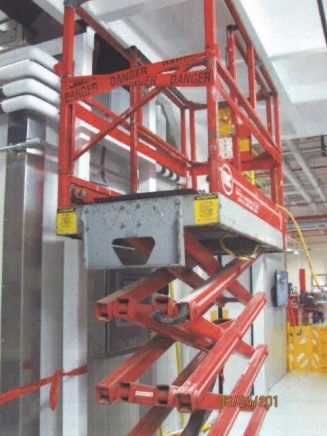

Uneven Terrain

WHAT’S AT STAKE?

Uneven ground can introduce several avoidable hazards, such as sloping slippery surfaces, ruts and furrows, and the risk of penetrating into voids hidden below the ground.

Each year, health and safety statistics continue to rank slips, trips and falls as being among the main causes of injury in workplaces

WHAT’S THE DANGER?

Slips, trips, and falls account for the majority of general industry incidents each year, including accidental deaths. The cost is significant, running businesses billion per year in workers’ compensation and medical costs.

These accidents are attributed to a wide variety of causes, from ice and wet spots to loose flooring, clutter, and electrical cords. But one slip, trip, and fall hazard is too often overlooked: uneven ground conditions.

The workers most at risk for slips, trips, and falls due to uneven ground surfaces might be those who are often around unpaved ground, which can be unpredictable, or concrete, which is prone to cracking and holes.

Construction workers, highway maintenance workers, landscapers, and even postal workers all fall into this category. But, of course, many other workers must deal with uneven terrain and walking surfaces at some point throughout their shifts.

Workers face other dangers that are aligned with uneven terrain:

  • Curbs
  • Milled edges
  • Tools on the ground
  • Raised manholes
  • Dismounting Equipment – Quickly jumping off a pick-up truck, or even spinning when you only have one ladder rung remaining on a roller can be enough to twist or roll your ankle.
  • Excavations – Beware of climbing in and out of excavations, in particular, where the excavation is only 1-3’ deep.
  • String-line – Tripping hazard
  • Concrete structures

HOW TO PROTECT YOURSELF

Experts suggest that variation in a walking surface of as little as a quarter of an inch is enough to cause a trip and fall. That’s about the thickness of a pencil. And while it’s not always an easy issue to correct, there are a few key things employers can do to mitigate the safety risk that uneven surfaces pose.

  1. Conduct Regular Inspections to Identify (and Fix) Uneven Surfaces

Whether indoors or outdoors, it’s important to regularly inspect and assess the ground conditions of your worksite. Identify any and all places where there is an uneven walking surface – even if it’s only a quarter or half an inch – and decide whether each one is fixable.

  1. Well Lit Work Areas

Trip and fall risks are amplified when workers aren’t able to see well. Keeping work areas lit is critical for ensuring that any safety hazards are visible. Indoors, this means changing burnt out lightbulbs as soon as you notice them and using lamps in areas where overhead lighting is insufficient.

Outdoors

Outdoor surfaces can pose unique challenges that require creative solutions. One fix might be as simple as using a shovel to clear or pack down a raised pile of dirt or snow, or to fill a hole. In muddy spots where ground is both uneven and unpredictable, covering the area with sheets of plywood can help provide a sturdy, even walking surface to avoid trips.

Early morning and later evening outdoor work often requires additional lighting, since the sun isn’t up. There are many different options when it comes to portable work lights, including strings of lights and those that are on tripods. Some require electricity and others run on rechargeable batteries, so it’s important to prepare properly for the environment you’ll be in.

  1. Slow Down

The majority of trips and falls are preventable by simply slowing down and keeping an eye on the ground conditions in front of you. Tread carefully, and bring any concerns about the ground condition to the attention of a supervisor immediately.

  1. Use Signs (When Appropriate)

Whenever possible, you should aim to eliminate a hazard. However, when that isn’t an option, clearly marked signs can help draw employees’ attention to a particularly risky area, ensuring they use more caution when walking and working.

  1. Delay Work When Necessary

If you spot uneven (and unsafe) terrain and there is no fix available, it’s perfectly acceptable to delay work. Mud, ice, and snow in particular are difficult to address on the spot and it’s not always possible to work around them in a safe manner. A better option is to amend the work schedule and either return with a game plan to deal with the specific hazard or wait until it’s resolved (e.g., the mud hardens, snow melts).

FINAL WORD

When you encounter an uneven ground surface, the best course of action is to be proactive and address it as best as possible. Don’t leave it for someone else to deal with – or for someone else to get injured by. Many uneven surfaces are made safer through simple fixes, and it’s always worth it in the end.


Chain and Sling Safety

WHAT’S AT STAKE?

The slings that cranes use to hold suspended loads are a key element in this kind of material handling.

The size and type of load and the environmental conditions in the work area determines the type of sling to use.

WHAT’S THE DANGER?

For cranes and slings to perform properly, they have to be in top condition. So, good inspection and maintenance are especially important. A substandard or faulty chain or sling can injure or kill. It is critical that chains and slings conform to specifications at all times.

GENERAL HAZARDS

There are two main hazards when we use cranes and slings:

  1. Dropping the load.
  2. Hitting someone with the load or the equipment.

Avoid damaging the load or the equipment itself. That can be very costly both in terms of equipment repair and replacement and in ability to meet our productivity and quality goals.

These hazards are present any time you skip a step or ignore a problem at any point in the inspection, maintenance and use of this equipment. To avoid danger to the operator and others in the crane’s vicinity, understand the safety procedures and follow them closely.

Identify Hazards

The best way to identify a crane and sling hazard is to keep your eyes open. Anyone who works around an operating crane has to be constantly aware of its movements. Stay out of the way of the machine and its moving parts. If the operator sounds the crane’s warning signal, get out of the way fast. It’s also a good idea to become familiar with the crane signalman’s hand signals. They’re much like the ones used by traffic cops and can alert you to the crane’s movement.

HOW TO PROTECT YOURSELF

All slings (new, altered, modified, or repaired) should be inspected by a competent person before they are used in the workplace to make sure they are built to specifications, not damaged, and will be appropriate for the work being performed. For record keeping purposes it is useful if each chain has a metal tag with an identification number and load limit information. Information about the chain length and other characteristics and an inspection schedule should be recorded in a log book.

A competent person must also inspect chain slings periodically, and at least once a year. Inspection frequency is based on how often the sling is used, the types of lifts being performed, the conditions in which the sling is being used, and past experience with service life of similar slings and usage. If the sling is used in more severe conditions, then the inspection should be performed every 3 months. Inspections must be recorded.

Use chain slings safely

  • Always know how to properly use the equipment, slinging procedures before attempting the lift operation.
  • Inspect the slings and accessories before use for any defects.
  • Replace broken safety latches.
  • Find out load weight before lifting. Do not exceed rated load of the sling.
  • Check whether chain slings fit freely. Do not force, hammer or wedge chain slings or fittings into position.
  • Keep hands and fingers from between load and chain when tensioning slings and when landing loads.
  • Ensure the load is free to be lifted.
  • Make a trial lift and trial lower to ensure the load is balanced, stable and secure.
  • Balance the load to avoid overstress on one sling arm or the load slipping free.
  • Lower the working load limit if severe impact may occur.
  • Pad sharp corners to prevent bending links and to protect the load.
  • Position hooks of multi-leg slings facing outward from the load.
  • Cordon off the area.
  • Reduce the load limit when using chain in temperatures above 425°C (800°F).
  • Store chain sling arms on racks in assigned areas and not lying on the ground. The storage area should be dry, clean and free of any contaminants which may harm the sling.

Care

  • Chain requires careful storage and regular maintenance.
  • Store chain slings by hanging.
  • Oil chains to avoid corrosion before prolonged storage.
  • Do not heat alloy chain as this will alter its molecular structure and strength.

USE

To protect both operators and materials, observe these precautions when using chain slings:

  • Before each use, inspect chain and attachments for damage.
  • Do not exceed working load limit. Any of the following factors can reduce the working load limit of the sling:
  • Shock loading can produce dangerous overloading.
  • Angle of inclination of sling in relation to the load will affect the working load limit of the sling. As the angle decreases the force exerted by the load increases.
  • Twisting, knots or kinks subject links to unusual stress decreasing the strength of the sling.
  • Using slings for purposes other than that which they are designed for can reduce the strength of the sling.
  • Free chain of all twists, knots and kinks
  • Properly load hooks so that point loading of hook does not occur.
  • Hook latches must never support load.
  • Avoid sudden jerks when lifting or lowering loads
  • Balance all loads: avoid off center loading that could cause load to shift during lift.
  • Pad around sharp and square corners.
  • Do not drop loads on chain or attachments.
  • Block under all loads to avoid crushing chain.
  • Match all attachments (hooks, rings, etc.) to working load limit of chain.
  • Never force or hammer hooks or chain into position.
  • Do not use in acid solutions
  • Clean chain slings regularly as dirt and grit can cause wear at link bearing points
  • For overhead lifting use only grade 80 or higher alloy chain.

CHAIN AND SLING OVERVIEW

The following is a point key point “Hand Book” that users toil and personnel who toil in the chain and sling workplace.

DO’s. These are preventative and precautionary guidelines that must be strictly adhered to.

DO´s

  • Always fasten the sling or chain to a rigid, fixed point on the load. In some cases, temporary eye hooks may be fastened to the load.
  • While hoisting and carrying a load, always try to ensure it is centered. This will help minimize an awkward center of gravity or shift of the load which could increase strain on the chain or sling.
  • Always ensure hooks have a clasp to avoid inadvertent slipping of the hook.
  • Inspect the condition of the chains and slings for link damage, cracking, separation, fraying, etc. Some slings are designed so that any exposed red material means the sling should be replaced.
  • Understand the rated load for the chain, sling, or hook. Hooks are usually stamped accordingly.
  • If you cannot read the rated tag on a sling, take the sling out of service.
  • If the chain does not have an affixed tag, remove it from service to be inspected and tagged.
  • Make sure there is a routine inspection for preventative maintenance for the chains and slings.

2 Critical DONT’s

  • NEVER stand directly underneath a load- You cannot always trust that the sling or chain will support a load.
  • NEVER modify or improperly use chains, slings, or hooks; use them only for their intended purpose.

FINAL WORD

Apart from a careful and competent inspection process of the chain and sling infrastructure, the working load weight limit must be not be exceeded in any circumstances.