Drugs and Alcohol – Stats and Facts

DID YOU KNOW?

Drug use in the workplace is much more prevalent than you’d think. Many addicts are functioning addicts, and can usually hide their addiction pretty well. They can be your accountant, your favorite cashier at your local grocery store, your child’s teacher or even your doctor. To explore the prevalence and impact of this issue, here are 5 statistics on drug use in the workplace.

1. More than 70% of Americans Dealing with Alcohol or Drug Addiction Are Employed

You heard that right. Statistics show that 1 in 7 Americans will succumb to addiction in their lifetime. Of these individuals, more than 70% of them will still hold a job and be employed.

As mentioned above, these individuals can be anyone and can hold different jobs and positions. Addiction does not discriminate. They can be your child’s elementary school teacher or even your doctor. They can be your boss or even your employee.

Some professions are more susceptible to addiction than others. These individuals typically work in high stress environments, and may use drugs or alcohol to self-medicate. Addiction is most prevalent among the following professions:

  • Health care professionals, like doctors and nurses
  • Law enforcement officers, as they are prone to developing PTSD
  • Farming, fishing and forestry professionals
  • Restaurant workers

Those who work in these professions should be wary of their environment, and be sure that they receive the mental health support that they need. Those who find themselves relying on drugs or alcohol should seek professional help immediately or as soon as possible.

2. Drug Use in the Workplace Results in an Average of $81 Billion in Lost Profits Every Year

Those numbers are staggering. Drug use in the workplace causes a huge loss in profits every year for many companies. This is because substance abuse can lead to a loss in productivity, an increase in absenteeism, high turnover rates, an increase in theft and a deprecation in the quality of work produced.

“Alcoholics will miss 34% more work days than non-alcoholic workers. They’re more likely to call in and report that they are sick last-minute while they are nursing a hangover.”

Those who struggle with addiction are less likely to show up for work. When they do, they may not be productive. They may spend a huge majority of their working hours obsessing over how they are going to obtain drugs to get high later on in the day. Some workers may be under the influence while they are at work, which means that they may produce lower quality work or make more errors.

3. Only 50% of Organizations in America Require Pre-Employment Screenings for All New Hires

With substance abuse and addiction rates at an all-time high, you would think that more employers would try to snuff out this issue. Surprisingly, this is not the case. Only a little over 50% of organizations in America require pre-employment drug screenings for all new hires. This includes professions in high-risk industries, like public safety and screenings.

It’s also important to note that not many employers offer drug testing programs. This is because state laws have restrictions on who can be drug tested and when they can be drug tested.

Many addiction experts urge more employers to develop a solid drug testing program within their company. This may reduce drug use in the workplace, which can lead to an increase in productivity and quality of work.

4. 217 Workers Died on the Job in 2016 Due to an Overdose

Overdose is the number one killer of Americans. In fact, it is now the leading killer of those who are under the age of 55. As the opioid epidemic continues to spread, more and more Americans are succumbing to overdoses.

“More than 70,200 Americans died from an overdose in 2017 alone. This is a significant increase from the years before.”

According to the Bureau of Labor Statistics, 217 workers died on the job due to an unintentional overdose. This is a huge liability for companies. Those who die from an overdose may put their fellow colleagues at-risk if they are working in a high-risk position, like in mining or construction.

What’s scarier is that this number is actually a 30% increase from 2015. Statistics show that these numbers are continuing to rise year after year.

5. Opioids Abuse Account for Anywhere from $25.6 to $53.4 Billion in Lost Productivity Each Year

Opioids and opiates are some of the most commonly abused drugs. A recent survey found that 17.83% of employees reported taking opioids while at work.

This is not surprising, considering the fact that opioids are some of the most common prescription drugs in America. Americans consumed 99% of the world’s hydrocodone, 60% of the world’s hydromorphone and 81% of the world’s oxycodone.

Opioid misuse leads to a 17% and 18% reduction in productivity among men and women, respectively. Those who had an opioid use disorder (OUD) were more likely to be absent from work and more likely to change jobs. In fact, a recent study found that these employees tend to miss 18.5 days more work than those who do not struggle with any type of addiction at all. Additionally, only 58% of those with an addiction to opioids had the same employer throughout the previous year. This is in comparison to 75% of the general population.

Some other interesting things to note is that the annual cost of unexplained absences can be as much as $660 per employee. Also, those struggling with opioid abuse are 4.5 times more likely to visit the ER. They also have healthcare costs that are 8.7 times higher than someone who does not abuse opioids. The last statistic is particularly troubling for employers, as they are usually slapped with higher health insurance premiums as a result.

These statistics are based upon Quest Diagnostics’ 2019 Drug Testing Index report that has analyzed over 10 million workplace drug tests over three decades. The data are organized by industry which includes all positions within that industry, except for federally mandated safety-sensitive positions such as with transportation positions or nuclear operators, for example.

General Highlights

  • According to Quest Diagnostics, the urine drug test positivity rate among the non-safety-sensitive workforce in the U.S. is at 4.5 percent which is the highest level since 2004. This number is 25 percent higher than the lowest recorded rate of 3.5 percent in 2010 and 2012.
  • Marijuana is the most commonly detected drug among all of the workforce including safety-sensitive.
  • Opiates testing positivity decreased by 37 percent to its lowest level in 4 years to .31 percent. Opioids testing positivity has similarly decreased by 46 percent to its lowest level in five years to .43 percent.
  • The U.S. general workforce positivity rate increased from 4.8 percent in 2015 to 5.1 percent in 2018.

Industry Highlights

  • Two industries, Other Services and Retail Trade, both had positivity rates above the national average of 5.1 percent with 5.4 percent and 5.2 percent respectively.
  • Six industry sectors had double-digit increases between 2015 and 2018 in drug testing positivity rates that were twice the national positivity rate increase of 6.2 percent. These industries were:
    1. Transportation & Warehousing 34.5%
    2. Other Services 33.3%
    3. Wholesale Trade 20.0%
    4. Retail Trade 14.9%
    5. Construction 13.2%
    6. Administrative Support, Waste Management, & Remediation Services 12.2%
  • Eight industry sectors saw double-digit increases between 2015 – 2018 in marijuana positivity rates compared to the national average of 16.7 percent. These industries were:
    1. Other services 61.9%
    2. Transportation & Warehousing 53.3%
    3. Mining 50.0%
    4. Wholesale Trade 47.1%
    5. Construction 46.7%
    6. Manufacturing 38.5%
    7. Accommodations & Food Services 37.9%
    8. Administrative Support, Waste Management, & Remediation Services 33.3%
    9. Retail Trade 29.6%
  • On the positive side, the Information Services industry saw a double-digit decrease in marijuana positivity rates with a 12.5% decrease between 2015 and 2018, and was the only industry sector with a decrease between 2017 and 2018.

KEEP IN MIND

Alcohol and drug abuse by employees cause many expensive problems for business and industry ranging from lost productivity, injuries, and an increase in health insurance claims.

The loss to companies in the United States due to alcohol and drug-related abuse by employees totals $100 billion a year, according to the National Clearinghouse for Alcohol and Drug Information (NCADI).

These staggering numbers do not include the cost of diverting company resources, that could be used for other purposes, toward addressing substance abuse issues. Nor does it include the “pain and suffering” aspects, which cannot be measured in economic terms.

Drinking and drugging among U.S. workers create costly medical, social, and other problems that affect both employees and employers.

Substance abuse among employees can threaten public safety, impair job performance and threaten their own safety.

Using drugs impairs decision-making abilities and physically impairs people. This is a deadly concoction when on the job. In fact, 10-20% of American workers who die at work have a positive result when tested for drugs or alcohol. A study by OSHA states that the most dangerous occupations, such as mining and construction, also have the highest rates of drug use by their employees.

Employers suffer from hiring substance abusers in many ways. Not only do they run the risk of having deadly or dangerous accidents occur, but substance abusers also cost employers money and hurt them financially.

Substance abusers may:

  • Have poor work performance.
  • Frequently call out of or arrive late to the workplace.
  • Frequently change workplaces.
  • Struggle with productivity.
  • File for workers’ compensation claims and benefits.

Problems Caused in the Workplace

In addition to deaths and accidents, absenteeism and loss of production, other problems that alcohol and drug abuse can cause on the job include:

  • Tardiness/sleeping on the job
  • Hangover or withdrawal affecting job performance
  • Poor decision making
  • Loss of efficiency
  • Theft
  • Lower morale of co-workers
  • Increased likelihood of having trouble with co-workers/supervisors or tasks
  • Preoccupation with obtaining and using substances while at work, interfering with attention and concentration
  • Illegal activities at work including selling illicit drugs to other employees
  • Higher turnover
  • Training of new employees
  • Disciplinary procedures

Measuring the Costs of Substance Abuse

However, costs to businesses can be measured at the expense of absenteeism, injuries, health insurance claims, loss of productivity, employee morale, theft, and fatalities.

Impact of Drug and Alcohol Abuse

According to NCADI statistics, alcohol and drug users:

  • Are far less productive.
  • Use three times as many sick days.
  • Are more likely to injure themselves or someone else.
  • Are five times more likely to file a worker’s compensation claim.

One survey found that nine percent of heavy drinkers and 10 percent of drug users had missed work because of a hangover, six percent had gone to work high or drunk in the past year, and 11 percent of heavy drinkers and 18 percent of drug users had skipped work in the past month.

Factors Contributing to Employee Substance Abuse

Research has shown that several factors can contribute to problem drinking and drugging in the workplace. Factors that can encourage or discourage workplace substance abuse include:

  • Workplace culture and acceptance of drinking/drugging
  • Workplace alienation
  • Availability of alcohol and drugs
  • Existence and enforcement of workplace substance abuse policies

Workplace Culture

The culture of the workplace can play a large role in whether drinking and drug use are accepted and encouraged or discouraged and inhibited. Part of this culture can depend on the gender mix of employees.

In predominantly female occupations research shows that both male and female employees are less likely to have substance abuse problems compared to employees of both genders in male-dominated occupations.

 How the Effects of Alcoholism Differ in Men

Studies have found that male-dominated occupations create heavy drinking cultures in which employees drink to build solidarity and show conformity. Therefore, these occupations have higher rates of alcohol- and drug-related problems.

Any industry or organization can be affected by workplace alcoholism, but research shows it is prevalent in these industries: food service, construction, mining and drilling,9 excavation, installation, maintenance, and repair.

Workplace Alienation

Research shows that the job itself can contribute to higher rates of employee substance abuse. Work that is boring, stressful10 or isolating can contribute to employees’ drinking. Employee substance abuse has been linked to low job autonomy, lack of job complexity, lack of control over work conditions and products, boredom, sexual harassment, verbal and physical aggression, and disrespectful behavior.

Alcohol Availability

The availability and accessibility of alcohol can influence employee drinking.

More than two-thirds of the 984 workers surveyed at a large manufacturing plant said it was “easy” or “very easy” to bring alcohol into the workplace, to drink at workstations, and to drink during breaks.

In cultures where alcohol is prohibited, drinking on the job and drinking, in general, is decreased significantly.

Supervision

The level of supervision on the job can affect drinking and drugging at work rates. A study of evening shift workers, when supervision was reduced, found that employees were more likely to drink at work than highly supervised shifts.

Casual Drinkers Are a Problem, Too

Remarkably, research shows it is the social drinkers, not the hard-core alcoholics or problem drinkers, who are responsible for most of the lost productivity, according to a Christian Science Monitor article, specifically tying the hangover issue to production in the workplace11

 What are the Symptoms of a Hangover?

This study also found that it was managers, not hourly employees, who were most often drinking during the workday. And 21 percent of employees said their own productivity had been affected because of a co-worker’s drinking

Twenty-three percent of upper managers and 11 percent of first-line supervisors reported having a drink during the workday, compared with only 8 percent of hourly employees.

Prevention Works

When the issue of workplace substance abuse is addressed by establishing comprehensive programs, it is a “win-win” situation for both employers and employees, according to the U.S. Department of Labor.

A study of the economic impact of substance abuse treatment in Ohio found significant improvements in job-related performance:

  • 91 percent decrease in absenteeism
  • 88 percent decrease in problems with supervisors
  • 93 percent decrease in mistakes in work
  • 97 percent decrease in on-the-job injuries.

Companies and employers, large and small, can adopt a workplace substance abuse policy that will reduce the loss of productivity and provide a safer work environment for all.

Do Your Part in Reducing Drug Use in the Workplace

If you’re an employer or if you’re in a position to, you should try to create programs that may reduce drug use in the workplace. This can include anything from hosting drug education classes or offering Employee Assistance Programs (EAPs).

By reducing drug use in the workplace, you can improve overall productivity within your company by several folds. You will also see an improvement in the quality of work that is produced, as well as enhanced workplace safety.

Those who are currently struggling with drug use should try to get help as soon as possible. Addiction will only fester and worsen if you let it. Put an end to abusive and addictive behaviors by seeking help from a drug and alcohol rehab center near you.


Trees: Thoughtful, Risk Reduction for Elevated and Electrical Safety in Arboriculture – 3 Part Webinar Series

ON DEMAND WEBINAR SERIES

Grounds maintenance workers, including tree trimmers, have a fatality rate that is more than three times that of the average worker in the U.S., according to the U.S. Bureau of Labor Statistics. Watch all 3 modules and learn best practices to keep you employees safe.

Module 1

Arboriculturists face many hazards as they prune and care for trees, and in many cases remove hazardous trees. This session will introduce Arboriculture general hazards including insects, struck by hazards and other common safety hazards. Attendees will be introduced to purposeful safety procedures that will help protect them while working. Electrical Hazards and Elevated Work hazards will be reviewed in more detail in modules 2 and 3.


Module 2

Electrical hazards are among the most severe hazards faced by Arboriculturists. Contact with electrical wires or contact with other items that have become energized like the tree, equipment or the ground can result in severe injuries and death. This module will review the training and qualification requirements for working near electrical lines, discuss the Minimum Approach distances and review a Purposeful way of performing work near electrical lines that will help protect workers and keep everyone injury free.


Module 3

Elevated work occurs daily for Arboriculturists. Whether climbing a tree from the ground, being in an aerial lift, or working from a ladder, pruning and caring for trees typically require an employee to leave the ground. Falls from elevation are the second leading cause of fatalities and serious injuries for Arboriculturists. This module will focus on some of the keys to safely climbing trees including assessing the worksite, rope installation, entering the tree and positioning in the tree. The module will provide a purposeful way to complete elevated work associated with tree care that will help protect the employees and keep everyone injury free.


Compressed Gas/Air – Stats and Facts

DID YOU KNOW?

The Occupational Safety and Health Administration is one of the best sources for work safety laws, regulations, and information on accidents. In fact, since the early 2000s, OSHA has been documenting accidents regarding a very specific accident type, those that stem from compressed gases. In some of these accidents, employee’s fingers became amputated, injured in explosions, and even killed. For instance, one worker in 2007 was killed when he was refueling his van. The employee walked to the back of the van and knelt down by the tank and, when he did, the tank exploded and ripped the bodywork and metal bumper off the van. The employee was struck and was thrown approximately 40 feet across the tarmac, where he sustained massive trauma and died.

Compressed gas accidents are particularly serious in nature. Not only are these accidents usually preventable, but many people fail to take into consideration the great danger posed by compressed gas accidents. Experienced construction industry workers are well aware of the significant danger presented by pressurized gas cylinders. These accidents are so common that the United States Bureau of Labor Statistics reports that 20 deaths and 6,000 injuries occur due to compressed gas accidents each year. This article will review some safety precautions that all individuals should take when working near compressed gas.

It comes as no surprise that safety should always be a top concern when using compressed gases. What may be most surprising to learn, however, is that almost all accidents involving compressed gases initially result from not following established methods for the safe handling and transportation of compressed gas cylinders.

The average compressed gas cylinder is 4 feet tall and weighs between 75 and 80 pounds with contents pressured up to 2,200 pounds per square inch (psi). While this may not sound particularly heavy, serious injury can occur if these cumbersome objects are moved incorrectly or fall on an employee. Abrasions, contusions, fractures and broken bones, asphyxiation, musculoskeletal disorders, spinal cord injuries, poisoning and even death can occur if there is an accident with a compressed gas cylinder.

The most common injuries related to cylinder handling result from falling cylinders. The most prevalent are contusions and fractures in the lower extremities, including breaks in the phalanges, metatarsal, tibia and fibula bones. The second-most common injuries include sprains, strains and spinal cord injuries in the lower lumbar spine, such as herniated or bulged discs (L1-L5) in workers who attempt to catch or stop falling cylinders.

Another misstep when handling cylinders is when a worker attempts to move or lift the cylinder by pulling on the cap instead of using a cylinder cart. Often, this results in the cap disconnecting from the cylinder and forcefully projecting up into the worker’s face, leading to injuries such as lost or broken teeth or other facial injuries. Bruises and fractures, especially around the eye socket, are other common injuries. When a cap is broken off or becomes damaged in a fall, the valve easily can become compromised, exposing the worker to flammable or toxic environments and burns, smoke inhalation or asphyxiation and gas poisoning.

The handling miscues mentioned above are all too common in the workplace and hundreds of cylinder handling-related injuries are reported to OSHA each year. By keeping in mind these safe handling and transportation tips, injuries related to compressed gases can become more of a rarity on site:

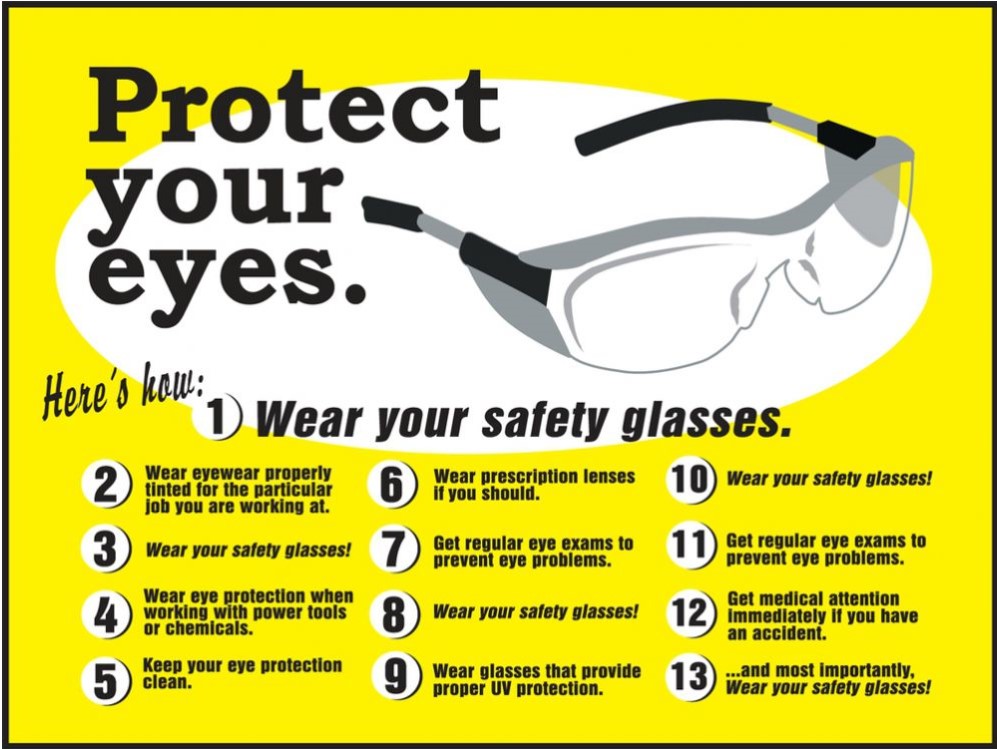
Always wear the proper personal protective equipment (PPE), including safety glasses, gloves and hard-toed shoes when working around or with compressed gas cylinders. Remember that the gas comes out of the cylinder pressurized up to 2,200 psi and anything near the valve could become a harmful projectile. Falling cylinders can land or roll on your foot, leaving you with several broken bones.

Never try to catch a cylinder that is falling, no matter how confident you may be in your ability to stop it. It often is a natural reflex to attempt the save, but the risk of injury far outweighs the potential damage to the equipment.

Do not move a cylinder by its attached regulator or attempt to drag it by the cap. Besides losing your grip, you also could strain your back or fall. It also is unwise to move cylinders by laying them down and rolling them, as this subjects the cylinder to side-wall damage. Instead, move the cylinder using an approved cylinder cart and ensure that the cylinder is strapped on securely.

Secure cylinders upright so that they cannot move, even when traveling in a truck. Chains are the best way to do this, as straps and table clamps often fail due to improper use and set-up. Clamps generally are not kept tight and are placed on articles that are not secure, such as movable desks, tables, etc. Straps can be buckled incorrectly and provide little to no restraint. Instead, fasten restraints on the upper half of the cylinder, above the center of gravity, as well as the bottom approximately 8 inches to 1 foot from the base.

Never heat a cylinder. If a cylinder is stuck in ice, use hand tools to carefully chip away at the ice, making sure the hand tools never come in direct contact with the frozen cylinder. If the cylinder contents have stratified in a mixture such as CO2 and N0x, bring the cylinder into a safe building to slowly warm up while it is chained to the wall before rolling it to mix the contents.

When inspecting compressed gas cylinders, look for burn marks, dents or corrosion, and check to see if the valve cap is attached and that the contents are properly labeled by name. It is the receiver’s responsibility to do this inspection as noted in CFR 29 1910.101. Be sure to log this inspection to help guard against a hefty lawsuit.

Securely attach protective valve caps on cylinders when idle or in transport. Many cylinders contain pressures in excess of 2,000 psi. A broken valve resulting from a falling cylinder is all it takes for the cylinder to become an unguided missile. Any uncontrolled release of gas under pressure can create a dangerous environment.

Once the cylinder cap is removed, always inspect the valve for odors, visible plumes or hissing sounds. If you detect any of these, take the cylinder outside to a well-ventilated area and have your vendor pick it up.

When moving cylinders, do not move them with oily hands or gloves. This is very important when moving oxidizers, as they could react violently with the oil or grease if it comes into direct contact with the valve.

Store cylinders in a fire-resistant area that is well ventilated, cool (less than 125 F) and dry. A fire extinguisher should be available where compressed gases are stored, and have an emergency response and evacuation plan in place in the event of a fire.

Cylinders should not be stored in areas where they can come into contact with objects of extreme temperature, such as a furnace or cryogenic liquid, as these conditions will weaken containers or cause a gas release. They also should be kept a safe distance of at least 20 feet from electrical sources including electrical switches, outlets and extension cords, as they could become part of an electrical circuit. The contents of each cylinder should be clearly marked and the full cylinders separated from empty ones.

When moving cylinders on an elevator, place the cylinder chained securely to the cart in the middle of the elevator with the cart handgrip Do not attempt to ride in an elevator with a compressed gas cylinder. This is a confined space that would be impossible to escape from if there were an accidental release of gases.

Check the purchase order to ensure that you are not receiving cylinders that contain incorrect contents. The distributor should collect any incorrect cylinders immediately. Finally, never force a cylinder valve open. Only use your gloved hands to open and close the valve on the regulator.

Compressed gas cylinders are a common tool for manufacturing and construction jobs, and their hidden dangers easily are addressed with proper equipment and handling. Follow these tips to ensure that all tasks involving compressed gas cylinders are completed efficiently and safely.

KEEP IN MIND

Compressed air is air kept under a pressure that is greater than atmospheric pressure. Compressed air is an important medium for transfer of energy in industrial processes, and is used for power tools such as air hammers, drills, wrenches and others, as well as to atomize paint, to operate air cylinders for automation, and can also be used to propel vehicles. Brakes applied by compressed air made large railway trains safer and more efficient to operate. Compressed air brakes are also found on large highway vehicles.

Compressed air is used as a breathing gas by underwater divers. It may be carried by the diver in a high pressure diving cylinder, or supplied from the surface at lower pressure through an air line or diver’s umbilical. Similar arrangements are used in breathing apparatus used by firefighters, mine rescue workers and industrial workers in hazardous atmospheres.

At Air Source Industries, we follow the comprehensive safety requirements needed to provide you with top-quality compressed gas for your business. Air Source Industries prioritizes the safety of our customers and employees. Our team conducts ongoing safety training throughout the year. Our dedication to safety extends to making sure your compressed cylinders at your business are delivered and stored safely.

There are numerous safety considerations when you are working with compressed gas cylinders. You need to be aware of safety in all industries and conditions.

We’ll review the common types of compressed gas, how gas standards are set by the government, and common hazards that can be avoided through proper safety.

 What Are The Major Compressed Gas Classifications?

Compressed gases are grouped into 3 major categories based on the states of gases:

  1. Liquid (carbon dioxide and nitrous oxide)
  2. Non-liquified gases (oxygen, nitrogen, and helium)
  3. Dissolved gases (acetylene)

You’ve likely aware of liquid and non-liquid gases before but may not have heard of dissolved gases. Dissolved gases like acetylene are chemically unstable by themselves. Acetylene can explode at normal atmospheric pressure. Dissolved gases can be safely stored in cylinders when porous filler material and solvent like acetone are added.

OSHA Sets The Standards

The US government has strict compressed gas regulations to help reduce the risk of dangerous hazards and combustion. The Occupational Safety and Health Administration (OSHA) is the US government agency tasked with setting safety standards to protect workers and avoid hazardous conditions.

OSHA has set specific standards (rules) around labeling, storing, transporting, and operating compressed gas cylinders. The OSHA website has the complete rules enumerated for the different types of compressed gases and they are very detailed regulations. As an example, there are specific regulations around oxygen fuel gas used for welding and cutting.

OSHA is also very concerned about worker health and safety and advocates on their behalf. The agency informs employees on their rights and investigates any reported workplace violations seriously. Workers can file a complaint when they see any potential safety issues to bring it to the agency’s attention to investigate.

 Common Compressed Gas Hazards

Hazards can range in severity from minor to major including serious injury and death. Being aware of the potential hazards when operating cylinders will help you stay safe. Following OSHA safety standards, reading the Safety Data Sheets (SDS), and testing cylinders regularly can help reduce the risk of hazards.

Common compressed gas hazards include:

Pressure (Too Much or Little)

A cylinder under too much pressure may rupture. Cylinders that are under-pressurized may not operate correctly and also cause risks like the gas flowing back into the cylinder.

Cylinder Damage

There are also situations where damaged cylinders under high pressure can take off like a rocket that can cause bodily injury to people nearby or property damage. Keeping cylinders securely strapped in their storage areas reduces the risk of damage.

Leaks

Compressed gas leaks are hazardous. Depending on the gas, a leak could cause inert gas to collect in high concentrations and cause asphyxiation without people being aware of the leak.

Health Effects

Direct exposure to certain gases can have long-term health consequences. Some gases are toxic to people if they are exposed and it also depends on the concentration and other factors.

Fire and Explosion Hazards

Compressed gases are classified as flammable when they pose a fire or explosion hazard. You can identify cylinders containing gases classified as flammable by looking at the label. Flammable gases like acetylene are classified as Hazmat Class 2 with a red diamond symbol and flame icon.

A way to reduce the risk of combustion is by keeping cylinders in approved storage areas away from heat sources like open flames and high-temperature environments. Reading the cylinder label allows you to identify the specific flammable gas and follow the necessary safety guidelines from the Safety Data Sheets (SDS).

Flashback

A flashback occurs where a gas trail is ignited and the fire flows back to the cylinder. A flashback event is extremely dangerous and can be avoided.

Regularly check the cylinder regulators, valves and the cylinder wall for leaks or flow issues. Storing the cylinders in well-ventilated areas helps prevent gases from pooling in high concentrations if there is an unnoticed leak.

Another safety measure is using a flashback arrestor that acts to stop the gas from returning into the cylinder. A flashback arrestor is commonly used in welding to prevent the reverse flow of gas or flame from going into the cylinder.

Oxidizing Gases

There is also fire and explosion concern for oxidizing gases, gases that are a higher percentage of oxygen than air (>23.5% oxygen) that can combust with materials in the outside environment. Types of materials that can react with oxidizing gases are organic substances containing carbon, certain metals, and other oxidizable substances.

Oxidizing gases react very quickly with oxygen-rich environments and fire can spread quickly. It may be difficult to extinguish an oxidizing gas fire once it starts. Having CO2 extinguishers or dry chemicals on hand can be used to help reduce the initial fire spread.

 Recognize How Compressed Gas Accidents Occur

There are a variety of ways in which workers and people in the proximity of compressed gas can be harmed. Some of these situations involve:

  • Asphyxiation– Sometimes, compressed gas escapes its container, which can happen suddenly and quickly turn overwhelming.
  • Chemical Burns –In many cases, compressed gas is corrosive and can result in substantial skin damage.
  • Explosions and Fires – Compressed gas can be ignited by contact with a flame or spark of electricity.
  • High-Pressure Accidents –Various injuries can be caused by the substantial amount of pressure that builds up inside a container and can cause objects to be released with great pressure.

Know What Gases Can Be Deadly

There are several types of compressed gases that can cause accidents that lead to very serious injuries. Some of these gases include:

  • Acetylene
  • Argon
  • Butane
  • Ethylene
  • Helium
  • Hydrogen
  • Methylamine
  • Nitrogen
  • Oxygen
  • Vinyl chloride

Always Wear Proper Safety Gear

Workers must make sure to always wear the appropriate protective clothing when working around compressed gas. This clothing at a minimum should include safety glasses to protect against projectile accidents, gloves to protect a person from potential burns, and hard-toed shoes to protect against objects that might fall on a person’s foot. In many cases, it is also a good idea for workers to wear masks to protect against any chemical leaks that might come from the compressed gas container.

Properly Store Compressed Gas

Compressed gas containers must always be stored in a fire-resistant, well ventilated area that is both cool and dry. These conditions greatly reduce the risk that the container will explode and seriously harm or kill individuals. Also, a fire extinguisher should be kept in the proximity of this container in case an accident or unexpected event occurs. Workers should also create an emergency response plan in case a fire occurs.

Handle the Compressed Gas Container Correctly

There are several important steps that workers should take when handling compressed gas. Wherever the gas container is placed, it must be properly secured. A gas cylinder should also never be heated, which greatly increases the chances that an explosion will occur. Workers should also always inspect compressed gas containers for any signs of corrosion or dents that suggest the container might be unsafe.

Speak to a New Jersey Injury Attorney

These pieces of advice are just some of the most important steps that a worker should take when working with compressed gas. Even if all of these pieces of advice are followed, compressed gas accidents are still known to occur. Contact a knowledgeable lawyer at Ferrara Law if you or a loved one is harmed in a compressed gas accident.

Proper Safety Measures 

How can compressed gas accidents be avoided? Here are some of the safety precautions that can be taken to avoid accidents and injuries:

  • A worker should always wear personal protective equipment that may include safety glasses, gloves, and hard-toed shoes when working around or with compressed gas cylinders. Aside from the fact that the cylinder could become a projectile, falling cylinders could also land or roll on your foot, which can cause broken bones.
  • Always secure cylinders upright so that they cannot move, even when you are traveling in a truck.
  • Never heat a cylinder or allow hand tools to come into direct contact with the frozen cylinder.
  • You should always inspect compressed gas cylinders by looking for burn marks, dents, or corrosion. Also check to see if the valve cap is attached and contents are properly labeled.
  • Once the cylinder cap is removed, you should always inspect for odors, visible plumes, or hissing sounds.
  • Make sure that cylinders are stored in a fire-resistant area that is well ventilated and cool as well as dry. Wherever the storage is, a fire extinguisher should be kept and there should be an emergency response plan in place of a fire event.

Compressed gas cylinders are very common in the construction workplace but can actually pose many dangers. To avoid burns, explosions, and more, proper precautions should always be taken. However, even so, many accidents will continue to happen in workplaces over the next year and so forth. If you have become injured as a result of compressed gas, you may have a case.

Conclusion

We care about the safety of our customers and employees when using compressed gases. Our staff undergoes safety training throughout the year to stay up the date on the latest safety requirements. Our well-trained Air Source technicians will set up and secure your business gas cylinders for you.


Concrete-Masonry – Stats and Facts

DID YOU KNOW?

One of the largest masonry contractors in the United States was the Western Construction Group in 2018. The company generated a revenue of 88.4 million U.S. dollars in that year. Those who work in the masonry industry are known as masons. There are several types of construction masons including brick masons (often called brick layers), cement masons, stone masons, and terrazzo masons, each working with different types of materials.

Masonry involves the building of structures from units that are usually bound together with mortar. Materials such as brick, marble, granite, limestone, and concrete block are often used in masonry construction. These common and durable materials are used to build walls, walkways, fences, and other structures. Masonry can protect buildings from fires as it is non-combustible and can be more resistant to projectiles like debris from storms. On the other hand, degradation can occur through expansion and contraction associated with freeze-thaw cycles; masonry is also heavy and must have a strong foundation; additionally, it is more susceptible to oscillation from events like earthquakes. Masonry construction requires more skilled labor than some other types of basic construction. The overall durability of the masonry construction can vary depending on the quality of materials used, the quality of the workmanship, and the pattern in which the units are assembled.

Biggest companies in the Masonry industry in the US

The Masonry industry exhibits an extremely low level of market share concentration, similar to other specialty contractor trade industries. In 2019, the top three largest operators are anticipated to collectively generate under 1.0% of annual industry revenue. Though there are no major players, Western Specialty Contractors, Northland Concrete and Masonry Co. LLC and McGee Brothers Inc. are notable names in the industry.

Minimal consolidation efforts keep market concentration low

Over the five years to 2019, the industry has continued to be defined by minimal merger and acquisition activity among key operators. The Masonry industry is characterized by low barriers to entry and a high number of participants, many of which operate on a nonemployer basis. These industry characteristics enable many industry participants to compete locally on the basis of price and quality of service.

Price points and quality drive internal competition

Masonry contractors largely compete on the bases of price and quality of service. Consequently, most operators rely on a good reputation for garnering new contracts, with many smaller contracts awarded based on a positive word-of-mouth recommendation. Furthermore, operators may promote their business through marketing efforts such as classified advertisements in local telephone directories and newspapers.

Each day, on average, two construction workers die of work-related injuries in the United States. In fact, one in five workplace fatalities are construction-related.

The top causes of construction-related fatalities are falls, struck-by an object, electrocution and caught between objects.

Generally, an employee cannot sue his or her employer for on-the-job injuries other than using the workers’ compensation system. However, at times the owner of the premises, the general contractor or other contractors could be liable in cases where employees have been injured.

In 2016, 10.3 million U.S. workers were employed in construction, a 16% increase after construction employment bottomed out in 2012. The Bureau of Labor Statistics (BLS) expects construction employment to increase over the next eight years. Small businesses with fewer than 20 employees account for 92.5% of all construction establishments, and 41.4% of all construction employees work in small businesses. Construction workers are more likely to be male (90.0% versus 53.0%), Hispanic (29.9% versus 16.3%), and foreign-born (26.9% versus 18.1%) than the general U.S. workforce. Falls remain the leading cause of work-related deaths in construction, accounting for about one-third of the total number of fatalities in this industry (370 of the 991 construction fatalities recorded in 2016). Although fatal falls followed the overall injury trends, fall deaths rose faster than overall deaths in construction during the economic recovery that started in 2013. Nearly half of all deaths on construction sites occur in companies with ten or fewer employees or among those who are self-employed.

There were over 10 million workers in the U.S. construction industry as of 2016.

The Engineering & Construction (E&C) industry is one of the world’s largest sectors of the economy with $10 trillion spent on construction-related goods and services each year.

Construction Supervisors: #9 most dangerous job of 2018.

  • 18 fatal injuries per 100,000 workers
  • 134 fatalities

According to fatal work injury rates reported by the Bureau of Labors Statistics.

43% of construction workers plan to work past age 65, according to a health and retirement study by the Center for Construction Research & Training.

60% of OSHA inspections were in the construction industry as of 2016.

Projected growth of the industry and the number of construction worker deaths are on the rise.

991 deaths out of 4,693 (21%) were in construction.

An estimated 2.3 million construction workers, or 65 percent of the construction industry, work on scaffolds. Protecting these workers from scaffold-related accidents may prevent some of the 4,500 injuries and over 60 deaths every year (Bureau of Labor Statistics (BLS), 2003 and 2004 data for the private sector), at a savings for American employers of $90 million in workdays not lost. In a recent BLS study, 72 percent of workers injured in scaffold accidents attributed the accident either to the planking or support giving way, or to the employee slipping or being struck by a falling object. All of these accidents can be controlled by compliance with OSHA standards.

The most frequently used products, are clay brick and concrete block by masons. Brick is man’s oldest manufactured product. Sun-baked clay bricks were used in the construction of buildings more than 6,000 years ago. In order to prevent distortion and cracking of the clay shapes, chopped straw and grass were added to the clay mixture. The next big step in enhancing brick production occurred about 4,000 B.C. At that time manufactures began producing brick in uniform shapes. Along with the shaping of brick, the move from sunbaking to firing was another important change. This improved the durability of the brick.

Through the centuries the methods for producing brick have continued to evolve. Today, the United States standard brick size is 2 1/2 x 3 3/4 x 8 inches. Brick is composed of shale and clay and is fired in kilns of approximately 2,000 degrees Fahrenheit. The firing process causes the clay particles to bond chemically.

As brick construction became more elaborate, the use of brick became more sophisticated. The evolution of brick construction design led, in part, to the development of concrete block.

The manufacturing and uses of concrete block evolved over a long period of time. This evolution was prompted by the development of cavity walls. When originally developed, cavity walls consisted of two separate brick or stone walls with about a 2-inch air space between them.

Cavity walls were developed to reduce the problems associated with water penetration. Water that would seep inside the outer wall would then run down that wall, while the inside wall would remain dry. Cavity walls soon became recognized as the best way to build, not only because they helped reduce problems with water penetration, but because they could support a heavy load such as a roof or floor. In 1850 a special block with air cells was developed. Over the years modifications to this product were introduced until the industry arrived at the standardized product we see today.

Concrete blocks are produced with a mixture of cement, sand, and crushed stone, or lightweight aggregate. Today’s concrete block plants are totally automated. The raw materials are loaded from trucks or railroad cars into bins. From there the mix is weighed, transported to a mixer, and fed into the block machine. If necessary, color is added. It takes the machine about six seconds to mold a block. The freshly molded blocks are put into pallets and placed in steam-curing rooms. After the curing process, they are stacked and taken to a storage yard for delivery.

After more than 6,000 years, masonry is still used today. As you look around at office buildings, schools, houses, patios, and fireplaces, you will notice that there are many aspects of society where you will see some form of masonry.

KEEP IN MIND

Concrete masonry is a popular building material because of its strength, durability, economy, and its resistance to fire, noise, and insects. To function as designed however, concrete masonry buildings must be constructed properly.

This TEK provides a brief overview of the variety of materials and construction methods currently applicable to concrete masonry. In addition, a typical construction sequence is described in detail.

MATERIALS

The constituent masonry materials: concrete block, mortar, grout, and steel, each contribute to the performance of a masonry structure. Concrete masonry units provide strength, durability, fire resistance, energy efficiency, and sound attenuation to a wall system. In addition, concrete masonry units are manufactured in a wide variety of sizes, shapes, colors, and architectural finishes achieve any number of appearances and functions. The Concrete Masonry Shapes and Sizes Manual (ref. 4) illustrates a broad sampling of available units.

While mortar constitutes approximately 7% of a typical masonry wall area, its influence on the performance of a wall is significant. Mortar bonds the individual masonry units together, allowing them to act as a composite structural assembly. In addition, mortar seals joints against moisture and air leakage and bonds to joint reinforcement, anchors, and ties to help ensure all elements perform as a unit.

Grout is used to fill masonry cores or wall cavities to improve the structural performance and/or fire resistance of masonry. Grout is most commonly used in reinforced construction, to structurally bond the steel reinforcing bars to the masonry, allowing the two elements to act as one unit in resisting loads.

Reinforcement incorporated into concrete masonry structures increases strength and ductility, providing increased resistance to applied loads and, in the case of horizontal reinforcement, to shrinkage cracking.

CONSTRUCTION METHODS

Mortared Construction

Most concrete masonry construction is mortared construction, i.e., units are bonded together with mortar. Varying the bond or joint pattern of a concrete masonry wall can create a wide variety of interesting and attractive appearances. In addition, the strength of the masonry can be influenced by the bond pattern. The most traditional bond pattern for concrete masonry is running bond, where vertical head joints are offset by half the unit length.

Excluding running bond construction, the most popular bond pattern with concrete masonry units is stack bond. Although stack bond typically refers to masonry constructed so that the head joints are vertically aligned, it is defined as masonry laid such that the head joints in successive courses are horizontally offset less than one quarter the unit length (ref. 2). TEK 14-6, Concrete Masonry Bond Patterns (ref. 3), shows a variety of bond patterns and describes their characteristics.

Dry-Stacked Construction

The alternative to mortared construction is dry-stacked (also called surface bonded) construction, where units are placed without any mortar, then both surfaces of the wall are coated with surface bonding material. Shims or ground units are used to maintain elevations. This construction method results in faster construction, and is less dependent on the skill of the laborer than mortared construction. In addition, the surface bonding coating provides excellent rain penetration resistance. TEK 3-5A, Surface Bonded Concrete Masonry Construction (ref. 9), contains further information on this method of construction.

CONSTRUCTION SEQUENCE

Mixing Mortar

To achieve consistent mortar from batch to batch, the same quantities of materials should be added to the mixer, and they should be added in the same order. Mortar mixing times, placement methods, and tooling must also be consistent to achieve uniform mortar for the entire job.

In concrete masonry construction, site-mixing of mortar should ideally be performed in a mechanical mixer to ensure proper uniformity throughout the batch. Mortar materials should be placed in the mixer in a similar manner from batch to batch to maintain consistent mortar properties. Typically, about half the mixing water is added first into a mixer. Approximately half the sand is then added, followed by any lime. The cement and the remainder of the sand are then added. As the mortar is mixed and begins to stiffen, the rest of the water is added. Specification for Masonry Structures (ref. 7) requires that these materials be mixed for 3 to 5 minutes. If the mortar is not mixed long enough, the mortar mixture may not attain the uniformity necessary for the desired performance. A longer mixing time can increase workability, water retention, and board life.

The mortar should stick to the trowel when it is picked up, and slide off the trowel easily as it is spread. Mortar should also hold enough water so that the mortar on the board will not lose workability too quickly, and to allow the mason to spread mortar bed joints ahead of the masonry construction. The mortar must also be stiff enough to initially support the weight of the concrete masonry units.

To help keep mortar moist, the mortarboard should be moistened when a fresh batch is loaded. When mortar on the board does start to dry out due to evaporation, it should be retempered. To retemper, the mortar is mixed with a small amount of additional water to improve the workability. After a significant amount of the cement has hydrated, retempering will no longer be effective. For this reason, mortar can be retempered for only 1 ½ to 2 ½ hours after initial mixing, depending on the site conditions. For example, dry, hot, and windy conditions will shorten the board life, and damp, cool, calm conditions will increase the board life of the mortar. Mortar should be discarded if it shows signs of hardening or if 2 ½ hours have passed since the original mixing.

Placing Mortar

Head and bed joints are typically ⅜ in. (10 mm) thick, except at foundations. Mortar should extend fully across bedding surfaces of hollow units for the thickness of the face shell, so that joints will be completely filled. Solid units are required to be fully bedded in mortar.

Although it is important to provide sufficient mortar to properly bed concrete masonry units, excessive mortar should not extend into drainage cavities or into cores to be grouted. For grouted masonry, mortar protrusions extending more than ½ in. (13 mm) into cells or cavities to be grouted should be removed (ref. 7).

The Importance of Laying to the Line

Experienced masons state that they can lay about five times as many masonry units when working to a mason line than when using just their straightedge. The mason line gives the mason a guide to lay the block straight, plumb, at the right height, and level. The line is attached so that it gives a guide in aligning the top of the course.

If a long course is to be laid, a trig may be placed at one or more points along the line to keep the line from sagging. Before work begins, the mason should check to see that the line is level, tight, and will not pull out.

Each mason working to the same line needs to be careful not to lay a unit so it touches the line. This will throw the line off slightly and cause the rest of the course to be laid out of alignment. The line should be checked from time to time to be certain it has remained in position.

Operators in the Masonry industry provide services such as stone setting, bricklaying, brick-to-glass block laying and exterior marble, granite and slate work. Industry activities also include additions, alterations, maintenance, repairs and new construction.

Masonry workers, also known as masons, use bricks, concrete and concrete blocks, and natural and manmade stones to build walkways, walls, and other structures.

Duties

Masons typically do the following:

  • Read blueprints or drawings to calculate materials needed
  • Lay out patterns, forms, or foundations according to plans
  • Break or cut materials to required size
  • Mix mortar or grout and spread it onto a slab or foundation
  • Clean excess mortar with trowels and other handtools
  • Construct masonry walls
  • Align structures, using levels and plumbs
  • Clean and polish surfaces with handtools or power tools
  • Fill expansion joints with caulking materials
  • Lay out and install rainscreen water systems

Masons build structures with brick, block, and stone, some of the most common and durable materials used in construction. They also use concrete—a mixture of cement, sand, gravel, and water—as the foundation for everything from patios and floors to dams and roads.

The following are examples of types of masons:

Brickmasons and blockmasons—often called bricklayers—build and repair walls, fireplaces, and other structures with brick, terra cotta, precast masonry panels, concrete block, and other masonry materials. Pointing, cleaning, and caulking workers are brickmasons who repair brickwork, particularly on older structures. Refractory masons are brickmasons who specialize in installing heat- and fire-resistant masonry materials in high-temperature areas such as boilers, furnaces, and soaking pits in industrial buildings.

Cement masonsandconcrete finishers place and finish concrete. They may color concrete surfaces, expose small stones in walls and sidewalks, or make concrete beams, columns, and panels. Throughout the process of pouring, leveling, and finishing concrete, cement masons use their knowledge of how conditions may affect concrete and take steps to prevent defects. On small jobs, such as constructing sidewalks, cement masons may use a supportive wire mesh called a lath. On large jobs, such as constructing building foundations, reinforcing iron and rebar workers install the reinforcing mesh.

Stonemasons build stone walls and set stone exteriors and floors. They work with two types of stone: natural-cut stone, such as marble, granite, and limestone; and artificial stone, made from concrete, marble chips, or other masonry materials. Using a special hammer or a diamond-blade saw, workers cut stone into various shapes and sizes. Some stonemasons specialize in setting marble, which is similar to setting large pieces of stone.

Terrazzo workers and finishers, also known as terrazzo masons, create decorative walkways, floors, patios, and panels. Much of the preliminary work of pouring, leveling, and finishing concrete for terrazzo is similar to that of cement masons. Terrazzo workers create decorative finishes by blending fine marble chips into the epoxy, resin, or cement, which is often colored. Once the terrazzo is thoroughly set, workers correct imperfections with a grinder. Terrazzo workers also install decorative microtoppings or polishing compounds to new or existing concrete.

The Ministry of Labour is increasing enforcement of the Occupational Health and Safety Act (OHSA) and the Regulations for Construction Projects and promoting awareness of safety measures to improve the safety of high rise and low rise concrete forming, masonry, siding and built-up roofing (also known as “flat-roofing”) trades.

The lost-time injury (LTI) rate for these five trades ranges from almost double to four times higher than average injury rates for the construction industry in general. This is based on an analysis of 10 years of Workplace Safety and Insurance Board (WSIB) data by the Ministry and Infrastructure Health and Safety Association (IHSA).

General duties of workplace parties under the OHSA

Employers

Employers and supervisors must ensure compliance with the provisions of the OHSA and its regulations.

Key requirements for employers include:

  • instruct, inform and supervise workers to protect their health and safety [Section 25(2)(a)]
  • appoint competent persons as supervisors [Section 25(2)(c)]
  • take every precaution reasonable in the circumstances for the protection of a worker [Section 25(2)(h)]
  • prepare and review at least annually a written occupational health and safety policy, and develop and maintain a program to implement that policy if the workplace has six or more full-time employees [Section 25(2)(j)]
  • post a copy of the occupational health and safety policy in the workplace, where workers will be most likely to see it [Section 25(2)(k)]

Supervisors

The OHSA also sets out specific duties for workplace supervisors. A supervisor must:

  • ensure workers work in compliance with protective devices, measures and procedures required by the act and regulations [Section 27(1)(a)]
  • ensure workers use or wear any equipment, protective device or clothing required by the employer [Section 27(1)(b)]
  • advise workers of any potential or actual health or safety dangers known by the supervisor [Section 27(2)(a)]
  • if required, provide workers with written instructions on the measures and procedures to be taken for the workers’ protection [Section 27(2)(b)]
  • take every precaution reasonable in the circumstances for the protection of workers [Section 27(2)(c)]

Health and safety considerations

Employers and supervisors should consider the following to ensure a healthy and safe workplace:

  • Have work-related hazards been identified and specific measures taken to mitigate any risk of injury to workers? Ensure that adequate safety and emergency planning for the scope of work is done before starting the work.
  • Have workers been adequately informed and instructed? Ensure that workers are instructed about the safety and emergency planning for the work.
  • Will any work be performed from ladders, scaffolds, and work platforms?
  • Have young workers been hired to work in the concrete forming, masonry, siding and built-up roofing trades? Ensure young workers are adequately trained and supervised at all times.
  • Are surface conditions free from debris that may cause slips, trips and falls? Ensure that work surfaces are clear of debris and treated with sand if slippery.
  • Are workers adequately supervised by a competent supervisor? Ensure that a competent supervisor is supervising the work when there are five or more workers on site.

Concrete forming

Some common hazards:

  • Falls from unguarded edges
  • Slips, trips and falls due to surface conditions
  • Being struck by objects and equipment while stripping forms
  • Inadequate site planning and supervision
  • Inadequate training and instructions for workers

Safe practices include:

Good planning, instruction, communication and supervision are the key to preventing high-rise and low-rise forming injuries.

Protect form workers from fall hazards by:

  • ensuring all high-rise workers are protected by required guardrails or fall protection systems at all times, including guard rails along the edge and perimeter of concrete and an opening in the slabs
  • ensuring workers limit the length of their travel-restraint systems so that they cannot reach a work position where it is possible to fall
  • keeping horizontal, working surfaces free from debris and slippery conditions during high-rise and low-rise forming operations
  • ensuring adequate measures and procedures are in place to prevent material from falling on workers
  • ensuring scaffolds, ladders and elevating devices are used and maintained in accordance with the Construction Regulation and manufacturer’s instructions and recommendations

Siding

Hazards:

  • Falls resulting from the unauthorized setup and use of ladders
  • Unsafe work platforms such as modified pump jack systems
  • Material falling on workers
  • Slips and trips due to poor surface conditions

Safe practices include:

  • Workers must be provided with, and use, adequate fall protection if no suitable guardrails are reasonably possible to install
  • Follow the recommended best practices on safe ladder use in the PLMHSC Guideline on Ladder Use in Construction
  • Follow the manufacturer’s instructions and recommendations on the safe setup, use and inspection of scaffold systems
  • Ensure measures and procedures are in place to prevent workers from walking under a raised platform and to prevent material from falling on a worker
  • Ensure surfaces remain free from debris and slippery conditions

Masonry

Hazards:

  • Fall hazards between levels
  • Slips, trips and falls
  • Material falling on workers

Safe practices include:

  • When erecting masonry scaffolds, follow the construction industry’s best practices found in the
  • PLMHSC Health and Safety Fall Protection Guideline on Masonry Scaffold Erection
  • When using ladders, follow the best practices recommended in the PLMHSC Guideline on Ladder Use in Construction
  • Keep scaffold platforms and other surfaces free from debris and slippery conditions
  • Ensure adequate measures and procedures are in place to prevent workers from being struck by objects

Built-up roofing

Some common Hazards:

  • Falls between levels
  • Material falling on workers
  • Slips, trips and falls

Safe practices include:

  • Always use a fall-arrest or travel-restraint system attached to an adequate rooftop anchor
  • When using ladders, follow the best practices recommended in the PLMHSC Guideline on Ladder Use in Construction
  • Use barriers on flat roofs to make workers aware of the roof’s edges
  • Ensure appropriate measures and procedures are in place to prevent material from falling on workers
  • Ensure surfaces are free from debris and slippery conditions


Confined Space – Permit Required – Stats and Facts

DID YOU KNOW?

According to data collected by the U.S. Department of Labor (USDOL), Bureau of Labor Statistics (BLS) Census of Fatal Occupational Injuries (CFOI) program, fatal injuries in confined spaces fluctuated from a low of 81 in 1998 to a high of 100 in 2000 during the five-year period, averaging 92 fatalities per year.

About 2.1 million workers enter permit confined spaces annually. According to the National Institute for Occupational Safety and Health (NIOSH), approximately 60 percent of confined-space fatalities are rescuers, and the Occupational Safety and Health Administration reported that when multiple deaths occur during a rescue, the majority of the victims are “would-be” rescuers.

Here are some findings of the NIOSH investigations of confined space incidents:

  • 85% of the time a SUPERVISOR was present.
  • 29% of the dead were SUPERVISORS.
  • 31% had WRITTEN Confined Space Entry PROCEDURES.
  • 0% used the WRITTEN PROCEDURES.
  • 15% had Confined Space TRAINING.
  • 0% had a RESCUE PLAN.
  • 60% of “WOULD-BE” RESCUERS died.
  • 95% were AUTHORIZED by supervision.
  • 0% of the spaces were TESTED prior to entry.
  • 0% were VENTILATED.

Out of 100 deaths that were investigated, the main reasons the workers entered the confined space were to perform their work functions of routine maintenance, repairs, and inspections of the confined space.

And out of 217 confined space deaths that were investigated, the two most common types of gases in confined spaces, hydrogen sulfide and carbon monoxide, were the causes found.

While these NIOSH statistics may slightly differ over the years, the reality is that the hazards of confined space entry are the same. Too many workers today are still seriously injured or dying in permit required confined spaces.

So the real question is to ask, “Why aren’t we eliminating or mitigating these risks?” Sadly, some things never change or never change enough because there is no continuous focus from the employers on realistically preparing, supervising, and protecting our workers before entry.

Time for a Reality Check

For more than 15 years, I have been training industrial and manufacturing workers on permit required confined space entry and rescue. The training required for entering a confined space includes a Supervisor, Entrant, Attendant, and Rescue Team.

The reality is that in my career of emergency response services for industrial and manufacturing facilities, I far too often see so many facilities that do not take permit required confined space entry preparation seriously. Their confined space entry and rescue training is inadequate, usually a short video and most often not retained, or utilization of a third-party trainer who doesn’t specialize in confined space training; thus, they’re receiving poor-quality training.

They do not have the proper equipment for confined space retrieval or rescue. They do not have the proper personal protective equipment, or their equipment has not been taken care of and is not safe to use. Or worse yet, they have no equipment at all. Their workers are not trained on the hazards associated with permit required confined spaces. They have no rescue plan or rescue team in place. They opt to call 911 (not an option). They decide they will perform only non-entry rescues, which are rarely effective when you need to rescue an unconscious victim. (Non-entry rescue only as a plan is an entire topic for another article later!)

The reality is workers and rescuers are still dying or getting seriously injured in confined spaces. The reality is permit required confined spaces are still the leading cause of multiple fatalities in the workplace. The reality is that OSHA regulations mandate employers to provide training, equipment, and proficient rescue services for permit required spaces.

For permit required confined space, OSHA requires employers to identify hazards in confined spaces, test the air prior to entry and during entry, keep the space ventilated, have the proper safety equipment for entry and exit and rescue, and have procedures for summoning proficiently trained rescue teams who can respond in a timely manner.

So how do we change the statistics of confined space injuries and fatalities? Every facility needs to conduct a reality check. A well-designed and properly executed rescue plan is a must (not an option). Investigate their permit required confined space procedures thoroughly. Make changes. Identify and comply with OSHA regulations. Make changes. Inventory their equipment—replace, buy, repair. Make changes. Assign and train their workers and rescuers. Make changes.

The reality is, things must change, and it is the employers who are responsible for protecting their workers.

Time for Things to Change

Why am I so passionate about permit required confined space safety? I have witnessed the “best in class” facilities that made the right changes, and continue to make changes, to their permit required confined space entry procedures. Unfortunately, I also have visited the ones who did not, have not. The reality is, I have conducted permit required confined space entry and rescue training at facilities after a fatality(s). I have seen the faces of the workers who are grieving the loss of their co-worker(s). I have heard how distraught they are when they find out their employer didn’t do what was required by OSHA.

The resources are out there for all employers to mitigate, or eliminate, the risks of injury or a fatality(s) when their workers are entering confined spaces as a part of their work function to perform maintenance, repairs or inspections, or other work. There is no excuse to not change the statistics. And if your facility does not have the internal resources necessary to investigate, evaluate, plan, and, most importantly, make changes, find a highly qualified and reputable third-party company that can assist in written procedures, training, and identifying the proper equipment.

Protecting workers is the law and, more importantly, it’s the right thing to do to protect your workers. Your financial investment in a good permit confined space program, training, and equipment is minimal compared to the OSHA citations and the lawsuits that may be filed due to the death of a worker in a confined space. And the cost of keeping on with the old adage, some things never change, is even much higher. The reality is the loss of a worker(s) to a confined space incident is not an option. The reality is with proper training and equipment, the loss of workers working in and around permit required confined spaces can be prevented.

  • There were 431 confined space incidents with 530 fatalities in the US due to oxygen deficient and/or toxic atmospheres from 1992-2005
  • From 08/18/2009 to 12/31/2009, there were 36 worker fatalities and 6 worker hospitalizations related to confined spaces.
  • In 2010, there were 63 worker fatalities and 28 hospitalizations related to confined spaces.
  • From 01/01/2011 to 08/01/2011, there were 22 worker fatalities and 3 worker hospitalizations related to confined spaces.
  • Repair & Maintenance and cleaning & inspection activities account for almost one-quarter of confined space-related fatalities.
  • Construction and manufacturing industries experience the most fatalities.

During a study done in 2006 by a California company, it was found that approximately one-fifth of the confined space incidents result in multiple fatalities. Data also indicated that for every fatality due to oxygen-deficient and/or toxic atmosphere, 2 non-fatal injuries occur, one of which requires hospitalization. More often than not, those additional injuries are to rescuers.

Even if properly trained, workers may forget their training and/or disregard proper entry procedures and enter a confined space without PPE because they are overcome by the natural emotion to rescue a co-worker. Although companies are required to and do have written procedures and programs related to confined space entry, it does not release the company from liability due to an employee’s disregard of those procedures, no matter if the employee is regular, temporary or contract. As far as OSHA is concerned, employers are responsible for the safety of ALL workers.

KEEP IN MIND

In talking with customers every day, I’ve come to realize there is some confusion out there as to the various safety aspects of a confined space and the rights and responsibilities of those who work in or around them. Over the coming weeks, we’re going to do a series of summary posts in an effort to help clarify this topic a little.

In this post, we’ll talk about the 2 main types of confined spaces – permit and non-permit required – and their differences. But before we talk about that, let’s first establish what a confined space is as it pertains to worker safety, shall we?

OSHA Confined Space Definition

According to OSHA a confined space is a space that meets these criteria:

1) being large enough for an employee to enter and perform work;

2) has limited or restricted means for entry or exit; and

3) is not designed for continuous occupancy.

This describes many kinds of areas a worker can come in contact with on a daily basis whether on a construction site or elsewhere. And it also illustrates what would be considered a non-permit required confined space.

Many workplaces contain spaces that are considered to be “confined” because their configurations hinder the activities of employees who must enter into, work in or exit from them. In many instances, employees who work in confined spaces also face increased risk of exposure to serious physical injury from hazards such as entrapment, engulfment and hazardous atmospheric conditions. Confinement itself may pose entrapment hazards and work in confined spaces may keep employees closer to hazards such as machinery components than they would be otherwise. For example, confinement, limited access and restricted airflow can result in hazardous conditions that would not normally arise in an open workplace.

The terms “permit-required confined space” and “permit space” refer to spaces that meet OSHA’s definition of a “confined space” and contain health or safety hazards. For this reason, OSHA requires workers to have a permit to enter these spaces. Throughout this publication, the term “permit space” will be used to describe a “permit-required confined space.”

Definitions

By definition, a confined space:

  • Is large enough for an employee to enter fully and perform assigned work;
  • Is not designed for continuous occupancy by the employee; and
  • Has a limited or restricted means of entry or exit.

These spaces may include underground vaults, tanks, storage bins, pits and diked areas, vessels, silos and other similar areas.

By definition, a permit-required confined space has one or more of these characteristics:

  • Contains or has the potential to contain a hazardous atmosphere;
  • Contains a material with the potential to engulf someone who enters the space;
  • Has an internal configuration that might cause an entrant to be trapped or asphyxiated by inwardly converging walls or by a floor that slopes downward and tapers to a smaller cross section; and/or
  • Contains any other recognized serious safety or health hazards.

Now, a permit-required confined space will contain all of the above, plus one or more of the following:

  • a substance that has the ability to engulf or asphyxiate the entrant
  • a potentially hazardous atmosphere
  • spaces with inwardly converging walls within the space or a floor that slopes downward, tapering to a small cross-section
  • contains any other serious safety or health hazard

Once a confined space has been identified as having any one of the above four potential hazards, an employer should identify it as such via either safety signs or another effective means of communication. Any time an employer has workers that will be entering confined spaces, there needs to be a written program developed that outlines and instructs on the proper safety procedures for working around and occupancy of these confined spaces.

One such important procedure is drafting the actual permit for the permit required confined space. This is called the entry permit and is defined by OSHA as:

the written or printed document that is provided by the employer to allow and control entry into a permit space and that contains the necessary information as required in paragraph (f) of this standard’s section.

I can hear you now…just dying to find out what is in paragraph f! Well, don’t get too excited, because OSHA lists 14 required pieces of information that need to be on a confined space entry permit.  And in the spirit of resourcefulness, I’ll list each one here in the following section, but thought it might also be helpful to show an example of a typical confined spaces entry permit, with all of the correct information, so I’ve included that after the list. Without further ado, the following information is what OSHA wants to see on an entry permit for confined spaces:

  1. The confined spaces to be entered;
  2. The purpose of entry;
  3. The date and authorized duration of the permit;
  4. The authorized entrants within the permit space, by name or some other means that will enable the attendant to determine quickly and accurately, for the duration of the permit, which authorized entrants are inside the permit space;
  5. Names of attendants;
  6. Supervisor’s name, with a space for the signature or initials of the supervisor who originally authorized entry;
  7. The hazards of the confined spaces to be entered;
  8. The measures used to isolate the permit space and to eliminate or control any occupational hazards before enter (i.e. purging, flushing, or ventilating the confined space as well as lockout and tagging of equipment);
  9. Acceptable entry conditions;
  10. The results of any initial and periodic tests performed, accompanied by the names or initials of the testers and by an indication of when the tests were performed;
  11. The rescue and emergency services that can be called on and the means (such as the equipment to use and the numbers to call) for reaching those services;
  12. The communication procedures used by authorized entrants and attendants to maintain contact during the entry;
  13. Equipment, such as personal protective equipment, testing equipment, communications equipment, alarm systems, and rescue equipment, to be used in the confined spaces;
  14. Any other information whose inclusion is necessary, given the circumstances of the particular confined space, in order to ensure employee safety; and any additional permits, such as for hot work, that have been issued to authorize work in the permit space.

Any employer who allows employee entry into a permit space must develop and implement a written program for the space. Among other things, the OSHA standard requires the employer’s written program to:

  • Implement necessary measures to prevent unauthorized entry;
  • Identify and evaluate permit space hazards before allowing employee entry;
  • Test atmospheric conditions in the permit space before entry operations and monitor the space during entry;
  • Perform appropriate testing for the following atmospheric hazards in this sequence: oxygen, combustible gases or vapors, and toxic gases or vapors;
  • Establish and implement the means, procedures and practices to eliminate or control hazards necessary for safe permit space entry operations;
  • Identify employee job duties;
  • Provide and maintain, at no cost to the employee, personal protective equipment and any other equipment necessary for safe entry and require employees to use it;
  • Ensure that at least one attendant is stationed outside the permit space for the duration of entry operations;
  • Coordinate entry operations when employees of more than one employer are working in the permit space;
  • Implement appropriate procedures for summoning rescue and emergency services, and preventing unauthorized personnel from attempting rescue;
  • Establish, in writing, and implement a system for the preparation, issue, use and cancellation of entry permits;
  • Review established entry operations annually and revise the permit space entry program as necessary; and
  • Implement the procedures that any attendant who is required to monitor multiple spaces will follow during an emergency in one or more of those spaces.

Controlling Hazards

The employer’s written program should establish the means, procedures and practices to eliminate or control hazards necessary for safe permit space entry operations. These may include:

  • Specifying acceptable entry conditions;
  • Isolating the permit space;
  • Providing barriers;
  • Verifying acceptable entry conditions; and
  • Purging, making inert, flushing or ventilating the permit space.

Equipment for safe entry

In addition to personal protective equipment, other equipment that employees may require for safe entry into a permit space includes:

  • Testing, monitoring, ventilating, communications and lighting equipment;
  • Barriers and shields;
  • Ladders; and
  • Retrieval devices.

Detection of hazardous conditions

If hazardous conditions are detected during entry, employees must immediately leave the space. The employer must evaluate the space to determine the cause of the hazardous atmosphere and modify the program as necessary.

When entry to permit spaces is prohibited, the employer must take effective measures to prevent unauthorized entry. Non-permit confined spaces must be evaluated when changes occur in their use or configuration and, where appropriate, must be reclassified as permit spaces.

A space with no potential to have atmospheric hazards may be classified as a non-permit confined space only when all hazards are eliminated in accordance with the standard. If entry is required to eliminate hazards and obtain data, the employer must follow specific procedures in the standard.

Informing Contract Employees

Employers must inform any contractors whom they hire to enter permit spaces about:

  • The permit spaces and permit space entry requirements;
  • Any identified hazards;
  • The employer’s experience with the space, such as knowledge of hazardous conditions; and
  • Precautions or procedures to be followed when in or near permit spaces.

When employees of more than one employer are conducting entry operations, the affected employers must coordinate entry operations to ensure that affected employees are appropriately protected from permit space hazards. The employer also must give contractors any other pertinent information regarding hazards and operations in permit spaces and be debriefed at the conclusion of entry operations.

Entry Permits

A permit, signed by the entry supervisor, must be posted at all entrances or otherwise made available to entrants before they enter a permit space. The permit must verify that pre-entry preparations outlined in the standard have been completed. The duration of entry permits must not exceed the time required to complete an assignment.

Entry permits must include:

  • Name of permit space to be entered, authorized entrant(s), eligible attendants and individuals authorized to be entry supervisors;
  • Test results;
  • Tester’s initials or signature;
  • Name and signature of supervisor who authorizes entry;
  • Purpose of entry and known space hazards;
  • Measures to be taken to isolate permit spaces and to eliminate or control space hazards;
  • Name and telephone numbers of rescue and emergency services and means to be used to contact them;
  • Date and authorized duration of entry;
  • Acceptable entry conditions;
  • Communication procedures and equipment to maintain contact during entry;
  • Additional permits, such as for hot work, that have been issued authorizing work in the permit space;
  • Special equipment and procedures, including personal protective equipment and alarm systems; and
  • Any other information needed to ensure employee safety.

Cancelled entry permits

The entry supervisor must cancel entry permits when an assignment is completed or when new conditions exist. New conditions must be noted on the canceled permit and used in revising the permit space program. The standard requires that the employer keep all canceled entry permits for at least one year.

Worker Training

Before the initial work assignment begins, the employer must provide proper training for all workers who are required to work in permit spaces. After the training, employers must ensure that the employees have acquired the understanding, knowledge and skills necessary to safely perform their duties. Additional training is required when:

  • The job duties change;
  • A change occurs in the permit space program or the permit space operation presents any new hazard; and
  • An employee’s job performance shows deficiencies. In addition to this training, rescue team members also require training in CPR and first aid. Employers must certify that this training has been provided.

After completion of training, the employer must keep a record of employee training and make it available for inspection by employees and their authorized representatives. The record must include the employee’s name, the trainer’s signature or initials and dates of the training.

Assigned Duties

Authorized entrant

Authorized entrants are required to:

  • Know space hazards, including information on the means of exposure such as inhalation or dermal absorption, signs of symptoms and consequences of the exposure;
  • Use appropriate personal protective equipment properly;
  • Maintain communication with attendants as necessary to enable them to monitor the entrant’s status and alert the entrant to evacuate when necessary;
  • Exit from the permit space as soon as possible when:
  • Ordered by the authorized person;
  • He or she recognizes the warning signs or symptoms of exposure;
  • A prohibited condition exists; or
  • An automatic alarm is activated.
  • Alert the attendant when a prohibited condition exists or when warning signs or symptoms of exposure exist.

Attendant

The attendant is required to:

  • Remain outside the permit space during entry operations unless relieved by another authorized attendant;
  • Perform non-entry rescues when specified by the employer’s rescue procedure;
  • Know existing and potential hazards, including information on the mode of exposure, signs or symptoms, consequences and physiological effects;
  • Maintain communication with and keep an accurate account of those workers entering the permit space;
  • Order evacuation of the permit space when:
  • A prohibited condition exists;
  • A worker shows signs of physiological effects of hazard exposure;
  • An emergency outside the confined space exists; and
  • The attendant cannot effectively and safely perform required duties.
  • Summon rescue and other services during an emergency;
  • Ensure that unauthorized people stay away from permit spaces or exit immediately if they have entered the permit space;
  • Inform authorized entrants and the entry supervisor if any unauthorized person enters the permit space; and
  • Perform no other duties that interfere with the attendant’s primary duties.

Entry supervisor

Entry supervisors are required to:

  • Know space hazards including information on the mode of exposure, signs or symptoms and consequences;
  • Verify emergency plans and specified entry conditions such as permits, tests, procedures and equipment before allowing entry;
  • Terminate entry and cancel permits when entry operations are completed or if a new condition exists;
  • Verify that rescue services are available and that the means for summoning them are operable;
  • Take appropriate measures to remove unauthorized entrants; and
  • Ensure that entry operations remain consistent with the entry permit and that acceptable entry conditions are maintained.

Emergencies

Rescue service personnel

The standard requires employers to ensure that responders are capable of responding to an emergency in a timely manner. Employers must provide rescue service personnel with personal protective and rescue equipment, including respirators, and training in how to use it. Rescue service personnel also must receive the authorized entrants training and be trained to perform assigned rescue duties.

The standard also requires that all rescuers be trained in first aid and CPR. At a minimum, one rescue team member must be currently certified in first aid and CPR. Employers must ensure that practice rescue exercises are performed yearly and that rescue services are provided access to permit spaces so they can practice rescue operations. Rescuers also must be informed of the hazards of the permit space.

Harnesses and retrieval lines

Authorized entrants who enter a permit space must wear a chest or full body harness with a retrieval line attached to the center of their backs near shoulder level or above their heads. Wristlets may be used if the employer can demonstrate that the use of a chest or full body harness is not feasible or creates a greater hazard.

Also, the employer must ensure that the other end of the retrieval line is attached to a mechanical device or a fixed point outside the permit space. A mechanical device must be available to retrieve someone from vertical type permit spaces more than five feet (1.524 meters) deep.

SDS

If an injured entrant is exposed to a substance for which a Safety Data Sheet (SDS) or other similar written information is required to be kept at the worksite, that SDS or other written information must be made available to the medical facility personnel treating the exposed entrant.


Back Safety – Stats and Facts

DID YOU KNOW?

When you think of workers’ compensation and workplace injuries, there’s a good chance that the image that comes to mind is of an employee with an injured back. There’s a good reason why this is what you think of first – according to the Bureau of Labor Statistics (BLS), roughly twenty percent of all workplace injuries or illnesses involved the back, adding up to over one million back injuries every single year. Back injuries make up 25% of all workers’ compensation claims.  Most back injuries that occur on the job come about as a result of lifting, and four out of five involve the lower back. If you have suffered a workplace back injury and need information about your rights as an injured worker. We are experienced workers’ compensation lawyers in Lancaster, and we have a wealth of knowledge to support you in all aspects of the workers’ compensation applications and appeal process.

The back is made up of bones, muscles, ligaments, vertebrae, disks, and connective tissue, and workplace back injuries can damage any of those. Though injuries can happen anywhere along the spinal column between the head and the tailbone, the majority of workplace back injuries involve the lower back. Perhaps the most common of these are disk problems, which result when one of the disks that act as a shock absorber between the vertebrae in our spinal column are suddenly compressed and ends up protruding out of its normal position. If this disk touches a spinal nerve it can result in severe pain.  In most cases this type of injury is the result of improper lifting. Other common injuries occur when the ligaments that support the connections between the vertebrae in our spine are pulled beyond their capacity as a result of twisting or turning. In most cases, back injuries are a result of exceeding the capacity of the back’s structures, and can result in pain and disability that lasts a very long time.

Humans are designed for hard work, but our backs are prone to injury. Back injuries lead to more lost days of work than any other kind of injury or illness.

There are a number of common back injuries that are sustained in the workplace. These are divided into two different categories: non-accidental injuries that occur as a result of normal, non-strenuous activities, and accidental injuries that are the result of an unexpected action or strain.  Back injuries may result from physically demanding jobs that require a good deal of lifting, straining or twisting, but they can also come from the poor ergonomics provided by office chairs, standing for long periods of time, or working hunched over a computer all day.  Where the former can come in the form of overextensions result in muscle strains, tears, and ruptures of the discs in the spine, the injuries from sitting are often more along the lines of neck strain and lower back pain.

Of the 1.3 million reported lost-time injuries and illnesses in 2003, sprains and strains were by far the largest category, 43 percent, according the Bureau of Labor Statistics (BLS). Of these, most were back-related. Not surprisingly, construction has the highest lost-time incident rate for back injuries (51.2 lost-time injuries per 10,000 full-time workers in 2004).

It’s not only workers who suffer, but their employers as well. Not only must companies compensate injured workers during their absences, they also often must pay for their treatment. According to Liberty Mutual, the largest workers’ compensation insurance provider in the United States, overexertion injuries – lifting, pushing, pulling, holding, carrying or throwing an object – cost employers $13.4 billion every year.

Back injuries in the workplace

We spend so much time of our lives at work and rather worryingly every year there are high numbers of work-related back injuries reported:

More than one million back injuries are sustained in the workplace annually.
According to the Bureau of Labor Statistics (BLS), a back-related injury accounts for one in every five injuries and illnesses at work.
BLS ran a survey and discovered that 80% of these injuries were to the lower back and, unsurprisingly, 75% of these happened during lifting tasks.
These injuries affect more than 600,000 American workers per annum, to the tune of more than $50 billion each year.
A back injury is the top cause of a ‘job-related disability’ and a large contributor to missed work days.
One in every five injuries and illnesses in the workplace is for this very reason.
After the common cold, it is the biggest reason for absenteeism from work. This is a problem for both employers and employees.
Occupations most at risk of back injuries

There are certain jobs that place workers at a higher risk of experiencing them.

Anything that involves repetitive actions like lifting materials, sudden movements, whole body vibrations, lifting and twisting simultaneously or bending for long periods of time, will make you more prone.

Read on and check if your job is on the list below:

In 2016, musculoskeletal disorders involving the back accounted for 38.5 percent of all work-related musculoskeletal disorders with nursing assistants taking the most days off work as a result of a back injury.

See the other occupations close behind:

Nursing assistants (52.8%)
Stock and order fillers (45.7%)
Laborers and freight, stock, and material movers (43%)
Maintenance and repair workers (42.5%)
Janitors and cleaners (37.5%)
Heavy and tractor-trailer truck drivers (32.4%)

Workers in the healthcare industry sustain 4.5 times more overexertion injuries than any other type of worker.

US workers who suffered this kind of injury took an average of 12 days to recuperate before returning to work.

For some industries, injuries to the back result in a higher rate of job transfer or restriction, as opposed to days away from work.

For example, in general merchandise stories, back injuries result in 31.8 cases per 10,000 for job transfers, or some sort of restriction to what workers can do.

Back pain accounts for more than 264 million lost work days in one year — that’s two work days for every full-time worker in the country.

In the US, back disorders account for over 24% of all occupational injuries and illnesses involving days away from work.

Productivity losses from missed work cost employers $225.8 billion, or $1,685 per employee, each year.

KEEP IN MIND

Pushing, pulling, carrying, lifting, bending, twisting: Some jobs require a great deal of physical work; but even sedentary jobs may require minor activities that can lead to back injuries. In fact, statistics show that back injuries are fairly common among American workers. According to the Occupational Health and Safety Administration (OSHA), back injuries are the most common type of workplace injuries among employees today.

Although doctors of chiropractic treat more than just back pain, many patients initially visit a chiropractor looking for relief from this pervasive condition. In fact, about 31 million Americans experience low back pain at any given time.

Interesting Facts about Back Pain
Worldwide, back pain is the single leading cause of disability, preventing many people from engaging in work as well as other everyday activities.
Back pain is one of the most common reasons for missed work. One-half of all working Americans admit to having back pain symptoms each year.
Back pain accounts for more than 264 million lost work days in one year—that’s two work days for every full-time worker in the country.
Experts estimate that up to 80% of the population will experience back pain at some time in their lives.5
Back pain can affect people of all ages, from adolescents to the elderly.
Back pain is the third most common reason for visits to the doctor’s office, behind skin disorders and osteoarthritis/joint disorders.
Most cases of back pain are mechanical or non-organic—meaning they are not caused by serious conditions, such as inflammatory arthritis, infection, fracture or cancer.
Most people with low back pain recover, however reoccurrence is common and for small percentage of people the condition will become chronic and disabling.
Worldwide, years lived with disability caused by low back pain have increased by 54% between 1990 and 2015.
Low-back pain costs Americans at least $50 billion in health care costs each year8—add in lost wages and decreased productivity and that figure easily rises to more than $100 billion.
Causes of Back Pain

The back is a complicated structure of bones, joints, ligaments and muscles. You can sprain ligaments, strain muscles, rupture disks, and irritate joints, all of which can lead to back pain. While sports injuries or accidents can cause back pain, sometimes the simplest of movements—for example, picking up a pencil from the floor— can have painful results. In addition, arthritis, poor posture, obesity, and psychological stress can cause or complicate back pain. Back pain can also directly result from disease of the internal organs, such as kidney stones, kidney infections, blood clots, or bone loss.

Common on-the-job back injuries include:
Lower back strains and sprains: Lower back injuries are fairly common among workers. Employees who must sit or stand for long periods of time may develop pain in their lower back, while employees who are very active could easily sustain a sprain. Most of these injuries are mild and may be treated with pain medication and physical therapy.
Bulging, herniated, and slipped discs: In between each vertebra bone sits a soft disc that acts as a shock absorber. When one of these discs slips out of place or is damaged, this can cause a great deal of pain.
Pinched nerves: When a disc pushes against a nerve in the back, this is called a pinched nerve. This type of injury can be very painful and can affect the neck, back, and legs.
Fractured vertebrae: Fractured vertebrae can require substantial medical care. Injuries that result from traumatic accidents, such as motor vehicle accidents or heavy machinery malfunctions, can include fractured vertebrae.
Degenerative disc disease: As we get older our lumbar spine discs suffer wear and tear. If an accident increases the wear and tear, you may be entitled to workers’ compensation benefits in Virginia. If a work accident aggravates, accelerates, or exacerbates your pre-existing lumbar spine disease, you can win your claim.

Here’s something to keep in mind: No matter the type of on-the-job back injury you suffer, you must prove that a specific event caused a sudden, obvious mechanical or structural change to the body. Repetitive stress injuries are often more difficult to prove in a worker’s compensation claim, but injuries that result from repetitive motions may still be covered in a claim.

Worker Responsibility

For workers, the first step is to get in good physical shape and maintain it. Being overweight, especially when most of the excessive weight is carried in the abdomen, creates tremendous stress, day in and day out, on the back. Getting in shape means developing good eating habits and exercising regularly. It also may include building strength through weight training or other exercise designed to strengthen the body core.

It is also important to maintain good posture and find effective ways to manage stress.

The next thing is to learn how to avoid back injuries on the job.

Stretching before work starts is a good idea. The goal is to slightly elevate the heart rate and get blood flowing to the muscles as well as to the discs between the vertebrae in the spine.

When facing a specific task, always assess the load and decide if it can be handled by one person. See how far it must be moved. See if there are obstacles in the path. Set the task up to be as easy as possible and bring in help whenever necessary. Many tasks (stacking forms, for instance) can be done faster and safer with two people. Note that back belts do not prevent back injuries and can provide a false sense of security.

Keep in mind that some tasks can be better done with mechanical equipment. Talk to the foreman about using lifts or other equipment.

When actually lifting, bend the knees and get as close to the load as possible. Keep the back straight and use the legs to do the heavy work. Avoid twisting when lifting, carrying or lowering the load. While carrying, keep it as close to the body as possible. When finished, take a few seconds to straighten and stretch the back.

Finally, pay attention to your back and address any problems that arise. Often, a back injury begins with a slight twinge. If it is ignored, the whole back can lock up. More significantly, minor, daily back pain can be ignored, but then its cause is not addressed. Eventually, a herniated (ruptured, pinched) disc can result.

Treatment

Back injuries – whether steady, long-term pain rooted in the spine or painful pulls or knots in the muscle – require rest for recovery, although excessive bed rest can actually worsen the condition. A doctor should be consulted, especially if the pain is severe, and medication may be required to alleviate pain and help afford the necessary rest (i.e., to sleep at night).

The most severe pain is usually caused by one of the discs – soft tissue between the vertebrae that keep them from rubbing on each other – pinching the spinal cord, the long nerve that runs along the vertebra from the neck to the legs. Vertebrae are hard bones; typical back stress does not affect them. But back stress can cause the vertebrae to crush the discs, squeezing them so that they pinch the nerve.

For many people, rest will allow the discs to repair themselves, eliminating the pinch on the nerve and, thus, the pain. Appropriate exercise will strengthen the body core and help prevent a similar injury. In some cases, the pain is too great or the condition so deteriorated that back surgery is necessary.

Surgery

However, comparisons of the rate of back surgery in different parts of the United States raise questions about whether surgery is too often prescribed. Though there is no reason to think that a given region has more or more serious back injuries than another, the highest rate regions have eight times more surgeries than the lowest rate regions.

Moreover, back surgery is expensive. Lower back pain is a condition that 80 percent of Americans will experience at one time or another in their lives. Treatment costs reach $25 billion annually, not counting another $25 billion for lost time and workers’ compensation. And the fastest growing share of treatment costs is for surgery.

Between 1997 and 2004, the number of fusion surgeries (in which two or more vertebrae are locked together to prevent crushing of the disc between them) rose 127 percent to more than 303,000. Yet, the data do not show that surgery leads to an improved result.

A study published last November in The Journal of the American Medical Association compared results for two groups of patients with sciatic pain arising from back injuries (the sciatic nerves run down the legs from the base of the spine; when the spinal cord is pinched, it can shoot pain down the sciatica). One group had immediate surgery; the other began simply with rest. Within three to six months, both groups reported marked improvement, and after two years, about 70 percent described “major improvement.” Moreover, no one who waited for surgery or avoided it entirely had a disastrous result, and no one who had surgery experienced serious consequences. The only apparent difference was that, for some, immediate surgery produced a more immediate reduction in pain.

One misconception, common among patients and doctors alike, that the study debunked is that permanent nerve damage can occur if surgery is postponed or avoided. That, simply, is not the case. Therefore, unless the pain is unbearable, patients, doctors and their health plans can save considerable expense by waiting to see if rest and exercise will solve the problem. If not, surgery remains an option.

Tips to Prevent Back Pain

There are several simple strategies that can help to prevent the onset of back pain. Among them:

Maintain a healthy diet and weight.
Remain active—under the supervision of your chiropractor.
Avoid prolonged inactivity or bed rest.
Warm up or stretch before exercising or physical activities, such as gardening.
Maintain proper posture.
Wear comfortable, low-heeled shoes.
Sleep on a mattress of medium firmness to minimize any curve in your spine.
When lifting an object, lift with your knees, keep the object close to your body, and do not twist.
Quit smoking. Smoking impairs blood flow, resulting in oxygen and nutrient deprivation to spinal tissues.
Work with your chiropractor to ensure that your workstation is ergonomically correct.
Recordkeeping
Identification of problem jobs: Each employer with 10 or more employees shall establish and maintain accurate records of the identification of “problem jobs.” The records shall include the following information and be maintained for at least 5 years:
name and job classification of employees in each “problem job”;
copies of most recent, initial, and follow-up completed workplace risk factor check list for employees in “problem jobs”, with date of completion; and
any other conditions that might have affected the results of the identification of “problem jobs.”
Job improvement process: The employer shall establish and maintain an accurate record of most recent job improvement process. These records shall be kept for at least 5 years after job is controlled.
Training: The employer shall maintain a current copy of training materials and program used, and the most recent methods and results of evaluations of the effectiveness of training for five years.
Medical management:
employee records shall be maintained for at least the duration of an employees
employment plus 5 years and shall include:
name of employee;
musculoskeletal disorder management plan prepared by the health care provider.


Bloodborne Pathogens – Stats and Facts

DID YOU KNOW?

Hepatitis is an inflammation of the liver that can be caused by alcohol abuse, toxins, some medications, and other infections, but is most commonly caused by viruses. The most common types of viral hepatitis are hepatitis A, hepatitis B, hepatitis C, hepatitis D, and hepatitis E. Transmission and treatment vary depending on the type of hepatitis, but symptoms are similar for all types. Many people with hepatitis do not have any symptoms, but if symptoms do appear, they may include fatigue, nausea and vomiting, dark urine, a loss of appetite, and yellow-colored skin and eyes.

Hepatitis A is the milder form of hepatitis, which rarely causes death or lasting damage to the liver. Most people with hepatitis A recover in a few weeks or months. Hepatitis A, like hepatitis E, is transmitted through contaminated food or drinks, but is preventable through immunization. In 2017, there were just over 3,360 cases of viral hepatitis A infection in the U.S., with the state of Michigan reporting by far the highest rate of hepatitis A infection of any other U.S. state. At that time, the rate of death for hepatitis A was only 0.03 per 100,000 population for both males and 0 for females. However, the rate of death for hepatitis A increases with age.

Hepatitis B is transmitted through infected blood and other bodily fluids and is therefore commonly passed through sex, the sharing of needles, or from a mother to her child. A vaccine for hepatitis B does exist and infected adults usually recover from the disease within a few months and are immune to the disease afterwards. However, hepatitis B can cause cirrhosis, liver failure, and liver cancer and can result in death if left untreated. In 2017, there were around 3,400 cases of hepatitis B in the U.S., with the state of Florida accounting for 588 such cases, the highest number of any U.S. state. The death rate from hepatitis B is low, but is slightly higher among males than among females. Furthermore, the death rate is significantly higher among Asian/Pacific Islanders than it is among any other race or ethnicity.

Hepatitis C, much like hepatitis B, is spread through infected blood. There is no vaccination for hepatitis C and, although in some cases it only lasts for a few weeks, it can also develop into a life-long chronic infection that can lead to cirrhosis, liver cancer, and death. In 2017, there were around 3,190 cases of acute hepatitis C infections in the U.S. However, during that year, viral hepatitis C caused 17,253 deaths. Acute hepatitis C requires no treatment, but chronic hepatitis C is treated with several different medications. Hepatitis C medications have changed and improved over the years and it is now predicted that, due to increased screening and the availability of new treatments, around 267,000 liver-related deaths due to hepatitis C will be avoided by the year 2050.

66 outbreaks (two or more cases) of viral hepatitis related to healthcare reported to CDC during 2008-2019; of these, 62 (94%) occurred in non-hospital settings.

Hepatitis B (total 25 outbreaks including two of both HBV and HCV, 183 outbreak-associated cases, 13,246 persons notified for screening):

  • 19 outbreaks occurred in long-term care facilities, with at least 133 outbreak-associated cases of HBV and approximately 1,679 at-risk persons notified for screening
  • 79% (15/19) of the outbreaks were associated with infection control breaks during assisted monitoring of blood glucose (AMBG)
  • 6 outbreaks occurred in other settings, one each at: an outpatient cardiology clinic, a free dental clinic in school gymnasium, an outpatient oncology clinic, a hospital surgery service, and two at pain remediation clinics (one outbreak of HBV and one with both HBV and HCV), with 50 outbreak-associated cases of HBV and 11,567 persons at-risk persons notified for screening

Hepatitis C (43 total outbreaks including two of both HBV and HCV, 328 outbreak-associated cases, >112,406 at-risk persons notified for screening):

  • 16 outbreaks occurred in outpatient or long-term care facilities (including the two outbreaks of both HBV and HCV also listed above), with 134 outbreak-associated cases of HCV and >80,293 persons notified for screening
  • 22 outbreaks occurred in hemodialysis settings, with 104 outbreak-associated cases of HCV and 3,134 persons notified for screening
  • Four outbreaks occurred because of drug diversion by HCV-infected health care providers, with at least 90 outbreak-associated cases of HCV and 28,989 persons notified for screening

Single identified cases are not included in the table and may be particularly difficult to confirm as healthcare-associated infection transmission events. However, although this list is not exhaustive, during 2008-2018 the following single cases were reported and confirmed as likely patient-to-patient healthcare-associated transmission:

  • 2019: A single case of HCV seroconversion in a long term care facility that provided hemodialysis. HCV sequences from case with seroconversion were 100% related to HCV sequences from another hemodialysis patient in the facility; infection control lapses in hemodialysis procedures included injection safety practices and inadequate environmental disinfection in the shared dialysis treatment area. (Wagner JM, Gandhi A, Johnson W et al. Hepatitis C Virus Transmission at a Long-term Care Facility (LTCF) Providing Hemodialysis Services—Georgia, 2019. Accepted for the canceled 6th Decennial International Conference on Healthcare Associated Infections, Atlanta, March 26-30, 2020. Conference abstracts to be published in Infect Control Hosp Epi 2020 supplement.)
  • 2018: A single case of HCV associated with receipt of IV therapy in an outpatient clinic with significant infection control breaches (unpublished data, Washington State Department of Health)
  • 2017: Two single cases of HCV were identified in two outpatient hemodialysis units in Philadelphia (unpublished data, Philadelphia Department of Health)
  • 2017: Two single cases of HCV case in two outpatient hemodialysis units in unidentified single state (unpublished data)
  • 2016: a single HCV case in an outpatient hemodialysis unit in California (unpublished data, California Department of Health)
  • 2015: 3 single HCV cases in 3 outpatient hemodialysis units in New Jersey (unpublished data, New Jersey Department of Health)
  • 2015: an HBV case in an outpatient urology clinic (unpublished data, New York State Department of Health)
  • 2015: a single HCV case due to syringe reuse in a hospital in Texas
  • 2014: an HCV case in an outpatient dialysis clinic (unpublished data, State of New Jersey Department of Health) and an HCV case in an inpatient dialysis clinic (unpublished data, State of Massachusetts Department of Public Health)
  • 2013: an HCV case in a dental clinic Oklahoma State Department of Health; Tulsa Health Department; Cleveland J, Kolavic Gray S, Harte J, et al.  J Am Dental Assoc 2016; 147: 729-38. ), an HBV case in an outpatient dialysis unit and two unrelated HCV transmissions in two New York endoscopy centers (Dentinger C et al. Acute HCV following outpatient endoscopy procedures, New York city, 2013. Presented at 2015 meeting of the American College of Gastroenterology.)
  • 2012: an HCV case associated with healthcare delivery during autologous stem cell transplant (unpublished data, State of New York Department of Health)
  • 2011: an HCV case in a hospital surgery unit
  • 2010: an HCV case in an outpatient surgical center, and an HBV case in a psychiatric long term care facility
  • 2009 : an HCV case in an outpatient hemodialysis clinic (unpublished data, South Dakota Department of Health)
  • 2008: an HCV case in a hospital surgery unit. (Unpublished data, Pennsylvania Department of Health)

KEEP IN MIND

Ergonomics is the science of designing the workplace, keeping in mind the capabilities and limitations of the worker. Poor worksite design leads to fatigued, frustrated and hurting workers. This rarely leads to the most productive worker. More likely, it leads to a painful and costly injury, lower productivity and poor product quality.

A systematic ergonomics improvement process removes risk factors that lead to musculoskeletal injuries and allows for improved human performance and productivity.

By making improvements to the work process, you are removing barriers to maximum safe work performance. You are providing your workers with a job that is within their body’s capabilities and limitations. And you’ll be contributing to your company’s bottom line.

Bloodborne pathogens are infectious microorganisms in human blood that can cause disease in humans. These pathogens include, but are not limited to, hepatitis B (HBV), hepatitis C (HCV) and human immunodeficiency virus (HIV). Needlesticks and other sharps-related injuries may expose workers to bloodborne pathogens. Workers in many occupations, including first responders, housekeeping personnel in some industries, nurses and other healthcare personnel, all may be at risk for exposure to bloodborne pathogens.

What can be done to control exposure to bloodborne pathogens?

In order to reduce or eliminate the hazards of occupational exposure to bloodborne pathogens, an employer must implement an exposure control plan for the worksite with details on employee protection measures. The plan must also describe how an employer will use engineering and work practice controls, personal protective clothing and equipment, employee training, medical surveillance, hepatitis B vaccinations, and other provisions as required by OSHA’s Bloodborne Pathogens Standard. Engineering controls are the primary means of eliminating or minimizing employee exposure and include the use of safer medical devices, such as needleless devices, shielded needle devices, and plastic capillary tubes.

In general, the standard requires employers to:

  • Establish an exposure control plan. This is a written plan to eliminate or minimize occupational exposures. The employer must prepare an exposure determination that contains a list of job classifications in which all workers have occupational exposure and a list of job classifications in which some workers have occupational exposure, along with a list of the tasks and procedures performed by those workers that result in their exposure.
  • Employers must update the plan annually to reflect changes in tasks, procedures, and positions that affect occupational exposure, and also technological changes that eliminate or reduce occupational exposure. In addition, employers must annually document in the plan that they have considered and begun using appropriate, commercially-available effective safer medical devices designed to eliminate or minimize occupational exposure. Employers must also document that they have solicited input from frontline workers in identifying, evaluating, and selecting effective engineering and work practice controls.
  • Implement the use of universal precautions (treating all human blood and OPIM as if known to be infectious for bloodborne pathogens).
  • Identify and use engineering controls. These are devices that isolate or remove the bloodborne pathogens hazard from the workplace. They include sharps disposal containers, self-sheathing needles, and safer medical devices, such as sharps with engineered sharps-injury protection and needleless systems.
  • Identify and ensure the use of work practice controls. These are practices that reduce the possibility of exposure by changing the way a task is performed, such as appropriate practices for handling and disposing of contaminated sharps, handling specimens, handling laundry, and cleaning contaminated surfaces and items.
  • Provide personal protective equipment (PPE), such as gloves, gowns, eye protection, and masks. Employers must clean, repair, and replace this equipment as needed. Provision, maintenance, repair and replacement are at no cost to the worker.
  • Make available hepatitis B vaccinations to all workers with occupational exposure. This vaccination must be offered after the worker has received the required bloodborne pathogens training and within 10 days of initial assignment to a job with occupational exposure.
  • Make available post-exposure evaluation and follow-up to any occupationally exposed worker who experiences an exposure incident. An exposure incident is a specific eye, mouth, other mucous membrane, non-intact skin, or parenteral contact with blood or OPIM. This evaluation and follow-up must be at no cost to the worker and includes documenting the route(s) of exposure and the circumstances under which the exposure incident occurred; identifying and testing the source individual for HBV and HIV infectivity, if the source individual consents or the law does not require consent; collecting and testing the exposed worker’s blood, if the worker consents; offering postexposure prophylaxis; offering counseling; and evaluating reported illnesses. The healthcare professional will provide a limited written opinion to the employer and all diagnoses must remain confidential.
  • Use labels and signs to communicate hazards. Warning labels must be affixed to containers of regulated waste; containers of contaminated reusable sharps; refrigerators and freezers containing blood or OPIM; other containers used to store, transport, or ship blood or OPIM; contaminated equipment that is being shipped or serviced; and bags or containers of contaminated laundry, except as provided in the standard. Facilities may use red bags or red containers instead of labels. In HIV and HBV research laboratories and production facilities, signs must be posted at all access doors when OPIM or infected animals are present in the work area or containment module.
  • Provide information and training to workers.Employers must ensure that their workers receive regular training that covers all elements of the standard including, but not limited to: information on bloodborne pathogens and diseases, methods used to control occupational exposure, hepatitis B vaccine, and medical evaluation and post-exposure follow-up procedures. Employers must offer this training on initial assignment, at least annually thereafter, and when new or modified tasks or procedures affect a worker’s occupational exposure. Also, HIV and HBV laboratory and production facility workers must receive specialized initial training, in addition to the training provided to all workers with occupational exposure. Workers must have the opportunity to ask the trainer questions. Also, training must be presented at an educational level and in a language that workers understand.

What is hepatitis B?

Hepatitis B is a liver disease caused by the hepatitis B virus (HBV). HBV is far more infectious than HIV and can be prevented by a vaccine. People who have not been vaccinated may be at risk of getting infected.

About 95 percent of adults will recover within 6 months of becoming infected (acute hepatitis B) and as a result will develop lifelong protection against it. The remaining 5 percent are unable to clear the virus and will become chronically infected. Chronic hepatitis B infection is treatable.

It is estimated that less than 1 percent of Canada’s population is infected with either acute or chronic HBV. People who are infected before the age of 7 are at a higher risk of developing chronic infection. In 2011, the overall reported rate of acute hepatitis B infection in Canada was 0.6 reported cases per 100,000 people living in Canada.

Why is hepatitis B a health concern?

Many people infected with HBV do not know they have the virus because symptoms can take two to six months to appear and only about 50 percent of people develop symptoms. During this time, they can spread the infection to others. You may not know you have this infection until damage has already been done to your liver. Potential complications from chronic HBV infection include cirrhosis of the liver, liver failure, liver cancer and premature death.

Why do I need my liver?

It’s important to keep your liver healthy because it plays a key role in your overall health. It helps digest food and stores vitamins and minerals. Most importantly, the liver acts as a filter for chemicals and other substances that enter the body. It is also important in the production of your blood and many of the proteins that keep your body working.

How is hepatitis B spread?

HBV is spread through contact with infected blood and body fluids including semen and vaginal fluid.

The most common risk factors for HBV infection include:

  • Injection drug use (past and/or present) and intranasal drug use (snorting) when sharing contaminated drug-using equipment (e.g., needles, straws pipes, spoons and cookers);
  • High-risk sexual activities (e.g., unprotected sex, multiple sexual partners);
  • Being born or living in a region where HBV is widespread;
  • Being born to a mother with HBV;
  • Exposure to blood/blood products in endemic regions without routine infection control measures;
  • Use of shared or contaminated medical or dental devices;
  • Sharing personal care articles such as razors, scissors, nail clippers or toothbrushes with an infected person;
  • Exposure in the workplace by getting pricked by a needle or sharp equipment that had infected blood or body fluids on it;
  • Tattooing, body piercing or acupuncture when unsterile equipment or techniques are used; and
  • Exposure to blood, blood products or organ transplantation in Canada prior to 1970.

Hepatitis B is NOT spread by casual contact such as hugging, kissing or shaking hands or by being around someone who is sneezing or coughing. It cannot be spread by breastfeeding unless the nipples are cracked and bleeding. The hepatitis B virus is not found in food or water.

Transmission through saliva not visibly contaminated with blood is uncommon.

What are the symptoms of hepatitis B?

You may have hepatitis B and not have any signs or symptoms. Symptoms of HBV infection can include some or all of the following: fatigue, loss of appetite, fever, nausea, vomiting, dark urine, pale stools, stomach pain, joint pain and jaundice (yellowing of the skin and eyes). About half of the people infected with HBV don’t develop any symptoms until their liver has already been damaged – that’s why it’s important to take precautions against HBV, and to get tested if you think you might be infected.

How can I protect myself and others against HBV?

There is a safe and effective vaccine available to prevent you and others from getting hepatitis B. In Canada, all provinces and territories have free immunization programs for children and certain groups of adults.

If you are pregnant and infected with hepatitis B, it is important for you to know that your infant is at a high risk of developing chronic HBV infection. In Canada, it is recommended that infants born to infected mothers receive a special injection immediately after birth, as well as, the first dose of vaccine within 12 hours of birth to help prevent infection.

Hepatitis B vaccination is the best way to protect yourself against becoming infected. You can also reduce the risk of hepatitis B infection by taking the following precautions:

  • Avoid sharing needles/syringes, spoons, drug solutions or water, filters, cookers, pipes, straws used for snorting drugs, and other drug related equipment. Cleaning with bleach may not kill HBV;
  • Practice safer sex. Use condoms/dental dams to reduce the risk of acquiring sexually transmitted and blood borne infections (STBBIs) including HBV;
  • Avoid dental, medical or cosmetic procedures that penetrate the skin (e.g., transfusions, acupuncture, piercing or tattooing) unless you are certain that the needles, materials and equipment are sterile;
  • Wear latex gloves if you are likely to be in contact with someone else’s blood or bodily fluids;
  • Don’t share personal items like razors, scissors, nail clippers or toothbrushes; and
  • Be especially careful when travelling abroad in countries where HBV is widespread.

How can I find out if I have acute or chronic hepatitis B?

If you think you are at risk, or may be infected with hepatitis B, talk to your healthcare provider about testing for hepatitis B, and the hepatitis B vaccination.

What if I have hepatitis B?

Most adults with hepatitis B infection will clear the virus on their own within 6 months. If you clear the virus, you will no longer be infected and will not be able to transmit the virus to others. You will also have antibodies that protect you from getting hepatitis B again. Until your health care provider tells you that you have cleared the virus, you are still infectious and can transmit the virus to others. Management and care of acute HBV infection is focused on relief of symptoms, preventing complications and further transmission.

If you have a chronic HBV infection your healthcare provider will monitor you closely with blood tests to keep an eye on your liver health and may recommend treatment. Not all people with chronic HBV infection need to be treated. A combination of medications can be used to treat hepatitis B. Talk to your health care provider to see if treatment is right for you.

To prevent further damage to your liver, your health care provider may advise vaccination against hepatitis A. Many provinces and territories provide this vaccination at no direct cost to you. In addition, you may want to limit or avoid alcohol consumption to decrease your risk of liver damage.

If you have either an acute or chronic infection, you should advise anyone who may have been exposed to your blood or bodily fluids (e.g., sexual partners, people you live with, and health care workers). These people should consult a health care provider right away as there are ways to prevent them from getting the infection.

If you have acute or chronic hepatitis B, you may infect others. You can prevent spreading the virus by following the same safe sex, drug behaviour and personal hygiene precautions outlined to reduce your risk of infection. Additionally:

  • Never donate blood, tissue, organs or semen;
  • Ensure that family members living with you, sexual partners and drug use partners are tested for HBV and immunized if at risk;
  • If you are pregnant, inform your health care provider so that all the necessary precautions for the baby are taken at or soon after birth; and
  • Cover open sores or breaks in your skin.

Remember

Hepatitis B is a vaccine-preventable disease.

Chronic hepatitis B is treatable. If you think you may be infected with hepatitis B, it is important to find out if you have the virus so that you can take the necessary steps to protect yourself and others.


Combustible Dust – Stats and Facts

DID YOU KNOW?

Any combustible material can burn rapidly when in a finely divided form. If such a dust is suspended in air in the right concentration, under certain conditions, it can become explosible. Even materials that do not burn in larger pieces (such as aluminum or iron), given the proper conditions, can be explosible in dust form.

The force from such an explosion can cause employee deaths, injuries, and destruction of entire buildings. For example, 3 workers were killed in a 2010 titanium dust explosion in West Virginia, and 14 workers were killed in a 2008 sugar dust explosion in Georgia. The U.S. Chemical Safety and Hazard Investigation Board (CSB) identified 281 combustible dust incidents between 1980 and 2005 that led to the deaths of 119 workers, injured 718, and extensively damaged numerous industrial facilities.

A wide variety of materials that can be explosible in dust form exist in many industries. Examples of these materials include: food (e.g., candy, sugar, spice, starch, flour, feed), grain, tobacco, plastics, wood, paper, pulp, rubber, pesticides, pharmaceuticals, dyes, coal, metals (e.g., aluminum, chromium, iron, magnesium, and zinc). These materials are used in a wide range of industries and processes, such as agriculture, chemical manufacturing, pharmaceutical production, furniture, textiles, fossil fuel power generation, recycling operations, and metal working and processing which includes additive manufacturing and 3D printing.

Combustible dust accumulation is all too often an ignored hazard which if allowed unchecked accumulates in, and around your process machinery and vessels, settles on your floors, beams and all horizontal surfaces is a very real danger.

Combustible dust incidents have resulted in more than 342 fatalities worldwide last year alone, with an additional 441 injuries. There currently is no formal body collecting the data on combustible dust incidents, however they happen more often than most people realize. The US Chemical Safety Board identified 392 combustible dust incidents in the United States alone between 1980 and 2017, causing 185 fatalities and injuring 1,055 people.

Canada has not been immune to these incidents as well. In 2012 alone, multiple explosions caused the death of 4 workers and injured 41 more, but currently we have no system in place to record and report combustible dust incidents. There isn’t even a real way to track how many incidents are occurring, however they are happening with a frequency that can’t be ignored.

There are numerous laws across Canada which require you to address the combustible dusts in your facility. These include but aren’t limited to; the provincial Occupational Health and Safety Acts, the National and Provincial Fire codes, not to mention provincial requirements such as the ‘Pre-start safety and Health review’ (or PSR/PSHR) in Ontario, among others.

Failure to protect your facility and workers from combustible dust hazards can result in hefty fines, stop work orders and even criminal charges all across Canada. Large fines are increasingly common, and criminal charges usually follow fatalities. Just ask Veolia Sarnia, ON, who received $218,000 fine earlier this year when a combustible dust explosion claimed the life of an employee, not to mention the criminal charges laid against the manager, as well as the owner.

In existing facilities there is quite often a common misconception that the equipment and safety systems are adequate because of some sort of ‘grandfathering,’ however the grandfather clause doesn’t apply in virtually all circumstances, and ignorance of the hazard just doesn’t fly with authorities anymore. If you have dust in your facility and you can’t prove it isn’t combustible, then you are in a precarious position if you don’t have the proper safety systems in place.

The process to ensure your facilities are safe and compliant doesn’t have to be complicated. The first step is simple, determine if your dust(s) are in fact combustible (and if the dust is combustible how severe that combustion will be if ignition occurs). The proper test to determine this is the 20L Dust explosibility test which is performed to the dust testing standard.

In order to perform this test, you will be required to collect approximately 1 kg of the finest dust in your facility. The reason for this is the finest dust stays airborne the longest, accumulates on all horizontal surfaces and collects on the filter media of your air material separators among other equipment. Even if a great majority of the material you are handling in your facility is large particulate, the fines tend to accumulate and represent the actual hazard.

A good example of this can be illustrated with common granular sugar. When you pour sugar out of a larger bag into a serving container, a great majority of the sugar is granular and falls out of the bag and into the container, whereas the fines create a small dust cloud above the container floating around with the air currents. This fine dust in an industrial process will stay suspended, travel and accumulate. There are explosion protection process safety companies located in Canada that can provide this testing service as well as international testing experts in the U.S.

Combustible dust-fueled fires and explosions continue to injure and claim the lives of workers across a broad spectrum of industries, including the food, chemical, paper, pharmaceutical, and metal processing industries. In 2006, after investigating three combustible dust-related incidents over a two year period, the CSB conducted an in-depth study that identified 281 combustible dust incidents between 1980 and 2005 that killed 119 workers, injured 718, and extensively damaged industrial facilities. Since that time, the CSB has conducted four additional investigations into dust-related incidents, and the agency’s Office of Incident Screening and Selection continues to identify serious dust-related incidents on a regular basis.

The CSB believes that a general industry standard for combustible dust is greatly needed to prevent future tragedies. OSHA commenced rulemaking in October 2009; however, the agency has yet to issue a proposed rule. Moreover, the next step in the rulemaking process, the convening of a Small Business Regulatory Enforcement Fairness Act (SBREFA) panel, has been postponed several times.

For a dust explosion to occur, everything has to be lined up just right. Unlike a fire, which can be started by a trio of elements — fuel, an ignition source and oxygen — a dust explosion can occur only if a pentagon comprising two additional elements, dispersion and confinement, come together.

That destructive constellation is now being investigated as a possible cause behind the explosion of two sawmills in British Columbia that blew up months apart from each other. On January 20, 2012, an explosion and fire destroyed Babine Forest Products mill in Burns Lake, killing two workers and seriously injuring more than a dozen. On April 23, an explosion and the resulting fire razed Lakeland Mills in Prince George, claiming two employees and injuring 22.

The similarities between the two explosions are striking — both are sawmills, dust was present in both facilities and both are working with beetle-infested wood. A similarity so uncanny that it prompted a review, an industry-wide directive order and several investigations to find out just what went wrong, and how it could go so wrong.

The destruction of the two sawmills has triggered a search for answers that will be close to the heart of many industries that generate fine particles — from mills that process wood, grain and sugar; chemical manufacturing plants and facilities that fabricate rubber and plastic products; to coal-fired power plants.

On April 25, provincial labour minister Margaret MacDiarmid convened an urgent meeting involving representatives from the industry, United Steelworkers and WorkSafeBC to review mill safety and compile a document on industry best practices relating to combustible dust control in sawmills.

The following day, the provincial safety regulator issued a directive order to all sawmill operators to conduct a full hazard identification, risk assessment and safety review with particular focus on combustible dust, dust accumulation and potential ignition sources. “WorkSafeBC officers will be following up on these orders to confirm the ordered actions have been taken and sawmills are in compliance with the Workers Compensation Act and Occupational Health and Safety Regulation in regard to combustible dust and potential safety hazards,” a WorkSafeBC statement noted in April.

Until the investigation has concluded, Roberta Ellis, vice-president of corporate services with WorkSafeBC in Richmond, British Columbia, says it “cannot speculate, based on the similarities, as to the cause of these events.”

It did, however, reveal in a statement in May the ignition sources in both investigations appear to have been located at the conveyor belt level where electrical and/or mechanical equipment was in operation in areas contained by walls and equipment. These areas are located at the basement or lower level of both mills.

Officers inspecting all sawmills and associated site facilities under the directive order “will be paying particular, but not exclusive, attention to areas similar to those identified in the Babine Forest Products and Lakeland Mills investigations,” the statement notes.

The Council of Forest Industries in Vancouver has also established a task force comprising representatives and stakeholders from the wood products manufacturing industry to investigate combustion risks in mills. The task force, which reports to a CEO Action Committee, “is a significant collaborative effort to ensure that British Columbia’s wood products manufacturers are operating to the absolute highest standards,” Hank Ketcham, chief executive officer of West Fraser, says in a statement.

Don Kayne, chief executive officer of Canfor, adds that “we have taken every opportunity to increase our efforts in safety since the serious incidents at Lakeland and Babine, and this joint initiative is a next and very important step.”

Stephen Hunt, director of western Canada (district 3) with the United Steelworkers, went to Babine Forest Products mill with several union representatives following the incident. “Nobody from anywhere could recall a catastrophic explosion in a sawmill that literally blew the mill right off the face of the earth,” he says. When the mill in Burns Lake exploded, “I think it is safe to say that everybody is convinced that it was a one-off; something happened in that mill that was so unique that they could not be replicated,” Hunt continues. “Then three months later, we blow another one up.”

Fact Check

The two incidents have raised many questions on why dust particles are hazardous and what makes them combustible.

Combustible dust — also known as dry, deflagarable dust — is a wood particulate with an average diameter of 420 micrometers or smaller and has a moisture content of less than 25 percent, notes information from WorkSafeBC. “The drier the dust, the finer it can become and it is more of a fire explosion hazard,” says John Astad, director of the Combustible Dust Policy Institute in Santa Fe, Texas.

Combustible dusts are often organic or metal dusts that are finely ground into very small particles. Types of dusts include, but are not limited to metal dust (such as aluminum and magnesium); wood dust; plastic dust; biosolids; organic dust (like sugar, paper, soap and dried blood); and dusts from certain textiles, notes information from EMSL Canada, Inc. in Mississauga, Ontario. The United States-based firm is one of two companies identified by WorkSafeBC as being able to perform combustible dust testing.

Suspended dust burns more rapidly while confinement allows for pressure to build up. The initial explosion can cause dust that has settled over the years to become airborne, resulting in a secondary explosion that propagates throughout the plant, often with disastrous results.

Apart from primary and secondary explosions, there is also a “multitude of non-consequential combustible-related fires,” Astad notes. While the majority of combustible dust-related incidents do not result in injuries, fatalities or property loss, “these can be precursors to catastrophic events.”

Weakest Link

No amount of dust, it seems, is too little to be ignored. Any surface that has more than five per cent of dust accumulation on it has to be cleaned off. In fact, a thickness that exceeds an eighth of an inch is too much, says Craig Kennedy, owner of Kennedy Forest and Safety Consultants in Williams Lake, British Columbia. “That is the thickness of two nickels.”

Potentially explosive particles can accumulate wherever dust is generated, says Dr. Graeme Norval, PhD, associate chair and undergraduate coordinator with the department of chemical engineering and applied chemistry at the University of Toronto. For sawmills, this means places where the blades are located and where lumber gets transported. In sugar mills, vulnerable spaces include those where grinding operations, transportation of materials on conveyor belts and bagging of sugar and flour take place.

In other words, “anytime you are changing a particle size, that is when you have a vulnerability,” Astad notes.

Many new, automated mills are using more efficient, computerized technology to process wood, generating finer dust in greater amounts which, when suspended, presents an explosion risk, Kennedy explains. “They are pounding wood through really fast,” he adds, citing bandsaws, fast-moving table saws and circular saws as examples.

Hunt agrees. “We are finding that, like in many workplaces, the size and speed of the saw blades have changed; the nature of the dust coming off has changed.” These changes demands the accompaniment of safety controls, although “it appears that that may have been left behind,” Hunt suggests.

Transfer points like conveyor belts, bucket elevators, mixers and dryers are vulnerable to the risk of dust explosion. Friction from moving equipment — like a bucket elevator with its metal rubbing against a casing — and industrial-powered equipment, such as forklifts, can also cause fires or explosion when hot surfaces from motors, brakes and engine exhaust system meet suspended dust in sufficient amounts. “All that is missing is an ignition source,” Astad says, noting that explosion-proof forklifts should be used to ensure safe operation in environments where dust is being generated.

Any activity that involves heat, electricity and an open flame can serve as an ignition source. A worker doing hot work on the other side of a process equipment, Astad cites by way of example, can accumulate sufficient electrostatic charge to potentially ignite dust accumulation in that area. The possibility of an electric rotor or electrical panel arcing or sparking presents an additional risk.

KEEP IN MIND

Combustible dusts are fine particles that present an explosion hazard when suspended in air in certain conditions. A dust explosion can be catastrophic and cause employee deaths, injuries, and destruction of entire buildings. In many combustible dust accidents, employers and employees were unaware that a hazard even existed. It is important to determine if your company has this hazard, and if you do, you must take action now to prevent tragic consequences.

How Dust Explosions Occur

In addition to the familiar fire triangle of oxygen, heat, and fuel (the dust), dispersion of dust particles in sufficient quantity and concentration can cause rapid combustion known as a deflagration. If the event is confined by an enclosure such as a building, room, vessel, or process equipment, the resulting pressure rise may cause an explosion. These five factors (oxygen, heat, fuel, dispersion, and confinement) are known as the “Dust Explosion Pentagon”. If one element of the pentagon is missing, an explosion cannot occur.

Catastrophic Secondary Explosions

An initial (primary) explosion in processing equipment or in an area where fugitive dust has accumulated may dislodge more accumulated dust into the air, or damage a containment system (such as a duct, vessel, or collector). As a result, if ignited, the additional dust dispersed into the air may cause one or more secondary explosions. These can be far more destructive than a primary explosion due to the increased quantity and concentration of dispersed combustible dust. Many deaths in past accidents, as well as other damage, have been caused by secondary explosions.

Industries at Risk

Combustible dust explosion hazards exist in a variety of industries, including: agriculture, chemicals, food (e.g., candy, sugar, spice, starch, flour, feed), grain, fertilizer, tobacco, plastics, wood, forest, paper, pulp, rubber, furniture, textiles, pesticides, pharmaceuticals, tire and rubber manufacturing, dyes, coal, metal processing (e.g., aluminum, chromium, iron, magnesium, and zinc), recycling operations, and fossil fuel power generation (coal).

Prevention of Dust Explosions

To identify factors that may contribute to a explosion, OSHA recommends a thorough hazard assessment of:

  • All materials handled;
  • All operations conducted, including byproducts;
  • All spaces (including hidden ones); and
  • All potential ignition sources.

Dust Control Recommendations

  • Implement a hazardous dust inspection, testing, housekeeping, and control program;
  • Use proper dust collection systems and filters;
  • Minimize the escape of dust from process equipment or ventilation systems;
  • Use surfaces that minimize dust accumulation and facilitate cleaning;
  • Provide access to all hidden areas to permit inspection;
  • Inspect for dust residues in open and hidden areas at regular intervals;
  • If ignition sources are present, use cleaning methods that do not generate dust clouds;
  • Use only vacuum cleaners approved for dust collection; and
  • Locate relief valves away from dust deposits.

Ignition Control Recommendations

  • Use appropriate electrical equipment and wiring methods;
  • Control static electricity, including bonding of equipment to ground;
  • Control smoking, open flames, and sparks;
  • Control mechanical sparks and friction;
  • Use separator devices to remove foreign materials capable of igniting combustibles from process materials;
  • Separate heated surfaces from dusts;
  • Separate heating systems from dusts;
  • Select and use industrial trucks properly;
  • Use cartridge activated tools properly; and
  • Use an equipment preventive maintenance program.

Injury and Damage Control Methods

  • Separation of the hazard (isolate with distance);
  • Segregation of the hazard (isolate with a barrier);
  • Deflagration isolation/venting;
  • Pressure relief venting for equipment;
  • Direct vents away from work areas;
  • Specialized fire suppression systems;
  • Explosion protection systems;
  • Spark/ember detection for suppression activation;
  • Develop an emergency action plan; and
  • Maintain emergency exit routes.

Essentially, a combustible dust is any fine material that has the ability to catch fire and explode when mixed with air. Combustible dusts can be from:

  • most solid organic materials (such as sugar, flour, grain, wood, etc.)
  • many metals, and
  • some nonmetallic inorganic materials.

Some of these materials are not “normally” combustible, but they can burn or explode if the particles are the right size and in the right concentration.

Therefore, any activity that creates dust should be investigated to see if there is a risk of that dust being combustible. Dust can collect on surfaces such as rafters, roofs, suspended ceilings, ducts, crevices, dust collectors, and other equipment. When the dust is disturbed and under certain circumstances, there is the potential for a serious explosion to occur. The build-up of even a very small amount of dust can cause serious damage.

Technical Definition of Combustible Dust

The technical definitions for combustible dust vary. In Canada, the Hazardous Products Regulation (WHMIS 2015) defines combustible dust as ” a mixture or substance that is in the form of finely divided solid particles that, upon ignition, is liable to catch fire or explode when dispersed in air”.

Another example is Alberta’s Occupational Health and Safety Code which defines combustible dust as “a dust that can create an explosive atmosphere when it is suspended in air in ignitable concentrations”.

The Occupational Safety and Health Administration (OSHA) in the United States defines combustible dust as “a solid material composed of distinct particles or pieces, regardless of size, shape, or chemical composition, which presents a fire or deflagration hazard when suspended in air or some other oxidizing medium over a range of concentrations”.

Examples of Materials That Can Be A Combustible Dust Hazard

Many materials can become combustible under specific situations. Examples include:

  • agricultural products such as egg whites, powdered milk, cornstarch, sugar, flour, grain, potato, rice, etc.
  • metals such as aluminum, bronze, magnesium, zinc, etc.
  • chemical dusts such as coal, sulphur, etc.
  • pharmaceuticals
  • pesticides
  • rubber
  • wood
  • textiles
  • plastics

There are many, many more types of materials that may become a combustible dust. The US OSHA has created a poster which lists more examples.

What workplaces are at risk for a dust explosion?

Dust explosions have occurred in many different types of workplaces and industries, including:

  • Grain elevators,
  • Food production,
  • Chemical manufacturing (e.g. , rubber, plastics, pharmaceuticals),
  • Woodworking facilities,
  • Metal processing (e.g. , zinc, magnesium, aluminum, iron),
  • Recycling facilities (e.g. , paper, plastics, metals), and
  • Coal-fired power plants.

Dusts are created when materials are transported, handled, processed, polished, ground and shaped. Dusts are also created by abrasive blasting, cutting, crushing, mixing, sifting or screening dry materials. The buildup of dried residue from the processing of wet materials can also generate dusts. Essentially, any workplace that generates dust is potentially at risk.

How do combustible dust explosions happen?

Any fire needs three elements. These elements are known as the “fire triangle”:

  1. Fuel to burn
  2. Oxygen Ignition source (heat, spark, etc. )
  3. A dust explosion needs two additional elements – known as the “dust pentagon”:
  4. Dispersion of dust particles in the right concentration, and
  5. Confinement of the dust cloud.

Dispersion means the dust particles are suspended in air. Confinement means the dust is in an enclosed or limited space. This restriction allows pressure to build up, increasing the likelihood of an explosion.

What is deflagration?

Deflagration is a term often used to describe combustible dust explosions. A deflagration is an “ordinary” fire such as a gas stove, burning wood or paper, and even the burning of gasoline vapour inside the cylinder of an automobile. In a deflagration, a burning substance releases heat, hot gases, and energetic particles or sparks that ignite and spread the fire.

In a dust explosion, the deflagration processes happen so rapidly that the heated air and gaseous fire products (such as carbon dioxide) produce extreme air pressure that can blow out walls and destroy structures.

What are primary and secondary dust explosions?

When combustible dusts ignite, there are often two explosions known as primary and secondary explosions.

The primary dust explosion is the first explosion. It occurs when there is a dust suspension in a confined space (such as a container, room, or piece of equipment) that is ignited and explodes.

The primary explosion will shake other dust that has accumulated. When this dust becomes airborne, it also ignites. This secondary dust explosion is often more destructive than the primary one.

What conditions are needed for a dust explosion to happen?

The basic requirements for a dust explosion to occur is that combustible dusts are suspended in air and are ignited. In practice, for a dust explosion to occur, a number of conditions must be met including:

  • The dust must be combustible and release enough heat when it burns to sustain the fire.
  • The dust must be capable of being suspended in air.
  • The dust must have a particle size capable of spreading the flame.
  • The concentration of the dust suspension must be within the explosible range.
  • An ignition source must be in contact with the dust suspension.
  • The atmosphere must contain sufficient oxygen to support and sustain combustion.
  • There is a form of confinement or enclosure that allows pressure to build.

How do I identify a combustible dust hazard?

There are many variables that must be considered – the particle size of the dust, the method of dispersion, ventilation system characteristics, air currents, ignition sources, confinement of the dust cloud, physical barriers, and so on. As a result, the often quoted “rule of thumb” about dust accumulation (such as being able to write in the dust, or the dust being the thickness of a paperclip, dime or quarter, or the amount of visibility through a dust cloud) is not always reliable.

Best practice is to keep the workplace as dust free as possible.

Conduct a risk assessment and look specifically for dust explosion possibilities. Below are some questions that may help.

Processes

  • Do you manufacture or use any materials (and their by-products) that can become a dust?
  • Do you have processes such as abrasive blasting, cutting, grinding, sieving, polishing, cleaning, or other tasks that create dust?

Ignition sources

  • Do you have ignition sources (e.g. , sparks, fire/flames, stoves, kilns, or welding flames)?
  • Can dust enter or accumulate on electrical enclosures or equipment?
  • Does your workplace have a no-smoking policy? Are there measures to isolate smoking and ignition sources away from production areas?

Housekeeping

  • Do you know if there are open areas and overhead structures where dusts may accumulate?
  • Have you looked for “hidden” areas where dust may accumulate (e.g. , behind false ceilings, inside ventilation or conveyor equipment, in ducts, on support beams, etc. )?
  • Do you have a housekeeping program to regularly remove dust?
  • Do you have a dust collection system in place?
  • If yes, does your dust collection system conform to local requirements (e.g. , fire code)?

Education and training

  • Are employees aware of combustible dust and its hazards?
  • Do employees follow housekeeping rules and take steps to reduce dust and remove ignition sources?
  • Have employees been trained and educated on safe methods for cleaning?

Prevention Measures

Once you have identified the hazards, you need to take prevention measures.

Eliminate

  • Where possible, avoid horizontal surfaces (such as window ledges, beams, light fittings, etc. ) where dust can accumulate.
  • Eliminate “hidden” areas where dust can accumulate unnoticed.
  • Do not use brooms or compressed air hoses to clean surfaces. Only use vacuums approved for dust collection.
  • Only use a dust collection / dust extraction system that is designed to eliminate or control combustible dust. Using most models of fans typically stirs the dust, adding dust particles into the air and worsening the situation.

Substitute

Install smooth ceilings and other surfaces (instead of a rough finish) to minimize dust accumulation and to make cleaning easier.

Engineering

  • Use an appropriate dust extraction and collection system with the inlet located as close to the dust producing process as possible. Follow required standards and codes when installing these systems. Locate dust collectors outdoors, where possible.
  • Direct explosion venting away from areas where there may be employees.
  • Use appropriate electrical and ventilation equipment.
  • Keep all mechanical and electrical equipment in good repair.
  • Keep static electricity under control, which includes the bonding and grounding of equipment. Check all bonded and grounded equipment regularly to ensure the bonds are in good condition.
  • Check equipment that may wear (e.g. , bearings) as they may generate heat and become an ignition source.
  • Remove open flames, sparks, friction, heat sources, and other sources of ignition.
  • Select and use intrinsically safe tools or machinery.
  • Put covers around pipes and cables, or embed pipes and cables in the walls, where possible, to reduce surfaces where dust can accumulate.

Administration

  • Develop and implement a combustible dust inspection and control program which outlines how often inspections will occur and how dust will be controlled.
  • Develop a hot work permit system for activities such as welding and cutting.
  • Develop an ignition control program to eliminate or reduce sources of ignition. Keep ignition sources away from dusty areas or use suitable controls.
  • Educate all employees about combustible dusts, the hazards, and how they can help eliminate the risk of fire and explosions.
  • Inspect for dust at regular intervals.
  • Establish a housekeeping program that will remove dust regularly.
  • Use proper equipment and techniques when cleaning dust. Care must be taken to minimize dust clouds, and only use vacuums approved for dust collection.
  • Regularly inspect machines, ducts, and ventilation systems for dust. Repair or clean promptly.


Office Safety Infographic

Download this Infographic on Office Safety


Off-the-Job Infographic

Download this printable Infographic on Off-the-Job Training


Outdoor Animal Hazards Infographic

Download this printable Infographic on Outdoor Animal Hazards


Overhead Hazards Infographic

Download this printable Infographic on Overhead Hazards


Patient Lifting Infographic

Download this printable Infographic on Patient Lifting


PPE – Eyes Infographic

Download this printable Infographic on PPE-Eyes


PPE – General Infographic

Download this printable Infographic on PPE – General


PPE – Hand, Wrist, Fingers Infographic

Download this printable Infographic on PPE – Hand, Wrist, Fingers


PPE – Head and Face Infographic

Download this printable Infographic on PPE – Head/Face


PPE – Hearing Infographic

Download this printable Infographic on PPE – Hearing


PPE – Legs/Feet Infographic

Download this printable Infographic on PPE – Legs/Feet


PPE – Respiratory Infographic

Download this printable Infographic on PPE – Respiratory


Radiation Infographic

Download this printable Infographic on Radiation


By the Numbers – Accident Prevention

DID YOU KNOW?

The American Society of Safety Engineers (ASSE) is encouraged by recently released data showing a continued decline in job injuries and illnesses. But the society’s leaders are confident more can be done.

The U.S. Bureau of Labor Statistics (BLS) reported earlier this month that job injuries and illnesses at private industry workplaces were down by 48,500 cases in 2016, compared with the previous year. The injury rate per 100 full-time equivalent workers dropped from 3.0 to 2.9, marking the fourth straight year the rate has decreased.

While ASSE president Jim Smith called the retreating numbers “great news,” he added, “At the same time, we know that more employers in every industry need to shift from a compliance-based approach to a risk-based strategy when addressing safety concerns. When that consistently occurs across the board, we’ll see the workplace injury statistics decline at a faster rate.”

Smith says ASSE is committed to putting more evidence-based data into the hands of safety professionals. This, he says, will enable them to better design and execute safety and health management programs that keep people alive and healthy on the job.

In September, ASSE joined more than 40 organizations across the globe in the landmark signing of the Singapore Accord. It presents a framework for occupational safety and health professionals to raise competences and increase their effectiveness. The framework defines the roles, skills, knowledge, and qualifications recommended for safety pros. ASSE believes that having competent professionals practicing and promoting injury prevention is essential to managing risk.

ASSE has increasingly advocated a collaborative approach to shift OSHA’s mission from managing compliance to more effectively reducing workplace risk. One step toward that goal would be requiring every employer to adopt a safety and health management program.

Workplace Injury Statistics

No matter where you work or what you do for a living, there is a chance that you will get injured on the job. Each year, workers in all occupations get injured or sick, and many experiences serious, life-altering, and even life-threatening conditions due to factors beyond their control. Here are the latest workplace injury statistics for 2019, as published by the U.S. Bureau of Labor Statistics (BLS), the U.S. Occupational Safety and Health Administration (OSHA), and the U.S. Centers for Disease Control and Prevention (CDC).

2019 Workplace Injury Statistics from the U.S. Bureau of Labor Statistics (BLS)

Total Workplace Injuries Remained Largely Unchanged

According to the BLS’s most-recent Survey of Occupational Injuries & Illnesses, which it published on November 7, 2019, the total number of injuries per 100 full-time workers remained unchanged at 2.8. This figure has dropped steadily over the past 15 years, remaining unchanged from year to year only twice. The following statistics also…


By the Numbers – Asbestos

DID YOU KNOW?

All types of asbestos cause lung cancer, mesothelioma, cancer of the larynx and ovary, and asbestosis (fibrosis of the lungs). Exposure to asbestos occurs through inhalation of fibres in air in the working environment, ambient air in the vicinity of point sources such as factories handling asbestos, or indoor air in housing and buildings containing friable (crumbly) asbestos materials.

In-depth research studies examined the effects asbestos had on workers as well as others contaminated by second-hand asbestos exposure. These studies compiled many alarming statistics.

Asbestos is a generic term for a group of 6 silicate minerals having similar but distinct properties. There are two main asbestos classifications — serpentine and amphibole asbestos fibers. Chrysotile, or white asbestos, is the only serpentine fiber.

Statistically, chrysotile held approximately 90-95% of the entire asbestos market share.

The amphibole class was composed of amosite, crocidolite, tremolite, anthophyllite, and actinolite asbestos fibers. Amphibole fibers were more dangerous to human health than the serpentine chrysotile class.

However, exposure to every type of asbestos fiber posed a high risk for humans to develop respiratory diseases like asbestosis and mesothelioma.

Overwhelming evidence supports statistics proving the amount of exposure, the exposure duration or time length, and the specific asbestos fiber type had a cumulative effect on the chance a worker developed asbestos-related diseases.

While there has been a fall in asbestos production throughout the world, certain countries — including the U.S. — have significantly increased importation of asbestos. Asbestos lobbying organizations play a major role in keeping asbestos trade alive.

  • Global asbestos production fell from 2.1 million tons in 2012 to 1.4 million tons in 2015.
  • In 2018, the U.S. chemical industry quadrupled its importation of asbestos compared to the year before.
  • A 2018 study published in the International Journal of Environmental Research and Public Health reported that for every 20 tons of asbestos produced and consumed a person dies of an asbestos-related disease somewhere in the world.
  • More than 2 million tons of asbestos is currently consumed each year throughout the world.

Asbestos Exposure Studies

Exposure studies reveal a lot about the health effects of asbestos including who may be at risk of developing an asbestos-related disease. These exposure studies focus on specific types of asbestos work. They uncovered how much exposure translates into cases of disease among the workers.

For example, insulators are among the most studied population of asbestos workers because exposure levels were high in this field of work. Studying asbestos insulators tells us a lot about what can happen when a person is exposed to high levels of asbestos for years…


By The Numbers: GHS

DID YOU KNOW?

10 GHS Facts in 60 Seconds

  1. GHS stands for the Globally Harmonized System of the Classification and Labelling of Chemicals.
  2. It is a set of guidelines for ensuring the safe production, transport, handling, use and disposal of hazardous materials.
  3. The GHS was developed by the United Nations, as a way to bring into agreement the chemical regulations and standards of different countries. In short, it is an international attempt to get everyone on the same page. The hope is that every country will incorporate the tenets of the GHS into their own chemical management systems with the goal of making the international sale and transportation of hazardous chemicals easier, as well as, making workplace conditions safer for all employees exposed to chemical hazards.
  4. The U.S. officially adopted the GHS on March 26, 2012. OSHA’s adoption is actually a revision of the Hazard Communication Standard to align with the GHS. OSHA calls this revision, HazCom 2012.
  5. The GHS is not a global law or regulation– a common misconception – it is a system. Think of it as a set of recommendations or collection of best practices. No country is obligated to adopt all or even any part of the GHS.
  6. Countries can pick and choose those pieces of the GHS they wish to incorporate into their own regulations (this is called the building block approach). Each adopting country is solely responsible for its enforcement within its jurisdiction.
  7. To date, over 65 countries have adopted GHS or are in the process of adopting GHS.
  8. The most noticeable changes brought by GHS for most organizations will be changes to safety labels, safety data sheets, and chemical classification.
  9. As an example, the GHS refers to safety data sheets as SDSs, dropping the M from material safety data sheets (or MSDSs) as most American companies are used to. The GHS also standardizes the content and formatting of SDSs into 16 sections with a strict ordering. Labels also look quite different, with 6 standardized elements that include specific language depending upon chemical classification.
  10. GHS is meant to be a logical and comprehensive approach to:
    1. Defining health, physical and environmental hazards of chemicals (although environmental hazards are outside OSHA’s jurisdiction)
    2. Creating classification processes that use available data on chemicals for comparison with the defined hazard criteria
    3. Communicating hazard information in a prescribed and uniform way on labels and safety data sheets

Over 30 million American workers are exposed to hazardous chemicals in their workplaces. The Occupational Safety and Health Administration’s (OSHA) Hazard Communication Standard (HCS) is intended to ensure that these workers and their employers are informed of the identities of these hazardous chemicals, associated health and safety hazards, and appropriate protective measures. The HCS covers some 650,000 hazardous chemical products found in over three million establishments.

Since the HCS was adopted 20 years ago, the availability of chemical information in workplaces has increased dramatically, and the provision of labels and MSDSs with products has become a standard business practice. Surveys have shown that employers rely on MSDSs to select less hazardous substitutes, as well as to help them identify appropriate protective measures. In addition to these workplace uses of hazard information, MSDSs have evolved into sources of information on other aspects of chemical use.

While the standard’s successes are evident, there are concerns regarding the quality of information disseminated under the HCS, in particular, whether the information is consistently accurate on MSDSs. This review examines the…


By the Numbers – Forklifts

DID YOU KNOW?

Forklifts are used for carrying and transporting heavy materials in primarily non-roadway areas. The forklift category also includes order pickers and powered platform trucks. The forklift designation describes the source of the injury, not the event. Forklift-related injuries are also cross-categorized by event type, most often as either a transportation incident, or contact with object or equipment incident. Forklifts were the source of 85 work-related deaths and 7,940 nonfatal injuries involving days away from work in 2018.

It shouldn’t come as any surprise that a forklift is a dangerous piece of machinery. There are some pretty grim accident statistics to back up that notion. In reality, forklifts account for only 1% of all warehouse or factory accidents. But the accidents tend to be more serious than others, accounting for 10% of all physical injuries in those workplaces…