Basic Tractor Operation Safety Talk

WHAT’S AT STAKE?

Tractor are essential in farm operations. Without proper and adequate tractor involvement, modern farm operations as we know it would not be possible. Tractors perform all sorts of tasks that would be otherwise impossible. Tractor safety is for everyone who uses a tractor-operated machinery. It applies to those working in farming, forestry, horticulture and the sports turf industry.

WHAT’S THE DANGER?

Farmers are killed every year, when using farm tractors. Many hundreds have been seriously injured. The main types of accidents involving farm tractors are:

  • Tractors rolling over.
  • People being run over.
  • People being tangled in implements and machinery.

Other risks are:

  • Tractor fires.
  • Working under raised loads.
  • Touching overhead power lines.
  • Noise-induced hearing loss.
  • Slips, trips and falls while getting off the tractor.

HOW TO PROTECT YOURSELF

Safety Checks and Safe Stops

  • Start the tractor only from the driving position and not from the ground.
  • Do not dismount from a moving tractor.
  • Ensure the park brake is on and operating effectively before dismounting.
  • Do not park a tractor on a steep slope.
  • Remove the starting key when the tractor is not in use.

Operational Procedures

  • Drive at speeds slow enough to retain control in unexpected circumstances.
  • Reduce speed before turning or applying brakes.
  • Watch out for ditches, embankments and depressions – crumbling and slippery banks can cause overturns.
  • When stuck in soft ground, back out. If unsuccessful, get help.
  • Reverse up steep slopes, rather than driving forward (ensure no trailing implements are attached).
  • Use as wide a wheel track as possible when working on hillsides and sloping ground. Descend slopes cautiously. Keep the tractor in low gear and allow the motor compression to act as a brake.
  • Follow the manufacturer’s instructions for adding ballast to improve tractor stability.

Regular Maintenance

  • Service your tractor regularly.
  • Check ROPS regularly.
  • Do not remove or replace belts while the pulleys are under power.
  • Stop the engine before servicing or greasing.
  • Keep steps and working platforms free of grease and oil to avoid slips and falls.
  • Change wheels on flat surfaces only. Before removing any wheel, check the other wheels. Avoid improvised lifting arrangements. Use a wide-based jack of adequate lifting capacity. When the tractor is jacked up, block it up evenly for additional support.
  • Ensure all the air pressure has been released before removing a tyre from the rim. Use correct procedures. Split rims can cause serious injuries. Tyres should be inflated in a cage for safety.

Protect your Back

  • Adjust the seat to suit your body. Consider the type of seating when buying your next tractor.
  • A tractor with a seat that has vibration absorbing suspension is highly recommended. Prolonged exposure to vibration may cause back damage.
  • Never jump down from the tractor.
  • Wear footwear that provides a firm grip when mounting or dismounting the tractor, or operating foot pedals.

Hitching Implements

  • Fit attachments according to the manufacturer’s instructions.
  • When attaching equipment, always use the mounting points or draw bar provided by the manufacturer. Do not use improvised methods.
  • Do not alter, modify, or raise the height of the draw bar outside of those adjustments made by the manufacturer.
  • When a power implement is attached to the tractor ensure all guards are in place before operating.
  • Never hitch above the center-line of the rear axle, around the axle housing or to the top link pin.
  • Do not attempt to adjust or work on implements while they are in motion.
  • Do not use or attach implements unless the power shaft or PTO shaft is guarded.

Overall Safety

  • Read and follow all of the manufacturer’s operating instructions.
  • Ensure tractor drivers have completed specialized training for the particular farm needs.
  • A rollover protective structure (ROPS) must be fitted to the tractor in accordance with  216 Roll-over protection on tractorsof the Work Health and Safety Regulation 2011.
  • ROPS must comply with the design and testing requirements specified in AS1636.1-1996 Tractors – Roll-over protective structures – Criteria and tests or an equivalent standard.
  • Wear comfortable, well-fitting clothing and boots.
  • Wear hearing protection when driving tractors without cabins.
  • Wear a seat belt where fitted.
  • Adjust the seat so that all controls can be operated comfortably and safely.
  • Keep children away from tractors and machinery.
  • Keep all guards in place, including power take off (PTO) and master shield guards.
  • Do not carry passengers unless there is a designated seat and seat belt within the protective zone of the ROPS.

Summary Keys

  • Operators must be trained/experienced enough to do the job.
  • Always wear a seatbelt if the tractor has a Roll-Over Protective Structure (ROPS).
  • Do not carry passengers on tractors that do not have instructor seats, ROPS, and safety belts.
  • Ensure PTO shafts and connections are guarded and keep clear when it is engaged.
  • Never jump on or off a moving tractor.

FINAL WORD

Tractor are not passenger vehicles. Except for those built with instructional seats, they are built for one person to operate. Passengers on tractors can interfere with safe operation.


Battery Boosting Safety Talk

WHAT’S AT STAKE?

Is boosting a battery simple?

There are many steps and considerations that go into boosting a battery.

If a battery is not cared for properly, not used for a long time or is nearing the end of its useful life expectancy, then it can become weak and lose its charge.

WHAT’S THE DANGER?

Improper battery boosting can lead to serious injury if done improperly. Batteries commonly explode when improperly boosted, leading to worker exposure to risk of acid burns and injuries from flying objects.

The following composition and make-up of batteries is self-explanatory why battery boosting is more than what “meets the eye”.

  1. Lead-acid batteries are built with a number of individual cells containing layers of lead plates immersed in sulphuric acid. When the sulphuric acid comes into contact with the lead plate, energy is produced. The battery will have a negative and a positive terminal on the top or side of the battery, and will have vent caps on top. The purpose of the vent caps is to allow for the escape of gases formed when the battery is charging. In addition, the vent caps allow water and acid levels of the battery to be checked during maintenance.
  2. Lead-acid batteries can produce explosive mixtures of hydrogen and oxygen gases when they are being charged. If ventilation is poor, the escaping hydrogen creates an explosive atmosphere around the battery. Always keep sparks, flames, burning cigarettes, and other sources of ignition away from the battery recharging area because the gas can be ignited. The result of an explosion could be severe burns and/or fire.

 HOW TO PROTECT YOURSELF

Follow Instructions

You might think boosting is as simple as connecting the battery of a disabled car to that of another vehicle, but it’s not always that easy. For example, most recent-model cars have a fuse installed on the battery’s positive terminal connector to protect the electrical system from power surges. Connecting a jumper cable to the wrong side of the fuse can cause it to blow, possibly damaging one of the many electronic devices found in modern cars.

After the Boost

A battery is completely dead when the engine doesn’t make a sound when you attempt to start it. Contrary to popular belief, it’s important to leave the cables connected to both running vehicles at least five minutes after the boost in order to charge the dead battery. This precaution reduces the risk of a power surge, which can occur momentarily when the jumper cables are disconnected. Once the disabled car has started, it’s best to run its heating and defrosting systems on high for a few minutes to counter the effects of a possible surge.

Roadside Assistance

Given that damage caused by a surge is not covered by any warranty, taking a chance could be very costly. If your car battery is dead, the best thing to do is call a roadside assistance service, whose experts can advise you on the procedure to follow.

Feel comfortable doing it yourself? You must comply with the procedure recommended in the vehicle owner’s manual.

Steps to follow in Battery Boost

  • Connect a red jumper cable clamp to the positive (+) terminal of the dead battery.
  • Connect the other red cable clamp to the positive (+) terminal of the working battery.
  • Connect a black cable clamp to the negative (-) terminal of the working battery.
  • Connect the other black cable clamp to the disabled vehicle’s engine block or one of the major engine-connected metal components, such as the alternator bracket. This connection must be at least 30 cm away from the battery to prevent a spark from causing an explosion. Don’t attach the jumper cable to the ground terminal of the dead battery or to a body panel.
  • Start the engine of the car that’s providing the boost.
  • Try starting the disabled vehicle by following the cold-weather start recommendations found in the owner’s manual. Don’t engage the starter for more than 15 seconds, or you may damage it.
  • To remove the cables, follow the connection sequence in reverse order.

Advice before the Boost

  • Make sure both vehicles are not in contact with each other.
  • Examine the dead battery, making sure it’s not frozen. If its walls are rippled or bubbled, don’t perform the boost. Not only may a frozen battery explode, but since it’s no longer able to hold a charge, the alternator will have to work harder to power the electrical system, which may cause premature wear of this very expensive part.
  • Remember that a battery releases an explosive gas called hydrogen. Watch out for sparks or any open flame. Refrain from smoking.
  • It’s very uncommon for batteries to leak, but if this happens, avoid contact between the battery electrolyte and the eyes, skin and clothing of those present. Electrolyte is a corrosive solution that can cause severe burns. In the event of contact with the electrolyte, wash the affected area immediately with large quantities of water and see a doctor as soon as possible.
  • Wear work gloves and remove rings and bracelets. Wearing safety goggles is strongly recommended.
  • Turn off all electrical accessories (heating, lighting, air conditioning, etc.) and engage the parking brake. If your car has a manual transmission, place it in neutral; if the transmission is automatic, place it in park.

FINAL WORD

BACKGROUND

Improperly boosting a battery can be dangerous and cause chemical burns, explosion, fire, and/or electrical shock.


Blocking Raised Equipment Safety Talk

cleans, services, adjusts or repairs machinery or equipment must be aware of the hazards associated with that machinery.

The above activity has hazard location in all sectors of construction, healthcare, industrial and mining.

WHAT’S THE DANGER?           

Every year workers die or are critically injured because the equipment they are working on does not have adequate blocking installed. In addition to properly locking out control mechanisms, it is critical to block all forms of hazardous energy including: potential energy due to gravity, hydraulic pressure, or any stored energy that may cause equipment to move or drift, such as electrical or mechanical energy. The lack of blocking allows equipment to move or drop, striking workers, which could lead to fatal and critical injuries.

These Events Involve:

  • raised blades of bulldozers;
  • raised buckets of backhoes;
  • raised boxes of dump trucks;
  • raised forks of forklifts;
  • punch presses;
  • hoisting equipment.

More Danger

Unless you have ensured that raised equipment cannot move by securely blocking movement, the potential for collapse is very great. In the majority of incidents where equipment has unexpectedly come down, the person under it had no time to react and escape – it happens faster than you can move. The equipment can come down for a variety of reasons, including soft ground not being able to support the base of a jack or small block; an inadvertent release of hydraulic pressure by someone touching the control or loosening a fitting; to the person under the equipment pulling on a tool causing the equipment to move on its inadequate blocking.

Even if you just have to go under or in between raised components for a minute, it will take far less time to block the raised equipment securely compared to the time it will take to recover from the injuries or arrange a funeral.

EXAMPLES

  • A worker was repairing a front-end loader with the bucket raised but without following LOTO procedures and without putting blocking on the hydraulic arms of the bucket. The hydraulics start to lose pressure and the bucket falls to the ground and fatally crushes the worker.
  • A by-stander is struck and receives disabling injuries after a delivery driver failed to properly chock the wheels on the truck.

When one does not practice chocking and blocking, the above can occur.

HOW TO PROTECT YOURSELF

The Occupational Health and Safety Act require that all Ontario employers, regardless of the type of work, take every precaution reasonable in the circumstances and provide information, instruction and supervision to a worker to protect the worker’s health and safety.

Given the seriousness of this hazard, it is advisable to have in place an additional control such as connecting the blocking to a mechanical, electrical or other type of device (interlock) that causes the power to be shut off until the block is removed and the power reactivated manually.

It is also important that safety-blocking devices are rated to support the total weight of the equipment components they are used to support. They should also display the permitted tonnage for workers to reference and must be able to bridge the entire vertical space they are blocking to prevent any hazardous movement.

Blocking

Blocking is the act of using lumber to keep cargo in place. Blocking stabilizes cargo to prevent shifting and trailer overturns. Blocking also creates a physical barrier on equipment to prevent unintentional activation during maintenance.

  • Block cargo to prevent loads from shifting during transport and unloading. If you don’t, a sudden shift in the center of gravity can overturn a trailer and unstable loads can strike, crush, or engulf workers when the materials are unloaded.
  • Get in the practice of blocking all cargo – not just wheeled or round items.
  • Items should be blocked separately and on all four sides with lumber and nails or spikes thick enough and long enough to keep the cargo in place.
  • Drive nails or spikes into the lumber at opposing angles.
  • Never use other cargo for blocking— it doesn’t prevent movement in the same way a block can and may cause your cargo to overturn.
  • Keep your hands, fingers, and the rest of your body out of dangerous pinch points.

More Safety and Blocking Procedures

Seven Important Do’s

  1. Review the complete Standard Operating Practices for every year or at the start of the season when you will be using this type of equipment.
  2. Machines and equipment should be supported with the manufacturer’s safety bracing system. If it is not available use solid wood blocking on solid work surfaces according to the manufacturer’s instructions.
  3. Block both sides of wheels on partially raised farm equipment with trailing wheels.
  4. Turn off tractor engine and set brakes during maintenance work, unless otherwise indicated by manufacturer.
  5. Freight should be blocked when loading or unloading a trailer. Do not use other freight as a block. Use proper materials for blocking.
  6. Use larger blocks on the bottom. Make the platform as wide as possible.
  7. Double-up and alternate the positioning of blocks while building a platform.

One Important Don’t

  1. Don’t rely on jacks, hoists or hydraulic systems to support raised equipment. They are made to lift, not to support. The equipment should be blocked to support it while you are working on it.

FINAL WORD

Chocking and blocking are good practices to prevent heavy loads and vehicles from unintentionally moving. If you are loading or unloading, hitching or unhitching, or performing maintenance on a vehicle, you must take time to chock and block the equipment to protect you and others from unintended movement of the equipment and/or cargo.


Carbon Monoxide Safety Talk

WHAT’S AT STAKE?

Carbon Monoxide (CO) is an invisible, tasteless and odorless gas that can be lethal to human beings. Due to its difficult detection, carbon monoxide is a serious concern in the work place.

WHAT’S THE DANGER?

CO is a common industrial hazard resulting from the incomplete burning of material containing carbon such as natural gas, gasoline, kerosene, oil, propane, coal, or wood. Forges, blast furnaces and coke ovens produce CO, but one of the most common sources of exposure in the workplace is the internal combustion engine

Exposure to Workers

Running an internal combustion engine indoors or in confined areas will quickly fill a workplace with dangerous levels of the gas. On a worksite there are many possible sources of carbon monoxide, including:

  • Gas-powered engines
  • Fires
  • Natural gas space heaters
  • Furnaces
  • Kilns
  • Boilers

Workers indoors can also be exposed if vehicles idle next to fresh air intakes on the building.

HOW TO PROTECT YOURSELF

RISK REDUCTION

To reduce the potential for injury or disease, control the risks and hazards in the workplace.

The most effective way to manage the risk of exposure to carbon monoxide is to eliminate the source of exposure. If that’s not possible, there are other risk controls to use.

  1. Elimination or substitution

This involves eliminating the hazard by substituting a safer process or material, where possible. It is the most effective control.

  1. Engineering controls

Making physical modifications to facilities, equipment and processes can reduce exposure.

  1. Administrative controls

Changing work practices and work policies, awareness tools, and training can limit the risk of carbon monoxide poisoning.

  1. Personal protective equipment

This is the least effective control. When used, there must always be at least one other control in place as well.

Occupational Risks

Workers may be exposed to harmful levels of CO in boiler rooms, warehouses, petroleum refineries, pulp and paper production, and steel production; around docks, blast furnaces, or coke ovens; or in one of the following occupations:

  • Welder
  • Garage mechanic
  • Firefighter
  • Carbon-black maker
  • Organic chemical synthesizer
  • Metal oxide reducer
  • Longshore worker
  • Diesel engine operator
  • Forklift operator
  • Marine terminal worker
  • Toll booth or tunnel attendant
  • Customs inspector
  • Police officer
  • Taxi driver

HOW DOES CARBON MONOXIDE HARM PEOPLE?

The “How”

Carbon monoxide is harmful when breathed because it displaces oxygen in the blood and deprives the heart, brain and other vital organs of oxygen. Large amounts of CO can overcome you in minutes without warning — causing you to lose consciousness and suffocate.

Symptoms

Besides tightness across the chest, initial symptoms of CO poisoning may include headache, fatigue, dizziness, drowsiness, or nausea. Sudden chest pain may occur in people with angina. During prolonged or high exposures, symptoms may worsen and include vomiting, confusion and collapse in addition to loss of consciousness and muscle weakness. Symptoms can vary widely from person to person. CO poisoning may occur sooner in those most susceptible: young children, the elderly, people with lung or heart disease, people at high altitudes, or those who already have elevated CO blood levels, such as smokers. Also, CO poisoning poses a special risk to fetuses.

Employers Responsibility to Prevent Carbon Monoxide Poisoning

  • Install an effective ventilation system that will remove CO from work areas.
  • Maintain equipment and appliances (e.g., water heaters, space heaters, and cooking ranges) that can produce CO in good working order to promote their safe operation and to reduce CO formation.
  • Consider switching from gasoline-powered equipment to equipment powered by electricity, batteries, or compressed air if it can be used safely.
  • Prohibit the use of gasoline-powered engines or tools in poorly ventilated areas.
  • Provide personal CO monitors with audible alarms if potential exposure to CO exists.
  • Test air regularly in areas where CO may be present, including confined spaces.
  • Use a full-facepiece pressure-demand self-contained breathing apparatus (SCBA) certified by the National Institute for Occupational Safety and Health (NIOSH), or a combination full-facepiece pressure demand supplied-air respirator with auxiliary self-contained air supply in areas with high CO concentrations, i.e., those with immediately dangerous to life and health atmospheres.
  • Use respirators with appropriate canisters, in conjunction with personal CO monitoring, for short periods under certain circumstances where CO levels are not exceedingly high.
  • Educate workers about the sources and conditions that may result in CO poisoning as well as the symptoms and control of CO exposure.

Worker Responsibility to Help Prevent Carbon Monoxide Poisoning

  • Report any situation to your employer that might cause CO to accumulate.
  • Be alert to ventilation problems — especially in enclosed areas where gases of burning fuels may be released.
  • Report promptly complaints of dizziness, drowsiness, or nausea.
  • Avoid overexertion if you suspect CO poisoning and leave the contaminated area.
  • Tell your doctor that you may have been exposed to CO if you get sick.
  • Avoid the use of gas-powered engines, such as those in powered washers as well as heaters and forklifts, while working in enclosed spaces.

FINAL WORD

Whether you work in white collar enclosed office setting, an industrial setting, or as a public/private service provider, there is a risk of being exposed to the lethal effects of carbon monoxide.


Chocking Wheels Safety Talk

WHAT’S AT STAKE?

Chocking is the act of using a wedge to immobilize the wheels of a vehicle or equipment to keep it from accidentally moving. Chocking the wheels of a vehicle, such as a truck or trailer, physically stops the movement of wheels to prevent runaways that can injure workers and destroy property.

WHAT’S THE DANGER?

There are many dangers and perils workers and highly trained specialists on the plant floors of industrial organizations encounter and experience on a daily basis.

Chocking prevents movements

As an illustration, crush points are created when two objects move toward each other or one object moves toward a stationary one. For example, you would create a potential crush point if you fail to chock a wagon’s wheels before you unhitch it from a tractor. The wagon could roll toward the tractor and potentially crush you as you unhitch the wagon.

There are glaring examples where, dangerous situations are created by improper applications of procedures to prevent movements of machines.

Examples

A worker was repairing a front-end loader with the bucket raised but without following LOTO procedures and without putting blocking on the hydraulic arms of the bucket. The hydraulics start to lose pressure and the bucket falls to the ground and fatally crushes the worker.

A by-stander is struck and receives disabling injuries after a delivery driver failed to properly chock the wheels on her truck.

HOW TO PROTECT YOURSELF

Chocking

  • If you drive a truck, tractor, or other mobile equipment, use special caution when exiting the vehicle.
    • Ensure the brakes are set, the vehicle is at a complete standstill, and that it will not roll forward or backward before you exit.
  • To chock a freestanding vehicle place chocks on the left and right rear axle wheels.
    • It is safest to chock both the front and back wheels on both sides of a vehicle.
    • Some vehicle wheels may also need to be chocked at the front and back of each tire.
  • To secure vehicles at loading dock, first make sure the trailer is backed up against the loading dock edges and place chocks on the left and right wheels that are closest to the loading dock.
    • This placement allows a forklift to push down on the trailer wheels and seat them more firmly against the chock.
    • When only the front axle is chocked, the forward motion of a forklift entering the trailer can loosen the chock, allowing the vehicle to creep forward or jump the chock.
    • The safest bet is to chock both the front and back wheels on both sides of a vehicle.
  • Only use chocks designed to be used with trucks, vehicles and equipment. Stay away from lumber, cement blocks, rocks, or other homemade items.
    • Store chocks inside trailers so they are easy to find and readily available.
    • Chain chocks to loading docks to keep them from being misplaced.

Choosing the Right Chocks

You’ll find wheel chocks in a wide range of sizes, which correspond to the sizes of various tires. Most manufacturers specify the tire height that their chocks are designed to accommodate, but there are other important considerations:

  • Type of tire
  • Chock material
  • Road material
  • Load weight

Limitations of Wheel Chocks

While OSHA standards mandate the use of chocks, they have their limitations and must be used as part of a larger safety strategy to keep docked trailers in place.

Trailers are extremely heavy, especially when loaded, and wheel chocks simply don’t offer enough restraining force to fully prevent early departure from the loading dock. Many businesses also lack an effective communication system to signal the status of the chocks to truck drivers and forklift operators.

Takeaways for Chocks

  • Chocks can easily slip on ice and snow, resulting in trailer creep
  • They are often damaged, misplaced, and even stolen
  • Employees responsible for setting them in place must take care to prevent back injuries

Employee Responsibility

If you’re working in and around the loading dock, you should understand what wheel chocks are and why they’re used. You must also understand (and apply) the established communication procedures for confirming the status of the chocks. Failure to adhere to policies like this could result in the loading or unloading process beginning before the chocks are set and it’s safe to do so.

If you’re the one in charge of putting the wheel chocks into place, you have a great responsibility. Follow these steps to ensure you’re chocking the trailer properly:

  1. Make sure the parking brake is set
  2. Use chocks in pairs
  3. Chock in the direction of the grade (if the surface is level, chock both sides of one wheel)
  4. Center the chocks against the wheel
  5. Use established communication procedures to confirm that chocking is complete and that loading or unloading can begin

Employer Responsibility

For wheel chocks to be effective, employers must provide proper training to loading dock workers. Training could include:

  • What wheel chocks are and why they’re used
  • How to properly set and remove a wheel chock
  • Inspecting chocks for signs of damage or excess wear

Conclusion

Despite their limitations, wheel chocks should always be used as an added safety measure against the early departure of trailers from the loading dock. With a bit of training, good communication, and safe work practices, this will make the difference between a safe workday and a tragic accident.

Proper Use

Wheel chocks must be secured properly to keep trucks and other vehicles from moving, especially on a grade. For vehicles that sit on level ground, the chocks should be placed on both sides of tires. For downhill grades, chocks should be placed on the front sides of the tires and for uphill grades; chocks should be placed outside of the rear wheels.

Types of Wheel Chocks

There is a variety of wheel chocks for different industries.

Heavy Duty wheel chocks are designed for heavy equipment, haul trucks, cranes, loaders, underground mining vehicles, fire engines as well as large military tactical vehicles. These chocks are durable and lightweight due to their innovative urethane construction.

General Purpose wheel chocks are ideal for over the road trucks, trailers, utility vehicles and pick-ups. They come in a variety of sizes, but they are all industrial grade.

Our aviation wheel chocks won’t splinter or crack, eliminate maintenance cost, and are made of durable urethane, which is lightweight and easy to use. We provide chocks for most sizes and styles of aircraft.

Rubber aviation wheel chocks are durable and made of 100% recycled rubber. Additionally, the design allows for the either side of the chock to be placed against the tire and will fit the needs of a variety of aircraft.

It is the responsibility of the end user to make the final determination about proper chocking of a vehicle under the circumstances presented. You cannot simply test a pair of wheel chocks with a specific vehicle on a specified grade and broadly assume that the wheel chocks will hold the same truck every time.  Countless combinations of conditions exist and this must be considered when selecting the most appropriate wheel chock for each application. Thorough testing must be completed at each location to ensure that specific wheel chocks will meet their specific chocking requirements.

Here are the combinations of conditions must be considered for safe, proper chocking procedures:

Tire size

  • Smaller tires require smaller chocks, while larger tires require larger chocks.

Gross vehicle weight

  • Heavier vehicles require larger chocks than lighter vehicles.

Level or grade of the ground surface

  • Chocks need to be positioned in different ways depending on if the ground is level or not. Ensuring that the chocking configuration is correct based on surface grade is paramount for proper chocking.

Radial Tires vs. Bias-Ply Tires

  • Radial tires by design deflect more than bias-ply tires. While this flexibility allows the vehicle to move more smoothly, it also allows the tire to wrap around the wheel chock, which reduces the chocks effectiveness.

Tire pressure variance due to environment

  • It is important to monitor tire pressure, especially in harsh environments. Improperly inflated tires can lead to chocking failures.

Condition of the ground

  • Whether the ground is firm, soft, wet, dry, icy, or frozen is a key determination in the type of chock to use. For frozen or icy terrain, choose a chock with a cleated bottom. For severely wet or muddy terrain, multiple chocks may be necessary to ensure safe chocking.

The second key to proper chocking is the actual positioning of the chocks themselves. When chocking a vehicle, always follow these simple rules to ensure maximum efficiency and safety.

  1. Always ensure the chock is centered and squared with the tire.
  2. Position the chock snuggly against the tire tread.
  3. Always use wheel chocks in pairs.
  4. Wheel chocks must be positioned downhill and below the vehicle’s center of gravity.
  5. On a downhill grade, position the chocks in front of the front wheels.
  6. On an uphill grade, position the chocks behind the rear wheels.
  7. On a level grade, position the chocks on the front and back of a single wheel.

FINAL WORD

Chocking and blocking are good practices to prevent heavy loads and vehicles from unintentionally moving. If you are loading or unloading, hitching or unhitching, or performing maintenance on a vehicle, you must take time to chock and block the equipment to protect you and others from unintended movement of the equipment and/or cargo.


Communicating Health and Safety Concerns to Management

WHAT’S AT STAKE?

Proper communication is crucial for a job to run smoothly and efficiently. Recognizing the communication tools for work tasks and the work environment is important to ensure the proper messages are being received.

WHAT’S THE DANGER?

Proper communication and safety go hand in hand. If there is no communication for given work tasks then safety is missing.

There are many other ways that safety is communicated in the workplace. Verbal communication is very important. When you see a situation where someone could be hurt or there could be property loss you should always speak up. Have a conversation with the individuals involved in the task to voice your concerns. Involve the right personnel to correct a situation before an injury occurs.

It matters to communicate effectively

Failure to communicate safety information effectively can have serious negative consequences, including:

  • Accidents, injuries, and illness.
  • Lost workdays.
  • Reduced productivity and delays.
  • Risk-taking by employees.
  • Inability to comply with regulations.
  • Higher workers’ compensation and health insurance costs.
  • Damage to materials, equipment, or your facility (for example, in a workplace fire caused by carelessness or lack of knowledge).
  • Risks to community and environment (for example, in a release or improper disposal of hazardous chemicals).

Communication Barriers

Unfortunately, numerous obstacles can cause communication to break down.

Example

  • If too much information is being communicated all at once, it can be hard for employees to absorb all those different messages at one time.
  • If your message lacks clarity, is confusing or ambiguous, what a worker actually hears might be quite different from what you intended to say.
  • If expectations are not clearly defined, you may be unpleasantly surprised by the results.
  • It is important to know and express what you expect to happen as a result of your communication.
  • If you communicate a safety message without taking the time to listen carefully to the response of employees, the communication is incomplete. Remember, you have to speak and listen for communication to be successful.
  • If you don’t take employees’ concerns and priorities into account, they might not listen to what you have to say.

HOW TO PROTECT YOURSELF

KEYS FOR EFFECTIVE COMMUNICATION

Communicating occupational safety and health information effectively is crucial to preventing employee injuries and illness.

Effective safety communication is:

  1. It flows both ways. You speak about safety and you listen to employees’ concerns and suggestions.
  2. It tells employees what they need to know to work safely under all conditions.
  3. It focuses on the exchange of ideas and information to improve workplace safety and prevent accidents and illness.
  4. It allows you to interact successfully with employees and spread your safety message to all who need to hear it.

HOW TO IMPROVE COMMUNICATION

Everything we do is communication. Research studies point to 70% of workplace mistakes being caused by poor communication.

How we start our message often determines the result.

People quickly determine the meaning of our message and whether they will be receptive at the beginning.  We only have a short time to get our messages across:

  • 2 minutes when we are face to face
  • 30 seconds on the telephone
  • 10 – 15 seconds by voice mail.

The message is the safety information you want to transfer from your head into the minds and hearts of your employees.

  • Before you speak, think carefully about what you want to say. Be as clear as possible about each of the points you want to make.
  • Organize your thoughts into a logical sequence for communication.
  • Consider your expectations. Do you expect employees to take some action as a result of what you tell them? If so, be sure to be clear about what that action is.
  • Keep your communications simple. One safety message at a time, simply and directly stated, is more likely to be heard and understood.
  • Be as precise as possible. Use concrete language and examples to explain what you mean so that you leave no room for misinterpretation.
  • Be concise. Say only what needs to be said to get your point across. A lot of extra words will only confuse the issue.
  • Demonstrate when appropriate. Employees generally learn better and retain more of the safety information they see and hear.
  • Repeat your message as needed. Studies show that a safety message often needs to be repeated on several different occasions to get through to employees.

THE 10 COMMANDMENTS OF EFFECTIVE COMMUNICATION

These 10 tips can help your company establish a coherent safety message and increase fall safety awareness in your organization. The good news is that these are easy tips to follow and implement in your company. While it may take some time for everyone to learn and follow the rules, putting some of these ideas into practice will help to create a safer work environment for everyone.

  1. Send an Email or Newsletter– If your employees have a company email address, make sure that everyone gets an email outlining safety standards at least once a month. Another way is mailing a newsletter to the address of every employee; you can include one with their pay stub as well.
  2. Post Signage Throughout the Workplace– Place a sign where employees punch in, in break rooms, around equipment and any other high frequent areas. Be creative! Use video and other mediums to help reinforce standards.
  3. Take Pictures of Safe Actions– A picture is worth a thousand words. Make it perfectly clear what the expectations are by taking pictures of employees demonstrating proper practices. Include these in your newsletters and emails.
  4. Hold Meetings (Toolbox Talks)– To ensure that everyone is getting the message, hold small-group meetings that are mandatory for all employees. Make Toolbox Talks a part of the daily routine to review and discuss safety standards.
  5. Require Appropriate Training– If you send people out untrained, you are communicating that safety doesn’t matter. People learn more from the workplace culture than from the signs that are posted. Create a culture of safety in the workplace by properly training your employees.
  6. Safety Comment Cards– Encourage employees to hold each other accountable and spot unexpected hazards by providing safety comment cards. You could also include a form on your company’s Intranet to make it easier for people to access.
  7. Make it Part of the Employee Review Process– Safety policies are not a one-and-done concern. It’s important to continually prioritize safety at the workplace and a great way to do that is by including a “refresher course” in an employee review.
  8. Invest in Proper Safety Gear– Communicate priority in your safety budget. If you are buying the cheapest safety harnesses and glasses, it’s not a wonder why people don’t want to wear them! Put an emphasis on safety by buying quality gear that is comfortable and that people will want to wear.
  9. Routine Safety Checks– Supervisors should walk around the premises on a regular basis to do fall safety checks. This will make it more likely to spot unprotected hazards that need to be secured while looking out for employees to make sure they’re implementing best practices. If you see unsafe behavior, it needs to be corrected at that very moment. It can’t afford to wait.
  10. Share Case Studies or Incident Reports– Put the reality behind the need for safety by sharing events about real people who have been affected by insufficient safety measures.

FINAL WORD

Recognize all the different tools used in the workplace to communicate a safety message. When communication is not used to its fullest potential there can be an increased chance for injury. Never be afraid to speak up when it comes to safety on the job.


Confined Spaces on the Farm

WHAT’S AT STAKE?

The farm scene have confined spaces that have the potential for serious safety and health hazards.

The first test is to recognize a confined space.

A confined space is an enclosed or partially enclosed area that is big enough for a person to enter. The space may be enclosed on all sides (e.g. a bin or tank), or as few as two sides (e.g. an enclosed conveyor).

Confined spaces are not designed for someone to work in regularly. They are spaces where entry may be needed from time to time for inspection, cleaning, maintenance or repair.

WHAT’S THE DANGER?

DEFINING FEATURES

It is key to determine the defining features of a confined space on the farm or on any other industrial matrix:

  • The space is enclosed or partially enclosed.
  • The space is not designed or intended for continuous human occupancy.
  • The space has limited or restricted means of entry or exits that may complicate the provision of first aid, evacuation, rescue or other emergency response services.
  • The space is large enough and configured in a way that a worker could enter to perform assigned work.

RECOGNITION FACTORS

The next step after defining a confined space is to identify the hazards of the confined space on the farm.

  • One of the most dangerous hazards of confined spaces on farms is hazardous gases. These gases are generated on farms which include methane and hydrogen sulphide (slurry and waste effluent), elevated levels of carbon dioxide with oxygen depletion (feedstuff fermentation and/or decomposition), and carbon monoxide (combustion engine exhaust).
  • Confined spaces on dairy farms can be dangerous. Employers and workers must understand the hazards and know how to work with them before entering the confined space.
  • Any confined space on a farm poses a potentially life-threatening hazard. This is because the threat may not be apparent until it’s too late. Silos, vats, tanks, wells, manure pits and other enclosed or partly enclosed structures can suffocate a person with vapors, toxic gases, dust or low oxygen levels.
  • Inexperienced or untrained rescuers coming to the aid of someone who has collapsed inside a confined space are usually exposed to the risk too. It is not unusual for numerous members of the same family to be killed in a single confined-space accident.
  • There is the risk of suffocation inside a silo if stored grain or fertilizer collapses. The safest approach with any confined space is to avoid going in there
  • Tasks such as cleaning or maintenance can be achieved using other means that don’t require entry into the confined space. If it is necessary for someone to go inside the confined space, consider hiring a contractor who is trained and experienced.
  • If you have no other option but to go inside the confined space yourself, be sure to take all the safety precautions you can. Ensure you aren’t working alone and that another person knows what you are planning to do.

HOW TO PROTECT YOURSELF

PRECAUTIONS/PROTECTION/PREVENTION

Employers involved in agricultural operations can take the following actions to reduce worker exposures to confined space hazards:

  • Identify and label all confined spaces. Examples common in agriculture include:
  • Grain and feed storage facilities
  • Corrugated steel bins
  • Silos
  • Sumps, tunnels, and pump pits
  • Dump pits
  • Forage storage
  • Manure storage tanks
  • Manure/bio-digester units
  • Manure transport vehicles (tanks and applicators)
  • Bulk transport vehicles
  • Sprayer and chemical transport vehicles
  • Forage and silage dump wagons
  • Feed grinders/mixers
  • Feed mixer wagons tanks
  • Storage and mixing tanks, bins, and silos
  • Fermentation vessels
  • Environmentally controlled fruit and vegetable storage units
  • Bulk liquid storage tanks
  • Containment areas around diked storage tanks
  • Wells, cisterns, dry wells, septic tanks
  • Grain driers
  • Fuel storage tanks
  • Evaluate all confined spaces to determine if they contain any actual or potential hazards.
  • Train workers to never enter a confined space before the hazards and the steps to address the hazards to provide for safe entry and exit have been identified.
  • Ensure workers review, understand, and follow the procedures before entering confined spaces and know how and when to exit. Ensure there is a safe means to enter and exit the space such as using ladders.
  • Consider chemical reactions that could occur based on the materials in the confined spaces, and potential byproducts that could create a hazardous atmosphere.
  • Ensure air sampling is conducted prior to anyone entering the space.
  • Ensure that sampling equipment can measure potential byproducts.
  • Use an appropriate routine and simple detection approach. A 4-gas meter will only detect oxygen deficiency and three additional hazards (usually flammability, carbon monoxide, and hydrogen sulfide). Detector tubes or a simple hand-held meter such as a photoionization detector may also be needed.
  • Use a written confined space entry system that covers the following:
  • Before entry, identify any hazards, including physical, within the space.
  • Before and during entry, test and monitor for oxygen content, flammability, toxicity, and explosion hazards.
  • Ensure confined spaces are properly ventilated.
  • Ensure that workers entering confined spaces maintain contact at all times with a trained attendant either visually, by phone, or by two-way radio.
  • Use appropriate equipment (fall protection, rescue, air monitoring, lighting, and communication) according to entry procedures.
  • Develop an emergency action plan that includes quick removal of the entrant and procedures for facility operators and local responders. Communicate the plan to workers, and ensure that it is reviewed and updated regularly

Final Farm Takeaway

REMEMBER:

  • No one is to be inside a grain bin or silo when it is being filled.
  • Walking on or below bridging in a grain bin is not allowed.
  • All safety equipment and personal protective equipment must be inspected before use.
  • All safety equipment and personal protective equipment must be worn when performing a task. 

FINAL WORD

The safest approach for preventing injuries in confined spaces is to simply perform all work from outside of the confined space when possible. This isn’t always possible to do. If someone must enter the space, safe entry procedures and practices must be strictly adhered to.


Exterior and Exits Safety Checklist – Spanish

Alrededores exteriores, estacionamientos y pasarelas

Todos los medios de salida de los aparcamientos a las vías públicas tienen una visión clara en ambas direcciones. ¿Están los caminos de viaje a las vías de accesos exteriores sin obstáculos, libres de carros, cajas, latas y otros desechos que constituyen un peligro?

¿Se dispone de medios para iluminar bien los paseos/estacionamientos durante las horas nocturnas? ¿Están asegurados los letreros colgantes, toldos, señales de unidades y otros accesorios?

¿Están las botellas de gas o las tuberías de gas y los medidores debidamente apoyados y protegidos de daños físicos?

Basura exterior, depósito de basura y área de eliminación

¿Está el área de eliminación libre de vidrios rotos, latas de metal y derrames de comida? ¿Se mantiene el acceso seguro a los contenedores de basura y desechos?

¿Se mantienen bien las cercas, puertas y almohadillas, si las hay, alrededor de las zonas de eliminación? ¿Están los contenedores de basura provistos de tapas o puertas de cierre hermético?

¿Están las superficies de conducción alrededor de las zonas de eliminación de desechos libres de basura y derrames de grasa? ¿Se almacenan los residuos combustibles lejos del edificio?

Si están presentes, ¿los empleados operan los compactadores de manera segura y adecuada utilizando dispositivos de protección/protección?

Salidas

¿Existen suficientes salidas para permitir una rápida huida en caso de incendio u otra emergencia? ¿Están todas las salidas del edificio claramente marcadas con un cartel estándar y son visibles?

¿Están las instalaciones de salida claramente iluminadas?

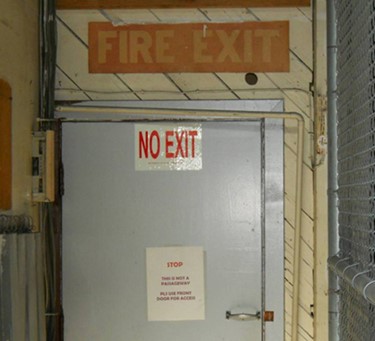
¿Están marcadas las puertas de no salida, que podrían confundirse con las salidas, para evitar confusiones?

¿Son claramente evidentes los caminos de viaje hacia las salidas y están libres de cartones, basura, equipos y suministros?

¿Están todas las puertas de salida provistas de material de emergencia aprobado? ¿Funcionan?

¿Pueden abrirse todas las puertas de salida desde el interior durante los períodos de ocupación? ¿Se abren hacia el exterior?

¿Funcionan las luces de emergencia? ¿Son probadas en un horario regular?

¿Están las puertas de salida atascadas, las placas de umbral y las propias puertas en buen estado de reparación y funcionamiento?


COMENTARIOS: 


Facility Safety Checklist – Spanish

Seguridad de las instalaciones                            

¿Existe un plano de las instalaciones/plantas con una disposición general de las instalaciones (incluyendo rutas de salida, extintores, etc.)?

¿Están los perímetros protegidos por dispositivos de alarma de intrusión?

¿Se inspecciona regularmente el sistema de alarma?

¿Está el perímetro de la instalación protegido por una iluminación adecuada?

¿Se comprueba el buen funcionamiento de los aparatos de iluminación y se sustituyen inmediatamente si se encuentran defectuosos o inutilizables?

¿Tiene la instalación una fuente de energía auxiliar fiable?

¿Se supervisan y controlan las cerraduras y llaves de todos los edificios y entradas por un personal autorizado?

¿Se cambian las cerraduras inmediatamente después de la pérdida o el robo de las llaves?

Si se utilizan llaves maestras, ¿están desprovistas de marcas que las identifiquen como tales?

¿Existe un plan de acción de emergencia o un plan de evacuación, si es así, los empleados están informados y educados sobre los procedimientos?

¿Existe un plan contra la violencia en el lugar de trabajo, un plan contra el abuso de drogas y sustancias, si es así, los empleados conocen y están informados sobre los procedimientos?


Exterior and Exits Safety Checklist

Exterior Surroundings, Parking Lots & Walkways

All means of egress from parking lots to thoroughfares have clear view in both directions. Are paths of travel to exterior ways of access unobstructed, free from carts, boxes, cans, & other debris which constitute a hazard?

Are means available for good lighting of walks/parking lots during night hours? Are hanging signs, awnings, , unit signs, and other accessories safely secured?

Are bottled gas cylinders or gas pipes and meters properly supported and guarded from physical damage?

Exterior Garbage, Trash Storage & Disposal Area

Is disposal area free from broken glass, metal cans, and food spillage? Is safe access to garbage and trash containers maintained?

Are fences, gates and pads, if present, well maintained around disposal areas? Are dumpster containers fitted with tight closing lids or doors?

Are drive surfaces around disposal areas free of trash and grease spillage? Is combustible trash stored away from the building?

If present, do employees operate compactors in a safe manner properly using guards/proper devices?

Exits

Are there sufficient exits to permit prompt escape in the case of a fire or other emergency? Is every exit in the building clearly marked with a standard sign and visible?

Are exit facilities clearly illuminated?

Are non-exit doorways, which could be mistaken for exits, marked to avoid confusion?

Are paths of travel to exits clearly evident and are they free of cartons, trash, equipment, & supplies?

Are all exit doors provided with approved emergency hardware? Do they work?

Can all exit doors be opened from the inside during occupied periods? Do they open toward the outside?

Do emergency lights work? Are they tested on a regular schedule?

Are exit door jams, threshold plates and doors themselves in good repair and operating condition?


Facility Safety Checklist

Facility Security

Is there a written facility/floor plan with a general layout of the facility (inc. Exit routes, fire extinguishers etc)?

Are perimeters protected by intrusion alarm devices?

Is the alarm system inspected regularly?

Is the perimeter of the facility protected by adequate lighting?

Are lighting fixtures checked for proper operation and replaced immediately if found to be defective/inoperable?

Does the facility have a dependable auxiliary source of power?

Are locks and keys to all buildings and entrances supervised and controlled by authorized personnel?

Are locks changed immediately upon loss or theft of keys?

If master keys are used, are they devoid of markings identifying them as such?

Is there an emergency action plan or evacuation plan –if so, are employees aware and educated on procedures?

Is there a workplace violence plan, drug and substance abuse plan -if so, are employees aware and educated on procedures?


Diversity in the Workplace – How to Bridge the Gaps – Spanish

¿QUE ESTÁ EN RIESGO?

La fuerza de trabajo actual es rica en diversidad. Trabajando juntos son personas de diferentes edades, culturas, habilidades físicas, educación, orientación sexual, idioma y creencias religiosas. Cada uno de nosotros es único, y nuestras diferentes fortalezas y perspectivas contribuyen a la fuerza de nuestros equipos.

¿CUÁL ES EL PELIGRO?

Para trabajar juntos con seguridad, es importante recordar que los diferentes antecedentes pueden influir en el enfoque de una persona respecto de las comunicaciones, la asunción de riesgos, los procesos de trabajo, el trabajo en equipo o incluso el cumplimiento de las normas.

Ejemplo

En algunas culturas, la comunicación abierta con alguien en una posición de autoridad es inaudita. Así que en lugar de mostrar falta de respeto a su jefe, su compañero de trabajo puede decir que entiende una regla de seguridad cuando, en realidad, no lo hace.

También hay diferencias de comunicación a través de las generaciones. Los trabajadores jóvenes, queriendo ser vistos como valiosos para la organización, pueden contribuir en voz alta con sugerencias u opiniones. Para sus compañeros de trabajo mayores, a quienes, al principio de sus carreras, se les enseñó a no hablar a menos que se les hable, este comportamiento puede parecer irrespetuoso y crear alguna tensión innecesaria entre los trabajadores.

COMO PROTEGERSE

En última instancia, sin embargo, todos los compañeros de trabajo deben compartir un objetivo común: crear un lugar de trabajo seguro. ¿Pero cómo coopera todo el mundo para prevenir incidentes si alguien del equipo considera que la asistencia es una debilidad, o considera obsceno un gesto con la mano con la intención de decir “ok”?

Aquí hay algunas formas de salvar la brecha de las comunicaciones en su diversa fuerza de trabajo:

  • No se deje llevar por los estereotipos. Conozca a sus compañeros de trabajo como personas individuales.
  • Escuchar y aprender sobre otras culturas, costumbres y estilos de vida. Y transmita su deseo de ser sensible a sus diferencias lo antes posible. Mostrar un respeto sincero por su compañero de trabajo es la mejor primera impresión que puede dar.
  • Da el beneficio de la duda en sus tratos con sus compañeros de trabajo. En lugar de sentirse despreciado o insultado, considere la posibilidad de que los modismos o las palabras puedan tener un significado diferente en otra cultura o generación.
  • Sé honesto y dile a la persona de dónde vienes. Por ejemplo, puede decir: “No sé si el riesgo le crea excitación, pero en esta etapa de mi vida no necesito tanta excitación”. Así que quiero que ates esa escalera antes de subirla”.
  • Lidera con el ejemplo. Ayude a sus compañeros de trabajo a desarrollar hábitos de trabajo seguros y anímelos a que hablen si tienen alguna preocupación relacionada con la seguridad y la salud.
  • Repensar la regla de oro. Los individuos tienen diferentes valores o diferentes maneras de mostrar los valores. Así que en lugar de tratar a los demás como le gustaría que le trataran a usted, trata a los demás como ellos querrían que los trataras.
  • No hay tal cosa como una broma trivial étnica o sexista. Un chiste ofensivo puede debilitar a todo el equipo. No haga bromas sobre raza, origen étnico, sexo o cualquier otro tema que pueda ser ofensivo, y desanime a los demás a hacer tales comentarios.

CONCLUSIÓN

Aprenda a cerrar las brechas de comunicación. Porque no importa cuán diversa sea la fuerza de trabajo, todos los trabajadores tienen una cosa en común: el deseo de volver a casa con seguridad.


Fall Protection Gone Bad – Spanish

¿Puede decir qué acción peligrosa e ilegal está llevando a cabo el trabajador?

La buena noticia: El trabajador que está escalando esta estructura elevada está usando un equipo personal de detención de caídas.

La mala noticia: Su arnés de cuerpo está al revés, el anillo D debe estar en el centro de la parte superior de su espalda, no debajo de sus glúteos.

La moraleja: No basta con equipar a sus trabajadores con el equipo de protección contra caídas adecuado. También necesita asegurarse de que están entrenados para usarlo apropiadamente en el trabajo.


Eye Contact Didn’t Mean Anything – Spanish

Nos enseñan a hacer contacto visual para indicar nuestras intenciones, como cuando cruzamos la calle en un cruce de peatones. Pero, como muestra el siguiente caso, no siempre se puede confiar en el contacto visual.

Un trabajador de Ontario que estaba supervisando la retirada y la trituración de las partes de los árboles en un proyecto de construcción de una carretera fue golpeado por una excavadora y más tarde murió en el hospital. Justo antes del incidente el trabajador se había acercado a una “trituradora de bañera” para ver la operación. Un operador de la excavadora hizo contacto visual con el trabajador dos veces, para señalar la intención de mover un tronco a la trituradora.

Pensando que el trabajador lo entendía, movió la excavadora a su posición y golpeó al trabajador, que fue descubierto bajo la pista correcta de la máquina. Una investigación del Ministerio de Trabajo de Ontario encontró que la trituradora de tubo era muy ruidosa, impidiendo que los trabajadores se escucharan entre sí. Una combinación de contacto visual y señales de mano era un método normal de comunicación entre los trabajadores.

La investigación determinó que no existía un sistema de comunicación normalizado adecuado para garantizar que el operador de la excavadora y el trabajador pudieran conocer con certeza las intenciones del otro.

Sittler Environmental Inc., una empresa de reciclaje y gestión de residuos con sede en Elmira, ON, se declaró culpable ante el Tribunal de Justicia de Ontario de no haber tomado la precaución razonable de garantizar que se estableciera y mantuviera en el lugar de trabajo un sistema adecuado y normalizado de comunicación entre los trabajadores.

La compañía fue multada con 95.000 dólares, más un 25 por ciento de recargo de multa a la víctima.


Eye Protection – Spanish

¿Qué hay de malo en esta imagen?

El trabajador que usa la sierra circular tiene un juego de gafas perfectamente utilizables para proteger sus ojos de los escombros voladores. Lástima que las tenga envueltas alrededor de su gorra de béisbol en vez de sobre sus ojos.

La moraleja es que proveer a los trabajadores la protección ocular correcta no es suficiente para prevenir las lesiones oculares y las citaciones de OSHA. También hay que asegurarse de que los trabajadores usen el equipo de protección adecuadamente.

3 razones para prestar atención

  1. El lugar de trabajo está lleno de cosas que pueden lastimar sus ojos como:
    • Partículas voladoras
    • Metal fundido
    • Ácidos y químicos líquidos
    • Gases químicos
    • Luz y radiación perjudiciales

2.     Usar el equipo de seguridad adecuado protege sus ojos de estos peligros

3.     La protección ocular no funciona a menos que se use correctamente, lo que el trabajador de la foto de arriba claramente no está haciendo.

LOS 5 TIPOS DE PROTECCIÓN OCULAR

Lo primero que hay que hacer es seleccionar el tipo de protección ocular adecuado para usar. Los 5 tipos más comunes son:


  1. Las gafas de seguridad tienen monturas de seguridad (normalmente de metal o plástico) + lentes resistentes a los golpes + a veces protectores laterales

  • Protege los ojos de los objetos voladores, las chispas y el polvo
  1. Las gafas cubren completamente los ojos, las cuencas de los ojos y el área facial alrededor de ellos.

  • Protege los ojos de los impactos, el polvo y las salpicaduras
  • Puede venir con lentes de color
  1. Los escudos de soldadura están hechos de fibra vulcanizada o de fibra de vidrio y equipados con lentes filtrados que deben ser de un número de tono necesario para proteger contra el peligro particular

  • Protege los ojos de las quemaduras causadas por la luz intensa
  • Protege los ojos y la cara de las chispas volantes y las salpicaduras de metal y las virutas de escoria de las operaciones de soldadura, soldadura fuerte, soldadura y corte.
  1. Las gafas de seguridad para láser protegen los ojos contra la luz dañina producida por los láseres

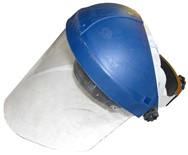
  1. Los protectores faciales son láminas de plástico transparente que se extienden desde las cejas hasta debajo de la barbilla y a lo largo de todo el ancho de la cabeza y pueden estar polarizadas para proteger contra el resplandor

  • Protege contra el polvo, las salpicaduras y los aerosoles
  • No le protege contra el impacto, a menos que lleve gafas de seguridad o gafas protectoras debajo.

8 PROTECCIÓN DE OJOS QUE HACER Y QUE NO HACER

Hay 8 cosas que hacer/no hacer para asegurar el uso adecuado de la protección ocular:

  • Límpiese los protectores oculares regularmente siguiendo las instrucciones de la compañía/fabricante.
  • No use gafas si están rayadas, no le quedan bien o la banda elástica está deshilachada.
  • Inspeccione su protección ocular cada vez antes de usarla.
  • No use gafas de seguridad si están rayadas, dobladas o no encajan bien.
  • Asegúrese de que los protectores de cara y de soldadura se desinfecten periódicamente.
  • No use protección ocular que no esté diseñada para protegerle del peligro real al que se enfrenta al hacer el trabajo.
  • Asegúrese de usar su protector ocular, no sea como ese trabajador con sus gafas en la gorra de béisbol de la foto.
  • No use equipo de protección ocular si no le queda bien, obstruye su movimiento o bloquea su visión.


Eyes Online Resources – Spanish

NIOSH (Instituto Nacional de Seguridad y Salud Ocupacional). NIOSH tiene información sobre casi todos los temas que se necesitan en un entorno industrial y se incluye la seguridad ocular.

Aquí están algunos de los muchos recursos en línea sobre seguridad ocular.

  1. Seguridad Ocular NIOSH

NIOSH (Instituto Nacional de Seguridad y Salud Ocupacional). NIOSH tiene información sobre casi todos los temas que se necesitan en un entorno industrial y se incluye la seguridad ocular.

“Cada día unos 2.000 trabajadores de EE.UU. tienen una lesión ocular relacionada con el trabajo que requiere tratamiento médico. Cerca de un tercio de las lesiones son tratadas en los departamentos de emergencia de los hospitales y más de 100 de estas lesiones resultan en uno o más días de trabajo perdido”.

Así comienza la información en el sitio web de NIOSH https://www.cdc.gov/niosh/topics/eye/ . Desde este sitio tiene enlaces a varias estadísticas de los ojos, así como algunas evaluaciones de riesgos para la salud de algunos informes recientes relacionados con la seguridad ocular.

  1. Uso de lentes de contacto NIOSH

Cuando surge el tema de la seguridad ocular en un entorno industrial, el uso de lentes de contacto es una pregunta frecuente. NIOSH tiene un enlace desde su página de seguridad ocular al Boletín de Inteligencia Actual 59 – Uso de Lentes de Contacto en un Ambiente Químico. Puede descargar el informe visitando este sitio web.

  1. ANSI a través de la Asociación Internacional de Equipo de Seguridad

Las gafas de seguridad tienen que cumplir los estrictos requisitos de la ANSI y su documento, ANSI Z87.1-2003, Occupational and Educational Eye and Face Protection Devices (Dispositivos de protección ocular y facial ocupacional y educativa) proporciona a los fabricantes las especificaciones para hacer precisamente eso. Las normas de ANSI tienen derechos de autor y no pueden ser reproducidas. Es necesario que compre su copia. La Asociación Internacional de Equipos de Seguridad es una de las organizaciones que vende esta publicación. Puede pedirla imprimiendo su formulario de pedido y enviándoles un pedido por fax. El formulario de pedido puede descargarse aquí.

  1. Suministros de seguridad para el laboratorio

Lab Safety Supply’s EZ Facts proporciona información útil. La hoja 125, Qué buscar cuando se eligen lentes protectores, es uno de esos boletines. Puede leerla en línea, aquí.

  1. Fundación de la Academia Americana de Oftalmología 

La Fundación de la Academia Americana de Oftalmología tiene información en su sitio web sobre la seguridad de los ojos en el hogar, para las actividades en el hogar, para los deportes y para los pasatiempos. Por ejemplo, muchos de nosotros usamos zapatos con punta de acero cuando estamos cortando el césped. ¿Cuántos también usan gafas de seguridad? Obtenga más información en su sitio web.

  1. Prevent Blindness America (Prevenir la ceguera en América)

Prevent Blindness America es la principal organización voluntaria de salud y seguridad ocular de la nación con la única misión de prevenir la ceguera y preservar la vista. Su sitio web está lleno de enlaces fáciles de navegar que proporcionan información sobre la seguridad de los ojos, los problemas de los ojos y los problemas de los ojos de los niños. Hay un examen de la vista que puede imprimir y usar para examinar sus ojos en casa.

  1. Prevent Blindness America, Capítulo de Connecticut

Hacer que los niños tengan el hábito de usar la seguridad ocular cosechará grandes recompensas para ellos cuando crezcan. El capítulo de Connecticut, junto con Prevent Blindness America, desarrolló un sitio web interactivo para la seguridad ocular de los niños. Puede encontrarlo aquí.

Conclusión

También puede encontrar información útil en los sitios web de los distintos proveedores de gafas de seguridad.


Equipment Safety Checklist – Spanish

Todos sabemos que los pilotos deben pasar por una lista de verificación previa al vuelo que ayude a garantizar la operación segura del avión y compruebe que el sistema de respuesta de emergencia esté listo para ser utilizado.

El mismo tipo de verificación debe hacerse antes de operar cualquier maquinaria o equipo. Una comprobación “previa al vuelo” puede ayudar a garantizar que la maquinaria y los sistemas de reserva están en condiciones seguras. También puede ayudar a evitar averías que llevan mucho tiempo y son costosas.

Estas comprobaciones son un procedimiento operativo estándar en vehículos como camiones y carretillas elevadoras, y también son vitales para los equipos pesados como excavadoras y grúas. Pero un chequeo puede ser igualmente valioso cuando se utiliza en cualquier equipo, incluso en un automóvil o una herramienta eléctrica.

Es posible que su empresa ya tenga procedimientos para comprobar el equipo antes de usarlo. Si no es así, se debe elaborar una lista de verificación. El manual del operador puede tener una lista de verificación, o al menos puede ofrecer sugerencias para compilarla.

Un tipo de comprobación previa al trabajo se conoce como la comprobación del círculo de vehículos. Aquí hay dos ejemplos de cómo se lleva a cabo.

  • Camine alrededor del equipo y compruebe si hay algún signo de problemas. En el caso de un vehículo de motor, por ejemplo, compruebe que la presión de los neumáticos sea adecuada, que las luces y los intermitentes funcionen correctamente, que haya suficiente aceite, combustible y líquido de batería, y que las ventanas estén despejadas/limpias.
  • Otro tipo de comprobación de círculo es útil antes de poner en marcha cualquier vehículo. Camine alrededor del vehículo, pero esta vez observe los alrededores. Asegúrese de que no haya nada que vaya a golpear cuando el vehículo comience a moverse, como otro vehículo, un niño que esté jugando detrás del vehículo o una obstrucción aérea como un cable eléctrico. Este tipo de revisión en círculo es especialmente importante si debe retroceder.

Aquí hay ejemplos de los tipos de cosas que hay que comprobar antes de usar muchos tipos de equipos o maquinarias:

  • Asegúrese de que no causará peligro a otra persona cuando ponga en marcha la maquinaria. Si alguien está haciendo reparaciones o ajustes en el equipo, debe ser etiquetado con información de bloqueo y la energía debe ser desconectada.
  • Revise la maquinaria para detectar cualquier signo de desgaste o daño que pueda afectar el funcionamiento seguro. En el caso de los equipos de oficina, debe prestar especial atención al estado de los cables y las conexiones eléctricas.
  • Asegúrese de que las protecciones de la máquina estén en su lugar y funcionan correctamente.
  • Cuando examine la maquinaria antes de su puesta en marcha, utilice sólo una fuente de luz segura. Por ejemplo, nunca compruebe la batería de un vehículo mientras utiliza un fósforo para la luz: podría resultar herido en una explosión.
  • Revise usted mismo. ¿Está listo para trabajar con seguridad? ¿Lleva el equipo de protección personal (EPP) adecuado, como por ejemplo, protección ocular cuando utiliza una herramienta eléctrica?

Asegúrese de reportar cualquier problema que encuentre en su chequeo, para que pueda ser corregido. Debería haber un sistema de seguimiento para asegurarse de que los problemas reportados sean atendidos.

El contenido de estas listas de verificación de equipo variará ampliamente. Los puntos que se comprueban antes de poner en marcha una sierra de mesa serán muy diferentes de los que se comprueban al poner en marcha una grúa. Pero el principio es el mismo: asegurarse de que la maquinaria esté lista para funcionar con seguridad y sin problemas.


Excavation and Trenching – Spanish

INCIDENTE

Carlos Moncayo, un inmigrante de 22 años del Ecuador. Murió el 6 de abril cuando una zanja de 3 metros de profundidad en la que trabajaba se derrumbó en una obra de construcción de la ciudad de Nueva York. Los inspectores habían advertido repetidamente a los contratistas que supervisaban la obra que la zanja era un peligro inminente porque no estaba bien apuntalada. Al carecer de muros de soporte, la zanja finalmente se derrumbó. Moncayo fue enterrado hasta el cuello y aplastado hasta la muerte por miles de libras de tierra.

El 5 de agosto, el fiscal del distrito de Manhattan acusó a dos compañías y dos supervisores por causar la muerte de Moncayo. Harco Construction, Sky Materials, el encargado Wilmer Cueva y el superintendente de obra Alfonso Prestia han sido acusados de homicidio, homicidio por negligencia y puesta en peligro.

LO QUE NECESITA SABER

Una excavación es cualquier corte, cavidad, zanja o depresión hecha por el hombre en una superficie de tierra formada por la remoción de tierra. La zanja es una excavación estrecha (en relación con su longitud) hecha bajo la superficie de la tierra.

En general, la profundidad es mayor que el ancho.

Las excavaciones pueden ser de cualquier tamaño: anchas, estrechas, profundas o poco profundas.

Cave un agujero en la tierra y habrá hecho una excavación.

Una zanja también es una excavación, si no tiene más de 4,5 metros de ancho en el fondo. Y si se instalan formas u otras estructuras en una excavación que reducen su ancho a menos de 15 pies, medidos en el fondo, la excavación también se considera una zanja.

La mayoría de los reglamentos exigen que si usted trabaja en una excavación de cinco pies de profundidad (o más), su empleador debe protegerlo del colapso de la zanja, los derrumbes y otros peligros de las zanjas y la excavación. Si una persona competente determina que existe la posibilidad de que una excavación se derrumbe, usted debe estar protegido independientemente de su profundidad.

NEGOCIOS / REGULACIONES

En una investigación, OSHA descubrió que el contratista general del proyecto, Harco Construction LLC de la ciudad de Nueva York, y el empleador de Moncayo, el subcontratista Sky Materials Corp. de Maspeth y Calverton, no proporcionaron protección contra el derrumbe de la zanja ni apoyaron o arriostraron una sección de la acera socavada y sin soporte para evitar que se derrumbara en la zanja.

“Carlos Moncayo era una persona, no una estadística. Su muerte fue completamente evitable. Si la trinchera hubiera estado bien protegida contra el colapso, no habría muerto en el derrumbe”, dijo Kay Gee, directora de área de OSHA en Manhattan.

“Los gerentes de Harco y Sky Materials eran conscientes de estos peligros mortales y no sacaron a los empleados de la trinchera, incluso después de las advertencias de los funcionarios de seguridad del proyecto. Este comportamiento desmedido innecesario y vergonzoso le costó la vida a un hombre”.

OSHA emitió a cada empleador dos citaciones por violaciones deliberadas de las normas de seguridad en el lugar de trabajo y evaluó multas de 140.000 dólares – las multas máximas permitidas – para cada empresa.

Además de las citaciones de la OSHA, funcionarios de ambas compañías fueron acusados de homicidio, entre otros cargos, el 5 de agosto en la Corte Suprema del Estado de Nueva York.

La OSHA opinó además.

Los riesgos de la construcción son bien conocidos, así como las medidas de protección para evitar la muerte y las lesiones.

Los empleadores deben proporcionar un lugar de trabajo que permita a los empleados regresar a casa con seguridad al final del día.

ESTADÍSTICAS

En 2003, OSHA realizó una investigación porque hubo 48 muertes en las zanjas.

Gracias a estos pasos con más información sobre los peligros de las zanjas y a la intensificación de la aplicación de la ley, las muertes anuales en las zanjas disminuyeron. Pero las muertes siguen ocurriendo.

Los resultados de la investigación de OSHA son útiles para entender por qué las muertes en las zanjas siguen ocurriendo hoy en día y cómo evitarlas.

  1. Razón principal
  • Las zanjas se derrumban porque no están debidamente protegidas.
  • Los sistemas de protección se emplearon correctamente en sólo el 24 por ciento de las trincheras.  En el resto, un sistema de protección fue usado incorrectamente (24%), disponible pero no en uso (12%) o simplemente no disponible (64%).
  1. Persona competente

Además, a pesar de que las condiciones ambientales fueron un factor que contribuyó en el 68% de las muertes, la persona competente no estaba en el lugar cuando se produjo la muerte el 86% de las veces.  La mayoría de las veces (65%) el empleador no había identificado el tipo de suelo aunque el tipo de suelo es un factor en los derrumbes de las trincheras.

  1. Los lunes

Además, un número desproporcionado de muertes (36%) ocurrieron los lunes, probablemente porque la lluvia u otros factores cambiaron las condiciones durante el fin de semana.  Según las regulaciones de OSHA, la persona competente debe inspeccionar el trabajo de zanja en curso antes de cada turno y después de cualquier cambio en las condiciones.

  1. Horario y fechas límite

Las investigaciones de OSHA mostraron que el tiempo de programación era más importante que la seguridad en el 88 por ciento de los incidentes. El 72 por ciento de las muertes ocurrieron en trincheras de menos de nueve pies de profundidad.  Sólo el nueve por ciento se produjo a más de 15 pies de profundidad.

  1. Comercio y Fatalidades

Los empleados más comúnmente asesinados fueron los obreros de la construcción (53%), seguidos por los plomeros y los instaladores de tuberías con un 9%.  La mayoría (58%) murieron mientras instalaban tuberías.

  1. Nacionalidades/fallecimientos

El 56% de estas muertes fueron hispanos y el 52% nacidos en el extranjero.  Para el 44 por ciento, el español era su idioma primario.  Al menos el 30% había estado trabajando para su empleador por menos de un año, y la mayoría (59%) trabajaba para un subcontratista.

  1. Unión vs. No unión

Sólo el seis por ciento eran miembros del sindicato.  Dado que, en todo el país, alrededor del 20 por ciento de las obras de construcción están sindicalizadas, la tasa esperada de muertes sindicales sería cercana al 20 por ciento.  La tasa más baja sugiere que los trabajos sindicados son más seguros, que los supervisores y los trabajadores de las obras sindicadas están mejor capacitados y que el sindicato ofrece el tipo de protección que los trabajadores necesitan para hablar sobre cuestiones de seguridad en el lugar de trabajo.

  1. Programa escrito de seguridad/salud y entrenamiento de seguridad

Poco más de la mitad de los empleadores tenían un programa escrito de seguridad y salud, pero, de estos, sólo el 40 por ciento cubría las zanjas.  El 65 por ciento no proporcionó ningún entrenamiento de seguridad en las zanjas.  La mayoría de los empleadores (71%) nunca habían sido inspeccionados por la OSHA, pero el 21% había sido citado previamente por la OSHA por violaciones de seguridad en las zanjas.

  1. Tipo de lugar de trabajo/tamaño de la empresa

Cerca de tres de cada cuatro muertes ocurrieron en lugares de trabajo residenciales.  La mayoría de las empresas eran pequeñas; el 42 por ciento tenía menos de diez empleados.  Aunque, típicamente, cinco o menos trabajadores estaban presentes en el sitio cuando ocurrió el incidente, la mayoría de los proyectos (52%) involucraban contratos por un valor de $100,000 o más.

PREVENCIÓN

A continuación se presenta un plan de trabajo de 10 puntos para la excavación y el zanjado para la gestión y el mantenimiento de un trabajo de excavación seguro.

  1. Requisitos reglamentarios

Todos los empleadores deben proporcionar un lugar de trabajo libre de peligros reconocidos que puedan causar lesiones graves o la muerte. Como supervisor debe entender y seguir los requisitos reglamentarios para el trabajo de zanjas y excavación.

  1. Designar a la persona o personas competentes

Una persona competente es aquella designada por el empleador, que puede identificar los peligros existentes y previsibles o las condiciones de trabajo que son peligrosas o arriesgadas, y que está autorizada a adoptar rápidamente medidas correctivas para eliminarlas.

  1. Determinar el tipo de suelo

El trabajo de excavación es peligroso, y se debe hacer una evaluación del peligro antes de comenzar cualquier trabajo de excavación o de excavación de zanjas. Esta evaluación comienza por determinar el tipo de suelo. Una persona competente debe determinar el tipo de suelo mediante pruebas visuales y manuales.

Todo el sitio de excavación, incluyendo el suelo adyacente al sitio, será revisado para detectar grietas de tensión, indicaciones de estructuración geológica en capas en el lado abierto de la excavación, signos de abultamiento, ebullición o desprendimiento, así como signos de agua superficial que se filtren desde el lado de la excavación o desde el nivel freático.

El contenido de humedad también afecta a la fuerza del suelo. Una vez abierto, el contenido de humedad del suelo comienza a cambiar casi inmediatamente. Esto puede afectar la fuerza de las paredes. Cuanto más tiempo se deja abierta una excavación, mayor es el riesgo de derrumbe.

  1. Identificar y eliminar las fuentes de vibración

Las vibraciones del equipo, las máquinas, el tráfico de vehículos y las operaciones como el movimiento de tierra, las compactaciones, el hincado de pilotes y las voladuras pueden afectar a la estabilidad de la excavación y contribuir al colapso de las paredes de la excavación y de la zanja.

Colocar barricadas para mantener el equipo innecesario fuera del área de excavación

  1. Ubicación de las pilas de botín

El suelo excavado, el equipo y otros materiales situados junto a una excavación ejercen presión sobre las paredes de la misma y pueden provocar un derrumbe. También puede llevar a que el equipo o la tierra caigan dentro de la excavación y sobre los trabajadores.

Mantenga el suelo y el equipo al menos a 1 metro (2 pies en los EE.UU.) de distancia de los bordes de excavación y zanjas.

  1. Acceso y salida

Ya sea que estén protegidas por pendientes, cajas o entibaciones, las zanjas deben estar provistas de escaleras para que los trabajadores puedan entrar y salir con seguridad. Las escaleras deben:

  • Se colocarán dentro del área protegida por la caja de entibación o zanja.
  • Estén bien atados en la parte superior.
  • Extiéndase por encima del apuntalamiento o caja por lo menos 1 metro (3 pies).
  • Ser inspeccionado regularmente para detectar daños.
  1. Sistemas de protección

El diseño de un sistema de protección requiere la consideración de muchos factores, entre ellos: la clasificación del suelo, la profundidad del corte, el contenido de agua del suelo, el tiempo y el clima, y otras operaciones en las proximidades.

  • Inclinando y banqueando los lados de la excavación;
  • Apoyando los lados de la excavación; o
  • Colocando un escudo entre el lado de la excavación y el área de trabajo.
  1. Preplanificación

Esperar hasta después de que empiecen los trabajos para corregir los errores de apuntalamiento o de inclinación ralentiza la operación, aumenta el costo del proyecto y hace más probable un derrumbe u otro fallo en la excavación.

Antes de preparar una oferta, debe saber lo más posible sobre el lugar de trabajo y los materiales necesarios para realizar el trabajo con seguridad y en cumplimiento de las normas de seguridad. Factores a considerar:

Tráfico

  • La proximidad y la condición física de las estructuras cercanas
  • Clasificación del suelo
  • Aguas superficiales y subterráneas
  • Ubicación de la capa freática
  • Servicios aéreos y subterráneos
  • El tiempo
  • Cantidad de apuntalamiento o sistemas de protección que pueden ser necesarios
  • Necesidades de protección contra caídas
  • Número de escaleras que pueden ser necesarias
  • Otras necesidades de equipo
  1. Inspecciones

Una persona competente debe inspeccionar diariamente las excavaciones, las zonas adyacentes y los sistemas de protección para detectar posibles derrumbes, indicaciones de fallos en los sistemas y equipos de protección, atmósferas peligrosas y otras condiciones peligrosas.

Las inspecciones deben realizarse antes del comienzo del trabajo y según sea necesario durante todo el turno y se requieren después de eventos naturales, como tormentas de lluvia, u otros sucesos que incrementen los peligros, como los trabajos con explosivos.

  1. Entrenamiento

Todo trabajador que participe en cualquier trabajo de excavación debe recibir formación sobre los procedimientos y responsabilidades que tiene para trabajar con seguridad en las excavaciones y zanjas. Esto incluye a la persona competente, los supervisores, los operadores de equipos y los trabajadores de las excavaciones.

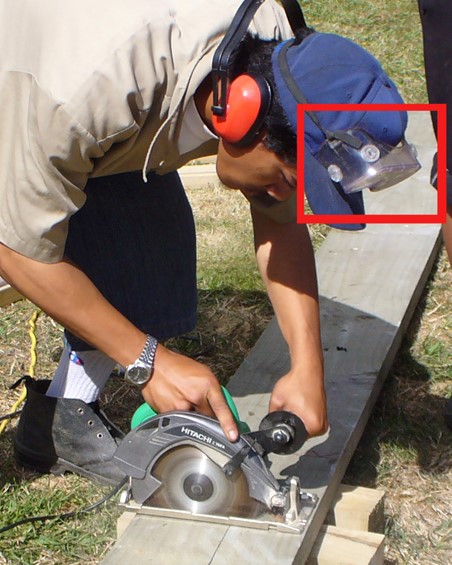



Exit or No Exit – Picture This – Spanish

¡Decídase! Aparentemente, esta puerta NO es una salida. Pero la confusión del momento y la duda que estos mensajes mezclados transmitidos podría resultar mortal en un incendio.

La moraleja: Según OSHA, las puertas o pasajes a lo largo de una salida que puedan ser confundidas con una salida deben estar marcadas “No es una salida” o una designación similar, o identificadas por un signo que indique su uso real, por ejemplo, un armario (Mantenimiento, Salvaguardas y características operativas para las rutas de salida, Sec. 1910.137(b)(5)).

Pero si bien la colocación de letreros de “esto no es una salida” sobre una puerta con la indicación “SALIDA DE INCENDIO” técnicamente podría no ser una violación de OSHA, la eliminación del letrero de “SALIDA DE INCENDIO” sería una solución mucho más segura.


Experienced Worker Becomes Entangled in Unguarded Drum – Spanish

Una mano de obra empleada por un comerciante de equipo pesado era responsable de operar una niveladora y un sistema de transporte simple. El transportador se utilizaba para separar la tierra vegetal. El transportador se colocaba en diagonal, y se elevaba unos 20 pies en el aire desde su base. Se suponía que debía detenerse y bajarse a una posición horizontal para cualquier mantenimiento, como engrasar los rodillos en el centro de la unidad.

El día de la tragedia, el trabajador subió por el transportador a la unidad media. Se enredó en la maquinaria de movimiento. Cuando los compañeros de trabajo lo encontraron, su hombro quedó atrapado entre el eje del rodillo y la barra que estaba debajo. Estaba colgando con los pies en el suelo. La parte superior de su brazo estaba rota, y una arteria fue cortada. Estaba sangrando mucho, y rápidamente perdió el conocimiento.

Los equipos de emergencia se apresuraron a la escena. El departamento de bomberos tuvo que enviar una unidad de apoyo con herramientas de aire comprimido para desmantelar el equipo para que la víctima pudiera ser liberada. Mientras tanto, un médico consideró la posibilidad de amputar el brazo de la víctima en la escena, pero decidió no hacerlo porque la hemorragia no podía ser detenida. A pesar de todos los esfuerzos por revivir a la víctima, ésta murió en un hospital poco después de ser trasladada allí.

Nadie sabe por qué la víctima subió al transportador. Sus compañeros de trabajo dijeron que nunca habían visto a nadie hacerlo antes. Llevaba una llave inglesa en ese momento y posiblemente planeaba usarla para sacar algo de barro del rodillo. Había trabajado para este empleador durante casi 20 años y había pasado varios años manejando este equipo en particular. No había ningún protector de la máquina sobre esta sección de los rodillos. Era un transportador de estilo antiguo, construido sin el tamiz que habría evitado el contacto accidental con las partes móviles.

No hay sustituto para el uso de los protectores de la máquina correcta. Revise su lugar de trabajo para la posible colocación de protectores. No importa cuánta experiencia tenga, siempre existe la posibilidad de hacer un movimiento equivocado que le costará una extremidad o su vida.


Battling COVID-19 and Workplace Mental Health Challenges from the C-Suite: A Case Study

Date: Oct 6, 2020

Duration: 60 minutes

Presenter: Paul Greenberg, CEO of Butter Works

Paul will talk about what he’s done at Butter Works. Here’s a little squib from a story in Time Magazine, Millennial Employees Are Getting Companies to Radically Rethink Workers’ Mental Health: When Paul Greenberg was the CEO of CollegeHumor, a comedy website, in 2012, he was having strong suicidal thoughts. He had struggled with depression all his life and had hidden it from everyone at work. Electroconvulsive therapy finally helped. In 2018, after starting a digital-video firm called Butter Works, he wrote about his experience in the Hollywood Reporter to help people with mental illness feel less alone. “I wanted to go public with this,” he says. “It’s too important. This is a personal matter for me, but it’s also a work matter for our employees and our company, and this will help us all succeed better.” As CEO of Butter Works, Greenberg promotes a culture where employees can put their mental health first. He bought a pricey insurance plan that covers out-of-network providers, which many mental-health professionals are. He tells employees and clients that he has a therapy appointment or a ketamine treatment in the same way he’d mention a lunch meeting. “I’m trying to create an atmosphere where people feel this is totally destigmatized, in the same appropriate way you’d talk about anything personal at work,” he says. Since he revealed his mental-health issues, younger employees have confided in him about their own, he says. “As soon as you normalize it, other people do too.”


COVID-19 Attendance, Absenteeism and Staffing Capacity Challenges

Date: Oct 6, 2020

Duration: 70 minutes

Presenter: Vicki Giles from McLennan Ross

About the Speaker

Vicki’s practice focuses on the areas of employment, human rights, privacy, labour and administrative law. She advises employers on a wide variety of employment, personnel and labour issues (including collective bargaining) and has experience before all levels of court, arbitrators and the Alberta Labour Relations Board.


How to Conduct a Virtual Workplace Harassment and Violence Investigation


Date: Oct 6, 2020

Duration: 72 minutes

Presenter: Gail Rodgers, Correna Jones, and Adam Pie, from DLA Piper

About the Webinar

The COVID-19 pandemic has changed the ways in which businesses run and there is still some time before it is ‘business as usual’. Most employers are grappling with new ways of working, with many of their employees working from home or in other unusual ways. However, it is clear that ‘business as usual’ issues can and do still arise. Thus, what should employers do if they become aware of an allegation of workplace harassment or violence? Global business lawyer Gail Rodgers draws on her extensive experience in virtual investigations to help you determine whether a remote investigation is the right step to take and what steps you should take if you decide to go forward with the investigation.

About the Speaker

Gail Rodgers concentrates her practice in pharmaceutical and medical device litigation, mass torts and government and internal investigations.

Gail represents clients on a wide variety of compliance matters, including the Foreign Corrupt Practices Act (FCPA) as well as advising and enhancing compliance programs in response to investigations. Gail handles investigations regarding bribery, corruption and potential sanctions and export control violations. She also advises on issues stemming from investigations, including concerns regarding data breach and data privacy.

She has extensive experience in a wide variety of state and federal litigation, including providing strategic advice at each stage of litigation, managing national discovery teams and implementation of national resolution programs. Gail acts as litigator and litigation manager handling individual matters in a lead capacity while also supervising and coordinating the work of attorneys drawn from multiple outside law firms. She also has significant experience as resolution counsel and has coordinated teams in the evaluation of individual and class action claims, resulting in the resolution of thousands of claims.

Gail handles commercial litigation matters involving multiple international jurisdictions. She also provides strategic business advice regarding avoidance of litigation and handling of complaints and claims regarding pharmaceutical, medical device and nutritional supplements.


Electrical Contracting Checklist – Spanish

Lista de verificación de la auditoría de seguridad de la contratación eléctrica sobre el manejo adecuado de los equipos eléctricos.
Desenergizar
 ¿Están los aparatos eléctricos como los que están conectados a tierra?
¿Se instalan interruptores de circuito de falla de tierra en cada circuito temporal de 15 o 20 amperios, 120
voltios AC en lugares con construcciones o modificaciones?
¿Tiene instalaciones eléctricas en áreas peligrosas de polvo o vapor que cumplan con el código NEC?
¿Se abren siempre los medios de desconexión antes de cambiar los fusibles? ¿Están todos los conductos
y cajas eléctricas firmemente sujetos en su lugar?
¿Están todas las partes energizadas de los circuitos y equipos eléctricos protegidas contra el contacto
accidental por gabinetes o recintos aprobados?
¿Los interruptores de desconexión de los motores eléctricos de más de dos caballos de fuerza son capaces
de abrir el circuito cuando el motor está parado sin explotar?
¿Se proporciona protección de bajo voltaje en el dispositivo de control de los motores que accionan
máquinas o equipos que podrían causar lesiones por un arranque involuntario?
¿Están los interruptores de desconexión del motor a la vista del dispositivo de control del motor?
¿Está cada motor situado a la vista de su controlador o el medio de desconexión del controlador puede
bloquearse abierto o se ha instalado un medio de desconexión separado en el circuito a la vista del motor?
¿Es el controlador de cada motor que excede los dos caballos de potencia nominal igual o superior a la
potencia del motor al que sirve?
¿Se instruye en RCP a los empleados que trabajan regularmente en torno a equipos o líneas eléctricas
energizadas?
¿Se prohíbe a los empleados trabajar solos en líneas/equipos eléctricos energizados de más de 600
voltios?
COMENTARIOS:
______________________________________________________________________________________________________
______________________________________________________________________________________________________
______________________________________________________________________________________________________


Electrician Falls From Aluminum Ladder After Shock – Spanish

Tres trabajadores, un electricista licenciado y dos aprendices, estaban recableando un sótano residencial. Estaban usando una bombilla de 300 vatios, sacando energía de una conexión temporal a los cables de energía en un poste exterior.

El electricista intentó reconectar el servicio temporal fuera de la casa e instruyó a sus compañeros de trabajo para que continuaran con su trabajo en el interior. Luego fue a su vehículo a buscar herramientas. Mientras trabajaba solo, subió una escalera de aluminio en condiciones de lluvia intensa. Parado sobre pedazos de alfombra mojados y con respaldo de goma, cortó un cable que conducía a la casa desde el poste. Llevaba zapatos de calle, sin guantes y sus alicates no estaban aislados. No usaba ningún tipo de equipo anticaídas.

Después de cortar el cable, recibió una descarga eléctrica. Cuando sus aprendices notaron la pérdida de energía, subieron inmediatamente del sótano y escucharon sus gritos.

Temerosos de tocar la escalera de aluminio, intentaron sin éxito desalojarlo del contacto con los cables dándole una patada a la escalera. Lo vieron soltarse del cable y caer de la escalera a una pasarela de asfalto a 20 pies de profundidad. Murió por graves heridas en la cabeza y el pecho.

Las violaciones de seguridad aquí fueron numerosas, particularmente con respecto al uso de escaleras de aluminio alrededor de la electricidad, los dispositivos de detención de caídas, el sistema de compañeros, el uso de guantes y calzado de seguridad adecuados y otras medidas de seguridad eléctrica.

La formación continua en seguridad para todos los empleados, nuevos o establecidos, puede ayudar a prevenir muertes como esta.