Cold Stress – Picture This – Spanish

El frío es un riesgo para la salud en el trabajo para muchos tipos de trabajadores.  Si su trabajo requiere que trabaje al aire libre cuando hace frío, es aún más importante que esté preparado no sólo con el equipo adecuado para mantenerle a salvo de los peligros del trabajo, sino también con la ropa adecuada para mantenerle a salvo de los peligros del frío.

Vestirse adecuadamente es extremadamente importante para prevenir el estrés por frío. Vestirse adecuadamente para el frío depende del tiempo que vayas a estar fuera, de si las condiciones son húmedas o secas y de lo fría que sea la temperatura.


Dangers of Excessive Sitting Meeting Kit

WHAT’S AT STAKE

EXCESSIVE SITTING

While some of the research is still not clear that excessive sitting is the direct cause for certain health problems, it has shown that it is a factor that is linked to many health problems. Our bodies are designed to move and be active.

WHAT’S THE DANGER

HEALTH RISKS OF PROLONGED SITTING

Obesity: The consequent imbalance between energy intake and expenditure leads to an unhealthy weight gain and obesity. Obesity, raises the risk of several deadly non-communicable diseases, including metabolic syndrome and heart disease.

Chronic Joint Pains: The muscles of the legs and hips, particularly the glutes, hamstrings, and quadriceps, are the major muscles you make use of when you sit. However, when you sit for too long, you overstretch and strain these muscles and this may cause them to become tight and short.

These muscles protect the joints of the hip and back and when they become inflexible and short, especially if you maintain a poor sitting posture, they cause problems for your hip joints and back. Some complications of these include disc prolapse, nerve impingement, and premature degeneration of the joint structures.

Heart Disease: Sitting for long periods has been linked to heart disease: experts say that people who sit for long periods have a 147 percent greater risk of developing heart disease (heart attacks and stroke).

Diabetes: Inactivity from prolonged sitting can alter how the body handles sugar.  Sitting for too long impairs tissue sensitivity to insulin, the hormone that regulates blood sugar. Research shows that sitting for long periods raises the risk of diabetes by more than 112 percent.

Cancer: Physical inactivity has been linked to certain types of cancer, including the lungs, colon, and endometrium. A review published in The Journal of the National Cancer Institute reveals that too much sitting may raise the risk of colon cancer by 24 percent, the risk of lung cancer by 21 percent, and the risk of endometrial cancer by 24 percent.

Deep Vein Thrombosis: A deep vein thrombosis (DVT) is a blood clot in the deep veins of the leg. DVT is a serious health problem because the clot could break off and obstruct blood flow in other blood vessels it may settle in. If the clot settles in the pulmonary artery of the lungs, it causes pulmonary embolism, a medical emergency that can lead to death if not promptly treated.

Mental Health: Sitting too much each day has been linked to mental health issues, including anxiety disorders and depression.

HOW TO PROTECT YOURSELF

ERGONOMICS FOR PROLONGED SITTING

Besides being uncomfortable, poor sitting posture and workplace ergonomics over time can damage spinal structures and contribute to recurrent episodes of neck or back pain.

Elbow Measure: Begin by sitting comfortably as close as possible to your desk so that your upper arms are parallel to your spine. Rest your hands on your work surface (e.g. desktop, computer keyboard). If your elbows are not at a 90-degree angle, move your chair either up or down.

Thigh Measure: Check that you can easily slide your fingers under your thigh at the leading edge of the chair. If it is too tight, you need to prop your feet up with an adjustable footrest. If there is more than a finger width between your thigh and the chair, you need to raise the desk/work surface so that you can raise your chair.

Calf Measure: With your buttocks against the chair back, try to pass your clenched fist between the back of your calf and the front of your chair.

Lower-Back Support: Your buttocks should be pressed against the back of your chair, and there should be a cushion that causes your lower back to arch slightly so that you don’t slump forward as you tire. This support is essential to minimize the load (strain) on your back. Never slump or slouch in your chair, as this places extra stress on your spine and lumbar discs.

Eye level: Close your eyes while sitting comfortably with your head facing forward. Slowly open your eyes. Your gaze should be aimed at the center of your computer screen. If your computer screen is higher or lower than your gaze, you need to either raise or lower it.

Armrest: Adjust the armrest of your chair so that it just slightly lifts your arms at the shoulders. Use of an armrest allows you to take some of the strain off your neck and shoulders, and it should make you less likely to slouch forward in your chair.

LESS SITTING – MORE MOVEMENT

  • Take a break from sitting every 30 minutes.
  • Stand while talking on the phone or watching television.
  • If you work at a desk, try a standing desk — or improvise with a high table or counter.
  • Walk with your colleagues for meetings rather than sitting in a conference room.
  • Position your work surface above a treadmill — with a computer screen and keyboard on a stand or a specialized treadmill-ready vertical desk — so that you can be in motion throughout the day.

FINAL WORD

Regardless of whether you exercise or not, if you sit for long periods each day, it counteracts the effects of the exercises and increases your risk of these diseases. In fact, experts say these risks increase with every 2 hours of sitting.  The main objective of a job design is to reduce the amount of time the person spends “just” sitting. Frequent changes in the sitting position are not enough to protect against blood pooling in the employee’s legs.




Dangers of Excessive Sitting Stats and Facts

FACTS

  1. Sitting for prolonged periods of time can be a major cause of back pain, cause increased stress of the back, neck, arms and legs and can add a tremendous amount of pressure to the back muscles and spinal discs. Sitting in a slouched position can overstretch the spinal ligaments and strain the spinal discs.
  2. When you sit, you use less energy than you do when you stand or move. Research has linked sitting for long periods of time with a number of health concerns. They include obesity and a cluster of conditions — increased blood pressure, high blood sugar, excess body fat around the waist and abnormal cholesterol levels — that make up metabolic syndrome. Too much sitting overall and prolonged periods of sitting also seem to increase the risk of death from cardiovascular disease and cancer.
  3. The impact of movement — even leisurely movement — can be profound. For starters, you’ll burn more calories. This might lead to weight loss and increased energy. Also, physical activity helps maintain muscle tone, your ability to move and your mental well-being, especially as you age.

STATS

  • On average, American’s sit 11 hours/day.
  • 300,000 deaths occur annually due to inactivity and poor dietary habits in the United States alone.
  • 20% of all deaths of people 35 and older are attributed to a lack of physical activity.
  • 65% of American’s watch 2 or more hours of TV every day.
  • Only 6.5% of American’s meet the minimal physical guideline requirements for work.
  • Sedentary lifestyles are responsible for an estimated $24 billion in direct medical spending.
  • Women are more likely to lead sedentary lives than men.The majority of falls (60 percent) occur on the same level. (Canadian Centre for Occupational Health and Safety)


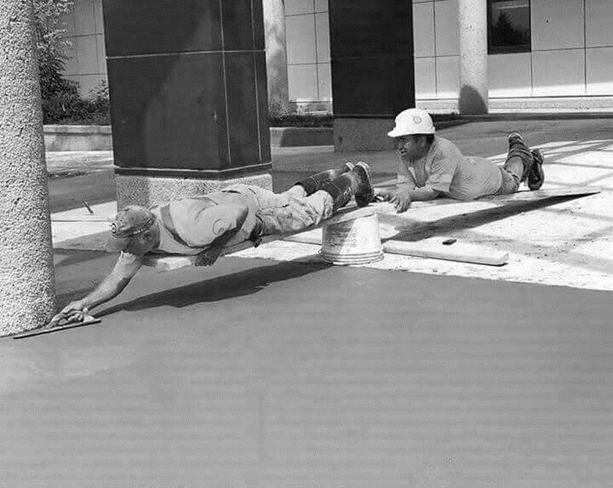
Dangers of Excessive Sitting – Picture This

Sitting at a desk can increase death risk by almost 50 per cent, sitting at a desk can increase death risk by almost 50 per cent!

What’s wrong in this picture? There is an office worker sitting on his chair inadequately, putting himself in danger of falling off the chair.

Office workers beware, as research from the University of Sydney found that office workers who sit for longer than 10 hours a day at their desk had a 48 per cent increase in risk of death, in comparison to people who sat for less than four hours a day. To counteract this health risk, try to introduce five minutes of activity every hour and make sure you take regular breaks away from your workstation. Simple changes like taking the stairs instead of the lift will also make a positive difference to your health.


Costs of Drugs on the Job Meeting Kit

WHAT’S AT STAKE

Costs of Drugs on the Job Safety Talk

Individuals who come to work under the influence of drugs and alcohol are a big concern for many employers across the world. In the United States, it is estimated over 60% of employers conduct pre-employment drug screening. The cost of these tests are anywhere from $20 to $60 a piece.

WHAT’ S THE DANGER

THREE DRUG ABUSE PROBLEMS IN THE WORKPLACE

Safety- Individuals under the influence of the drugs are a danger to everyone at the worksite. Drugs also negatively affect person’s ability to make decisions and influence a person to take more risks than they normally would if they were sober.

Production- Individuals under the influence of drugs are almost always less efficient than when they are sober. Even if the drug is considered a stimulant, there are many side effects or other consequences due to using these drugs. There is more absenteeism by individuals who abuse drugs.

Costs- According to the National Council on Alcoholism and Drug Dependence Inc., the costs of drug abuse is over $81 billion annually in the United States. When a company has to spend a significant amount of money randomly drug testing employees, dealing with the consequences of lost production, and investigating safety incidents, there is less money for the other areas of the business.

PROBLEMS CAUSED IN THE WORKPLACE

Absenteeism and loss of production, are problems that alcohol and drug abuse can cause on the job including the following:

  • Tardiness/sleeping on the job
  • Hangover or withdrawal affecting job performance
  • Poor decision making
  • Loss of efficiency
  • Theft
  • Lower morale of co-workers
  • Higher turnover
  • Training of new employees
  • Disciplinary procedure

Signs of Workplace Drug Abuse and Addiction

Someone abusing drugs at work might behave differently from their colleagues in crucial ways.

  • Openly talking about money problems
  • A decline in personal appearance or hygiene
  • Complaints of failing relationships at home
  • Taking time off for vague illnesses or family problems

HOW TO PROTECT YOURSELF

GET HELP

Work can be an important place to address substance use issues. Employers and employees can collaborate to design policies which outline what is an acceptable code of behavior and what is not. By establishing or promoting programs such as an Employee Assistance Program (EAP), employers can help employees more directly or provide referrals to community services.

The policy can cover substance use issues, or it can use an overall approach such as impairment in the workplace. The main goal is that workplaces are encouraged to establish a procedure or policy so that help can be provided in a professional and consistent manner. It is important for supervisors and managers to have a resource or procedure that they can rely on if the need arises. Employees need to know that everyone will be treated the same way. These actions help to reduce the stigma associated with substance use. When stigma is reduced, it is hoped that people will seek help without fear, and will speak openly about substance use issues. Early treatment and support is encouraged.

Managers and Supervisors should be educated in how to recognize and deal with substance use issues and employees should be offered educational programs. Note it is not the role of the supervisor or employer to diagnose a possible substance use or dependency problem. Their role is to identify if an employee is impaired, and to take the appropriate steps as per the organization’s policy.

Training/Prohibitions

  • Train supervisors to monitor employees carefully. Share drug prevention information and hang posters with OSHA drug prevention guidelines.
  • Prohibit alcohol on the premises to discourage drinking and make it known that you’ll schedule periodic, unannounced drug testing. Employees will be far less likely to use drugs, knowing they could be tested at any time and lose their job.

FINAL WORD

Drug abuse in the workplace is an issue for everyone involved in the company. Not only is it a safety issue for those individuals around someone who is abusing drugs, but there are other consequences. When production is slowed down and costs go up, less money is available for other areas of the business. Speak up to a supervisor if you see a coworker who may be having issues with drugs.


Costs of Drugs on the Job Stats and Facts

FACTS

  1. Jobs that carry higher rates of stress expose workers to a greater degree of personal harm or danger are inside red to be blue-collar jobs.
  2. Studies indicate that workers may feel more compelled to seek relief through self-medication in jobs where fatigue, depression, fear, or shame is common.
  3. Substance abuse is often viewed by many as a coping mechanism. Due to the high stress of numerous industries, many people resort to drug or alcohol use to cope with their jobs.
  4. Substance abuse is a growing issue due to availability of drugs and alcohol, job isolation, mental health in and outside of work, stress, social culture.

STATISTICS

  • Some 70 percent of the estimated 14.8 million Americans who use illegal drugs are employed, and workers who report having three or more jobs in the previous five years are about twice as likely to be current or past year users of illegal drugs as those who have had two or fewer jobs.
  • In the U.S. workforce, the rate of amphetamines (found in drugs like Adderall), marijuana, and heroin detection have increased annually for the past five years. Cocaine use was up 12% from 2015, reaching a seven-year high.
  • About 16% of employees live with a substance use disorder. This study reported that the highest rate of prescription pain medication disorders is among workers in the services sector. Researchers divide the $81 billion spent per year on drug abuse in the workplace into three categories:
  • Absenteeism
  • Healthcare costs
  • Lost productivity
  • An estimated 80% of drug users supported their drug use by stealing from their place of employment. From opioids to alcohol, prescription medications to recreational drugs, workers take drastic measures to conceal their addiction.


Costs of Drugs on the Job Fatality Report

An explosion which killed a plumber may have been the result of using drugs at work.

He had arrived at work with an apparent hangover. Co-workers had not seen him very much that day because he had reportedly spent most of the shift in an enclosed van.

An explosion in the van caused second and third degree burns to 90 per cent of his body. An oxy-acetylene torch with an open valve, an oxy-acetylene tank with an open regulator and an open tank of gasoline were found in the van. It is assumed the torch set off an explosion of gasoline vapors. A syringe with traces of cocaine and blood matching the victim were also found. Fellow workers told investigators the victim had exhibited unusual behavior for the last six months and had been hiding cocaine in the van.

Drug use at work can be fatal, affecting your skills and judgment. If fellow workers are showing signs of drug abuse, it’s your responsibility to report it before someone gets hurt. The hazards of drug abuse and what to do about it should be part of a regular safety training program. When flammable liquids or gases are transported, they must be in approved and appropriately ventilated containers.


Costs of Drugs on the Job – Picture This

What’s wrong in this picture? Using drugs impairs decision-making abilities as well as physically impairs people.

This is a deadly concoction when on the job. In fact, 10-20% of American workers who die at work have a positive result when tested for drugs or alcohol. A study by OSHA states that the most dangerous occupations, such as mining and construction, also have the highest rates of drug use by their employees.

Many employers are aware of how much mental illness can cost their business, but the potential cost of substance abuse is often overlooked, resulting in a shocking disparity between the help that employees need and the help they receive. Costs of drug abuse at work are estimated at $81 billion annually.

Prevention of such problems occurs by implementing an effective workplace drug program that deals with drug testing before hiring, drug testing during employment and consequences for violating the rules.


Costs of Drugs on the Job Meeting Kit – Spanish

QUÉ ESTÁ EN RIESGO

El precio de las drogas en el trabajo Charla sobre seguridad

Las personas que acuden al trabajo bajo los efectos de las drogas y el alcohol son una gran preocupación para muchos empresarios de todo el mundo. En Estados Unidos, se calcula que más del 60% de los empresarios realizan pruebas de detección de drogas antes de la contratación. El coste de estas pruebas oscila entre los 20 y los 60 dólares por unidad.

CUÁL ES EL PELIGRO

TRES PROBLEMAS DE ABUSO DE DROGAS EN EL LUGAR DE TRABAJO

Seguridad– Los individuos bajo la influencia de las drogas son un peligro para todos en el lugar de trabajo. Las drogas también afectan negativamente a la capacidad de la persona para tomar decisiones e influyen en que la persona corra más riesgos de los que correría normalmente si estuviera sobria.

Producción – Los individuos bajo la influencia de las drogas son casi siempre menos eficientes que cuando están sobrios. Incluso si la droga se considera un estimulante, hay muchos efectos secundarios u otras consecuencias debidas al uso de estas drogas. Hay más absentismo por parte de los individuos que abusan de las drogas.

Costes- Según el Consejo Nacional de Alcoholismo y Drogodependencia Inc., los costes del abuso de las drogas son de más de 81.000 millones de dólares anuales en Estados Unidos. Cuando una empresa tiene que gastar una cantidad significativa de dinero en pruebas aleatorias de drogas a los empleados, lidiando con las consecuencias de la pérdida de producción e investigando incidentes de seguridad, hay menos dinero para las otras áreas del negocio.

PROBLEMAS CAUSADOS EN EL LUGAR DE TRABAJO

El absentismo y la pérdida de producción son problemas que el abuso de alcohol y drogas puede causar en el trabajo, entre los que se incluyen los siguientes

  • Tardanza/sueño en el trabajo
  • Resaca o síndrome de abstinencia que afecta al rendimiento laboral
  • Mala toma de decisiones
  • Pérdida de eficacia
  • Robo
  • Disminución de la moral de los compañeros de trabajo
  • Mayor rotación de personal
  • Formación de nuevos empleados
  • Procedimiento disciplinario

Señales de abuso de drogas en el lugar de trabajo y adicción

Alguien que abusa de las drogas en el trabajo puede comportarse de forma diferente a sus compañeros en aspectos cruciales.

  • Hablar abiertamente de problemas de dinero
  • Un deterioro de la apariencia personal o de la higiene
  • Se queja de que las relaciones en el hogar han fracasado
  • Tomarse tiempo libre por enfermedades imprecisas o problemas familiares

COMO PROTEGERSE

OBTENER AYUDA

El trabajo puede ser un lugar importante para abordar los problemas de consumo de sustancias. Los empresarios y los empleados pueden colaborar en el diseño de políticas que definan lo que es un código de comportamiento aceptable y lo que no lo es. Estableciendo o promoviendo programas como el Programa de Asistencia al Empleado (EAP), los empleadores pueden ayudar a los empleados de forma más directa o remitirlos a los servicios de la comunidad.

La política puede abarcar las cuestiones relacionadas con el consumo de sustancias, o puede utilizar un enfoque general, como el deterioro en el lugar de trabajo. El objetivo principal es que los centros de trabajo establezcan un procedimiento o una política para que la ayuda se preste de forma profesional y coherente. Es importante que los supervisores y gerentes dispongan de un recurso o procedimiento en el que puedan confiar si surge la necesidad. Los empleados necesitan saber que todos serán tratados de la misma manera. Estas acciones ayudan a reducir el estigma asociado al consumo de sustancias. Cuando se reduce el estigma, se espera que las personas busquen ayuda sin miedo y hablen abiertamente de los problemas de consumo de sustancias. Se fomenta el tratamiento y el apoyo tempranos.

Los gerentes y supervisores deben ser educados en cómo reconocer y tratar los problemas de uso de sustancias y se debe ofrecer a los empleados programas educativos. Hay que tener en cuenta que no es función del supervisor o del empresario diagnosticar un posible problema de consumo o dependencia de sustancias. Su papel es identificar si un empleado está deteriorado, y tomar las medidas apropiadas según la política de la organización.

Formación / Prohibiciones

Forme a los supervisores para que vigilen cuidadosamente a los empleados. Comparta información sobre la prevención de drogas y cuelgue carteles con las directrices de prevención de drogas de OSHA.

Prohíba el alcohol en las instalaciones para desalentar el consumo y haga saber que programará pruebas de drogas periódicas y sin previo aviso. Los empleados serán mucho menos propensos a consumir drogas, sabiendo que pueden ser sometidos a pruebas en cualquier momento y perder su trabajo.

CONCLUSIÓN

El abuso de drogas en el lugar de trabajo es un problema para todos los implicados en la empresa. No sólo es un problema de seguridad para las personas que están cerca de alguien que abusa de las drogas, sino que hay otras consecuencias. Cuando la producción se ralentiza y los costes aumentan, hay menos dinero disponible para otras áreas de la empresa. Habla con un supervisor si ves a un compañero de trabajo que puede tener problemas con las drogas.


Costs of Drugs on the Job Stats and Facts – Spanish

HECHOS

  1. Los trabajos que conllevan mayores índices de estrés exponen a los trabajadores a un mayor grado de daño o peligro personal están dentro de los trabajos de cuello azul.
  2. Los estudios indican que los trabajadores pueden sentirse más obligados a buscar alivio a través de la automedicación en los trabajos en los que la fatiga, la depresión, el miedo o la vergüenza son habituales.
  3. El abuso de sustancias suele ser visto por muchos como un mecanismo de afrontamiento. Debido al elevado estrés de numerosas industrias, muchas personas recurren al consumo de drogas o alcohol para hacer frente a sus trabajos.
  4. El abuso de sustancias es un problema creciente debido a la disponibilidad de drogas y alcohol, el aislamiento laboral, la salud mental dentro y fuera del trabajo, el estrés y la cultura social.

ESTADÍSTICAS

  • Alrededor del 70% de los 14,8 millones de estadounidenses que se calcula que consumen drogas ilegales están empleados, y los trabajadores que declaran haber tenido tres o más empleos en los cinco años anteriores tienen aproximadamente el doble de probabilidades de ser consumidores actuales o del año anterior de drogas ilegales que los que han tenido dos o menos empleos.
  • En la mano de obra estadounidense, la tasa de detección de anfetaminas (presentes en drogas como Adderall), marihuana y heroína ha aumentado anualmente durante los últimos cinco años. El consumo de cocaína aumentó un 12% respecto a 2015, alcanzando un máximo de siete años.
  • Alrededor del 16% de los empleados viven con un trastorno por consumo de sustancias. Este estudio informó que la tasa más alta de trastornos por medicamentos recetados se encuentra entre los trabajadores del sector de servicios. Los investigadores dividen los 81.000 millones de dólares que se gastan al año en el abuso de drogas en el lugar de trabajo en tres categorías:
    • Absentismo laboral
    • Costes sanitarios
    • Pérdida de productividad
  • Se calcula que el 80% de los consumidores de drogas apoyan su consumo robando en su lugar de trabajo. Desde los opioides hasta el alcohol, pasando por los medicamentos con receta y las drogas recreativas, los trabajadores toman medidas drásticas para ocultar su adicción.


Costs of Drugs on the Job Fatality Report – Spanish

La explosión que mató a un fontanero pudo ser consecuencia del consumo de drogas en el trabajo.

Había llegado al trabajo con una aparente resaca. Los compañeros de trabajo no le habían visto mucho ese día porque, al parecer, había pasado la mayor parte del turno en una furgoneta cerrada.

Una explosión en la furgoneta le causó quemaduras de segundo y tercer grado en el 90% de su cuerpo. En la furgoneta se encontraron un soplete de oxiacetileno con la válvula abierta, un depósito de oxiacetileno con el regulador abierto y un depósito de gasolina abierto. Se supone que el soplete provocó una explosión de vapores de gasolina. También se encontró una jeringuilla con restos de cocaína y sangre que coincidía con la de la víctima. Los compañeros de trabajo dijeron a los investigadores que la víctima había mostrado un comportamiento inusual durante los últimos seis meses y que había estado escondiendo cocaína en la furgoneta.

El consumo de drogas en el trabajo puede ser fatal, ya que afecta a las habilidades y al juicio. Si los compañeros de trabajo muestran signos de abuso de drogas, es su responsabilidad informar de ello antes de que alguien resulte herido. Los peligros del abuso de drogas y lo que hay que hacer al respecto deben formar parte de un programa de formación en seguridad regular. Cuando se transportan líquidos o gases inflamables, deben estar en contenedores aprobados y debidamente ventilados.


Costs of Drugs on the Job – Picture This – Spanish

¿Qué hay de malo en esta imagen? El consumo de drogas merma la capacidad de tomar decisiones, además de perjudicar físicamente a las personas.

Se trata de un brebaje mortal en el trabajo. De hecho, entre el 10 y el 20% de los trabajadores estadounidenses que mueren en el trabajo dan un resultado positivo en un test de drogas o alcohol. Un estudio de la OSHA afirma que las ocupaciones más peligrosas, como la minería y la construcción, son también las que presentan mayores índices de consumo de drogas por parte de sus empleados.

Muchos empresarios son conscientes de lo que pueden costar las enfermedades mentales a sus empresas, pero a menudo se pasa por alto el coste potencial del abuso de sustancias, lo que da lugar a una impactante disparidad entre la ayuda que necesitan los empleados y la que reciben. Los costes del abuso de drogas en el trabajo se estiman en 81.000 millones de dólares anuales.

La prevención de estos problemas pasa por la implantación de un programa eficaz de drogas en el lugar de trabajo que contemple la realización de pruebas de detección de drogas antes de la contratación, pruebas de detección de drogas durante el empleo y las consecuencias de la infracción de las normas.


Cold Stress Hazards Meeting Kit

WHAT’S AT STAKE

Cold Stress Safety Talk

Cold weather and environments pose many hazards to employees who work in these conditions. A cold environment forces the body to work harder to maintain its temperature.

WHAT’ S THE DANGER

HYPOTHERMIA

When exposed to cold temperatures, your body begins to lose heat faster than it can be produced. Prolonged exposure to cold will eventually use up your body’s stored energy. The result is hypothermia, or abnormally low body temperature. A body temperature that is too low affects the brain, making the victim unable to think clearly or move well. This makes hypothermia particularly dangerous because a person may not know it is happening and will not be able to do anything about it.

Symptoms

Symptoms of hypothermia can vary depending on how long you have been exposed to the cold temperatures.

Early Symptoms

  • Shivering
  • Fatigue
  • Loss of coordination
  • Confusion and disorientation

Late Symptoms

  • No shivering
  • Blue skin
  • Dilated pupils
  • Slowed pulse and breathing
  • Loss of consciousness

FROSTBITE

Frostbite is an injury to the body that is caused by freezing. Frostbite causes a loss of feeling and color in the affected areas. It most often affects the nose, ears, cheeks, chin, fingers, or toes. Frostbite can permanently damage body tissues, and severe cases can lead to amputation. In extremely cold temperatures, the risk of frostbite is increased in workers with reduced blood circulation and among workers who are not dressed properly.

Symptoms of frostbite include: Reduced blood flow to hands and feet (fingers or toes can freeze), Numbness, Tingling or stinging, Aching, Bluish or pail, waxy skin.

Trench Foot

Trench foot, also known as immersion foot, is an injury of the feet resulting from prolonged exposure to wet and cold conditions. Trench foot can occur at temperatures as high as 60 degrees F if the feet are constantly wet. Injury occurs because wet feet lose heat 25-times faster than dry feet. Therefore, to prevent heat loss, the body constricts blood vessels to shut down circulation in the feet. Skin tissue begins to die because of lack of oxygen and nutrients and due to the buildup of toxic products.

Symptoms of trench foot include: Reddening of the skin, Numbness, Leg cramps, Swelling, Tingling pain, Blisters or ulcers, bleeding under the skin, Gangrene (the foot may turn dark purple, blue, or gray).

HOW TO PROTECT YOURSELF

BODY REACTS TO COLD

In a cold environment, most of the body’s energy is used to keep the internal core temperature warm. Over time, the body will begin to shift blood flow from the extremities (hands, feet, arms, and legs) and outer skin to the core (chest and abdomen). This shift allows the exposed skin and the extremities to cool rapidly and increases the risk of frostbite and hypothermia. Combine this scenario with exposure to a wet environment, and trench foot may also be a problem.

EMPLOYEE PREVENTION

Workers should avoid exposure to extremely cold temperatures when possible. When cold environments or temperatures cannot be avoided, workers should follow these recommendations to protect themselves from cold stress:

  • Wear appropriate clothing.
    • Wear several layers of loose clothing. Layering provides better insulation.
    • Tight clothing reduces blood circulation. Warm blood needs to be circulated to the extremities.
    • When choosing clothing, be aware that some clothing may restrict movement resulting in a hazardous situation.
  • Make sure to protect the ears, face, hands and feet in extremely cold weather.
    • Boots should be waterproof and insulated.
    • Wear a hat; it will keep your whole body warmer. (Hats reduce the amount of body heat that escapes from your head.)
  • Move into warm locations during work breaks; limit the amount of time outside on extremely cold days.
  • Carry cold weather gear, such as extra socks, gloves, hats, jacket, blankets, a change of clothes and a thermos of hot liquid.
  • Include a thermometer and chemical hot packs in your first aid kit.
  • Avoid touching cold metal surfaces with bare skin.
  • Monitor your physical condition and that of your coworkers.

FINAL WORD

Cold stress occurs by driving down the skin temperature and eventually the internal body temperature (core temperature). This may lead to serious health problems, and may cause tissue damage, and possibly death.


Cold Stress Hazards Stats and Facts

Facts

  • Wind chill is the combination of air temperature and wind speed. For example, when the air temperature is 40º F. and the wind speed is 35 mph, your exposed skin receives conditions equivalent to the air temperature being 11º F. While it is obvious that below freezing conditions combined with inadequate clothing could bring about cold stress, it is also important to understand that it can also be brought about by temperatures in the 50’s coupled with some rain and wind.
  • When working outdoors in cold weather or working in artificially cold environments, such as refrigerated areas, serious cold-related injuries and illnesses may occur. Cold related hazards can cause permanent tissue damage or even death.
  • Snow shovelling is particularly strenuous because it uses arm work, which is more taxing than leg work. Straining to move wet and heavy snow is particularly likely to cause a surge in heart rate and blood pressure.
  • Many people hold their breath during the hard work, which also puts a strain on the body.
  • People at greatest risk are those who are habitually sedentary with known or suspected coronary disease, who go out once a year to clear snow, increase the risk. If you must do it, push rather than lift the snow, dress in layers, take regular breaks indoors and don’t eat or smoke before shovelling.

STATS

  1. Every winter, about 100 people in the US die while shovelling snow.

A study looking at data from 1990 to 2006 by researchers at the US Nationwide Children’s Hospital recorded 1,647 fatalities from cardiac-related injuries associated with shovelling snow. In Canada, these deaths make the news every winter.

  1. CDC Report: Cold Kills More People Than Heat

A report by the National Center for Health Statistics reveals that winter cold kills more Americans than summer heat. Each year, approximately 2,000 workers die due to weather-related causes. Of that population, 63% of deaths are caused by exposure to cold and/or hypothermia, while only 31% are attributed to heat-related exposure such as heat or sun stroke.

  1. According to the Bureau of Labor Statistics, in 2014, there were 42,480 workplace injuries involving ice, sleet, or snow that demanded at least one day off. Of these injuries, and illnesses, 34,860 (82 percent) were the result of falls on the same level – not from heights.


Cold Stress Hazards Fatality Report

A 69-year-old FedEx worker has been found dead outside a delivery hub in western Illinois, and police believe the extreme cold snap that hit the country this week played a role.

The man, whose name wasn’t released, is among 23 people killed in the United States as a result of extreme weather conditions this week. Cook County, Illinois, which includes Chicago, announced three deaths on Friday, including a 92-year-old man.

At the FedEx delivery hub in East Moline, a coworker found the man’s body outside between two tractor-trailers Thursday morning, police Capt. Darren Gault said.

It wasn’t immediately clear how long the worker had been there, or why he was there. The hub had been closed on Wednesday.

It was extremely cold in the Moline area this week. At an airport only 10 miles from the hub, temperatures dipped below zero late Tuesday afternoon and never rose above that until Thursday evening. Wednesday evening’s low was 29 below with a wind chill of 34 below; Thursday morning’s low was 33 below.

“We are saddened by the loss of our team member and our sympathies go out to his family and friends,” FedEx said in a statement Friday. “We are working with local authorities as they investigate.

“FedEx has contingency plans in place to ensure the well-being of our team members and service providers. Several of our centers, including the Rock Island center, were closed or running very limited operations this week due to the extreme cold.”


Cold Stress – Picture This

Cold is an occupational health hazard for many types of workers.  If your job requires you to work outside in cold weather, it’s even more critical for you to be not only prepared with the proper gear to keep you safe from the dangers of the job, but also with proper clothing to keep you safe from the dangers of the cold.

Dressing properly is extremely important to preventing cold stress. Dressing properly for the cold depends on how long you’ll be outside, whether the conditions are wet or dry and how cold the temperature is.


Continually Learning Fatality Report

Inexperienced and young workers remain a vulnerable group in all industries, in particular the construction industry, as demonstrated by the recent sentencing hearing of a concrete pump contractor in SafeWork NSW v NonAbel Concrete Pump Pty Ltd; Bilal Hamdan (2020).

NonAbel Concrete Pump Pty Ltd (Company) is a company providing concrete pumping and placements services. The Company owned a concrete pumping truck, which was fitted with a delivery boom and other equipment, such as concrete delivery hose and pipeline components. The truck was in use for a construction of 5-storey residential apartment at 62–64 Wrentmore Street, Fairfield NSW (worksite).

Ware Building Pty Ltd (Ware) was the principal contractor that engaged S.E.P. Formwork Solutions Pty Ltd (S.E.P.) as a subcontractor to provide concreting works at the worksite. S.E.P. then engaged the Company as a subcontractor.

Mr Bilal Hamdan was the sole director, secretary and shareholder of the Company, and one of the Company’s two employees. The other employee was Mr Souhayb Jamal, who was engaged as a labourer and concrete pump linesman. The Company employed Mr Jamal for between only 3 to 7 days before the incident.

On 27 March 2017, the Company was using the concrete pumping truck to place concrete on the level 5 formwork deck. A metal pipe was attached to the delivery boom of the truck and a 10.2-metre black rubber concrete delivery hose was attached to the end of the metal pipe. The end of the hose was fitted with a metal coupling.

Before the incident, Mr Franco Vellar, who was employed by Ware as a site foreperson, saw Mr Jamal for the first time at the worksite office. Mr Vellar started talking to Mr Jamal, but it was apparent that Mr Jamal’s English was poor. Mr Vellar had partially completed an induction form for Mr Jamal when he received a call and left to assist on site. He instructed Mr Jamal to remain seated in the office. However, shortly afterwards, Mr Jamal left the office and went to level 5 without notifying Mr Vellar.

A short time later, Mr Hamdan, who was trying to pump concrete, realised that there was a blockage in the concrete delivery hose. He stopped and asked a crane operator to help. After detaching the hose from the fixed pipe, the crane operator lifted the hose using the crane while Mr Hamdan and Mr Jamal hit the hose with a hammer in an attempt to clear the blockage. The hose was then reattached, and Mr Jamal walked back to the end of the concrete delivery hose, stood with the hose between his legs and picked up the end of the hose with his hands.

Mr Hamdan then performed a blowout with air pressure to clear the blockage in the concrete delivery hose. The concrete delivery hose whipped around and struck Mr Jamal in the head, causing him to flip over and land on the ground. Mr Jamal was not wearing a safety helmet. Mr Jamal died from the severe head injuries.


Continually Learning – Picture This

What’s wrong in this picture? This scene may probably end in a painful injured as a result of lack of updated training for employees. Like the proverbial leopard, most people can’t change their spots. Most people like to stay in their comfort zone. Most people are averse to change.

Attitude is critical when it comes to embracing change. Great people are always looking for ways to change—to grow. As I always say, you’re either getting better or getting worse: If you’re staying the same you’re getting worse.

Embracing change can be intimidating, either in your personal or your professional life. As a person or business gets older, they can sometimes become more risk adverse—not willing to make changes.

A preventative safety and health culture comprises all the values, managerial systems and practices, participatory principles and working behaviour conducive to creating a safe and healthy working environment.


Continually Learning Meeting Kit – Spanish

QUÉ ESTÁ EN RIESGO

Charla sobre seguridad en el aprendizaje continuo

El aprendizaje y la mejora continua son fundamentales para el éxito en cualquier área de nuestras vidas; ya sea como padre, cónyuge, trabajador, líder, miembro de la comunidad, etc. Tener una mentalidad de crecimiento cuando se trata del trabajo separa a los que se quedan estancados en su posición en el trabajo y a los que eventualmente consiguen mejores oportunidades para sí mismos.

CUÁL ES EL PELIGRO

EL CAMBIO ES INEVITABLE

El cambio es inevitable. Muchos trabajadores llevan más de 20, 30 o incluso 40 años en el mismo campo, pero piense en lo diferente que era el mismo lugar de trabajo hace apenas una década. Los trabajadores que quieren aferrarse a los viejos tiempos y luchar contra el cambio a cada paso acabarán quedándose atrás. No sólo su carrera se verá afectada por no abrazar el cambio, sino que también puede correr más riesgo de sufrir lesiones.

COMO PROTEGERSE

¿QUÉ ES EL APRENDIZAJE CONTINUO?

El aprendizaje continuo es un método que permite a los alumnos que el aprendizaje se convierta en una parte del trabajo; una forma de adaptarse a los cambios reservando tiempo para estar al día con nuevas habilidades y conocimientos.

Uno de los aspectos más importantes del aprendizaje continuo es el tiempo. Los alumnos necesitan tiempo de forma regular para buscar nuevos conocimientos que beneficien a su trabajo. Por desgracia, el trabajador medio tiene muy poco tiempo para dedicar al aprendizaje, por lo que permitir que el aprendizaje sea una prioridad en la cultura de su lugar de trabajo les ayudará a aprovecharlo.

El otro aspecto importante es la aplicación. Como parte del aprendizaje continuo, los alumnos reforzarán la formación a través de su trabajo. Por ejemplo, si un alumno dedica cuatro horas a formarse en una nueva tecnología, a medida que la utilice en el trabajo seguirá viendo vídeos y haciendo preguntas para ampliar su aprendizaje.

CREAR UN LUGAR DE TRABAJO QUE RESPONDA A UN MUNDO EN CONSTANTE CAMBIO

Mantenga a los empleados al día asignándoles un aprendizaje continuo sobre las nuevas tecnologías relevantes para su campo, así como sobre las principales actualizaciones de software, entre otras cosas.

Comprender las últimas tecnologías del sector es importante para que su empresa esté preparada para el futuro. No querrá quedarse atrás cuando los nuevos programas y equipos se conviertan en herramientas importantes que aprender. Sus empleados necesitan tiempo y recursos para seguir siendo los mejores profesionales de su campo. El aprendizaje continuo puede ayudar a conseguirlo.

CONSEJOS PARA INTEGRAR EL APRENDIZAJE CONTINUO EN EL LUGAR DE TRABAJO

Dado que el aprendizaje continuo es amplio, puede ser difícil saber por dónde empezar para que su cultura de aprendizaje sea más receptiva a él. He aquí algunos pasos concretos para empezar a abordarlo.

  • Defina claramente los conjuntos de habilidades de los puestos y las vías de desarrollo.
  • Proporcione recursos.
  • Recompensar a los empleados.
  • Proporcione tiempo.

Pregunte a los empleados qué quieren aprender. Más que nadie, el empleado será el más consciente de cómo está cambiando la tecnología o las normas que afectan a su función. Pregúnteles qué necesitan aprender, para asegurarse de que les proporciona los recursos adecuados.

CREAR UN ENTORNO DE APRENDIZAJE CONTINUO

La creación de un entorno de apoyo que anime a los empleados a participar en el aprendizaje continuo requiere compromiso, recursos y entrenamiento. Algunos empleados estarán motivados por sí mismos y emprenderán el aprendizaje continuo en su propio tiempo, pero la mayoría no tendrá el tiempo ni los recursos para hacerlo.

No es realista esperar que todos los empleados se dediquen al aprendizaje continuo durante la jornada laboral o en su tiempo libre. He aquí un camino sobre cómo navegar por esta situación:

  1. El aprendizaje continuo comienza con los líderes
  2. Crear un plan de aprendizaje
  3. Proporcionar los recursos y el tiempo para el aprendizaje continuo

Las ideas incluyen:

  • Establecer un plan de desarrollo personal con cada empleado para identificar lo que puede querer aprender con el fin de fomentar el estímulo y la iniciativa
  • Celebrar almuerzos de trabajo durante la pausa del almuerzo para animar a los empleados a presentar y aplicar lo que han aprendido
  • Dedicar tiempo a los empleados para que participen en la formación o el aprendizaje
  • Asistir a talleres o eventos del equipo
  • Proporcionar acceso a recursos profesionales a través de suscripciones o membresías
  • Proporcionar acceso al aprendizaje en línea para cursos a su propio ritmo
  • Organizar oportunidades de tutoría o entrenamiento
  • Crear un “grupo de trabajo” de aprendizaje que permita a los empleados investigar y colaborar en un tema

CONCLUSIÓN

Acepte el cambio cuando llegue al lugar de trabajo. La mayoría de los cambios se realizan por el bien de todos los implicados. Hay ocasiones en las que los nuevos cambios pueden suponer un riesgo innecesario, pero la mayoría de los cambios no lo hacen, a menos que los trabajadores no tomen las medidas adecuadas para aceptarlos. Sea un trabajador abierto al aprendizaje continuo y evite tener una mentalidad fija. Este enfoque no sólo le permitirá alcanzar nuevas oportunidades, sino que también puede marcar la diferencia a la hora de evitar una lesión en el trabajo.


Continually Learning Stats and Facts – Spanish

HECHOS

  1. Cuando los empleados son alentados y apoyados por su organización para aprender, la organización se beneficia en forma de aumento de la productividad, la lealtad de los empleados y el mantenimiento de la reputación de la marca en el mercado competitivo.
  2. El aprendizaje continuo ayuda a las empresas a desarrollar nuevas investigaciones, productos y servicios, y a mantenerse al día con la naturaleza y el entorno laboral cambiante
  3. El trabajo se descompone en tareas elementales. Estas tareas se despliegan a la fuente óptima de trabajo (automatización, alianzas, talento, etc.) y las tareas restantes y nuevas se reconstruyen en puestos de trabajo reinventados. Por esta razón, RRHH necesita hacer de la reinvención continua del trabajo una capacidad central y sentar las bases para el aprendizaje continuo.
  4. Las personas necesitan aprender nuevos conocimientos o habilidades para ver las cosas bajo una nueva luz y dar el siguiente salto. Cuando las organizaciones no apoyan un proceso continuo de aprendizaje, la innovación no se produce, los procesos permanecen inalterados y nunca se consigue nada nuevo.

ESTADÍSTICAS

  1. Casi todos los participantes (94%) en una serie de grupos de discusión de CPO indicaron que, para hacer frente a la naturaleza cambiante del trabajo, se ha convertido en una prioridad pasar de la formación episódica a la recualificación perpetua. Sin embargo, sólo el 18% indica que está preparado para impulsar realmente una recualificación significativa de la plantilla.
  2. La encuesta de Deloitte reveló que el 42% de los empleados abandona una organización porque no encuentra oportunidades de aprendizaje. Los empleados han reconocido que el aprendizaje continuo es fundamental y esperan que los empleadores se reinventen. Exigen oportunidades de aprendizaje dinámicas que se adapten a sus necesidades y horarios.
  3. Según el Foro Económico Mundial (FEM), en 2022, nada menos que el 54% de todos los empleados necesitarán una importante reconversión y actualización de sus conocimientos. De ellos, se espera que un 35% requiera una formación adicional de hasta seis meses.


Continually Learning Fatality Report – Spanish

Los trabajadores inexpertos y jóvenes siguen siendo un grupo vulnerable en todas las industrias, en particular en la de la construcción, como lo demuestra la reciente audiencia de sentencia de un contratista de bombas de hormigón en SafeWork NSW contra NonAbel Concrete Pump Pty Ltd; Bilal Hamdan (2020).

NonAbel Concrete Pump Pty Ltd (Compañía) es una empresa que presta servicios de bombeo y colocación de hormigón. La empresa era propietaria de un camión de bombeo de hormigón, que estaba equipado con una pluma de entrega y otros equipos, como una manguera de entrega de hormigón y componentes de tuberías. El camión se utilizaba para la construcción de un apartamento residencial de 5 plantas en el 62-64 de Wrentmore Street, Fairfield NSW (obra).

Ware Building Pty Ltd (Ware) fue el contratista principal que contrató a S.E.P. Formwork Solutions Pty Ltd (S.E.P.) como subcontratista para realizar trabajos de hormigonado en la obra. A continuación, S.E.P. contrató a la empresa como subcontratista.

El Sr. Bilal Hamdan era el único director, secretario y accionista de la empresa, y uno de los dos empleados de ésta. El otro empleado era el Sr. Souhayb Jamal, contratado como peón y encargado de las bombas de hormigón. La empresa empleó al Sr. Jamal sólo entre 3 y 7 días antes del incidente.

El 27 de marzo de 2017, la empresa estaba utilizando el camión de bombeo de hormigón para colocar hormigón en la plataforma de encofrado del nivel 5. Un tubo metálico estaba conectado a la pluma de entrega del camión y una manguera de entrega de hormigón de goma negra de 10,2 metros estaba conectada al extremo del tubo metálico. El extremo de la manguera estaba provisto de un acoplamiento metálico.

Antes del incidente, el Sr. Franco Vellar, empleado de Ware como capataz de la obra, vio al Sr. Jamal por primera vez en la oficina de la obra. El Sr. Vellar empezó a hablar con el Sr. Jamal, pero era evidente que el inglés del Sr. Jamal era deficiente. El Sr. Vellar había rellenado parcialmente un formulario de iniciación para el Sr. Jamal cuando recibió una llamada y se marchó para ayudar en la obra. Le indicó al Sr. Jamal que permaneciera sentado en la oficina. Sin embargo, poco después, el Sr. Jamal salió de la oficina y se dirigió al nivel 5 sin avisar al Sr. Vellar.

Poco después, el Sr. Hamdan, que intentaba bombear hormigón, se dio cuenta de que había un atasco en la manguera de suministro de hormigón. Se detuvo y pidió ayuda a un operador de grúa. Después de separar la manguera de la tubería fija, el operador de la grúa la levantó con la grúa mientras el Sr. Hamdan y el Sr. Jamal golpeaban la manguera con un martillo en un intento de eliminar la obstrucción. A continuación, se volvió a conectar la manguera y el Sr. Jamal regresó al extremo de la manguera de suministro de hormigón, se colocó con la manguera entre las piernas y recogió el extremo de la manguera con las manos.

A continuación, el Sr. Hamdan realizó un soplado con aire a presión para eliminar la obstrucción de la manguera de suministro de hormigón. La manguera de suministro de hormigón giró y golpeó al Sr. Jamal en la cabeza, haciéndole volcar y caer al suelo. El Sr. Jamal no llevaba casco de seguridad. El Sr. Jamal murió a causa de las graves lesiones en la cabeza.


Continually Learning – Picture This – Spanish

¿Qué hay de malo en esta imagen? Esta escena puede acabar probablemente en una dolorosa herida como consecuencia de la falta de formación actualizada de los empleados. Como el proverbial leopardo, la mayoría de la gente no puede cambiar sus manchas. A la mayoría de la gente le gusta quedarse en su zona de confort. La mayoría de la gente es reacia al cambio.

La actitud es fundamental a la hora de aceptar el cambio. Las grandes personas siempre buscan formas de cambiar, de crecer. Como siempre se dice, o mejoras o empeoras: si te quedas igual, empeoras.

Aceptar el cambio puede ser intimidante, tanto en la vida personal como en la profesional. A medida que una persona o una empresa envejece, a veces puede volverse más adversa al riesgo y no estar dispuesta a hacer cambios.

Una cultura preventiva de seguridad y salud comprende todos los valores, sistemas y prácticas de gestión, principios participativos y comportamientos laborales que conducen a la creación de un entorno de trabajo seguro y saludable.


Concrete Work Fatality Report – Spanish

Un trabajador de 23 años de una empresa que produce adoquines de hormigón y ladrillos, mampostería y muros de contención, murió tras quedar atrapado en una hormigonera.

La víctima, Zavarius “Zee” Philius, de Fort Myers, FL, llevaba pocos meses trabajando en Oldcastle Coastal, en Lehigh Acres, FL.

Aunque la causa de la muerte sigue siendo objeto de investigación, las noticias sugieren que la mezcladora se activó de alguna manera mientras Philius trabajaba en ella o cerca de ella. Los equipos de rescate tardaron unas ocho horas en recuperar su cuerpo.

Vickie Jones, que crió al joven, lo describió como una persona alegre que siempre abrazaba a la gente. Dijo que Oldcastle Coastal había cerrado sus operaciones durante varios días en la semana anterior a la muerte de su hijo, “debido a un mal funcionamiento de la maquinaria o lo que sea. Ahora mi hijo está muerto. Para mí es más que un accidente extraño”.


Concrete Work – Picture This – Spanish

¿Qué hay de malo en esta imagen? Las obras de hormigón proporcionan un medio de vida a más de 300.000 trabajadores. Pero, además de proporcionarles un medio de vida, también suponen un riesgo de lesiones y enfermedades.

La mala ergonomía, es decir, las posturas inadecuadas, la repetición de los mismos movimientos una y otra vez, el levantamiento de cargas pesadas, pueden provocar esguinces y distensiones musculares, desgarros de ligamentos y trastornos de la médula espinal.

Reduzca o elimine las tareas que impliquen torsiones, giros, vibraciones y levantamiento de cargas pesadas. Considere la posibilidad de utilizar máquinas y automatización para las tareas que impliquen repetición. Añada cintas transportadoras, carros, carretillas y vehículos que puedan aliviar a los humanos de estas cargas, sobre todo cuando se trata de agacharse y levantar objetos.


Continually Learning Meeting Kit

WHAT’S AT STAKE

Continually Learning Safety Talk

Continual learning and improvement is critical for success in any area of our lives; whether that is as a parent, spouse, worker, leader, community member, etc. Having a growth mindset when it comes to work separates those who stay stagnant in their position at work and those who eventually land better opportunities for themselves.

WHAT’ S THE DANGER

CHANGE IS INEVITABLE

Change is inevitable. Many workers have been in the same field for over 20, 30, or even 40 years, but think how different the same workplace was even just a decade ago. Workers who want to hold on to the old days and fight change at every single turn will eventually get left behind. Not only will your career suffer from not embracing change, but you can also be more at risk for injury.

HOW TO PROTECT YOURSELF

WHAT IS CONTINUOUS LEARNING?

Continuous learning is a method of enabling learners to have learning become a part of working; a way to adapt to changes by putting time aside to keep up with them with new skills and knowledge.

One of the most important aspects of continuous learning is time. Learners need time on a regular basis to seek out new knowledge that will benefit their work. Unfortunately, the average worker has very little time to dedicate to learning, so allowing learning to be a priority in your workplace culture will help them take advantage of it.

The other important aspect is application. As part of continuous learning, learners will reinforce the training through their work. For example, if a learner spends four hours training on a new technology, as they use it on the job they will continue to watch videos and ask questions to further their learning.

CREATE A WORKPLACE THAT IS RESPONSIVE TO AN EVER-CHANGING WORLD

Keep employees up-to-date by assigning continuous learning on new technology relevant to their field, as well as major software updates, and more.

Understanding the latest technologies in the industry is important to keeping your company future-proof. You don’t want to be left behind as new software and equipment become important tools to learn. Your employees need the time and resources to continue being the top, knowledgeable professionals in their field. Continuous learning can help provide that.

TIPS ON INTEGRATING CONTINUOUS LEARNING IN THE WORKPLACE

Since continuous learning is broad, it can be difficult to know where to start in making your learning culture more receptive to it. Here are some concrete steps to take to begin approaching it.

  • Clearly define the skill sets of positions and development paths.
  • Provide resources.
  • Reward employees.
  • Provide time.

Ask employees what they want to learn. More than anyone else, the employee will be most aware of how the technology or standards that affect their role is changing. Ask them what they need to learn, to be sure you are providing the right resources.

BUILD A CONTINUOUS LEARNING ENVIRONMENT

Creating a supportive environment that encourages employees to engage in continuous learning takes commitment, resources, and coaching. Some employees will be self-motivated and will take up continuous learning on their own time, but the majority will not have the time or resources to do so.

It is unrealistic to expect all employees to engage in continuous learning either during the work day or in their free time. Here is a path on how to navigate this situation:

  1. Continuous learning begins with leaders
  2. Create a learning plan
  3. Provide the resources and time for continuous learning

Ideas include:

  • Establish a personal development plan with each employee to identify what they may want to learn in order to foster encouragement and initiative
  • Hold Lunch & Learns during the lunch break to encourage employees to present and apply what they’ve learned
  • Devote dedicated time to employees to engage in training or learning
  • Attend team workshops or events
  • Provide access to professional resources via subscriptions or memberships
  • Provide access to online learning for self-paced courses
  • Organize mentorship or coaching opportunities
  • Create a learning “task-force” that enables employees to investigate and collaborate on a topic

FINAL WORD

Embrace change as it comes into the workplace. Most change is made for the greater good of everyone involved. There are times when new changes can lead to unnecessary risk, but the majority of change does not unless workers do not take the proper actions to embrace it. Be a worker who is open to continually learning and avoid having a fixed mindset. Not only will this approach allow you to reach new opportunities, it can also make the difference in avoiding an injury on the job.