Drowsy Driving – Picture This

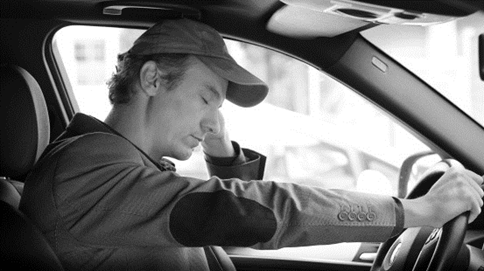
What’s wrong in this picture? There is a driver literally asleep at the wheel due to fatigue from a bad night or an exhausting day. Anyone can experience the effects of inadequate sleep, but certain individuals are more predisposed to drowsy driving. These include commercial drivers who operate tow trucks, semi-trucks, trailers. Shift workers who work at night or whose shifts are relatively long. People with sleep disorders that cause sleep loss and/or sleep-disordered breathing and those who take medications

Getting enough rest each night could potentially prevent some of these collisions, drivers should also educate themselves on the warning signs of drowsy driving and take measures to ensure they remain alert and cautious behind the wheel.

If you experience sudden sleepiness while driving or notice one of the other warning signs listed above, you should stop driving as quickly as possible. Pull into the next rest stop or any other safe, well-lit space that allows you to safely park and not obstruct the road. A 20-minute nap should leave you adequately refreshed and alert, but take more time if needed.


Drowsy Driving Meeting Kit – Spanish

QUÉ ESTÁ EN RIESGO

Charla sobre la seguridad al conducir con somnolencia

Son muchos los peligros a los que nos enfrentamos hoy en día cada vez que conducimos un vehículo de motor. El clima, las malas condiciones de la carretera y la vida salvaje son algunos de los peligros más comunes en la carretera hoy en día. Una actividad muy mortal que tiene lugar con demasiada frecuencia es la conducción somnolienta.

Abordar estas cuestiones puede ser difícil cuando nuestros valores no suelen estar en consonancia con evitar la conducción somnolienta. En una sociedad que trabaja 24 horas al día, 7 días a la semana, con énfasis en el trabajo, los desplazamientos más largos y el avance exponencial de la tecnología, muchas personas no duermen lo que necesitan.

CUÁL ES EL PELIGRO

Lo que los empleados deben saber sobre el peligro de conducir con somnolencia

La falta de sueño puede causar una condición conocida como micro sueño – un breve momento de sueño que puede durar hasta 30 segundos. Cuando se conduce a 65 millas por hora, un conductor que se queda dormido durante tres segundos recorrerá aproximadamente 95 yardas (casi la longitud de un campo de fútbol). En esos pocos segundos, el conductor podría chocar con el vehículo de delante, dar un volantazo y chocar contra un muro o caer en una zanja.

Síntomas que puede experimentar un conductor somnoliento:

  • Parpadeo frecuente, párpados pesados, frotarse los ojos.
  • Desplazarse de un carril a otro, ir a remolque o rozar el arcén de la carretera o la franja de seguridad.
  • Pasar por alto las salidas y las señales de las calles (un importante signo de fatiga y somnolencia).
  • Bostezar, no poder mantener la cabeza erguida.
  • No recordar los últimos kilómetros.
  • Dificultad para concentrarse en la carretera.

IMPACTO DE LA CONDUCCIÓN SOMNOLIENTA

El censo de la NHTSA de los accidentes mortales y la estimación de los accidentes y lesiones relacionados con el tráfico se basan en los informes de la policía y los hospitales para determinar la incidencia de los accidentes por conducción somnolienta. La NHTSA estima que, en el 2017, 91.000 choques reportados por la policía involucraron a conductores somnolientos. Estos choques provocaron un estimado de 50,000 personas heridas y casi 800 muertes. Sin embargo, existe un amplio acuerdo entre las comunidades de seguridad vial, ciencia del sueño y salud pública de que esto es una subestimación del impacto de la conducción somnolienta.

Causas de la somnolencia al conducir

  • Falta de sueño – La cantidad de cosas que tenemos en nuestras vidas puede hacer que sea difícil dormir lo suficiente.
  • Problemas médicos – Ciertos problemas médicos o condiciones de salud pueden provocar la aparición de somnolencia incluso si una persona ha dormido mucho. Un ejemplo común son los problemas de tiroides.
  • Drogas/alcohol: las drogas y el alcohol por sí solos pueden suponer un peligro evidente al conducir. Cuando se combinan con la falta de sueño o con problemas médicos, la situación puede ser extremadamente peligrosa.

COMO PROTEGERSE

Evitar la conducción con somnolencia

  • Duerma lo suficiente. La mayoría de los expertos recomiendan dormir al menos 7 horas.
  • Lleve una buena dieta y beba mucha agua. Cuidar su cuerpo es importante para poder funcionar a niveles óptimos.
  • Consulte a su médico en caso de una fatiga inusual o excesiva. Podría ser un síntoma de un problema de salud subyacente.
  • Nunca beba y conduzca. Tenga precaución incluso cuando sólo utilice la medicación prescrita. Muchos medicamentos provocan somnolencia.
  • Deténgase cuando la somnolencia se haga presente. Una siesta de diez minutos puede suponer la diferencia para llegar o no a su destino.
  • Elabore un horario para los viajes largos por carretera y planifique las paradas a lo largo de la ruta.
  • Realice con sus empleados el “Cuestionario de conducción con somnolencia” de la Fundación Federal de Seguridad de Autotransportes (FMSCA). Este cuestionario pondrá a prueba sus conocimientos sobre la conducción con somnolencia y hará que todos sean más conscientes de los hechos que rodean la conducción con somnolencia.
  • Hable con ellos de la importancia de conducir a la defensiva y de evitar las distracciones.

IMPORTANCIA DEL PROGRAMA DE PREVENCIÓN DE LA CONDUCCIÓN CON SOMNOLENCIA

Toda empresa que tenga empleados que manejen vehículos de motor en nombre de la empresa, o que tenga empleados con alto riesgo de conducir con fatiga (por ejemplo, trabajadores por turnos, jóvenes, viajeros de negocios), debe tener Políticas Explícitas y Programas Educativos con respecto a la conducción con somnolencia.

Ponga por escrito las políticas de conducción con somnolencia. Es posible que su empresa ya tenga una política de conducción por escrito, pero ¿incluye una sección que explique sus políticas con respecto a la conducción con somnolencia? Cualquier política de conducción escrita debe indicar claramente cuánto debe dormir un empleado antes de ponerse al volante de un vehículo y debe describir cómo espera la empresa que los empleados manejen las situaciones de conducción con somnolencia.

Un sólido programa de educación sobre la conducción con somnolencia debe contener al menos tres elementos básicos, entre ellos:

  • Una discusión sobre los hechos, mitos, señales y factores de riesgo de la conducción con somnolencia.
  • Una presentación sobre los buenos hábitos de sueño y su importancia.
  • Una exploración de las estrategias para evitar situaciones de conducción con somnolencia.

CONCLUSIÓN

No sea un conductor somnoliento. Tome las precauciones necesarias para evitar ponerse en una situación peligrosa. Preste atención a los conductores que le rodean y practique técnicas de conducción defensiva para protegerse de otros conductores que puedan estar conduciendo con sueño.


Drowsy Driving Stats and Facts – Spanish

HECHOS

  1. La fatiga disminuye nuestra capacidad para pensar con claridad y permanecer atentos y vigilantes. Los conductores que están cansados o fatigados son mucho más propensos a cometer errores críticos que resultan en choques.
  2. No existe una prueba para determinar la somnolencia como la que existe para la intoxicación, es decir, un “Alcoholímetro”.
  3. Las prácticas de información del Estado son incoherentes. La formación de la policía para identificar la somnolencia como factor de colisión es escasa o nula. Actualmente, todos los estados abordan la fatiga y/o la somnolencia de alguna manera en sus formularios de informes de accidentes.
  4. El auto información no es fiable.
  5. Las colisiones relacionadas con el sueño son más frecuentes en los jóvenes, especialmente en los hombres, en los adultos con hijos y en los trabajadores por turnos.
  6. La privación del sueño aumenta el riesgo de sufrir una colisión relacionada con el sueño; cuanto menos se duerme, mayor es el riesgo.
  7. Las investigaciones indican que los conductores comerciales y las personas con trastornos del sueño no diagnosticados, como la apnea del sueño y el insomnio agudo, también tienen un mayor riesgo de sufrir colisiones relacionadas con el sueño.
  8. La privación del sueño y la fatiga hacen más probable que se produzcan lapsos de atención, y pueden desempeñar un papel en el comportamiento que puede conducir a choques atribuidos a otras causas.

ESTADÍSTICAS

  • Más de la mitad de los conductores adultos de EE.UU. admiten ponerse sistemáticamente al volante cuando se sienten somnolientos.
  • Cerca del 37% admite haberse quedado dormido al volante, mientras que el 13% admite haberse quedado dormido al volante en el último mes.
  • Perder incluso dos horas de sueño es similar al efecto de tomarse tres cervezas.
  • El riesgo de accidente por conducir con 4-5 horas de sueño es más de 4 veces mayor que el de alguien que ha dormido 7 horas, lo que supone el mismo riesgo de accidente que un conductor ebrio con una concentración de alcohol de 0,08.
  • En el 21% de los accidentes mortales está implicado un conductor somnoliento.
  • Cada año se producen más de 6.400 accidentes mortales por conducción somnolienta.
  • Las personas tienen tres veces más probabilidades de sufrir un accidente de tráfico si están cansadas.
  • La conducción somnolienta mató 795 vidas en 2017.


Drowsy Driving Fatality Report – Spanish

El accidente de camión que hirió gravemente al cómico Tracy Morgan y mató a su colega James “Jimmy Mack” McNair tiene pocos aspectos positivos, salvo que ha puesto de relieve los peligros de conducir con fatiga.

En el accidente de Morgan, el conductor de un camión de Wal-Mart dio un volantazo y chocó contra el autobús de la limusina de Morgan, supuestamente en una reacción tardía al tráfico lento que había delante. Una denuncia penal presentada contra el conductor alega que su reacción tardía y el consiguiente accidente se produjeron porque no había dormido durante más de 24 horas. Conducir un vehículo de motor con tan pocas horas de sueño es un delito en Nueva Jersey, donde tuvo lugar el accidente.

Los camioneros y conductores de autobús no son los únicos trabajadores que corren el riesgo de conducir fatigados

Al final de un agotador turno de 24 horas en un emplazamiento de gas natural en una zona remota de Texas, Daniel Zambrano se puso al volante de una furgoneta en la que viajaban seis de sus compañeros de trabajo.

Al poco tiempo, el cansancio empezó a superar a Zambrano. El joven de 26 años de Kilgore (Texas) se quedó dormido mientras conducía por la carretera 72, y la furgoneta de gran tamaño chocó contra la parte trasera de un autobús escolar que se había detenido para recoger a un niño.

La parte delantera de la furgoneta quedó aplastada y el vehículo se volcó sobre el lado del pasajero. Zambrano y otras dos personas murieron. La furgoneta hizo un agujero en la esquina trasera derecha del autobús escolar, pero ningún niño resultó herido.


Drowsy Driving – Picture This – Spanish

¿Qué ocurre en esta imagen? Hay un conductor literalmente dormido al volante debido al cansancio de una mala noche o de un día agotador. Cualquiera puede experimentar los efectos de un sueño inadecuado, pero ciertas personas están más predispuestas a conducir con somnolencia. Entre ellos se encuentran los conductores comerciales que manejan grúas, semirremolques o remolques. Los trabajadores por turnos que trabajan de noche o cuyos turnos son relativamente largos. Las personas con trastornos del sueño que causan pérdida de sueño y/o trastornos respiratorios del sueño y las que toman medicamentos.

Descansar lo suficiente cada noche podría evitar colisiones, los conductores también deberían informarse sobre las señales de advertencia de la conducción somnolienta y tomar medidas para asegurarse de que permanecen alerta y precavidos al volante.

Si experimenta una somnolencia repentina mientras conduce o nota alguna de las otras señales de advertencia mencionadas anteriormente, debe dejar de conducir lo antes posible. Deténgase en la siguiente parada de descanso o en cualquier otro espacio seguro y bien iluminado que le permita aparcar con seguridad y no obstruir la carretera. Una siesta de 20 minutos debería dejarle adecuadamente refrescado y alerta, pero tómese más tiempo si es necesario.


Drowsy Driving Meeting Kit

Drowsy Driving Safety Talk

There are many hazards we face today anytime we operate a motor vehicle. Weather, poor road conditions, and wildlife are some common hazards on the road today. One very deadly activity that is taking place far too often is drowsy driving.

Tackling these issues can be difficult when our values frequently do not align with avoiding drowsy driving. In a 24/7 society, with an emphasis on work, longer commutes, and exponential advancement of technology, many people do not get the sleep they need.

What Employees Need to Know About the Danger of Drowsy Driving

Lack of sleep may cause a condition known as micro sleep—a brief moment of sleep that can last for up to 30 seconds. When driving at 65 miles an hour, a driver that nods off for three seconds will travel approximately 95 yards (nearly the length of a football field). In those few seconds, the driver could run into the car in front of them, they could swerve and hit a wall or drive into a ditch.

Symptoms a drowsy driver may experience:

  • Frequent blinking, heavy eyelids, rubbing eyes
  • Drifting from lane to lane, tailgating, or grazing the shoulder of the road or rumble strip
  • Missing exits and street signs (a major telltale sign of fatigue and drowsiness)
  • Yawning, can’t keep head up
  • No memory of the last few miles
  • Difficulty focusing on the road

IMPACT OF DROWSY DRIVING

NHTSA’s census of fatal crashes and estimate of traffic-related crashes and injuries rely on police and hospital reports to determine the incidence of drowsy-driving crashes. NHTSA estimates that in 2017, 91,000 police-reported crashes involved drowsy drivers. These crashes led to an estimated 50,000 people injured and nearly 800 deaths. But there is broad agreement across the traffic safety, sleep science, and public health communities that this is an underestimate of the impact of drowsy driving.

Causes of Drowsy Driving

  • Lack of sleep- The amount of things we have going on in our lives can make it hard to get plenty of sleep.
  • Medical issues- Certain medical issues or health conditions can bring the onset of drowsiness even if a person has had plenty of sleep. One common example is thyroid issues.
  • Drugs/ alcohol- Drugs and alcohol on their own can cause an obvious hazard while driving. When they are paired with a lack of sleep or medical issues, it can be an extremely dangerous situation.

Avoid Drowsy Driving

  • Get plenty of sleep. Most experts recommend at least 7 hours of sleep.
  • Eat a good diet and drink plenty of water. Taking care of your body is important to be able to function at optimal levels.
  • Consult your doctor for an unusual or excessive fatigue. It could be a symptom of an underlying health issue.
  • Never drink and drive. Use caution even when only using prescribed medication. Many medications cause drowsiness.
  • Pull over when drowsiness is setting in. A ten minute nap can make the difference in whether or not you make it to your destination.
  • Develop a schedule for long road trips and plan stops along the route.
  • Take the Federal Motor Carrier Safety Foundation (FMSCA)’s “Drowsy Driving Quiz” with your employees. This quiz will test your knowledge about drowsy driving and make everyone more aware of the facts surrounding drowsy driving.
  • Discuss with them the importance of driving defensively and avoiding distractions.

IMPORTANCE OF DROWSY DRIVING PREVENTION PROGRAM

Any business that has employees operating motor vehicles on the company’s behalf, or has employees at high risk for driving while fatigued (e.g., shift workers, young people, business travelers), should have Explicit Policies and Educational Programs with respect to drowsy driving.

Put Drowsy Driving Policies in Writing. Your company may already have a written driving policy, but does it include a section explaining your policies with regard to drowsy driving? Any written driving policy should clearly indicate how much sleep an employee must have before getting behind the wheel of a vehicle and should describe how the company expects employees to handle drowsy driving situations.

A Strong Drowsy Driving Education Program Should Contain At Least Three Core Elements, Including:

  • A discussion about the facts, myths, signs and risk factors for drowsy driving.
  • A presentation on good sleep habits and their importance.
  • An exploration of strategies for avoiding drowsy driving situations.

FINAL WORD

Do not be a drowsy driver. Take the necessary precautions to avoid putting yourself in a dangerous situation. Pay attention to the drivers around you and practice defensive driving techniques to protect yourself from other drivers who may be driving drowsy.


If You’ve Been Injured At Work

We’re very sorry you’ve been hurt on the job. Our highest priority is to get you the information you need to help you get back to work sooner!

What to Expect When You’ve Been Injured at Work

Nurse Triage Hotline – peace of mind when an injury occurs

If you experience a non-emergency injury on the job, tell your supervisor and call the Nurse Triage Hotline for immediate, 24/7 access to a registered nurse who specializes in workplace injuries. The nurse will assess your injury over the phone and provide medical advice on the type of care needed. Having accurate care intervention right after a workplace accident helps prevent minor injuries from getting worse.

855.469.6877 (855.4MY.NURSE)

Injured Workers Center – helps every step of the way

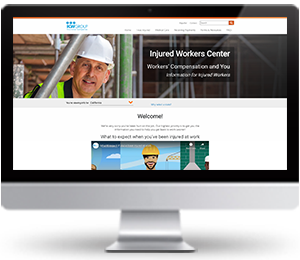
Navigating the claims process after a workplace injury can be confusing. ICW Group is here to help! Visit our Injured Workers Center to find helpful information about medical care, payments, FAQs and more. Available in both English and Spanish, the Injured Workers Center makes your road to recovery as smooth as possible.

Visit the Injured Workers Center

Telemedicine for workers’ comp injuries

ICW Group offers Concentra Telemed®, the first telemedicine product designed specifically for work comp injuries. Everything about it – from the easy checkin to diagnosis – is designed to make the treatment and recovery of occupational injuries easier for you. And it’s online!

Learn how to use Telemed


Nurse Triage Hotline Provides Immediate Access to Medical Advice

Injured at Work? Call the Nurse Triage Hotline for Help

855.469.6877 (855.4MY.NURSE)

Having accurate care intervention right after a workplace accident helps prevent minor injuries from getting worse or turning into a major claim and lost work time. That’s how ICW Group’s Nurse Triage Hotline can help 24 hours a day, 7 days a week. Within one minute of calling, an injured worker can speak directly to a nurse who specializes in treating workplace injuries and will recommend the type of care needed. Fifteen minutes after the call, a summary of the visit with the nurse is sent to the policyholder and a claim is opened.
The immediate attention injured employees receive from the Nurse Triage Hotline can help reduce stress associated with getting injured on the job.

  • Available in English and Spanish
  • Next-day follow-up call when self-care is recommended
  • 24/7 Access to nurses specializing in workplace injuries
  • Easily share pictures of cuts and burns for improved results

Learn more about the Nurse Triage Hotline on ICW Group’s Policyholder Center

Tell your employees about the hotline

The more employees who know about Nurse Triage Hotline, the more likely they are to remember to use it when an injury occurs. We’ve got you covered. Order free materials, like flyers, stickers and wallet cards.

Get Nurse Triage Materials


Help Injured Workers

Suffering a workplace injury can involve more than just physical challenges; employees worry about providing for their families, paying bills and what it will take to return to work. ICW Group offers helpful tools to help injured workers from the moment an injury occurs and all the way through recovery.

Nurse Triage Hotline – peace of mind when an injury occurs

Your employee is injured at work – now what? This 24/7 hotline connects an injured worker with a registered nurse specializing in workplace injuries. The nurse provides medical advice on the care needed.

  • Connects in 1 minute
  • Call summary report sent to you in 15 minutes
  • Claim opened for you

855.469.6877 (855.4MY.NURSE)

Learn more about the Nurse Triage Hotline


Injured Workers Center – helps every step of the way

Your employees look to you for guidance. Help them avoid surprises, reduce stress, navigate the claim process and jump-start their recovery. Ease many of their concerns by bookmarking and sharing the Injured Workers Center. Available in English and Spanish.

Visit the Injured Workers Center

Send an injured worker an eCard with a link to the Injured Workers Center


Telemedicine for workers’ comp injuries

ICW Group offers Concentra Telemed®, the first telemedicine product designed specifically for work comp injuries. Using Telemedicine is easy, and reduces travel and wait time during an injured worker’s treatment and recovery.

  • Works on any device with a webcam
  • Use from any location with internet access
  • Connect in minutes
  • Available in multiple languages

Learn more about getting medical treatment online


8 FAQs about Hypothermia

What Hypothermia Is

Q: What is hypothermia?

A: A condition in which core body temperature drops below the 95.0° F (35.0° C) for normal metabolism.

Why It’s Dangerous

Q: Why is hypothermia dangerous?

A: When body temperature gets too low, the body can’t replenish the heat it loses and thus can’t carry out its normal functions.

How It’s Caused

Q: How does hypothermia happen?

A: It’s usually the result of exposure to low temperatures. Alcohol consumption and dehydration also increase hypothermia risks.

Who’s At Risk

Q: Which workers are most likely to get hypothermia?

A: Those who work in cold temperatures, either indoors or outdoors, especially those who drink alcohol before or during work.

How to Prevent It

Q: How can your workers avoid hypothermia?

A: By doing at least 4 things:

  1. Drinking plenty of liquids (but not alcoholic beverages);
  2. Wearing adequate protective clothing, including a hat, scarf, long-sleeved shirt, mittens (which are warmer than gloves), water-resistant coat and shoes, layers of loose-fitting clothing;
  3. Staying dry and removing/replacing clothing as it gets wet; and
  4. Avoiding prolonged exposure to cold weather.

How to Recognize It

Q: What are signs and symptoms of hypothermia?

A: They include the following:

  • Involuntary, excessive shivering;
  • Confusion;
  • Drowsiness;
  • Slurred speech;
  • Irrational behavior;
  • Falling to the ground;
  • Can’t walk;
  • Curls up;
  • Skin becomes pale;
  • Dilated pupils;
  • Decreased pulse rate.

How to Treat It

Q: What should you do to help a hypothermia victim?

A: 7 things:

  1. Move the victim to a warmer environment;
  2. Remove wet clothing;
  3. Place the victim on a blanket or a warm surface, insulating the body from the cold ground, and wrap in blankets or other warming material;
  4. Apply warm compresses to the center of the body—the chest, neck, head and groin;
  5. Call for medical aid immediately;
  6. Provide warm beverages, such as hot chocolate; and
  7. Share body heat.

How Not to Treat It 

Q: Are there any things that should not be done to help a hypothermia victim?

A: Yes, 5 things:

  1. Don’t apply direct heat, such as hot water or a heating pad;
  2. Don’t attempt to warm the arms and legs as this can cause cold blood to be forced back toward the heart, lungs and brain;
  3. Don’t massage or rub the person. People suffering from hypothermia must be handled gently as they’re at risk of cardiac arrest;
  4. Don’t give the person an alcoholic beverage, which lowers the body’s ability to retain heat; and
  5. Don’t try to give any beverage to a person who is unconscious.


Carbon Monoxide

Carbon Monoxide

Carbon monoxide (also known as CO) is one of the most dangerous and common industrial hazards. This poisonous gas kills outright without warning. It also causes brain damage, heart and breathing problems and other illnesses and injuries.

Where Does It Come From?

The main source of carbon monoxide is incomplete burning of anything that contains carbon. This includes gasoline, natural gas, oil, propane, coal or wood.

At work, the most common source of CO exposure is the internal combustion engine, such as that used in motor vehicles. Other sources include heat furnaces, forges, blast furnaces, coke ovens and kilns.

At home, a poorly adjusted or defective fuel furnace can cause carbon monoxide to form and

accumulate in the house through leaking flues, vents and chimneys. Hot water heaters, clothes dryers and space heaters fueled by natural gas or propane also can generate carbon monoxide. Maintaining adequate ventilation, using devices correctly and installing a carbon monoxide detector are three ways you can prevent poisoning.

Motor vehicles – both moving and stationary – are the main cause of all carbon monoxide deaths. More than one-third of deaths from carbon monoxide poisoning involving motor vehicles occur during the winter, often in garages.

What Does It Do to You?

Carbon monoxide — which gives no warning of its presence because it’s colorless, odorless and tasteless— poisons by displacing oxygen in the blood. After it’s inhaled, CO combines 200 times faster with the blood’s oxygen carrier, hemoglobin, than oxygen does.

Large amounts of CO can kill a person within minutes, even if there is plenty of oxygen available in the air.

At lower levels, carbon monoxide causes headaches, tightness across the chest, fatigue, nausea and drowsiness. With symptoms such as these, carbon monoxide poisoning is often mistaken for an illness such as the flu. A worker with mild CO poisoning is prone to injury and errors because of being drowsy and inattentive.

Increased exposure interferes with physical coordination and mental alertness. Convulsions, coma and death follow. Even if a victim survives a serious exposure, he or she may have permanent damage to body tissue, particularly of the brain and the heart.

Who Is At Risk?

At risk for carbon monoxide poisoning are workers in settings such as these: foundries, ice arenas, tunnels, toll booths, warehouses, loading docks, motor vehicle repair shops, breweries and bakeries.

Conclusion

If carbon monoxide is a potential hazard in your workplace, you should be protected by an alarm that will sound and flash if CO is accumulating. Some jobs will require you to wear a personal monitor. Learn how these systems work for you and heed the warnings. And be sure to install a detector in your home, too.



HAZCOM: 6 SDS Traps to Avoid

Chemical safety in the workplace is a joint effort. It requires employees and employers to work together. Let’s look at 6 of the most common mistakes that occur in the workplace and how to avoid them.

Mistake 1: Relying Too Heavily on the SDS Information

The Problem: The quality of information in SDSs (safety data sheets) is always improving. But there are still too many SDSs that don’t provide enough relevant information about the chemical. A poor quality SDS doesn’t help the employee understand the potential hazard.

The Solution: You have a choice. You can:

  • Ask the supplier for a more thorough explanation of their SDS; or
  • Select a different manufacturer provides a more thorough SDS; and/or
  • Conduct your own risk assessment on the chemical before buying it.

Mistake 2: Not Reviewing the SDS before Using the Chemical

The Problem: While it’s not a good idea to rely too heavily on the SDS, it is essential that the SDS be consulted before the product is used. But how often have you seen an employee actually reviewing an SDS for a chemical before using it?

The Solution: Ensure that the SDSs are accessible. For example store SDSs in binders at strategic locations around the site or make SDSs easily accessible electronically from any computer. 

Mistake 3: Not Having the Proper PPE for the Chemicals Used in the Workplace

The Problem: SDSs tend to be pretty generic regarding PPE requirements. Of course, not all forms of PPE are the same. Even if the SDS is specific, it can raise problems. For instance, if the SDS specifies that it is a skin absorption hazard and that neoprene gloves must be used, should you stock neoprene gloves?

The Solution: A health and safety person should review the SDS of each chemical onsite to ensure adequate protection is available. At our workplace, we developed a PPE selection guide that is available to all employees. This guide outlines:

  • All of the PPE stocked onsite and the specific hazards they are designed to protect against; and
  • Available respirator cartridges/canisters and outlines the specific chemicals onsite that they are appropriate for.

Mistake 4: Failing to Label Containers of Chemicals

The Problem: Unless they fall into certain exempt situations, regulated chemicals must be labeled. One reason for these requirements is that without labels, workers might try to use their senses to determine what a chemical is.

The Solution: Make labeling easy by providing blank stickers and permanent markers for workers to use. Ideally, you should keep these materials readily available at the spot where the worker obtains the chemical. Training on labeling requirements and auditing the workplace will help reduce labeling errors.

Mistake 5: Not Making HazCom Training Site-Specific

The Problem: Although there are lots of good generic HazCom training packages on the market, these packages come up short on site-specific training. Workers return from generic training – often from an outside service provider like a consultant, contractor – and think they are “all done.” But they’re not. Information provided in these training sessions must now be tied to the chemicals, operations, processes, and conditions of your own workplace. You need to give your workers context.

The Solution: Once workers complete generic training, provide them site-specific training that transfers the information to your site. This training should include SDS locations, safe handling procedures and spill response.

Mistake 6: Inadequate Precautions about Smoking & Chemicals

The Problem: Most workers are pretty good about washing their hands before eating. The same can’t be said about washing hands before smoking. Poor hand hygiene habits can result in inadvertent ingestion and inhalation of workplace chemicals via cigarettes.

The Solution: When providing training on the safe handling of hazardous chemicals, remind workers that all hand-to-mouth actions – including smoking – carry the risk of ingesting hazardous chemicals.

Conclusion

Many if not most of the highlighted mistakes are a matter of pure common sense. But you’d be surprised at how these seemingly self-evident points get overlooked.


How to Protect Workers from Cold Stress

Are you doing enough to protect your workers against the risks of cold-stress? If one of your workers should suffer a serious or fatal cold-stress injury, could you and your company be liable?

When Is Cold Stress a “Recognized Hazard”?

The first thing the Guidance clarifies is when cold stress becomes a recognized hazard. It’s not temperature alone, guidance says. It’s how cold the air actually feels on the body. Guidance cites 4 factors that employers must consider in determining how cold is too cold:

  • Temperature of the air;
  • Wind or other factors causing the air to move at a high velocity—thereby making it feel colder;
  • Dampness of the air; and
  • Contact with cold water or surfaces.

Mere lack of comfort isn’t determinative. A cold stress hazard exists when the working climate makes the risk of cold-induced problems a real one. Guidance cites 3 of the most common problems:

  • Hypothermia, i.e., when body temperature drops below the normal 98.6° F to around 95° F or lower;
  • Frostbite, i.e., actual freezing of the skin which can lead to amputation; and
  • Trench foot, i.e., freezing of the foot caused by immersion in cold water or prolonged exposure to extremely cold air.

The 4 Things You Must Do to Protect Workers from Cold Stress

There are 4 kinds of protective measures that employers should take to prevent workers from suffering cold stress:

  1. Require Protective Clothing

First, you need to ensure workers exposed to cold stress wear protective clothing. Here are 6 things employers must make workers do:

  • Wear at least 3 layers of clothing—an inner layer of wool, silk or synthetic to wick moisture, a middle layer of wool or synthetic for insulation and an outer layer of wind and rain protection that allows for ventilation;
  • Wear a hat or hood on their head;
  • Wear boots or other footwear that’s insulated;
  • Keep a change of dry clothes on hand;
  • Wear loose clothing (other than the wicking layer which needs to be tight); and
  • Consider the wetting effects of sweat.
  1. Implement Work Practices

Employers must implement steps to ensure the work is done safely such as:

  • Making workers drink plenty of liquids and avoid caffeine and alcohol so they don’t become dehydrated;
  • Scheduling the heaviest work for the warmest part of the day;
  • Letting workers take frequent breaks so they can come out of the cold; and
  • Having workers work in pairs so they can keep an eye on each other and monitor for signs of cold stress. 
  1. Use Engineering Controls

Employers should use things like radiant heaters, shields, insulating materials and other engineering measures to make the air warmer.

  1. Provide Safety Training

Last but not least, employers need to train workers about the dangers of cold stress, how to recognize when cold stress occurs and how to respond if they experience or see one of their co-workers experiencing such symptoms.

How to Create a Cold Stress Exposure Policy

One of the best ways to comply with requirements is to adopt a written cold stress exposure plan for your workplace. Your plan should:

Explain Purpose. Help workers understand the dangers they are trying to prevent, such as frostbite and hypothermia, by explaining them in the policy.

Require Periodic Monitoring of Temperature, Wind Chill, and Other Factors. The obligation to protect workers against cold stress involves monitoring temperature and wind chill levels. 

Require Supervisors to Protect Workers Subject to Cold Exposure. Your supervisors should also monitor workers performing light, moderate or heavy work. While moderate work provides a warming effect, heavy work produces perspiration which makes workers more vulnerable to cold stress injuries. Another important factor is whether working conditions are wet — which would require additional protection — or dry.

Make Workers Work in Groups. Cold stress problems can creep up on a worker before he realizes what’s going on. The best way to protect your workers is to have them work together, putting each worker in charge of another’s safety.

Provide for Worker Training. The plan should require somebody at your facility to train all workers and supervisors about the signs, symptoms and prevention of cold stress. Too many workers regard being cold as a mere discomfort, something a “real man” (or woman) wouldn’t complain about.


Quick Course – Lead

Lead exposure is a serious issue that many workers face every day. This quick course will cover the dangers of lead in the workplace.


Dropped Objects on the Job Meeting Kit

Dropped objects have been a problem for as long as the force of gravity has existed. In fact, the New York Times published an article in 1903 about dropped objects in which it said: “Dozens of placards posted at various places on the bridge caution the iron workers to use great care in the handling of tools, to avoid dropping them into the river.”

DANGERS/HAZARDS

People Below

While the most obvious person at risk when objects are dropped is the one underneath, the worker using the tool also can be at risk, as his knee-jerk reaction may be to catch or go after the falling object, which could cause him to lose his balance and fall.

Physics of Gravity

To determine what kind of force an object falling from a certain height generates, calculations can be done around the physics of gravity.

Objects as small as a bolt can cause serious injury or even death when dropped from a higher level and striking an employee working on the ground. Outside of injuries and deaths, dropped objects are responsible for a large cost to employers due to property damage incidents as well.

DROPPED OBJECTS PREVENTION

Despite OSHA statistics – and the fact that many of these violations could have been prevented with the proper safety equipment – many contractors do not take the necessary precautions to prevent fall-related injuries by providing workers with personal fall protection systems for both the workers and their tools.

A harness for a person acts as the primary component of a personal fall protection system. However, for Tools, we typically rely on secondary, passive systems, such as debris nets. We rarely deploy a primary system for tools and equipment.

Most organizations have deployed a fall protection program for workers but have not deployed a drop prevention program for Tools and Equipment. Expanding a fall protection program to include tools and equipment is far easier for companies and employees than creating a new program for drop prevention.

The difference between a fall protection program for humans and fall protection program for tools is only a matter of perspective: The first saves you; the second saves others.

Actions to Prevent Dropped Object Incidents

Eliminate the hazard: Remove objects and tools from higher levels, scaffolding, or aerial lifts that do not need to be there.

Engineering controls: Barricade zones below higher work levels to prevent personnel from walking into the line of fire of a dropped object. Install toe boards on higher work levels to make sure objects and tools cannot easily slide off an edge to a lower level.

PPE: Anytime there are overhead hazards present on a jobsite hardhats need to be worn. PPE is always a last line of defense. Wearing a hardhat will only limit the damage a dropped object does, not prevent it from happening.

DROPPED OBJECTS BEST PRACTICES AND SOLUTIONS

Best Practices and Solutions for Organizations When It Comes to Dropped Object Prevention:

  1. Expand fall protection programs to include tools and equipment.
  2. Provide a competent person to manage the expanded program.
  3. Raise awareness of drop hazard identification and mitigation techniques within the workforce.
  4. Require risk assessments before performing work with drop hazards.
  5. Consider regularly scheduled “hazard hunts” to drive awareness of drop hazards.
  6. Consider using tethered tools. These tools either have built-in connection points placed by the manufacturer or can be retrofitted with connection points.
  7. Consider using energy-absorbing lanyards, which will reduce the force associated with the dropped tool.
  8. Tools that weigh more than five pounds should never be tied-off to a person.
  9. If a worker has a tool attached to him and needs to pass it off to a colleague, that colleague can connect to the tool before the passing worker disconnects from it, ensuring the tool is 100 percent tied off and never has the opportunity to become a drop hazard.
  10. Employees should be properly trained on how to use tethered tools. They must be taught how to attach a connection point to the tools, use the lanyards properly and respect the weight rating of the lanyards.
  11. As a best practice, workers at height should only bring up the tools they need to do their job.
  12. Hoist up items and then transfer them over with different lanyards to the workers themselves or to static anchor points. This can be done in a bucket, which can then house the extra tools.
  13. There are many buckets, bags and pouches available on the market with closure systems to dramatically reduce the likelihood of items falling out.
  14. A secondary solution to dropped objects are toe boards. Toe boards should be capable of withstanding a force of at least 50 pounds in any downward or outward motion.
  15. Green netting that goes over buildings when they are being refaced in areas where there are a lot of pedestrians is the most recognized form, but there also is netting that is put up within the construction project, such as directly under work being done, to help stop objects from falling on workers below.

FINAL WORD

When working in your job area today, look for hazards associated with dropped objects and report them to your supervisor or the safety department to get corrected. For all objects at height – including humans – the focus always should be on preventing things from falling rather than on catching objects, or on limiting the damage after they fall.


Dropped Objects on the Job Stats and Facts

FACTS

  1. Tool weighing only 8 pounds falling from a height of 200 feet will travel at a speed of approximately 80 mph and can have an impact force of 5,540 pounds when it impacts the ground. Resulting from this impact, safety nets and drop zones are of little benefit when an object of mass and speed makes a direct impact or deflects off of another object.
  2. A dropped wrench, hammer or even a walkie-talkie can be extremely damaging to your fellow workers engaged in heavy manufacturing, transportation or metalworking. It can be even worse for heavier tools that are frequently used in these or other types of industries.
  3. Any time people work at height, dropped objects are possible. They can pose a real danger to other workers or bystanders on the ground. Even small, seemingly innocent tools and materials are hazardous when dropped from above.
  4. Where fall protection equipment prevents the person from falling, a dropped object prevention plan protects people on the ground from items that can fall off of equipment or a worker.
  5. While the risk of dropping an object may seem insignificant or a prevention plan superficial, consider that your conscious mind is similar to a binary computer; able to process only one thought at a time. When performing a given task, your brain is busy sorting information relevant to that task, say, stocking inventory 30 feet above the surface. It is not actively processing anything other than the task at hand.

STATS

  • According to BLS, there are more than 42,400 “struck by falling object” OSHA recordable incidents every year in the United States. That’s nearly 116 injuries caused by a dropped object every day or one injury caused by a dropped object every 10 minutes.
  • The Bureau of Labor Statistics categorized 278 fatalities in 2017 as resulting from being “struck by falling objects.” (OSHA) includes “struck by object” among its “Fatal Four,” the top causes of more than half of construction worker deaths.
  • (BLS) reported that in 2017, “fatal falls were at their highest level in the 26-year history of the CFOI, accounting for 887 (17 percent) of worker deaths.”
  • BLS reported that being struck by falling objects or equipment resulted in 45,940 injuries in 2017 (5.2% of all workplace injuries).
  • According to the OSHA dropped objects are the third leading cause of injuries in construction.
  • In 2016, dropped objects resulted in 255 worker fatalities, according to the BLS. The issue is one of OSHA’s “Fatal Four” causes of construction deaths, accounting for 9.4% of fatal injuries in the industry.
  • The number of nonfatal falling object-related injuries reported in 2016 was 47,920. Dropped objects, according to BLS data, is the third-leading cause of injuries on jobsites.


Dropped Objects on the Job Fatality Report

Falling Steel Bars Cause Massive Head Injuries

About mid-day a foreman and three carpenters were assisting a crane operator with the placement of a 6000-pound steel mat. The mat was constructed of approximately 80 pieces of reinforcing steel each weighing about 75 pounds.

The mat had to be manually guided into place while suspended from a crane. Three men were standing under the crane boom and load. A fourth was directing the movements with hand signals. As the operator made the final movements to align the mat with another one already in place, the rigging suddenly pulled up on the right side. The mat dropped, dislodging some of the steel bars.

One worker ran north and two, including the foreman, ran south to avoid the falling bars. It appears that the foreman’s hardhat fell off his head as he ran. He was struck in the head by at least one of the falling bars and sustained massive head injuries. He was transported via ambulance to the hospital where he died a short time later.

The investigation did not find any safety infractions with this unfortunate incident although they did make recommendations for a fail-safe way of securing the lift points of similar structures. It was also thought that if the foreman’s hardhat had stayed on his head it may have absorbed enough of the blow that he could have survived the incident.


Dropped Objects on the Job – Picture This

What’s wrong in this picture?   Falling objects, such as work materials and tools, present a serious safety concern whenever work is done overhead or in an elevated location. This hazard is commonly forgotten until a near miss or injury serves as a stark reminder.

The solution is simple: Be proactive and “Stop the Drop”. Simple passive and active safety measures can minimize the risk of falling objects and protect workers below. It’s important to understand how quickly seemingly harmless falling objects accelerate to deadly speeds.


Dropped Objects on the Job Meeting Kit – Spanish

QUÉ ESTÁ EN RIESGO

La caída de objetos ha sido un problema desde que existe la fuerza de la gravedad. De hecho, el New York Times publicó un artículo en 1903 sobre la caída de objetos en el que decía: “Docenas de carteles colocados en varios lugares del puente advierten a los trabajadores del hierro que tengan mucho cuidado en el manejo de las herramientas, para evitar que se caigan al río”.

CUÁL ES EL PELIGRO

PELIGROS/RIESGOS

Personas que están debajo

Aunque la persona más obvia que corre peligro cuando se dejan caer objetos es la que está debajo, el trabajador que utiliza la herramienta también puede estar en peligro, ya que su reacción instintiva puede ser coger o ir detrás del objeto que cae, lo que podría hacerle perder el equilibrio y caer.

Física de la gravedad

Para determinar qué tipo de fuerza genera la caída de un objeto desde cierta altura, se pueden hacer cálculos en torno a la física de la gravedad.

Objetos tan pequeños como un perno pueden causar lesiones graves o incluso la muerte cuando se dejan caer desde un nivel superior y golpean a un empleado que trabaja en el suelo. Aparte de las lesiones y las muertes, los objetos caídos son responsables de un gran coste para los empresarios debido a los incidentes de daños materiales.

COMO PROTEGERSE

PREVENCIÓN DE CAÍDAS DE OBJETOS

A pesar de las estadísticas de la OSHA -y del hecho de que muchas de estas infracciones podrían haberse evitado con el equipo de seguridad adecuado-, muchos contratistas no toman las precauciones necesarias para prevenir las lesiones relacionadas con las caídas proporcionando a los trabajadores sistemas personales de protección contra caídas tanto para ellos como para sus herramientas.

Un arnés para una persona actúa como componente principal de un sistema personal de protección contra caídas. Sin embargo, en el caso de las herramientas, solemos recurrir a sistemas secundarios y pasivos, como las redes de protección contra escombros. Rara vez desplegamos un sistema primario para las herramientas y el equipo.

La mayoría de las organizaciones han desplegado un programa de protección contra caídas para los trabajadores, pero no han desplegado un programa de prevención de caídas para las herramientas y equipos. Ampliar un programa de protección contra caídas para incluir las herramientas y el equipo es mucho más fácil para las empresas y los empleados que crear un nuevo programa de prevención de caídas.

La diferencia entre un programa de protección contra caídas para personas y un programa de protección contra caídas para herramientas es sólo una cuestión de perspectiva: El primero le salva a usted; el segundo salva a otros.

Acciones para prevenir incidentes con objetos caídos

Elimine el peligro: Retire los objetos y las herramientas de los niveles superiores, los andamios o los elevadores aéreos que no necesiten estar allí.

Controles de ingeniería: Coloque barricadas en las zonas situadas por debajo de los niveles de trabajo superiores para evitar que el personal entre en la línea de fuego de un objeto caído. Instale rodapiés en los niveles de trabajo superiores para asegurarse de que los objetos y las herramientas no puedan deslizarse fácilmente desde un borde a un nivel inferior.

EPP: Siempre que haya riesgos por encima de la cabeza en un lugar de trabajo es necesario llevar cascos. El EPP es siempre la última línea de defensa. El uso de un casco sólo limitará el daño que produce la caída de un objeto, pero no evitará que ocurra.

MEJORES PRÁCTICAS Y SOLUCIONES PARA LA CAÍDA DE OBJETOS

Mejores prácticas y soluciones para las organizaciones cuando se trata de la prevención de objetos perdidos:

  1. Ampliar los programas de protección contra caídas para incluir herramientas y equipos.
  2. Proporcionar una persona competente para gestionar el programa ampliado.
  3. Concienciar a los trabajadores sobre las técnicas de identificación y mitigación de los riesgos de caída.
  4. Exigir evaluaciones de riesgo antes de realizar trabajos con peligro de caída.
  5. Considerar la posibilidad de programar periódicamente “cacerías de peligros” para impulsar la concienciación sobre los peligros de caída.
  6. Considere la posibilidad de utilizar herramientas con sujeción. Estas herramientas tienen puntos de conexión incorporados colocados por el fabricante o pueden ser adaptados con puntos de conexión.
  7. Considere la posibilidad de utilizar eslingas de absorción de energía, que reducirán la fuerza asociada a la caída de la herramienta.
  8. Las herramientas que pesan más de dos kilos nunca deben atarse a una persona.
  9. Si un trabajador tiene una herramienta atada a él y necesita pasársela a un compañero, éste puede conectarse a la herramienta antes de que el trabajador que la pasa se desconecte de ella, asegurándose de que la herramienta está atada al 100% y nunca tiene la oportunidad de convertirse en un peligro de caída.
  10. Los empleados deben recibir una formación adecuada sobre el uso de las herramientas atadas. Se les debe enseñar a fijar un punto de conexión a las herramientas, a utilizar correctamente los elementos de amarre y a respetar el peso nominal de los mismos.
  11. Como mejor práctica, los trabajadores en altura deben subir sólo las herramientas que necesitan para hacer su trabajo.
  12. Eleve los elementos y luego transfiéralos con diferentes elementos de amarre a los propios trabajadores o a puntos de anclaje estáticos. Esto puede hacerse en un cubo, que luego puede albergar las herramientas adicionales.
  13. Existen en el mercado muchos cubos, bolsas y fundas con sistemas de cierre para reducir drásticamente la probabilidad de que los elementos se caigan.
  14. Una solución secundaria a la caída de objetos son los rodapiés. Los rodapiés deben ser capaces de soportar una fuerza de al menos 50 libras en cualquier movimiento hacia abajo o hacia afuera.
  15. Las redes verdes que se colocan sobre los edificios cuando se están remodelando en zonas donde hay muchos peatones son la forma más reconocida, pero también hay redes que se colocan dentro del proyecto de construcción, por ejemplo, directamente debajo del trabajo que se está realizando, para ayudar a evitar que los objetos caigan sobre los trabajadores que están debajo.

CONCLUSIÓN

Cuando trabaje hoy en su área de trabajo, busque los peligros asociados a la caída de objetos e informe a su supervisor o al departamento de seguridad para que los corrijan.  Para todos los objetos en altura -incluidas las personas-, la atención debe centrarse siempre en evitar que las cosas se caigan, más que en atrapar los objetos, o en limitar los daños después de su caída.


Dropped Objects on the Job Stats and Facts – Spanish

HECHOS

  1. Una herramienta que pesa sólo 8 libras y que cae desde una altura de 200 pies viajará a una velocidad de aproximadamente 80 mph y puede tener una fuerza de impacto de 5.540 libras cuando impacta contra el suelo. Como resultado de este impacto, las redes de seguridad y las zonas de caída son de poco beneficio cuando un objeto de masa y velocidad hace un impacto directo o se desvía de otro objeto.
  2. La caída de una llave inglesa, un martillo o incluso un walkie-talkie puede ser muy perjudicial para los compañeros que trabajan en la fabricación pesada, el transporte o la metalurgia. Puede ser incluso peor para las herramientas más pesadas que se utilizan con frecuencia en estos u otros tipos de industrias.
  3. Siempre que se trabaje en altura, es posible que se produzcan caídas de objetos. Pueden suponer un peligro real para otros trabajadores o transeúntes en el suelo. Incluso las herramientas y materiales pequeños y aparentemente inocentes son peligrosos cuando se dejan caer desde arriba.
  4. Cuando el equipo de protección contra caídas evita que la persona se caiga, un plan de prevención de caídas de objetos protege a las personas que se encuentran en el suelo de los objetos que pueden caerse del equipo o de un trabajador.
  5. Aunque el riesgo de caída de un objeto puede parecer insignificante o un plan de prevención superficial, considere que su mente consciente es similar a un ordenador binario; capaz de procesar sólo un pensamiento a la vez. Cuando realiza una tarea determinada, su cerebro está ocupado clasificando la información relevante para esa tarea, por ejemplo, almacenar el inventario a 30 pies de altura. No está procesando activamente nada más que la tarea que está realizando.

ESTADÍSTICAS

  • Según el BLS, cada año se producen en Estados Unidos más de 42.400 incidentes registrables por la OSHA por “golpe de objeto caído”. Eso es casi 116 lesiones causadas por un objeto caído cada día o una lesión causada por un objeto caído cada 10 minutos.
  • La Oficina de Estadísticas Laborales categorizó 278 muertes en 2017 como resultado de ser “golpeado por objetos caídos.” (OSHA) incluye el “golpe por objeto” entre sus “Cuatro fatales”, las principales causas de más de la mitad de las muertes de los trabajadores de la construcción.
  • (BLS) informó que en 2017, “las caídas fatales estaban en su nivel más alto en los 26 años de historia del CFOI, representando 887 (17 por ciento) de las muertes de los trabajadores.”
  • BLS informó que ser golpeado por la caída de objetos o equipos resultó en 45.940 lesiones en 2017 (5,2% de todas las lesiones en el lugar de trabajo).
  • Según la OSHA los objetos caídos son la tercera causa principal de lesiones en la construcción.
  • En 2016, la caída de objetos provocó 255 muertes de trabajadores, según el BLS. Esta cuestión es una de las “cuatro causas fatales” de la OSHA en las muertes en la construcción, y representa el 9,4% de las lesiones mortales en el sector.
  • El número de lesiones no mortales relacionadas con la caída de objetos registradas en 2016 fue de 47.920. La caída de objetos, según los datos del BLS, es la tercera causa de lesiones en las obras.


Dropped Objects on the Job Fatality Report – Spanish

La caída de barras de acero provoca lesiones masivas en la cabeza

Hacia el mediodía, un capataz y tres carpinteros estaban ayudando a un operador de grúa a colocar una estera de acero de 6000 libras. La estera estaba formada por unas 80 piezas de acero de refuerzo que pesaban unas 75 libras cada una.

La estera tuvo que ser guiada manualmente en su lugar mientras estaba suspendida de una grúa. Tres hombres se encontraban bajo la pluma de la grúa y la carga. Un cuarto dirigía los movimientos con señales de mano. Cuando el operario hizo los últimos movimientos para alinear la estera con otra ya colocada, el aparejo se levantó de repente por el lado derecho. La estera cayó, desprendiendo algunas de las barras de acero.

Un trabajador corrió hacia el norte y dos, incluido el capataz, corrieron hacia el sur para evitar la caída de las barras. Al parecer, al capataz se le cayó el casco de la cabeza mientras corría. Fue golpeado en la cabeza por al menos una de las barras que caían y sufrió graves lesiones en la cabeza. Fue trasladado en ambulancia al hospital, donde murió poco después.

La investigación no encontró ninguna infracción de seguridad en este desafortunado incidente, aunque sí hizo recomendaciones para que se aseguren los puntos de elevación de estructuras similares. También se pensó que si el capataz hubiera mantenido su casco en la cabeza podría haber absorbido el golpe lo suficiente como para sobrevivir al incidente.


Dropped Objects on the Job – Picture This – Spanish

¿Qué hay de malo en esta imagen?   La caída de objetos, como los materiales de trabajo y las herramientas, supone un grave problema de seguridad siempre que se trabaje por encima de la cabeza o en un lugar elevado. Este peligro suele olvidarse hasta que un accidente o una lesión nos lo recuerdan con crudeza.

La solución es sencilla: Sea proactivo y “detenga la caída”. Unas sencillas medidas de seguridad pasivas y activas pueden minimizar el riesgo de caída de objetos y proteger a los trabajadores que se encuentran debajo. Es importante comprender la rapidez con la que objetos aparentemente inofensivos que caen se aceleran hasta alcanzar velocidades mortales.


Hurricane Preparedness

Course Description

Hurricanes are dangerous and can cause major damage because of storm surge, wind damage, and flooding. They typically form around the equator, but hurricanes can hit much more Northern or Southern coastlines and any territory in the Atlantic or Pacific oceans. This course will help you understand how to prepare for a hurricane.


Distractions Created by Smartphones When Not in Use Stats and Facts – Spanish

HECHOS

  1. Los mayores retos que plantean los teléfonos móviles son los riesgos de seguridad que conllevan. La conducción distraída es la primera causa global de muertes en el lugar de trabajo y los teléfonos móviles son una de las principales causas de distracción en las obras, en forma de mensajes de texto, conversaciones y juegos.
  2. El manejo distraído de equipos es muy peligroso. Aunque la mayoría de las organizaciones que utilizan equipos pesados tienen políticas que prohíben el uso de teléfonos móviles durante la operación, los que se oponen a los teléfonos móviles en el lugar de trabajo creen que las políticas no son suficientes para proteger a los trabajadores de los peligros de operar equipos mientras están distraídos.
  3. Aunque el impacto en la productividad no es un peligro para la seguridad en sí mismo, sí es una preocupación. Si los teléfonos móviles reducen la atención que los trabajadores prestan a su trabajo, es un problema de seguridad. Por ejemplo, algunos trabajos requieren mucha concentración para la seguridad.

ESTADÍSTICAS

  • Según una encuesta reciente de CareerBuilder, el 88% de los empleados tiene teléfonos inteligentes, y el 77% de ellos tiene sus teléfonos al alcance de la mano en el trabajo. Los trabajadores admiten que los utilizan durante todo el día: el 39 por ciento revisa su teléfono varias veces al día.
  • Más de la mitad de los empresarios (53%) cree que su empresa pierde entre una y dos horas de productividad al día porque los empleados se distraen. Los mayores asesinos de la productividad son
  • El teléfono móvil/los mensajes de texto: 49 por ciento
  • Internet: 38%.
  • Las redes sociales: 37 por ciento
  • Cotilleos: 35 por ciento
  • El correo electrónico: 29 por ciento
  • Compañeros de trabajo que se pasan por aquí: 24 por ciento
  • Pausas para fumar o merendar: 25 por ciento

El 14% de los encuestados afirma que se ha producido al menos un accidente en su lugar de trabajo porque un empleado se distrajo con su Smartphone.  Estos accidentes tuvieron graves consecuencias:

  • El 59% causó daños materiales
  • El 50% causó lesiones o la muerte

Entre los encuestados que trabajan en un entorno industrial, un porcentaje aún mayor, el 26%, declaró que se habían producido accidentes en su lugar de trabajo porque alguien se distrajo con su Smartphone. Y estos accidentes tuvieron más consecuencias:

  • El 75% causó daños a la propiedad
  • El 58% causó lesiones o la muerte


Distractions Created by Smartphones When Not in Use Fatality Report – Spanish

Kira Hudson conducía, pero su atención estaba en su conversación telefónica. Estaba discutiendo con su novio, con una mano en el teléfono y otra en el volante, mientras giraba en la arbolada Mill Creek Road, cerca de la SR-38 en el condado de Hamilton.

Recuerda muchas cosas de ese día: “1, 2 Step” sonando en la radio, la carretera desierta delante de ella. Pero no puede recordar de qué discutían exactamente ella y su novio. Sin embargo, mientras la joven de 20 años conducía por esa carretera el 31 de enero de 2005, estaba concentrada en su llamada.

Un movimiento le llamó la atención: una ardilla en medio de la carretera. Sólo conducía a unos 30 km/h, pero en lugar de reducir la velocidad como haría normalmente, le entró el pánico.

Sin dejar de agarrar el teléfono, giró el volante hacia la derecha. Fue demasiado fuerte. Dejó el teléfono para agarrar el volante con las dos manos y girar rápidamente hacia la izquierda. Seguía haciendo demasiada fuerza. Hudson corrigió rápidamente hacia la derecha. El coche volcó.

Aterrizó sobre el lado del conductor, orientado hacia el sentido contrario del tráfico. La parte superior del coche se estrelló contra una hilera de árboles. Hudson quedó inmovilizada, el techo se derrumbó sobre ella.

Más tarde, los médicos le dijeron que no volvería a caminar.