Fall Arrest: Fatality Report

Cessco Fabrication and Engineering Ltd. pleaded guilty in Edmonton Alberta provincial court to a single charge of failing to ensure a worker used a fall protection system for the Jan. 19, 2016, death of Barry Maitland.

Maitland, a pressure welder for 29 years, was fatally injured after falling more than five metres (17 feet) from the top of a liquified natural gas storage vessel on which he was preforming a weld. He later died in hospital.

“We miss him,” Linda Maitland, his widow, said outside court. “The kids still talk about him today. My granddaughter especially — ‘I miss papa, I wish he was here.’ Because you don’t say goodbye.”

Maitland had just started a night shift in a fabrication shop at Cessco’s Edmonton facility at 7310 99 St. on the day of the accident.

Maitland, 52, was setting up to perform a weld on top of the LNG equipment, which measured 28 metres long and just over four metres in diameter. At some point, he stepped off an aerial work platform used to hold his welding equipment.

An agreed statement of facts states Maitland did not anchor the lanyard on his fall protection harness before stepping off the platform. A short time later, the night shift supervisor and another worker heard Maitland hit the concrete floor, though no one witnessed the fall itself.

Under a joint submission on sentencing, Cessco will pay a $5,000 fine and pay the Manufacturer’s Health and Safety Association $170,000 to create an enhanced fall protection program.

An autopsy found Maitland’s cause of death was blunt cranial trauma, according to the agreed facts. It also found evidence of alcohol in his system and severe heart disease, including an enlarged heart.

A medical examiner said it was possible Maitland experienced symptoms of angina or irregular heartbeat, which could have contributed to the fall.

Court heard Maitland was known as a very safety conscious worker who regularly raised issues during safety meetings. His family described him as “anal retentive when it came to safety.”

He loved to cook, and was famous within his family for his homemade pizzas. He also mentored family members entering the welding trade.

“The boys were constantly trying to upstage their dad — ‘I’m a better welder, I can do this better than you can,’” Linda Maitland recalled. “Barry would be like, ‘Yeah, no, I don’t think so, let’s go try.’”

Linda Maitland said that while she received compensation from Occupational Health and Safety for her husband’s death, she will end up having to sell her home.

As for the sentence, “I’m OK with it,” she said. “They’re looking into becoming safer, and I know they’re remorseful. The right guys that should have heard my victim impact statement aren’t here.”
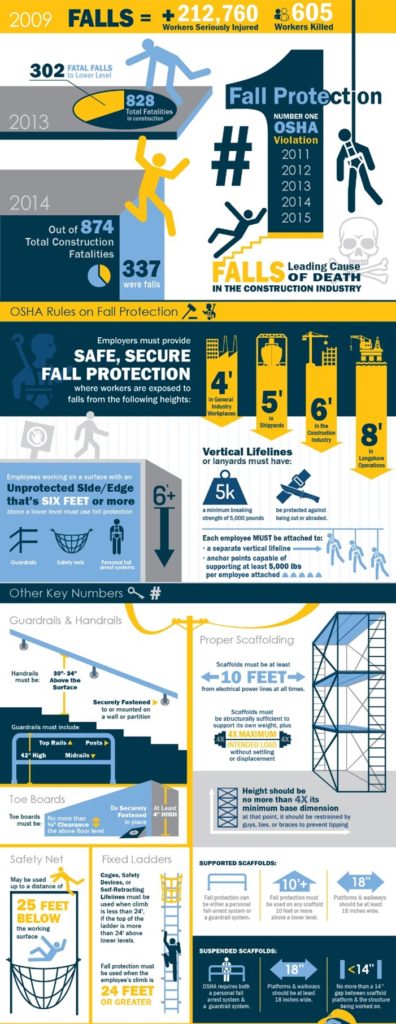


Fall Protection – Picture This


Flu Safety Meeting Kit

INTRODUCTION

Who has not experienced being affected with the flu at some point? For those older than 65 and those who have weak immune systems are particularly at risk. Flu seasons vary in intensity from year to year. In the past 3 decades, the influenza virus has been most active in February and December. But the virus is usually most active in late October and lasts as late as early May.

FLU VACCINATIONS

Cold and flu prevention in the workplace image Influenza vaccination is the best way to prevent infection with the flu, but no vaccines are available to prevent common colds. A flu shot is also recommended for individuals with a high risk of flu complications.

Influenza vaccination reduces the likelihood of flu even for healthy adults. It is important to get a flu shot every year, as the vaccines are updated annually to include the most recent influenza strains.

To ensure the vaccine has enough time to stimulate antibody production before flu season, make sure you are vaccinated during autumn. Workplace vaccination is mandatory and paid for by employers of people who work in some industries (e.g. for healthcare workers in direct contact with patients or infected body fluids). In other industries it is voluntary, although employers may fund workplace vaccination programs because they maximize the number of employees who get immunized and minimize absenteeism due to influenza infection. Employers may also help their staff get vaccinated by making it easier to get the flu shot.

GENERAL PREVENTION OF THE FLU SPREAD

Ways to Prevent the Spread of the Flu

  1. Getting vaccinated the single best way to prevent getting the flu.
  2. Avoid close contact with people who are sick. When you are sick, keep your distance from others to protect them from getting sick too.
  3. If possible, stay home from work, school, and errands when you are sick. This will help prevent spreading your illness to others. Image if over half of your work crew missed work for more than a week because of an infected worker coming into work. In some businesses where timelines are tight a situation like this can cause serious financial issues.
  4. Cover your mouth and nose with a tissue when coughing or sneezing. It may prevent those around you from getting sick.
  5. Washing your hands often will help protect you from germs. If soap and water are not available, use an alcohol-based hand rub.
  6. Avoid touching your eyes, nose, mouth. Germs are often spread when a person touches something that is contaminated with germs and then touches his or her eyes, nose, or mouth.
  7. Clean and disinfect frequently touched surfaces at home, work or school, especially when someone is ill. 

TIPS FOR PREVENTING THE SPREAD OF FLU AT WORK

Employees are crucial resource at any business. Steps to take during to flu season, to protect employees are:

  1. Encourage all employees to get a seasonal flu vaccine each fall. CDC recommends everyone 6 months and older get an annual flu vaccine.
  2. Consider hosting a flu vaccine clinic at your workplace, if possible. Provide resources to employees about where they can get a flu vaccine in their community. The vaccine finder application is a free online service to search for vaccines in your areas.
  3. Develop and review sick leave policies the encourage sick workers to stay at home without fear of any reprisals.
  4. Advise all employees to stay home if they are sick until at least 24 hours after their fever (temperature of 100 degrees Fahrenheit or 37.8 degrees Celsius or higher) is gone without the use of fever-reducing medicines.
  5. Sick employees should be asked to go home. Employees who appear to have a flu symptom upon arrival or become sick during the work day should be promptly separated from others and asked to go home.
  6. Develop other flexible policies to allow workers to telework (if feasible) and create other leave policies to allow workers to stay home to care for sick family members or care for children if schools close.
  7. Instruct employees who are well, but who have a sick family member at home with the flu, that they can go to work as usual. These employees should monitor who have a certain underlying medical condition or who are pregnant should promptly call their health care provider for advice if they become sick.
  8. Provide resources and a work environment that promotes preventive actions to reduce the spread of flu. For example, provide tissues, no-touch trash cans, hand soap, and/or hand sanitizer.
  9. Diseases can look different in men and women. That´s true of coronary artery disease. It´s true of osteoporosis, lupus, and depression. And it may be true of the flu. “The concept of the man flu, as commonly defined, is potentially unjust.” We need a better understanding of how the flu affects men and women and why it may affect them differently.
  10. Until then, we should all do what we can to prevent the flu and limit its spread. Getting the flu vaccination, good handwashing, and avoiding others while sick are good first steps.

MORE PROTECTION/PREVENTION

Staying Healthy Reduces the Risk of Infections like Cold and Flu.

  • Maintain a healthy diet.
  • Exercise regularly but avoid very strenuous exercise;
  • Avoid stress;
  • Get plenty of sleep;
  • Quit smoking:
  • Stay properly hydrated by drinking plenty of fluids;
  • Drink alcohol in moderation.

FINAL WORD

Workplaces should be equipped with a range of hygiene products that can be used to prevent transmission of cold and flu. These include tissues, soap, paper towels and disinfectant gels and wipes. Talk to your employer about providing these products if they do not already.


Flu Stats and Facts

FACTS

  1. Flu influenza is typically contagious for 24 hours before symptoms appear, and continuous to be contagious for up to seven days.
  2. Cold and flu spread more easily in cold winter months because they thrive in colder, less humid environments.
  3. Cold and flu viruses are highly contagious and the contagious period begins immediately after infection. In the early stages of infection, a person with a cold or flu does not have symptoms like a blocked nose or coughing.
  4. When an infected person coughs or sneezes, their cold or flu virus becomes airborne and survives for approx. one hour in the air. If another person inhales the air carrying the cold or flu droplets, they can catch the virus.

STATS

Flu statistics

  • Each year, 5% to 20% of the U.S population will get the flu on average.
  • Adults get the flu twice per decade on average, but children are infected once very year on average.
  • An estimated 140,000 to 810,000 Americans are hospitalized each year because of complications from the fly illness.
  • 12,000 to 6,000 people have died each year from flu related in the U.S over the past decade.

Flu transmission

  • People infected with the flu can spread it to others up to about 6 feet away through airborne droplets that are exchanged when people who have the flu cough, sneeze, or talk.
  • Those infected with the flu are mist contagious in the first three to four days after their illness begins, but the virus can be spread before those who are infected.

Here’s how you catch the flu:

  • 24 hours-how long you can infect others before you have flu symptoms.
  • 5-7 days-the length of time after getting sick that you can still pass infection.
  • 2 days-the time between when you´re exposed and when you show symptoms


Flu Fatality Report

The Flu Killed a Healthy 21-Year-Old Man.

Most people view influenza as routine, if unpleasant, possibility each winter. But the case of a 21-year-old man in Pennsylvania is a poignant reminder that sometimes, the worst-case scenario is more serious than sick days and bed rest.

Kyle Baughman, an aspiring personal trainer living in Latrobe, came home for Christmas not feeling well, his mother, Beverly, told WPXI. His symptoms persisted after returning to work after the holidays. ¨I think he thought, I just got the flu, I’ll be alright. I’ll go rest a little bit,¨ Beverly Baughman told WPXI.

Just a few days later, however, Kyle Baughman died at University pf Pittsburgh Medical Center Presbyterian hospital from flu-related organ failure, according to his family.


Flu – Picture This

What’s wrong in this picture? There are two office workers that are suffering flu illness on the worksite and they are being a potential individual to spread this illness to others easily. Flu is potentially a serious respiratory illness that can cause missed work, hospitalization, and, in some cases, even death.

Protect yourself from flu with a flu vaccine. While getting a flu vaccine will not protect against COVID-19, it can protect you from becoming sick with flu.

Employees are a crucial resource at any business. There are steps you can take now, and during the flu season, to help protect the health of your employees.

Flu vaccination is especially important for people at high risk for flu complications. Individuals at high risk for flu complications should seek medical attention right away if they do become sick with flu.


Flu Safety Meeting Kit – Spanish

QUÉ ESTÁ EN RIESGO

INTRODUCCIÓN

¿Quién no ha sufrido alguna vez la experiencia de verse afectado por la gripe? Los mayores de 65 años y las personas con un sistema inmunitario débil corren un riesgo especial. Las temporadas de gripe varían en intensidad de un año a otro. En las últimas 3 décadas, el virus de la gripe ha sido más activo en febrero y diciembre.   Pero el virus suele ser más activo a finales de octubre y dura hasta principios de mayo.

CUÁL ES EL PELIGRO

VACUNAS CONTRA LA GRIPE

Prevención de la gripe y el resfriado en el lugar de trabajo. La vacunación contra la gripe es la mejor manera de prevenir la infección por el virus de la gripe, pero no existen vacunas para prevenir los resfriados comunes. La vacuna de la gripe también se recomienda a las personas con alto riesgo de sufrir complicaciones por la gripe.

La vacunación antigripal reduce la probabilidad de contraer la gripe incluso en adultos sanos. Es importante vacunarse contra la gripe todos los años, ya que las vacunas se actualizan anualmente para incluir las cepas de gripe más recientes.

Para que la vacuna tenga tiempo suficiente para estimular la producción de anticuerpos antes de la temporada de gripe, asegúrese de vacunarse durante el otoño. La vacunación en el lugar de trabajo es obligatoria y pagada por los empleadores de las personas que trabajan en algunas industrias (por ejemplo, para los trabajadores sanitarios en contacto directo con pacientes o fluidos corporales infectados). En otros sectores es voluntaria, aunque los empresarios pueden financiar programas de vacunación en el lugar de trabajo porque así se maximiza el número de empleados que se inmunizan y se minimiza el absentismo debido a la infección por gripe. Los empresarios también pueden ayudar a su personal a vacunarse facilitando la obtención de la vacuna contra la gripe.

COMO PROTEGERSE

PREVENCIÓN GENERAL DEL CONTAGIO DE LA GRIPE

Formas de prevenir el contagio de la gripe

  1. Vacunarse es la mejor manera de prevenir el contagio de la gripe.
  2. Evite el contacto estrecho con personas enfermas. Cuando estés enfermo, mantén la distancia con los demás para evitar que ellos también enfermen.
  3. Si es posible, quédese en casa y no vaya al trabajo, al colegio o a hacer recados cuando esté enfermo. Esto ayudará a evitar el contagio de tu enfermedad a los demás. Imagínese que más de la mitad de su equipo de trabajo faltara al trabajo durante más de una semana debido a que un trabajador infectado llegara al trabajo. En algunas empresas en las que los plazos son ajustados una situación como esta puede causar graves problemas financieros.
  4. Cúbrase la boca y la nariz con un pañuelo de papel al toser o estornudar. Puede evitar que los que te rodean enfermen.
  5. Lavarse las manos con frecuencia le ayudará a protegerse de los gérmenes. Si no dispone de agua y jabón, utilice un desinfectante de manos a base de alcohol.
  6. Evite tocarse los ojos, la nariz y la boca. Los gérmenes suelen propagarse cuando una persona toca algo que está contaminado con gérmenes y luego se toca los ojos, la nariz o la boca.
  7. Limpie y desinfecte las superficies que se tocan con frecuencia en casa, el trabajo o la escuela, especialmente cuando alguien está enfermo.

CONSEJOS PARA PREVENIR EL CONTAGIO DE LA GRIPE EN EL TRABAJO

Los empleados son un recurso crucial en cualquier empresa. Los pasos a seguir durante la temporada de gripe, para proteger a los empleados son:

  1. Anime a todos los empleados a vacunarse contra la gripe estacional cada otoño. Los CDC recomiendan que todos los mayores de 6 meses se vacunen contra la gripe cada año.
  2. Considere la posibilidad de organizar una clínica de vacunación contra la gripe en su lugar de trabajo, si es posible. 3. Proporcione recursos a los empleados sobre dónde pueden vacunarse contra la gripe en su comunidad. La aplicación de búsqueda de vacunas es un servicio gratuito en línea para buscar vacunas en sus áreas.
  3. Desarrolle y revise las políticas de baja por enfermedad que animan a los trabajadores enfermos a quedarse en casa sin miedo a ninguna represalia.
  4. Aconseje a todos los empleados que se queden en casa si están enfermos hasta al menos 24 horas después de que la fiebre (temperatura de 100 grados Fahrenheit o 37,8 grados Celsius o más) haya desaparecido sin el uso de medicamentos antifebriles.
  5. Se debe pedir a los empleados enfermos que se vayan a casa. Los empleados que parezcan tener un síntoma de gripe al llegar o que se enfermen durante la jornada laboral deben ser separados rápidamente de los demás y se les debe pedir que se vayan a casa.
  6. Desarrolle otras políticas flexibles que permitan a los trabajadores laborar por teletrabajo (si es factible) y cree otras políticas de permisos que permitan a los trabajadores quedarse en casa para cuidar a familiares enfermos o cuidar a los niños si los colegios cierran.
  7. Indique a los empleados que estén bien, pero que tengan un familiar enfermo en casa con gripe, que pueden ir a trabajar como de costumbre. Estos empleados que tienen una determinada condición médica subyacente o que están embarazadas deben llamar rápidamente a su proveedor de atención médica para que les aconseje si se enferman.
  8. Proporcione recursos y un entorno de trabajo que promueva acciones preventivas para reducir la propagación de la gripe. Por ejemplo, proporcione pañuelos de papel, cubos de basura que no se puedan tocar, jabón de manos y/o desinfectante de manos.
  9. Las enfermedades pueden tener un aspecto diferente en hombres y mujeres. Así ocurre con la enfermedad de las arterias coronarias. Lo mismo ocurre con la osteoporosis, el lupus y la depresión. Y puede ser cierto en el caso de la gripe. “El concepto de gripe masculina, tal como se define comúnmente, es potencialmente injusto”. Necesitamos comprender mejor cómo afecta la gripe a los hombres y a las mujeres y por qué puede afectarles de forma diferente.
  10. Hasta entonces, todos debemos hacer lo que podamos para prevenir la gripe y limitar su propagación. Vacunarse contra la gripe, lavarse bien las manos y evitar a los demás mientras se está enfermo son buenos primeros pasos.

MÁS PROTECCIÓN/PREVENCIÓN

Mantenerse sano reduce el riesgo de infecciones como el resfriado y la gripe.

  • Mantenga una dieta saludable.
  • Haga ejercicio con regularidad, pero evita los ejercicios muy extenuantes;
  • Evite el estrés;
  • Duerma mucho;
  • Dejar de fumar:
  • Manténgase bien hidratado bebiendo mucho líquido;
  • Beba alcohol con moderación.

CONSEJOS DE SALUD

Duerma lo suficiente, manténgase físicamente activo, controle el estrés, beba mucho líquido y coma alimentos nutritivos.

CONCLUSIÓN

Los lugares de trabajo deben estar equipados con una serie de productos de higiene que pueden utilizarse para prevenir la transmisión del resfriado y la gripe. Entre ellos se encuentran pañuelos de papel, jabón, toallas de papel y geles y toallitas desinfectantes. Hable con su empleador para que le proporcione estos productos si aún no lo hace.


Flu Stats and Facts – Spanish

HECHOS

  1. La gripe es normalmente contagiosa durante 24 horas antes de que aparezcan los síntomas, y continúa siendo contagiosa hasta siete días.
  2. El resfriado y la gripe se propagan más fácilmente en los meses fríos de invierno porque se desarrollan en ambientes más fríos y menos húmedos.
  3. Los virus del resfriado y la gripe son muy contagiosos y el periodo de contagio comienza inmediatamente después de la infección. En las primeras etapas de la infección, una persona resfriada o con gripe no presenta síntomas como la nariz tapada o la tos.
  4. Cuando una persona infectada tose o estornuda, su virus del resfriado o de la gripe se transmite por el aire y sobrevive durante aproximadamente una hora en el aire. Si otra persona inhala el aire que transporta las gotitas del resfriado o la gripe, puede contagiarse del virus.

ESTADÍSTICAS

Estadísticas de la gripe

  • Cada año, entre el 5% y el 20% de la población estadounidense contrae la gripe por término medio.
  • Los adultos contraen la gripe dos veces por década de media, pero los niños se infectan una vez al año de media.
  • Se calcula que entre 140.000 y 810.000 estadounidenses son hospitalizados cada año por complicaciones derivadas de la enfermedad de la mosca.
  • Entre 12.000 y 6.000 personas han muerto cada año por causas relacionadas con la gripe en EE.UU. durante la última década.

Transmisión de la gripe

  • Las personas infectadas por la gripe pueden contagiarla a otras a una distancia de hasta 1,8 metros a través de las gotitas que se intercambian en el aire cuando las personas que tienen la gripe tosen, estornudan o hablan.
  • Las personas infectadas por la gripe son más contagiosas en los primeros tres o cuatro días tras el comienzo de su enfermedad, pero el virus puede propagarse antes que los infectados.

A continuación se explica cómo se contrae la gripe:

  • 24 horas-el tiempo que se puede contagiar a otras personas antes de presentar los síntomas de la gripe.
  • 5-7 días-el tiempo después de enfermarse que aún puede transmitir la infección.
  • 2 días: el tiempo que transcurre entre la exposición y la aparición de los síntomas.


Flu Fatality Report – Spanish

La gripe mató a un hombre sano de 21 años.

La mayoría de la gente ve la gripe como una posibilidad rutinaria, aunque desagradable, cada invierno. Pero el caso de un hombre de 21 años en Pensilvania es un recordatorio conmovedor de que, a veces, el peor escenario es más grave que los días de enfermedad y el reposo en cama.

Kyle Baughman, un aspirante a entrenador personal que vivía en Latrobe, llegó a casa por Navidad sin sentirse bien, dijo su madre, Beverly, a WPXI. Sus síntomas persistieron después de volver al trabajo tras las vacaciones. ¨Creo que pensó, ‘Sólo tengo la gripe, estaré bien. Voy a descansar un poco”, dijo Beverly Baughman a WPXI.

Sin embargo, pocos días después, Kyle Baughman murió en el hospital Presbiteriano del Centro Médico de la Universidad de Pittsburgh por un fallo orgánico relacionado con la gripe, según su familia.


Flu – Picture This – Spanish

¿Qué hay de malo en esta imagen? Hay dos trabajadores de la oficina que están sufriendo la enfermedad de la gripe en el lugar de trabajo y están siendo un individuo potencial para propagar esta enfermedad a otros fácilmente. La gripe es una enfermedad respiratoria potencialmente grave que puede causar bajas laborales, hospitalización y, en algunos casos, incluso la muerte.

Protéjase de la gripe con la vacuna antigripal. Aunque vacunarse contra la gripe no le protegerá contra el COVID-19, sí puede protegerle de enfermar de gripe.

Los empleados son un recurso crucial en cualquier empresa. Hay medidas que puede tomar ahora, y durante la temporada de gripe, para ayudar a proteger la salud de sus empleados.

La vacunación contra la gripe es especialmente importante para las personas con alto riesgo de sufrir complicaciones por la gripe. Las personas con alto riesgo de sufrir complicaciones por la gripe deben buscar atención médica de inmediato si se enferman de gripe.


Opioid Abuse Meeting Kit

Opioid dependency is on the rise in the United States, whether it is prescription medications or illegal substances such as heroin.  Companies and safety managers can combat substance abuse in the workplace with an Employee Assistance Program targeting both alcohol and drug dependency on the job.

WHAT ARE OPIOIDS?

The term “opioids” refers to prescription medications used to relieve pain as well as illegal drugs such as heroin. Opioids are highly addictive. In New Hampshire, and across the United States, there is an opioid addiction crisis. This crisis includes heroin, street fentanyl, other illicit opioids, and the misuse of prescription drugs.

The repercussions of this crisis are many, including overdose deaths, self-neglect and neglect of loved ones, child and elder abuse, newborns experiencing withdrawal, unemployment, homelessness, and health effects such as HIV, Hepatitis C, liver damage and heart problems.

4 MAIN ISSUES

The four main issues arising with drug and alcohol abuse in the workplace are:

  • Premature death/fatal accidents
  • Injuries/accident rates
  • Absenteeism/extra sick leave
  • Loss of production

OPIOID ABUSE: EAP PRESCRIPTION

Rather than firing an employee after drug or alcohol use is discovered, an EAP with alcohol and drug treatment pays for itself mainly with a reduction in healthcare costs, according to National Council on Alcoholism and Drug Dependence.

OPIOID ABUSE EFFECTS

The side effects of opioid abuse are fairly varied and may include:

  • Drowsiness
  • Lethargy
  • Paranoia
  • Respiratory depression

Imagine how opioid abuse and the side effects it brings could have negative effects on the work of those who suffer from addiction. Not only is the person who is under the influence of the drugs at an increased risk for injury or death while at work, but everyone around the worker is as well.

ADDICTION ISSUES

Substance use is often thought of as an addiction or dependence, but use can be anywhere on the spectrum or scale from recreational to frequent to problematic. As a result, there are varying impacts on lives and work. The Centre for Addiction and Mental Health use the following “4 C’s” to describe addiction:

  • craving
  • loss of control of amount or frequency of use
  • compulsion to use
  • use despite consequences

ELEMENTS OF WORK THAT CONTRIBUTE TO THE USE OF SUBSTANCES

Various and numerous organizational, personal and social factors can play a major role why a person may choose to use a substance. In general, however, some work-related factors can include:

  • high stress,
  • high demand/low control situations,
  • low job satisfaction,
  • long hours or irregular shifts,
  • fatigue,
  • repetitious duties,
  • periods of inactivity or boredom,
  • isolation,
  • lack of opportunity for promotion,
  • lack of, remote, or irregular supervision and,
  • easy access to substances.

RESOURCES TO HELP EMPLOYEES

Here are some ways to help your employees manage pain:

  • Fight the stigma. Let employees know that they can confidentially seek treatment without jeopardizing their jobs.
  • Take advantage of the EAP. An Employee Assistance Program (EAP) offers counseling, information and support for all types of issues. It’s especially useful for managers to help with unfamiliar situations such as opioid misuse in the workplace.
  • Educate employees. Let your employees know the risks of opioids. Help educate them about other options for managing pain: occupational therapy, physical therapy, behavioral health treatment, acupuncture and massage.
  • Draft a written policy. Your company’s legal department can assist with drafting a policy that addresses the use of prescribed opioids as well as the risks of opioid misuse in the workplace to help ensure employees are safe and healthy.
  • Conduct supervisor training. Managers also need proper education and training about the resources available to help an employee who may be experiencing a personal or family problem involving opioids.

FINAL WORD

If you suspect a coworker is suffering from an addiction problem speak with a supervisor. Opioid abuse is not just their problem when it carries over into the workplace. The side effects these drugs bring with their use can create dangerous situations where many people could be injured or killed on the job.


Opioid Abuse Stats and Facts

FACTS

  1. For the first time in U.S. history, a person is more likely to die from an accidental opioid overdose than from a motor vehicle crash.
  2. Appropriate prescribing of opioids is essential to protecting the health and safety of Medicare beneficiaries. One in three Medicare Part D beneficiaries received a prescription opioid in 2016.
  3. Only half of employers are very confident that they have the appropriate HR policies and resources to deal with opioid use and misuse in the workplace.
  4. Employers are more concerned about hiring qualified workers, and employee benefits and worker compensation costs than they are about employee use of legal prescription opioids or illicit use/sale of opioids.
  5. Misuse of prescription opioids among high school seniors is at its lowest rate since the survey began assessing it.

STATS

  • The US is in the midst of an opioid overdose epidemic. Opioids (including prescription opioids, heroin, and fentanyl) killed more than 47,600 people in 2017, more than any year on record. 37% of all opioid overdose deaths involve a prescription opioid.
  • 95% – In 2017, 95% of the 70,067 US drug overdose deaths occurred among the working age population, persons aged 15-64 years. It is unknown how many were employed at the time of their death.
  • 8% – According to the National Survey of Drug Use and Health, an estimated 3.8% of respondents age 18 years or older reported illicit opioid use in the past year. An estimated 63.0% of these self-reported illicit opioid users were employed full- or part-time.
  • 25% – The Bureau of Labor Statistics (BLS) reported that overdose deaths at work from non-medical use of drugs or alcohol increased by at least 25% annually between 2013 and 2017. The 272 workplace overdose deaths reported in 2017 accounted for 5.3% of occupational injury deaths that year, as compared to 1.8% in 2013. It is unknown how many of these deaths were caused by opioids specifically.
  • In a NIOSH analysis of BLS data for the years 2011 to 2016, 43% of drug overdose deaths at work occurred in only three industries – Transportation & Warehousing, Construction, and Healthcare & Social Assistance.
  • 8 days – Workers with a current substance use disorder miss an average of 14.8 days per year, while the subset with a pain medication use disorder miss an average of 29 days per year. This is in contrast to an average of 10.5 days for most employees, and an average 9.5 days for workers in recovery from a substance use disorder.
  • Emergency department visits for opioid overdoses rose 30% in all parts of the US from July 2016 through September 2017.
  • More than 760,000 people have died since 1999 from a drug overdose. Two out of three drug overdose deaths in 2018 involved an opioid.


Opioid Abuse Fatality Report

The impact of the opioid crisis struck home within the Missouri physician community on Dec. 15, 2014. That’s the day when, just two months’ shy of his 30th birthday, Derek succumbed to an opioid overdose.

The news was devastating for his mother, Kelly O’Leary, a long-time volunteer with the St. Louis Metropolitan Medical Society Alliance, and her husband Timothy O’Leary, MD, a radiation oncologist at Mercy Jefferson Hospital near St. Louis.

“He was a good kid. He was very smart, and didn’t want this to happen,” Kelly said. “His death was completely unnecessary.”

By normal standards, Derek was well-accomplished for his age. He had graduated from college, earned an MBA, and served for five years in the U.S. Navy. He was engaged to be married. But, over the last 12 years, he had also struggled off and on with opioid addiction.

Derek’s involvement with opioids began innocently. In 2002, after breaking his arm playing high school football at age 17, he was prescribed Oxycontin as a normal course of pain relief. Then, playing football a year later, he broke his arm in the same place. He was prescribed Oxycontin again.

Derek had described to his mom how, beyond pain relief, the Oxycontin made him feel different.

After high school, Derek attended the University of Florida where he earned a bachelor’s degree. But Kelly could see things were not right. Following college, the family urged him to enter outpatient treatment. Kelly recalled: “He had been drinking a lot and abusing prescriptions. They found Vicadin in his system. He had liver failure at age 22 from Vicadin.”

Fortunately, the outpatient treatment was successful. Derek worked for a year and then joined the Navy where he handled radar and sonar. In the Navy, sailors are drug tested regularly, Kelly noted.

But in his fifth year in the Navy, he ran into bad luck and injured his knee. Navy surgeons performed an experimental surgery. Unaware of Derek’s history or in spite of it, they prescribed Oxycontin. The addiction returned. Derek continued to get prescriptions from the nurse practitioner.

Eventually the Navy did realize he had a problem, and got him into treatment which he continued after his enlistment ended.

Eleven months after leaving the Navy, Derek was living in Toronto with his girlfriend. They planned to marry and move to St. Louis.

But the addiction took over. Derek was found dead in his apartment that December. The toxicology report showed his system had fentanyl, the high-potency synthetic form of heroin. They also found five prescription medications he was obtaining through the VA as a disabled veteran.


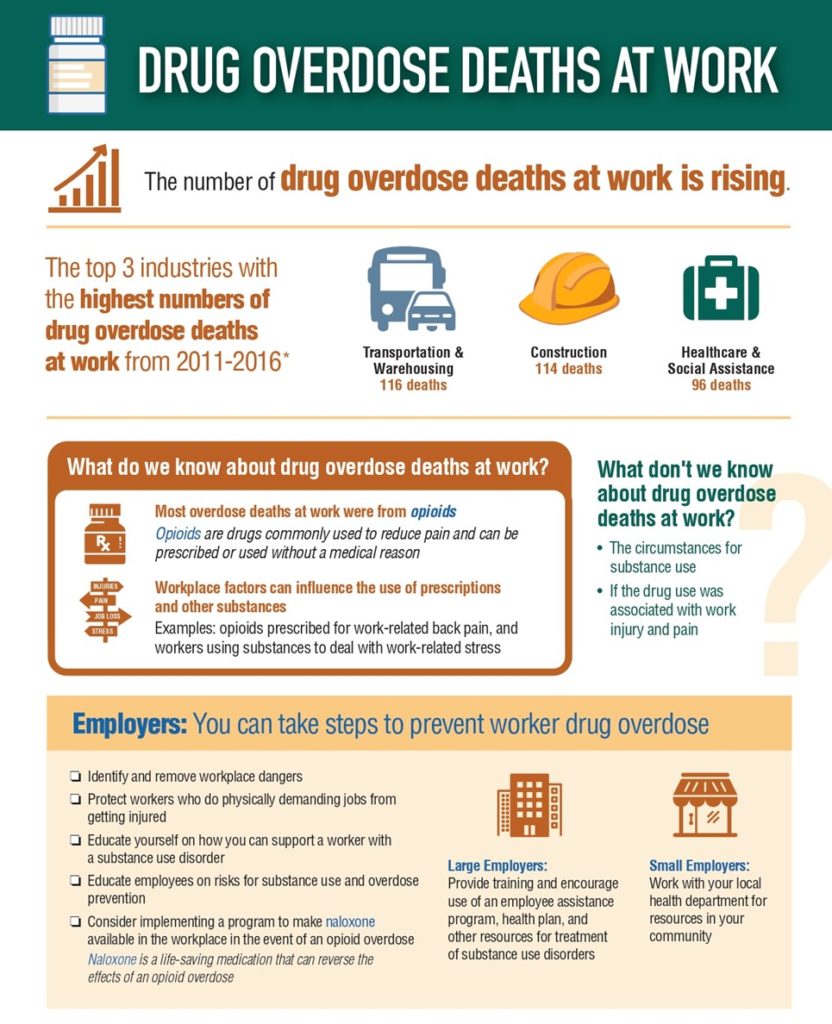
Opioid Abuse – Picture This


OSHA Program Wizard: Fleet Safety Program

In 2020 the Bureau of Labor Statistics reported that transportation and material moving occupations had the highest number of fatalities.  The most dangerous profession was heavy and tractor-trailer truck drivers, with 766 deaths in 2020. Implementing a comprehensive fleet safety program provides the framework and systematic approach to reducing the risk associated with fleet operations.


Quick Course – Know How To Find Emergency Exits

Every day, without noticing, we pass doors that have “Exit” signs. Usually we don’t remember that emergency exit doors are vital to our safety.


Chemical Safety Course

Key Takeaways:

– Identifying all workplace chemical hazards and the risks associated with them.
– Understanding the conditions which present an exposure risk, possible routes of exposure, and the factors influencing an individual’s reaction to a chemical exposure incident.
– Practicing safety precautions on the behalf of both workers and employers to minimize exposure to chemicals.
– Learning safe storage, transport, and disposal practices for hazardous chemicals.
– Understanding appropriate response actions in the event of a chemical incident.

Course Description

This course will teach trainees to recognize chemical hazards in the workplace, being able to detect them, protect themselves and understand existing Hazcom programs.


Off The Job Safety Course

This course will cover the most common hazards off the job and how to avoid them.


Newsletter – December 2021

  • How to Protect Workers from Cold Stress;
  • Safety Talks on Fatigue, Seasonal Safety, Chemical Safety, Internet & Computer Use;
  • Fatality Reports;
  • Shiftwork Training Challenges;
  • Overcoming 7 Common Safety Meeting Problems;
  • and more…


Heart Attacks Meeting Kit – Spanish

QUÉ ESTÁ EN RIESGO

¿QUÉ ES UN ATAQUE AL CORAZÓN?

Un ataque al corazón, también llamado infarto de miocardio, se produce cuando una parte del músculo cardíaco no recibe suficiente sangre.

Cuanto más tiempo pase sin tratamiento para restablecer el flujo sanguíneo, mayor será el daño al músculo cardíaco.

La enfermedad de las arterias coronarias (EAC) es la principal causa de infarto. Una causa menos frecuente es un espasmo grave, o contracción repentina, de una arteria coronaria que puede detener el flujo de sangre al músculo cardíaco.

CUÁL ES EL PELIGRO

¿CUÁLES SON LOS SÍNTOMAS DEL INFARTO?

Los principales síntomas de un ataque al corazón son:

  • Dolor o malestar en el pecho. La mayoría de los infartos implican una molestia en el centro o en el lado izquierdo del pecho que dura más de unos minutos o que desaparece y vuelve a aparecer. Las molestias pueden sentirse como una incómoda presión, opresión, plenitud o dolor.
  • Sensación de debilidad, mareo o desmayo. También es posible que empiece a sudar frío.
  • Dolor o molestia en la mandíbula, el cuello o la espalda.
  • Dolor o molestia en uno o ambos brazos u hombros.
  • Falta de aire. A menudo aparece junto con las molestias en el pecho, pero la falta de aire también puede ocurrir antes de las molestias en el pecho.

INFARTOS CAUSADOS POR FACTORES AMBIENTALES

En el primer tipo de infarto interviene algún aspecto ambiental del lugar de trabajo que provoca un deterioro cardiovascular (que acaba provocando un infarto).

INFARTOS CAUSADOS POR LA ACTIVIDAD FÍSICA DEL TRABAJO

El segundo tipo de infarto de miocardio relacionado con el trabajo se precipita por alguna actividad laboral física, normalmente, pero no necesariamente, de carácter físico intenso.

INFARTOS CAUSADOS POR FACTORES EMOCIONALES

El tercer tipo de infarto es el inducido por el estrés o la excitación emocional, como la preocupación, el miedo, la sorpresa o la ansiedad. Por ejemplo, un infarto que se produce después de que un trabajador presencie un suceso trágico o reciba un grito de un superior puede ser indemnizable según la ley.

COMO PROTEGERSE

ESTRATEGIAS PARA PREVENIR LAS ENFERMEDADES DEL CORAZÓN

1.        No fume ni consuma tabaco

Las sustancias químicas del tabaco pueden dañar el corazón y los vasos sanguíneos. El humo del cigarrillo reduce el oxígeno en la sangre, lo que aumenta la presión arterial y la frecuencia cardíaca porque el corazón tiene que trabajar más para suministrar suficiente oxígeno al cuerpo y al cerebro.

2.       Muévase: Intente realizar al menos entre 30 y 60 minutos de actividad diaria.

La actividad física diaria y regular puede reducir el riesgo de padecer enfermedades cardíacas. La actividad física le ayuda a controlar su peso y a reducir las probabilidades de desarrollar otras enfermedades que pueden afectar al corazón, como la hipertensión arterial, el colesterol alto y la diabetes de tipo 2.

El objetivo debe ser al menos:

  • 150 minutos a la semana de ejercicio aeróbico moderado, como caminar a paso ligero
  • 75 minutos a la semana de actividad aeróbica vigorosa, como correr

3.       Lleve una dieta saludable para el corazón

Una dieta saludable puede ayudar a proteger el corazón, mejorar la presión arterial y el colesterol y reducir el riesgo de diabetes de tipo 2. Un plan de alimentación saludable para el corazón incluye:

  • Verduras y frutas
  • Judías u otras legumbres
  • Carnes y pescados magros
  • Productos lácteos bajos en grasa o sin grasa
  • Cereales integrales
  • Grasas saludables, como el aceite de oliva

4.       Mantenga un peso saludable

El sobrepeso especialmente en la zona de la cintura aumenta el riesgo de padecer enfermedades cardíacas. El exceso de peso puede dar lugar a trastornos que aumentan las probabilidades de padecer enfermedades cardíacas, como la hipertensión arterial, el colesterol alto y la diabetes de tipo 2.

Una forma de saber si su peso es saludable es calcular su índice de masa corporal (IMC), que utiliza su altura y peso para determinar si tiene un porcentaje de grasa corporal saludable o no. Un IMC de 25 o más se considera sobrepeso y se asocia generalmente a un mayor nivel de colesterol, a una presión arterial más alta y a un mayor riesgo de sufrir enfermedades cardíacas y accidentes cerebrovasculares.

5.       Duerma bien

La mayoría de los adultos necesitan dormir al menos siete horas cada noche. Haga del sueño una prioridad en su vida. Establezca un horario de sueño y cúmplalo acostándose y despertándose a las mismas horas cada día. Mantenga su dormitorio oscuro y silencioso, para que sea más fácil dormir.

6.       Controle el estrés

Algunas personas afrontan el estrés de forma poco saludable, como comiendo en exceso, bebiendo o fumando. Encontrar formas alternativas de controlar el estrés -como la actividad física, los ejercicios de relajación o la meditación- puede ayudar a mejorar su salud.

7.       Hágase revisiones médicas periódicas

La presión arterial alta y el colesterol elevado pueden dañar el corazón y los vasos sanguíneos.

CONCLUSIÓN

Tómese en serio los síntomas del infarto. Conocemos bastante bien a la mayoría de las personas con las que trabajamos. Si algo parece ir mal, hable con la persona o haga que intervenga un supervisor. Conozca el plan de respuesta de emergencia en su lugar de trabajo para una emergencia médica como un ataque al corazón. Saber a quién hay que llamar, cuál es la dirección del lugar de trabajo y quién está capacitado en RCP en el lugar puede salvar la vida de la víctima.


Heart Attacks Stats and Facts – Spanish

HECHOS

Ciertos comportamientos también suponen un riesgo de sufrir una enfermedad cardíaca. Entre ellos se encuentran:

  1. Fumar: El tabaquismo es una de las principales causas de las enfermedades cardiovasculares y provoca aproximadamente 1 de cada 4 muertes por enfermedades del corazón.
  2. Llevar una dieta inadecuada: Una dieta rica en grasas, sal, azúcar y colesterol puede contribuir al desarrollo de enfermedades del corazón.
  3. No hacer ejercicio: Aunque el ejercicio físico reduce el riesgo de padecer enfermedades cardíacas y de muerte prematura, sólo la mitad de los estadounidenses realiza la cantidad recomendada de actividad aeróbica.
  4. Beber alcohol en exceso: El consumo excesivo de alcohol puede aumentar el riesgo de infarto, insuficiencia cardíaca y muerte. El consumo excesivo de alcohol puede dañar el corazón incluso antes de que aparezcan los síntomas.
  5. Depresión: Los adultos con un trastorno depresivo o con síntomas de depresión tienen un 64% más de riesgo de desarrollar una enfermedad coronaria.
  6. Obesidad: El sobrepeso o la obesidad están relacionados con varios factores que aumentan el riesgo de padecer enfermedades cardiovasculares, como la diabetes y la hipertensión arterial.
  7. Las enfermedades del corazón son las responsables de la mayoría de las muertes en todo el mundo, tanto en hombres como en mujeres de todas las razas.

ESTADÍSTICAS

  • En 2018, 30,3 millones de adultos estadounidenses fueron diagnosticados con enfermedades del corazón. Cada año, alrededor de 647.000 estadounidenses mueren de enfermedades del corazón, lo que la convierte en la principal causa de muerte en los Estados Unidos. Las enfermedades del corazón causan 1 de cada 4 muertes.
  • Según los Centros para el Control y la Prevención de Enfermedades (CDC), aproximadamente cada 40 segundos un estadounidense sufre un ataque al corazón. Cada año, 805.000 estadounidenses sufren un ataque al corazón, 605.000 de ellos por primera vez.
  • Aproximadamente el 12% de las personas que sufren un ataque al corazón morirán a causa de él.
  • La enfermedad coronaria, una obstrucción de las arterias que suministran sangre al corazón, es el tipo más común de enfermedad cardíaca. La enfermedad coronaria afecta a unos 18,2 millones de estadounidenses de 20 años o más, y mató a casi 366.000 en 2017.
  • Las enfermedades del corazón son la primera causa de muerte para la mayoría de los grupos raciales y étnicos. En 2015, fue responsable del 23,7% de las muertes en personas blancas y del 23,5% en personas negras.


Heart Attacks Fatality Report – Spanish

Martan Kelly Jr. era técnico de Card Heating & Air Conditioning en Pensilvania. Una mañana, se presentó a trabajar en una funeraria donde la empresa estaba instalando equipos de calefacción y aire acondicionado. Le dijo a su capataz que se sentía débil, cansado y que tenía una torcedura en el cuello por haber dormido mal la noche anterior. Kelly declinó la oferta de irse a casa y se le asignó una tarea ligera: pasar el cable del termostato.

Al mediodía, Kelly se sintió mejor y decidió instalar el cableado en el ático del edificio de una sola planta subiendo una escalera de 12 a 15 pies. Poco después, los empleados oyeron gemidos procedentes del ático y encontraron a Kelly incoherente en el suelo, sangrando por la cabeza, la cara y la pierna.

Poco después, Kelly fue declarado muerto en un hospital local.

La autopsia reveló una enfermedad de las arterias coronarias y del corazón, tres arterias cardíacas significativamente obstruidas (60-90%) y una estenosis del 90% de la arteria coronaria principal descendente izquierda. La causa de la muerte fue un ataque al corazón.

La viuda de Kelly presentó una reclamación de indemnización por accidente de trabajo para obtener prestaciones de supervivencia, alegando que el infarto se produjo como consecuencia de su empleo. Card denegó la reclamación y el caso pasó a manos de un juez de compensación de trabajadores (WCJ).

La viuda de Kelly declaró que no tenía problemas de salud, que no se quejaba de dolor en el pecho, que nunca había acudido a un cardiólogo y que no tomaba ningún medicamento. Reconoció que su marido fumaba un paquete de cigarrillos al día durante los últimos 30 años.

El médico de la empresa también dijo que Kelly había sufrido un flujo sanguíneo insuficiente en el corazón entre 8 y 12 horas antes de llegar al trabajo. El médico señaló que Kelly había dormido en una silla reclinable la noche anterior porque no podía tumbarse en la cama debido a sus síntomas cardíacos. El médico también dijo que las tareas de Kelly el día que murió no eran suficientes para causar el ataque al corazón. Subir la escalera no habría elevado el ritmo cardíaco de Kelly lo suficiente como para causar un evento cardíaco a menos que lo hubiera hecho rápidamente o repetidamente y durante más de nueve minutos.

El WCJ falló a favor de la empresa. El juez consideró que el testimonio del médico de la empresa era más creíble y estuvo de acuerdo con el capataz en que el trabajo que realizaba Kelly no era extenuante. El juez también tomó nota de los bloqueos preexistentes de Kelly, que lo ponían en riesgo de sufrir un ataque cardíaco inminente con o sin esfuerzo físico.

La viuda de Kelly apeló, y la Junta de Apelación de la Compensación de los Trabajadores de Pensilvania confirmó el fallo del WCJ. Llevó su caso a un tribunal estatal

No hay pruebas suficientes de que esté relacionado con el trabajo

La carga de la prueba recae en el demandante (en este caso, la viuda de Kelly) para demostrar que un ataque cardíaco mortal está relacionado con el trabajo. En concreto, el demandante debe demostrar que el infarto

  • surgió en el transcurso del trabajo, y
  • está relacionado con el trabajo.


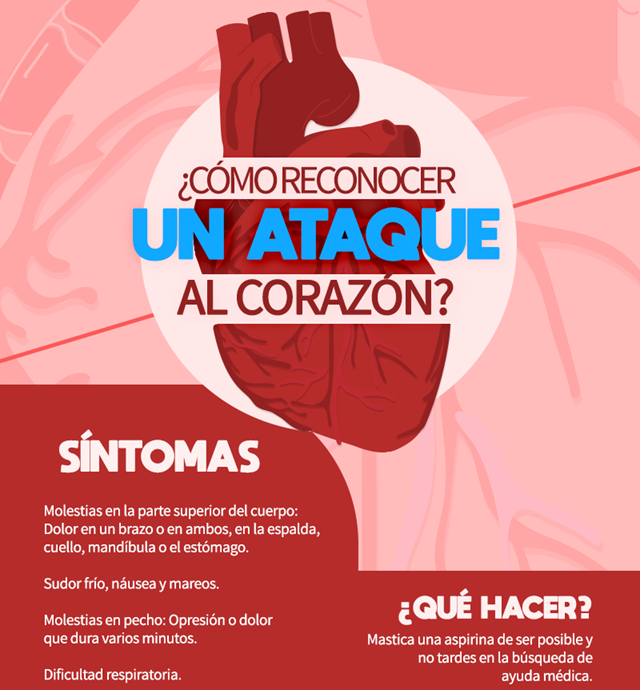
Heart Attacks – Picture This – Spanish

Source: https://www.facebook.com/HospitalMetroNorte


Eye Damage Due to Sunlight Meeting Kit

EYE HEALTH

Our eyes play a powerful role in bringing the world around us into focus and giving us visual perception of our surroundings. But none of this would be possible without light. In order for us to see, light enters our eyes where it is refracted and focused into a specific point on the retina at the back of the eye called the macula and then translated into electrical signals that travel to the brain via the optic nerves. However, while light is essential for sight, certain types of light, particularly ultraviolet A (UVA) and ultraviolet B (UVB) light, can cause significant damage to the eye over time if not guarded against. Unfortunately, the source of harmful UV light is also the most prevalent and difficult to avoid – the sun.

UV LIGHT AND WAVELENGTHS

UVC is the most damaging to the skin. However, the majority of UVC is absorbed by the ozone layer and doesn’t reach us.

UVB affects the epidermis, or outer layer, of the skin. This results in sunburn, blistering, or possibly skin cancer. In relation to the eyes, it affects the corneas, or the clear front part of the eyeballs. This can cause severe irritation, light sensitivity, and lots of tearing.

UVA is the one that penetrates the skin the most. This is because even though it isn’t as strong as UVB rays, it is more prevalent. UVA light makes up 95% of the UV radiation that reaches the earth and is the one that causes tanning and aging of the skin. But because it penetrates more deeply, it affects the inner layers of the skin and eyes.

UV Light and Our Eyes

The sun emits UV light and this light can be harmful to our eyes. There are several different eye diseases caused by UV light.

  • A cataract is a cloudiness of the natural lenses of your eyes.
  • Growths on the eyes. There are two types of growth on the eyes. Pinguecula and pterygium are growths on your eye’s conjunctiva, the clear covering over the white part of the eye. Pinguecula is a growth that looks like a yellow spot or bump. Pterygium is a growth of fleshy tissue that can get large enough that it covers your cornea affecting your vision.
  • Snow blindness is a painful eye condition caused by exposure to ultraviolet (UV) rays reflected from ice and snow, particularly at high elevation. Symptoms include blurry vision, swelling, and watery eyes.
  • Cancer called ocular melanoma can result in part or directly from exposure to UV light.

PROTECT YOUR SIGHT BEST PRACTICES

Here are the necessary precautions to protect eyes from UV light radiation, inducting:

  • Do not use sunlamps, tanning beds, or tanning booths
  • Wear UV-blocking goggles when surfing, swimming, or snowboarding
  • Avoid prolonged exposure to direct sunlight by staying in the shade, especially between 10 am and 4 pm
  • Avoid being out in excessively sunny conditions when possible, especially unprotected.
  • Wear sunglasses that block 100% of UV rays. They should be marked if they do. Also the bigger the sunglasses the better for protecting your eyes.
  • Wear a hat that blocks the sunlight from your eyes and face.
  • Protect your eyes even on a cloudy day.
  • Wear a hat along with your sunglasses. Broad-brimmed hats are best.
  • Protect children and senior citizens with hats and sunglasses. Everyone is at risk for sun damage.
  • Clouds don’t block UV light. The sun’s rays can pass through haze and clouds.
  • Sunlight is strongest midday to early afternoon, at higher altitudes and when reflected off of water, ice or snow.
  • Never look directly at the sun. Doing so at any time, including during an eclipse, can damage the eye’s retina and cause a serious injury known as solar retinopathy.

FINAL WORD

Our eyes are our window to the world. Ensure you are protecting your eyes from the sun. Once you damage your vision you may never get it back.


Eye Damage Due to Sunlight Stats and Facts

FACTS

Cataracts – Research has linked UVB light directly to the development of cataracts, which occurs when the crystalline lens of the eye becomes gradually cloudy and opaque, potentially resulting in total blindness if not treated.

Macular Degeneration – The macula is located at the center of the ocular membrane called the retina and is responsible for clear, detailed vision. Over time and with exposure to UV light rays, the natural lens of the eye filters out the vast majority of damaging ultraviolet light before it has a chance to damage the retina and macula.

Pterygium – Also known as surfer’s eye, pterygium occurs when the protective membrane of the outside of the eye called the conjunctiva becomes inflamed and grows out toward the optical center of the eye. It is typically associated with prolonged exposure to sunlight, especially when reflected off the surface of water or snow.

Keratitis – Excessive exposure to harmful UV rays from the sun and tanning beds can actually cause the cornea to burn, not unlike a sunburn. The cornea is used to refract light within the eye and directs light to the retina.

Skin Cancers of the Eyelid – As with the rest of the body, the eyelids are vulnerable to the harsh effects of UV radiation and can not only be burned by overexposure, but can also develop varying degrees of skin cancer, including basal cell carcinoma, squamous cell carcinoma, and melanoma.

STATS

  • Americans place comfort (65 percent) and affordability (54 percent) before UV protection (44 percent) when purchasing sunglasses.
  • Parents are more likely to wear shades always or often (56 percent) than their children (29 percent).
  • Many adults who rarely or never wear sunglasses (25 percent) report that they skip UV eye protection because they don’t own prescription sunglasses (41 percent).
  • Millennials are least likely to protect their vision: 55 percent of people in their 20s never, rarely or only sometimes wear sunglasses.
  • Americans’ only use sunglasses when they are outside for two or more hours (39 percent).
  • Americans are leaving their eyes exposed: only 14 percent are likely to wear sunglasses while watching outdoor sporting events and only 44 percent are likely to wear sunglasses at the beach.