Hazardous Chemicals- Four Routes of Entry Fatality File

MAN DIES AFTER FALLING INTO CHEMICAL VAT

Officials are investigating what caused a man death’s after he fell into a chemical vat at Techmetals on Springfield Street in Dayton Tuesday morning.

Dana Swisher, 60, of Union, Ohio, was identified as the man who died at the business by Montgomery County Coroner Dr. Kent Harshbarger. The cause and manner of Swisher’s death has not yet been determined and remains under investigation.

Swisher was a senior employee and worked for the company for several years, said Dayton Fire Department District Chief Mike Fasnacht.

“We don’t know what the cause of the event was,” he said. “I don’t know that this was an industrial accident or medical emergency.”

The Montgomery County Coroner’s Office and Dayton police are leading the investigative side of the incident. The Occupational Safety and Health Administration is also investigating and working to determine if there were any problems with the facility.

Crews were initially called out to the business just before 9 a.m. for an industrial accident, but it was later upgraded to a hazmat incident.

A 911 caller reported that a man had fallen into a 4-foot deep tank, according to dispatch records. Fire officials later confirmed the tank contained liquid chromic acid.

Workers were able to pull the man out of the vat and were attempting life-saving measures when crews arrived on the scene.

Hazmat teams decontaminated employees who pulled the man from the vat due to the toxic chemicals involved in the incident, Fasnacht said.

He said the employees were informed of the hazards of coming in contact with the chemical and advised to go to the hospital, but all refused treatment.


Hazardous Chemicals- Four Routes of Entry Fatality File – Spanish

UN HOMBRE MUERE TRAS CAER EN UNA CUBA DE PRODUCTOS QUÍMICOS

Las autoridades están investigando la causa de la muerte de un hombre que cayó en una cuba de productos químicos en Techmetals en la calle Springfield en Dayton el martes por la mañana.

Dana Swisher, de 60 años, de Union, Ohio, fue identificado como el hombre que murió en el negocio por el forense del condado de Montgomery, Dr. Kent Harshbarger. La causa y forma de la muerte de Swisher aún no se ha determinado y sigue siendo objeto de investigación.

Swisher era un empleado de alto nivel y trabajó para la empresa durante varios años, dijo el jefe de distrito del Departamento de Bomberos de Dayton, Mike Fasnacht.

“No sabemos cuál fue la causa del suceso”, dijo. “No sé si fue un accidente industrial o una emergencia médica”.

La oficina del forense del condado de Montgomery y la policía de Dayton están dirigiendo la investigación del incidente. La Administración de Seguridad y Salud Ocupacional también está investigando y trabajando para determinar si hubo algún problema con la instalación.

Los equipos fueron llamados inicialmente a la empresa justo antes de las 9 de la mañana por un accidente industrial, pero más tarde se convirtió en un incidente de materiales peligrosos.

Una persona que llamó al 911 informó de que un hombre había caído en un tanque de 1 metro de profundidad, según los registros de la central. Los bomberos confirmaron más tarde que el tanque contenía ácido crómico líquido.

Los trabajadores pudieron sacar al hombre de la cuba y estaban intentando salvar su vida cuando los equipos llegaron al lugar.

Los equipos de materiales peligrosos descontaminaron a los empleados que sacaron al hombre de la cuba debido a los productos químicos tóxicos implicados en el incidente, dijo Fasnacht.

Dijo que se informó a los empleados de los peligros de entrar en contacto con el producto químico y se les aconsejó que fueran al hospital, pero todos rechazaron el tratamiento.


Hazardous Chemicals- Four Routes of Entry Stats and Facts

FACTS

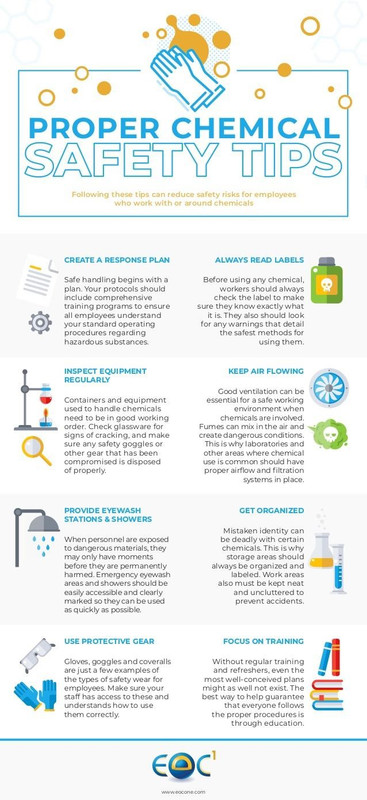
Substances (individual chemical compounds) and mixtures can have health effects and/or physical effects (which may impact safety) and may also have an effect on the environment. 

  1. Hazards to health from exposure to a chemical depend on a number of factors, including the chemical itself, the individual, the route of exposure, the duration and frequency of exposure and the dose. 
  2. Individuals demonstrate differing levels of susceptibility to the hazards of chemicals based on their genetic make-up, previous exposures, age, illness, diet, etc.
  3. Some chemicals are explosive, oxidising or flammable, and have physical effects (which may impact safety). Safety Effects
  4. Some chemicals are hazardous if released into the environment, but will have differing effects depending on where they are released, eg to air, water or land. 
  5. Due to the potential risk of harm to health, physical (safety), or the environment, chemicals must be used in a safe way.

STATS

  • In 2017, 41 U.S. workers died on the job after a single episode of inhaling chemicals and chemical products—7 more fatal injuries than in 2016. This number ranged between 33 and 55 fatal injuries each year from 2011 to 2017, with a total of 297 fatalities across the 7-year span.
  • Inhaling carbon monoxide led to the most fatalities during this time period (116 fatal injuries) followed by inhaling hydrogen sulfide (46 fatal injuries).
  • Of the fatal single episode inhalations of chemicals and chemical products from 2011 through 2017, 37 percent occurred in a confined space (110 fatal injuries). All fatal single inhalations of methane gas involved a confined space (9 fatal injuries).
  • Other chemicals and chemical products that led to fatal injury after a single inhalation in spaces that were confined and not confined were toluene (5 fatalities), solvents and degreasers (7 fatalities), dichloromethane (8 fatalities), and coal, natural gas, petroleum fuels and products (11 fatalities).
  • Of the more than 80,000 chemicals currently used in the United States, most haven’t been adequately tested for their effects on human health.


Hazardous Chemicals- Four Routes of Entry Stats and Facts – Spanish

HECHOS

Las sustancias (compuestos químicos individuales) y las mezclas pueden tener efectos sobre la salud y/o efectos físicos (que pueden afectar a la seguridad) y también pueden tener un efecto sobre el medio ambiente. 

  1. Los riesgos para la salud derivados de la exposición a una sustancia química dependen de una serie de factores, como la propia sustancia química, el individuo, la vía de exposición, la duración y la frecuencia de la exposición y la dosis. 
  2. Los individuos demuestran diferentes niveles de susceptibilidad a los peligros de las sustancias químicas en función de su composición genética, exposiciones anteriores, edad, enfermedad, dieta, etc.
  3. Algunos productos químicos son explosivos, oxidantes o inflamables y tienen efectos físicos (que pueden afectar a la seguridad). Efectos de seguridad
  4. Algunas sustancias químicas son peligrosas si se liberan en el medio ambiente, pero tendrán efectos diferentes según el lugar donde se liberen, por ejemplo, en el aire, el agua o la tierra. 
  5. Debido al riesgo potencial de daños para la salud, la integridad física (seguridad) o el medio ambiente, los productos químicos deben utilizarse de forma segura.

ESTADÍSTICAS

  • En 2017, 41 trabajadores estadounidenses murieron en el trabajo tras un único episodio de inhalación de sustancias y productos químicos: 7 lesiones mortales más que en 2016. Esta cifra osciló entre 33 y 55 lesiones mortales cada año entre 2011 y 2017, con un total de 297 víctimas mortales en ese periodo de 7 años.
  • La inhalación de monóxido de carbono provocó el mayor número de víctimas mortales durante este periodo (116 lesiones mortales), seguida de la inhalación de sulfuro de hidrógeno (46 lesiones mortales).
  • De las inhalaciones mortales de un solo episodio de sustancias y productos químicos desde 2011 hasta 2017, el 37% se produjo en un espacio confinado (110 lesiones mortales). Todas las inhalaciones únicas mortales de gas metano implicaron un espacio confinado (9 lesiones mortales).
  • Otras sustancias y productos químicos que provocaron lesiones mortales tras una única inhalación en espacios confinados y no confinados fueron el tolueno (5 víctimas mortales), los disolventes y desengrasantes (7 víctimas mortales), el diclorometano (8 víctimas mortales) y el carbón, el gas natural, los combustibles y los productos derivados del petróleo (11 víctimas mortales).
  • De las más de 80.000 sustancias químicas que se utilizan actualmente en Estados Unidos, la mayoría no han sido sometidas a pruebas adecuadas sobre sus efectos en la salud humana.


Hazardous Chemicals- Four Routes of Entry Picture This

Source: Industrytoday.com


Hazardous Chemicals- Four Routes of Entry Picture This – Spanish

Source: http://www.exyge.eu


HDPE Pipe Welding Meeting kit

HDPE WELDING 

HDPE pipe is a high-density polyethylene thermoplastic pipe. The process of joining or welding sections of HDPE together is often referred to as fusion. There are specific machines available for three basic kinds of fusion:

  • Butt
  • Saddle
  • Socket

BUTT FUSION/WELDING

The process of butt fusing HDPE is melting two sections into one under pressure. After placing sections of HDPE pipe to be fused into the welding machine, a cutting head is used to prepare the face of both sections. The cutting or shaving of the joint surfaces ensures that they are both square and level to allow maximum surface area to contact between them. Next, the joint faces of the pipe are pressed against a heating element or plate to heat them up to 400˚F (204˚C) depending on the size of the pipe. Once the joint faces are heated correctly, the heating element is removed, and the joint sections are pressed together forcefully according to a prescribed pressure and period of time for fusing. Once the material cools, the pipe sections are now bonded together, and the joint has sealed itself inside and out.

DANGERS OF HDPE WELDING

HDPE Welding uses extremely high temperatures to bond pieces of metal together. They become fused together when the pieces have cooled down. This is often done to fuse the framework of buildings, for example. The heat alone is enough to cause severe injuries, especially if there are equipment malfunctions.

HAZARDS OF HDPE WELDING

There are many hazards associated with this process of butt fusing HDPE pipe. Some of the major hazards include:

  • Struck-by and caught-between incidents. Often, hundreds of feet of pipe are being fused together. Equipment such as front loaders or excavators need to be used to lift and pull the pipe into place to be fused or to be installed in the final resting place. This creates many different opportunities for struck-by and caught-in or between incidents to occur.
  • Stored energy. When moving the pipe, be aware of stored energy in the pipe. Stored energy can be hazardous to personnel in the area if it released creating a struck-by hazard. If too much pressure is applied the pipe can snap resulting in a violent whiplash effect.
  • Pinch points. There are many pinch point hazards associated with this task between lifting and rigging the pipe to the actual welding.
  • Other hand injuries. Burns and lacerations can occur due to the heat plate and cutting face.
  • Strains and sprains. Lifting heavy lengths of pipe or heavy parts from the welding machine can cause sprains and strain injuries. Smaller machines require manual pulling of levers which can create repetitive stress injuries.

WHAT ARE THE MOST COMMON WELDING INJURIES?

  • Burns from fire, sparks, or flammable material.
  • Eye injuries due to excessive heat or the arc eye.
  • Infrared radiation exposure.
  • Electrocution.
  • Skin injuries other than burns.
  • UV exposure.
  • Toxic fume inhalation, especially due to working in confined spaces with little ventilation.
  • Invisible light exposure.
  • Hearing loss due to excessively loud noises.
  • Vision loss due to excessive lighting or injuries to the eyes.

REDUCE WORKPLACE WELDING INJURIES

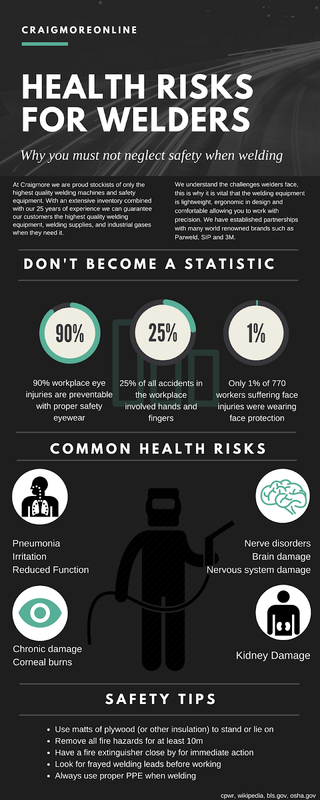
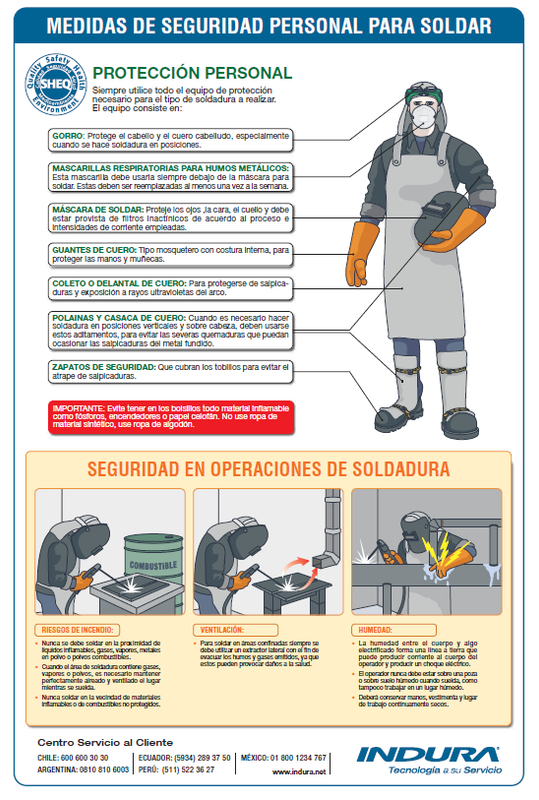
For welding operations, access to personal protective equipment, or PPE, is critical in reducing common injuries like burns and exposure to gases. PPE includes protective face masks and eye shields to eliminate welder’s flash injuries to the eyes and face. This protective equipment typically includes heavy gloves and fire-resistant aprons or coats to prevent welding spatter from causing burns. In areas where exposure to metal fumes or toxic gases may be at elevated levels, welders often use helmets with breathing apparatus to avoid inhalation of dangerous substances.

Regular training and recertification of welding professionals is a critical part of the risk management process. 

EMPLOYEE BEST PRACTICES

  • Always have the proper training and knowledge to run the specific welder you are using. 
  • Never stick your hands or body in the line of fire in the machine. Even if the machine is “off” crawling into it to retrieve the shavings from the cut pipe can be a fatal mistake. Use an object or tool to clear the shavings or follow the manufacturer’s recommendations to safely be able to clear the shavings.
  • Make sure all people and equipment are out of the line of fire when lifting and moving pipe. Always be mindful of where a pipe will go if it is dropped or stored energy releases; if you are in these areas then move.
  • Never try to lift heavy or awkward objects alone. Use heavy equipment to eliminate this hazard completely or involve a coworker to help move a manageable object.
  • Keep your hands and body clear of the pipe when the equipment is moving it. Pinch points are abundant between the pipe and the machine anytime it is being moved into place.

FINAL WORD

There are many other hazards and safeguards to consider when completing this task. There are many moving parts going on to successfully weld long lengths of this pipe and move it into place. When evaluating and planning out this work task consider not only the immediate dangers of the welding process, but also lifting and moving the pipe.


HDPE Pipe Welding Meeting kit – Spanish

QUÉ ESTÁ EN RIESGO

SOLDADURA DE PEAD 

La tubería de PEAD es un tubo termoplástico de polietileno de alta densidad (PEAD). El proceso de unión o soldadura de secciones de PEAD se suele denominar fusión. Existen máquinas específicas para tres tipos básicos de fusión:

  • A tope
  • Montaje 
  • Enchufe

 FUSIÓN/SOLDADURA A TOPE

El proceso de fusión a tope del PEAD consiste en fundir dos secciones en una sola bajo presión. Tras colocar las secciones de tubo de PEAD que se van a fusionar en la máquina de soldadura, se utiliza un cabezal de corte para preparar la cara de ambas secciones. El corte o raspado de las superficies de unión asegura que estén cuadradas y niveladas para permitir la máxima superficie de contacto entre ellas. A continuación, las caras de las juntas de los tubos se presionan contra un elemento o placa calefactora para calentarlas hasta los 400 grados F, dependiendo del tamaño del tubo. Una vez que las caras de las juntas se han calentado correctamente, se retira el elemento calefactor y las secciones de las juntas se presionan con fuerza según una presión y un periodo de tiempo prescritos para la fusión. Una vez que el material se enfría, las secciones de la tubería están unidas y la junta se ha sellado por dentro y por fuera.

CUÁL ES EL PELIGRO

PELIGROS DE LA SOLDADURA DE PEAD

La soldadura de PEAD utiliza temperaturas extremadamente altas para unir piezas de metal. Una vez que las piezas se han enfriado, se funden entre sí. Esto se hace a menudo para fusionar la estructura de los edificios, por ejemplo. El calor por sí solo es suficiente para causar lesiones graves, sobre todo si hay un mal funcionamiento del equipo.

PELIGROS DE LA SOLDADURA DE PEAD

Hay muchos peligros asociados a este proceso de fusión a tope de tuberías de PEAD. Algunos de los principales peligros son

  • Incidentes de atropello y atrapamiento. A menudo se fusionan cientos de pies de tubería. Es necesario utilizar equipos como cargadores frontales o excavadoras para levantar y tirar de la tubería hasta su lugar de fusión o para instalarla en el lugar de descanso final. Esto crea muchas oportunidades diferentes para que se produzcan incidentes de atropello y atrapamiento o entre ellos.
  • Energía almacenada. Al mover la tubería, hay que tener en cuenta la energía almacenada en ella. La energía almacenada puede ser peligrosa para el personal que se encuentre en la zona si se libera creando un peligro de atropello. Si se aplica demasiada presión, la tubería puede romperse y provocar un violento efecto de latigazo.
  • Puntos de pellizco. Hay muchos riesgos de pellizco asociados a esta tarea, desde el levantamiento y el montaje de la tubería hasta la soldadura propiamente dicha.
  • Otras lesiones en las manos. Pueden producirse quemaduras y laceraciones debido a la placa térmica y a la cara de corte.
  • Esguinces y torceduras. Levantar tramos pesados de tubería o piezas pesadas de la máquina de soldar puede provocar esguinces y lesiones por distensión. Las máquinas más pequeñas requieren tirar manualmente de las palancas, lo que puede provocar lesiones por esfuerzo repetitivo.

¿CUÁLES SON LAS LESIONES MÁS COMUNES EN LA SOLDADURA?

  • Quemaduras por fuego, chispas o material inflamable.
  • Lesiones oculares debidas al calor excesivo o al ojo del arco.
  • Exposición a la radiación infrarroja.
  • Electrocución.
  • Lesiones cutáneas distintas de las quemaduras.
  • Exposición a los rayos UV.
  • Inhalación de humos tóxicos, especialmente por trabajar en espacios reducidos con poca ventilación.
  • Exposición a la luz invisible.
  • Pérdida de audición por ruidos excesivos.
  • Pérdida de visión debido a una iluminación excesiva o a lesiones en los ojos.

COMO PROTEGERSE

REDUCIR LAS LESIONES POR SOLDADURA EN EL LUGAR DE TRABAJO

  • Las empresas de fabricación y manufactura tienen el deber de proteger a sus empleados de las lesiones en el trabajo. Sin embargo, el hecho es que, incluso con las normas de seguridad establecidas, las lesiones pueden producirse y se producen. En las operaciones de soldadura, el acceso al equipo de protección personal, o EPP, es fundamental para reducir las lesiones comunes como las quemaduras y la exposición a los gases. El EPP incluye máscaras protectoras y escudos oculares para eliminar las lesiones por chispas del soldador en los ojos y la cara. Este equipo de protección suele incluir guantes gruesos y delantales o batas resistentes al fuego para evitar que las salpicaduras de soldadura provoquen quemaduras. En las zonas donde la exposición a los humos metálicos o a los gases tóxicos puede ser elevada, los soldadores suelen utilizar cascos con aparatos de respiración para evitar la inhalación de sustancias peligrosas.
  • La formación y recertificación periódicas de los profesionales de la soldadura es una parte fundamental del proceso de gestión de riesgos. Los riesgos asociados a la soldadura son tan grandes que la OSHA designa la profesión como una de sus prioridades de riesgo y ha establecido las mejores prácticas de formación del sector como resultado de esta designación. 

MEJORES PRÁCTICAS PARA LOS EMPLEADOS

  • Tenga siempre la formación y los conocimientos adecuados para manejar la soldadora específica que esté utilizando. 
  • Nunca ponga sus manos o su cuerpo en la línea de fuego de la máquina. Aunque la máquina esté “apagada”, meterse en ella para recuperar las virutas del tubo cortado puede ser un error fatal. Utilice un objeto o herramienta para retirar las virutas o siga las recomendaciones del fabricante para poder retirarlas con seguridad.
  • Asegúrese de que todas las personas y el equipo estén fuera de la línea de fuego al levantar y mover la tubería. Tenga siempre en cuenta dónde irá a parar una tubería si se cae o se libera la energía almacenada; si se encuentra en esas zonas, muévase.
  • Nunca intente levantar objetos pesados o incómodos solo. Utilice equipos pesados para eliminar por completo este peligro o involucre a un compañero de trabajo para que le ayude a mover un objeto manejable.
  • Mantenga las manos y el cuerpo alejados de la tubería cuando el equipo la esté moviendo. Los puntos de pellizco son abundantes entre la tubería y la máquina siempre que se esté moviendo en su lugar.

CONCLUSIÓN

Hay muchos otros peligros y salvaguardias que hay que tener en cuenta a la hora de realizar esta tarea. Hay muchas partes en movimiento para soldar con éxito largos tramos de esta tubería y moverla a su lugar. Al evaluar y planificar esta tarea, hay que tener en cuenta no sólo los peligros inmediatos del proceso de soldadura, sino también el levantamiento y el traslado de la tubería.


HDPE Pipe Welding Fatality File

NAPA / Welding accident kills worker / Man burns to death inside pipe after torch ignites clothes.

A construction worker was killed Wednesday when a welding torch apparently ignited his clothes while he was working inside a steel drainage pipe at a construction site at Highway 29 in Napa.

The man, whose name was not released, was trapped inside the pipe, and burned to death, according to the Napa Fire Department.

The worker had entered the pipe to perform either welding or cutting with an acetylene torch. The pipe was 24 inches in diameter, and the man was about 40 feet inside the pipe when the fire broke out.

The man cried out in pain, and his partner, who also was not identified, attempted to go to his rescue with a fire extinguisher. However, it turned out the second man could not be of help, according to fire Capt. Scott Sedgley.

“You can crawl in the pipe, but you can’t turn around,” Sedgley said. Realizing the situation was desperate, the trapped man’s partner backed out of the pipe and called 911.

The Napa Fire Department was on the scene in four minutes, but it took time to figure out how to get to the man, who was trapped in the pipe under Highway 29. The firefighters rigged up three long wooden poles carried on the fire engine and attached a hook. When they pulled the man out, he was dead.

“Any industrial accident is bad,” Sedgley said. “They happen to good people, out there trying to earn a living.”

The steel pipe was intended as a storm drain for a new development at Atrium Parkway and South Jefferson Street.


HDPE Pipe Welding Fatality File – Spanish

NAPA / Accidente de soldadura mata a un trabajador / El hombre se quema hasta la muerte dentro de la tubería después de la antorcha enciende la ropa.

Un trabajador de la construcción murió el miércoles cuando un soplete de soldadura aparentemente encendió su ropa mientras trabajaba dentro de una tubería de drenaje de acero en un sitio de construcción en la carretera 29 en Napa.

El hombre, cuyo nombre no fue revelado, quedó atrapado dentro de la tubería y murió quemado, según el Departamento de Bomberos de Napa.

El trabajador había entrado en la tubería para realizar una soldadura o un corte con un soplete de acetileno. La tubería tenía 24 pulgadas de diámetro, y el hombre estaba a unos 40 pies dentro de la tubería cuando se produjo el incendio.

El hombre gritó de dolor y su compañero, que tampoco fue identificado, intentó ir en su ayuda con un extintor. Sin embargo, resultó que el segundo hombre no podía ser de ayuda, según el capitán de bomberos Scott Sedgley.

“Puede arrastrarse por la tubería, pero no puede darse la vuelta”, dijo Sedgley. Al darse cuenta de que la situación era desesperada, el compañero del hombre atrapado se echó atrás y llamó al 911.

Los bomberos de Napa llegaron al lugar en cuatro minutos, pero tardaron en averiguar cómo llegar hasta el hombre, que estaba atrapado en la tubería bajo la autopista 29. Los bomberos montaron tres largos palos de madera que llevaban en el camión de bomberos y le pusieron un gancho. Cuando sacaron al hombre, estaba muerto.

“Cualquier accidente industrial es malo”, dijo Sedgley. “Le ocurren a gente buena, que está ahí fuera intentando ganarse la vida”.

La tubería de acero estaba destinada a servir de desagüe pluvial para una nueva urbanización en Atrium Parkway y South Jefferson Street.


HDPE Pipe Welding Stats and Facts – Spanish

HECHOS

El proceso de soldadura de tuberías conlleva los siguientes riesgos 

  1. Incendios y explosiones (como se ha ilustrado anteriormente).
  2. Contaminantes en el aire
  3. Radiación
  4. Riesgos eléctricos
  5. Quemaduras y exposición al calor
  6. Daños a los ojos
  7. Gases comprimidos y licuados
  8. Ruido
  9. Plomo
  10. Espacios confinados
  11. Ventilación

ESTADÍSTICAS

  • Industrial Safety & Hygiene News informa de que 1 de cada 250 trabajadores de la construcción morirá a causa de una lesión por soldadura. Con más de medio millón de soldadores estadounidenses trabajando en la actualidad, podemos esperar, de forma conservadora, 2.000 muertes por soldadura a lo largo de nuestra vida. 
  • Los riesgos asociados a las operaciones en el lugar de trabajo que incluyen la soldadura, el corte y la soldadura fuerte provocan la muerte de aproximadamente 60 trabajadores cada año sólo en Estados Unidos. Esta cifra se traduce en un riesgo de más de cuatro lesiones mortales por cada mil trabajadores a lo largo de su carrera.
  • La Oficina de Estadísticas Laborales informa de que más de 500.000 trabajadores resultan heridos cada año debido a accidentes de soldadura. La soldadura es una ocupación extremadamente peligrosa, con un riesgo de muerte de más de 4 por 1000 a lo largo de la carrera.


HDPE Pipe Welding Stats and Facts

FACTS

The pipe welding process has dangers resulting in the following risks:

  1. Fire and explosions (as illustrated above)
  2. Airborne contaminants
  3. Radiation
  4. Electrical risks
  5. Burns and exposure to heat
  6. Eye damage
  7. Compressed and liquefied gases
  8. Noise
  9. Lead
  10. Confined spaces
  11. Ventilation

STATS

  • Industrial Safety & Hygiene News reports that 1 in 250 construction workers will die from a welding injury. With over half a million American welders working today, we can conservatively expect 2,000 welding fatalities in our lifetime. 
  • The risks associated with workplace operations that include welding, cutting, and brazing result in the deaths of approximately 60 workers each year in the United States alone. This number translates to a risk of greater than four fatal injuries in every thousand workers over their careers.
  • The Bureau of Labor Statistics reports that over 500,000 workers are injured annually due to welding accidents. Welding is an extremely dangerous occupation, with the risk of death being more than 4 per 1000 over a career.


HDPE Pipe Welding Picture This

Source: https://www.thinglink.com


HDPE Pipe Welding Picture This – Spanish

Fuente: https://www.globaltsst.com


Habits and Safety Meeting Kit

HABITS AND SAFETY

Habits are the small decisions you make and actions you perform every day. According to researchers at Duke University, habits account for about 40 percent of our behaviors on any given day. 

Getting promoted at work or making crucial achievements in your career doesn’t just happen or fall into your lap. Many times, everything you attain needs to be earned and worked for. Earning your success means committing yourself to hard work, a great attitude, and dedication. For this reason, it’s important to develop the right habits at work.

HABITS – HOW THEY WORK

Look at habits as three-pronged process. The first part is the trigger, the second is the routine or behavior itself, and the third is the reward.

Examples

You are a welder and every single day you JSA, but many days there are times you choose not to lower your helmet while welding. Why do you choose to follow one safety procedure but not the other? Maybe you complete your JSA every day because you have to turn it in at the end of the day and you have learned that it gets reviewed. The reward would be not getting disciplined by a supervisor so you choose to do the JSA every day. On the other hand choose not to lower your welding helmet because it is hard to see trough and you know supervisors rarely enter your work area. The reward is that you feel it is quicker to do the task, you can see better, and you have not been injured yet. In your mind there is no consequence that will most likely come that is more negative than the reward you receive from not putting the helmet down so you continue the behavior.

HABITS OF PEOPLE HIGHLY SUCCESSFUL AT WORK

Here are some of the habits of people who are highly successful at work.

  • Scheduling is Everything

Scheduling means keeping to a set time and not deviating from what should be accomplished. Successful people know there is no room to delay what has to be done now.

  • Prioritize

They focus on being excellent at what they do. They do not multitask. Knowing that multitasking often gets in the way of productivity, successful people rather prioritize and eliminate what will not gear them towards their success.

  • Don’t Take Yourself Seriously

Rather than focus on their flaws, they do well to get better at what they do by engaging in more work. 

  • Plan

Successful people know how to plan. They make it a habit to plan their activities. 

  • Accountability

Successful people hold themselves accountable for how their time is spent. 

  • Focus

They understand how important the deep and rigorous task could affect their success, so they throw their energy at their top priorities first. 

  • Exercise Regularly

When your body feels good, so does your mind. Getting exercise regularly helps you focus, gives you an energy.

  • Get Enough Sleep

Using electronics while lying in bed, eating foods high in sugar before sleeping, or maintaining high stress levels throughout the day can all get in the way of a good night’s sleep. 

  • Keep a Positive Attitude

Maintain a positive attitude and see solutions rather than problems, opportunities rather than failures. 

  • Grateful

Successful people boost their self esteem and self worth by appreciating the people around them. They can say thank you and show appreciation for anything good they have received. 

THINK HAPPY-TAKEWAYS

To ease your stress, work on your personal habits. You might need to get more sleep, eat more healthy foods, and get into a good exercise routine. If managing your stress doesn’t boost your positivity as much as you had hoped, try the following:

  • Smile.
  • Change the way you think about things. 
  • Before you complain, pause. 
  • Anticipate problems and plan how you’ll respond to them. 

FINAL WORD

Pay attention to the habits you hold on to and how they affect you daily. How many of these habits are positive ones and how many are negative? Look at the choices you make at work and if they lead to negative behaviors then look at changing them. By addressing the trigger or experiencing a different reward for your behaviors you may find a way to change bad habits.


Habits and Safety Meeting Kit – Spanish

QUÉ ESTÁ EN RIESGO

HÁBITOS Y SEGURIDAD

Los hábitos son las pequeñas decisiones que toma y las acciones que realiza cada día. Según los investigadores de la Universidad de Duke, los hábitos representan alrededor del 40% de nuestros comportamientos en un día cualquiera. 

Conseguir un ascenso en el trabajo o alcanzar logros cruciales en su carrera no es algo que ocurra o caiga en sus manos. Muchas veces, todo lo que se consigue hay que ganárselo y trabajar por ello. Ganarse el éxito significa comprometerse a trabajar duro, tener una gran actitud y dedicación. Por eso es importante desarrollar los hábitos adecuados en el trabajo.

CUÁL ES EL PELIGRO

HÁBITOS – CÓMO FUNCIONAN

Considere los hábitos como un proceso de tres partes. La primera parte es el desencadenante, la segunda es la rutina o el comportamiento en sí, y la tercera es la recompensa.

Ejemplos

Usted es soldador y todos los días se somete a una prueba de seguridad, pero muchos días decide no bajarse el casco mientras suelda. ¿Por qué elige seguir un procedimiento de seguridad y no el otro? Tal vez, porque tienes que entregar su JSA al final del día y ha aprendido que se revisa. La recompensa sería no ser disciplinado por un supervisor, por lo que elige hacer el JSA todos los días. Por otro lado, elige no bajarse la careta de soldador porque es difícil ver a través de ella y sabes que los supervisores rara vez entran en su área de trabajo. La recompensa es que crees que es más rápido hacer la tarea, puedes ver mejor y aún no se ha lesionado. En su mente no hay ninguna consecuencia que probablemente venga que sea más negativa que la recompensa que recibe por no ponerse el casco, así que continúa con el comportamiento.

COMO PROTEGERSE

HÁBITOS DE LAS PERSONAS DE GRAN ÉXITO EN EL TRABAJO

Estos son algunos de los hábitos de las personas altamente exitosas en el trabajo.

  • La programación lo es todo

Programar significa mantener un tiempo establecido y no desviarse de lo que se debe realizar. Las personas de éxito saben que no hay lugar para retrasar lo que hay que hacer ahora.

  • Priorizar

Se centra en ser excelente en lo que hace. No realiza múltiple tarea. Sabiendo que la multitarea a menudo se interpone en el camino de la productividad, las personas de éxito prefieren priorizar y eliminar lo que no les orienta hacia su éxito.

  • No  tomarse en serio a sí mismos

En lugar de centrarse en sus defectos, haga bien en mejorar en lo que hace dedicándose a más trabajo. 

  • Planificar

Las personas con éxito saben planificar. Tienen el hábito de planificar sus actividades.

  • Rendición de cuentas

Las personas de éxito se responsabilizan de cómo emplean su tiempo. 

  • Enfocar

Entienda la importancia de la tarea profunda y rigurosa que podría afectar su éxito, por lo que lanza su energía a sus principales prioridades primero. 

  • Hacer ejercicio con regularidad

Cuando su cuerpo se siente bien, también lo hace su mente. Hacer ejercicio regularmente le ayuda a concentrarse, le da energía.

  • Dormir lo suficiente

Usar aparatos electrónicos mientras se está en la cama, comer alimentos con alto contenido de azúcar antes de dormir o mantener altos niveles de estrés a lo largo del día pueden obstaculizar una buena noche de sueño. 

  • Mantener una actitud positiva

Mantenga una actitud positiva y vea soluciones en lugar de problemas, oportunidades en lugar de fracasos. 

  • Agradecer

Las personas con éxito aumentan su autoestima y su valor personal apreciando a las personas que les rodean. Saben dar las gracias y mostrar aprecio por todo lo bueno que han recibido.

PENSAR EN LA FELICIDAD

Para aliviar el estrés, trabaje en sus hábitos personales. Puede que necesite dormir más, comer más alimentos saludables y adoptar una buena rutina de ejercicios. Si la gestión del estrés no aumenta su positividad tanto como esperaba, pruebe lo siguiente:

  • Sonría.
  • Cambie su forma de pensar sobre las cosas. 
  • Antes de quejarse, haga una pausa. 
  • Anticípate  los problemas y planifique cómo va a responder a ellos.

CONCLUSIÓN

Preste atención a los hábitos a los que se aferra y a cómo le afectan diariamente. ¿Cuántos de estos hábitos son positivos y cuántos son negativos? Fíjese en las decisiones que toma en el trabajo y, si se llevan a comportamientos negativos, busca cómo cambiarlos. Si aborda el desencadenante o experimenta una recompensa diferente por sus comportamientos, puede encontrar una forma de cambiar los malos hábitos.


Habits and Safety Fatality File

He had no history of heart problems. He walked his dog regularly and worked a physically demanding job as a construction worker, according to his doctors.

Then, in January 2019, he collapsed at a McDonald’s and died.

The likely culprit? Black licorice, according to the doctors who treated him and who this week published their findings about the unusual case in The New England Journal of Medicine.

The report said the man, an unidentified 54-year-old from Massachusetts, had consumed one to two large bags of black licorice a day for three weeks. That habit caused his potassium levels to drop precipitously, prompting a cardiac arrest, according to the study. He never regained consciousness after his collapse and died about 24 hours after he arrived at Massachusetts General Hospital.

“We almost didn’t believe it when we figured it out,” said Dr. Jacqueline B. Henson, who treated the man while she was a resident at the hospital. “We were all shocked and surprised.”


Habits and Safety Fatality File – Spanish

No tenía antecedentes de problemas cardíacos. Paseaba a su perro con regularidad y tenía un trabajo físicamente exigente como trabajador de la construcción, según sus médicos.

Luego, en enero de 2019, se desplomó en un McDonald’s y murió.

¿El probable culpable? El regaliz negro, según los médicos que lo trataron y que esta semana publicaron sus hallazgos sobre el inusual caso en The New England Journal of Medicine.

El informe dice que el hombre, de 54 años de edad no identificados de Massachusetts, había consumido una o dos bolsas grandes de regaliz negro al día durante tres semanas. Ese hábito hizo que sus niveles de potasio descendieran precipitadamente, provocando una parada cardíaca, según el estudio. Nunca recuperó la conciencia tras el colapso y murió unas 24 horas después de llegar al Hospital General de Massachusetts.

“Casi no nos lo creímos cuando lo descubrimos”, dijo la doctora Jacqueline B. Henson, que trató al hombre mientras era residente en el hospital. “Todos estábamos conmocionados y sorprendidos”.


Habits and Safety Stats and Facts

FACTS

5 Interesting Facts About Habits

  1. Habits are the ultimate energy saver
  2. Over 40 percent of what you do is habitual
  3. It takes, on average, around 66 days to change a habit
  4. You never forget a habit
  5. Habits are relicts of your past goals

STATS

  • Dietary Risks

The total number of deaths caused by dietary risks in the U.S. is 559,000.

  • Tobacco Smoke

The total number of deaths caused by tobacco smoke in the U.S. is 447,000.

  • High BMI (BODY MASS INDEX)

The total number of deaths caused by high BMI in the U.S. is 335,000.

  • High Sytolic Blood Pressure

The total number of deaths caused by high blood pressure in the U.S. is 421,000.

  • Diabetes

The total number of deaths caused by diabetes in the U.S. is 246,000.

  • High Cholesterol

The total number of deaths caused by high cholesterol in the U.S. is 174,000.

  • Alcohol and Drug Use

The total number of deaths caused by alcohol and drug use in the U.S. is 159,000.

  • Low Physical Activity

The total number of deaths caused by low physical activity in the U.S. is 145,000.


Habits and Safety Stats and Facts – Spanish

HECHOS

5 datos interesantes sobre los hábitos

  1. Los hábitos son el máximo ahorrador de energía
  2. Más del 40 por ciento de lo que haces es habitual
  3. Se tarda, de media, unos 66 días en cambiar un hábito
  4. Nunca se olvida un hábito
  5. Los hábitos son reliquias de tus objetivos pasados

ESTADÍSTICAS

  • Riesgos alimentarios

El número total de muertes causadas por riesgos dietéticos en los Estados Unidos es de 559.000.

  • Humo de tabaco

El número total de muertes causadas por el humo del tabaco en EE.UU. es de 447.000.

  • IMC elevado (índice de masa corporal)

El número total de muertes causadas por un IMC elevado en EE.UU. es de 335.000.

  • Presión arterial sistólica alta

El número total de muertes causadas por la presión arterial alta en EE.UU. es de 421.000.

  • Diabetes

El número total de muertes causadas por la diabetes en EE.UU. es de 246.000.

  • Colesterol alto

El número total de muertes causadas por el colesterol alto en EE.UU. es de 174.000.

  • Consumo de alcohol y drogas

El número total de muertes causadas por el consumo de alcohol y drogas en EE.UU. es de 159.000.

  • Baja actividad física

El número total de muertes causadas por la baja actividad física en EE.UU. es de 145.000.


Habits and Safety Picture This

What’s wrong in this picture?

Office workers are at lower risk for workplace injuries than most, but it’s still important to talk about safety with office employees. In this case there is an office worker who looks distracted when working and his desk is dirty, messy and with junk food on it. Lack of awareness and lack of cleaning is visualizing in this situation.

A safe work environment is essential for the wellbeing of employees. Being aware of hazards in the workplace and learning office safety tips goes a long way toward preventing accidents.

Slips and falls are the most frequent cause of injuries in the workplace, and people working in an office are twice as likely to be injured by falling than people who are working in other types of workplaces. Keeping alert and thinking ahead can help minimize the risk.


Habits and Safety Picture This – Spanish

¿Qué hay de malo en esta foto?

Los trabajadores de oficina corren menos riesgo de sufrir lesiones laborales que la mayoría, pero sigue siendo importante hablar de seguridad con los empleados de oficina. En este caso hay un oficinista que parece distraído cuando trabaja y su mesa está sucia, desordenada, con comida y basura encima. La falta de concienciación y de limpieza se visualiza en esta situación.

Un entorno de trabajo seguro es esencial para el bienestar de los empleados. Ser consciente de los peligros en el lugar de trabajo y aprender consejos de seguridad en la oficina contribuye en gran medida a prevenir accidentes.

Los resbalones y las caídas son la causa más frecuente de lesiones en el lugar de trabajo, y las personas que trabajan en una oficina tienen el doble de probabilidades de sufrir lesiones por caídas que las personas que trabajan en otros tipos de lugares de trabajo. Mantenerse alerta y pensar con antelación puede ayudar a minimizar el riesgo.


Alcohol Use Meeting Kit

WHAT’S AT STAKE

Alcohol use and abuse in the workplace can vary greatly by industry and setting. Drinking at work can cause a multitude of other problems for employees, employers and their customers. 

The availability of alcohol in the workplace environment can make a big difference in how much is consumed, as well as employee supervision and accountability.

WHAT’ S THE DANGER

NEGATIVE EFFECTS OF ALCOHOLISM IN THE WORKPLACE

Your drinking habits can affect companies, regardless of how large or small the organization may be.  Drinking not only increases the possibility of employees getting injured, it can also lead to more on-the-job accidents. Additionally, alcohol can cause a lack of concentration and coordination in an your work performance. This reduces productivity, which in turn impacts business goals and objectives.

PERFORMANCE PROBLEMS

  • Missed deadlines
  • Careless or sloppy work or incomplete assignments
  • Production quotas not met
  • Many excuses for incomplete assignments or missed deadlines
  • Faulty analysis

BEHAVIOR AT WORK

The appearance of being inebriated or under the influence of alcohol might include:

  • The smell of alcohol
  • Staggering, or an unsteady gait
  • Bloodshot eyes
  • Smell of alcohol on the breath
  • Mood and behavior changes such as excessive laughter and inappropriate loud talk
  • Excessive use of mouthwash or breath mints
  • Avoidance of supervisory contact, especially after lunch
  • Tremors
  • Sleeping on duty

HOW TO PROTECT YOURSELF

WORKPLACE HELP

A company EAP is one of the most efficient ways to combat alcohol, as well as other substance-abuse problems, in the workplace. The program helps both employees and their families’ access the resources needed for a successful recovery.

FINAL WORD

If you are going to drink, it is important to do so responsibly. A spilt second decision under the influence of alcohol can change your entire life. Over the long term, alcohol abuse will negatively affect your health.  Think about your health, your life, and your family before you drink the drink that puts you over the edge.


Hand Safety and Injury Prevention Meeting Kit

Hand Safety and Injury Prevention Safety Talk

We use our hands for virtually every task we do at work. Keeping our hands and fingers out of harm’s way at work is critical. A serious injury to an individual’s hands or fingers results in a huge negative impact on their ability to work and overall quality of life. While gloves are the most common form of PPE found in the workplace, hand injuries are still the second leading type of injury on the job.

The most common cause of hand injuries in the workplace today is human error. That’s right… not lack of personal protective hand coverage, not faulty machines, not environmental issues. Your own personal mistakes.

Even the most skilled and experienced workers are susceptible to hand-related work injuries.  Human error doesn’t mean we can’t handle the job, but it does mean we have a tendency to grow complacent and get distracted while working.  Complacency and distraction are dangerous habits that lead to numerous work-related injuries each year.

TYPE OF HAND INJURY PREVENTION SHOULD YOU FOCUS ON

The most common hand injuries are lacerations and punctures. These are often hand tool injuries caused by cutting tools.

Other common hand and finger injuries to watch for include:

  • Smashes, pinches, crushes
  • Overuse
  • Avulsions and detachments
  • Abrasions and burns
  • Impact from trips and falls

PROTECTION

There is a myriad of ways to protect hands in the workplace.

  • Wear Personal Protective Equipment (PPE)

Donning personal protective equipment (PPE) is a great a way to stay safe at work. To protect working hands, wearing proper gloves is a necessity. 

  • Heat Resistant: These gloves provide protection against burns and flammable surfaces.
  • Cut Resistant: These are commonly used when working with knives. They prevent punctures and cuts to the hands.
  • Non-Conductive: Thicker non-conductive gloves are worn by electricians to protect themselves against low-voltage electricity.
  • Chemical Gloves: These gloves provide much-needed protection against solvents, acids, oils, and caustic materials. Neoprene, nitrile, latex, and vinyl are all examples of materials that offer chemical protection.
  • Implement Engineering Controls

Engineering controls are another way of ensuring safety in high-risk work environments. Oftentimes, physical safety guards are put into place. These are built into machines with the objective of protecting a worker’s hands from pinch points, rotating parts, and sharp objects. In addition, man-made ergonomic engineering controls are designed to put less strain on wrists, fingers, and hands.

Moreover, engineering controls are important when it comes to hand safety in the workplace. Sensors, light beams, and switches are perfect for ensuring that a worker’s hands aren’t in close proximity to dangerous equipment.

  • Utilize Administrative Controls

Administrative controls come in handy when it’s impossible to safely implement engineering controls. It’s vital that you introduce proper hand injury prevention training to your team. Some examples of administrative controls include:

  • Safety training
  • Warning signs
  • Lock and tag rules
  • Product substitution
  • Designing with ergonomic principles
  • Solid Safety Training

Make sure employees are properly and thoroughly trained when it comes to protecting their hands is crucial. In addition, having hand and finger injury prevention campaign materials readily available for your workers is a must. 

SAFE WORK PRACTICES

  • Use tools to remove your hands from the line of fire when doing a work task that could result in injury to your hands or fingers. Using Hand Safety Toolbox Talktools such as push sticks when using a table saw is an example that removes your hands from the line of fire.
  • Avoid using fixed open blade knives. There are safety knives that limit the length of the blade exposed. They also have a safety feature that retracts the blade when pressure is let off the handle or switch that controls the blade.
  • Never put your hand in an area where you cannot see it.
  • Always wear the proper gloves for whatever work task you are doing. Understand the limitations of your gloves and what work tasks they are appropriate for.
  • Never work on an energized piece of equipment. Lock and tag out the equipment to ensure there will not be unintentional start up while you are working on the equipment.

FINAL WORD

Next time you are doing a simple task at home such as setting the table for dinner, getting ready in the morning, or cleaning- try doing the task with one or two less fingers. It sounds like a silly exercise, but this can help put into perspective how hard it would be to complete tasks without some of our fingers. It is easy to take for granted our health and abilities when we have had them for so long.


Hand Safety and Injury Prevention Meeting Kit – Spanish

QUÉ ESTÁ EN RIESGO

Charla sobre la seguridad de las manos y la prevención de lesiones

Utilizamos las manos para prácticamente todas las tareas que realizamos en el trabajo. Mantener nuestras manos y dedos fuera de peligro en el trabajo es fundamental. Una lesión grave en las manos o los dedos de una persona tiene un enorme impacto negativo en su capacidad de trabajo y en su calidad de vida en general. Aunque los guantes son la forma más común de EPP en el lugar de trabajo, las lesiones en las manos siguen siendo el segundo tipo de lesión en el trabajo.

CUÁL ES EL PELIGRO

La causa más común de las lesiones en las manos en el lugar de trabajo hoy en día es el error humano. Así es… no la falta de cobertura de protección personal para las manos, ni las máquinas defectuosas, ni los problemas ambientales. Son los propios errores personales.

Incluso los trabajadores más cualificados y experimentados son susceptibles de sufrir lesiones laborales relacionadas con las manos.  Los errores humanos no significan que no podamos realizar el trabajo, pero sí que tenemos tendencia a ser complacientes y a distraernos mientras trabajamos.  La complacencia y la distracción son hábitos peligrosos que conducen a numerosas lesiones laborales cada año.

TIPO DE PREVENCIÓN DE LESIONES EN LAS MANOS EN QUE DEBE CENTRARSE

Las lesiones más comunes en las manos son las laceraciones y los pinchazos. Suelen ser lesiones causadas por herramientas cortantes.

Otras lesiones comunes en manos y dedos a las que hay que prestar atención son:

  • Golpes, pellizcos, aplastamientos
  • Uso excesivo
  • Avulsiones y desprendimientos
  • Abrasiones y quemaduras
  • Impactos por tropiezos y caídas

COMO PROTEGERSE

PROTECCIÓN

Hay un sinfín de formas de proteger las manos en el lugar de trabajo.

  • Utilice equipos de protección individual (EPP)

El uso de equipos de protección individual (EPP) es una buena manera de mantenerse seguro en el trabajo. Para proteger las manos en el trabajo, es necesario usar guantes adecuados. 

  • Resistentes al calor: Estos guantes proporcionan protección contra las quemaduras y las superficies inflamables.
  • Resistentes a los cortes: Se utilizan habitualmente cuando se trabaja con cuchillos. Evitan los pinchazos y cortes en las manos.
  • No conductores: Los electricistas utilizan guantes no conductores más gruesos para protegerse de la electricidad de baja tensión.
  • Guantes químicos: Estos guantes proporcionan la protección necesaria contra disolventes, ácidos, aceites y materiales cáusticos. El neopreno, el nitrilo, el látex y el vinilo son ejemplos de materiales que ofrecen protección química.
  • Aplicar controles técnicos

Los controles técnicos son otra forma de garantizar la seguridad en entornos de trabajo de alto riesgo. A menudo, se colocan protecciones físicas de seguridad. Éstos se incorporan a las máquinas con el objetivo de proteger las manos del trabajador de puntos de pellizco, piezas giratorias y objetos afilados. Además, los controles de ingeniería ergonómicos creados por el hombre están diseñados para reducir la tensión en las muñecas, los dedos y las manos.

Además, los controles de ingeniería son importantes cuando se trata de la seguridad de las manos en el lugar de trabajo. Los sensores, los haces de luz y los interruptores son perfectos para garantizar que las manos de un trabajador no estén cerca de equipos peligrosos.

  • Utilice los controles administrativos

Los controles administrativos resultan útiles cuando es imposible aplicar con seguridad los controles de ingeniería. Es vital que introduzca en su equipo una formación adecuada para la prevención de lesiones en las manos. Algunos ejemplos de controles administrativos son:

  • Formación en seguridad
  • Señales de advertencia
  • Normas de bloqueo y etiquetado
  • Sustitución de productos
  • Diseño con principios ergonómicos
  • Formación sólida en materia de seguridad

Asegurarse de que los empleados reciben una formación adecuada y completa en lo que respecta a la protección de sus manos es crucial. Además, es imprescindible disponer de materiales de campaña de prevención de lesiones en manos y dedos para sus trabajadores. 

PRÁCTICAS DE TRABAJO SEGURAS

  • Utilice herramientas para retirar las manos de la línea de fuego cuando realice una tarea que pueda provocar lesiones en las manos o los dedos. El uso de herramientas de seguridad para las manos, como los palos de empuje, cuando se utiliza una sierra de mesa, es un ejemplo que aleja las manos de la línea de fuego.
  • Evite utilizar cuchillos de hoja abierta fija. Existen cuchillos de seguridad que limitan la longitud de la hoja expuesta. También tienen un dispositivo de seguridad que retrae la hoja cuando se deja de presionar el mango o el interruptor que controla la hoja.
  • Nunca ponga la mano en una zona donde no pueda verla.
  • Lleve siempre los guantes adecuados para cualquier tarea que esté realizando. Comprenda las limitaciones de sus guantes y para qué tareas de trabajo son apropiados.
  • No trabaje nunca en un equipo energizado. Bloquee y etiquete el equipo para asegurarse de que no se produzca un arranque involuntario mientras trabaja en él.

CONCLUSIÓN

La próxima vez que realice una tarea sencilla en casa, como poner la mesa para cenar, prepararse por la mañana o limpiar, intente realizarla con uno o dos dedos menos. Parece un ejercicio tonto, pero esto puede ayudar a poner en perspectiva lo difícil que sería completar las tareas sin algunos de nuestros dedos. Es fácil dar por sentada nuestra salud y nuestras habilidades cuando las hemos tenido durante tanto tiempo.