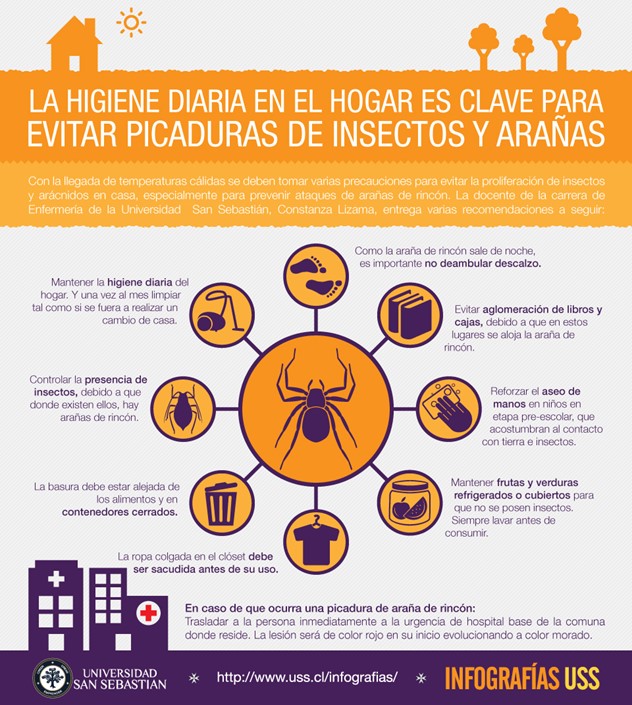
High Wind Dangers (Construction) Fallen Phrases

When high winds are going to be present, plan work accordingly. Avoid certain tasks during high winds. It is important to realize that high winds can pose a threat and are safety hazards.
When high winds are going to be present, plan work accordingly. Avoid certain tasks during high winds. It is important to realize that high winds can pose a threat and are safety hazards.

Source: https://wilkinssafety.co.uk
Knives are necessary tools in many workplaces, and they are used daily in virtually every industry. Companies need them to get boxes opened, materials cut and to perform general maintenance tasks. It is essential that your employees understand how to use knives correctly, and that they follow safety rules in every situation.
ACCIDENTS INVOLVING UTILITY KNIVES OCCUR FOR THE FOLLOWING REASONS:
Every tool is unique and built for specific tasks. Therefore, there are right knives for a job, and there are also wrongs ones. Regular utility knives, scissors and retractable safety knives each have their intended purposes.
Factors to Consider When Selecting the Right Safety Knives:
Knife Blade – What kind of blade is appropriate for the job? Should it be firm or flexible? Does it need to be retractable?
Knife Edge – Do you need a fine edged blade for a smooth, clean cut? Would serrated blades be more effective?
Handle Size – Is the size of the knife’s handle large enough for a secure grip? If your employee can’t get a good hold, their hand could slip forward over the blade when they are cutting.
Handle Design – How often will your employees be using their knives? Is an ergonomic design important to alleviate injuries that repetitive movements could cause?
Material – What material is the knife made from? Your industry may determine what type you need. For example, if you are in the food and beverage industry, your knives must be made of a material that will not rust and is detectable with a metal detector.
When you have the right tools for the job, you are doing your part to ensure your team’s safety. Plus, having the appropriate tools also makes it easier for your employees to do their work and can increase their productivity.
Creating and implementing a comprehensive knife safety program is essential in making sure that your workers follow all of the proper safety procedures every time they use a knife.
The following are safety precautions to keep in mind when using utility knives:
There are many other hazards and best practices depending on the work tasks being performed. For example, considerations and best practices regarding knife use vary greatly between an electrician and a cook in a restaurant. Evaluate the work tasks and the knives being used for these tasks.
‘That’s not a knife’: accidental stabbing not employer’s fault
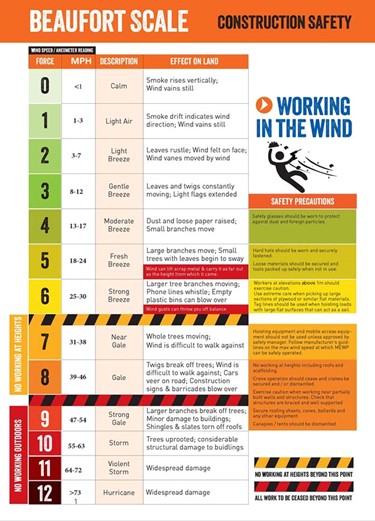
An earthmoving contractor has been sued for a stabbing wound from the owner’s son to a co-worker at a Redbank Plains construction site during a lunch break.
Joshua Boon, a labour-hire employee deployed to Downer EDI’s civil works site at Highbury Drive who operated an asphalt laying paving machine, claimed $200k in injury compensation for the injury.
The wound was inflicted at the hand of Tim Sommerfeldt, a bobcat driver for Downer subcontractor Big Bill’s Bobcats, owned by his father Bill.
On 16 September 2011, they both took their lunch break on a grassy knoll adjacent to the site. Summerfeldt was using the blade of his Leatherman Multi-tool – which was 18cm fully extended – to peel an orange. As he stood up from a crouching position – blade and orange in hand – Boon approached.
That innocent motion resulted in the unfortunate penetration of Boon’s left hand by the “extremely sharp” blade.
Boon sued Big Bill’s for his injury – and the resulting three rounds of surgery – on grounds it had allowed personnel to bring dangerous weapons, such the “9 inch knife” by which he thought he had been wounded, onto the site.
Accepting the “weapon” was none other than a Leatherman – containing among other devices, pliers, screwdrivers, a file and a saw that had everyday on-site applications – Boon nevertheless contended that Big Bill’s ought to have implemented sufficient measures limiting the use of such tools to ensure the safety of co-workers and others.
Because of the potential danger of the sharp blade, he argued, Summerfeldt (for whom he asserted Big Bill’s was also vicariously liable) owed a duty to ensure it was retracted whenever there was any risk of physical contact.
Summerfeldt had after all, ascended from the crouching position with the blade extended without checking to see whether anyone in the vicinity who might be injured by such action.
But it was Boon who was moving towards Summerfeldt and must have seen him rising, observed Justice Ann Lyons in the three day Brisbane Supreme Court trial.
“The accident did not happen simply because Summerfeldt had a knife in his possession,” ruled Justice Ann Lyons in Brisbane’s Supreme Court, “but because Boon had moved very close when he had used it to peel an orange”.
She accepted the defendant’s argument that he acted reasonably and the risk of injury from “rising on the spot” was insignificant. “No reasonable person in his position would have taken additional precautions,” she wrote in her 25 page judgment.
Boon’s $200k claim was rejected and he was ordered to pay Big Bill’s legal costs.
Boon appealed and on 26/02/2016, the appeal judges reversed Justice Lyons’ decision because of an “inescapable conclusion that there was a foreseeable risk that a passer-by might have been struck by the blade of the knife”.
“A reasonable person would have taken the simple precaution of looking properly to see if there was any person approaching his vicinity before he began to rise or would have retracted the blade on the knife”.
Damages to $225k were ordered in Boon’s favour.
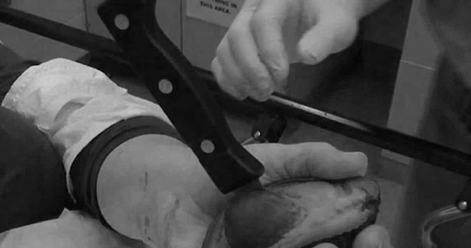
Approximately 8,900 emergency room visits in 2018 could be directly tied to avocados.
According to an analysis by Insider, over 70% of the injuries were sustained by women, and, in cases where race was reported, 80% of injuries were sustained by white people. The oldest person to visit the ER for an avocado-related laceration was 75, and the youngest was 8. Most of those hurt by avocados were, in fact, millennials.
CUCHILLOS DE HOJA ABIERTA FIJA
Los cuchillos son herramientas necesarias en muchos lugares de trabajo, y se utilizan a diario en prácticamente todas las industrias. Las empresas los necesitan para abrir cajas, cortar materiales y realizar tareas de mantenimiento general. Es esencial que sus empleados sepan cómo utilizar los cuchillos correctamente, y que sigan las normas de seguridad en cada situación.
LOS ACCIDENTES CON CUCHILLOS UTILITARIOS SE PRODUCEN POR LAS SIGUIENTES RAZONES
Utilice la herramienta adecuada para el trabajo
Cada herramienta es única y está construida para tareas específicas. Por lo tanto, hay cuchillos correctos para un trabajo, y también los hay incorrectos. Las navajas normales, las tijeras y los cuchillos de seguridad retráctiles tienen cada uno su propósito.
Factores a tener en cuenta al seleccionar los cuchillos de seguridad adecuados:
Hoja del cuchillo – ¿Qué tipo de hoja es apropiada para el trabajo? ¿Debe ser firme o flexible? ¿Necesita ser retráctil?
Filo del cuchillo – ¿Necesita una hoja de filo fino para un corte suave y limpio? ¿Sería más eficaz una hoja dentada?
Tamaño del mango – ¿Es el tamaño del mango del cuchillo lo suficientemente grande para un agarre seguro? Si su empleado no puede agarrarlo bien, su mano podría deslizarse hacia delante sobre la hoja cuando esté cortando.
Diseño del mango – ¿Con qué frecuencia utilizarán sus empleados los cuchillos? ¿Es importante un diseño ergonómico para aliviar las lesiones que podrían causar los movimientos repetitivos?
Material – ¿De qué material está hecho el cuchillo? Su sector puede determinar el tipo que necesita. Por ejemplo, si usted está en la industria de alimentos y bebidas, sus cuchillos deben estar hechos de un material que no se oxide y que sea detectable con un detector de metales.
Cuando tiene las herramientas adecuadas para el trabajo, está haciendo su parte para garantizar la seguridad de su equipo. Además, tener las herramientas adecuadas también facilita el trabajo de sus empleados y puede aumentar su productividad.
IMPLEMENTE UN PROGRAMA INTEGRAL DE SEGURIDAD CON CUCHILLOS
La creación e implementación de un programa integral de seguridad con cuchillos es esencial para garantizar que sus trabajadores sigan todos los procedimientos de seguridad adecuados cada vez que utilicen un cuchillo.
Las siguientes son las precauciones de seguridad que deben tenerse en cuenta al utilizar cuchillos utilitarios:
Existen muchos otros riesgos y mejores prácticas en función de las tareas que se realicen. Por ejemplo, las consideraciones y las mejores prácticas relativas al uso de cuchillos varían mucho entre un electricista y un cocinero en un restaurante. Evalúe las tareas de trabajo y los cuchillos que se utilizan para estas tareas.
Muchos accidentes con cuchillos multiusos ocurren por las siguientes razones:
‘Eso no es un cuchillo’: el apuñalamiento accidental no es culpa del empresario
Un contratista de movimiento de tierras ha sido demandado por una puñalada del hijo del propietario a un compañero de trabajo en una obra de Redbank Plains durante la pausa del almuerzo.
Joshua Boon, empleado contratado en la obra civil de Downer EDI en Highbury Drive, que manejaba una máquina de pavimentación de asfalto, reclamó una indemnización de 200.000 dólares por la herida.
La herida se la infligió Tim Sommerfeldt, conductor de un bobcat del subcontratista de Downer Big Bill’s Bobcats, propiedad de su padre Bill.
El 16 de septiembre de 2011, ambos se tomaron su descanso para comer en una loma de hierba adyacente a la obra. Summerfeldt estaba utilizando la hoja de su multi – herramienta Leatherman -que tenía 18 cm completamente extendida- para pelar una naranja. Cuando se levantó de una posición agachada, con la hoja y la naranja en la mano, Boon se acercó.
Ese movimiento inocente provocó la desafortunada penetración de la hoja “extremadamente afilada” en la mano izquierda de Boon.
Boon demandó a Big Bill’s por su lesión -y las tres rondas de cirugía resultantes- alegando que había permitido que el personal llevara al lugar armas peligrosas, como el “cuchillo de 9 pulgadas” con el que creía haber sido herido.
Aceptando que el “arma” no era otra que una Leatherman -que contenía, entre otros dispositivos, alicates, destornilladores, una lima y una sierra que tenían aplicaciones cotidianas en la obra-, Boon sostenía, no obstante, que Big Bill’s debería haber aplicado medidas suficientes que limitaran el uso de tales herramientas para garantizar la seguridad de los compañeros de trabajo y de otras personas.
Debido al peligro potencial de la cuchilla afilada, argumentó, Summerfeldt (de quien afirmó que Big Bill’s era también responsable subsidiario) tenía la obligación de asegurarse de que la cuchilla se retirara siempre que hubiera riesgo de contacto físico.
Al fin y al cabo, Summerfeldt había subido desde la posición agachada con la hoja extendida sin comprobar si había alguien en las inmediaciones que pudiera resultar herido por esa acción.
Sin embargo, fue Boon quien se acercó a Summerfeldt y debió verle levantarse, observó la jueza Ann Lyons en el juicio de tres días celebrado en el Tribunal Supremo de Brisbane.
“El accidente no se produjo simplemente porque Summerfeldt tuviera un cuchillo en su poder”, dictaminó la juez Ann Lyons en el Tribunal Supremo de Brisbane, “sino porque Boon se había acercado mucho cuando lo utilizó para pelar una naranja”.
Aceptó el argumento del acusado de que había actuado de forma razonable y que el riesgo de lesiones por “levantarse en el acto” era insignificante. “Ninguna persona razonable en su posición habría tomado precauciones adicionales”, escribió en su sentencia de 25 páginas.
La reclamación de Boon de 200.000 dólares fue rechazada y se le condenó a pagar las costas legales de Big Bill.
Boon apeló y el 26/02/2016, los jueces de apelación revocaron la decisión de la jueza Lyons debido a una “conclusión ineludible de que había un riesgo previsible de que un transeúnte pudiera haber sido golpeado por la hoja del cuchillo”.
Aproximadamente 8.900 visitas a las salas de emergencia en 2018 podrían estar directamente vinculadas a los aguacates.
Según un análisis de Insider, más del 70% de las lesiones fueron sufridas por mujeres y, en los casos en los que se informó de la raza, el 80% de las lesiones fueron sufridas por personas blancas. La persona de mayor edad que acudió a urgencias por una laceración relacionada con el aguacate tenía 75 años, y la más joven, 8. La mayoría de los heridos por aguacates eran, de hecho, millennials.
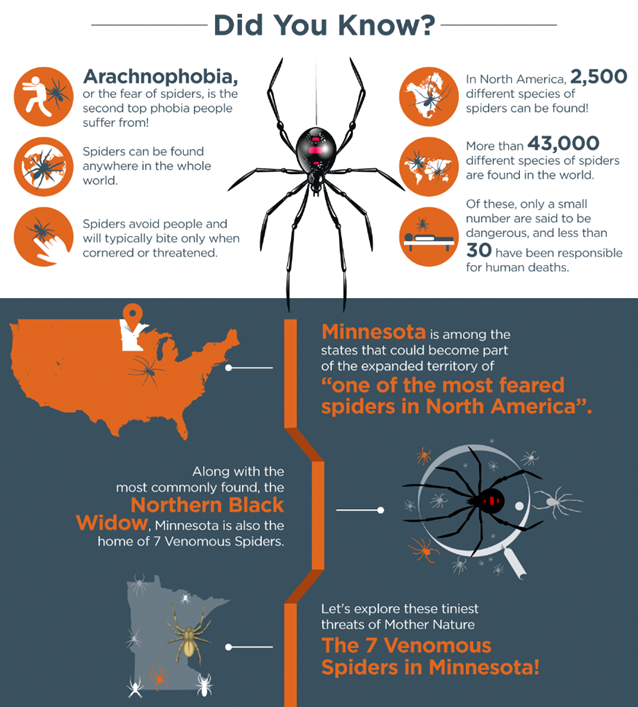
Venomous spiders found in the United States include the black widow and the brown recluse. These spiders can be dangerous to outdoor workers. These spiders occasionally find their way inside structures or buildings and can also present a risk to indoor workers including machine operators, janitors, and cashiers (Bureau of Labor Statistics Monthly Review – Insects bites, stings cause thousands of workplace injuries external icon). Spiders are usually not aggressive and most bites occur because a spider is trapped or unintentionally contacted. It is important for employers to educate their workers about their risk of exposure to venomous spiders.
It may take 30 minutes to 2 hours or longer before you feel any effects from a spider bite, so if you know you’ve been bitten, pay attention to symptoms. Less serious spider bites may cause the following symptoms:
Natural remedies
If OTC creams and ointments don’t do the trick, or you want to help speed your healing, there are some natural home remedies for spider bites that may work.
Aloe Vera gel can soothe skin and help it heal faster. Essential oils may help with both pain and healing when diffused, inhaled, or applied to the skin with a carrier oil.
Lavender oil may help to reduce pain, according to a 2015 study.
Rose oil may help to reduce pain, according to a 2017 literature review Trusted Source.
Bergamot works against nerve pain in mice, according to a 2018 study Trusted Source.
Chamomile can help to reduce skin inflammation and irritation, according to a 2010 literature review Trusted Source.
WHEN TO SEE A DOCTOR
If you’re bitten by a spider whose venom you suspect is toxic to people, it’s important that you see a doctor as soon as you can. Although many people get spider bites without developing severe reactions, if a complication does arise, it can be serious.
Even if you have a milder bite from a nonvenomous spider, it’s important to see a doctor if you experience an allergic reaction, especially if you have trouble breathing or swallowing, or experience heart palpitations.
Also seek medical attention if any of your symptoms seem extreme, if your symptoms are getting worse instead of better, or if the spider bite has become infected.
11 tips for avoiding spiders
Takeaway
Spiders usually prey on insects, not humans. However, they’ll bite if they feel threatened, even if you don’t realize that you’ve done anything to scare them.
Before you try to treat spider bites yourself, it’s important to know whether you were bitten by a venomous spider, as well as the risks.
If the bite is mild, there are many OTC and natural treatments that may be beneficial. If you were bitten by a more dangerous spider, or you’re unsure what bit you, call a doctor to make sure you get care.
Inspecting work areas, wearing clothing that covers all skin, and wearing gloves are simple steps to take when working in places where these spiders live. Never hesitate to get proper medical attention if you think you have been bit by one of these spiders. It is always important to report any insect bites to a supervisor that occur at work in case they become worse once you leave work for the day.
Man bitten by spider in bed in Brazil dies after being ‘too macho’ to see doctor
A dad who was “too macho” to see a doctor after being bitten in bed by a spider ended up dying from the bite.
48-year-old Luciano Marchioro was asleep in Pato Branco, Brazil, when he was nipped in the leg by the brown spider which was hidden in his sheets.
Marchioro’s son Rodrigo, revealed his dad was bitten on November 3 but “he thought he didn’t need medical attention”.
Marchioro’s family claimed his “stubborn refusal to go to the doctor and macho attitude” directly contributed to his untimely death.
Rodrigo, 22, said: “He hated going to the doctors and refused to get it checked out. But after three days, the poison began to affect his legs and started to compromise the functioning of his kidneys.
“It turned out that the infection had spread. At first he thought it was a virus or something but he kept leaving it. After three days of putting it off, his leg was badly swollen and he had not been able to urinate throughout this whole period.”
His heartbroken mother Inelde, 74, wept: “Luciano waited too long and it got too late. He was trying to tough it out like a hard guy, to be all macho and resilient but it was the wrong way to act.
“I want to warn others to watch out for your family members and take care of them. Make them run to the emergency room. If they’re men, don’t let them give you ‘macho excuses’ because they believe it’s the manly thing to do.”
Source: https://www.rovepestcontrol.com
ARAÑAS VENENOSAS
Las arañas venenosas que se encuentran en Estados Unidos son la viuda negra y la reclusa parda. Estas arañas pueden ser peligrosas para los trabajadores de exteriores. En ocasiones, estas arañas se cuelan en el interior de estructuras o edificios y también pueden suponer un riesgo para los trabajadores de interior, incluidos los operadores de máquinas, los conserjes y los cajeros (Bureau of Labor Statistics Monthly Review – Las mordeduras y picaduras de insectos causan miles de lesiones en el lugar de trabajo). Las arañas no suelen ser agresivas, y la mayoría de las mordeduras se producen porque la araña queda atrapada o entra en contacto con ella involuntariamente. Es importante que los empleadores eduquen a sus trabajadores sobre el riesgo de exposición a las arañas venenosas.
SÍNTOMAS DE LA PICADURA DE ARAÑA
Pueden pasar de 30 minutos a 2 horas o más antes de sentir los efectos de una picadura de araña, así que si sabe que le han picado, preste atención a los síntomas. Las picaduras de araña menos graves pueden provocar los siguientes síntomas:
Remedios naturales
Si las cremas y pomadas de venta libre no funcionan, o si quieres acelerar la curación, hay algunos remedios caseros naturales para las picaduras de araña que pueden funcionar.
El gel de aloe vera puede calmar la piel y ayudar a que se cure más rápido. Los aceites esenciales pueden ayudar tanto al dolor como a la curación cuando se difunden, se inhalan o se aplican a la piel con un aceite portador.
El aceite de lavanda puede ayudar a reducir el dolor, según un estudio de 2015.
El aceite de rosa puede ayudar a reducir el dolor, según una revisión bibliográfica de 2017 Trusted Source.
La bergamota funciona contra el dolor nervioso en ratones, según un estudio de 2018 Trusted Source.
La manzanilla puede ayudar a reducir la inflamación y la irritación de la piel, según una revisión bibliográfica de 2010 Trusted Source.
CUANDO ACUDIR AL MÉDICO
Si le pica una araña cuyo veneno sospecha que es tóxico para las personas, es importante que vea a un médico tan pronto como pueda. Aunque muchas personas sufren picaduras de araña sin desarrollar reacciones graves, si se produce una complicación, ésta puede ser seria.
Aunque la picadura de una araña no venenosa sea leve, es importante que acuda al médico si experimenta una reacción alérgica, especialmente si tiene problemas para respirar o tragar, o experimenta palpitaciones.
Busque también atención médica si alguno de sus síntomas parece extremo, si sus síntomas empeoran en lugar de mejorar o si la picadura de araña se ha infectado.
Recuerde
Las arañas suelen alimentarse de insectos, no de seres humanos. Sin embargo, pican si se sienten amenazadas, incluso si no se da cuenta de que ha hecho algo para asustarlas.
Antes de intentar tratar las picaduras de araña por usted mismo, es importante saber si le ha picado una araña venenosa, así como los riesgos.
Si la picadura es leve, hay muchos tratamientos naturales y de venta libre que pueden ser beneficiosos. Si le ha picado una araña más peligrosa, o no está seguro de qué le ha picado, llame a un médico para que lo atienda.
Inspeccionar las zonas de trabajo, llevar ropa que cubra toda la piel y usar guantes son medidas sencillas que hay que tomar cuando se trabaja en lugares donde viven estas arañas. No dude nunca en recibir atención médica adecuada si cree que le ha picado una de estas arañas. Siempre es importante informar a un supervisor de cualquier picadura de insecto que se produzca en el trabajo, por si se agrava una vez que se abandona el trabajo por ese día.
Un hombre picado por una araña en la cama en Brasil muere tras ser “demasiado macho” para ir al médico
Un padre que fue “demasiado macho” para acudir a un médico tras ser picado en la cama por una araña acabó muriendo a causa de la mordedura.
Luciano Marchioro, de 48 años, estaba durmiendo en Pato Branco (Brasil) cuando la araña marrón, escondida entre las sábanas, le picó en la pierna.
El hijo de Marchioro, Rodrigo, reveló que su padre fue mordido el 3 de noviembre, pero “pensó que no necesitaba atención médica”.
La familia de Marchioro afirma que su “obstinada negativa a ir al médico y su actitud machista” contribuyeron directamente a su prematura muerte.
Rodrigo, de 22 años, dijo: “Odiaba ir a los médicos y se negaba a que lo revisaran. Pero al cabo de tres días, el veneno empezó a afectar a sus piernas y a comprometer el funcionamiento de sus riñones.
“Resultó que la infección se había extendido. Al principio pensó que era un virus o algo así, pero siguió dejándolo. Al cabo de tres días de dejarlo, tenía la pierna muy hinchada y no había podido orinar en todo ese tiempo”.
Su desconsolada madre, Inelde, de 74 años, lloraba: “Luciano esperó demasiado tiempo y se hizo demasiado tarde. Intentaba resistir como un tipo duro, hacerse el macho y resistir, pero era la forma equivocada de actuar”.
“Quiero advertir a los demás que tengan cuidado con los miembros de su familia y los atiendan. Haced que corran a urgencias. Si son hombres, no dejes que te pongan ‘excusas de macho’ porque creen que es lo más varonil”.
Concrete Burns Safety Talk
Concrete work is usually hard physical labor that presents many different hazards for the individuals who work in this field. While there needs to be a steady or even fast pace at times, it is important to take the time to recognize the hazards of the work and mitigate them. A common hazard that needs to be discussed and addressed when working with concrete is concrete burns (also called cement burns).
AT RISK
Any employee who has skin contact with wet portland cement has the potential to develop cement-related skin problems. Portland cement is an ingredient in concrete, mortar, plaster, grout, stucco, terrazzo.
SKIN IRRITATION
Irritation is caused by the skin’s exposure to concrete and, more specifically, its aggregate material makeup.
CONCRETE BURNS – CAUSES
Once concrete starts hardening, burns can form slowly over hours or days. That’s because, in order for concrete to harden, it has to absorb moisture, drawing water away from anything that holds moisture—even wet clothing and skin—which only aids in the drying process.
If hardened concrete is left untreated on the skin, skin begins to blister, swell, and bleed, leading to first-, second-, and even third-degree burns following soon after. Severe cases of concrete skin irritation can lead to permanent scarring and even require skin grafts or amputations.
DERMATITIS – CAUSES
Prolonged exposure to wet cement can make you susceptible to Irritant Contact Dermatitis (ICD). ICD will cause the skin to itch, scab, and become red or swollen. Multiple ICD experiences can lead to Allergic Contact Dermatitis (ACD), a long-term sensitivity to the chemicals in cement.
PREVENT CEMENT – RELATED SKIN PROBLEMS
The best way to prevent cement-related skin problems is to minimize skin contact with wet portland cement.
Good Practices for Glove Selection and Use
Good Practices for Use of Boots and Other Protective Clothing and Equipment
Good Practices for Skin Care
Working with concrete comes with many hazards. Concrete burns can strike an unprepared worker quickly. Take the necessary steps to protect your skin from the harmful burns wet concrete can cause.
Two men working for a municipality subcontractor died of burns received while installing a valve in a concrete sewage channel. The victims both had confined space safety training and were using a pneumatic hammer to chip the concrete channel wall.
The first man’s clothing abruptly caught fire. The second man jumped into the channel to help the first, but his clothing also caught fire. Co-workers shouted at them to “stop, drop and roll,? but the men suffered burns to 80 percent of their bodies. The men were transported to a burn center, where they died of their injuries.
The channel carried waste sewage, injected with 60 percent oxygen to aid in treatment. Excess oxygen was being released into the air, and the workers’ clothes became saturated. It appears the pneumatic hammer struck a spark from the concrete wall, which set the two men on fire. Because of the oxygen-rich atmosphere and clothing, the fire was extremely hot and fast.
There was no confined space entry program or rescue plan at the sewage plant, and no atmosphere test was conducted.
The host employer did not tell the contractor’s work crew what to expect in the channel nor what hazards might be present. Contractor’s employees should be briefed as new workers are briefed to raise their awareness of danger.

What’s wrong in this picture? There is a construction worker working with concrete without any proper PPE to protect his hands from concrete burns!
Cement can not only irritate your hands, it can burn them. Protect your hands. You need them to pick up your paycheck.
Cement Burns can look just as nasty as any burn from a heat source, and can be just as intense—second or third degree. They’re caused by longer exposure to wet cement.
It is necessary when working with concrete to wear gloves and rubber boots, tuck the sleeves into the gloves, and pants into the boots, and then tape around the edges, and also clean the PPE daily.
Charla sobre la seguridad de las quemaduras en el hormigón
El trabajo del hormigón suele ser un trabajo físico duro que presenta muchos peligros diferentes para las personas que trabajan en este campo. Aunque a veces es necesario un ritmo constante o incluso rápido, es importante tomarse el tiempo para reconocer los peligros del trabajo y mitigarlos. Un peligro común que debe ser discutido y abordado cuando se trabaja con hormigón es el de las quemaduras de hormigón (también llamadas quemaduras de cemento).
EN RIESGO
Cualquier empleado que tenga contacto con la piel del cemento portland húmedo tiene el potencial de desarrollar problemas cutáneos relacionados con el cemento. El cemento portland es un ingrediente del hormigón, el mortero, el yeso, la lechada, el estuco y el terrazo.
IRRITACIÓN DE LA PIEL
La irritación está causada por la exposición de la piel al hormigón y, más concretamente, por su composición de material agregado.
QUEMADURAS EN EL HORMIGÓN – CAUSAS
Una vez que el hormigón comienza a endurecerse, las quemaduras pueden formarse lentamente durante horas o días. Esto se debe a que, para que el hormigón se endurezca, tiene que absorber la humedad, extrayendo el agua de cualquier cosa que contenga humedad -incluso la ropa y la piel mojadas-, lo que sólo ayuda al proceso de secado.
Si el hormigón endurecido se deja sin tratar en la piel, ésta empieza a ampollarse, hincharse y sangrar, lo que provoca quemaduras de primer, segundo e incluso tercer grado poco después. Los casos graves de irritación de la piel por el hormigón pueden provocar cicatrices permanentes e incluso requerir injertos de piel o amputaciones.
DERMATITIS – CAUSAS
La exposición prolongada al cemento húmedo puede hacerle susceptible de padecer una dermatitis de contacto irritante (DCI). La DCI hace que la piel pique, forme costras y se enrojezca o hinche. Múltiples experiencias de DCI pueden conducir a la Dermatitis de Contacto Alérgica (DCA), una sensibilidad a largo plazo a los productos químicos del cemento.
PREVENIR LOS PROBLEMAS DE LA PIEL RELACIONADOS CON EL CEMENTO
La mejor manera de prevenir los problemas cutáneos relacionados con el cemento es minimizar el contacto de la piel con el cemento portland húmedo.
Buenas prácticas para la selección y uso de guantes
Buenas prácticas para el uso de botas y otra ropa y equipo de protección
Buenas prácticas para el cuidado de la piel
Trabajar con hormigón conlleva muchos riesgos. Las quemaduras de hormigón pueden afectar rápidamente a un trabajador desprevenido. Tome las medidas necesarias para proteger su piel de las dañinas quemaduras que el hormigón húmedo puede causar.