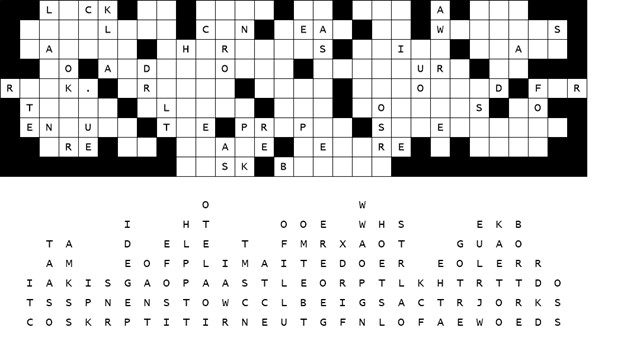
Knowing What to do in an Emergency Fallen Phrases

Answer: No one wants to think of something bad happening at work, but when it does occur you need to be prepared for it. Before helping a victim of an incident or before assisting in an emergency, always ensure it is safe for you to do so. Do not overreact. Rushing or making poor choices when dealing with an emergency can result in more victims or create a worse situation in general. Knowing what to do in an emergency is just as important as knowing how to prevent them from happening in the first place.


Knowing What to do in an Emergency Fallen Phrases – Spanish

Respuesta: Nadie quiere pensar que algo malo ocurra en el trabajo, pero cuando ocurre hay que estar preparado para ello. Antes de ayudar a una víctima de un incidente o antes de asistir a una emergencia, asegúrese siempre de que es seguro hacerlo. No reaccione de forma exagerada. Apresurarse o tomar decisiones equivocadas cuando se trata de una emergencia puede provocar más víctimas o crear una situación peor en general. Saber qué hacer en una emergencia es tan importante como saber cómo evitar que se produzcan en primer lugar.


Fire Extinguishers Meeting Kit

FIRE EXTINGUISHER USE AND INSPECTION 

Fire extinguishers can be an important tool in preventing a small fire from growing larger. However, they should not be used to combat large or rapidly spreading fires. It is important to understand how to use a fire extinguisher and the limitations they have.

EMPLOYEES NEED TO KNOW THE BASICS OF FIRE EXTINGUISHERS 

Evacuate immediately if the fire has become too large to handle, it’s rapidly spreading, or the extinguisher is empty, and the flames are still burning.

When it comes to fire extinguisher use, remember that not all fire extinguishers are the same. Each one has a label indicating the type of fire it’s to be used for.

Under a standardized letter coding system, most fires fall into the A, B, or C category. If your fire extinguisher is rated for all three, the label will have all three letters. The D and K categories are for more specialized situations.

TYPES OF EXTINGUISHERS

The first thing to know about fire extinguishers is that there are several types that are used in different situations.

  • Class A Extinguishers are used on regular combustibles like wood and paper.
  • Class B Extinguishers are for flammable liquids such as gasoline, oil, or grease.
  • Class C Extinguishers are only used for energized electrical fires related to equipment
  • Class D Extinguishers are used for flammable metals like lithium or magnesium.
  • Class K Extinguishers are required where there are combustible cooking materials in kitchens.

Each type of fire extinguisher has its own requirements for placement as well as the required number to be used.

EMPLOYEES NEED TO KNOW HOW TO USE A FIRE EXTINGUISHER 

P.A.S.S. Method – Outlines Four Steps 

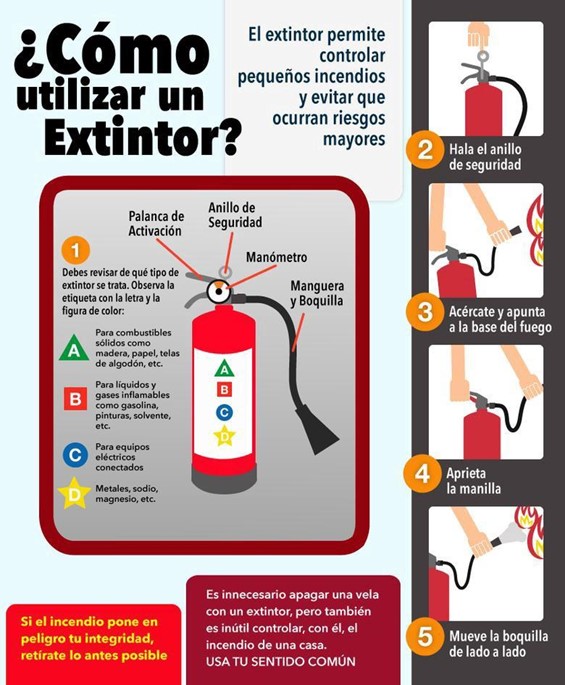
The easiest way to remember how to use a fire extinguisher is to follow the P.A.S.S. method. The PASS acronym was developed to allow people to remember the basic four steps to properly using a fire extinguisher.

P- Pull. Pull the pin. Hold the extinguisher away and release the locking mechanism.

A- Aim. Aim the stream towards the base of the fire. Spraying the flames will not put the fire out.

S- Squeeze. Squeeze the lever slowly and evenly. Pulling the lever too fast may shoot the stream from your target wasting the valuable firefighting agent.

S- Sweep. Sweep the nozzle side to side to combat the fire.

HOW TO SELECT A FIRE EXTINGUISHER 

  • The size of the facility: To calculate the number of extinguishers that you would need divide the square footage of the building by the number of square feet that the fire extinguisher can handle.
  • The layout of the room: The NFPA states that there should not be more than 75 feet between fire extinguishers.
  • The fire hazard level of the building: Is there a light fire hazard, ordinary fire hazard (class 1 or 2), an extra fire hazard (class 1 or 2), or does the building include a commercial kitchen?
  • If there are any flammable liquids around: If flammable liquids or gases are stored in more than 5-gallon containers, then there must be at the minimum a 10B rated fire extinguisher within 50 feet of the substance.
  • The presence of stairwells: There must at least one fire extinguisher across from stairwells in multiple-level facilities.

TRAINING AND EDUCATION FOR EMPLOYEES

  • Employers must provide an educational program to familiarize employees with the general principles of fire extinguisher use and the hazards involved with incipient stage fire fighting.
  • Provide this education when employees are first hired and once a year thereafter.

FIRE EXTINGUISHER INSPECTION TIPS 

  • Extinguishers should be checked every 30 days. 
  • Ensure the pressure is okay when inspecting a fire extinguisher. There is a gauge that has an arrow that should be in the green portion of the gauge. If the arrow is in the red the fire extinguisher needs to be tagged out of service until recharged.

MORE EMPLOYEE RESPONSIBILITY 

Employee responders to a fire should be trained in the following protocol:

  • If appropriate, sound the fire alarm or call the fire department immediately.
  • Before approaching the fire, determine an evacuation route safe of flames, excessive heat and smoke. Do not allow this evacuation route to become blocked.
  • Use the PASS technique for discharging an extinguisher and back away from the area if the fire flares up again.
  • If the extinguisher is empty and the fire is not out, evacuate immediately.

SCOPE OF FIRE EXTINGUISHER USE 

Fire extinguishers are meant to handle only small fires. If any of the following conditions are present, workers should follow evacuation procedures immediately and should not attempt to fight the fire with an extinguisher:

  • The fire is too large. The fire involves flammable solvents, is partially hidden behind a wall or ceiling, cannot be reached from a standing position, or covers more than 60 square feet in area.
  • The air is unsafe to breathe. Smoke levels make the fire impossible to fight without respiratory protection.
  • The environment is too hot or smoky. Radiated heat is easily felt, making it hard to approach a fire within adequate range of using the extinguisher (about 10-15 feet). 
  • Evacuation paths. The fire is not contained and heat, smoke, or flames block potential evacuation routes.

FINAL WORD

It is important to know more than just where the fire extinguishers are located in your work area. Make sure you know how to properly use them in case the time comes where you need to extinguish a fire. Always make sure the fire extinguishers in your work areas are in good condition through thorough inspections.


Fire Extinguishers Meeting Kit – Spanish

QUÉ ESTÁ EN RIESGO

USO E INSPECCIÓN DE EXTINTORES 

Los extintores pueden ser una herramienta importante para evitar que un pequeño incendio crezca. Sin embargo, no deben utilizarse para combatir incendios grandes o de rápida propagación. Es importante entender cómo utilizar un extintor y las limitaciones que tienen.

CUÁL ES EL PELIGRO

LOS EMPLEADOS DEBEN CONOCER LOS ASPECTOS BÁSICOS DE LOS EXTINTORES 

Evacúe inmediatamente si el fuego se ha vuelto demasiado grande para manejarlo, se está extendiendo rápidamente o el extintor está vacío y las llamas siguen ardiendo.

A la hora de utilizar un extintor, recuerde que no todos los extintores son iguales. Cada uno tiene una etiqueta que indica el tipo de fuego para el que debe utilizarse.

Según un sistema estandarizado de codificación por letras, la mayoría de los incendios entran en la categoría A, B o C. Si su extintor está clasificado para las tres, la etiqueta tendrá las tres letras. Las categorías D y K son para situaciones más especializadas.

COMO PROTEGERSE

TIPOS DE EXTINTORES

  • Lo primero que hay que saber sobre los extintores es que hay varios tipos que se utilizan en diferentes situaciones.
  • Los extintores de clase A se utilizan en combustibles normales como la madera y el papel.
  • Los extintores de clase B son para líquidos inflamables como la gasolina, el aceite o la grasa.
  • Los extintores de clase C sólo se utilizan para incendios eléctricos relacionados con equipos.
  • Los extintores de clase D se utilizan para metales inflamables como el litio o el magnesio.
  • Los extintores de clase K son necesarios cuando hay materiales combustibles para cocinar en las cocinas.
  • Cada tipo de extintor tiene sus propios requisitos de colocación, así como el número necesario para su uso.

LOS EMPLEADOS DEBEN SABER CÓMO UTILIZAR UN EXTINTOR 

Método P.A.S.S. – Resume cuatro pasos 

La forma más fácil de recordar cómo utilizar un extintor es seguir el método P.A.S.S. El acrónimo PASS se desarrolló para permitir a la gente recordar los cuatro pasos básicos para utilizar correctamente un extintor.

  • Halar. Hale del perno. Aleje el extintor y libere el mecanismo de cierre.
  • Apuntar. Apunte el chorro hacia la base del fuego. Rociar las llamas no apagará el fuego.
  • Apretar. Apriete la palanca lenta y uniformemente. Tirar de la palanca demasiado rápido puede disparar el chorro desde su objetivo, desperdiciando el valioso agente de extinción.
  • Mover. Mueva la boquilla de lado a lado para combatir el fuego.

CÓMO SELECCIONAR UN EXTINTOR 

  • El tamaño de la instalación: Para calcular el número de extintores que necesitará, divida los metros cuadrados del edificio por el número de metros cuadrados que puede abarcar el extintor.
  • La disposición de la sala: La NFPA establece que no debe haber más de 75 pies entre extintores.
  • El nivel de riesgo de incendio del edificio: ¿Existe un riesgo de incendio leve, un riesgo de incendio ordinario (clase 1 o 2), un riesgo de incendio extra (clase 1 o 2), o el edificio incluye una cocina comercial?
  • Si hay líquidos inflamables alrededor: Si se almacenan líquidos o gases inflamables en recipientes de más de 5 galones, entonces debe haber como mínimo un extintor con clasificación 10B a menos de 50 pies de la sustancia.
  • La presencia de escaleras: Debe haber al menos un extintor frente a los huecos de las escaleras en las instalaciones de varios niveles.

CAPACITACIÓN Y EDUCACIÓN DE LOS EMPLEADOS

  • Los empleadores deben proporcionar un programa educativo para familiarizar a los empleados con los principios generales del uso de extintores y los peligros que conlleva la lucha contra incendios en fase incipiente.
    • Proporcione esta educación cuando los empleados son contratados por primera vez y una vez al año a partir de entonces.

CONSEJOS PARA LA INSPECCIÓN DE EXTINTORES 

Los extintores deben ser revisados periódicamente cada 30 días. 

Asegúrese de que la presión está bien cuando inspeccione un extintor. Hay un manómetro que tiene una flecha que debe estar en la parte verde del manómetro. Si la flecha está en rojo, el extintor debe ser etiquetado como fuera de servicio hasta que se recargue.

MÁS RESPONSABILIDAD DE LOS EMPLEADOS 

Los empleados que respondan a un incendio deben ser entrenados en el siguiente protocolo:

  • Si procede, haga sonar la alarma de incendios o llame a los bomberos inmediatamente.
  • Antes de acercarse al incendio, determine una ruta de evacuación a salvo de las llamas, el calor excesivo y el humo. No permita que esta ruta de evacuación se bloquee.
  • Utilice la técnica PASS para descargar un extintor y aléjese de la zona si el fuego se reaviva.
  • Si el extintor está vacío y el fuego no está apagado, evacúe inmediatamente.

ÁMBITO DE USO DE LOS EXTINTORES 

Los extintores están pensados para tratar únicamente incendios pequeños. Si se da alguna de las siguientes condiciones, los trabajadores deben seguir los procedimientos de evacuación inmediatamente y no deben intentar combatir el fuego con un extintor:

  • El fuego es demasiado grande. El fuego involucra solventes inflamables, está parcialmente escondido detrás de una pared o techo, no puede ser alcanzado desde una posición de pie, o cubre más de 60 pies cuadrados de área.
  • El aire no es seguro para respirar. Los niveles de humo hacen que el fuego sea imposible de combatir sin protección respiratoria.
  • El ambiente es demasiado caliente o humeante. El calor irradiado se siente fácilmente, lo que hace difícil acercarse a un incendio dentro del alcance adecuado para usar el extintor (unos 10-15 pies). 
  • Vías de evacuación. El fuego no está contenido y el calor, el humo o las llamas bloquean las posibles vías de evacuación.

CONCLUSIÓN

Es importante saber algo más que dónde se encuentran los extintores en su área de trabajo. Asegúrese de saber cómo utilizarlos correctamente en caso de que llegue el momento en que tenga que extinguir un incendio. Asegúrese siempre de que los extintores de sus áreas de trabajo están en buen estado mediante inspecciones exhaustivas.


Knowing What to do in an Emergency Fatality File

Confined spaces can be deadly: On average 2 workers will not come home this week. 

(FOREST GROVE, Ore.) Fire officials say one person died and a second was successfully rescued today, after they became trapped in the confined space of an underground manhole on NW Timmerman Road west of Forest Grove. This recent headline could have been taken from just about any newspaper during any given week around the country in 2009. According to data collected by the U.S. Department of Labor (USDOL), Bureau of Labor Statistics (BLS) Census of Fatal Occupational Injuries (CFOI) program, fatal injuries in confined spaces averages 92 fatalities per year. Thats almost two per week. According to OSHA, over 4.8 million confined space entries are made every year in the United States, and over 11,000 injuries that occur could be prevented if employers and workers had simply followed the procedures outlined under 29 CFR 1910. 146.

The causes of most confine space entry incidents are simple; employers and workers fail to recognize and control the hazards associated with confined spaces, and they conduct inadequate or incorrect emergency response, resulting in the death of the initial entrant, the would-be rescuer or both. Pre-planning for confined space entry should include all parties involved and should serve the purpose of reviewing entry procedures as well as covering specific hazards inherent to the spaces being entered.

Confined spaces can be deadly because of the potential for engulfment, oxygen deficiency, oxygen enrichment, flammable gases or vapors, combustible dusts, toxic substances, and other physical hazards. Other health hazards that could impact employee safety include electrical equipment, mechanical equipment, poor visibility, biohazards, claustrophobia, noise, radiation, and temperature.  


Knowing What to do in an Emergency Fatality File – Spanish

Los espacios confinados pueden ser mortales: Una media de 2 trabajadores no volverán a casa esta semana. 

(FOREST GROVE, Ore.) Los bomberos dicen que una persona murió y una segunda fue rescatada con éxito hoy, después de quedar atrapada en el espacio confinado de una alcantarilla subterránea en NW Timmerman Road al oeste de Forest Grove. Este reciente titular podría haberse extraído de cualquier periódico durante una semana cualquiera del país en 2009. Según los datos recogidos por el programa Census of Fatal Occupational Injuries (CFOI) del Departamento de Trabajo de EE. UU. (USDOL), las lesiones mortales en espacios confinados suponen una media de 92 muertes al año. Es decir, casi dos por semana. Según la OSHA, cada año se realizan más de 4,8 millones de entradas en espacios confinados en los Estados Unidos, y las más de 11.000 lesiones que se producen podrían evitarse si los empresarios y los trabajadores se limitaran a seguir los procedimientos descritos en la norma 29 CFR 1910. 146.

Las causas de la mayoría de los incidentes de entrada en espacios confinados son sencillas; los empresarios y los trabajadores no reconocen ni controlan los peligros asociados a los espacios confinados, y llevan a cabo una respuesta de emergencia inadecuada o incorrecta, lo que provoca la muerte del que entra inicialmente, del que pretende rescatar o de ambos. La planificación previa a la entrada en espacios confinados debe incluir a todas las partes implicadas y debe servir para revisar los procedimientos de entrada, así como para cubrir los peligros específicos inherentes a los espacios en los que se entra.

Los espacios confinados pueden ser mortales debido al potencial de engullimiento, deficiencia de oxígeno, enriquecimiento de oxígeno, gases o vapores inflamables, polvos combustibles, sustancias tóxicas y otros peligros físicos. Otros peligros para la salud que podrían afectar a la seguridad de los empleados son los equipos eléctricos, los equipos mecánicos, la escasa visibilidad, los riesgos biológicos, la claustrofobia, el ruido, la radiación y la temperatura.  


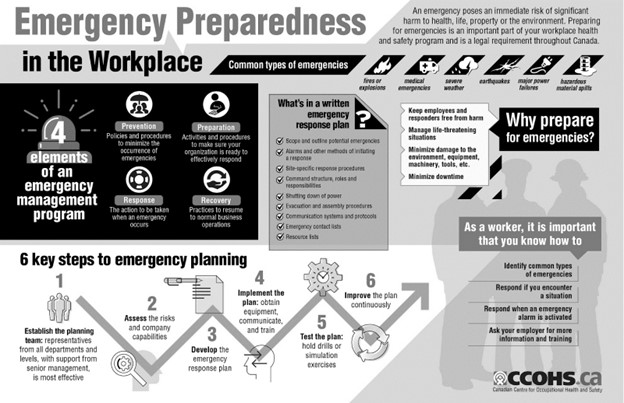
Knowing What to do in an Emergency Picture This

Source: https://www.ccohs.ca/


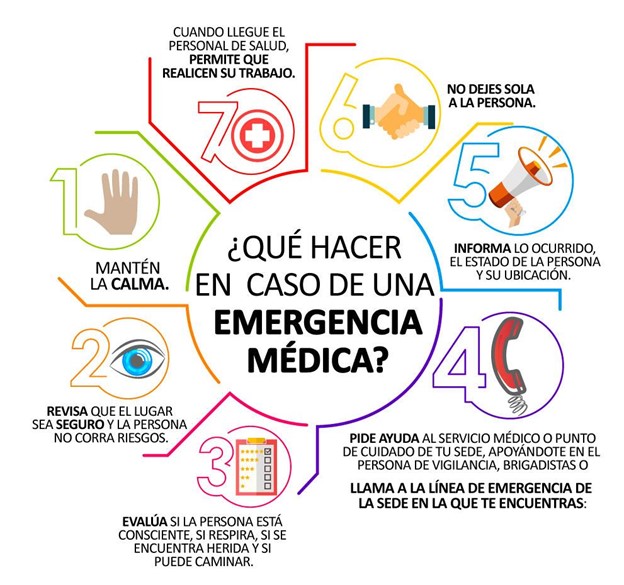
Knowing What to do in an Emergency Picture This – Spanish

Fuente: https://www.urosario.edu.co


Lack of Time Meeting Kit

LACK OF TIME SAFETY TALK 

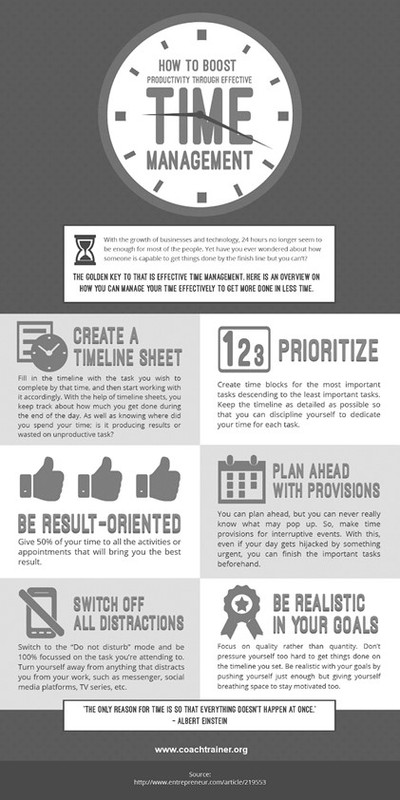
There are many different sources of pressure individuals face at work for getting the job done. Time, or the lack of it, is a major driver in whether or not workers feel that they need to rush to get a job complete. It is important to plan work accordingly to avoid having to rush work tasks.

Time management is the process of planning and exercising conscious control of the time spent on specific activities to work smarter than harder. It is a juggling act of various things that help you increase efficiency.

SOURCES OF TIME PRESSURES ON THE JOB

There are many reasons why there is not enough time to get work done or at least the perception that there is a lack of time. 

Poor preplanning- A lack of planning is a major factor in whether or not employees have to rush to get work done. 

Unrealistic deadlines- Related to poor preplanning, unrealistic deadlines put unnecessary pressure on workers to perform. 

Weather- Weather can throw a huge curve ball at production schedules in the construction industry.

CONSEQUENCES FOR WORKERS OF POOR – TIME MANAGEMENT

Failure to manage time or poor time management skills at work can result in:

  • Missed deadlines and appointments
  • Procrastination and lack of focus
  • Lack of professionalism
  • Inefficient workflow and low work quality
  • Unwanted stress
  • Poor professional reputation
  • Strained workplace relationships
  • Financial penalties
  • Work and life imbalance

BENEFITS OF TIME MANAGEMENT IN A WORKPLACE 

There are many advantages that come along with proper management of time. 

  • Provide a better quality of work: Employees are expected to provide work of certain quality and standards. With the proper utilization of time and prioritization of activities, one can easily provide a better quality of work. Prioritization helps you focus on important tasks by keeping them in the highest priority.
  • More productivity and efficiency: Effective time management skills make you more productive and efficient as a working professional. These skills are helpful in helping you finish tasks as early as possible without compromising on the quality of work. 
  • Much less procrastination: “I will do it later” – This is an excuse that we all have made at some time. The meaning of time management is not just about doing more in less time but also to reduce the urge to delay and procrastinate over important tasks. Applying good time management tricks enable employee to work smarter rather than harder. 
  • Less stress and anxiety: There are times when employees feel overwhelmed due to too much work on their plates. This can not only hamper your productivity but also take a toll on your overall health. Excessive stress and hypertension can lead to heart diseases, depression, obesity and more. 
  • Improved quality of life: Effective time management skills don’t just benefit your professional life but can also improve your life outside of the office. If you keep things under control on the professional front, you get more time to focus on your personal life and relationships. Knowing the fact that tasks and activities are on track will bring a sense of calmness in your personal life. 
  • More opportunities and career growth: Being punctual with your work will not only increase your effectiveness but will also help you earn a good reputation at work.

BEST PRACTICES OF BETTER TIME MANAGEMENT

Plan: Planning, doesn´t necessarily have to follow a strict routine. It means making smarter decisions of knowing the right time to do a task or an activity. The idea behind time management is to work smarter than harder and make time to do other things as well. You can use project management software to plan your tasks and save time smartly. 

Prioritize: Many employees start their day with unimportant tasks or something that can be easily done later. Prioritization helps you realize that not everything you do is important. It is important to focus on your priorities to achieve success at work. Figure out the most important tasks and the ones that are urgent. This categorization will help you focus on what actually needs to be done. 

Don’t multitask: Multi – tasking is one of the biggest time-wasting activities. Instead of accomplishing too many things, you end up achieving nothing out of them. The best way to utilize your time is to take one thing at a time and accomplish it before jumping to the next thing. Make a list of tasks that need to be accomplished in terms of their priority. 

Cut off distractions: Distractions cost us many valuable hours in a day. Mobile phones, chatty coworkers, social media are some of the common distractions at work that almost cost us three hours a day. To not let these distractions, eat up your time, it’s better to cut them off completely from your schedule.

Accept your limitations: There will be occasions where you simply cannot get things done within the specified time frame. This is the point where you accept that there are limits to how productively and efficiently you can manage your time. For example, if you have got twice the normal workload in a day, outsourcing and delegation are your best shots. Don’t just assume that you can get everything done that you wanted in any given time frame.

FINAL WORD

Lack of time to get a job complete can lead to workers taking shortcuts which leads to additional exposure to risk. Proper time allotted for tasks allows for workers to ensure the proper safeguards are in place before a work task begins. When individuals work together to properly preplan and carry out tasks the job goes a lot smoother.


Lack of Time Meeting Kit – Spanish

QUÉ ESTÁ EN RIESGO

FALTA DE TIEMPO CHARLA DE SEGURIDAD 

Son muchas las fuentes de presión a las que se enfrentan los individuos en el trabajo para realizar el trabajo. El tiempo, o la falta de él, es uno de los principales factores que influyen en que los trabajadores sientan que tienen que apresurarse para terminar un trabajo. Es importante planificar el trabajo en consecuencia para evitar tener que apresurarse en las tareas laborales.

La gestión del tiempo es el proceso de planificar y ejercer un control consciente del tiempo dedicado a actividades específicas para trabajar de forma más inteligente que más dura. Es un acto de malabarismo de varias cosas que le ayudan a aumentar la eficiencia.

CUÁL ES EL PELIGRO

FUENTES DE PRESIONES DE TIEMPO EN EL TRABAJO

Hay muchas razones por las que no hay suficiente tiempo para hacer el trabajo o, al menos, la percepción de que falta tiempo. 

Mala planificación- La falta de planificación es un factor importante para que los empleados tengan que apresurarse para hacer el trabajo. 

Plazos poco realistas: relacionados con la mala planificación previa, los plazos poco realistas ejercen una presión innecesaria sobre los trabajadores para que rindan. 

El tiempo – El tiempo puede suponer un gran obstáculo para los programas de producción en el sector de la construcción.

CONSECUENCIAS DE UNA MALA GESTIÓN DEL TIEMPO PARA LOS TRABAJADORES

La falta de gestión del tiempo o la escasa capacidad de gestión del tiempo en el trabajo puede dar lugar a:

  • Incumplimiento de plazos y citas
  • Procrastinación y falta de concentración
  • Falta de profesionalidad
  • Flujo de trabajo ineficaz y baja calidad del trabajo
  • Estrés no deseado
  • Mala reputación profesional
  • Relaciones laborales tensas
  • Sanciones económicas
  • Desequilibrio entre vida y trabajo

COMO PROTEGERSE

BENEFICIOS DE LA GESTIÓN DEL TIEMPO EN EL TRABAJO 

Son muchas las ventajas que conlleva una correcta gestión del tiempo. 

  1. Proporcionar una mejor calidad de trabajo: Se espera que los empleados realicen un trabajo de cierta calidad y nivel. Con la utilización adecuada del tiempo y la priorización de las actividades, se puede proporcionar fácilmente una mejor calidad de trabajo. La priorización le ayuda a centrarse en las tareas importantes manteniéndolas en la más alta prioridad.
  2. Más productividad y eficiencia: Las habilidades de gestión del tiempo efectivas te hacen más productivo y eficiente como profesional del trabajo. Estas habilidades son útiles para ayudarle a terminar las tareas lo antes posible sin comprometer la calidad del trabajo. 
  3. Mucha menos procrastinación: “Lo haré más tarde” – Esta es una excusa que todos hemos puesto alguna vez. El significado de la gestión del tiempo no es sólo hacer más en menos tiempo, sino también reducir el impulso de retrasar y procrastinar las tareas importantes. Aplicar buenos trucos de gestión del tiempo permite al empleado trabajar de forma más inteligente y no más dura. 
  4. Menos estrés y ansiedad: Hay ocasiones en las que los empleados se sienten abrumados debido al exceso de trabajo que tienen. Esto no sólo puede obstaculizar su productividad, sino también pasar factura a su salud en general. El estrés excesivo y la hipertensión pueden conducir a enfermedades del corazón, depresión, obesidad y más. 
  5. Mejora de la calidad de vida: La gestión eficaz del tiempo no sólo beneficia a su vida profesional, sino que también puede mejorar su vida fuera de la oficina. Si mantiene las cosas bajo control en el ámbito profesional, tendrá más tiempo para centrarse en su vida personal y en sus relaciones. Saber que las tareas y actividades van por buen camino aportará una sensación de calma en su vida personal. 
  6. Más oportunidades y crecimiento profesional: Ser puntual en el trabajo no sólo aumentará su eficacia, sino que también le ayudará a ganarse una buena reputación en el trabajo.

MEJORES PRÁCTICAS PARA UNA MEJOR GESTIÓN DEL TIEMPO

Planificar: La planificación no tiene por qué seguir una rutina estricta. Significa tomar decisiones más inteligentes para saber cuál es el momento adecuado para realizar una tarea o una actividad. La idea que subyace a la gestión del tiempo es trabajar de forma más inteligente que dura y sacar tiempo para hacer otras cosas también. Puedes utilizar un software de gestión de proyectos para planificar sus tareas y ahorrar tiempo de forma inteligente. 

Priorizar: Muchos empleados comienzan su día con tareas sin importancia o con algo que se puede hacer fácilmente más tarde. La priorización le ayuda a darse cuenta de que no todo lo que hace es importante. Es importante centrarse en sus prioridades para lograr el éxito en el trabajo. Determina las tareas más importantes y las que son urgentes. Esta categorización le ayudará a centrarse en lo que realmente hay que hacer. 

No hagas varias cosas a la vez: La multitarea es una de las mayores pérdidas de tiempo. En lugar de lograr muchas cosas, acaba por no conseguir nada de ellas. La mejor manera de aprovechar el tiempo es hacer una cosa a la vez y llevarla a cabo antes de pasar a la siguiente. Haga una lista de las tareas que hay que realizar en función de su prioridad. 

Corta las distracciones: Las distracciones nos hacen perder muchas horas valiosas del día. Los teléfonos móviles, los compañeros de trabajo parlanchines y las redes sociales son algunas de las distracciones habituales en el trabajo que casi nos hacen perder tres horas al día. Para no dejar que estas distracciones se coman su tiempo, es mejor eliminarlas por completo de su agenda.

Acepte sus limitaciones: Habrá ocasiones en las que simplemente no pueda hacer las cosas en el tiempo previsto. Este es el momento en el que acepte que hay límites en cuanto a la productividad y la eficiencia con la que puede gestionar su tiempo. Por ejemplo, si tienes el doble de la carga de trabajo normal en un día, la subcontratación y la delegación son sus mejores opciones. No de por sentado que puede hacer todo lo que quería en un plazo determinado.

CONCLUSIÓN

La falta de tiempo para completar un trabajo puede llevar a los trabajadores a tomar atajos, lo que conduce a una exposición adicional al riesgo. La asignación de un tiempo adecuado a las tareas permite a los trabajadores asegurarse de que se han tomado las medidas de seguridad apropiadas antes de comenzar la tarea. Cuando las personas trabajan juntas para planificar y llevar a cabo las tareas de forma adecuada, el trabajo es mucho más fluido.


Fire Extinguishers Stats and Facts – Spanish

HECHOS

  1. La inspección, el mantenimiento y la eliminación adecuados de los extintores pueden evitar fallos potencialmente peligrosos.
  2. Todos los extintores de tipo recargable se recargarán después de cualquier uso o cuando se indique la necesidad mediante una inspección o revisión.
  3. Las fuerzas ambientales y los actos intencionados pueden causar problemas con los extintores.
  4. Un gabinete para extintores de incendios con seguridad de manipulación puede proteger contra los impactos de la humedad y la luz solar.
  5. Los responsables deben asegurarse de que los extintores estén protegidos de forma que no se limite el acceso en caso de emergencia
  6. Los armarios que albergan extintores no deberán estar cerrados con llave, excepto cuando los extintores sean objeto de un uso malintencionado y los armarios incluyan un medio de acceso de emergencia.
  7. Los extintores viejos o inservibles deberán ser retirados y eliminados de forma segura.
  8. Las inspecciones mensuales se centran en gran medida en cuestiones básicas como la pérdida de presión inesperada.
  9. Los riesgos para los extintores pueden dar lugar a inspecciones semanales o diarias más rigurosas centradas en los daños.
  10. Las inspecciones anuales incluyen un examen de los factores que contribuyen a largo plazo a los fallos de los extintores, y pueden incluir pruebas profesionales.

ESTADÍSTICAS

  • Los extintores pueden apagar eficazmente el 80% de los incendios, incluso si el extintor está clasificado como unidad portátil. Cuando se utiliza un extintor en un incendio en Estados Unidos, el 75% de las veces no se requiere la presencia de los bomberos en el incidente. 
  • En el 60% de los incidentes de incendio que se producen, nunca se avisa a los bomberos si hay un extintor presente y accesible. Cada año, casi 2 millones de incendios se resuelven totalmente con un extintor en los Estados Unidos. 
  • Los incendios de estructuras representan el 20% de las llamadas de los departamentos de bomberos municipales y son responsables del 49% de las muertes asociadas a los incendios. 
  • El tipo de extintor más popular vendido por la industria hoy en día es el extintor de clase A, que representa el 41,8% de las ventas totales. 
  • La cocina es también la principal causa de los incendios en edificios no residenciales, con un 29,5% de los incidentes registrados. 
  • Alrededor del 40% de las personas de más de 85 años mueren al verse atrapadas en un incendio, lo cual es 4 veces superior a la tasa nacional de mortalidad por incendio en Estados Unidos.
  • Según la Oficina de Estadísticas Laborales, los incendios y las explosiones supusieron 148 muertes en el lugar de trabajo en 2013, es decir, el 3,4% de todos los accidentes laborales mortales del año.


Fire Extinguishers Stats and Facts

FACTS

  1. Proper inspection, maintenance, and disposal of fire extinguishers can prevent potentially dangerous malfunctions.
  2. All rechargeable-type fire extinguishers shall be recharged after any use or when the need is indicated by an inspection or servicing.
  3. Environmental forces and intentional acts may cause problems with extinguishers.
  4. A tamper-evident fire extinguisher cabinet can protect against the impacts of moisture and sunlight.
  5. Responsible parties must ensure that extinguishers are protected in a way that doesn’t limit access in an emergency
  6. Cabinets housing fire extinguishers shall not be locked, except where fire extinguishers are subject to malicious use and cabinets include a means of emergency access.
  7. Old or unserviceable extinguishers must be removed and safely disposed of.
  8. Monthly inspections focus largely on basic issues like unexpected pressure loss.
  9. Risks to extinguishers may prompt more rigorous weekly or daily inspections focused on damage.
  10. Annual inspections include a look at long-term contributors to extinguisher failure, and may include professional testing.

STATS

  • Fire extinguishers can effectively put out 80% of all fires, even if the extinguisher is classified as a portable unit. When a fire extinguisher is used on a fire in the United States, 75% of the time, the fire department is not required to attend the incident. 
  • In 60% of all fire incidents which occur, the fire department is never notified if a fire extinguisher is present and accessible. Almost 2 million fires are handled entirely by a fire extinguisher in the U.S. every year. 
  • Structure fires account for 20% of municipal fire department calls and are responsible for 49% of deaths that are associated with fires. 
  • The most popular type of fire extinguisher sold by the industry today is the Class A extinguisher, which accounts for 41.8% of total sales. 
  • Cooking is also the primary cause of non-residential building fires, accounting for 29.5% of tracked incidents. 
  • About 40% of people in the 85+ age demographic are killed when caught in a fire, which is 4x higher than the national fire death rate in the United States.
  • According to the Bureau of Labor Statistics, fires and explosion accounted for 148 workplace deaths in 2013—or 3.4% of all fatal occupational injuries for the year.


Lack of Time Fallen Phrases

Answer

Lack of time to get a job complete can lead to workers taking shortcuts which leads to additional exposure to risk. Proper time allotted for tasks allows for workers to ensure the proper safeguards are in place before a work task begins


Lack of Time Fallen Phrases – Spanish

Respuesta:

La falta de tiempo para completar un trabajo puede llevar a los trabajadores a tomar atajos, lo que conduce a una exposición adicional al riesgo. La asignación de un tiempo adecuado a las tareas permite a los trabajadores asegurarse de que se han tomado las medidas de seguridad apropiadas antes de comenzar la tarea.


Fire Extinguishers Fatality File

Exploding fire extinguisher kills contractor working at Manhattan postal facility 

A fire extinguisher exploded at a Chelsea postal facility Wednesday, killing a contractor working there, authorities said.

The freak explosion took place on the fourth floor of the Morgan General Mail Facility on Ninth Ave. near W. 29th St. about 8:15 a.m., officials said. “It sounded like a bomb,” said Noel Tlatelpa, a witness who works down the block from the facility. “Then it was all chaos.”

A 35-year-old contractor working in the building was hit in the neck with shrapnel and died at the scene, officials said. His name was not immediately released. “He was messing with the fire extinguisher on the fourth floor and it exploded,” said one postal employee, who wished not to be named. “They brought him out of the front. He looked like he was dead.” 

A 26-year-old colleague of the victim suffered a deep cut to his right arm and was taken to Bellevue Hospital, officials said. Meanwhile, an NYPD squad car racing to the scene T-boned a vehicle at W. 25th St. and Ninth Ave.

Medics took the woman driving the struck vehicle to Bellevue Hospital, where she was treated for minor injuries, officials said. The two officers in the squad car were taken to Lenox Hill Hospital, also with minor injuries.

All three were put on stretchers but were talking with medics as they were loaded onto ambulances, witnesses said. A Postal Service spokesman said no postal employees were injured in the explosion and mail service was not disrupted.


Fire Extinguishers Fatality File – Spanish

La explosión de un extintor mata a un contratista que trabajaba en una instalación postal de Manhattan 

Un extintor de incendios explotó el miércoles en una instalación postal de Chelsea, matando a un contratista que trabajaba allí, dijeron las autoridades.

La extraña explosión tuvo lugar en el cuarto piso de las instalaciones de Morgan General Mail, en la Novena Avenida, cerca de la calle 29, a eso de las 8:15 de la mañana, dijeron las autoridades. “Sonó como una bomba”, dijo Noel Tlatelpa, un testigo que trabaja a una cuadra de las instalaciones. “Luego fue todo un caos”.

Un contratista de 35 años que trabajaba en el edificio fue alcanzado en el cuello por la metralla y murió en el lugar de los hechos, según las autoridades. Su nombre no se dio a conocer de inmediato. “Estaba jugando con el extintor en el cuarto piso y explotó”, dijo un empleado de correos, que no quiso ser nombrado. “Lo sacaron de la parte delantera. Parecía que estaba muerto”. 

Un colega de la víctima, de 26 años, sufrió un profundo corte en el brazo derecho y fue trasladado al hospital Bellevue, según las autoridades. Mientras tanto, un carro patrulla de la policía de Nueva York que acudía al lugar de los hechos chocó con un vehículo en la calle 25 Oeste y la Novena Avenida.

Los médicos llevaron a la mujer que conducía el vehículo chocado al Hospital Bellevue, donde fue tratada de heridas leves, según las autoridades. Los dos agentes que iban en el carro patrulla fueron trasladados al Hospital Lenox Hill, también con heridas leves.

Los tres fueron colocados en camillas, pero estuvieron hablando con los médicos mientras los subían a las ambulancias, dijeron los testigos. Un portavoz del Servicio Postal dijo que ningún empleado postal resultó herido en la explosión y que el servicio de correo no se vio interrumpido.


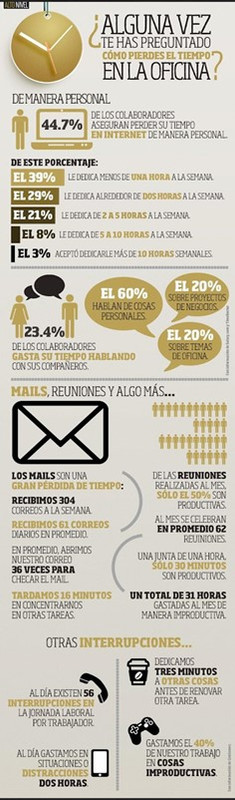
Lack of Time Infographic

Source: https://d.docs.live.net


Lack of Time Infographic – Spanish

Fuente: https://www.altonivel.com.mx


Fire Extinguishers Picture This

Source: https://www.slideshare.net


Fire Extinguishers Picture This – Spanish

Fuente: https://womenforsafety.medium.com


Lack of Time Picture This – Spanish

¿Qué hay de malo en esta imagen?

Hay un oficinista que está literalmente durmiendo en su escritorio como resultado de diferentes factores como la falta de tiempo para dormir, la falta de buenos hábitos o simplemente porque es el primer día de la semana y tiene muchas cosas que hacer que prefiere sólo tomar una siesta.

 Al principio de la semana, el lunes es un día que todo el mundo odia. El lunes es el único día de la semana en el que la gente se queja más del trabajo mientras pierde el tiempo en lugar de trabajar. No hay nada extraño en esto. Cuando volvemos al trabajo después del fin de semana, pasamos los días fuera de la oficina con nuestros amigos y familia, haciendo actividades que nos alegran.

Organice todas sus tareas y priorícelas según su importancia. Cada semana crea una lista de las cosas que tienes que hacer cada día. Sígala y táchela las que haya terminado. Esto le ayudará a mantenerse al tanto de su trabajo.

Cree un plan según el cual trabajará. Hay muchos métodos y prácticas que pueden ser útiles. Cree sus propios hábitos y cíñete a ellos para evitar perder el tiempo.

Asegúrese de que siempre tiene tiempo suficiente para hacer bien su trabajo. Aumente su progreso y productividad y deje de perder el tiempo utilizando métodos y técnicas inteligentes como la organización de sus tareas y la fijación de plazos para que sepa qué hacer primero y sea más productivo durante su tiempo de trabajo.


Lack of Time Picture This

What is wrong in this picture?

Look at the picture above, there is an office worker who is literally sleeping on his desk as a result of different factors such as lack of sleeping time, lack of good habits or just because it is the first day on the week and he has many things to do that prefer just to take a nap.

 Beginning of the week, Monday is a day which everyone hates. Monday is the only day during the week when people complain the most about work while wasting time instead of working. There is nothing strange in this. When we go back to work after the weekend – days spent away from the office with our friends and family, doing activities which bring us joy.

Organize all your tasks and prioritize them according to their importance. Every week create a list of things you have to do for every single day. Follow it and cross out those you finished. This will help you stay on top of your work.

Create a plan according to which you will work. There are many methods and practices which can be helpful. Create your own habits and stick to them to avoid wasting time.

Make sure you always have enough time to do your job well. Increase your progress and productivity and stop wasting time by using smart methods and techniques such as organizing your tasks and putting deadlines so, you will know what to do first and be more productive during your work time.


Tree Trimming Fatality File

Tree trimming deaths alarm federal officials and industry insiders

In December, 19-year-old Mason Scott Cox died in North Carolina after he was caught and pulled into a wood chipper. It was his first day on the job.

Grounds maintenance workers, including tree trimmers, have a fatality rate that is more than three times that of the average worker in the U.S., according to the U.S. Bureau of Labor Statistics. Yet there are no federal safety standards for tree trimming, pruning and removal. The International Society of Arboriculture promotes voluntary standards, but not all contractors use them. Even some industry insiders are alarmed.

“We think a patchwork of standards are being applied to us,” said Peter Gerstenberger, a senior advisor for safety compliance and standards for the Tree Care Industry Association, which represents about 2,300 companies. “We really need a separate standard that fits the dangers of our industry better.”

About 580 people died in tree trimming accidents from 2009 through 2015, according to figures from the Tree Care Industry Association.

In 1995, OSHA enacted safety standards for the logging industry, and then tried to extend them to tree care. But the tree trimming industry fought back, arguing that the logging rules overreached and did not address its unique hazards.

Gerstenberger’s group asked OSHA to consider a safety standard specific to tree care operations in 2006. Two years later, OSHA appeared poised to begin that process only to shelve it a year later for lack of resources, he said.

Now, federal safety officials are rekindling that effort, with the announcement last fall that OSHA would gather information for the possible development of specific rules for the industry.

“Due to the high numbers of fatalities in this industry, OSHA has decided that a dedicated standard is necessary,” Amanda McClure, an agency spokeswoman, wrote in an email.

Gerstenberger says there are obvious areas for improvement. For example, federal OSHA lacks rules that regulate how workers can safely trim trees if they are standing on a ladder. In addition, unlike the industry’s voluntary standards, there are no federal OSHA rules that specify how workers should safely feed brush into mobile wood chippers to avoid injury.


Tree Trimming Fatality File – Spanish

Las muertes en la poda de árboles alarman a los funcionarios federales y a las personas del sector

En diciembre, Mason Scott Cox, de 19 años, murió en Carolina del Norte tras ser atrapado y arrastrado por una trituradora de madera. Era su primer día de trabajo.

Los trabajadores de mantenimiento de terrenos, incluidos los podadores de árboles, tienen un índice de mortalidad que triplica el de la media de los trabajadores de Estados Unidos, según la Oficina de Estadísticas Laborales de Estados Unidos. Sin embargo, no existen normas federales de seguridad para el recorte, la poda y la retirada de árboles. La Sociedad Internacional de Arboricultura promueve normas voluntarias, pero no todos los contratistas las utilizan. Incluso algunas personas del sector están alarmadas.

“Creemos que se nos está aplicando un mosaico de normas”, afirma Peter Gerstenberger, asesor principal de cumplimiento de normas de seguridad de la Asociación de la Industria del Cuidado de los Árboles, que representa a unas 2.300 empresas. “Realmente necesitamos una norma independiente que se adapte mejor a los peligros de nuestro sector”.

Unas 580 personas murieron en accidentes de poda de árboles entre 2009 y 2015, según cifras de la Asociación de la Industria del Cuidado de Árboles.

En 1995, la OSHA promulgó normas de seguridad para la industria maderera, y luego trató de extenderlas al cuidado de los árboles. Pero el sector de la poda de árboles se defendió, argumentando que las normas de la tala se extralimitaban y no abordaban sus peligros específicos.

El grupo de Gerstenberger pidió a la OSHA que considerara una norma de seguridad específica para las operaciones de cuidado de árboles en 2006. Dos años más tarde, la OSHA parecía dispuesta a iniciar ese proceso, pero lo archivó un año más tarde por falta de recursos, dijo.

Ahora, los funcionarios federales de seguridad están reavivando ese esfuerzo, con el anuncio el pasado otoño de que la OSHA recopilaría información para el posible desarrollo de normas específicas para el sector.

“Debido al elevado número de víctimas mortales en este sector, la OSHA ha decidido que es necesaria una norma específica”, escribió Amanda McClure, portavoz de la agencia, en un correo electrónico.

Gerstenberger dice que hay áreas obvias de mejora. Por ejemplo, la OSHA federal carece de normas que regulen la forma en que los trabajadores pueden podar árboles de forma segura si están subidos a una escalera. Además, a diferencia de las normas voluntarias del sector, no hay normas federales de la OSHA que especifiquen cómo deben alimentar los trabajadores la maleza en las astilladoras móviles para evitar lesiones.


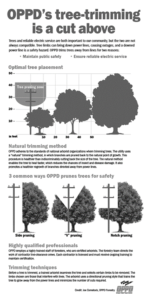
Tree Trimming Picture This

Source: https://oppdthewire.com