How We React to Our World Picture This – Spanish
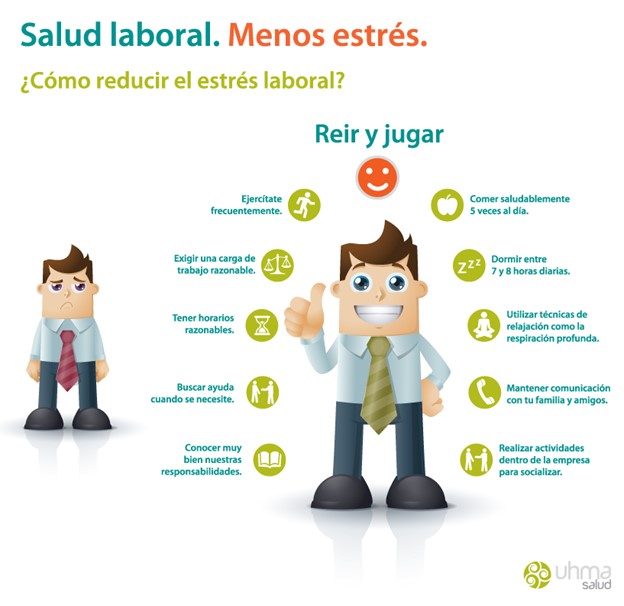
Fuente: http://insteractua.ins.gob.pe
Fuente: http://insteractua.ins.gob.pe
We like to think that work and home are two separate parts of our lives, but we all know there is a much more of a cross over between the two. Today, more than any other generations have experienced, we are put out there for all to see. Whether it is on purpose through work you choose to do on your own or some bad choice you made, it can all be put onto the internet or somewhere else for all to see.
Just because an employee shows up to the office and sits at their desk between the hours of 9 and 6 doesn’t mean they’re actually being productive. To be clear, displacing the place or physical constraints of work being a place that you go applies best to office/creative/services jobs. There are so many jobs that require physical presence like manufacturing, nursing, retail where it may not be possible to use location variety. You are already seeing some creative opportunities to give front-line workers flexibility. Even if your job requires your physical presence, it shouldn’t mean you can never attend to important personal matters like health needs and caregiving responsibilities.
Here are some factors how this new lifestyle of work may affect mental and physical health of working from home.
Disruptions and Changes in Routine
Not all workers prefer to work from home. Some are uncomfortable with being on camera for meetings and consultations. It may be difficult for workers to separate their work and home life.
They often have to adjust their work hours or change their schedules to accommodate other workers. These employees are more likely to report physical or mental health problems.
An Increase in Physical Issues
Workers may have difficulty keeping to a schedule and taking breaks. They may put in longer hours than they would in a company office.
Eating More, Exercising Less
Remote workers tend to do less physical activity or exercise. At the same time, their overall food intake may increase.
Loneliness and Isolation: Some dislike the isolation and miss interacting with their co-workers. Researchers have linked a sense of disconnection with loneliness, somatic symptoms, depression, and anxiety.
More Stress and Burnout: When a worker passes by the computer, pressure builds up to work and finds himself/herself back at work. Burn out becomes a factor.
NEW MENTAL ISSUES: Three-quarters of at-home workers experience new mental health challenges. Female workers have higher rates of depression. Parents and caregivers tend to have better mental wellbeing overall despite stresses such as struggling for work-life balance but may be at an increased risk of mental problems.
A Dedicated Workspace
Having a dedicated workspace sends the message to family members of employees that workers are busy and should not be interrupted. Job satisfaction and productivity can be increased in a comfortable and suitable environment
The workspace should have:
Set Boundaries
Employer emails sent late at night may stress out workers, who feel they must respond outside office hours. Workers can set realistic goals and focus on them rather than being overwhelmed by projects. They may need to say “no” at times to maintain a work-life balance.
Taking Break Times
Fun activities can be stress-busters. Employees should also set time for exercise such as riding bike, yoga, walking, and heart-pumping aerobics. Exercise can lower anxiety levels and lift depression.
Ensure Regular Contact with the Company and Co-Workers
Two or three employees checking in regularly may be more effective than impersonal large group video calls. This action and regular online meetings keep workers in the loop and make them feel supported.
Be aware of the connection between the choices you make at home and how they affect work. We no longer only represent ourselves in this day of age of technology. We represent everything we are a part of in our professional and personal lives and they are all interconnected.
Ya no están separados
Nos gusta pensar que el trabajo y el hogar son dos partes separadas de nuestras vidas, pero todos sabemos que hay mucho más cruce entre ambos. Hoy en día, más de lo que han experimentado otras generaciones, nos exponemos a la vista de todos. Ya sea a propósito, a través del trabajo que elige hacer por su cuenta o por alguna mala elección que hayas hecho, todo puede ser puesto en Internet o en algún otro lugar para que todos lo vean.
El hecho de que un empleado se presente en la oficina y se siente en su escritorio entre las 9 y las 6 horas no significa que esté siendo realmente productivo. Para ser claros, desplazar el lugar o las limitaciones físicas del trabajo como un lugar al que se va se aplica mejor a los trabajos de oficina/creativos/servicios. Hay muchos trabajos que requieren presencia física, como la fabricación, la enfermería o el comercio minorista, en los que no es posible utilizar la variedad de lugares. Ya se están viendo algunas oportunidades creativas para dar flexibilidad a los trabajadores de primera línea. Aunque tu trabajo requiera tu presencia física, no debería significar que nunca puede atender asuntos personales importantes como las necesidades de salud y las responsabilidades de cuidado.
TRABAJAR DESDE CASA AFECTA A LA SALUD FÍSICA Y MENTAL
EFECTOS FÍSICOS NEGATIVOS DEL TRABAJO DESDE CASA
Aumento de los problemas físicos
Los trabajadores pueden tener dificultades para cumplir un horario y hacer descansos. Es posible que trabajen más horas que en una oficina de la empresa.
Comer más, hacer menos ejercicio
Los trabajadores a distancia tienden a realizar menos actividad física o ejercicio. Al mismo tiempo, su consumo general de alimentos puede aumentar.
Soledad y aislamiento: A algunos les disgusta el aislamiento y echan de menos la interacción con sus compañeros de trabajo. Los investigadores han relacionado la sensación de desconexión con la soledad, los síntomas somáticos, la depresión y la ansiedad.
Más estrés y agotamiento: Cuando un trabajador pasa por el ordenador, la presión se acumula para trabajar y se encuentra de nuevo en el trabajo. El agotamiento se convierte en un factor.
NUEVOS PROBLEMAS MENTALES: Tres cuartas partes de los trabajadores en casa experimentan nuevos problemas de salud mental. Las trabajadoras tienen mayores tasas de depresión. Los padres y cuidadores tienden a tener un mejor bienestar mental en general a pesar de las tensiones, como la lucha por el equilibrio entre la vida laboral y la personal, pero pueden tener un mayor riesgo de sufrir problemas mentales.
Un espacio de trabajo dedicado
Tener un espacio de trabajo dedicado envía el mensaje a los familiares de los empleados de que los trabajadores están ocupados y no deben ser interrumpidos. La satisfacción laboral y la productividad pueden aumentar en un entorno cómodo y adecuado
El espacio de trabajo debe tener
Establecer límites
Los correos electrónicos del empleador enviados a altas horas de la noche pueden estresar a los trabajadores, que sienten que deben responder fuera del horario de oficina. Los trabajadores pueden establecer objetivos realistas y centrarse en ellos en lugar de sentirse abrumados por los proyectos. Es posible que tengan que decir “no” a veces para mantener el equilibrio entre la vida laboral y personal.
Tomar descansos
Las actividades divertidas pueden ser un factor de estrés. Los empleados también deberían dedicar tiempo a hacer ejercicio, como montar en bicicleta, hacer yoga, caminar o hacer ejercicios aeróbicos. El ejercicio puede reducir los niveles de ansiedad y eliminar la depresión.
Asegurar un contacto regular con la empresa y los compañeros de trabajo
Dos o tres empleados que se comuniquen regularmente pueden ser más eficaces que las videollamadas impersonales de grupos grandes. Esta acción y las reuniones periódicas en línea mantienen a los trabajadores al tanto y les hacen sentirse apoyados.
Sea consciente de la conexión entre las decisiones que toma en casa y cómo afectan al trabajo. Ya no nos representamos sólo a nosotros mismos en esta época de tecnología. Representamos todo aquello de lo que formamos parte en nuestra vida profesional y personal, y todo está interconectado.
Five environmental factors affecting your well-being and ways to adjust your workspace at home to benefit your overall health.
Cinco factores ambientales que afectan a su bienestar y formas de ajustar su espacio de trabajo en casa para beneficiar su salud general.
The man who shot dead three co-workers before being killed by police Thursday had complained about racism at work and was recently notified about erratic driving on the job, his shop steward said.
Mike Ambrosio, who was shot in the arm, that he had confronted Shareef Allman less than a week ago about having turned over a truck and snagging overhead wires when he left the truck bed in the air at the quarry where they worked in Cupertino, Calif.
“He’s had so many accidents and always said that because he’s African American, the company was after him,” Ambrosio told the newspaper. “He was an unsafe driver.”
Ambrosio added that he told Allman last Thursday that “no one has ever had so many accidents in the company like you have.”
When Allman started shooting, Ambrosio said, he shouted: “You guys want to (expletive) with me? You want to (expletive) with me?”
Allman was on the run for a day before being cornered, shot and killed Thursday morning, law enforcement sources told NBC affiliate KNTV.
Allman was shot by police in the same Sunnyvale neighborhood that police had searched a day earlier.
The Santa Clara County coroner confirmed Thursday evening that Allman was the man killed by deputies, KRON television reported.
Three deputies were on routine patrol when they encountered a man crouched behind a vehicle in the driveway of a home, Santa Clara County Sheriff Laurie Smith said.
El hombre que mató a tiros a tres compañeros de trabajo antes de ser asesinado por la policía el jueves se había quejado de racismo en el trabajo y había sido notificado recientemente sobre la conducción errática en el trabajo, dijo su delegado sindical.
Mike Ambrosio, que recibió un disparo en el brazo, que se había enfrentado a Shareef Allman hace menos de una semana por haber volcado un camión y enganchado cable aéreo cuando dejó la plataforma del camión en el aire en la cantera donde trabajaban en Cupertino, California.
“Tuvo muchos accidentes y siempre dijo que, por ser afroamericano, la empresa le perseguía”, dijo Ambrosio al periódico. “Era un conductor inseguro”.
Ambrosio añadió que el jueves pasado le dijo a Allman que “nadie ha tenido tantos accidentes en la empresa como tú”.
Cuando Allman empezó a disparar, dijo Ambrosio, gritó: “¿Queréis (improperios) conmigo? ¿Queréis (improperios) conmigo?”
Allman estuvo huyendo durante un día antes de ser acorralado, disparado y asesinado el jueves por la mañana, según informaron fuentes policiales a la filial de la NBC KNTV.
Allman fue abatido por la policía en el mismo barrio de Sunnyvale que la policía había registrado un día antes.
El forense del condado de Santa Clara confirmó el jueves por la noche que Allman era el hombre asesinado por los ayudantes del sheriff, informó la televisión KRON.
Tres ayudantes del sheriff del condado de Santa Clara, Laurie Smith, explicaron que estaban realizando una patrulla de rutina cuando se encontraron con un hombre agazapado detrás de un vehículo en la entrada de una casa.
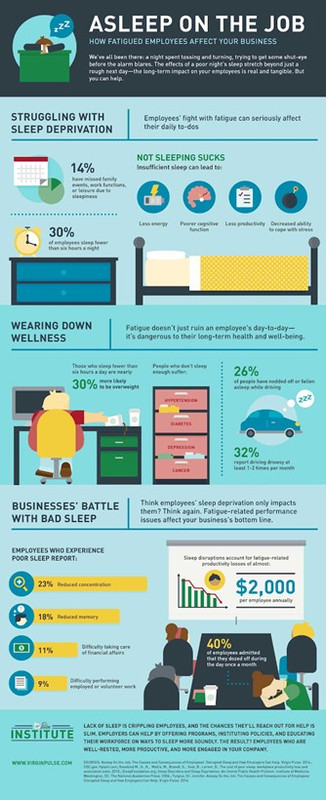
Source: https://www.fatiguescience.com
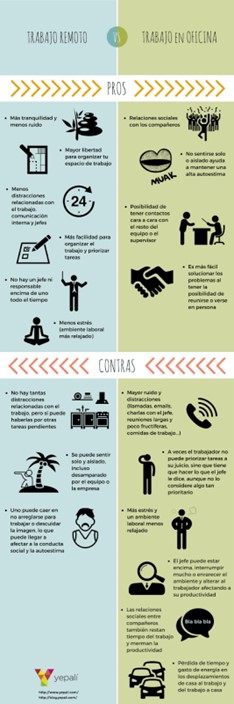
Fuente: https://ticsyformacion.com
ALLERGENS AT WORK
Allergies are an issue that many people have to pay attention to every day both on and off the job. There are many sources of allergens that can cause an allergic reaction. A few of these allergens may be an issue while on the job. It is important to know what you are allergic to as well as communicating it to others in case of an exposure resulting in an emergency situation.
ALLERGIES EXPLAINED
An allergic employee may react to chemicals in office supplies, such as the toner in a copier or printer cartridge. They may respond to the chemicals used to clean the office space. They may also be entitled to reasonable accommodation for food allergies.
Two kinds of allergic reactions affect how you respond to someone with a documented sensitivity, reports Cornell University. The first is a hypersensitivity or a reaction in your immune system. This immune system responds normally with symptoms of hay fever, sneezing, shortness of breath, asthma symptoms or skin/contact sensitivity.
The second reaction is potentially more deadly. This is anaphylactic shock – your body responds to an allergen with an antibody response that spreads through the entire body if the allergen has entered the circulatory system.
There are a wide variety of workplace allergens that could potentially impact you, including:
While many allergy symptoms are merely inconvenient, some are life-threatening. While symptoms will vary from person to person, allergies can cause anaphylactic shock, asthma, contact dermatitis, hives and rashes, and rhinitis (inflamed nasal passages).
The Cost of Workplace Allergies
Studies show that allergies significantly impact workplace productivity. One study reports that Americans lose 3.5 million workdays each year due to allergies. Another suggests that, even when at the office, allergy-afflicted employees are roughly 10% less productive than their healthy counterparts. Further, about nine to ten million doctors’ visits each year are allergy-related, making allergy treatment a major part of out-of-pocket medical expenses.
IMPROVE THE WORKPLACE
Identify and minimize the impact of workplace allergies. If you have life-threatening allergies, take them seriously and work with them to build an appropriate allergy response plan. For example, you might have emergency treatment options on site, such as antihistamines, inhalers, and EpiPens.
If you notice a significant increase in milder allergy symptoms, look for possible causes. You might have an unidentified mold, fungus, or ventilation problem. And while many allergic exposures are unavoidable, some relatively inexpensive modifications might improve your workplace health.
For example:
ENCOURAGE PROACTIVE MEDICAL TREATMENT
Many people think they know their allergic triggers, but they’re often wrong or don’t distinguish between a trigger and an everyday occurrence. Misidentified allergies can lead to ineffective treatment, increased symptoms, and decreased workplace productivity. If your employees are struggling with serious allergies, encourage them to seek treatment with an allergy specialist.
Allergy testing — combined with targeted medications and other treatment — might significantly improve their daily function.
Communicate
It is important to communicate any allergens to someone on the job who is in a management position. Proper and immediate treatment is crucial for someone suffering from a severe allergic reaction. Anaphylaxis requires immediate medical treatment, including an injection of epinephrine and a trip to a hospital emergency room. If it isn’t treated properly, anaphylaxis can be fatal.
Regulatory
Any regulatory efforts should be carefully approached to ensure that the appropriate health end points are clearly identified and related to scientifically supported exposure limits.
Allergic diseases can and do occur in the workplace and exact a human and economic toll. Research into skin, pulmonary and other allergic manifestations are needed, especially well-constructed and performed studies to answer questions concerning threshold levels for initial sensitization and post-sensitization, reaction-producing levels.
ALÉRGENOS EN EL TRABAJO
Las alergias son un problema al que muchas personas tienen que prestar atención cada día, tanto dentro como fuera del trabajo. Hay muchas fuentes de alérgenos que pueden provocar una reacción alérgica. Algunos de estos alérgenos pueden ser un problema en el trabajo. Es importante saber a qué se es alérgico y comunicarlo a los demás en caso de que la exposición dé lugar a una situación de emergencia.
EXPLICACIÓN DE LAS ALERGIAS
Un empleado alérgico puede reaccionar a los productos químicos del material de oficina, como el tóner de una fotocopiadora o un cartucho de impresora. También puede reaccionar a los productos químicos utilizados para limpiar el espacio de la oficina. También puede tener derecho a ajustes razonables por alergias alimentarias.
Según la Universidad de Cornell, hay dos tipos de reacciones alérgicas que afectan al modo en que usted, como empresario, debe responder a un empleado con una sensibilidad documentada. La primera es una hipersensibilidad o una reacción del sistema inmunitario de su empleado. Este sistema inmunitario responde normalmente con síntomas de fiebre del heno, estornudos, dificultad para respirar, síntomas de asma o sensibilidad cutánea/de contacto.
La segunda reacción es potencialmente más mortal. Se trata de un shock anafiláctico: el cuerpo de su empleado responde a un alérgeno con una respuesta de anticuerpos que se extiende por todo su cuerpo si el alérgeno ha entrado en el sistema circulatorio.
Hay una gran variedad de alérgenos en el lugar de trabajo que podrían afectar a sus empleados, entre ellos
Aunque muchos síntomas de alergia son simplemente molestos, algunos son potencialmente mortales. Aunque los síntomas varían de un empleado a otro, las alergias pueden provocar un shock anafiláctico, asma, dermatitis de contacto, urticaria y erupciones, y rinitis (inflamación de las fosas nasales).
El costo de las alergias en el lugar de trabajo
Los estudios demuestran que las alergias afectan significativamente a la productividad en el lugar de trabajo. Un estudio señala que los estadounidenses pierden 3,5 millones de días de trabajo al año debido a las alergias. Otro sugiere que, incluso cuando están en la oficina, los empleados afectados por la alergia son aproximadamente un 10% menos productivos que sus homólogos sanos. Además, entre nueve y diez millones de visitas médicas al año están relacionadas con la alergia, lo que hace que el tratamiento de la alergia sea una parte importante de los gastos médicos de los empleados.
MEJORAR EL LUGAR DE TRABAJO
Identifique y minimice el impacto de las alergias en el lugar de trabajo. Si tiene empleados con alergias potencialmente mortales, tómelos en serio y trabaje con ellos para elaborar un plan de respuesta a la alergia adecuado. Por ejemplo, puede tener opciones de tratamiento de emergencia en el lugar de trabajo, como antihistamínicos, inhaladores y EpiPens.
Si observa un aumento significativo de los síntomas alérgicos más leves de sus empleados, busque las posibles causas. Es posible que haya un problema de moho, hongos o ventilación no identificado. Y aunque muchas exposiciones alérgicas son inevitables, algunas modificaciones relativamente baratas podrían mejorar la salud de su lugar de trabajo.
Por ejemplo:
FOMENTAR UN TRATAMIENTO MÉDICO PROACTIVO
Muchas personas creen conocer sus desencadenantes alérgicos, pero a menudo se equivocan o no distinguen entre un desencadenante y un hecho cotidiano. Las alergias mal identificadas pueden dar lugar a un tratamiento ineficaz, a un aumento de los síntomas y a una disminución de la productividad en el trabajo. Si sus empleados están luchando contra alergias graves, anímelos a buscar tratamiento con un especialista en alergias.
Las pruebas de alergia -combinadas con medicamentos específicos y otros tratamientos- podrían mejorar significativamente su funcionamiento diario. Si sus planes de salud actuales no ofrecen a sus empleados suficientes opciones de alergia e inmunología de alta calidad y asequibles, podría ser el momento de buscar un nuevo plan de salud basado en la empresa.
Comunicar
Es importante comunicar cualquier alergia a alguien del trabajo que esté en un puesto de dirección. El tratamiento adecuado e inmediato es crucial para alguien que sufre una reacción alérgica grave. La anafilaxia requiere un tratamiento médico inmediato, que incluye una inyección de epinefrina y un viaje a la sala de urgencias de un hospital. Si no se trata adecuadamente, la anafilaxia puede ser mortal.
Normativa
Cualquier esfuerzo regulatorio debe ser cuidadosamente enfocado para asegurar que los puntos finales de salud apropiados están claramente identificados y relacionados con los límites de exposición científicamente apoyados.
Los objetivos de seguridad en el lugar de trabajo deben ser asumidos por los empleados. En última instancia, se trata de asegurarse de que todo el mundo se vaya a casa con la misma salud con la que llegó o mejor cuando regrese a casa.
¿Cuántas veces ha tropezado con algo que no había visto o se ha dado la vuelta y se ha asustado porque había alguien en su zona del que no era consciente? A muchos nos pasa a menudo. Dependiendo de lo que preocupe a nuestra mente, de nuestras emociones, de las distracciones que nos rodean, de los niveles de ruido de nuestra zona, etc., determinará en qué medida se ve afectada nuestra capacidad de observación.
MEJORAR LA CAPACIDAD DE OBSERVACIÓN EN EL TRABAJO
Utilice todos sus sentidos: Esté donde esté, siempre debe utilizar sus cinco sentidos en su beneficio. Ver es importante, pero también lo son todos los demás. A veces es más fácil oler el humo que verlo. Utilizar el sentido del olfato, antes de recurrir a la vista, le permite investigar el problema antes de que se agrave.
Sea consciente de sus instintos: Todos tenemos a veces esas sensaciones explicables. Se siente nervioso por alguna razón, o tiene la sensación de que alguien le está observando. La mayoría de las veces, estos instintos le están diciendo algo importante. En lugar de ignorarlos, utilícelos como guía.
Haga preguntas: Para mantener la mente activa y prestar atención, es bueno hacer preguntas. Ni siquiera tienes que hacer estas preguntas en voz alta o a otra persona, aunque eso ayuda si hay información que le falta.
Tómese su tiempo: Antes de empezar una tarea, deténgase y observe su área de trabajo. Concéntrese realmente en las diferentes herramientas o equipos de esa zona. ¿Hay peligros que le falten? ¿Tiene todo lo que necesita?
Controle: Mientras realiza una tarea, controle sus pensamientos. ¿Está su mente realmente centrada en la tarea? Por ejemplo, piense en una ocasión en la que estaba conduciendo y apenas recuerda el viaje. ¿Qué grado de atención cree que tuvo mientras conducía su vehículo?
LO SIMPLE ES LO MEJOR
Hay algunas cosas sencillas de seguridad en las que la gente puede centrarse para convertirse en mejores observadores en el sitio, estas son:
Ser observador es esencial para la seguridad, ya que basta con ser más hábil para saber qué buscar y escuchar en materia de seguridad. Es tan fácil bloquear tantas cosas a nuestros sentidos que podemos simplemente caminar y no ver los peligros y riesgos.
How many times have you tripped over something you did not see or turn around and get startled because someone was in your area that you were not aware of? It happens to many of us often. Depending on what is preoccupying our mind, our emotions, the distractions around us, the noise levels in our area, etc. will determine how much of our ability to be observant is affected.
Use All of Your Senses: No matter where you are, you should always use your five senses to your advantage. Seeing is important, but so are all of the others. Sometimes it’s easier to smell smoke than it is to see it. Using your sense of smell, before falling back on your sight, alerts you to investigate the problem before it becomes even worse.
Be Aware of Your Instincts: We all get those explainable feelings sometimes. You feel on edge for some reason, or you feel as though someone is watching you. Most of the time, these instincts are telling you something important. Instead of brushing them off, use them as a guide.
Ask Questions: In order to keep your mind active and paying attention, it’s good to ask questions. You don’t even have to ask these questions out loud or to another person, although that helps if there’s information you’re lacking.
Take Some Time: Take the time before starting a task to stop and look around your work area. Really focus on the different tools or equipment in that area. Are there hazards you are missing? Do you have everything you need?
Monitor: While completing a task monitor your thoughts. Is your mind truly on the task? For example, think of a time when you were driving and can barely remember the trip. How observant do you think you were while operating your vehicle?
There are a few simple safety things people can focus on to become better observers on site, these are:
The Key To Being Observant is to Slow Down
Being observant is essential for safety by just becoming more skilled in what to look for and listen for in safety. It is so easy to block out so many things to our senses that we can simply walk about and not see hazards and risks.
The Pfizer vaccine was shown to be safe and about 95 percent effective in a clinical trial involving 44,000 participants. Two Alaska Fatality Report will likely intensify concerns about possible side effects. Experts said the developments may prompt calls for tighter guidelines to ensure that recipients were carefully monitored for adverse reactions.
The first worker, a middle-aged woman who had no history of allergies, had an anaphylactic reaction that began 10 minutes after receiving the vaccine at Bartlett Regional Hospital in Juneau on Tuesday, a hospital official said. She experienced a rash over her face and torso, shortness of breath and an elevated heart rate.
Dr. Lindy Jones, the hospital’s emergency department medical director, said the worker was first given a shot of epinephrine, a standard treatment for severe allergic reactions. Her symptoms subsided but then re-emerged, and she was treated with steroids and an epinephrine drip.
When doctors tried to stop the drip, her symptoms re-emerged yet again, so the woman was moved to the intensive care unit, observed throughout the night, then weaned off the drip early Wednesday morning, Dr. Jones said.
Dr. Jones had said earlier Wednesday that the woman was set to be discharged in the evening, but the hospital said late Wednesday that she was remaining another night.
The second worker received his shot on Wednesday and developed eye puffiness, light-headedness and a scratchy throat 10 minutes after the injection, the hospital said in a statement. He was taken to the emergency room and treated with epinephrine, Pepcid and Benadryl, although the hospital said the reaction was not considered anaphylaxis. The worker was back to normal within an hour and released.
The hospital, which had administered 144 total doses as of Wednesday night, said both workers did not want their experiences to have a negative impact on others lining up for the vaccine.
“We have no plans to change our vaccine schedule, dosing or regimen,” Dr. Anne Zink, Alaska’s chief medical officer, said in a statement.
But as a Caveat, Dr. Paul offit said it is important to determine what part of the vaccine contributed to the allergic reactions.
La vacuna de Pfizer demostró ser segura y tener una eficacia de alrededor del 95% en un ensayo clínico con 44.000 participantes. El informe de dos muertes en Alaska probablemente intensificará la preocupación por los posibles efectos secundarios. Los expertos señalaron que los acontecimientos pueden dar lugar a peticiones de directrices más estrictas para garantizar que los receptores sean supervisados cuidadosamente para detectar reacciones adversas.
La primera trabajadora, una mujer de mediana edad que no tenía antecedentes de alergias, tuvo una reacción anafiláctica que comenzó 10 minutos después de recibir la vacuna en el Hospital Regional Bartlett de Juneau el martes, dijo un funcionario del hospital. Experimentó una erupción en la cara y el torso, dificultad para respirar y un ritmo cardíaco elevado.
La Dra. Lindy Jones, directora médica del servicio de urgencias del hospital, dijo que la trabajadora recibió primero una inyección de epinefrina, un tratamiento estándar para las reacciones alérgicas graves. Los síntomas remitieron, pero volvieron a aparecer, y se la trató con esteroides y un goteo de epinefrina.
Cuando los médicos intentaron interrumpir el goteo, los síntomas volvieron a aparecer, por lo que la mujer fue trasladada a la unidad de cuidados intensivos, se la observó durante toda la noche y se le retiró el goteo a primera hora de la mañana del miércoles, dijo el Dr. Jones.
El Dr. Jones había dicho anteriormente el miércoles que la mujer iba a ser dada de alta por la noche, pero el hospital dijo a última hora del miércoles que se quedaba otra noche.
El segundo trabajador recibió su inyección el miércoles y desarrolló hinchazón en los ojos, mareo y picor de garganta 10 minutos después de la inyección, dijo el hospital en un comunicado. Fue llevado a urgencias y tratado con epinefrina, Pepcid y Benadryl, aunque el hospital dijo que la reacción no se consideró anafilaxia. El trabajador volvió a la normalidad en una hora y fue dado de alta.
El hospital, que había administrado 144 dosis en total hasta el miércoles por la noche, dijo que ambos trabajadores no querían que su experiencia tuviera un impacto negativo en otras personas que hacían cola para recibir la vacuna.
“No tenemos planes de cambiar nuestro programa de vacunas, la dosis o el régimen”, dijo la Dra. Anne Zink, directora médica de Alaska, en un comunicado.
Pero como advertencia, el Dr. Paul offit dijo que es importante determinar qué parte de la vacuna contribuyó a las reacciones alérgicas.
An OSHA inspection into the collapse of a parking garage under construction that killed four workers and injured nine others says lack of safety inspections by contractors played a significant part in the tragedy.
The garage being built for Miami Dade College’s Doral campus in Florida pancaked on Oct. 10, 2012, crushing four workers.
One injured worker was buried in the rubble for two hours before he could be rescued. That worker is still in a wheelchair and requires more physical therapy. The driver of a cement truck was trapped in his cab for hours. He died after emergency workers had to amputate his legs. The body of one worker couldn’t be recovered for more than a week because the site of the collapse was so unstable.
Students had to attend classes on other Miami-Dade campuses until January.
OSHA issued citations totaling $38,360 to general contractor Ajax Building Corp. and four subcontractors. The violations were categorized as serious.
The contractors failed to inspect 18 columns as required, according to OSHA. They also didn’t follow project drawings and instructions.
The garage was being built with prefabricated concrete pieces manufactured elsewhere. The practice is common, but it requires close supervision by engineers and contractors, according to experts who spoke with The Miami Herald.
Just two days before the collapse, a crane struck a column in the structure. That column was repaired, but attorneys for the victims say the contractors failed to check adjacent columns for damage.
Una inspección de la OSHA sobre el colapso de un aparcamiento en construcción que mató a cuatro trabajadores e hirió a otros nueve dice que la falta de inspecciones de seguridad por parte de los contratistas desempeñó un papel importante en la tragedia.
El garaje que se estaba construyendo para el campus del Miami Dade College en Florida se derrumbó el 10 de octubre de 2012, aplastando a cuatro trabajadores.
Uno de los trabajadores heridos quedó enterrado entre los escombros durante dos horas antes de poder ser rescatado. Ese trabajador sigue en silla de ruedas y requiere más fisioterapia. El conductor de un camión de cemento quedó atrapado en su cabina durante horas. Murió después de que los trabajadores de emergencia tuvieran que amputarle las piernas. El cuerpo de un trabajador no pudo ser recuperado durante más de una semana porque el lugar del derrumbe era muy inestable.
Los estudiantes tuvieron que asistir a clases en otros campus de Miami-Dade hasta enero.
La OSHA emitió multas por un total de 38.360 dólares al contratista general Ajax Building Corp. y a cuatro subcontratistas. Las violaciones fueron calificadas como graves.
Los contratistas no inspeccionaron 18 columnas como se requiere, según OSHA. Tampoco siguieron los planos y las instrucciones del proyecto.
El garaje se estaba construyendo con piezas de hormigón prefabricadas fabricadas en otro lugar. Esta práctica es habitual, pero requiere una estrecha supervisión por parte de ingenieros y contratistas, según los expertos que hablaron con The Miami Herald.
Sólo dos días antes del colapso, una grúa golpeó una columna de la estructura. Esa columna fue reparada, pero los abogados de las víctimas dicen que los contratistas no comprobaron si las columnas adyacentes estaban dañadas.
Being observant at work encompasses the following protocols / procedures.
The Conference Board reports that 53 percent of Americans are currently unhappy at work. Consider that for a second. Half of the workforce is unhappy.
Recognition is the number one thing employees say their manager could give them to inspire them to produce great work.
Ser observador en el trabajo abarca los siguientes protocolos / procedimientos.
El Conference Board informa de que el 53% de los estadounidenses se sienten infelices en el trabajo. Considere esto por un segundo. La mitad de la población activa es infeliz.
El reconocimiento es la cosa número uno que los empleados dicen que su gerente podría darles para inspirarlos a producir un gran trabajo.

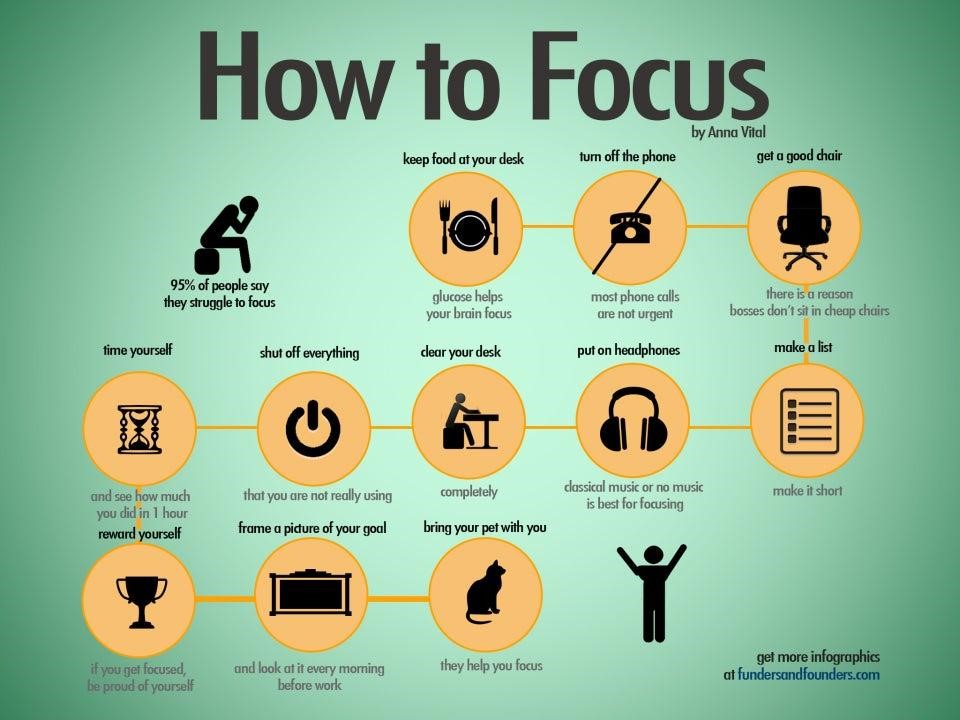
Mira la imagen de arriba, hay una chica estornudando delante de su compañero de trabajo que parece incómodo de esa situación.
Si se encuentra estornudando a la misma hora todos los días, su nariz y su reloj interno están conspirando juntos para darle picazón justo en ese momento.
Los estornudos no son más que una respuesta inmunitaria destinada a eliminar la mucosidad de los senos paranasales.
La mayoría de las veces, es una reacción involuntaria a algún tipo de irritante: polvo, polen u otras partículas diminutas que flotan en el aire.
Moraleja: si sus compañeros de trabajo se han dado cuenta de que estornuda todos los días a la misma hora, sobre todo por la mañana, probablemente tenga más que ver con su horario de sueño que con lo que hay en el aire.
Look at the image below, there is a girl sneezing in front of her co-worker who looks uncomfortable of that situation. She should sneeze away to avoid any virus infection in her partner.
If you find yourself sneezing at the same time every day, your nose and your internal clock are conspiring together to tickle you at just that moment.
Sneezing is essentially just an immune response meant to clear mucus out of the sinuses.
Most of the time, it is an involuntary reaction to some kind of irritant: dust, pollen or other tiny particles floating in the air.
Moral: If your co-workers have noticed that you sneeze at the same time every day – especially in the morning – it probably has more to do with your sleep schedule than what is in the air.
Source: https://assets.entrepreneur.com
Fuente: https://ticsyformacion.com
Allergies are extremely common in the general population. Allergic rhinitis (hay fever) and other allergy-related conditions, such as sinusitis, more of us at some time. Probably the most common allergens (those substances that can produce an allergic response) include dust mites and their excreta, dust, molds, pollens, foods and animal dander.
Bronchial asthma is also highly prevalent in the general population, affecting individuals across all ages. A 1990 study reported that as many as 400,000 to 3 million workers may have asthma.
More distressing is the reported recent increase in the incidence and severity of asthma. Although much speculation has been put forth as to the reasons (e.g., air pollution) for this increase, the underlying etiologic agent(s) have not been clearly elicited.
Comparatively few workplace substances have been noted to cause allergic rhinitis hay fever. These include enzyme-containing detergents and trimellitic anhydride. Biologic allergens are associated with rhinitis. Some of these agents include wheat flour dust and its additives, western red cedar, psyllium and laboratory animal exposure.
Cost of Lost Productivity Stats
Cost of Lost productivity due to allergic rhinitis (hay fever) were compared toother selected medical conditions (work productivity short inventory)
Allergic rhinitis was the most prevalent of the selected conditions; 55% of employees reported experiencing allergic rhinitis symptoms for an average of 52.5 days, were absent 3.6 days per year due to the condition, and were unproductive 2.3 h per workday when experiencing symptoms. The mean total productivity (absenteeism + presenteeism) losses per employee per year were 593 US dollars for allergic rhinitis, 518 US dollars for high stress, 277 US dollars for migraine, 273 US dollars for depression, 269 US dollars for arthritis/rheumatism, 248 US dollars for anxiety disorder, 181 US dollars for respiratory infections, 105 US dollars for hypertension or high blood pressure, 95 US dollars for diabetes, 85 US dollars for asthma, and 40 US dollars for coronary heart disease. The mean total productivity loss per employee per year due to caregiving was 102 US dollars for pediatric respiratory infections, 85 US dollars for pediatric allergies, 49 US dollars for Alzheimer’s disease, and 42 US dollars for otitis media/earache.
