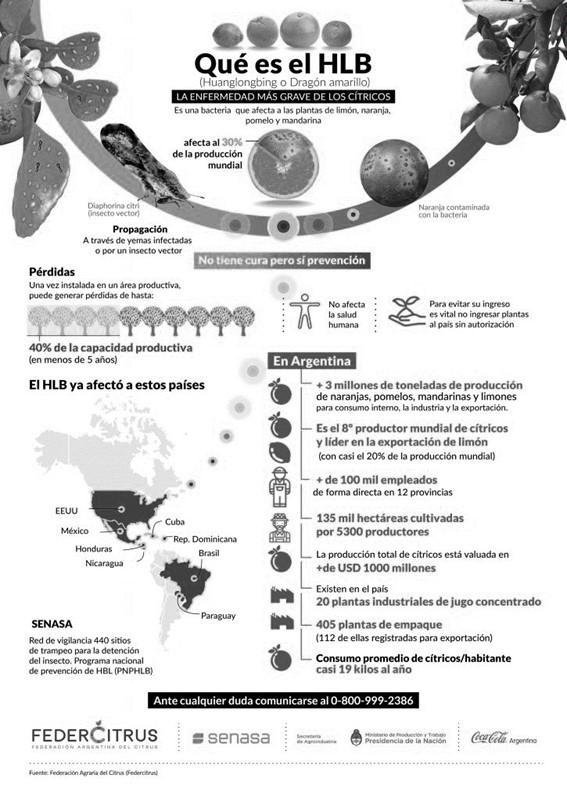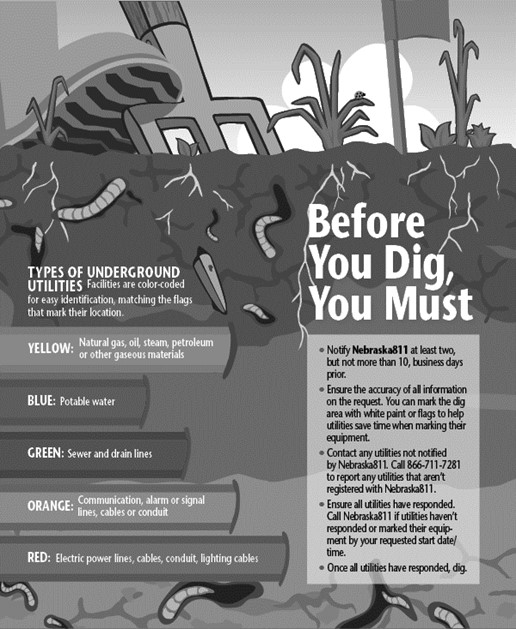
Locating Underground Utilities Before You Dig Picture This – Spanish
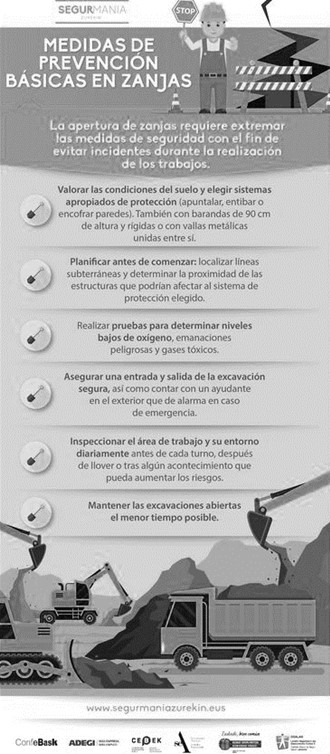
Fuente: https://www.fraternidad.com
June 16 – Ergonomics in Healthcare
Date: June 16, 2022
Time: 9:00AM PT
Speaker: Kristan Rossetto, R.Kin, HB.Sc.HK, GradCert.ESLM, AE
Click Here to Register
Working in hospitals, long-term care facilities, and other healthcare environments can place high physical demands on workers and often requires manual handling, forceful exertions, and awkward postures, typically over the course of a 12-hour shift. The presence and combination of these musculoskeletal disorder hazards contributes to the risk of injury.
There are several ergonomic initiatives that healthcare organizations can consider to reduce employee injury risk. This webinar will outline some successful ergonomics and injury prevention strategies that can impact the overall wellbeing of healthcare workers, including:
• The importance of outlining policies and processes for handling ergonomic concerns
• Identification of ergonomic hazards in all jobs, as part of proactive screening
• Education on proper work set up and techniques for all types of jobs
• The importance of safe patient handling programs – how ergonomics plays a critical role
• Tackling easier to fix ergonomic issues, such as proper computer set up, to reduce overall injury risk
Upon request, ERGO Inc. will provide Ergonomics Toolkit Cards to participants to help with Ergonomics in your workplace.
Kristan Rossetto is an Associate Ergonomist (AE) and a Registered Kinesiologist with an Honours Bachelor of Science in Human Kinetics and a Post-Graduate Certificate in Exercise Science and Lifestyle Management. Kristan has over 5 years of workplace ergonomic and clinical exercise experience in various settings, including manufacturing, automotive, food preparation, warehouse, retail, correctional facilities, and healthcare.
As an Ergonomic Consultant, Kristan has developed and delivered customized ergonomic training workshops, including ergonomic best practices and safe handling for a Distillery, e-learning and safe patient handling for a hospital, a stretching program for a warehouse, and injury prevention strategies and proper computer workstation set-up for office workers. Kristan helped to design and administers post-offer pre-employment testing for various industries, including healthcare and manufacturing.
Kristan is experienced at conducting physical and cognitive job demands analysis, ergonomic risk assessments, and job suitability assessments to provide employers with comprehensive information about the functional and physical requirements of a job to prevent workplace injuries and for the effective return to work of employees. She has assisted with control room design for correctional facilities and patient intake for hospitals.
The Hidden Occupational Hazard: Poor Indoor Air Quality
DATE: May 5, 2022
TIME: 11:00AM PT
SPEAKER: Connie Muncy
Click Here to Register
Poor indoor air quality is an insidious hazard that negatively affects building occupants in the same way work process hazardous air contaminants affect workers and can cause deep health effects; yet it is often missed or overlooked in the workplace. This presentation will explore the importance of maintaining healthy indoor air quality for your workforce.
Attendees will learn: acceptable indoor air quality parameters, common sources of indoor air pollutants, signs of poor indoor air quality, and what to do when a complaint against indoor air quality is registered. This will all be accomplished in the context of reviewing actual interesting (and some surprising) case studies.
Connie Muncy, MS, CIH, CUSP, REM is a Corporate Safety Manager for NAES Corporation, the largest 3rd party operator of power plants and a service provider to the power industry, and the Vice President, Council on Practices and Standards for the American Society of Safety Professionals. She is a frequent speaker at state and national conferences addressing occupational health and safety topics, and has published many articles on these topics.
Hosted By:
Sponsored By:
Leading Edges in Fall Protection
Date: May 3, 2022
Time: 10:00AM PDT/ 1:00PM EDT
This webinar will discuss some of the challenges and solutions associated with leading edge and sharp edge applications in the construction industry. Newer leading edge SRLs enable users to tie off at their feet in situations where there is no anchor available above the user’s head. However, many sharp edges exist on construction sites which can cause extreme danger to the SRL in the event of a fall over a sharp edge. This webinar will share how leading edge SRLs are designed to protect the user and the lifeline itself, including the use of energy absorbers to enable an SRL to arrest the fall without damage or failure.
Subscribe to 3M marketing communications
3M takes your privacy seriously. 3M and its authorized third parties will use the information you provided in accordance with our Privacy Policy to send you communications which may include promotions, product information and service offers. Please be aware that this information may be stored on a server located in the U.S. If you do not consent to this use of your personal information, please do not use this system.
Follow this link to register.
Safeopedia Presents: A Review of Medical Surveillance In Occupational Health Programs
DATE: April 28, 2022
TIME: 11:00AM PT
SPEAKER: Doug Trout
Click Here to Register
This session will provide an overview of several aspects of medical screening and surveillance as part of an Occupational Health Program. A formal occupational health surveillance program includes aspects of hazard and medical surveillance. Although the focus of this session concerns medical surveillance, integration of hazard and medical surveillance is key to an effective occupational health surveillance program. Medical surveillance describes activities that target health events or a change in a biologic function of an exposed person or persons. A surveillance program involves recurrent longitudinal examinations and data analysis over time. Medical screening is a complementary activity that is designed to detect early signs of work-related illness by administering tests to apparently healthy persons in a cross-sectional approach.
The Building Trades National Medical Screening Program is a voluntary national medical screening program which provides ongoing medical screening exams, at no cost, to construction workers previously employed at Department of Energy (DOE) nuclear weapons sites. This session will provide an overview of the BTMed, which has the mission of assisting construction workers who have been employed on DOE sites and who may be at significant risk for occupational illnesses as a result of their work. Lastly, the session will provide a brief overview of issues to consider related to medical screening as part of an occupational health screening program for workers and workplaces during the current phase of the pandemic.
Doug Trout, MD, MHS is currently a Medical Officer in the NIOSH Office of Construction Safety and Health and a member of the NIOSH Construction Sector Council. Doug has worked for NIOSH since 1992 in several roles, including a number of years in the NIOSH Health Hazard Evaluation (HHE) Program. He has a degree in Industrial Hygiene and is an Internal Medicine and Occupational Medicine physician.
Hosted by:
Sponsored By:
Prevent Fraud By Maintaining a Safe Workplace Meeting Kit
Keeping your workplace safe decreases your risk of workers’ compensation fraud. Having a written Injury and Illness Prevention Plan (IIPP) tells your employees that their well-being is a top priority.
THE IIPP
An Injury and Illness Prevention Program (or IIPP) is a basic safety program tailored to business operations. California employers with at least one employee are required to have a written IIPP that is understandable to all employees.
Keeping employees safe on the job keeps them working and your business more productive. An effective IIPP shows that safety is important at your company and guides your employees to work safely. It can help you improve the safety and health in your workplace and reduce costs with good management and employee involvement.
IIPP CAN HELP PREVENT FRAUD
A primary tool of any IIPP is the accident investigation. Not only does this cover the who, what, when, where, why, and how, it also helps you determine if the injury claim is accurate.
When employees know you have a formal process for reporting workplace injuries, and that each injury report is investigated, they’re less likely to try and get away with making a false claim. Be sure to give all employees a copy of the plan. Also be sure to display it in a common area like the breakroom. Flyers, posters, and other printed material can help further emphasize your message. You can distribute these by email and also display them in the breakroom.
EMPLOYEES BEWARE
Fraud occurs in the workplace when an employer misrepresents (spoken or in writing) something about your job. Fraud may arise when an employer makes a false representation concerning job security, salary, potential bonuses or promotions, health risks, or other aspects of employment.
You may have a claim for fraud if your employer knowingly makes false promises of high salaries or guaranteed bonuses to persuade you to quit your former job and come to work for him, but later refuses to pay.
You may also have a claim if you have relocated because you believed your employer’s representations about any one of the following: the kind of work, the existence of work, the length of time the work would last, the amount of pay for the work, the sanitary conditions of the work, or the existence or nonexistence of any strike or lockout.
TYPES OF BUSINESS FRAUD
- Identity theft: A fraudster could steal the identity of your business and access your credit. Fraudsters may gain access to your federal tax ID or financial statements.
- Payroll fraud: This may be more common with smaller business. Employees may ask for paycheck advances and not pay them back. Utilizing a payroll service that lets you approve everyone’s time before they are paid may help to prevent payroll fraud.
- Fake money: Learn how to recognize fake money so you can refuse to accept it.
- Returns: Requiring a receipt and having strict return policies may help to limit return fraud.
- Workers’ compensation: A business owner is required by law to purchase worker’s compensation. This insurance pays your employees if they get injured while at work. Companies should stay on top of safety and what happens in your place of employment to help prevent this type of fraud.
FRAUD PREVENTION TIPS FOR BUSINESS TO PREVENT & IDENTIFY EMBEZZLEMENT
Effective Internal Controls. One of the strongest deterrents to committing fraudulent acts is the fear of getting caught. Effective internal controls increase employees’ perceptions of detection and reduce their opportunity to commit fraud.
Background Checks. Background checks are one of the most cost-effective ways to save a business from fraud.
Fraud Awareness Education and Training. A business employee handbook should have a Fraud Awareness section specifically outlining what constitutes fraud in the workplace and the consequences of committing fraud.
Fraud Hotline. 46 percent of workplace fraud is uncovered due to tips from an employee, vendor, or customer. Providing employees an anonymous, worry-free way to report suspicious activity can greatly reduce fraud risk.
Insurance. Businesses should obtain coverage for dishonest employees through their insurance providers. This type of coverage assists with protecting a business from losses and fees incurred due to fraud by employees.
TIPS TO PREVENT FRAUD
Increasing the perception of detection is one of the best fraud deterrents. The opportunity to commit fraud is easier to rationalize when employees believe their wrongful acts will go undetected and unprosecuted.
Segregate duties. Don’t leave an employee in a position to correct their own work. If people know that their work is being watched they are less likely to commit fraud.
Set the tone at the top. A written ethics policy is an excellent method by which management can objectively communicate its philosophy toward fraud.
Put it in writing. Companies frequently have an ethics policies, which set forth in detail what is expected in the ethical climate of the company.
Require time away. Beware of the employee who seems too good to be true. An employee who comes in early and stays late or never takes a vacation has the perfect opportunity to conceal their wrongdoing.
Reduce the risk of fraud. Include surprise audits as part of your pro-active fraud policy.
FINAL WORD
Having a written Injury and Illness Prevention Plan (IIPP) sends out a loud signal to employees that their safety and security get top billing. An effective IIPP not only improves safety and health in the workplace but also reduces costs with good management and employee involvement.
Prevent Fraud By Maintaining a Safe Workplace Meeting Kit – Spanish
QUÉ ESTÁ EN RIESGO
Mantener la seguridad en el lugar de trabajo disminuye el riesgo de fraude en la indemnización de los trabajadores. Contar con un Plan de Prevención de Lesiones y Enfermedades (IIPP) por escrito indica a sus empleados que su bienestar es una prioridad absoluta.
EL PLAN DE PREVENCIÓN DE LESIONES Y ENFERMEDADES
Un Programa de Prevención de Lesiones y Enfermedades (IIPP) es un programa básico de seguridad adaptado a las operaciones de la empresa. Los empleadores de California con al menos un empleado están obligados a tener un IIPP escrito que sea comprensible para todos los empleados.
Mantener a los empleados seguros en el trabajo los mantendrá trabajando y su negocio será más productivo. Un IIPP eficaz muestra que la seguridad es importante en su empresa y guía a sus empleados para que trabajen de forma segura. Puede ayudarle a mejorar la seguridad y la salud en su lugar de trabajo y a reducir los costos con una buena gestión y participación de los empleados.
CUÁL ES EL PELIGRO
LA IIPP PUEDE AYUDAR A PREVENIR EL FRAUDE
Una herramienta fundamental de cualquier IIPP es la investigación de accidentes. No sólo cubre el quién, el qué, el cuándo, el dónde, el por qué y el cómo, sino que también le ayuda a determinar si la denuncia de lesiones es correcta.
Cuando los empleados saben que existe un proceso formal para informar de las lesiones en el lugar de trabajo y que cada informe de lesión se investiga, es menos probable que intenten salirse con la suya y hacer una denuncia falsa. Asegúrese de entregar a todos los empleados una copia del plan. Asegúrese también de exponerlo en una zona común, como la de descanso. Los folletos, carteles y otros materiales impresos pueden ayudar a enfatizar aún más su mensaje. Puede distribuirlos por correo electrónico y exponerlos en la sala de descanso.
COMO PROTEGERSE
EMPLEADOS CUIDADO
El fraude se produce en el lugar de trabajo cuando un empleador tergiversa (de palabra o por escrito) algo sobre su trabajo. El fraude puede producirse cuando un empleador hace una declaración falsa sobre la seguridad del empleo, el salario, las posibles bonificaciones o ascensos, los riesgos para la salud u otros aspectos del empleo.
Puede tener una denuncia por fraude si su empleador le hace, a sabiendas, falsas promesas de salarios elevados o bonos garantizados para persuadirle de que deje su anterior trabajo y se vaya a trabajar con su empleador, pero luego se niega a pagarle.
También puede tener una denuncia si se ha trasladado porque ha creído las afirmaciones de su empleador sobre cualquiera de los siguientes aspectos: el tipo de trabajo, la existencia del trabajo, el tiempo que duraría el trabajo, la cuantía de la paga por el trabajo, las condiciones sanitarias del trabajo o la existencia o inexistencia de una huelga o un cierre patronal.
TIPOS DE FRAUDE EMPRESARIAL
- Robo de identidad: Un estafador podría robar la identidad de su empresa y acceder a su crédito. Los defraudadores podrían acceder a su identificación fiscal federal o a sus estados financieros.
- Fraude en las nóminas: Esto puede ser más común en las empresas pequeñas Los empleados pueden pedir anticipos de la nómina y no devolverlos. Utilizar un servicio de nóminas que le permita aprobar el tiempo de todos los empleados antes de que se les pague puede ayudar a prevenir el fraude en las nóminas.
- Dinero falso: Aprenda a reconocer el dinero falso para poder negarse a aceptarlo.
- Devoluciones: Exigir un recibo y tener políticas de devolución estrictas puede ayudar a limitar el fraude en las devoluciones.
- Compensación de los trabajadores: El propietario de un negocio está obligado por ley a contratar un seguro de accidentes laborales. Este seguro paga a sus empleados si se lesionan en el trabajo. Las empresas deben estar al tanto de la seguridad y de lo que ocurre en el lugar de trabajo para ayudar a prevenir este tipo de fraude.
CONSEJOS DE PREVENCIÓN DE FRAUDES PARA QUE LAS EMPRESAS EVITEN E IDENTIFIQUEN LA MALVERSACIÓN DE FONDOS
Controles internos eficaces. Uno de los elementos más disuasivos a la hora de cometer actos fraudulentos es el miedo a ser descubierto. Los controles internos eficaces aumentan la percepción de detección de los empleados y reducen su oportunidad de cometer un fraude.
Comprobación de antecedentes. La comprobación de los antecedentes es una de las formas más efectivas de salvar a una empresa del fraude.
Capacitación y concientización sobre el fraude. El manual de los empleados de una empresa debe incluir una sección de concienciación sobre el fraude que describa específicamente lo que constituye un fraude en el lugar de trabajo y las consecuencias de cometerlo.
Línea directa contra el fraude. El 46% de los fraudes en el lugar de trabajo se descubren gracias a las pistas de un empleado, proveedor o cliente. Proporcionar a los empleados una forma anónima y sin preocupaciones de informar sobre actividades sospechosas puede reducir en gran medida el riesgo de fraude.
Seguros. Las empresas deberían obtener cobertura para los empleados deshonestos a través de sus proveedores de seguros. Este tipo de cobertura ayuda a proteger a la empresa de las pérdidas y los gastos ocasionados por el fraude de los empleados.
CONSEJOS PARA PREVENIR EL FRAUDE
Aumentar la percepción de detección es uno de los mejores elementos de prevención del fraude. La oportunidad de cometer un fraude es más fácil de racionalizar cuando los empleados creen que sus actos ilícitos no serán detectados ni perseguidos.
Separe las tareas. No deje a un empleado en posición de corregir su propio trabajo. Si la gente sabe que su trabajo está siendo vigilado, es menos probable que cometa un fraude.
Establezca las pautas en la dirección. Una política ética escrita es un excelente método para que la administración pueda comunicar objetivamente su filosofía sobre el fraude.
Póngalo por escrito. Las empresas suelen tener una política de ética, que establece en detalle lo que se espera del ambiente ético de la empresa.
Solicite tiempo libre. Tenga cuidado con el empleado que parece demasiado bueno para ser verdad. Un empleado que llega temprano y se queda hasta tarde o que nunca se toma vacaciones tiene la oportunidad perfecta para ocultar sus malas acciones.
Reduzca el riesgo de fraude. Incluya las auditorías por sorpresa como parte de su política proactiva contra el fraude.
CONCLUSIÓN
Contar con un Plan de Prevención de Lesiones y Enfermedades (IIPP) por escrito transmite a los empleados la señal de que su seguridad es lo más importante. Un IIPP eficaz no sólo mejora la seguridad y la salud en el lugar de trabajo, sino que también reduce los costes con una buena gestión y participación de los empleados.
Communication Fallen Phrases – Spanish

Respuesta:
Los lugares de trabajo que utilizan una comunicación regular y coherente tienen culturas de seguridad sólidas. La comunicación en el lugar de trabajo es uno de los signos de una cultura de alto rendimiento. La comunicación sobre la seguridad debe ser regular, clara, coherente y sólida.
Communication Fallen Phrases

Answer:
Workplaces who use regular and consistent communication have strong safety cultures. Communication in the workplace is one of the signs of a high performance culture. Communication about safety should be regular, clear consistent, and strong.
Communication Picture This – Spanish
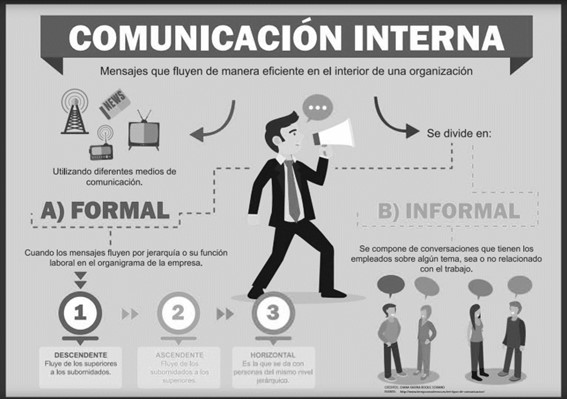
Fuente: https://issuu.com
Communication Picture This

Prevent Fraud By Maintaining a Safe Workplace Stats and Facts
FACTS
- Employees have admitted to stealing at least once from their employer.
- Whether it’s a result of entitlement or just general dishonesty, employee theft comes in many forms and at varying degrees.
- Everything from scrolling social media during a meeting to sharing confidential documents with an outside source can be considered workplace theft.
- If you’re leading a company, it’s important to stay up to date on what’s what (legally). Internal theft can have a major impact on your bottom line.
- In most cases, you can spot employee fraudsters through behavioral red flags such as living beyond their means, excessive control issues, or irritability.
- The best departments to start fraud investigations include operations, accounting, upper management, and sales as these are the top departments where occupational fraud cases have been discovered.
STATS
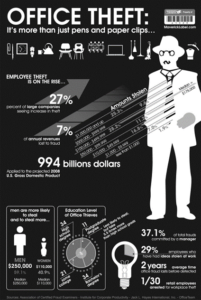
- More than three-fourths of all occupational fraud cases came from these high-risk departments: Operations (15%), Accounting (14%), Executive/Upper Management (12%), Sales (11%), and Customer Service (9%) (ACFE, 2020).
- 75% of employees admitted to stealing from their employers at least once and 37.5% of employees have stolen at least twice (Static Brain, n.d.).
- 64% of employees steal from small businesses, showing how small businesses are very susceptible to employee theft (Complete Controller, 2019).
- 79% of embezzlement cases involved more than one employee. The average number of employees involved is three (CUTimes, 2019).
Profile of Perpetrators
- 33% of embezzlers worked in the accounting or finance department (CUTimes, 2019).
- 85% of embezzlement cases were perpetrated by an employee at the managerial level or above (CUTimes, 2019).
- 41% of occupational fraud cases were perpetrated by employee-level staff, 35% were done by manager-level personnel, and 20% were committed by owners/executives (ACFE, 2020).
- 64% of occupational fraudsters had a university degree or higher (ACFE, 2020).
- Males committed more occupational fraud (72%) than females
Prevent Fraud By Maintaining a Safe Workplace Stats and Facts – Spanish
HECHOS
- Los empleados han admitido haber robado al menos una vez a su empleador.
- Ya sea por derecho o simplemente por deshonestidad general, el robo por parte de los empleados se presenta de muchas formas y en distintos grados.
- Todo, desde desplazarse por las redes sociales durante una reunión hasta compartir documentos confidenciales con una fuente externa, puede considerarse un robo en el lugar de trabajo.
- Si usted dirige una empresa, es importante que se mantenga al día sobre qué es qué (legalmente). Los robos internos pueden tener un gran impacto en su cuenta de resultados.
- En la mayoría de los casos, puede detectar a los empleados defraudadores a través de banderas rojas de comportamiento como vivir por encima de sus posibilidades, problemas de control excesivo o irritabilidad.
- Los mejores departamentos para empezar a investigar el fraude son los de operaciones, contabilidad, alta dirección y ventas, ya que son los principales departamentos en los que se han descubierto casos de fraude laboral.
ESTADÍSTICAS
- Más de tres cuartas partes de todos los casos de fraude laboral procedían de estos departamentos de alto riesgo: Operaciones (15%), Contabilidad (14%), Ejecutivos/Superiores (12%), Ventas (11%) y Atención al Cliente (9%) (ACFE, 2020).
- El 75% de los empleados admitió haber robado a sus empleadores al menos una vez y el 37,5% de los empleados ha robado al menos dos veces (Static Brain, n.d.).
- El 64% de los empleados roban en las pequeñas empresas, lo que demuestra que las pequeñas empresas son muy susceptibles de sufrir robos por parte de los empleados (Complete Controller, 2019).
- El 79% de los casos de malversación implican a más de un empleado. La media de empleados implicados es de tres (CUTimes, 2019).
Perfil de los autores
- El 33% de los malversadores trabajaban en el departamento de contabilidad o finanzas (CUTimes, 2019).
- El 85% de los casos de malversación fueron perpetrados por un empleado de nivel directivo o superior (CUTimes, 2019).
- El 41% de los casos de fraude laboral fueron perpetrados por personal a nivel de empleados, el 35% fueron realizados por personal a nivel de directivos y el 20% fueron cometidos por propietarios/ejecutivos (ACFE, 2020).
- El 64% de los defraudadores profesionales tenían un título universitario o superior (ACFE, 2020).
- Los hombres cometieron más fraudes laborales (72%) que las mujeres
Citrus Harvest Meeting Kit
BEST PRACTICES AROUND MANAGING HARVEST LABOUR FOR FRUIT GROWERS
Harvest is a busy and stressful time. That is why it is important to implement some good practices when it comes to sourcing and maintaining labour, to make this process run as smoothly as possible.
PLAN EARLY
Try to plan early and work out what your needs will be and how you plan to source labour. Use the resources available such as your local Harvest Labour Office, National Harvest Labour Information Service, advertising in your local paper, online and don’t forget the power of social media.
FIRST PRIORITY IS KEEPING PEOPLE SAFE
Having a safe workplace is very important when sustaining labour on your farm. You should always provide an informative and specific induction when you have new staff starting on your farm that covers how they are to perform their job safely and effectively, how to refrain from damaging fruit, where facilities are, and any other relevant information for working on your orchard.
Clear communication is a must. Ensure that on your staff’s first day that all parties are clear on everything including expected hours, pay rates, what they will pick, what fruit you need them to pick (whether it is colour picking, strip picking or you only require a certain percentage off the tree), as well as how long you are expecting your harvest to last and any expected breaks.
TWO HAZARDS – DANGER OF FALLING AND BACK INJURIES
The two greatest hazards involved in harvesting lemons, oranges and grapefruit are the danger of falling from the ladder and the possibility of back injury from carrying heavy bags full of fruit.
When the orchard floor is wet, mud cakes on the bottom of workers’ shoes, and the shoes become slippery. Climbing ladders with muddy, slippery footwear greatly increases a worker’s chance of falling.
To further complicate matters, when the orchard floor is wet, the ladder can sink unevenly into the mud with the weight of the picker and become off balance. Pickers carry heavy loads of the fruit they are picking. This affects balance and, since pickers are using their hands to pick rather than hold on to the ladders, they are at even greater risk of falling.
WEAR CLEATED SHOES
Citrus harvesters should always use shoes that have cleated soles. Under wet conditions, these cleats will fill up with mud, and workers will have to take the time to occasionally scrape the mud off the bottom of their shoes.
IMPORTANT PICKING CRITERIA AND CONSIDERATIONS
Workers should check each time before climbing to make sure their ladders are resting evenly on the orchard floor. If one of the legs has sunk into the mud, the ladder should be adjusted so that it is balanced before the picker climbs back up. When climbing up the ladder, the rule is to never go beyond the third rung from the top. Going higher will make the ladder unstable and more likely to tip over.
Picking should start from the top of the tree, with pickers moving downward on the ladder as their bags become fuller and heavier.
Crew leaders should discourage their workers from reaching too far for fruit when they are on ladders. When all nearby fruit has been picked, harvesters should climb down and move the ladder rather then try to save time by reaching precariously and risking a fall.
Care should be taken in lifting. A full bag of citrus can weigh up to 80 pounds. Harvesters are constantly carrying these heavy loads while climbing and bringing bags to larger containers and dumping their load. All of this is being done while hurrying to get as much fruit picked as possible. Workers should receive training at the beginning of the season regarding the best way to carry heavy loads.
Workers should be encouraged to lift with their legs rather than with their backs. The weight in the bags should be distributed evenly; bags should not hang off to one side of the body and the weight should be carried as close as possible to the harvester’s body.
TRAINING
Training should include the following:
- identification of potential contamination of fruit or equipment and to avoid picking citrus that may be contaminated with pathogens.
- hand washing techniques.
- use of toilet facilities requires proper glove use and storage, proper trash disposal.
- food consumption only outside production area.
- proper handling and storage of equipment.
- no glass containers brought into grove.
- prompt treatment for cuts, abrasions and other injuries.
- reporting signs of illness to the supervisor before beginning work.
BEST PICKING PRACTICES FOR WORKERS
- Check ladders each time before climbing to make sure they are resting evenly on the ground.
- Always maintain three points of contact when climbing the ladder.
- Establish a secure position on the ladder while picking and balancing the bag of fruit.
- Never climb beyond the third rung from the top of the ladder.
- Check your ladder for damage, and don’t use the ladder if it is damaged.
- If the ground is wet, make sure the ladder isn’t sinking into the mud.
- Check shoes and ladder rungs to keep them free of mud build-up, to avoid creating a slippery surface.
- Don’t “over-reach” for the fruit. Leaning too far to one side or the other can cause the ladder to fall.
- Picking should start from the top of the tree, with pickers moving downward on the ladder.
- Stretch muscles before and during the workday to help prevent strains and reduce fatigue.
- never pick up citrus fruit from the ground if to be used for human consumption.
FINAL WORD
The general public does not have the complete picture how that healthy and tasty fruit end up at the supermarket. It takes planning and patience by growers including an appreciation what practices/procedures must be put into place with respect to the workforce that makes it all happen.
Citrus Harvest Meeting Kit – Spanish
QUÉ ESTÁ EN RIESGO
MEJORES PRÁCTICAS EN LA GESTIÓN DE LA RECOLECCIÓN PARA LOS FRUTICULTORES
LA COSECHA es una temporada ajetreada y estresante. Por eso es importante aplicar algunas buenas prácticas a la hora de contratar y mantener la mano de obra, para que este proceso se desarrolle lo mejor posible.
PLANIFICAR CON ANTELACIÓN
Intente planificar con antelación y determinar cuáles serán sus necesidades y cómo piensa conseguir la mano de obra. Utilice los recursos disponibles, como la Oficina de Trabajo de Cosecha local, el Servicio Nacional de Información sobre el Trabajo de Cosecha, la publicidad en el periódico local o en Internet, y no olvide el poder de las redes sociales.
LA PRIMERA PRIORIDAD ES MANTENER LA SEGURIDAD DE LAS PERSONAS
Disponer de un lugar de trabajo seguro es muy importante a la hora de mantener la labor en su huerto. Cuando el personal nuevo empiece a trabajar en la huerta, siempre hay que ofrecerle una orientación informativa y específica sobre cómo debe realizar su trabajo de forma segura y eficaz, cómo evitar dañar la fruta, dónde están las instalaciones y cualquier otra información relevante para trabajar en el huerto.
Una comunicación clara es imprescindible. Asegúrese de que el primer día de su personal todas las partes tengan claro todo, incluyendo las horas esperadas, las tarifas, lo que van a recoger, la fruta que necesita que recojan (si se trata de una recogida en color, en franjas o si sólo necesita un determinado porcentaje del árbol), así como el tiempo que espera que dure la cosecha y los descansos previstos.
CUÁL ES EL PELIGRO
DOS PELIGROS: PELIGRO DE CAÍDA Y LESIONES DE ESPALDA
Los dos mayores riesgos que implica la recolección de limones, naranjas y toronjas son el peligro de caerse de la escalera y la posibilidad de sufrir lesiones en la espalda por cargar con pesados sacos llenos de fruta.
Cuando el suelo del huerto está mojado, el barro se acumula en la suela de los zapatos de los trabajadores y éstos se vuelven resbaladizos. Subir por las escaleras con un calzado embarrado y resbaladizo aumenta en gran medida la posibilidad de que el trabajador se caiga.
Para complicar aún más las cosas, cuando el suelo del huerto está mojado, la escalera puede hundirse de forma irregular en el barro con el peso del recolector y perder el equilibrio. Los recolectores llevan cargas pesadas de la fruta que están recogiendo. Esto afecta al equilibrio y, dado que los recolectores utilizan sus manos para recoger en lugar de sujetarse a las escaleras, corren un riesgo aún mayor de caerse.
COMO PROTEGERSE
USAR CALZADO CON TACOS
Lo más importante es la elección del calzado. Los recolectores de cítricos deben utilizar siempre zapatos con suelas de tacos. En condiciones de humedad, estos tacos se llenarán de barro, y los trabajadores tendrán que dedicar tiempo a raspar de vez en cuando el barro de la suela de sus zapatos.
CRITERIOS Y CONSIDERACIONES IMPORTANTES PARA LA RECOLECCIÓN
Los trabajadores deben comprobar cada vez, antes de subir, que sus escaleras están apoyadas uniformemente en el suelo del huerto. Si una de las patas se ha hundido en el barro, la escalera debe ajustarse para que esté equilibrada antes de que el recolector vuelva a subir. Al subir la escalera, la regla es no pasar nunca del tercer peldaño desde arriba. Subir más alto hará que la escalera sea inestable y más probable que se vuelque.
La recolección debe comenzar en la parte superior del árbol, y los recolectores deben ir bajando por la escalera a medida que sus bolsas se llenan y pesan más.
Los jefes del personal deben disuadir a sus trabajadores de ir demasiado lejos en busca de fruta cuando están en las escaleras. Cuando se haya recogido toda la fruta cercana, los recolectores deben bajar y mover la escalera en lugar de intentar ahorrar tiempo alcanzando precariamente y arriesgándose a una caída.
Hay que tener cuidado al levantar la fruta. Una bolsa llena de cítricos puede pesar hasta 80 libras. Los recolectores llevan constantemente estas pesadas cargas mientras suben y llevan las bolsas a contenedores más grandes y vierten su carga. Todo esto se hace mientras se apresuran a recoger la mayor cantidad de fruta posible. Los trabajadores deben recibir capacitación al principio de la temporada sobre la mejor manera de transportar cargas pesadas.
Hay que animar a los trabajadores a levantar con las piernas y no con la espalda. El peso de las bolsas debe distribuirse uniformemente; las bolsas no deben colgar a un lado del cuerpo y el peso debe llevarse lo más cerca posible del cuerpo del recolector.
CAPACITACIÓN
La capacitación debe incluir lo siguiente:
- identificación de la contaminación potencial de la fruta o del equipo y evitar recoger cítricos que puedan estar contaminados con patógenos.
- técnicas de lavado de manos.
- el uso de las instalaciones sanitarias requiere el uso y almacenamiento adecuado de guantes, y la eliminación correcta de la basura.
- consumo de alimentos sólo fuera del área de producción.
- manipulación y almacenamiento adecuados del equipo.
- no introducir envases de vidrio en el huerto.
- tratamiento rápido de cortes, quemaduras y otras lesiones.
- informar de los signos de enfermedad al supervisor antes de empezar a trabajar.
MEJORES PRÁCTICAS DE RECOLECCIÓN PARA LOS TRABAJADORES
- Revise las escaleras cada vez antes de subirlas para asegurarse de que están apoyadas uniformemente en el suelo.
- Mantener siempre tres puntos de contacto al subir la escalera.
- Establezca una posición segura en la escalera mientras recoge y equilibra la bolsa de fruta.
- No suba nunca más allá del tercer peldaño de la parte superior de la escalera.
- Compruebe si la escalera está dañada y no la utilice si está dañada.
- Si el suelo está húmedo, asegúrate de que la escalera no se hunde en el barro.
- Revise los zapatos y los peldaños de la escalera para mantenerlos libres de acumulación de barro, para evitar crear una superficie resbaladiza.
- No se inclines demasiado por la fruta. Inclinarse demasiado hacia un lado u otro puede hacer que la escalera se caiga.
- La recolección debe comenzar desde la parte superior del árbol, con los recolectores moviéndose hacia abajo en la escalera.
- Estire los músculos antes y durante la jornada de trabajo para evitar tensiones y reducir la fatiga.
- Nunca recoger los cítricos del suelo si se van a utilizar para el consumo humano.
CONCLUSIÓN
El público en general no tiene una idea completa de cómo llega esa fruta sana y sabrosa al supermercado. Los agricultores deben planificar y tener paciencia, y saber qué prácticas y procedimientos deben aplicarse con respecto a la mano de obra que lo hace posible.
Prevent Fraud By Maintaining a Safe Workplace Fatality File
2 men were shocked to death on the job. Their boss committed $100K in workers’ comp fraud, DA says
The Riverside County District Attorney’s Office has asked for an arrest warrant against Carlos Valencia, the employer of two men who were fatally electrocuted in March 2016 while pollinating palm trees in Thermal.
An investigation into the deaths of Osvaldo Ceron and Ernesto Hurtado found that Carlos Valencia, owner of Valencia Trimming in La Quinta, misclassified employees to make their jobs appear to be lower risk to his insurance provider and lied about employee pay, according to court documents filed by the DA’s office.
Valencia deprived California’s insurance fund for workers’ compensation of $100,000 and cost the state more than $35,000 in unreported payroll taxes between 2012 and 2017, the arrest declaration says.
The district attorney filed the felony charges against Valencia, 49, on Dec. 7 with a recommended cash bond of $135,000.
Valencia Trimming employees Ceron and Hurtado were electrocuted while pollinating palm trees at 68600 Harrison Ave. in Thermal on March 12, 2016.
The two men were using a truck with a boom. Hurtado was maneuvering the boom when the bucket carrying both men made contact with a power line, according to the DA, shocking them.
Ceron fell from the bucket to the ground, where he was found dead by a third employee. Hurtado remained in the bucket, which caught fire while the group waited for the power company to shut off the power line. He was electrocuted and burned.
According to the DA, Valencia misreported both pay rate and worker classification to the State Compensation Insurance Fund, or SCIF, the $1-billion fund created by the state of California to provide workers’ compensation coverage.
In this case, both Ceron and Hurtado’s beneficiaries have received death benefits, Vargen said. One of their cases has been closed and the other remains open.
SCIF issued Valencia Trimming an insurance policy effective in 2012. But Valencia “reported his payroll under landscaping and not tree trimming,” a classification that lowered Valencia’s insurance rate prior to the deaths of Ceron and Hurtado. Valencia later admitted to SCIF that “no landscaping operations are performed” by his business, according to the DA.
Valencia also underreported employee payroll wages to SCIF and to state tax authorities, the declaration says. For example, Valencia told SCIF investigators after the incident that Hurtado had earned $15,000 annually and that Ceron had earned $11,000 annually, but previously reported to SCIF that his business had no payroll wages during periods when one or both men were employees.
Prevent Fraud By Maintaining a Safe Workplace Fatality File – Spanish
Hombres murieron por una descarga eléctrica en el trabajo. Su jefe cometió un fraude de 100 mil dólares en la compensación de los trabajadores, dice el fiscal
La Oficina del Fiscal del Condado de Riverside ha pedido una orden de arresto contra Carlos Valencia, el empleador de dos hombres que fueron fatalmente electrocutados en marzo de 2016 mientras polinizaban palmeras en Thermal.
Una investigación sobre las muertes de Osvaldo Ceron y Ernesto Hurtado determinó que Carlos Valencia, propietario de Valencia Trimming en La Quinta, clasificó erróneamente a los empleados para que sus trabajos parecieran de menor riesgo para su proveedor de seguros y mintió sobre el pago de los empleados, según los documentos judiciales presentados por la oficina del fiscal.
Valencia privó al fondo de seguros de California para la compensación de los trabajadores de $ 100,000 y le costó al estado más de $ 35,000 en impuestos de nómina no declarados entre 2012 y 2017, dice la declaración de arresto.
El fiscal de distrito presentó los cargos de delito grave contra Valencia, de 49 años, el 7 de diciembre con una fianza en efectivo recomendada de 135,000 dólares.
Los empleados de Valencia Trimming, Ceron y Hurtado, se electrocutaron mientras polinizaban palmeras en el 68600 de la avenida Harrison en Thermal el 12 de marzo de 2016.
Los dos hombres estaban usando un camión con una grúa. Hurtado estaba maniobrando la grúa cuando el cubo que transportaba a ambos hombres entró en contacto con una línea eléctrica, según el fiscal, provocándoles una descarga.
Ceron cayó del cubo al suelo, donde fue encontrado muerto por un tercer empleado. Hurtado permaneció en el cubo, que se incendió mientras el grupo esperaba a que la compañía eléctrica cortara la línea eléctrica. Se electrocutó y sufrió quemaduras.
Según el fiscal, Valencia declaró erróneamente tanto el salario como la clasificación de los trabajadores al Fondo Estatal de Seguros de Compensación, o SCIF, el fondo de 1.000 millones de dólares creado por el estado de California para proporcionar cobertura de compensación a los trabajadores.
En este caso, los beneficiarios de Ceron y Hurtado han recibido prestaciones por fallecimiento, dijo Vargen. Uno de sus casos se ha cerrado y el otro sigue abierto.
El SCIF emitió a Valencia Trimming una póliza de seguro vigente en 2012. Pero Valencia “reportó su nómina bajo jardinería y no poda de árboles”, una clasificación que redujo la tasa de seguro de Valencia antes de las muertes de Ceron y Hurtado. Valencia admitió más tarde al SCIF que “no se realizan operaciones de jardinería” en su negocio, según el fiscal.
Valencia también declaró de manera insuficiente los salarios de los empleados al SCIF y a las autoridades fiscales del estado, dice la declaración. Por ejemplo, Valencia dijo a los investigadores del SCIF después del incidente que Hurtado había ganado 15.000 dólares anuales y que Ceron había ganado 11.000 dólares anuales, pero anteriormente informó al SCIF de que su negocio no tenía salarios en nómina durante los períodos en que uno o ambos hombres eran empleados.
Prevent Fraud By Maintaining a Safe Workplace Picture This
Prevent Fraud By Maintaining a Safe Workplace Picture This – Spanish
Fuente: http://nahunfrett.blogspot.com
Citrus Harvest Stats and Facts
FACTS
- Orchard workers suffered primarily from back and shoulder musculoskeletal injuries, often related to heavy bags carried up and down the ladders, bending and lifting, and the emphasis on picking as quickly as possible, especially for workers being paid by the piece. Other common injuries include skin problems, most notably from contact with poison ivy. Skin irritation is also caused by pollen and dust, peach fuzz, insects, sun and water exposure, or from chemicals used in the orchard.
- Even when proper pesticide application and re-entry is observed, residue can cause contact irritation on the skin. Workers thinning, harvesting or pruning trees and fruit are not legally required to wear the personal protective equipment that those mixing or applying chemicals must use. Gloves, hats and other protective equipment can provide a barrier and reduce workers’ indirect exposure to chemical sprays.
- Florida’s $1 billion citrus harvest is almost entirely handpicked. Harvesters use 20-foot ladders and canvas bags weighing up to 90 pounds when full to pick about 3 tons of fruit daily. Environmental conditions are challenging. During picking season, the groves are typically wet and humid in the morning and hot and dusty in the afternoon. Harvesters confront eye injuries from tree branches, dust, chemical residues, biting insects, sunlight, and falls.
- Citrus industry managers recognize that eye injuries are the most frequent causes of clinic visits, and that transportation, lost time, and paperwork contribute significantly to harvesting costs. Eye injuries are preventable by protective eyewear. However, use of safety glasses requires availability, a monetary outlay, adoption by reluctant workers, and a change in workplace safety culture that is difficult to influence and measure.
STATS
- An estimated 1,500 of the 17,000 people who worked in Florida’s citrus growing industry in 1996 suffered work-related injuries or illnesses on the job.
- According to the Washington State Department of Labor and Industries, over 500 orchard workers fall off ladders each year and file claims, with over 200 of them injured so seriously that they are not able to return to picking.
- Work-related musculoskeletal pain (WRMP) among Citrus sinensis farm workers has barely been studied. Yet most work tasks in such farms are manually performed using awkward standing postures that can contribute to WRMP. Aim.
- According to AgInjury News, orchard or vineyard accidents in the U.S. since 2017 included six which involved all-terrain vehicles or utility vehicles. All resulted in fatalities. Many happened as agricultural workers were performing job-related duties using the ATVs, such as checking irrigation or spraying operations or as a part of agritourism operations.
- Tractor rollovers in orchards took the lives of at least five orchard workers since 2017, with rollovers also causing serious but non-fatal injuries as well. Forklift accidents caused two fatalities in orchard settings.
Citrus Harvest Stats and Facts – Spanish
HECHOS
- Los trabajadores de los huertos sufrían sobre todo lesiones musculoesqueléticas en la espalda y los hombros, a menudo relacionadas con las pesadas bolsas que subían y bajaban por las escaleras, el hecho de agacharse y levantar objetos, y el empeño en recoger lo más rápidamente posible, sobre todo en el caso de los trabajadores a los que se paga por pieza. Otras lesiones comunes son los problemas de piel, sobre todo por el contacto con la hiedra venenosa. La irritación de la piel también está causada por el polen y el polvo, la pelusa del melocotón, los insectos, la exposición al sol y al agua, o por los productos químicos utilizados en el huerto.
- Incluso cuando se respeta la aplicación y reentrada adecuada de los plaguicidas, los residuos pueden causar irritación por contacto en la piel. Los trabajadores que ralean cosechan o podan los árboles y la fruta no están obligados legalmente a llevar el equipo de protección personal que deben utilizar los que mezclan o aplican los productos químicos. Los guantes, sombreros y otros equipos de protección pueden proporcionar una barrera y reducir la exposición indirecta de los trabajadores a los aerosoles químicos.
- La cosecha de cítricos de Florida, valorada en 1.000 millones de dólares, se recoge casi totalmente a mano. Los recolectores utilizan escaleras de 6 metros y bolsas de lona que pesan hasta 90 libras cuando están llenas para recoger unas 3 toneladas de fruta al día. Las condiciones ambientales son difíciles. Durante la temporada de recolección, las arboledas suelen estar mojadas y húmedas por la mañana y calurosas y polvorientas por la tarde. Los recolectores se enfrentan a lesiones oculares por las ramas de los árboles, el polvo, los residuos químicos, los insectos que pican, la luz del sol y las caídas.
- Los responsables de la industria de los cítricos reconocen que las lesiones oculares son la causa más frecuente de las visitas a las clínicas, y que el transporte, el tiempo perdido y el papeleo contribuyen significativamente a los costes de la cosecha. Las lesiones oculares se pueden prevenir con gafas de protección. Sin embargo, el uso de gafas de seguridad requiere disponibilidad, un desembolso monetario, la adopción por parte de los trabajadores reticentes y un cambio en la cultura de seguridad en el lugar de trabajo que es difícil de influir y medir.
ESTADÍSTICAS
- Se calcula que 1.500 de las 17.000 personas que trabajaron en la industria citrícola de Florida en 1996 sufrieron lesiones o enfermedades laborales en el trabajo.
- Según el Departamento de Trabajo e Industrias del Estado de Washington, más de 500 trabajadores de huertos se caen de las escaleras cada año y presentan denuncias, y más de 200 de ellos sufren lesiones tan graves que no pueden volver a la recolección.
- El dolor musculoesquelético relacionado con el trabajo (WRMP) entre los trabajadores de las granjas de Citrus sinensis apenas se ha estudiado. Sin embargo, la mayoría de las tareas de trabajo en estas explotaciones se realizan manualmente utilizando posturas incómodas de pie que pueden contribuir a la aparición de WRMP.
- Según AgInjury News, los accidentes en huertos o viñedos en Estados Unidos desde 2017 incluyeron seis que involucraron vehículos todo terreno o vehículos utilitarios. Todos resultaron mortales. Muchos ocurrieron mientras los trabajadores agrícolas realizaban tareas relacionadas con el trabajo utilizando los ATV, como la comprobación de las operaciones de riego o pulverización o como parte de las operaciones de agroturismo.
- Los vuelcos de tractores en huertos se cobraron la vida de al menos cinco trabajadores de huertos desde 2017, y los vuelcos también causaron lesiones graves, pero no mortales. Los accidentes con carretillas elevadoras causaron dos víctimas mortales en los huertos.
Citrus Harvest Fatality File
Death in The Fields
Jaime Nuño-Sanchez joked with the crew as they waited to pick lemons at a citrus grove in Southern California’s sunshine-draped Coachella Valley.
It was his first day back from a summer break — his first after 30 years of picking fruits and vegetables in the valley. In fields stretching for 200 miles to the Mexican border, thousands of farmworkers gather to pick or plant half a billion dollars worth of crops — lemons, table grapes, peppers, dates, oranges, onions.
The owners of the Thermal lemon grove where Nuño-Sanchez was headed sell crops to Wonderful Citrus, one of the largest citrus distributors in the United States.
Around 10:30 a.m. on Sept. 21, a crew that included Nuño-Sanchez and his wife began picking from a row of trees at the back of the grove, not far from where a supervisor had set up shade and water to comply with California’s heat illness prevention standards.
Temperatures hovered around 90 degrees, but the humidity made it feel like 105.
Forty-five minutes into the shift, Nuño-Sanchez, 48, sat down in a shaded area, saying he didn’t feel well. Supervisors asked if he wanted to go to Centro Medico Oasis, a nearby clinic, but he declined and said he was fine. He asked for water.
Minutes later, he collapsed.
One picker, who could speak English, called 911. A supervisor jumped into a pickup and sped to Highway 86 to wait for a fire truck and paramedics. When they arrived, he led them to the last lemon tree in the grove, tucked away off a dirt road near Avenue 78 and Fillmore Street.
Paramedics tried to revive Nuño-Sanchez, but it was too late.
The father of three died on the field at 12:35 p.m.
Citrus Harvest Fatality File – Spanish
Muerte en los huertos
Jaime Nuño-Sánchez bromeaba con el equipo mientras esperaban para recoger limones en un campo de cítricos en el Valle de Coachella, en el sur de California, bañado por el sol.
Era su primer día de vuelta de las vacaciones de verano, el primero después de 30 años recogiendo frutas y verduras en el valle. En los campos que se extienden a lo largo de 200 millas hasta la frontera con México, miles de trabajadores agrícolas se reúnen para recoger o plantar cultivos por valor de 500 millones de dólares: limones, uvas de mesa, pimientos, dátiles, naranjas, cebollas.
Los propietarios del campo de limones de Thermal al que se dirigía Nuño-Sánchez venden las cosechas a Wonderful Citrus, uno de los mayores distribuidores de cítricos de Estados Unidos.
Alrededor de las 10:30 de la mañana del 21 de septiembre, una cuadrilla que incluía a Nuño-Sánchez y a su esposa comenzó a recoger en una hilera de árboles en la parte trasera de la arboleda, no muy lejos de donde un supervisor había colocado sombra y agua para cumplir con las normas de prevención de enfermedades causadas por el calor de California.
Las temperaturas rondaban los 90 grados Fahrenheit, pero la humedad hacía que parecieran 105.
A los 45 minutos del turno, Nuño-Sánchez, de 48 años, se sentó en una zona de sombra y dijo que no se sentía bien. Los supervisores le preguntaron si quería ir al Centro Médico Oasis, una clínica cercana, pero se negó y dijo que estaba bien. Pidió agua.
Minutos después, se desmayó.
Un recolector, que hablaba inglés, llamó al 911. Un supervisor se subió a una camioneta y se dirigió a la carretera 86 para esperar a un camión de bomberos y a los paramédicos. Cuando llegaron, los condujo al último limonero del bosquecillo, escondido en un camino de tierra cerca de la avenida 78 y la calle Fillmore.
Los paramédicos intentaron reanimar a Nuño-Sánchez, pero era demasiado tarde.
El padre de tres hijos murió en el campo a las 12:35 p.m.
Citrus Harvest Picture This – Spanish