Instant Gratification and Safety Picture This

Seemingly, a subordinate employee is incurring the “wrath” of a supervisor/boss in dramatic fashion as a fellow co-worker looks on at the incident in horror!!
Seemingly, a subordinate employee is incurring the “wrath” of a supervisor/boss in dramatic fashion as a fellow co-worker looks on at the incident in horror!!
¡¡¡Al parecer, un empleado subordinado está incurriendo en la “ira” de un supervisor/jefe de manera dramática mientras un compañero de trabajo mira el incidente con horror!!!
The term ¨it was only a matter of time¨ has been used by most people. It describes good events as well as not so good events.
The good events can be described in a positive context as ¨it was only a matter of time¨ before Sally was able to establish the quota for the quarter. On the negative side, in the context of a workplace accident “John was always in his cell phone while working and it was only a matter of time that the boss caught him”
Other employees knew what John was doing was wrong. More importantly, steps could have been taken to prevent John from using his cell while he was working.
When referring to specific coworkers taking risks and then getting injured on the job, this has usually been going on for some time. Typically, other other coworkers were aware of the behavioir.
So, when the injury happens, the often heard phrase is uttered: ¨It was only a matter of time¨.
“It was only a matter of time” situations result in injury when existing hazards are left in the workplace. What results from this unaddressed action is that everyone in the workplace is exposed to risk with the real possibility of injury. This leaves it to workers to deal with whatever those hazards may be.
Existing Hazards
Workers need to:
Other Risk-Taking Workers
Before it gets to a coworker saying “it was a matter of time” after an injury occurs, take action to correct a dangerous situation. Employees and management want everyone to go home healthy. There are far reaching consequences for everyone if a worker suffers injury. When an injury occurs, it affects the company as a whole and the mindset shifts from “it is not my problem” to it is my problem and I need to speak up.
¨It was only a matter of time¨ has real relevance to workplace safety. Unfortunately, this phrase is often used in the negative sense. Risk – taking workers usually find out too late that their actions can haunt them well after the incident has occurred.
El término “era sólo cuestión de tiempo” ha sido utilizado por la mayoría de la gente. Describe tanto acontecimientos buenos como no tan buenos.
Los buenos acontecimientos pueden describirse en un contexto positivo como ¨Era sólo cuestión de tiempo¨ antes de que Sally pudiera establecer la cuota para el trimestre. En el lado negativo, en el contexto de un accidente laboral “John siempre estaba con su celular mientras trabajaba y era sólo cuestión de tiempo que el jefe lo viera”
Otros empleados sabían que lo que hacía John estaba mal. Y lo que es más importante, se podrían haber tomado medidas para evitar que John utilizara su celular mientras trabajaba.
COMPAÑEROS DE TRABAJO QUE ASUMEN RIESGOS
Cuando se habla de compañeros de trabajo específicos que asumen riesgos y se lesionan en el trabajo, lo normal es que esto ocurra desde hace tiempo. Y otros compañeros de trabajo eran conscientes de que el compañero se arriesgaba. Así, cuando el trabajador que asume el riesgo se lesiona, se pronuncia la frase habitual: “Era sólo cuestión de tiempo”.
Algunos pueden argumentar que no es su trabajo asegurarse de que los compañeros trabajen de forma segura a su alrededor. Pero es indiscutible que todos los trabajadores quieren que todos se vayan a casa sanos y felices.
PELIGROS NO ABORDADOS EN EL LUGAR DE TRABAJO
Es sólo una “cuestión de tiempo” que se produzcan situaciones que provoquen lesiones cuando se trate de peligros existentes en el lugar de trabajo y no del comportamiento de un trabajador. Se trata de situaciones no abordadas que no son tratadas por un supervisor o por la dirección de la empresa. Lo que resulta de esta acción no abordada es que todos en el lugar de trabajo están expuestos al riesgo con la posibilidad real de sufrir lesiones. Esto deja en manos de los trabajadores la tarea de hacer frente a los peligros que puedan surgir.
ACCIONES APROPIADAS POR PARTE DE LOS TRABAJADORES
Peligros existentes
Los trabajadores deben:
Colaborar con la dirección para intentar eliminar o mitigar el peligro o peligros. Si su supervisor directo no se toma en serio sus preocupaciones, consiga la participación de otro nivel de la dirección.
Adoptar cualquier medida que pueda para mitigar el peligro al que está expuesto. Informe a los demás de la existencia del peligro y de lo que se puede hacer para evitar la exposición al mismo.
Otros trabajadores que asumen riesgos
Hable. Dese cuenta de que es su problema cuando otra persona en el trabajo está asumiendo riesgos. Incluso si usted no resulta lesionado, otra persona puede resultar lesionada o el lugar de trabajo puede cerrarse debido a un incidente grave.
Confronte al trabajador. Dígale al trabajador que hay una forma correcta y otra incorrecta de hacer el trabajo. Las lesiones afectan a todos los trabajadores, incluidas sus familias.
Póngase en contacto con el supervisor. Asegúrese de que los supervisores estén al tanto del problema para que puedan solucionarlo.
Antes de llegar a que un compañero de trabajo diga “era cuestión de tiempo” después de que se produzca una lesión, tome medidas para corregir una situación peligrosa. Los empleados y la dirección quieren que todos vuelvan a casa sanos. Si un trabajador sufre una lesión, las consecuencias son de gran alcance para todos. Cuando se produce una lesión, afecta a la empresa en su conjunto y la mentalidad cambia de “no es mi problema” a “es mi problema y tengo que hablar”.
Era sólo cuestión de tiempo¨ tiene una relevancia real para la seguridad en el trabajo. Por desgracia, esta frase tan utilizada se demuestra claramente en lo negativo.
Los trabajadores que asumen riesgos suelen descubrir demasiado tarde que sus acciones, con el paso del tiempo, pueden perseguirles mucho tiempo después del suceso.

It was only a “matter of time” situation that occurs resulting in injury where there is a reference to existing hazards left in the workplace. What results from undressed action is that everyone in the workplace is exposed to risk with the real possibility of injury.
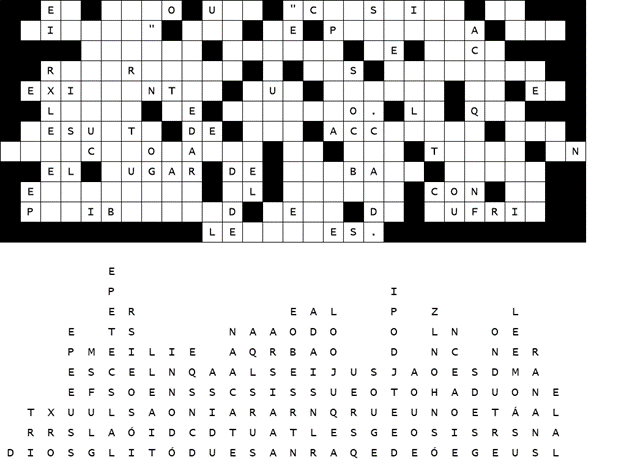
Respuesta: Es sólo una “cuestión de tiempo” que se produzca una lesión cuando se hace referencia a los peligros existentes que quedan en el lugar de trabajo. Lo que resulta de las acciones mal direccionadas es que todos en el lugar de trabajo están expuestos al riesgo con la posibilidad real de sufrir lesiones.

Answers: Safety Now, Time, Unaddressed, Actions, Risk, Injuries, Accidents. Workplace, Exposed, Mitigate, Issues, Situations, Dangerous, Negative, Incident
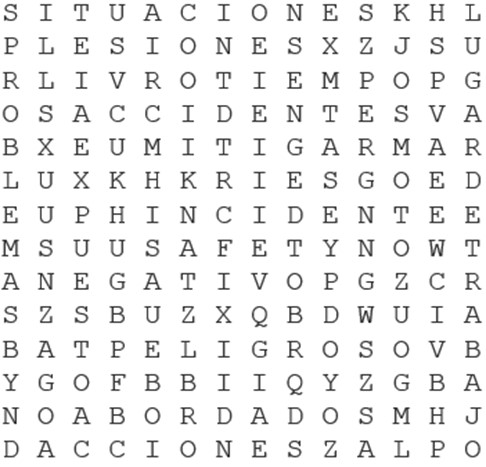
Respuestas: Safety Now , Tiempo , No abordados, Acciones, Riesgo, lesiones, Accidentes, Lugar de trabajo, Expuesto, Mitigar, Problemas, Situaciones, Peligroso, Negativo, Incidente
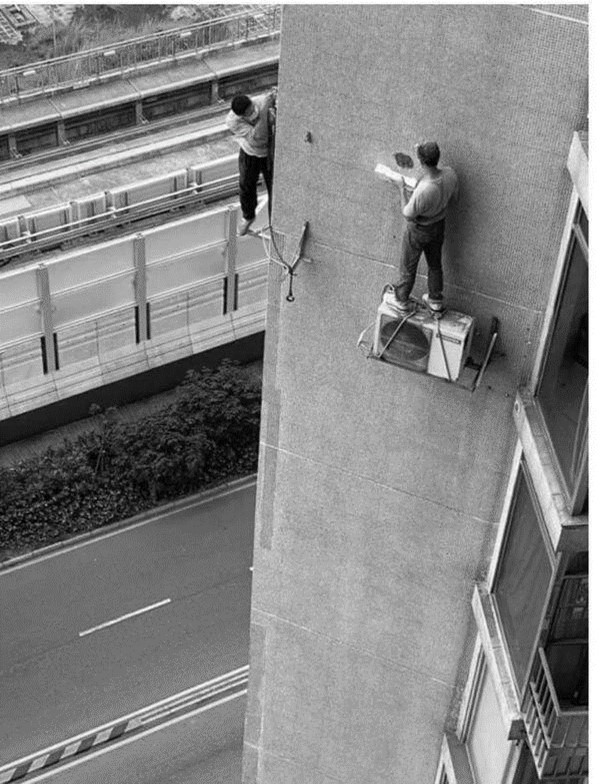
On many occasions it is only a matter of time before an incident or fatality occurs and, in this situation, it is probably expected to happen. There are two workers working at heights without any proper PPE and the air conditioner in which they are standing will not last long.
Falls are the leading cause of fatal accidents in the Ontario construction industry, and even the incidents that do not result in a worker fatality have dire consequences that are life changing for the injured worker, and financially stressful for the employer. To help both employers and employees reduce the risk of a workplace fall injury with safety practices and procedures.
En muchas ocasiones es sólo cuestión de tiempo que se produzca un incidente o una víctima mortal y, en esta situación, probablemente se espera que ocurra. Hay dos obreros trabajando en las alturas sin ningún EPP adecuado y el aire acondicionado en el que se encuentran parados no durará mucho.
Las caídas son la principal causa de accidentes mortales en el sector de la construcción de Ontario, e incluso los incidentes que no provocan la muerte de un trabajador tienen consecuencias nefastas que cambian la vida del trabajador lesionado y son económicamente estresantes para el empleador. Para ayudar tanto a los empleadores como a los empleados a reducir el riesgo de una lesión por caída en el lugar de trabajo con prácticas y procedimientos de seguridad.
There are many excuses someone will give for not working safely. Some common excuses include: I didn’t know, I didn’t have time, I lost my PPE, nothing will happen, etc. One of the worst excuses to have for not working safe is a “it won’t happen to me” mindset. This excuse communicates a mindset that is set on not completing a task safely or shows a person is relying on luck to keep safe while on the job.
Experience can lead to complacency or a higher level of tolerance for risk. When an employee has done the same task or has been in the same occupation for many years, they can have the “it won’t happen to me mindset”. This doesn’t mean that newer employees cannot have the same mindset, but it is often very experienced employees who fall into this mindset trap.
Complacency can be hard to avoid, however having the mindset that an incident or injury will not happen can put you at a great risk of sustaining an injury. Believing you are not susceptible to the hazards of the job is a quick way to be injured. No matter how much experience you have, the necessary steps still need to be taken to prevent an incident from occurring.
A workplace safety attitude refers to an employee’s tendency to respond positively or negatively towards a safety goal, idea, plan, procedure, prevention or situation.
Every employee must take safety seriously in order to:
When you take safety seriously, you take advantage of the protections available on the job.
Accidents result when people take attitudes like these toward safety:
Do not let experience on the job affect your attitude towards taking the correct steps to work safe. Hazards need to be controlled. They are only controlled when workers take the time to implement the proper safeguards and follow safe work practices.
Hay muchas excusas que alguien dará para no trabajar con seguridad. Algunas excusas comunes son: No sabía, no tenía tiempo, perdí mi EPP, no pasará nada, etc. Una de las peores excusas para no trabajar de forma segura es la mentalidad de “a mí no me va a pasar nada”. Esta excusa transmite una mentalidad que se empeña en no completar una tarea de forma segura o muestra que una persona confía en la suerte para mantenerse segura mientras trabaja.
EXPERIENCIA, COMPLACENCIA Y ACTITUD
La experiencia puede conducir a la complacencia o a un mayor nivel de tolerancia al riesgo. Cuando un empleado ha realizado la misma tarea o ha estado en la misma ocupación durante muchos años, puede tener la mentalidad de “a mí no me va a pasar”. Esto no significa que los empleados más nuevos no puedan tener la misma mentalidad, pero a menudo son los empleados con mucha experiencia los que caen en esta trampa mental.
EVITAR LA COMPLACENCIA
La complacencia puede ser difícil de evitar, sin embargo, tener la mentalidad de que un incidente o lesión no va a ocurrir puede ponerle en un gran riesgo de sufrir una lesión. Creer que no es susceptible de sufrir los peligros del trabajo es una forma rápida de lesionarse. Por mucha experiencia que se tenga, hay que tomar las medidas necesarias para evitar que se produzca un incidente.
Una actitud de seguridad en el trabajo se refiere a la tendencia de un empleado a responder positiva o negativamente hacia un objetivo, idea, plan, procedimiento, prevención o situación de seguridad.
Todos los empleados deben tomarse la seguridad en serio para:
Cuando se toma la seguridad en serio, se aprovechan las protecciones disponibles en el trabajo.
Los accidentes se producen cuando las personas adoptan actitudes como éstas respecto a la seguridad
No deje que la experiencia en el trabajo afecte a su actitud a la hora de tomar las medidas correctas para trabajar con seguridad. Los peligros deben ser controlados. Sólo se controlan cuando los trabajadores se toman el tiempo necesario para aplicar la protección adecuada y seguir prácticas de trabajo seguras.
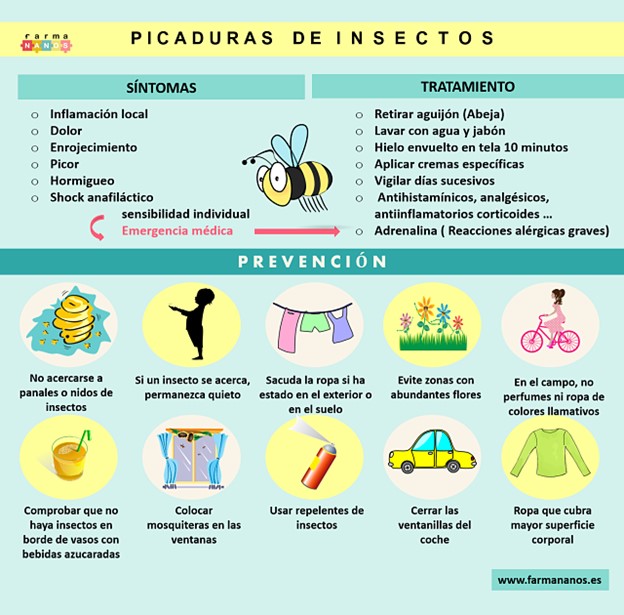
There are many allergens that can cause an allergic reaction. One of the most common allergens and hardest to avoid is insect stings. According to the American Academy of Allergy Asthma and Immunology, it has been estimated that potentially life-threatening allergic reactions to insect venom occur in 0.4 percent to 0.8 percent of children and 3 percent of adults.
Stinging insects have a sting (or stinger) at the posterior end of their abdomen. This group of insects includes honey bees, bumble bees, wasps, hornets, yellow jackets, and ants. However, many ants do not have stings. A couple of species that do have stings are army ants, found in the southern U.S., and harvester ants, found in the southern U.S. and western Canada.
If you are stung, it was a female insect that did it. In North America, yellow jacket wasps are involved in about 70% of the stings to humans. They are often mistaken for bees because of their yellow and black bodies. Most stinging insects can sting you more than once. One exception is the honey bee (worker bee) which has a barbed sting. When the worker bee escapes after stinging a person, the sting and attached venom sac are ripped out of the bee and stay in the victim´s skin; the bee will die afterwards.
Nesting spots are often near these food sources.
Some insects do have a more toxic venom than others (such as the southern yellow jacket), while others are larger so they are able to carry more (but technically less toxic) venom (such as the Asian giant hornet).
Regardless, most people experience local effects like pain, swelling, itching, and redness around the sting site. Painful stings in the mouth and throat can result if you unintentionally swallowed a wasp or bee (e.g., drinking a soft drink from a can that a wasp had entered).
Some people will experience swelling in a larger area, not just immediately around the sting site. They may develop hives but no systemic effects (effects in the body away from sting site like effects on breathing and blood flow). This is a mild allergic reaction and can last a few days. The area will be sore and uncomfortable but one should not give in to the temptation to scratch the stung area.
Anaphylaxis
In rare cases, a severe allergic reaction can occur. This situation is serious and can cause ¨anaphylaxis¨ or anaphylactic shock. Symptoms of anaphylaxis can appear immediately (within minutes) or up to 30 minutes later.
BEST PRACTICES: Before working on a site:
Check to see if there are any visible signs of activity or a hive or nest. If you see a number of insects flying around, check to see if they are entering/exiting from the same hole or place. If so, it is likely a nest or a source of food.
Wear long sleeve shirts, long pants, and closed-toed boots or shoes. If you cannot avoid working near bees or wasps, wear a bee-keepers style hat with netting to cover your head, neck and shoulders. Tape your pant legs to your boots/socks, and your sleeves to your gloves. You may also wish to wear an extra layer of clothing since wasp stings are long enough to reach through one layer of clothing.
If you find you are working near stinging insects, here are some tips.
Most bees and wasps will not sting unless they are startled or attacked. Do not swat at them or make fast movement. The best option is to keep your distance, more away from the nest, or let the insects fly away on their own. If you must, walk away slowly, or gently “blow” them away. The only exception is if you have disturbed a nest and hear “wild” buzzing. Protect your face with your hands and run from the area immediately. Seek shelter in a closed vehicle or building, entering in a way to keep the insects outside.
La mayoría de las abejas y avispas no pican a menos que se asusten o sean atacadas. No le de espadazos ni haga movimientos rápidos. La mejor opción es mantener la distancia, más alejada del nido, o dejar que los insectos se vayan volando por sí solos. Si no queda más remedio, aléjese lentamente o “sople” suavemente para que se vayan. La única excepción es si ha perturbado un nido y oye un zumbido “salvaje”. Protéjase la cara con las manos y huya inmediatamente de la zona. BusqueQUÉ ESTÁ EN RIESGO
Hay muchos alérgenos que pueden provocar una reacción alérgica. Uno de los alérgenos más comunes y difíciles de evitar son las picaduras de insectos. Según la Academia Americana de Alergia, Asma e Inmunología, se calcula que las reacciones alérgicas al veneno de los insectos, que pueden poner en peligro la vida, se dan en el 0,4 al 0,8 por ciento de los niños y en el 3 por ciento de los adultos.
INSECTOS QUE PICAN
Los insectos urticantes tienen un aguijón (o aguijón) en el extremo posterior de su abdomen. Este grupo de insectos incluye a las abejas melíferas, los abejorros, las avispas, los avispones, las avispas amarillas y las hormigas. Sin embargo, muchas hormigas no tienen aguijón. Un par de especies que sí tienen aguijón son las hormigas militares, que se encuentran en el sur de Estados Unidos, y las hormigas cosechadoras, que se encuentran en el sur de Estados Unidos y el oeste de Canadá.
Si te pican, es que lo ha hecho un insecto hembra. En Norteamérica, las avispas chaqueta amarilla están implicadas en cerca del 70% de las picaduras a humanos. A menudo se las confunde con abejas por su cuerpo amarillo y negro. La mayoría de los insectos que pican pueden hacerlo más de una vez. Una excepción es la abeja de la miel (abeja obrera) que tiene un aguijón con púas. Cuando la abeja obrera escapa después de picar a una persona, el aguijón y el saco de veneno adjunto son arrancados de la abeja y se quedan en la piel de la víctima; la abeja morirá después.
DÓNDE SE ENCUENTRAN ESTOS INSECTOS
Los lugares de anidación suelen estar cerca de estas fuentes de alimento.
Algunos insectos tienen un veneno más tóxico que otros (como la avispa amarilla del sur), mientras que otros son más grandes, por lo que pueden transportar más veneno (pero técnicamente menos tóxico) (como el avispón gigante asiático).
En cualquier caso, la mayoría de las personas experimentan efectos locales como dolor, hinchazón, picor y enrojecimiento alrededor del lugar de la picadura. Pueden producirse picaduras dolorosas en la boca y la garganta si se ha tragado involuntariamente una avispa o abeja (por ejemplo, al beber un refresco de una lata en la que había entrado una avispa).
Algunas personas experimentan hinchazón en una zona más amplia, no sólo inmediatamente alrededor del lugar de la picadura. Pueden desarrollar urticaria, pero sin efectos sistémicos (efectos en el cuerpo lejos del lugar de la picadura, como efectos en la respiración y el flujo sanguíneo). Se trata de una reacción alérgica leve que puede durar unos días. La zona estará dolorida y será incómoda, pero no hay que caer en la tentación de rascarse la zona de la picadura.
Anafilaxia
En raras ocasiones, puede producirse una reacción alérgica grave. Esta situación es grave y puede causar ¨ Anafilaxia ¨ o shock anafiláctico. Los síntomas de la anafilaxia pueden aparecer inmediatamente (en pocos minutos) o hasta 30 minutos después.
LAS MEJORES PRÁCTICAS: Antes de trabajar en un sitio:
Compruebe si hay signos visibles de actividad o una colmena o nido. Si ve varios insectos volando, compruebe si entran y salen por el mismo agujero o lugar. Si es así, es probable que sea un nido o una fuente de alimento.
Lleve camisas de manga larga, pantalones largos y botas o zapatos cerrados. Si no puede evitar trabajar cerca de abejas o avispas, use un sombrero estilo apicultor con red para cubrir su cabeza, cuello y hombros. Pegue los pantalones a las botas/calcetines y las mangas a los guantes. También puede llevar una capa de ropa adicional, ya que las picaduras de avispa son lo suficientemente largas como para atravesar una capa de ropa.
Si se encuentra trabajando cerca de insectos que pican, he aquí algunos consejos.
refugio en un vehículo o edificio cerrado, entrando de forma que los insectos queden fuera.
An Ogemaw County man died after being stung by bees or wasps while working on his shed.
Police say the 64-year-old man tore a piece of siding off the shed at his house on Pawnee Trail in Mills Township, when the insects came out and stung him. He was allergic to bee stings.
The Ogemaw County Sheriff’s Office said the man was dead before emergency medical responders arrived at the scene.
The Centers for Disease Control and Prevention estimates 90 to 100 people die each year as a result of allergic reactions from insect stings.
Un hombre del condado de Ogemaw murió tras ser picado por abejas o avispas mientras trabajaba en su cobertizo.
La policía dice que el hombre de 64 años arrancó un trozo de revestimiento del cobertizo de su casa en Pawnee Trail, en el municipio de Mills, cuando los insectos salieron y le picaron. Era alérgico a las picaduras de abeja.
La oficina del sheriff del condado de Ogemaw dijo que el hombre había muerto antes de que los servicios médicos de emergencia llegaran al lugar.
Los Centros para el Control y la Prevención de Enfermedades estiman que entre 90 y 100 personas mueren cada año como resultado de reacciones alérgicas por picaduras de insectos.
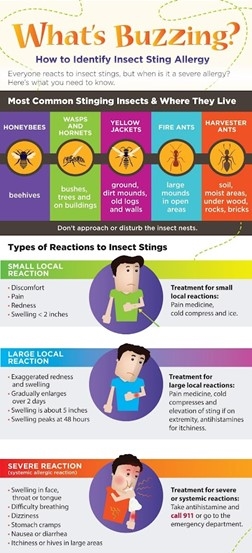
Source: Nationaljewish.org
Fuente: https://i.pinimg.com
There are many aspects of our work that lead to instant gratification by the end of a work day or even within a few hours of our shift beginning. Examples can include organizing a work area or building something. It can be argued that safety is an aspect of the job where there is little or no instant gratification at the end of a work shift because you cannot technically “see” your efforts at the end of the day like the physical work that gets done and remains for all to see.
In A Psychological Sense, The Need For Instant Gratification Is At The Root Of Bigger Problems.
Addictive Tendencies: If you’ve ever found yourself feeling itchy at the thought of leaving your smartphone in a different room or you’ve spent hours on a mindless gaming app, then you know the addiction brought on by instant
gratification.
Missed Opportunities for Learning Growth: When our opinions, skills, or visions for the future meet a challenge, we grow to meet them by evaluating, learning, and developing.
Instant gratification tells us there’s no need for any of that. When “yes” is the only answer, there’s no barrier to continuing on as we are—after all, it gets us what we want.
Undeveloped Relationships: Instant gratification is a selfish impulse. It inherently sets people against each other, because your gratification often comes at the expense of someone else.
Why Maximizing Delayed Gratification Makes All the Difference: Delayed gratification is a matter of willpower, for which forming good habits is the most successful path. Delayed gratification leads to the development of better habits in turn.
Encourages Teamwork: When goals are out of reach, we’re more willing to work with others to achieve them, and when instant gratification is off the table, it’s less likely to cause interpersonal friction.
Encourages You to Learn: Instant gratification can stunt growth. When everything’s on-demand, there’s no reason to learn social skills or to better yourself to achieve your ambitions and unlock new opportunities.
Encourages You to Enjoy Your Relationships: Once we break out of the instant gratification mindset, we discover the things we truly enjoy. Often, those are interpersonal relationships.
Fosters Engagement on Multiple Levels: Delayed gratification can lead to a larger sense of mindfulness.
Instant Gratification and Safety at Work
Instant gratification at work it usually means getting a task done or completing a project. In the construction trades, employees literally see their creations grow hour by hour until it is a finished product.
Safety on the other hand can be more of an abstract concept that can be seen, for example a worker following safe work practices, but not as literally or as long lasting as the final touches of a construction project. A person can see someone else working safe and see everyone go home safe, but unlike the physical work that you do, you cannot “see” safety as an end product. Safety is not a foundation, a building, or the complete wiring of a skyscraper, but it should be appreciated like the physical work that gets completed.
Instant gratification is the experience of satisfaction without a delay after an action.
The increasing proportion of ‘Gen Z’ and millennials in the workplace means that instant gratification is becoming more prevelant. These generations are accustomed to immediate gratification.
It’s not becoming a problem per se. But the ease at which everything is immediately at our feet has the potential to cause harm if not. These changes are NOT a bad thing, but it is important for organizations to recognize and understand immediate gratification’s growing influence on employees.
Real-Time Feedback: Almost 70% of the millennial workforce believes that annual performance reviews are a doomed process. Compared to instant gratification, annual performance reviews rely on the accumulation of positives and negatives throughout the year. Millennials don’t want to wait for the end of the year to hear what they are doing well and where they need to improve.
FaceTime With Managers: There is a growing demand from the younger workforce to want more face-to-face time with their managers. This ties in with more continuous methods of performance management, but also adheres to the principles of immediate gratification when completing a task.
Information Accessibility: Organizations has to have vast amounts of information and data. Employee handbooks, policies, contacts, benefits, holidays, sick leave, it never ends. Tell employees where to find them. They will have the information they need within seconds.
Coping With Unwanted Instant Gratification In The Workplace: When it comes to long-term fulfilment and success, instant gratification can hinder long term goals. Encourage your workforce to find a balance between immediate gratification from feedback, check-ins and recognition, with long-term strategic planning and objective setting.
Long-Term Goals: The first step to achieving any objective is to visualize what you want to achieve by the end of the goals process.
Breaking down your long-term goals into shorter ones not only makes the success likelihood increase, but also keeps you motivated and rewarded along the way.
Break down a two-month goal, into four, two-week sprints for example – and mark off your progress along the way with small rewards.
Track Progress Along The Way: Tracking your progress is important. It will enhance your motivation to achieve, indicate warning signs, reveal areas that need development and show you overall progression.
Safety unlike many work tasks does not give way to instant gratification at the end of every shift, except maybe for the safety supervisors or higher management whose main goal is no injuries and productive days. Because of this, it is important to know that the steps you are taking are helping to avoid injuries and incidents from occurring.
Gratificación instantánea y seguridad en el trabajo (Charla sobre seguridad)
Hay muchos aspectos de nuestro trabajo que conducen a una gratificación instantánea al final de la jornada laboral o incluso a las pocas horas de comenzar nuestro turno. Los ejemplos pueden incluir la organización de un área de trabajo o la construcción de algo. Se puede argumentar que la seguridad es un aspecto del trabajo en el que hay poca o ninguna gratificación instantánea al final de un turno de trabajo porque técnicamente no puede “ver” sus esfuerzos al final del día como el trabajo físico que se hace y queda a la vista de todos.
IMPLICACIONES NEGATIVAS DE LA GRATIFICACIÓN INSTANTÁNEA
En un sentido psicológico, la necesidad de gratificación instantánea es la raíz de problemas mayores.
Tendencias adictivas: Si alguna vez ha sentido picazón ante la idea de dejar su smartphone en otra habitación o ha pasado horas en una aplicación de juegos sin sentido, entonces conoces la adicción provocada por la gratificación instantánea.
Oportunidades perdidas para el crecimiento del aprendizaje: Cuando nuestras opiniones, habilidades o visiones de futuro se encuentran con un reto, crecemos para afrontarlo evaluando, aprendiendo y desarrollándonos.
La gratificación instantánea nos dice que no es necesario nada de eso. Cuando el “sí” es la única respuesta, no hay ningún obstáculo para seguir como hasta ahora; al fin y al cabo, eso nos da lo que queremos.
Mejorar Relaciones no desarrolladas: La gratificación instantánea es un impulso egoísta. Enfrenta intrínsecamente a las personas entre sí, porque su gratificación a menudo se produce a expensas de otra persona.
Por qué maximizar la gratificación retardada marca la diferencia: La gratificación retardada es una cuestión de fuerza de voluntad, para la cual la formación de buenos hábitos es el camino más exitoso. El retraso de la gratificación conduce a su vez al desarrollo de mejores hábitos.
Fomenta el trabajo en equipo: Cuando los objetivos están fuera de nuestro alcance, estamos más dispuestos a trabajar con otros para alcanzarlos, y cuando la gratificación instantánea está fuera de la mesa, es menos probable que cause fricciones interpersonales.
Le anima a aprender: La gratificación instantánea puede frenar el crecimiento. Cuando todo está a la carta, no hay razón para aprender habilidades sociales o para mejorar para alcanzar sus ambiciones y desbloquear nuevas oportunidades.
Le anima a disfrutar de sus relaciones: Una vez que salimos de la mentalidad de la gratificación instantánea, descubrimos las cosas que realmente disfrutamos. A menudo, son las relaciones interpersonales.
Fomenta el compromiso a múltiples niveles: El retraso en la gratificación puede conducir a un mayor sentido de la conciencia.
Gratificación instantánea y seguridad en el trabajo
La gratificación instantánea en el trabajo suele significar la realización de una tarea o la finalización de un proyecto. En los oficios de la construcción, los empleados ven literalmente cómo sus creaciones crecen hora a hora hasta convertirse en un producto terminado.
Por otro lado, la seguridad puede ser un concepto más abstracto que se puede ver, por ejemplo, un trabajador que sigue prácticas de trabajo seguras, pero no tan literalmente o tan duradero como los toques finales de un proyecto de construcción. Una persona puede ver a otra trabajando de forma segura y ver que todos se van a casa sanos y salvos, pero a diferencia del trabajo físico que se realiza, no se puede “ver” la seguridad como un producto final. La seguridad no es un cimiento, un edificio o el cableado completo de un rascacielos, pero debe apreciarse como el trabajo físico que se completa.
La gratificación instantánea es la experiencia de satisfacción sin demora tras una acción.
El aumento de la proporción de la “Generación Z” y los millennials en el lugar de trabajo significa que la gratificación instantánea es cada vez más frecuente. Estas generaciones están acostumbradas a la gratificación inmediata.
No se está convirtiendo en un problema en sí mismo. Pero la facilidad con la que todo está inmediatamente a nuestros pies tiene el potencial de causar daño si no. Estos cambios NO son algo malo, pero es importante que las organizaciones reconozcan y comprendan la creciente influencia de la gratificación inmediata en los empleados.
UTILIZAR EL PODER DE LA GRATIFICACIÓN EN EL LUGAR DE TRABAJO
Feedback en tiempo real: Casi el 70% de la fuerza de trabajo de la generación del milenio cree que las revisiones anuales del desempeño son un proceso condenado. En comparación con la gratificación instantánea, las revisiones anuales del rendimiento se basan en la acumulación de aspectos positivos y negativos a lo largo del año. Los millennials no quieren esperar al final del año para escuchar lo que están haciendo bien y lo que necesitan mejorar.
FaceTime con los directivos: Hay una demanda creciente de la fuerza de trabajo más joven de querer más tiempo cara a cara con sus gerentes. Esto enlaza con los métodos más continuos de gestión del rendimiento, pero también se adhiere a los principios de la gratificación inmediata al completar una tarea.
Accesibilidad a la información: Las organizaciones tienen que disponer de grandes cantidades de información y datos. Manuales del empleado, políticas, contactos, beneficios, vacaciones, bajas por enfermedad, nunca se acaba. Indique a los empleados dónde encontrarlos. Tendrán la información que necesitan en cuestión de segundos.
Hacer frente a la gratificación instantánea no deseada en el lugar de trabajo: Cuando se trata de la realización y el éxito a largo plazo, la gratificación instantánea puede obstaculizar los objetivos a largo plazo. Anime a su personal a encontrar un equilibrio entre la gratificación inmediata de los comentarios, los controles y el reconocimiento, con la planificación estratégica a largo plazo y el establecimiento de objetivos.
Objetivos a largo plazo: El primer paso para conseguir cualquier objetivo es visualizar lo que se quiere conseguir al final del proceso de objetivos.
Dividir los objetivos a largo plazo en otros más cortos no sólo hace que la probabilidad de éxito aumente, sino que también te mantiene motivado y recompensado a lo largo del camino.
Por ejemplo, divida un objetivo de dos meses en cuatro periodos de dos semanas y marque su progreso en el camino con pequeñas recompensas.
Controla el progreso en el camino: El seguimiento de tus progresos es importante. Aumentará tu motivación para conseguirlo, te indicará las señales de alarma, te revelará las áreas que necesitan desarrollo y te mostrará la progresión general.
La seguridad, a diferencia de muchas tareas laborales, no da lugar a una gratificación instantánea al final de cada turno, excepto quizá para los supervisores de seguridad o los altos directivos, cuyo principal objetivo es que no haya lesiones y que los días sean productivos. Por ello, es importante saber que las medidas que se toman contribuyen a evitar que se produzcan lesiones e incidentes.
Instant gratification permeates through all levels of life. From that chocolate bar that you want right now, to buying a car with a loan and 0% deposit. More than ever it feels like we should be able to get what we want when we want it.
Statistics can help understand this generation of millennials.
La gratificación instantánea impregna todos los niveles de la vida. Desde esa chocolatina que quieres ahora mismo, hasta la compra de un coche con un préstamo y un depósito al 0%. Más que nunca da la sensación de que deberíamos poder conseguir lo que queremos cuando lo queremos.
Las estadísticas pueden ayudar a entender a esta generación de millennials.
When Ariel Coleman, 28, quit her last job, as a project manager in the corporate office of a bank, it wasn’t because her new employer offered her a raise, a different role or more seniority. “The work-life balance is just much better,” she said.
At her new company, Omfgco, a branding and design firm in Portland, Ore., everyone works from home on Tuesdays and Thursdays at whichever hours they choose. Ms. Coleman can go for a run or walk her dog.
At the bank, she said, people judged her for taking all her paid time off. At Omfgco, it’s encouraged, which is why she didn’t mind answering work emails while sitting by the fire on a recent camping trip.
“It’s: Get your work done, but don’t worry about when those hours are,” Ms. Coleman said. “A client calls me at 8 o’clock at night and I’m happy to talk to them, because that means the next day at 10 a.m., I can take my dog to the vet. It enables me to make my career more seamless with my life. It makes it feel more like people are human.”
Many of her friends have chosen their jobs for similar reasons, she said. “That’s how millennials and Gen Z- ers are playing the game — it’s not about jumping up titles, but moving into better work environments,” she said. “They’re like silent fighters, rewriting policy under the nose of the boomers.”
For many Americans, work has become an obsession, and long hours and endless striving something to aspire to. It has caused burnout, unhappiness and gender inequity, as people struggle to find time for children or passions or pets or any sort of life besides what they do for a paycheck.
But increasingly, younger workers are pushing back. More of them expect and demand flexibility — paid leave for a new baby, say, and generous vacation time, along with daily things, like the ability to work remotely, come in late or leave early, or make time for exercise or meditation. The rest of their lives happens on their phones, not tied to a certain place or time — why should work be any different?
Today’s young workers have been called lazy and entitled. Could they, instead, be among the first to understand the proper role of work in life — and end up remaking work for everyone else?
It’s still rare for companies to operate this way, and the obstacles are bigger than any one company’s H.R. policies. Some older employees may think new hires should suffer the way they did, and employers benefit from having always-on workers. Even those that are offering more flexibility might be doing it because unemployment is so low and they’re competing for workers, which could change if there is an economic downturn.
