Fire Extinguishers Stats and Facts

FACTS

  1. Proper inspection, maintenance, and disposal of fire extinguishers can prevent potentially dangerous malfunctions.
  2. All rechargeable-type fire extinguishers shall be recharged after any use or when the need is indicated by an inspection or servicing.
  3. Environmental forces and intentional acts may cause problems with extinguishers.
  4. A tamper-evident fire extinguisher cabinet can protect against the impacts of moisture and sunlight.
  5. Responsible parties must ensure that extinguishers are protected in a way that doesn’t limit access in an emergency
  6. Cabinets housing fire extinguishers shall not be locked, except where fire extinguishers are subject to malicious use and cabinets include a means of emergency access.
  7. Old or unserviceable extinguishers must be removed and safely disposed of.
  8. Monthly inspections focus largely on basic issues like unexpected pressure loss.
  9. Risks to extinguishers may prompt more rigorous weekly or daily inspections focused on damage.
  10. Annual inspections include a look at long-term contributors to extinguisher failure, and may include professional testing.

STATS

  • Fire extinguishers can effectively put out 80% of all fires, even if the extinguisher is classified as a portable unit. When a fire extinguisher is used on a fire in the United States, 75% of the time, the fire department is not required to attend the incident. 
  • In 60% of all fire incidents which occur, the fire department is never notified if a fire extinguisher is present and accessible. Almost 2 million fires are handled entirely by a fire extinguisher in the U.S. every year. 
  • Structure fires account for 20% of municipal fire department calls and are responsible for 49% of deaths that are associated with fires. 
  • The most popular type of fire extinguisher sold by the industry today is the Class A extinguisher, which accounts for 41.8% of total sales. 
  • Cooking is also the primary cause of non-residential building fires, accounting for 29.5% of tracked incidents. 
  • About 40% of people in the 85+ age demographic are killed when caught in a fire, which is 4x higher than the national fire death rate in the United States.
  • According to the Bureau of Labor Statistics, fires and explosion accounted for 148 workplace deaths in 2013—or 3.4% of all fatal occupational injuries for the year.


Lack of Time Fallen Phrases

Answer

Lack of time to get a job complete can lead to workers taking shortcuts which leads to additional exposure to risk. Proper time allotted for tasks allows for workers to ensure the proper safeguards are in place before a work task begins


Lack of Time Fallen Phrases – Spanish

Respuesta:

La falta de tiempo para completar un trabajo puede llevar a los trabajadores a tomar atajos, lo que conduce a una exposición adicional al riesgo. La asignación de un tiempo adecuado a las tareas permite a los trabajadores asegurarse de que se han tomado las medidas de seguridad apropiadas antes de comenzar la tarea.


Fire Extinguishers Fatality File

Exploding fire extinguisher kills contractor working at Manhattan postal facility 

A fire extinguisher exploded at a Chelsea postal facility Wednesday, killing a contractor working there, authorities said.

The freak explosion took place on the fourth floor of the Morgan General Mail Facility on Ninth Ave. near W. 29th St. about 8:15 a.m., officials said. “It sounded like a bomb,” said Noel Tlatelpa, a witness who works down the block from the facility. “Then it was all chaos.”

A 35-year-old contractor working in the building was hit in the neck with shrapnel and died at the scene, officials said. His name was not immediately released. “He was messing with the fire extinguisher on the fourth floor and it exploded,” said one postal employee, who wished not to be named. “They brought him out of the front. He looked like he was dead.” 

A 26-year-old colleague of the victim suffered a deep cut to his right arm and was taken to Bellevue Hospital, officials said. Meanwhile, an NYPD squad car racing to the scene T-boned a vehicle at W. 25th St. and Ninth Ave.

Medics took the woman driving the struck vehicle to Bellevue Hospital, where she was treated for minor injuries, officials said. The two officers in the squad car were taken to Lenox Hill Hospital, also with minor injuries.

All three were put on stretchers but were talking with medics as they were loaded onto ambulances, witnesses said. A Postal Service spokesman said no postal employees were injured in the explosion and mail service was not disrupted.


Fire Extinguishers Fatality File – Spanish

La explosión de un extintor mata a un contratista que trabajaba en una instalación postal de Manhattan 

Un extintor de incendios explotó el miércoles en una instalación postal de Chelsea, matando a un contratista que trabajaba allí, dijeron las autoridades.

La extraña explosión tuvo lugar en el cuarto piso de las instalaciones de Morgan General Mail, en la Novena Avenida, cerca de la calle 29, a eso de las 8:15 de la mañana, dijeron las autoridades. “Sonó como una bomba”, dijo Noel Tlatelpa, un testigo que trabaja a una cuadra de las instalaciones. “Luego fue todo un caos”.

Un contratista de 35 años que trabajaba en el edificio fue alcanzado en el cuello por la metralla y murió en el lugar de los hechos, según las autoridades. Su nombre no se dio a conocer de inmediato. “Estaba jugando con el extintor en el cuarto piso y explotó”, dijo un empleado de correos, que no quiso ser nombrado. “Lo sacaron de la parte delantera. Parecía que estaba muerto”. 

Un colega de la víctima, de 26 años, sufrió un profundo corte en el brazo derecho y fue trasladado al hospital Bellevue, según las autoridades. Mientras tanto, un carro patrulla de la policía de Nueva York que acudía al lugar de los hechos chocó con un vehículo en la calle 25 Oeste y la Novena Avenida.

Los médicos llevaron a la mujer que conducía el vehículo chocado al Hospital Bellevue, donde fue tratada de heridas leves, según las autoridades. Los dos agentes que iban en el carro patrulla fueron trasladados al Hospital Lenox Hill, también con heridas leves.

Los tres fueron colocados en camillas, pero estuvieron hablando con los médicos mientras los subían a las ambulancias, dijeron los testigos. Un portavoz del Servicio Postal dijo que ningún empleado postal resultó herido en la explosión y que el servicio de correo no se vio interrumpido.


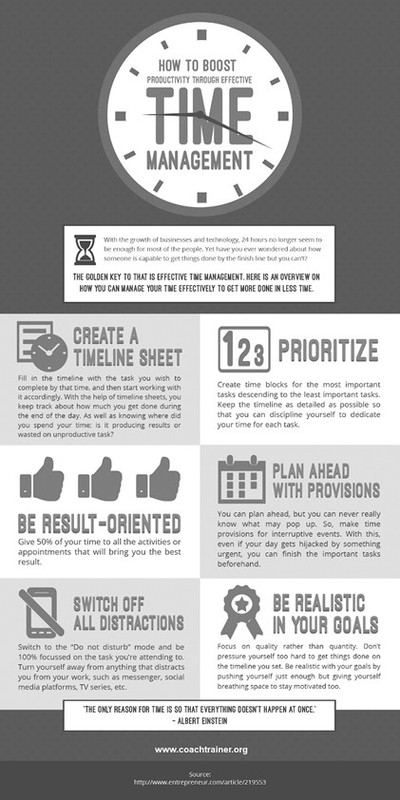
Lack of Time Infographic

Source: https://d.docs.live.net


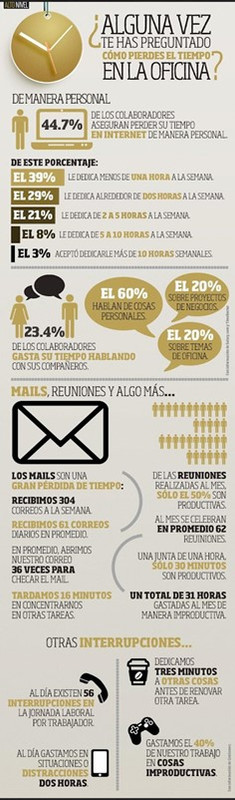
Lack of Time Infographic – Spanish

Fuente: https://www.altonivel.com.mx


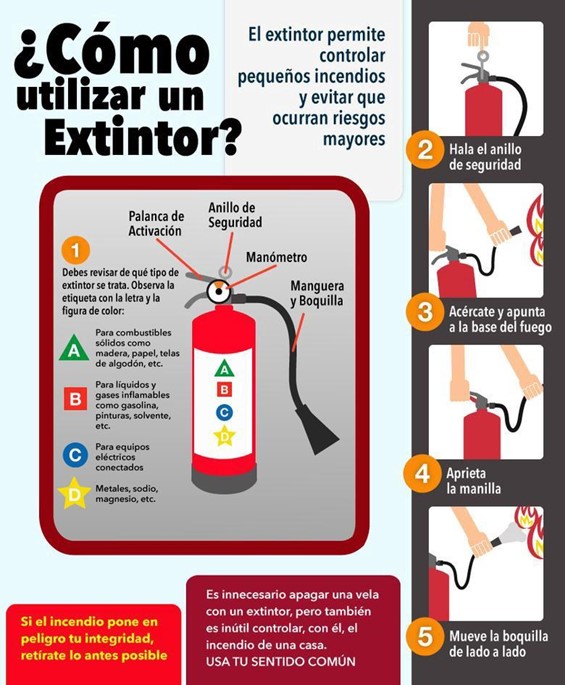
Fire Extinguishers Picture This

Source: https://www.slideshare.net


Fire Extinguishers Picture This – Spanish

Fuente: https://womenforsafety.medium.com


Lack of Time Picture This – Spanish

¿Qué hay de malo en esta imagen?

Hay un oficinista que está literalmente durmiendo en su escritorio como resultado de diferentes factores como la falta de tiempo para dormir, la falta de buenos hábitos o simplemente porque es el primer día de la semana y tiene muchas cosas que hacer que prefiere sólo tomar una siesta.

 Al principio de la semana, el lunes es un día que todo el mundo odia. El lunes es el único día de la semana en el que la gente se queja más del trabajo mientras pierde el tiempo en lugar de trabajar. No hay nada extraño en esto. Cuando volvemos al trabajo después del fin de semana, pasamos los días fuera de la oficina con nuestros amigos y familia, haciendo actividades que nos alegran.

Organice todas sus tareas y priorícelas según su importancia. Cada semana crea una lista de las cosas que tienes que hacer cada día. Sígala y táchela las que haya terminado. Esto le ayudará a mantenerse al tanto de su trabajo.

Cree un plan según el cual trabajará. Hay muchos métodos y prácticas que pueden ser útiles. Cree sus propios hábitos y cíñete a ellos para evitar perder el tiempo.

Asegúrese de que siempre tiene tiempo suficiente para hacer bien su trabajo. Aumente su progreso y productividad y deje de perder el tiempo utilizando métodos y técnicas inteligentes como la organización de sus tareas y la fijación de plazos para que sepa qué hacer primero y sea más productivo durante su tiempo de trabajo.


Lack of Time Picture This

What is wrong in this picture?

Look at the picture above, there is an office worker who is literally sleeping on his desk as a result of different factors such as lack of sleeping time, lack of good habits or just because it is the first day on the week and he has many things to do that prefer just to take a nap.

 Beginning of the week, Monday is a day which everyone hates. Monday is the only day during the week when people complain the most about work while wasting time instead of working. There is nothing strange in this. When we go back to work after the weekend – days spent away from the office with our friends and family, doing activities which bring us joy.

Organize all your tasks and prioritize them according to their importance. Every week create a list of things you have to do for every single day. Follow it and cross out those you finished. This will help you stay on top of your work.

Create a plan according to which you will work. There are many methods and practices which can be helpful. Create your own habits and stick to them to avoid wasting time.

Make sure you always have enough time to do your job well. Increase your progress and productivity and stop wasting time by using smart methods and techniques such as organizing your tasks and putting deadlines so, you will know what to do first and be more productive during your work time.


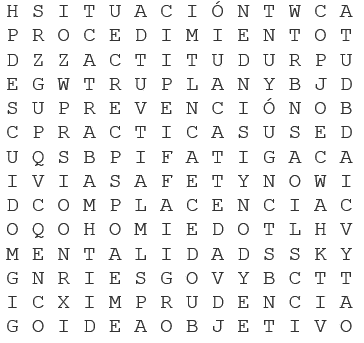
It Won’t Happen to Me Word Search

Words: Complacency, Risk, Attitude, Mindset. Safety Now. Goal, Idea, Plan. Procedure, Prevention, Situation, Fatigue, Recklessness, Afraid, Carelessness, Time, Safeguards, Practices. 


It Won’t Happen to Me Word Search – Spanish

Palabras: Complacencia, Riesgo, Actitud, Mentalidad, Safety Now, Objetivo, Idea, Plan, Procedimiento, Prevención, Situación, Fatiga, Imprudencia, Miedo, Descuido, Tiempo, Prácticas.


It Won’t Happen to Me Fatality File – Spanish

En todos los lugares de trabajo hay un peligro que es mortal. No importa dónde trabajes o qué tipo de trabajo realices. Te acompaña en tu camino al trabajo. Incluso te sigue a casa.

Para ilustrar cómo el hecho de no estar mentalmente presente puede provocar una tragedia, la operadora principal (y madre de Butch) Sandy, la amiga y supervisora de Sandy, Reine, y el mejor amigo de Butch, Chuck, hablan de la devoción de Sandy por la seguridad, del día en que Butch murió en el trabajo y de las lecciones que todos podemos aprender sobre la complacencia a partir de la muerte de Butch.

Sandy dice que ha trabajado en su puesto durante casi 50 años y que, más que ser una operadora principal, su trabajo es mantener a la gente a salvo.

Sandy explica que no se puede caer en la complacencia porque una máquina puede matarte o mutilarte.

Su hijo, nacido Andrew, Butch era su apodo, es un hijo maravilloso, cariñoso, un hijo increíble.

Chuck, el mejor amigo de Butch, dice que conoce a Sandy desde hace 32 años y que Butch era básicamente su hermano.

El 25 de mayo, Butch fue a trabajar normalmente en el segundo turno, pero tuvo que ir a una reunión de seguridad.

Dejó la reunión para ir a hacer su trabajo que había hecho durante dos años. El mismo trabajo, nada, nada diferente, pero este día era diferente. Este día era completamente diferente. Treinta minutos después de ir a trabajar, estaba muerto, aplastado por una máquina.

Butch fue a trabajar en una pieza de equipo que no estaba bien etiquetada. Subió a la parte superior del equipo y éste tenía algún tipo de palanca que lo aplastó hasta la muerte.

Lo irónico es que la reunión de seguridad de la que Butch acababa de salir era sobre bloqueo y etiquetado.

Butch tenía una hermosa esposa y una hija de seis años que nunca verá crecer. “Sólo hay que darse cuenta de los peligros. La gente no cree que pueda morir en el trabajo, pero puede hacerlo”.

“De todo lo malo que ocurre, sabemos que hay algo bueno y creo que la pasión de Sandy por contar esta historia es la forma de hacer que Butch siga vivo”, añade Reine. Dice que espera que Butch siga viviendo durante muchos años haciendo que la gente sepa que fue un hombre y un padre maravilloso y espera que hagan lo correcto para llevar una vida más larga.

“Creo que soy una firme creyente de que no existen los accidentes. No había ninguna razón para que mi hijo muriera ese día. No había ninguna razón para que mi hijo muriera. Nunca, jamás, quiero que otra familia tenga que pasar por lo que nosotros pasamos. Si hay alguna forma, algo que pueda decir para evitarlo y ayudar a otra familia, entonces esto ha sido lo mejor que he hecho”, dice Sandy al final de la discusión.

Butch había salido de una reunión de seguridad sobre el mismo peligro que le quitó la vida.

Entonces, ¿qué pasó? La respuesta es sencilla: Butch estaba trabajando, pero su mente estaba en otro lugar. 

Tómese un momento y póngase en el lugar de Butch. ¿Estás tan acostumbrado a tu trabajo que podrías hacerlo sin tener que pensar en ello? ¿Y el camino a casa? ¿Conoce la ruta tan bien que puede utilizar ese tiempo para soñar despierto?

Ahora piensa en tu familia y amigos. Piensa en ellos contando la historia que acabas de ver, sólo que esta vez se trata de ti.


It Won’t Happen to Me Fatality File

There’s a hazard in every workplace that is deadly. It doesn’t matter where you work or what type of work you do. It rides with you on your way to work. It even follows you home.

To illustrate how not being mentally present can lead to tragedy, lead operator (and Butch’s mother) Sandy, Sandy’s friend and supervisor Reine and Butch’s best friend Chuck discuss Sandy’s devotion to safety, the day Butch died at work and the lessons we can all learn about complacency from Butch’s death.

Sandy says she has worked on her job for nearly 50 years and that even more than being a lead operator, her job is keeping people safe.

Sandy explains that you can’t become complacent because a machine can kill or maim you.

Her son, born Andrew, Butch was his nickname, most wonderful son, loving, just an amazing, amazing son.

Butch’s best friend Chuck says he has known Sandy for 32 years and that Butch was basically his brother.

On May 25, Butch went to work as normal on second shift, but had to go in for a safety meeting.

He left the meeting to go do his job that he had done for two years. The same job, nothing, nothing different, but this day was different. This day was entirely different. Thirty minutes after he went to work, he was dead, crushed to death in a machine.

Butch went to work on a piece of equipment that was not properly tagged out. He went up on top of the piece of equipment and it had some type of lever that crushed him to his death.

What is ironic is that the safety meeting Butch had just left was on lockout/tagout.

Butch had a beautiful wife and a six-year-old daughter that he will never see grow up. “Just realize the dangers. People don’t think they can die at work, but they can.”

“From all bad things that happen, we know there’s good and I think Sandy’s passion to tell this story is how she’s making Butch live on,” Reine adds. She says that hopefully Butch will be living on for many years by letting people know he was wonderful man and father and hopes that they will do the right thing to lead longer lives.

“I think I’m pretty much a firm believer that there is no such thing as an accident. There was no reason for my son to die that day. There was no reason for my son to die. I never, ever, want another family to have to go through what we went through. If there’s any way, anything I could say to prevent it and help another family, then this has been the best thing that I’ve ever done,” Sandy says at the end of the discussion.

Butch had left a safety meeting on the very same danger that took his life.

So, what happened? The answer is simple: Butch was at work, but his mind was somewhere else altogether. 

Take a moment and put yourself in Butch’s place. Are you so accustomed to your job that you could do it without really having to think about it? How about your drive home? Do you know the route so well that you can just use that time to daydream?

Now think about your family and friends. Think about them telling the story you just watched—only this time it’s about you.


Tree Trimming Meeting Kit

INTRODUCTION

Before tree trimming work begins, a Qualified Tree Worker (QTW) assesses any tree scheduled for trimming or other work. No one may climb a tree unless the QTW has determined the tree is safe.

Each day, before work begins, look for rips, frays, tears, broken buckles or clips, worn or damaged spurs and gaffs. 

An inspection will reveal damage to fall protection equipment. Replacement gear should be on hand just in case something breaks.

It must be strong enough to support the weight of the worker and the equipment.

WHAT WORKERS NEED TO DO AND KNOW WHEN TREE TRIMMING 

The Set-Up:

  • Make sure you are properly trained on how to use the equipment. Some jurisdictions may have regulations about the type of training required for tree cutting and trimming.
  • If an aerial bucket truck or other boomed vehicle is used, the operators must be trained in the safe operation of these vehicles.
  • Before trimming a tree, inspect the area to identify possible hazards (e.g., presence of power lines, broken or cracked limbs after a severe storm) and take appropriate actions to prevent injuries or incidents.
  • Assume any power lines are energized or “live”. Avoid any direct or indirect contact with the power line until the utility or hydro company has verified that the line has been de-energized. 
  • Mark off area around the tree and prevent bystander access. Always work with another person on the ground.
  • Learn to recognize trees weakened by disease and types of trees prone to cracking.
  • Inspect tree limbs for strength before climbing. Check for cavities in the tree, rotten or dead branches, splits and cracks in the trunk or where branches are attached, broken branches hanging in the tree, etc.
  • Inspect the fall protection equipment and lines before each time they are used. Tag and remove any damaged or defective equipment from service until it can be repaired or replaced and disposed of properly, according the manufacturer’s recommendations.
  • If a ladder is used, tie it off on a secure branch.

Operation:

  • Break small dead branches off by hand as you climb. Remove larger branches with proper tools.
  • Place hands and feet on separate limbs and move only one hand or foot at a time.
  • Raise or lower tools by attaching hand lines to the end of tools. Tools attached at the centre might catch on branches. Smaller tools may be raised and lowered in a bucket attached to a hand line.
  • Use non-conductive tools and personal protective equipment if working near electrical power lines.
  • Be sure that you can see the cut you are making so you do not cut hand lines, safety ropes, etc. unintentionally.
  • Attach a fibre or leather guard on saws that are held by a ring on worker’s belt.

What Should You Avoid When Trimming Trees?

  • Do not use dead branches for support.
  • Do not climb trees during wet or icy weather or under high wind conditions.
  • Do not leave partially sawn limbs on trees.
  • Do not carry saws, pruners and other tools while climbing.
  • Do not use axes or hatchets.

Assess the Condition and Stability of the Tree Visually. This Includes:

  • Whether the tree is leaning heavily in one direction
  • If there is evidence of bark inclusion
  • If there are dead branches
  • Any signs of decay in the tree structure
  • Any signs of fungal fruiting bodies
  • Any hollows
  • If there are branches intruding from nearby trees
  • The presence of any concealed nests or insect colonies
  • Whether the tree type is susceptible to branch failure when under load
  • The stability of the tree root plate by pushing or pulling the tree and observing the ground movement

Accessing the Tree

  • If a tree is not to be felled from the ground, conduct a site-specific risk assessment to help you decide the safest way of accessing the tree which may include the use of an EWP, a crane or climbing
  • Secure a suitable rope climbing system by using correct knots at a location on the tree which can withstand the forces of a fall
  • If a crane is to be used to place a person in the tree it must be done in accordance with the plant used in connection with tree lopping – crane access method position paper
  • Climbing spikes can damage tree tissues which can result in infection and decay as well as creating future hazards

What Should You Avoid When Working Near Power Lines?

  • Do not approach fall power lines.
  • Do not grasp the pruner closer than four feet from the metal head.

What Should You Know About Personal Protective Equipment?

  • Use approved safety belts, lifelines, and leather gauntlet gloves.
  • Wear head and eye protection and footwear protection with slip-resistant soles.
  • Choose close-fitting, long-sleeved clothing.

FINAL WORD

Tree work is dangerous, While the risk of falling is always present, pre-work inspections, equipment inspections, and use of proper protective gear help minimize the risk of an accident.


Tree Trimming Meeting Kit – Spanish

QUÉ ESTÁ EN RIESGO

LOS PRELIMINARES DE LA PODA DE ÁRBOLES 

Antes de que comience el trabajo de poda de árboles, un Trabajador Calificado de Árboles (QTW) evalúa cualquier árbol programado para la poda u otro trabajo. Nadie puede subir a un árbol a menos que el QTW haya determinado que el árbol es seguro.

CUÁL ES EL PELIGRO

Cada día, antes de comenzar el trabajo, busque rasgaduras, deshilachados, desgarros, hebillas o clips rotos, espuelas y garfios desgastados o dañados. 

Una inspección revelará daños en el equipo de protección contra caídas. Debe haber equipo de repuesto a mano por si se rompe algo.

Debe ser lo suficientemente resistente para soportar el peso del trabajador y del equipo.

COMO PROTEGERSE

LO QUE LOS TRABAJADORES DEBEN HACER Y SABER AL PODAR ÁRBOLES 

La preparación:

Asegúrese de que ha recibido la capacitación adecuada sobre el uso del equipo. Algunas jurisdicciones pueden tener regulaciones sobre el tipo de entrenamiento requerido para cortar y podar árboles.

Si se utiliza un camión aéreo con cuchara u otro vehículo con pluma, los operadores deben estar capacitados en el manejo seguro de estos vehículos.

Antes de podar un árbol, inspeccione la zona para identificar posibles peligros (por ejemplo, presencia de líneas eléctricas, ramas rotas o agrietadas después de una fuerte tormenta) y tome las medidas adecuadas para evitar lesiones o incidentes.

Asuma que cualquier línea eléctrica está energizada o “viva”. Evite cualquier contacto directo o indirecto con la línea eléctrica hasta que la compañía eléctrica o hidroeléctrica haya verificado que la línea ha sido desenergizada. 

Marque la zona alrededor del árbol e impida el acceso de otras personas. Trabaje siempre con otra persona en el suelo.

Aprenda a reconocer los árboles debilitados por enfermedades y los tipos de árboles propensos a agrietarse.

Inspeccione las ramas del árbol para comprobar su resistencia antes de trepar. Compruebe si hay cavidades en el árbol, ramas podridas o muertas, rajaduras y grietas en el tronco o donde se sujetan las ramas, ramas rotas que cuelgan en el árbol, etc.

Inspeccione el equipo de protección contra caídas y las líneas antes de cada uso. Etiquete y retire del servicio cualquier equipo dañado o defectuoso hasta que pueda ser reparado o sustituido y eliminado adecuadamente, según las recomendaciones del fabricante.

Si se utiliza una escalera, átela en una rama segura.

Operación:

  • Rompa las pequeñas ramas muertas con la mano mientras sube. Retire las ramas más grandes con las herramientas adecuadas.
  • Coloque las manos y los pies en ramas separadas y mueva sólo una mano o un pie a la vez.
  • Suba o baje las herramientas atando las líneas de mano al extremo de las mismas. Las herramientas fijadas en el centro podrían engancharse a las ramas. Las herramientas más pequeñas pueden subirse y bajarse en un cubo unido a una línea de mano.
  • Utilice herramientas no conductoras y equipo de protección personal si trabaja cerca de líneas eléctricas.
  • Asegúrese de que puede ver el corte que está realizando para no cortar involuntariamente líneas de mano, cuerdas de seguridad, etc.
  • Coloque un protector de fibra o cuero en las sierras que se sujetan con una anilla en el cinturón del trabajador.

¿Qué debe evitar al podar árboles?

  • No utilice ramas muertas como soporte.
  • No se suba a los árboles cuando el clima sea húmedo o helado o cuando haya mucho viento.
  • No deje ramas parcialmente aserradas en los árboles.
  • No lleve sierras, podadoras ni otras herramientas mientras trepa.
  • No utilice hachas ni hachuelas.

Evalúe visualmente el estado y la estabilidad del árbol. Esto incluye:

  • Si el árbol está muy inclinado en una dirección
  • Si hay evidencia de inclusión de corteza
  • Si hay ramas muertas
  • Cualquier signo de deterioro en la estructura del árbol
  • Cualquier signo de cuerpos fructíferos de hongos
  • Si hay huecos
  • Si hay ramas intrusas de árboles cercanos
  • La presencia de nidos o colonias de insectos ocultos
  • Si el tipo de árbol es susceptible de sufrir fallos en las ramas cuando está bajo carga
  • La estabilidad de la placa radicular del árbol empujando o tirando del árbol y observando el movimiento del suelo 

Acceso al árbol

  • Si no se va a talar un árbol desde el suelo, realice una evaluación de riesgos específica del lugar para ayudarle a decidir la forma más segura de acceder al árbol, que puede incluir el uso de una PEMP, una grúa o la escalada
  • Asegure un sistema de escalada por cuerda adecuado utilizando los nudos correctos en un lugar del árbol que pueda soportar las fuerzas de una caída
  • Si se va a utilizar una grúa para colocar a una persona en el árbol, debe hacerse de acuerdo con la planta utilizada en relación con la tala de árboles – documento de posición del método de acceso de la grúa
  • Los picos de escalada pueden dañar los tejidos del árbol, lo que puede provocar infecciones y caries, además de crear futuros peligros

¿Qué debe evitar cuando trabaje cerca de las líneas eléctricas?

  • No se acerque a las líneas eléctricas en caída.
  • No agarre la podadora a menos de un metro de la cabeza metálica.

¿Qué debe saber sobre el equipo de protección personal?

  • Utilice cinturones de seguridad aprobados, líneas de vida y guantes de cuero.
  • Lleve protección para la cabeza y los ojos y calzado con suela antideslizante.
  • Elija ropa ajustada y de manga larga.

CONCLUSIÓN

El trabajo en los árboles es peligroso. Aunque el riesgo de caída siempre está presente, las inspecciones previas al trabajo, las inspecciones del equipo y el uso del equipo de protección adecuado ayudan a sus empleados a minimizar el riesgo de accidente.


It Won’t Happen to Me Picture This

What is wrong in this picture?

The recognition that unsafe behavior is a factor in the majority of workplace accidents has led to considerable research effort in the behavioral aspects of occupational health and safety, in this situation this group of workers are doing an unsafe procedure putting a construction worker in a high risk to get injured or it is more likely that he will end up dead from the terrible fall.

The first aid training makes participants more aware that their own behavior is an important factor in the avoidance of occupational injury and increase participants’ perceived probability that they would suffer an accident at work. The training also appeared to reduce participants’ willingness to accept prevailing levels of OHS risk and participants expressed a greater concern about taking risks and a stronger intention to avoid occupational injuries after undergoing first aid training. This change in behavioral intention was reflected in improvements in safety behavior observed in the categories of housekeeping, use of tools, personal protective equipment, and access to heights.


It Won’t Happen to Me Picture This – Spanish

¿Qué hay de malo en esta imagen?

El reconocimiento de que el comportamiento inseguro es un factor en la mayoría de los accidentes laborales ha llevado a un considerable esfuerzo de investigación en los aspectos conductuales de la salud y la seguridad en el trabajo, en esta situación este grupo de trabajadores está realizando un procedimiento inseguro poniendo al trabajador de la construcción en un alto riesgo de lesionarse o es más probable que acabe muerto por la terrible caída.

La formación en primeros auxilios hace que los participantes sean más conscientes de que su propio comportamiento es un factor importante para evitar las lesiones laborales y aumenta la probabilidad percibida por los participantes de sufrir un accidente de trabajo. La formación también pareció reducir la disposición de los participantes a aceptar los niveles de riesgo de salud y seguridad ocupacional existentes, y los participantes expresaron una mayor preocupación por asumir riesgos y una mayor intención de evitar las lesiones laborales después de recibir la formación en primeros auxilios. Este cambio en la intención de comportamiento se reflejó en las mejoras del comportamiento de seguridad observadas en las categorías de limpieza, uso de herramientas, equipo de protección personal y acceso a las alturas.


Tree Trimming Stats and Facts

FACTS

  1. Every year people are seriously injured or killed while doing tree work. Most people injured had extensive experience in tree work.
  2. Common causes of injuries include falls from heights, being struck by falling objects, working around power lines, musculoskeletal disorders, exposure to noise, working with equipment and sun exposure.
  3. Hazards are known or unforeseen. Some possible hazards are:
    • condition and stability of the tree.
    • falling or swinging objects including tree parts  that have been cut or have the potential to  break.
    • onsite conditions that increase the risk of slips, trips and falls.
    • manual tasks including pulling, pushing, lifting and plant vibration.
    • electric shocks from energised power lines.
    • working with plant including mobile plant.
    • dehydration and fatigue.
    • wind and rain.
    • allergic reactions to trees and poisonous plants.
    • biting or stinging (such as insects and snakes).

STATS

  • Fatalities among tree care workers dipped nearly 22 percent in 2017, while incidents decreased about 16 percent, according to an analysis from the Tree Care Industry Association.
  • Researchers examined media reports and found that 72 of the 129 tree work-related incidents that occurred in 2017 were fatal – down from 92 in both 2016 and 2015 and 81 in 2014. TCIA reported 153 total incidents in 2016, 45 of which resulted in “serious injury.”
  • A total of 1,285 workers died while performing tree care and maintenance; 44% were trimming or pruning a tree when fatally injured. The most common causes of death were being struck by or against an object (42% of deaths), most commonly a tree or branch; falls to a lower level (34%); and electrocutions (14%). Most of the decedents (57%) worked for small establishments with 10 or fewer employees.
  • Less commonly, decedents worked in construction (8% of deaths), crop production (7%), and utilities (1%). Regarding occupation, 50% of decedents were tree trimmers or pruners, 15% were landscapers or groundskeepers, 10% were first-line supervisors or managers in landscaping and grounds keeping, 7% were agricultural managers, 6% were in construction occupations, and the remainder were in various other occupations.
  • About 580 people died in tree trimming accidents from 2009 through 2015, according to figures from the Tree Care Industry Association.


Tree Trimming Stats and Facts – Spanish

HECHOS

  1. Todos los años hay personas que resultan gravemente heridas o muertas mientras realizan trabajos en los árboles. La mayoría de las personas lesionadas tenían una amplia experiencia en el trabajo con árboles.
  2. Las causas más comunes de las lesiones son las caídas de altura, los golpes con objetos que caen, el trabajo alrededor de líneas eléctricas, los trastornos musculoesqueléticos, la exposición al ruido, el trabajo con equipos y la exposición al sol.
  3. Los peligros son conocidos o imprevistos. Algunos de los posibles peligros son
    • el estado y la estabilidad del árbol
    • la caída o el balanceo de objetos, incluidas las partes del árbol que han sido cortadas o que tienen el potencial de romperse.
    • condiciones in situ que aumenten el riesgo de resbalones, tropiezos y caídas.
    • tareas manuales, como tirar, empujar, levantar y vibrar la planta.
    • las descargas eléctricas producidas por líneas de alta tensión.
    • Trabajo con instalaciones, incluidas las móviles.
    • Deshidratación y fatiga.
    • El viento y la lluvia.
    • reacciones alérgicas a árboles y plantas venenosas.
    • mordeduras o picaduras (como las de insectos y serpientes).

ESTADÍSTICAS

  • Los accidentes mortales entre los trabajadores del sector de la arboricultura disminuyeron casi un 22% en 2017, mientras que los incidentes se redujeron en un 16%, según un análisis de la Asociación de la Industria de la Arboricultura.
  • Los investigadores examinaron los informes de los medios de comunicación y descubrieron que 72 de los 129 incidentes relacionados con el trabajo de los árboles que se produjeron en 2017 fueron mortales, lo que supone un descenso con respecto a los 92 de 2016 y 2015 y los 81 de 2014. La TCIA informó de 153 incidentes totales en 2016, 45 de los cuales resultaron en “lesiones graves.”
  • Un total de 1.285 trabajadores murieron mientras realizaban tareas de cuidado y mantenimiento de árboles; el 44% estaba podando o recortando un árbol cuando se lesionó mortalmente. Las causas más comunes de muerte fueron el golpe por o contra un objeto (42% de las muertes), más comúnmente un árbol o una rama; las caídas a un nivel inferior (34%); y las electrocuciones (14%). La mayoría de los fallecidos (57%) trabajaban en pequeños establecimientos con 10 o menos empleados.
  • Con menor frecuencia, los fallecidos trabajaban en la construcción (8% de las muertes), en la producción de cultivos (7%) y en los servicios públicos (1%). En cuanto a la ocupación, el 50% de los fallecidos eran podadores de árboles, el 15% eran paisajistas o jardineros, el 10% eran supervisores o gerentes de primera línea en jardinería y mantenimiento de jardines, el 7% eran gerentes agrícolas, el 6% estaban en ocupaciones de la construcción, y el resto estaban en otras ocupaciones.
  • Alrededor de 580 personas murieron en accidentes de poda de árboles entre 2009 y 2015, según las cifras de la Asociación de la Industria del Cuidado de los Árboles.


Tree Trimming Fatality File

Tree trimming deaths alarm federal officials and industry insiders

In December, 19-year-old Mason Scott Cox died in North Carolina after he was caught and pulled into a wood chipper. It was his first day on the job.

Grounds maintenance workers, including tree trimmers, have a fatality rate that is more than three times that of the average worker in the U.S., according to the U.S. Bureau of Labor Statistics. Yet there are no federal safety standards for tree trimming, pruning and removal. The International Society of Arboriculture promotes voluntary standards, but not all contractors use them. Even some industry insiders are alarmed.

“We think a patchwork of standards are being applied to us,” said Peter Gerstenberger, a senior advisor for safety compliance and standards for the Tree Care Industry Association, which represents about 2,300 companies. “We really need a separate standard that fits the dangers of our industry better.”

About 580 people died in tree trimming accidents from 2009 through 2015, according to figures from the Tree Care Industry Association.

In 1995, OSHA enacted safety standards for the logging industry, and then tried to extend them to tree care. But the tree trimming industry fought back, arguing that the logging rules overreached and did not address its unique hazards.

Gerstenberger’s group asked OSHA to consider a safety standard specific to tree care operations in 2006. Two years later, OSHA appeared poised to begin that process only to shelve it a year later for lack of resources, he said.

Now, federal safety officials are rekindling that effort, with the announcement last fall that OSHA would gather information for the possible development of specific rules for the industry.

“Due to the high numbers of fatalities in this industry, OSHA has decided that a dedicated standard is necessary,” Amanda McClure, an agency spokeswoman, wrote in an email.

Gerstenberger says there are obvious areas for improvement. For example, federal OSHA lacks rules that regulate how workers can safely trim trees if they are standing on a ladder. In addition, unlike the industry’s voluntary standards, there are no federal OSHA rules that specify how workers should safely feed brush into mobile wood chippers to avoid injury.


Tree Trimming Fatality File – Spanish

Las muertes en la poda de árboles alarman a los funcionarios federales y a las personas del sector

En diciembre, Mason Scott Cox, de 19 años, murió en Carolina del Norte tras ser atrapado y arrastrado por una trituradora de madera. Era su primer día de trabajo.

Los trabajadores de mantenimiento de terrenos, incluidos los podadores de árboles, tienen un índice de mortalidad que triplica el de la media de los trabajadores de Estados Unidos, según la Oficina de Estadísticas Laborales de Estados Unidos. Sin embargo, no existen normas federales de seguridad para el recorte, la poda y la retirada de árboles. La Sociedad Internacional de Arboricultura promueve normas voluntarias, pero no todos los contratistas las utilizan. Incluso algunas personas del sector están alarmadas.

“Creemos que se nos está aplicando un mosaico de normas”, afirma Peter Gerstenberger, asesor principal de cumplimiento de normas de seguridad de la Asociación de la Industria del Cuidado de los Árboles, que representa a unas 2.300 empresas. “Realmente necesitamos una norma independiente que se adapte mejor a los peligros de nuestro sector”.

Unas 580 personas murieron en accidentes de poda de árboles entre 2009 y 2015, según cifras de la Asociación de la Industria del Cuidado de Árboles.

En 1995, la OSHA promulgó normas de seguridad para la industria maderera, y luego trató de extenderlas al cuidado de los árboles. Pero el sector de la poda de árboles se defendió, argumentando que las normas de la tala se extralimitaban y no abordaban sus peligros específicos.

El grupo de Gerstenberger pidió a la OSHA que considerara una norma de seguridad específica para las operaciones de cuidado de árboles en 2006. Dos años más tarde, la OSHA parecía dispuesta a iniciar ese proceso, pero lo archivó un año más tarde por falta de recursos, dijo.

Ahora, los funcionarios federales de seguridad están reavivando ese esfuerzo, con el anuncio el pasado otoño de que la OSHA recopilaría información para el posible desarrollo de normas específicas para el sector.

“Debido al elevado número de víctimas mortales en este sector, la OSHA ha decidido que es necesaria una norma específica”, escribió Amanda McClure, portavoz de la agencia, en un correo electrónico.

Gerstenberger dice que hay áreas obvias de mejora. Por ejemplo, la OSHA federal carece de normas que regulen la forma en que los trabajadores pueden podar árboles de forma segura si están subidos a una escalera. Además, a diferencia de las normas voluntarias del sector, no hay normas federales de la OSHA que especifiquen cómo deben alimentar los trabajadores la maleza en las astilladoras móviles para evitar lesiones.


Tree Trimming Picture This

Source: https://oppdthewire.com


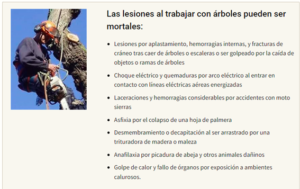
Tree Trimming Picture This – Spanish

Fuente: https://www.dir.ca.gov/dosh/Spanish/Tree-Work-Safety.html