The ‘New Normal’ of Hybrid Work HomeOffice Ergonomics & Hazards Meeting Kit

WHAT’S AT STAKE

Hybrid work has changed where and how people work, but it hasn’t removed risk, it’s just moved it. The same person may switch between a home setup and an office workstation, often without consistent ergonomics or routines. Small issues like poor posture, makeshift desks, or working long hours without breaks can build into real problems over time.

WHAT’S THE DANGER

Hybrid work creates risk because environments, routines, and habits change constantly, making it easier to overlook issues that build over time.

Poor Ergonomics and Repetitive Strain

Inconsistent setups between home and office can lead to poor posture, awkward positioning, and repeated strain on the body. Over time, this can cause back pain, neck stiffness, shoulder tension, wrist injuries, eye strain, and headaches that affect both health and performance.

Fatigue and Blurred Work Boundaries

Without clear routines, work can extend longer than expected. Skipping breaks and staying mentally engaged increases fatigue, reduces focus, and slows reaction time, making mistakes and poor decisions more likely.

Home and Workspace Hazards

Working outside a controlled office environment introduces risks that are often missed

  • Cables, clutter, or unstable furniture creating trip hazards
  • Poor lighting leading to eye strain and reduced visibility
  • Makeshift workspaces that encourage unsafe posture
  • Frequent switching between setups causing inconsistent habits and awareness

HOW TO PROTECT YOURSELF

Hybrid work only works safely when your setup and habits stay consistent, no matter where you are.

Set Up Your Workstation the Right Way

Whether you’re at home or in the office, your setup should support your body, not strain it. Keep your screen at eye level, your back supported, and your feet flat on the floor. Avoid working from couches, beds, or surfaces that force awkward positions.

Control Your Routine, Not Just Your Work

Hybrid work can blur boundaries, so you need to create structure. Set clear start and stop times, take regular breaks, and step away from your screen to reset your focus and reduce fatigue.

Protect Your Body Throughout the Day

Small adjustments make a big difference over time.

  • Change position regularly and avoid staying in one posture too long
  • Stretch briefly to reduce stiffness and tension
  • Rest your eyes by looking away from the screen periodically

Keep Your Environment Safe and Organized

Your workspace should be as safe as any office. Watch for hazards that can affect both comfort and safety.

  • Keep cables and clutter out of walkways
  • Make sure lighting is adequate and reduces eye strain
  • Use stable furniture that supports your work

Stay Aware When Switching Environments

Moving between home and office can lead to inconsistent habits. Take a moment each time to adjust your setup, check your posture, and reset your routine so you don’t carry bad habits with you.

Act Early When Something Feels Off

If you feel pain, discomfort, or fatigue building, don’t ignore it. Adjust your setup, take a break, or speak up. Addressing small issues early prevents long term problems.

FINAL WORD

Hybrid work gives flexibility, but safety still depends on how you set yourself up and manage your day. Small adjustments each day are what keep you working safely long term.



The ‘New Normal’ of Hybrid Work HomeOffice Ergonomics & Hazards Meeting Kit – Spanish

QUÉ ESTÁ EN RIESGO

El trabajo híbrido ha cambiado dónde y cómo trabajan las personas, pero no ha eliminado el riesgo, solo lo ha trasladado. La misma persona puede alternar entre una configuración en casa y una estación de trabajo en la oficina, a menudo sin ergonomía ni rutinas consistentes. Pequeños problemas como mala postura, escritorios improvisados o trabajar largas horas sin descansos pueden convertirse en problemas reales con el tiempo.

CUÁL ES EL PELIGRO

El trabajo híbrido crea riesgos porque los entornos, las rutinas y los hábitos cambian constantemente, lo que facilita ignorar problemas que se acumulan con el tiempo.

Ergonomía Deficiente y Esfuerzo Repetitivo

Las configuraciones inconsistentes entre el hogar y la oficina pueden generar mala postura, posiciones incómodas y esfuerzo repetitivo en el cuerpo. Con el tiempo, esto puede causar dolor de espalda, rigidez en el cuello, tensión en los hombros, lesiones en las muñecas, fatiga visual y dolores de cabeza que afectan tanto la salud como el rendimiento.

Fatiga y Límites Difusos entre el Trabajo y la Vida Personal

Sin rutinas claras, el trabajo puede extenderse más de lo esperado. Saltarse los descansos y mantenerse mentalmente activo aumenta la fatiga, reduce la concentración y ralentiza el tiempo de reacción, lo que hace que los errores y las malas decisiones sean más probables.

Riesgos en el Hogar y el Espacio de Trabajo

Trabajar fuera de un entorno de oficina controlado introduce riesgos que a menudo se pasan por alto.

  • Cables, desorden o muebles inestables que pueden provocar tropiezos
  • Iluminación deficiente que provoca fatiga visual y reduce la visibilidad
  • Espacios de trabajo improvisados que fomentan posturas poco seguras
  • Cambios frecuentes de configuración que provocan hábitos y niveles de atención inconsistentes

CÓMO PROTEGERSE

El trabajo híbrido solo es seguro cuando tu configuración y hábitos se mantienen consistentes, sin importar dónde estés. Cada día en un entorno diferente requiere atención, ajuste y conciencia.

Configura Tu Estación de Trabajo Correctamente

Ya sea en casa o en la oficina, tu configuración debe apoyar tu cuerpo, no tensarlo. Mantén la pantalla a nivel de los ojos, la espalda apoyada y los pies planos en el suelo. Evita trabajar desde sofás, camas o superficies que fuercen posturas incómodas.

Controla Tu Rutina, No Solo Tu Trabajo

El trabajo híbrido puede difuminar los límites, por eso debes crear estructura. Establece horarios claros de inicio y fin, toma descansos regulares y aléjate de la pantalla para recargar tu concentración y reducir la fatiga.

Protege Tu Cuerpo a lo Largo del Día

Pequeños ajustes marcan una gran diferencia con el tiempo.

  • Cambia de posición regularmente y evita permanecer en una sola postura demasiado tiempo
  • Estírate brevemente para reducir la rigidez y la tensión
  • Descansa los ojos apartando la vista de la pantalla periódicamente
  • Mantén los cables y el desorden fuera de los pasillos

Mantén Tu Entorno Seguro y Organizado

Tu espacio de trabajo debe ser tan seguro como cualquier oficina. Presta atención a los riesgos que puedan afectar tanto a tu comodidad como a tu seguridad.

  • Mantén los cables y el desorden alejados de las zonas de paso
  • Asegúrate de que la iluminación sea adecuada y reduzca la fatiga visual
  • Utiliza muebles estables que se adapten a tu trabajo

Mantente Atento Al Cambiar De Entorno

Moverte entre tu casa y la oficina puede llevar a hábitos inconsistentes. Tómate un momento cada vez para ajustar tu configuración, revisar tu postura y restablecer tu rutina para no llevar contigo malos hábitos.

Actúa Pronto Cuando Algo No Se Sienta Bien

Si sientes dolor, incomodidad o fatiga acumulándose, no lo ignores. Ajusta tu configuración, tómate un descanso o habla. Abordar los pequeños problemas a tiempo previene problemas a largo plazo.

CONCLUSIÓN

El trabajo híbrido ofrece flexibilidad, pero la seguridad sigue dependiendo de cómo configuras tu espacio y gestionas tu jornada. Pequeños ajustes cada día son lo que te mantienen trabajando de forma segura a largo plazo.


The ‘New Normal’ of Hybrid Work HomeOffice Ergonomics & Hazards Stats and Facts

FACTS

  • Poor Workstation Setup: Improper desk, chair, and screen positioning at home can lead to musculoskeletal strain in the neck, back, and shoulders.
  • Prolonged Sitting: Extended periods without movement increase the risk of fatigue, reduced circulation, and chronic pain.
  • Inadequate Lighting: Poor lighting conditions can cause eye strain, headaches, and reduced focus during tasks.
  • Trip and Electrical Hazards: Loose cables, overloaded outlets, and cluttered workspaces increase the risk of trips, falls, and electrical incidents.
  • Blurring of Work-Life Boundaries: Lack of separation between work and personal space can lead to longer hours, fatigue, and reduced recovery time.
  • Mental Fatigue and Isolation: Working remotely without regular interaction can increase stress, distraction, and reduced attention to safety.
  • Improper Equipment Use: Using non-ergonomic furniture or devices not designed for prolonged work can contribute to repetitive strain injuries.

STATS

  • In the United States, musculoskeletal disorders account for nearly 30% of all workplace injuries requiring days away from work, including those related to poor ergonomics in remote settings (U.S. Bureau of Labor Statistics, 2022–2023).
  • U.S. occupational data shows that overexertion and bodily reaction injuries remain among the leading causes of workplace injuries, often linked to poor workstation ergonomics (BLS, 2021–2023).
  • In Canada, musculoskeletal injuries are the most common type of lost-time workplace injury, frequently associated with workstation setup and repetitive tasks (Association of Workers’ Compensation Boards of Canada, recent years).
  • Canadian data indicates that workers in administrative and remote roles report high rates of discomfort and strain injuries, particularly in home-based work environments (AWCBC and occupational health reports, 2021–2023).
  • U.S. data shows that work-related fatigue and extended work hours contribute to increased risk of injury and reduced productivity, especially in remote or hybrid work arrangements (National Safety Council, recent years).


The ‘New Normal’ of Hybrid Work HomeOffice Ergonomics & Hazards Stats and Facts – Spanish


HECHOS

  • Configuración Deficiente de la Estación de Trabajo: el escritorio, la silla y la posición de la pantalla inadecuados en casa pueden provocar fatiga musculoesquelética en el cuello, la espalda y los hombros.
  • Sedentarismo Prolongado: los períodos prolongados sin movimiento aumentan el riesgo de fatiga, mala circulación y dolor crónico.
  • Iluminación Inadecuada: las malas condiciones de iluminación pueden causar fatiga visual, dolores de cabeza y menor concentración durante las tareas.
  • Riesgos de Tropiezo e Incidentes Eléctricos: cables sueltos, enchufes sobrecargados y espacios de trabajo desordenados aumentan el riesgo de tropiezos, caídas e incidentes eléctricos.
  • Difuminación de los Límites Trabajo-Vida Personal: la falta de separación entre el trabajo y el espacio personal puede llevar a jornadas más largas, fatiga y menor tiempo de recuperación.
  • Fatiga Mental y Aislamiento: trabajar de forma remota sin interacción regular puede aumentar el estrés, la distracción y la menor atención a la seguridad.
  • Uso Inadecuado del Equipo: el uso de muebles o dispositivos no ergonómicos no diseñados para trabajo prolongado puede contribuir a lesiones por esfuerzo repetitivo.

ESTADÍSTICAS

  • En Estados Unidos, los trastornos musculoesqueléticos representan casi el 30% de todas las lesiones laborales que requieren días de ausencia, incluidas las relacionadas con la mala ergonomía en entornos de trabajo remoto (Oficina de Estadísticas Laborales de EE. UU., 2022-2023).
  • Los datos laborales de EE. UU. muestran que las lesiones por sobreesfuerzo y reacción corporal siguen siendo una de las principales causas de lesiones en el trabajo, a menudo vinculadas a la mala ergonomía en la estación de trabajo (BLS, 2021-2023).
  • En Canadá, las lesiones musculoesqueléticas son el tipo más común de lesión laboral con tiempo perdido, frecuentemente asociadas a la configuración de la estación de trabajo y las tareas repetitivas (Asociación de Juntas de Compensación de Trabajadores de Canadá, años recientes).
  • Los datos canadienses indican que los trabajadores en funciones administrativas y remotas reportan altas tasas de incomodidad y lesiones por esfuerzo, especialmente en entornos de trabajo desde casa (AWCBC e informes de salud ocupacional, 2021-2023).
  • Los datos de EE. UU. muestran que la fatiga laboral y las jornadas de trabajo extendidas contribuyen a un mayor riesgo de lesiones y menor productividad, especialmente en acuerdos de trabajo remoto o híbrido (Consejo Nacional de Seguridad, años recientes).
  • Los estudios de salud ocupacional indican que los trabajadores que toman descansos regulares y ajustan sus estaciones de trabajo reportan menores tasas de incomodidad y mayor productividad en comparación con quienes trabajan sin interrupciones (informes de investigación, años recientes).


The ‘New Normal’ of Hybrid Work HomeOffice Ergonomics & Hazards Fatality File

Remote Employee Develops Severe Back Injury Due to Poor Home Office Ergonomics

A remote administrative employee began working from home full-time and set up their workstation at a kitchen table using a standard chair with no lumbar support. The laptop was placed directly on the table, forcing the worker to look down for long periods while typing and attending virtual meetings. Over several weeks, the employee worked extended hours with minimal breaks, often remaining seated for long periods without adjusting posture.

Gradually, the worker developed lower back pain and stiffness, which worsened into chronic pain and limited mobility. Eventually, the employee sought medical attention and was diagnosed with a work-related musculoskeletal disorder (lumbar strain with nerve involvement). The condition required time off work, physical therapy, and workplace adjustments. The injury was linked directly to poor workstation setup, prolonged sitting, and lack of ergonomic support.

Source: https://www.cdc.gov


The ‘New Normal’ of Hybrid Work HomeOffice Ergonomics & Hazards Fatality File – Spanish

Empleado Remoto Desarrolla Lesión Grave de Espalda Debido a Mala Ergonomía en la Oficina en Casa

Un empleado administrativo remoto comenzó a trabajar desde casa a tiempo completo y configuró su estación de trabajo en una mesa de cocina usando una silla estándar sin soporte lumbar. La laptop se colocó directamente sobre la mesa, lo que obligaba al trabajador a mirar hacia abajo durante largos períodos mientras escribía y asistía a reuniones virtuales. Durante varias semanas, el empleado trabajó largas horas con mínimos descansos, permaneciendo sentado durante largos períodos sin ajustar la postura.

Gradualmente, el trabajador desarrolló dolor lumbar y rigidez, que empeoró hasta convertirse en dolor crónico y movilidad limitada. Finalmente, el empleado buscó atención médica y fue diagnosticado con un trastorno musculoesquelético relacionado con el trabajo (distensión lumbar con afectación nerviosa). La condición requirió tiempo fuera del trabajo, fisioterapia y ajustes en el lugar de trabajo.

Fuente: https://www.cdc.gov


The ‘New Normal’ of Hybrid Work HomeOffice Ergonomics & Hazards Picture This

image

This image shows a remote worker sitting at a kitchen table late in the evening, working on a laptop with no proper workstation setup. The chair has no back support, forcing the worker to slouch forward with a rounded spine and neck bent downward for hours. The screen is too low, the keyboard is too high, and the worker’s wrists are awkwardly positioned. Around the workspace, cables and clutter are scattered across the floor, while the lighting is dim and uneven. The worker appears fatigued, shifting uncomfortably and rubbing their lower back, but continues working without taking breaks.

In hybrid and home-office environments, injuries don’t happen in a single moment—they build silently over time. Poor posture, prolonged sitting, and improper workstation setup place continuous strain on the spine, muscles, and joints. What starts as minor discomfort can quickly develop into chronic back pain, nerve issues, or long-term disability. Without proper awareness and setup, workers may ignore early warning signs until the damage is serious. Always adjust your workstation, maintain neutral posture, take regular breaks, and treat discomfort as a warning—not something to push through.


The ‘New Normal’ of Hybrid Work HomeOffice Ergonomics & Hazards Picture This – Spanish

image

Esta imagen muestra a un trabajador remoto sentado en una mesa de cocina tarde en la noche, trabajando en una laptop sin una configuración adecuada de estación de trabajo. La silla no tiene soporte lumbar, lo que obliga al trabajador a encorvarse hacia adelante con la columna curvada y el cuello inclinado hacia abajo durante horas. La pantalla está demasiado baja, el teclado demasiado alto y las muñecas están en posiciones incómodas. A su alrededor, cables y desorden están esparcidos por el suelo, mientras que la iluminación es tenue y desigual. El trabajador parece fatigado, frotándose la espalda baja, pero continúa trabajando sin tomar descansos.

En entornos de trabajo híbrido y oficina en casa, las lesiones no ocurren en un solo momento: se acumulan en silencio con el tiempo. La mala postura, el sedentarismo prolongado y la configuración inadecuada de la estación de trabajo ejercen una tensión constante en la columna, los músculos y las articulaciones. Lo que comienza como una incomodidad leve puede convertirse rápidamente en dolor de espalda crónico, problemas nerviosos o discapacidad a largo plazo. Sin la conciencia y la configuración adecuadas, los trabajadores pueden ignorar las señales de advertencia tempranas hasta que el daño sea serio. Ajusta siempre tu estación de trabajo, mantén una postura neutra, toma descansos regulares y trata la incomodidad como una advertencia, no como algo que simplemente debes aguantar.


First Aid – Soft Tissue Injuries – Spanish

Soft tissue injuries are among the most common workplace injuries, and while many are minor, they can become life-threatening without prompt and proper first aid. (Spanish Version)


Mental-Health Matters: Psychological Safety & Its Link to Physical Safety Meeting Kit

WHAT’S AT STAKE

Think about the moments when something didn’t feel right at work but no one said anything. That’s where real risk starts. Mental health and psychological safety are not separate from physical safety, they drive it. When people feel stressed, pressured, or unsure if they can speak up, they stay quiet, rush decisions, or push through situations that should have been stopped. That silence is what turns small concerns into serious injuries.

WHAT’S THE DANGER

Mental health risks at work don’t always look like hazards, but they directly affect how people think, react, and make decisions.

How Psychological Risk Becomes Physical Risk

When people feel rushed, overwhelmed, or unable to speak up, they are more likely to take shortcuts, ignore warning signs, or stay silent about unsafe conditions. This increases the chance of errors, near misses, and injuries that could have been prevented.

Signs and Symptoms to Watch For

  • Difficulty concentrating or staying focused
  • Increased irritability, frustration, or withdrawal
  • Fatigue, low energy, or lack of motivation
  • Rushing tasks or making more mistakes than usual
  • Avoiding communication or hesitation to speak up

Breakdown in Communication and Teamwork

When people don’t feel safe to speak up, important information gets lost. Hazards go unreported, questions don’t get asked, and teams stop working together effectively, increasing overall risk.

Cumulative Stress and Fatigue

Stress builds over time. Without proper support or recovery, it leads to mental fatigue, slower reaction time, and poor decision making, all of which increase the likelihood of physical injuries.

HOW TO PROTECT YOURSELF

Mental safety shows up in how you think, react, and decide during the job. If your focus drops, your risk goes up. The key is catching it early and staying in control.

Start with Yourself

Before anything else, check in. If you feel distracted, rushed, or mentally off, don’t ignore it. That’s your signal to slow down and reset before continuing.

Speak Up Before It Builds

Silence is where problems grow. If something feels off, say it early. That could be a hazard, confusion, or pressure.

  • Call out unsafe conditions
  • Ask questions when things don’t make sense
  • Share near misses or concerns

Don’t Let the Pace Take Over

Fast work is not safe work if your head isn’t in it. Slow down just enough to stay in control. That’s what prevents mistakes.

Stay Connected to the Team

Working in your own bubble increases risk. Stay engaged with others, communicate clearly, and keep information moving.

Quick Mental Reset

Stress builds quietly during the shift. You don’t need a long break to fix it.

  • Pause for a few seconds
  • Take a breath and refocus
  • Step back mentally before the next task

If It Feels Too Much, Act

This is not something you push through. If stress is affecting your focus or safety, stop and deal with it.

Talk to your supervisor. Get support. Reset before continuing.

FINAL WORD

Mental safety is not something you see, but you feel it in every decision you make. When you stay aware, speak up, and take control of your pace, you prevent small mental slips from becoming real physical risks. Staying sharp is part of staying safe.


Mental-Health Matters: Psychological Safety & Its Link to Physical Safety Meeting Kit – Spanish

QUÉ ESTÁ EN RIESGO

Piensa en esos momentos en que algo en el trabajo no se sentía bien, pero nadie dijo nada. Ahí es donde empieza el riesgo real. La salud mental y la seguridad psicológica no están separadas de la seguridad física, las impulsan. Cuando las personas se sienten estresadas, presionadas o inseguras de poder hablar, se quedan calladas, toman decisiones apresuradas o siguen adelante en situaciones que debieron haberse detenido. Ese silencio es lo que convierte pequeñas preocupaciones en lesiones graves.

CUÁL ES EL PELIGRO

Los riesgos de salud mental en el trabajo no siempre parecen peligros, pero afectan directamente cómo las personas piensan, reaccionan y toman decisiones.

Cómo el Riesgo Psicológico Se Convierte en Riesgo Físico

Cuando las personas se sienten apresuradas, abrumadas o incapaces de hablar, es más probable que tomen atajos, ignoren señales de advertencia o guarden silencio sobre condiciones inseguras. Esto aumenta las probabilidades de errores, casi-accidentes y lesiones que pudieron haberse prevenido.

Señales y Síntomas a Observar

  • Dificultad para concentrarse o mantener el enfoque
  • Mayor irritabilidad, frustración o aislamiento
  • Fatiga, bajo nivel de energía o falta de motivación
  • Apresurarse en las tareas o cometer más errores de lo habitual
  • Evitar la comunicación o dudar al momento de hablar

Ruptura en la Comunicación y el Trabajo en Equipo

Cuando las personas no se sienten seguras de hablar, se pierde información importante. Los peligros no se reportan, las preguntas no se hacen, y los equipos dejan de trabajar eficazmente en conjunto, lo que aumenta el riesgo general.

Estrés Acumulado y Fatiga

El estrés se acumula con el tiempo. Sin el apoyo o la recuperación adecuada, genera fatiga mental, tiempos de reacción más lentos y mala toma de decisiones, todo lo cual aumenta la probabilidad de lesiones físicas.

COMO PROTEGERSE

La seguridad mental se refleja en cómo piensas, reaccionas y decides durante el trabajo. Si tu concentración baja, tu riesgo sube. La clave está en detectarlo a tiempo y mantenerte en control.

Empieza Contigo

Antes que todo, hazte un chequeo. Si te sientes distraído, apresurado o mentalmente fuera de lugar, no lo ignores. Esa es tu señal de que debes bajar el ritmo y reiniciarte antes de continuar.

Habla Antes de Que Se Acumule

El silencio es donde los problemas crecen. Si algo no se siente bien, dilo a tiempo. Puede ser un peligro, confusión o presión.

  • Señala las condiciones inseguras
  • Haz preguntas cuando algo no tenga sentido
  • Comparte los casi-accidentes o preocupaciones

No Dejes Que el Ritmo Te Controle

Trabajar rápido no es trabajar seguro si tu mente no está enfocada. Reduce el ritmo lo suficiente para mantenerte en control. Eso es lo que previene los errores.

Mantente Conectado con el Equipo

Trabajar en tu propia burbuja aumenta el riesgo. Mantente comprometido con los demás, comunícate con claridad y mantén la información en movimiento.

Reinicio Mental Rápido

El estrés se acumula en silencio durante el turno. No necesitas un descanso largo para remediarlo.

  • Pausa unos segundos
  • Respira profundo y vuelve a enfocarte
  • Da un paso mental atrás antes de la siguiente tarea

Si Se Siente Demasiado, Actúa

Esto no es algo que se empuja y ya. Si el estrés está afectando tu concentración o tu seguridad, para y ocúpate de ello.

Habla con tu supervisor. Busca apoyo. Reiníciarte antes de continuar.

CONCLUSIÓN

La seguridad mental no es algo que ves, pero la sientes en cada decisión que tomas. Cuando te mantienes alerta, hablas y tomas control de tu ritmo, evitas que pequeños deslices mentales se conviertan en riesgos físicos reales. Mantenerte enfocado es parte de mantenerte seguro.


Mental-Health Matters: Psychological Safety & Its Link to Physical Safety Stats and Facts

FACTS

  • Fatigue and Cognitive Overload: Mental fatigue reduces attention, slows reaction time, and increases the likelihood of errors and incidents during routine tasks.
  • Stress and Distraction: High stress levels can impair focus and decision-making, leading to missed hazards and unsafe actions.
  • Poor Communication Climate: Workers who feel unsafe speaking up may not report hazards, near misses, or unsafe conditions in time to prevent incidents.
  • Burnout and Reduced Vigilance: Chronic stress and burnout lower situational awareness and increase the risk of mistakes in high-risk environments.
  • Workplace Harassment and Conflict: Psychological strain from conflict or harassment can distract workers and contribute to unsafe behaviors or reduced concentration.
  • Lack of Psychological Safety: When workers fear blame or retaliation, critical safety concerns may go unreported, increasing exposure to hazards.
  • Impaired Decision-Making: Anxiety, stress, or emotional distress can affect judgment, increasing the chance of unsafe choices during critical tasks.

STATS

  • In the United States, over 120,000 workplace injuries annually are linked to fatigue or reduced alertness, highlighting the impact of mental strain on physical safety (National Safety Council, recent estimates).
  • U.S. data shows that workers experiencing high levels of stress are significantly more likely to be involved in workplace incidents and injuries, according to occupational safety studies (NSC and CDC, 2021–2023).
  • In Canada, mental health-related claims account for a growing portion of lost-time workplace claims, reflecting the impact of psychological strain on worker safety and performance (Association of Workers’ Compensation Boards of Canada, recent years).
  • U.S. research indicates that fatigue contributes to a substantial percentage of serious workplace incidents, particularly in safety-sensitive roles (National Safety Council, 2021–2023).
  • In Canada, workplace data shows that stress and psychological factors are linked to increased absenteeism and incident rates, affecting overall safety performance (AWCBC, recent reporting).


Mental-Health Matters: Psychological Safety & Its Link to Physical Safety Stats and Facts – Spanish

HECHOS

  • Fatiga y Sobrecarga Cognitiva: La fatiga mental reduce la atención, ralentiza el tiempo de reacción y aumenta la probabilidad de errores e incidentes durante tareas rutinarias.
  • Estrés y Distracción: Los altos niveles de estrés pueden afectar la concentración y la toma de decisiones, lo que lleva a pasar por alto peligros y a tomar acciones inseguras.
  • Clima de Comunicación Deficiente: Los trabajadores que no se sienten seguros de hablar pueden no reportar peligros, casi-accidentes o condiciones inseguras a tiempo para prevenir incidentes.
  • Agotamiento y Vigilancia Reducida: El estrés crónico y el agotamiento disminuyen la conciencia situacional y aumentan el riesgo de cometer errores en entornos de alto riesgo.
  • Acoso y Conflicto en el Lugar de Trabajo: La tensión psicológica causada por conflictos o acoso puede distraer a los trabajadores y contribuir a comportamientos inseguros o a una reducción en la concentración.
  • Falta de Seguridad Psicológica: Cuando los trabajadores temen el reproche o las represalias, las preocupaciones de seguridad críticas pueden no reportarse, aumentando la exposición a peligros.
  • Toma de Decisiones Afectada: La ansiedad, el estrés o el malestar emocional pueden afectar el juicio, aumentando las probabilidades de tomar decisiones inseguras durante tareas críticas.

ESTADÍSTICAS

  • En los Estados Unidos, más de 120,000 lesiones laborales al año están relacionadas con la fatiga o la reducción del estado de alerta, lo que evidencia el impacto del estrés mental en la seguridad física (Consejo Nacional de Seguridad, estimaciones recientes).
  • Datos de EE. UU. muestran que los trabajadores con altos niveles de estrés tienen significativamente más probabilidades de verse involucrados en incidentes y lesiones laborales, según estudios de seguridad ocupacional (NSC y CDC, 2021–2023).
  • En Canadá, los reclamos relacionados con la salud mental representan una parte creciente de los reclamos laborales con tiempo perdido, lo que refleja el impacto de la tensión psicológica en la seguridad y el rendimiento de los trabajadores (Asociación de Juntas de Compensación para Trabajadores de Canadá, años recientes).
  • Investigaciones en EE. UU. indican que la fatiga contribuye a un porcentaje significativo de incidentes laborales graves, particularmente en roles sensibles a la seguridad (Consejo Nacional de Seguridad, 2021–2023).
  • En Canadá, los datos laborales muestran que el estrés y los factores psicológicos están vinculados al aumento del ausentismo y las tasas de incidentes, lo que afecta el desempeño general en materia de seguridad (AWCBC, reportes recientes).


Mental-Health Matters: Psychological Safety & Its Link to Physical Safety Fatality File – Spanish

Un Empleado se Suicida Tras Sufrir Acoso y Estrés en el Trabajo

Un trabajador había estado experimentando estrés laboral continuo, presión y tensión psicológica durante un tiempo. Los reportes indicaron un ambiente de trabajo deficiente con apoyo limitado, posible acoso y sin un sistema eficaz para plantear preocupaciones. El estado mental del trabajador fue deteriorándose gradualmente, pero las señales de advertencia no fueron reconocidas o no fueron atendidas. No hubo una intervención clara, seguimiento ni apoyo para manejar la situación o reducir el riesgo.

Con el tiempo, el estrés no resuelto escaló hasta un punto crítico, y el trabajador murió por suicidio, con circunstancias vinculadas a las condiciones laborales y la falta de seguridad psicológica. El incidente pone de relieve cómo los peligros de salud mental, cuando se ignoran, pueden llevar a consecuencias fatales. Sin una cultura que fomente el reporte, el apoyo y la intervención temprana, los riesgos permanecen ocultos hasta que se vuelven graves e irreversibles.

Fuente: https://www.osha.gov


Mental-Health Matters: Psychological Safety & Its Link to Physical Safety Picture This

image

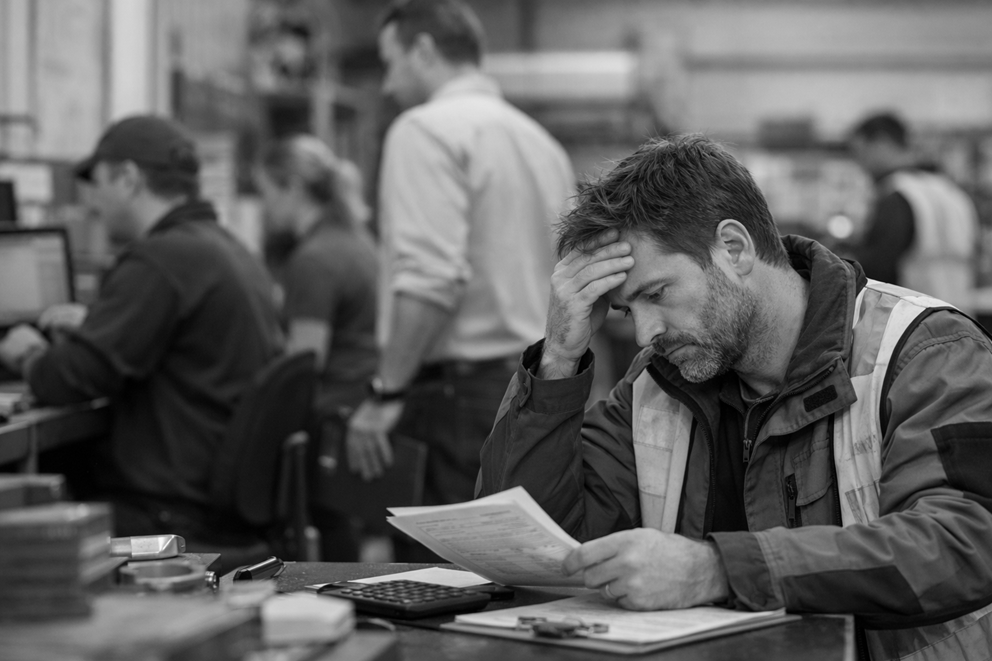
This image shows a busy workplace where operations appear normal, but one worker is visibly struggling in the background. While others are focused on their tasks, this worker looks fatigued, distracted, and overwhelmed, repeatedly checking instructions and making small errors. A supervisor walks past without noticing, and nearby coworkers continue working without recognizing the signs of stress. The environment feels fast-paced, with pressure to meet deadlines, but there is no visible support, communication, or check-in taking place.

In many workplaces, serious incidents don’t start with equipment failure—they start with people who are mentally overloaded, distracted, or afraid to speak up. When stress, fatigue, or psychological strain go unaddressed, workers are more likely to miss hazards, make unsafe decisions, or lose focus during critical tasks. Without a culture that encourages communication and support, these risks remain hidden until they lead to injuries or worse. Always look out for signs of mental strain, support open communication, and ensure workers feel safe to speak up. Psychological safety is a critical part of preventing physical harm.


Mental-Health Matters: Psychological Safety & Its Link to Physical Safety Picture This – Spanish

image

Esta imagen muestra un lugar de trabajo ocupado donde las operaciones parecen normales, pero un trabajador en el fondo está visiblemente en dificultades. Mientras otros están enfocados en sus tareas, este trabajador parece fatigado, distraído y abrumado, revisando repetidamente las instrucciones y cometiendo pequeños errores. Un supervisor pasa sin notarlo, y los compañeros cercanos continúan trabajando sin reconocer las señales de estrés. El ambiente se siente acelerado, con presión para cumplir plazos, pero no hay ningún apoyo, comunicación ni chequeo visible.

En muchos lugares de trabajo, los incidentes graves no comienzan con fallas en el equipo, sino con personas que están mentalmente sobrecargadas, distraídas o con miedo de hablar. Cuando el estrés, la fatiga o la tensión psicológica no se atienden, los trabajadores tienen más probabilidades de pasar por alto peligros, tomar decisiones inseguras o perder la concentración durante tareas críticas. Sin una cultura que fomente la comunicación y el apoyo, estos riesgos permanecen ocultos hasta que generan lesiones o algo peor. Siempre observa las señales de tensión mental, apoya la comunicación abierta y asegúrate de que los trabajadores se sientan seguros de hablar. La seguridad psicológica es una parte fundamental de la prevención de daños físicos.


Mental-Health Matters: Psychological Safety & Its Link to Physical Safety Fatality File

Employee Commits Suicide After Workplace Harassment and Stress

A worker had been experiencing ongoing workplace stress, pressure, and psychological strain over time. Reports indicated a poor work environment with limited support, possible harassment, and no effective system for raising concerns. The worker’s mental state gradually declined, but warning signs were either not recognized or not addressed. There was no clear intervention, follow-up, or support provided to manage the situation or reduce the risk.

Over time, the unresolved stress escalated to a critical point, and the worker died by suicide, with the circumstances linked to workplace conditions and lack of psychological safety. The incident highlights how mental health hazards—when ignored—can lead to fatal outcomes. Without a culture that encourages reporting, support, and early intervention, risks remain hidden until they become severe and irreversible.

Source: https://www.osha.gov


Resource Conservation and Recovery Act (RCRA) – Spanish

Course Description

This course will cover what the Resource Conservation and Recovery Act (RCRA) is and why it should matter to your organization. (Spanish Version)


Resource Conservation and Recovery Act (RCRA)

Course Description

This course will cover what the Resource Conservation and Recovery Act (RCRA) is and why it should matter to your organization.


Medication, Allergies, and Anaphylaxis – Spanish

Course Description

This course is designed to help you understand the conditions you may encounter, how to prevent incidents, and how to act immediately when a reaction occurs. Prepared educators create safer childcare environments. (Spanish Version)


Medication, Allergies, and Anaphylaxis

Course Description

This course is designed to help you understand the conditions you may encounter, how to prevent incidents, and how to act immediately when a reaction occurs. Prepared educators create safer childcare environments.


Work-At-Height in Warehouses: Pallet Racks, Order Pickers and Safety Meeting Kit

WHAT’S AT STAKE

Working at height in warehouses puts you in situations where there is little room for error. Whether you are on pallet racks, order pickers, or elevated platforms, one misstep, loss of balance, or equipment issue can lead to serious falls in seconds. Tasks that feel routine, like reaching for stock or repositioning loads, can quickly turn into life changing injuries if safety controls are not followed.

WHAT’S THE DANGER

Working at height in warehouses increases risk because falls happen quickly and often without warning, especially when tasks feel routine.

Fall from Height Hazards

Loss of balance, overreaching, or unstable footing on racks or platforms can lead to falls that result in fractures, head injuries, or fatal incidents.

Equipment and Platform Risks

Order pickers, ladders, or elevated platforms can become unsafe if used incorrectly or if something shifts, leading to sudden drops, tip overs, or being thrown from height.

Unsafe Movement and Positioning

Climbing racks, leaning outside guardrails, or rushing tasks increases the chance of slips, loss of control, and severe injuries when working above ground level.

Falling Objects

Items stored at height can shift or fall during handling, creating serious hazards such as

  • Head injuries from falling boxes or materials
  • Crushing injuries when heavy loads drop
  • Impact injuries from tools or loose items falling

HOW TO PROTECT YOURSELF

Working at height in warehouses means slowing down, staying within safe limits, and using the equipment the way it’s designed.

Use the Right Equipment Every Time

Always use approved equipment like order pickers, platforms, or ladders that are designed for the task. Do not climb pallet racks or improvise access. Make sure guardrails, gates, and fall protection systems are in place and used correctly.

Stay Stable and Work Within Reach

Keep both feet firmly positioned and avoid leaning or overreaching. If something is out of reach, reposition the equipment instead of stretching your body into an unsafe position.

Secure Loads and Tools

Before moving or handling items at height, make sure they are stable and properly positioned.

  • Keep loads balanced and within capacity
  • Do not stack items loosely or unevenly
  • Keep tools and materials secured to prevent drops

Maintain Three Points of Contact

When climbing or positioning yourself, keep steady contact to maintain balance and control. This reduces the chance of slips or sudden loss of footing.

Control the Area Below

Be aware of people working below you. Falling objects can cause serious injuries. Keep the area clear and communicate with others when working at height.

Stay Focused and Avoid Rushing

Most incidents happen when people try to move too quickly. Take your time, stay aware of your position, and focus on what you are doing at all times.

What to Do If Something Feels Unsafe

If equipment feels unstable, a load shifts, or something doesn’t look right, stop immediately. Do not try to fix it from an unsafe position. Lower yourself safely, report the issue, and correct it before continuing.

FINAL WORD

Working at height is not routine work. The risk is always there, even during simple tasks. When you stay within safe limits, use the right equipment, and take the time to do things properly, you reduce the chance of a serious fall. One safe decision at height is what keeps you on the ground at the end of the day.


Work-At-Height in Warehouses: Pallet Racks, Order Pickers and Safety Meeting Kit – Spanish

QUÉ ESTÁ EN RIESGO

Trabajar en altura en almacenes te coloca en situaciones en las que hay poco margen para el error. Ya sea sobre estanterías de paletas, selectoras de pedidos o plataformas elevadas, un paso en falso, una pérdida de equilibrio o un problema de equipo puede provocar caídas graves en segundos. Tareas que se sienten rutinarias, como alcanzar el inventario o reposicionar cargas, pueden convertirse rápidamente en lesiones que cambian la vida si no se siguen los controles de seguridad.

CUÁL ES EL PELIGRO

Trabajar en altura en almacenes aumenta el riesgo porque las caídas ocurren rápidamente y a menudo sin previo aviso, especialmente cuando las tareas se sienten rutinarias.

Peligros de Caídas Desde Altura

La pérdida de equilibrio, el sobreextendido o un apoyo inestable sobre estanterías o plataformas pueden provocar caídas que causen fracturas, lesiones en la cabeza o incidentes mortales.

Riesgos del Equipo y de las Plataformas

Las selectoras de pedidos, escaleras o plataformas elevadas pueden volverse inseguras si se usan incorrectamente o si algo se desplaza, provocando caídas repentinas, vuelcos o ser arrojado desde altura.

Movimiento y Posicionamiento Inseguros

Trepar estanterías, inclinarse fuera de los pasamanos o apresurar tareas aumenta la probabilidad de resbalones, pérdida de control y lesiones graves al trabajar por encima del nivel del suelo.

Objetos Que Caen

Los artículos almacenados en altura pueden desplazarse o caerse durante su manipulación, lo que genera riesgos graves tales como:

  • Lesiones en la cabeza por la caída de cajas o materiales
  • Lesiones por aplastamiento al caer cargas pesadas
  • Lesiones por impacto causadas por la caída de herramientas u objetos sueltos

COMO PROTEGERSE

Trabajar en altura en almacenes significa reducir la velocidad, mantenerse dentro de los límites seguros y usar el equipo como está diseñado.

Usa el Equipo Correcto Cada Vez

Usa siempre equipo aprobado como selectoras de pedidos, plataformas o escaleras diseñadas para la tarea. No subas a las estanterías de paletas ni improvises el acceso. Asegúrate de que los pasamanos, puertas y sistemas de protección contra caídas estén en su lugar y se usen correctamente.

Mantente Estable y Trabaja al Alcance

Mantén ambos pies firmemente colocados y evita inclinarte o sobrepasar el alcance. Si algo está fuera de tu alcance, reposiciona el equipo en lugar de estirar tu cuerpo a una posición insegura.

Asegura las Cargas y Herramientas

Antes de mover o manipular artículos en altura, asegúrate de que estén estables y posicionados correctamente.

  • Mantén las cargas equilibradas y dentro de la capacidad
  • No apiles los artículos de manera suelta o desigual
  • Mantén las herramientas y los materiales asegurados para evitar caídas
  • Mantén Tres Puntos de Contacto al trepar para conservar el equilibrio

Mantén tres Puntos de Apoyo

Al trepar o colocarte en una posición, mantén un contacto firme para conservar el equilibrio y el control. Esto reduce el riesgo de resbalones o de perder el equilibrio de forma repentina.

Controla el Área de Abajo

Sé consciente de las personas que trabajan debajo de ti. Los objetos que caen pueden causar lesiones graves. Mantén el área despejada y comunícate con los demás cuando trabajes en altura. La mayoría de los incidentes ocurren cuando las personas intentan moverse demasiado rápido.

Mantén la Concentración y Evita las Prisas

La mayoría de los incidentes ocurren cuando las personas intentan moverse demasiado rápido. Tómate tu tiempo, mantente atento a tu posición y concéntrate en lo que estás haciendo en todo momento.

Si Algo Se Siente Inseguro

Si el equipo se siente inestable, una carga se desplaza o algo no se ve bien, detente de inmediato. No intentes arreglarlo desde una posición insegura. Bájate de manera segura, reporta el problema y corrígelo antes de continuar.

CONCLUSIÓN

Trabajar en altura no es un trabajo rutinario. El riesgo siempre está ahí, incluso durante tareas simples. Cuando te mantienes dentro de los límites seguros, usas el equipo correcto y te tomas el tiempo para hacer las cosas correctamente, reduces la probabilidad de una caída grave. Una decisión segura en altura es lo que te mantiene en el suelo al final del día.


Work-At-Height in Warehouses: Pallet Racks, Order Pickers and Safety Stats and Facts

FACTS

  • Falls from Elevated Platforms: Working on order pickers or elevated platforms without proper fall protection can result in severe or fatal falls to hard surfaces.
  • Improper Access to Racking: Climbing pallet racks instead of using approved equipment exposes workers to unstable footing and sudden loss of balance.
  • Lack of Fall Protection: Failure to use harnesses and tie-off systems increases the likelihood of uncontrolled falls from height.
  • Overreaching from Equipment: Leaning outside guardrails to reach loads can shift the worker’s center of gravity and lead to falls.
  • Unsecured or Unstable Loads: Poorly stacked or damaged pallets can fall from height, striking workers below.
  • Equipment Misuse or Failure: Incorrect operation or mechanical issues with order pickers and forklifts can lead to tip-overs or sudden drops.
  • Uncontrolled Work Zones Below: Lack of exclusion zones exposes workers on the ground to struck-by hazards from falling objects.

STATS

  • In the United States, falls from heights accounted for over 800 workplace fatalities in 2022, making it one of the leading causes of death across industries, including warehousing (U.S. Bureau of Labor Statistics).
  • U.S. data shows that transportation and material moving occupations, including warehouse workers, report thousands of fall-related injuries annually, many involving elevated work platforms (BLS, 2021–2023).
  • In Canada, falls from elevation are a leading cause of workplace fatalities and serious injuries, particularly in industries involving storage, material handling, and warehousing (Association of Workers’ Compensation Boards of Canada, recent years).
  • The U.S. Bureau of Labor Statistics reports that contact with objects and equipment, including falling materials from height, is a major source of injury in warehouse operations (2022–2023).
  • In Canada, warehouse and transportation workers experience injury rates above the national average, with falls and struck-by incidents among the most common causes (AWCBC, 2021–2023).


Work-At-Height in Warehouses: Pallet Racks, Order Pickers and Safety Fatality File – Spanish

Empleado Aplastado Entre un Camión y Árboles y Muere

El 27 de septiembre de 2019, un empleado estaba entregando aproximadamente 22 toneladas de piedra triturada Dolomita #57 cuando su camión comenzó a rodar cuesta abajo por el camino de entrada.

El empleado fue tras el camión para detenerlo y este continuó rodando cuesta abajo, golpeando varios árboles y matorrales antes de detenerse.

El empleado quedó aplastado entre el camión sin control y varios árboles, y murió.

Fuente: https://www.osha.gov