Quick Course – Resolve Conflict Before it Escalates Into Violence

Conflict is to be expected in fast-paced work environments. Hundreds, sometimes even thousands of workers perform their duties inside the same facility, which can increase the likelihood of a conflict turning into large-scale instance of workplace violence. This quick course will outline some strategies on resolving conflict.


Quick Course – Stay Strong As You Age

In this quick course we’ll look at some of the issues workers face as they age and what they can do to stay focused and accident-free.


Ergonomics and The Mature Worker – Quick Course

While many people are quite capable of working well into their 60s or longer, they are at greater risk for injury and job-related illnesses because of reduced strength, balance, hearing, vision, and slower reaction time. This quick course covers some of the dangers of working as you age and how to protect yourself.


Quick Course – Learning the Hard Way

One area in life we cannot afford to learn the hard way is avoiding injury at work (or at home). This quick course will talk about learning the hard way and how to protect yourself from further injury.


Quick Course – First Day Back to Work

Workplace injuries are subject to many different and various risk factors. This quick course will cover the dangers of returning to work and how to prevent hazards associated with the first day back at work.


Quick Course – A Slice of Safety Can Help Prevent Knife Injuries

The utility and straight hand knife is also a commonly used tool in many industries and the cause of many severe accidents. This quick course will cover the hazards of using a knife incorrectly and how to protect yourself.


Quick Course – Beware of Bloodborne Pathogens

Nearly any worker could encounter bloodborne pathogens (BBP) – whether bandaging a co-worker’s cut, stepping on a used hypodermic needle in the alley or helping an accident victim on the way home. This quick course covers the hazards of BBP and how to protect yourself.


Worker’s Memorial Day

Every year, on April 28, the world recognizes Workers Memorial Day.

Today is the day we pay our respects to those who lost their lives on the job, and recognize the impact of these tragic losses on the families, co-workers, and communities of those we have lost.

As we navigate our way out of the COVID pandemic, this year, like last, is especially somber given the increasing number of essential workers who put their lives on the line during the pandemic, some of whom got sickened and/or died. They were not all healthcare workers, many were grocery clerks and stock people, farm workers, delivery drivers, truck drivers, farmers, law enforcement professionals, teachers, sanitation workers and others we relied on daily.

Nobody should die for simply going to work.

Today we we remember, respect, and honor all of those that lost their lives to what is largely preventable – workplace fatal injuries and illness. What’s more, we dedicate ourselves to improving workplace safety, the culture of workplace safety, and recommitting to the priority of workplace safety in business so that no life lost, no family grieving, and no community impacted is suffering in vain.

Currently, every 99 minutes a worker in North America dies from a workplace accident, injury, or illness. Every 99 minutes a family grieves. Every 99 minutes a community mourns.

Safety is EVERY worker’s right.


Locating Underground Utilities Before You Dig Meeting Kit – Spanish

QUÉ ESTÁ EN RIESGO

¿QUÉ ES EL 811 ONE-CALL? 

Llame al 811 antes de excavar en cualquier terreno comercial o residencial, incluida su propiedad privada. Es un servicio gratuito. Se enviarán técnicos al lugar para localizar los Servicios Públicos mediante equipos electromagnéticos. A continuación, marcan los que van desde la calle hasta el medidor del servicio. Esto ayudará a los propietarios de viviendas y a los profesionales a evitar daños en las líneas públicas de agua, alcantarillado, electricidad y gas natural.

LOCALIZADORES SUBTERRÁNEOS PÚBLICOS Y PRIVADOS 

Los localizadores de servicios básicos privados son necesarios para marcar las líneas eléctricas, de gas, sépticas, de agua y de drenaje en propiedades privadas, residenciales, comerciales y municipales.

Una vez que llame al “811” no significa que pueda cavar. Los equipos de localización de una llamada sólo localizan líneas de servicios públicos. 

SEGUNDA LLAMADA – LOCALIZADOR DE SERVICIOS BÁSICOS PRIVADOS 

Antes de comenzar su proyecto, es probable que tenga que hacer una segunda llamada. La llamada será a un localizador de servicios básicos privados para encontrar y demarcar líneas eléctricas subterráneas, tuberías de gas y más en terrenos privados, residenciales, comerciales y municipales.

CUÁL ES EL PELIGRO

¿QUÉ SON LOS SERVICIOS BÁSICOS PRIVADOS? 

Los servicios básicos privados son las líneas que van más allá del contador de servicios. Por ejemplo, los cables eléctricos que van desde el contador hasta una casa o edificio se considerarían privados. Por razones de seguridad y responsabilidad, es importante tener estas líneas marcadas de forma precisa y adecuada antes de empezar a excavar, incluso en su propia propiedad. Para marcarlas, tendrá que llamar a un localizador de servicios básicos privados.

La mayoría de las propiedades tienen líneas de servicios básicos privados sin marcar, pero representan un verdadero peligro para cualquiera que esté cavando. Es importante localizar y marcar todas las líneas. Ejemplos de servicios públicos subterráneos que pueden estar ocultos en su propiedad.

  • Electricidad para la iluminación exterior,
  • Líneas de propano,
  • Tuberías sépticas,
  • Sistemas de rociadores,
  • Gas para piscinas climatizadas,
  • Electricidad para un garaje independiente,

COMO PROTEGERSE

¿DÓNDE TIENE LÍNEAS DE SERVICIOS BÁSICOS PRIVADOS?

  • Comunidades de vecinos,
  • Complejos de apartamentos,
  • recintos escolares y campus universitarios,
  • Instalaciones médicas,
  • Zonas industriales,
  • Propiedades comerciales que incluyan un aparcamiento,
  • Instalaciones gubernamentales.
  • Los propietarios privados son responsables del mantenimiento de este tipo de cables y tuberías.

IMPORTANCIA DE LOCALIZAR CORRECTAMENTE LOS SERVICIOS BÁSICOS ANTES DE EXCAVAR. LOS EXPERTOS CAPACITADOS EVITAN LAS LESIONES 

El procedimiento operativo estándar antes de iniciar cualquier proyecto es llamar al 811, el número de teléfono nacional “llame antes de cavar”. A partir de ahí, el servicio activará una solicitud para que las empresas de servicios públicos marquen la ubicación de las líneas subterráneas. Pero ¿qué ocurre si alguien no es consciente de lo que hay enterrado bajo el suelo? Una persona que excava con una pala, un pico o cualquier otra herramienta con componentes metálicos puede correr el riesgo de electrocutarse y de golpear una línea eléctrica de alta tensión.

EVITE LOS CORTES E INTERRUPCIONES LOCALIZANDO LOS SERVICIOS BÁSICOS 

Aunque la seguridad de las personas es primordial, existe un riesgo importante de provocar un corte de servicio cuando se excava sin localizar los servicios básicos. Cortar una línea sin saberlo puede hacer que una casa, un barrio o incluso toda una zona de la ciudad se quede sin electricidad, agua o teléfono. Pero hay otras interrupciones más allá de los cortes de servicio que pueden producirse si se excava antes de localizar los servicios básicos. Golpear una tubería de gas puede provocar la evacuación de un edificio, mientras que golpear una tubería principal de agua puede requerir un aviso de hervir el agua.

CONCLUSIÓN

Los riesgos y los daños potenciales de cortar una línea sin saberlo pueden hacer que una casa, un barrio o una sección entera de la ciudad se queden sin electricidad. Golpear una tubería de gas puede provocar la evacuación de un edificio, mientras que golpear una tubería principal de agua puede requerir un aviso de hervir el agua.


Locating Underground Utilities Before You Dig Meeting Kit

WHAT IS 811 ONE-CALL? 

Call 811 before excavating on any piece of commercial or residential land, including your own private property. It’s a free service. Technicians will be sent to the site to locate public utilities using electromagnetic equipment. Then, they mark any that run from the street to the service meter. This will help homeowners and professionals prevent damage to public water, sewage, power and natural gas lines.

PUBLIC AND PRIVATE UNDERGROUND LOCATORS 

Private utility locators are necessary to mark out electrical, gas, septic, water and drainage lines on private, residential, commercial, and municipal properties.

Once you call “811” it does not mean you can proceed with digging. One call location crews only locate public utility lines. 

SECOND CALL – PRIVATE UTILITY LOCATOR 

Before starting your project, you will likely need to make a second call. The call will be to a private utility locator to find and demarcate underground electrical lines, gas pipes, and more on private, residential, commercial and municipal land.

WHAT ARE PRIVATE UTILITIES? 

Private utilities are the lines that run beyond the service meter. For example, electrical cables that go from the meter to a house or building would be considered private. For safety and liability reasons, it’s important to have these lines accurately and properly marked before starting to dig, even on your own property. To have these marked, you will need to call in a private underground utility locator.

Most properties have unmarked private utility lines, but they present a real danger for anyone digging. It’s important to have all lines located and marked. Examples of underground utilities that might be hidden on your property.

  • Electricity for exterior lighting,
  • Propane lines,
  • Septic pipes,
  • Sprinkler systems,
  • Gas for heated pools,
  • Power for a detached garage

WHERE DO YOU HAVE PRIVATE UTILITY LINES?

  • Neighborhood communities,
  • Apartment complexes,
  • School grounds and college campuses,
  • Medical facilities,
  • Industrial areas,
  • Commercial property including a parking lot,
  • Government facility.

Private owners are responsible for maintaining these types of cables and pipes.

IMPORTANCE OF PROPERLY LOCATING UTILITIES BEFORE DIGGING. TRAINED EXPERTS PREVENT INJURY 

Standard operating procedure before any project that breaks ground is to call 811, the national “call-before-you-dig” phone number. From there, the service will trigger a request for utility companies to mark the location of underground lines. But what happens if someone lacks awareness about what’s buried beneath the ground? A person digging with a shovel, spade, or another tool with metal components could put themselves and others around them at risk of electrocution if they strike a high-voltage electric line.

AVOID OUTAGES AND DISRUPTIONS BY LOCATING UTILITIES 

While human safety is paramount, there is a significant risk of causing a service outage when digging without locating utilities. Unknowingly cutting a line could cause a home, neighborhood, or even an entire section of the city to lose power, water, or telephone functionality. But there are other disruptions beyond just service outages that can occur if digging takes place before locating utilities first.

FINAL WORD

The risks and potential damage by unknowingly cutting a line could cause a home, neighborhood or an entire section of city to lose power. Striking a gas line can result in a building’s evacuation while hitting a water main can require a boil-water advisory.


Locating Underground Utilities Before You Dig Stats and Facts – Spanish

HECHOS

  1. Una de las mayores causas de muertes, lesiones e interrupciones del servicio relacionadas con los servicios básicos en este país son las excavadoras que dañan las instalaciones subterráneas de los servicios básicos.
  2. Daños personales (posible pérdida de vidas), daños al medio ambiente, costosos daños a la propiedad, daños a servicios básicos importantes que incapacitarían a otros para realizar llamadas de emergencia o perder la disponibilidad de un servicio público, costosos retrasos, costosas reparaciones, problemas legales y sanciones civiles.
  3. Una excavación descuidada puede romper las instalaciones y, a menudo, causar lesiones graves, incluso la muerte, al trabajador involuntario, por no hablar de la pérdida del servicio público a cientos de personas.
  4. Debido a la posibilidad de que se produzcan lesiones graves/muertes y la interrupción de un servicio esencial si se corta accidentalmente una tubería subterránea, la Ley de Salud y Seguridad en el Trabajo de Ontario exige que todos los servicios subterráneos se localicen y marquen con precisión antes de la excavación.

ESTADÍSTICAS

  • Cada año se producen más de 200.000 incidentes de daños involuntarios en las infraestructuras subterráneas de servicios básicos (incluyendo tuberías, líneas eléctricas, de telecomunicaciones, de agua y de alcantarillado), muchos de ellos como resultado de un individuo que no tiene localizadas las líneas de servicios básicos subterráneos antes de excavar;
  • Sólo este año, más de 38,6 millones de personas excavarán en el suelo sin marcar las líneas de los servicios básicos, lo que puede suponer una interrupción del servicio en las líneas telefónicas, eléctricas o de gas de su comunidad. Las estadísticas recogidas por la CGA o Common Ground Alliance, revelan que en promedio una línea de servicios públicos se daña cada seis segundos en los Estados Unidos. 
  • El 13 de abril de 2007, se determinó que el número 811 era el número nacional al que había que llamar para localizar líneas de servicios básicos subterráneos. Sólo este año, el 25% de los daños que se produzcan en estas líneas serán el resultado de que un individuo no llame para confirmar la ubicación de las líneas de servicios básicos antes de empezar a cavar. El 15% de los daños serán causados por alguien que cree que la excavación que está realizando no será lo suficientemente profunda como para causar ningún daño.


Locating Underground Utilities Before You Dig Stats and Facts

FACTS

  1. One of the largest causes of utility-related deaths, injuries and service interruptions is excavators damaging underground utility facilities.
  2. Personal injury (possible loss of life), damage to environment, costly property damage, damage to important utilities that would disable others to make emergency calls or lose the availability of a utility, costly delays, expensive repairs, legal problems, and civil penalties.
  3. Careless digging can rupture facilities and often cause severe injury, even death, to the unwitting worker – not to mention the loss of utility service to hundreds of people.
  4. Due to the potential of serious injury / death and interruption of essential service occurring if an underground pipe is accidentally severed, the Ontario Occupational Health and Safety Act requires that all underground services shall be accurately located and marked prior to excavation.

STATS

  • Each year there are over 200,000 incidences of unintentional damage to underground utility infrastructure (including pipelines, electrical,  telecommunications, water, and sewer lines), many as a result of an  individual who fails to have underground utilities lines located before  digging;
  • This year alone over 38.6 million individuals will dig in the ground without marking utility lines, which can account for disruption in service in the phone, electric, or gas lines for your community. The statistics collected by the CGA or the Common Ground Alliance, reveals that on average a utility line is damaged every six seconds in the United States. 
  • On April 13th of 2007, the number 811 was determined to be the national number to call to locate underground utility lines. This year alone, 25 % of the damage that occurs to these lines will be the result of an individual not calling to confirm the locations of the utility lines before they begin digging. 15 % of the damage will be caused by someone believing that the digging that they are doing will not be deep enough to cause any damage.


Locating Underground Utilities Before You Dig Fatality File

Man dies after being trapped under 16 tons of dirt 

A 29-year-old man who has been buried under 16 to 20 tons of dirt since about 10:30 a.m. at a construction site near 53rd North and Webb has died, Bel Aire Police Chief Darrell Atteberry confirmed at around 3:30 p.m.

Crews reached the man after about 5 hours of digging and removed him from the trench at 4:15 p.m. He has not been identified.

The man’s family has been on the scene for several hours.

“They’re grieving at this point,” the chief said at 2 p.m.

The site is close to a FedEx Ground Sort Facility and Next Level Hoops Academy.

Atteberry said the man was working at the bottom of a trench at about 10:30 a.m. when it caved in. Whether or not crews were using a trench box is unknown. Atteberry referred questions about the specifics of what happened to the Occupational Safety and Health Administration.

OSHA has been on scene talking to other people who were at the dig site, Atteberry said. About four men were working this morning when the collapse happened.

About 35 people worked at the site trying to get him out of the trench, including crews from the Sedgwick County and Wichita fire departments.

The man was excavating a hole to bury a pipe.

He works for Wilks Underground Utilities and was the only person in the trench at the time of the collapse, Atteberry said.

Wilks Underground is an excavation company based in Wichita. The crews were not part of the city of Bel Aire, Atteberry said.


Locating Underground Utilities Before You Dig Fatality File – Spanish

Hombre muere tras quedar atrapado bajo 16 toneladas de tierra 

Un hombre de 29 años que llevaba enterrado bajo entre 16 y 20 toneladas de tierra desde aproximadamente las 10:30 de la mañana en una obra de construcción cerca de la 53 Norte y Webb ha fallecido, según ha confirmado el jefe de policía de Bel Aire, Darrell Atteberry, sobre las 15:30 horas.

Los equipos llegaron al hombre después de unas 5 horas de excavación y lo sacaron de la zanja a las 4:15 p.m. No ha sido identificado.

La familia del hombre lleva varias horas en el lugar de los hechos.

“Están de duelo en este momento”, dijo el jefe a las 14:00 horas.

El lugar está cerca de una instalación de clasificación de FedEx Ground y de la Academia Next Level Hoops.

Atteberry dijo que el hombre estaba trabajando en el fondo de una zanja alrededor de las 10:30 a.m. cuando se derrumbó. Se desconoce si los equipos estaban utilizando una caja de zanja o no. Atteberry remitió las preguntas sobre los detalles de lo ocurrido a la Administración de Seguridad y Salud Laboral.

La OSHA ha estado en el lugar de los hechos hablando con otras personas que se encontraban en el lugar de la excavación, dijo Atteberry. Unos cuatro hombres estaban trabajando esta mañana cuando se produjo el derrumbe.

Alrededor de 35 personas trabajaban en el lugar tratando de sacarlo de la zanja, incluyendo equipos de los departamentos de bomberos del condado de Sedgwick y de Wichita.

El hombre estaba excavando un agujero para enterrar una tubería.

Trabaja para Wilks Underground Utilities y era la única persona en la zanja en el momento del derrumbe, dijo Atteberry.

Wilks Underground es una empresa de excavación con sede en Wichita. Los equipos no formaban parte de la ciudad de Bel Aire, dijo Atteberry.


Locating Underground Utilities Before You Dig Picture This

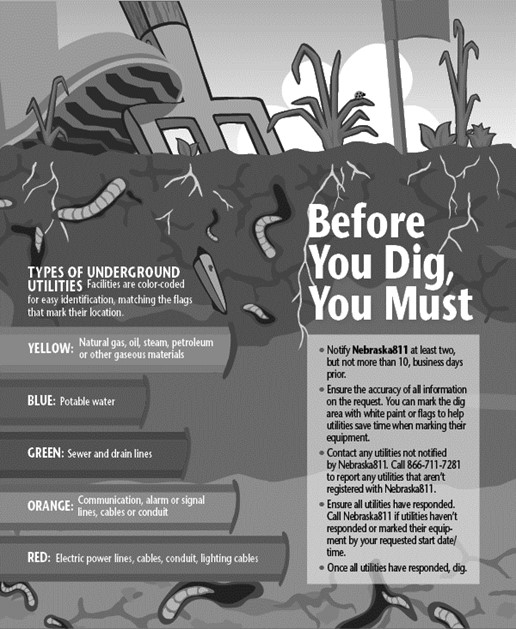
Source: https://oppdthewire.com/can-you-dig-it-better-call-nebraska-811-first/


Locating Underground Utilities Before You Dig Picture This – Spanish

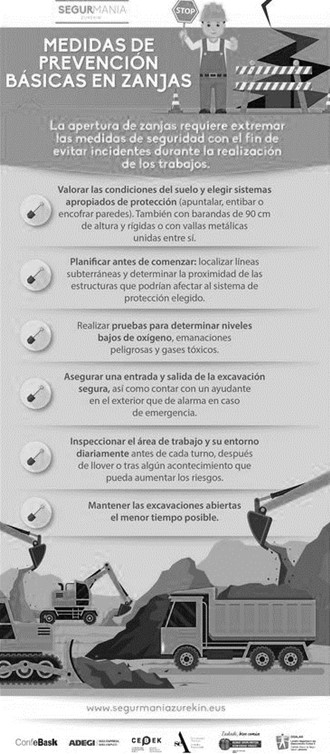
Fuente: https://www.fraternidad.com


Health is Everything Picture This

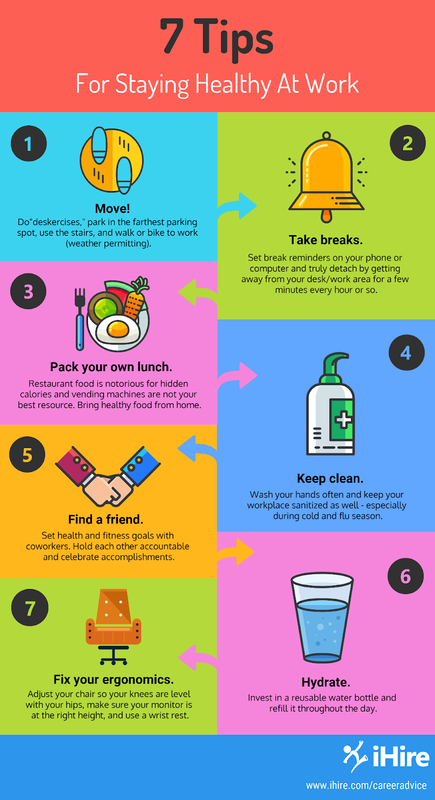
Source: msecnd.net


June 16 – Ergonomics in Healthcare

Date: June 16, 2022

Time: 9:00AM PT

Speaker: Kristan Rossetto, R.Kin, HB.Sc.HK, GradCert.ESLM, AE

Click Here to Register

Working in hospitals, long-term care facilities, and other healthcare environments can place high physical demands on workers and often requires manual handling, forceful exertions, and awkward postures, typically over the course of a 12-hour shift. The presence and combination of these musculoskeletal disorder hazards contributes to the risk of injury.

There are several ergonomic initiatives that healthcare organizations can consider to reduce employee injury risk. This webinar will outline some successful ergonomics and injury prevention strategies that can impact the overall wellbeing of healthcare workers, including:

• The importance of outlining policies and processes for handling ergonomic concerns
• Identification of ergonomic hazards in all jobs, as part of proactive screening
• Education on proper work set up and techniques for all types of jobs
• The importance of safe patient handling programs – how ergonomics plays a critical role
• Tackling easier to fix ergonomic issues, such as proper computer set up, to reduce overall injury risk

Upon request, ERGO Inc. will provide Ergonomics Toolkit Cards to participants to help with Ergonomics in your workplace.

Kristan Rossetto is an Associate Ergonomist (AE) and a Registered Kinesiologist with an Honours Bachelor of Science in Human Kinetics and a Post-Graduate Certificate in Exercise Science and Lifestyle Management.  Kristan has over 5 years of workplace ergonomic and clinical exercise experience in various settings, including manufacturing, automotive, food preparation, warehouse, retail, correctional facilities, and healthcare.

As an Ergonomic Consultant, Kristan has developed and delivered customized ergonomic training workshops, including ergonomic best practices and safe handling for a Distillery, e-learning and safe patient handling for a hospital, a stretching program for a warehouse, and injury prevention strategies and proper computer workstation set-up for office workers. Kristan helped to design and administers post-offer pre-employment testing for various industries, including healthcare and manufacturing.

Kristan is experienced at conducting physical and cognitive job demands analysis, ergonomic risk assessments, and job suitability assessments to provide employers with comprehensive information about the functional and physical requirements of a job to prevent workplace injuries and for the effective return to work of employees. She has assisted with control room design for  correctional facilities and patient intake for hospitals.


The Hidden Occupational Hazard: Poor Indoor Air Quality

DATE: May 5, 2022

TIME: 11:00AM PT

SPEAKER: Connie Muncy

Click Here to Register

Poor indoor air quality is an insidious hazard that negatively affects building occupants in the same way work process hazardous air contaminants affect workers and can cause deep health effects; yet it is often missed or overlooked in the workplace. This presentation will explore the importance of maintaining healthy indoor air quality for your workforce.

Attendees will learn: acceptable indoor air quality parameters, common sources of indoor air pollutants, signs of poor indoor air quality, and what to do when a complaint against indoor air quality is registered. This will all be accomplished in the context of reviewing actual interesting (and some surprising) case studies.

Connie Muncy, MS, CIH, CUSP, REM is a Corporate Safety Manager for NAES Corporation, the largest 3rd party operator of power plants and a service provider to the power industry, and the Vice President, Council on Practices and Standards for the American Society of Safety Professionals. She is a frequent speaker at state and national conferences addressing occupational health and safety topics, and has published many articles on these topics.

Hosted By:

Occupational Health & Safety 

Sponsored By:

Avetta, Camfil APC, Skillsoft, Honeywell Gas, TSI


Leading Edges in Fall Protection

Date: May 3, 2022

Time: 10:00AM PDT/ 1:00PM EDT

Register Here

This webinar will discuss some of the challenges and solutions associated with leading edge and sharp edge applications in the construction industry. Newer leading edge SRLs enable users to tie off at their feet in situations where there is no anchor available above the user’s head. However, many sharp edges exist on construction sites which can cause extreme danger to the SRL in the event of a fall over a sharp edge. This webinar will share how leading edge SRLs are designed to protect the user and the lifeline itself, including the use of energy absorbers to enable an SRL to arrest the fall without damage or failure.

Subscribe to 3M marketing communications

3M takes your privacy seriously. 3M and its authorized third parties will use the information you provided in accordance with our Privacy Policy to send you communications which may include promotions, product information and service offers. Please be aware that this information may be stored on a server located in the U.S. If you do not consent to this use of your personal information, please do not use this system.

Follow this link to register.


Safeopedia Presents: A Review of Medical Surveillance In Occupational Health Programs

DATE: April 28, 2022

TIME: 11:00AM PT

SPEAKER: Doug Trout

Click Here to Register


This session will provide an overview of several aspects of medical screening and surveillance as part of an Occupational Health Program. A formal occupational health surveillance program includes aspects of hazard and medical surveillance. Although the focus of this session concerns medical surveillance, integration of hazard and medical surveillance is key to an effective occupational health surveillance program. Medical surveillance describes activities that target health events or a change in a biologic function of an exposed person or persons. A surveillance program involves recurrent longitudinal examinations and data analysis over time. Medical screening is a complementary activity that is designed to detect early signs of work-related illness by administering tests to apparently healthy persons in a cross-sectional approach.

The Building Trades National Medical Screening Program is a voluntary national medical screening program which provides ongoing medical screening exams, at no cost, to construction workers previously employed at Department of Energy (DOE) nuclear weapons sites. This session will provide an overview of the BTMed, which has the mission of assisting construction workers who have been employed on DOE sites and who may be at significant risk for occupational illnesses as a result of their work. Lastly, the session will provide a brief overview of issues to consider related to medical screening as part of an occupational health screening program for workers and workplaces during the current phase of the pandemic.

Doug Trout, MD, MHS is currently a Medical Officer in the NIOSH Office of Construction Safety and Health and a member of the NIOSH Construction Sector Council. Doug has worked for NIOSH since 1992 in several roles, including a number of years in the NIOSH Health Hazard Evaluation (HHE) Program. He has a degree in Industrial Hygiene and is an Internal Medicine and Occupational Medicine physician.


Hosted by:

Occupational Health & Safety

Sponsored By:

Avetta

OraSure Technologies

Net Health

Lehigh CustomFit


Prevent Fraud By Maintaining a Safe Workplace Meeting Kit

Keeping your workplace safe decreases your risk of workers’ compensation fraud. Having a written Injury and Illness Prevention Plan (IIPP) tells your employees that their well-being is a top priority.

THE IIPP 

An Injury and Illness Prevention Program (or IIPP) is a basic safety program tailored to business operations. California employers with at least one employee are required to have a written IIPP that is understandable to all employees.

Keeping employees safe on the job keeps them working and your business more productive. An effective IIPP shows that safety is important at your company and guides your employees to work safely.  It can help you improve the safety and health in your workplace and reduce costs with good management and employee involvement.

IIPP CAN HELP PREVENT FRAUD

A primary tool of any IIPP is the accident investigation. Not only does this cover the who, what, when, where, why, and how, it also helps you determine if the injury claim is accurate.

When employees know you have a formal process for reporting workplace injuries, and that each injury report is investigated, they’re less likely to try and get away with making a false claim. Be sure to give all employees a copy of the plan. Also be sure to display it in a common area like the breakroom. Flyers, posters, and other printed material can help further emphasize your message. You can distribute these by email and also display them in the breakroom.

EMPLOYEES BEWARE 

Fraud occurs in the workplace when an employer misrepresents (spoken or in writing) something about your job. Fraud may arise when an employer makes a false representation concerning job security, salary, potential bonuses or promotions, health risks, or other aspects of employment.

You may have a claim for fraud if your employer knowingly makes false promises of high salaries or guaranteed bonuses to persuade you to quit your former job and come to work for him, but later refuses to pay.

You may also have a claim if you have relocated because you believed your employer’s representations about any one of the following: the kind of work, the existence of work, the length of time the work would last, the amount of pay for the work, the sanitary conditions of the work, or the existence or nonexistence of any strike or lockout.

TYPES OF BUSINESS FRAUD

  1. Identity theft: A fraudster could steal the identity of your business and access your credit. Fraudsters may gain access to your federal tax ID or financial statements. 
  2. Payroll fraud: This may be more common with smaller business. Employees may ask for paycheck advances and not pay them back. Utilizing a payroll service that lets you approve everyone’s time before they are paid may help to prevent payroll fraud.
  3. Fake money: Learn how to recognize fake money so you can refuse to accept it.
  4. Returns: Requiring a receipt and having strict return policies may help to limit return fraud.
  5. Workers’ compensation: A business owner is required by law to purchase worker’s compensation. This insurance pays your employees if they get injured while at work. Companies should stay on top of safety and what happens in your place of employment to help prevent this type of fraud.

FRAUD PREVENTION TIPS FOR BUSINESS TO PREVENT & IDENTIFY EMBEZZLEMENT

Effective Internal Controls. One of the strongest deterrents to committing fraudulent acts is the fear of getting caught. Effective internal controls increase employees’ perceptions of detection and reduce their opportunity to commit fraud.

Background Checks. Background checks are one of the most cost-effective ways to save a business from fraud.

Fraud Awareness Education and Training. A business employee handbook should have a Fraud Awareness section specifically outlining what constitutes fraud in the workplace and the consequences of committing fraud. 

Fraud Hotline. 46 percent of workplace fraud is uncovered due to tips from an employee, vendor, or customer. Providing employees an anonymous, worry-free way to report suspicious activity can greatly reduce fraud risk.

Insurance. Businesses should obtain coverage for dishonest employees through their insurance providers. This type of coverage assists with protecting a business from losses and fees incurred due to fraud by employees.

TIPS TO PREVENT FRAUD

Increasing the perception of detection is one of the best fraud deterrents. The opportunity to commit fraud is easier to rationalize when employees believe their wrongful acts will go undetected and unprosecuted.

Segregate duties. Don’t leave an employee in a position to correct their own work. If people know that their work is being watched they are less likely to commit fraud.

Set the tone at the top. A written ethics policy is an excellent method by which management can objectively communicate its philosophy toward fraud.

Put it in writing. Companies frequently have an ethics policies, which set forth in detail what is expected in the ethical climate of the company. 

Require time away. Beware of the employee who seems too good to be true. An employee who comes in early and stays late or never takes a vacation has the perfect opportunity to conceal their wrongdoing.

Reduce the risk of fraud. Include surprise audits as part of your pro-active fraud policy. 

FINAL WORD

Having a written Injury and Illness Prevention Plan (IIPP) sends out a loud signal to employees that their safety and security get top billing. An effective IIPP not only improves safety and health in the workplace but also reduces costs with good management and employee involvement. 


Prevent Fraud By Maintaining a Safe Workplace Meeting Kit – Spanish

QUÉ ESTÁ EN RIESGO

Mantener la seguridad en el lugar de trabajo disminuye el riesgo de fraude en la indemnización de los trabajadores. Contar con un Plan de Prevención de Lesiones y Enfermedades (IIPP) por escrito indica a sus empleados que su bienestar es una prioridad absoluta.

EL PLAN DE PREVENCIÓN DE LESIONES Y ENFERMEDADES 

Un Programa de Prevención de Lesiones y Enfermedades (IIPP) es un programa básico de seguridad adaptado a las operaciones de la empresa. Los empleadores de California con al menos un empleado están obligados a tener un IIPP escrito que sea comprensible para todos los empleados.

Mantener a los empleados seguros en el trabajo los mantendrá trabajando y su negocio será más productivo. Un IIPP eficaz muestra que la seguridad es importante en su empresa y guía a sus empleados para que trabajen de forma segura.  Puede ayudarle a mejorar la seguridad y la salud en su lugar de trabajo y a reducir los costos con una buena gestión y participación de los empleados.

CUÁL ES EL PELIGRO

LA IIPP PUEDE AYUDAR A PREVENIR EL FRAUDE

Una herramienta fundamental de cualquier IIPP es la investigación de accidentes. No sólo cubre el quién, el qué, el cuándo, el dónde, el por qué y el cómo, sino que también le ayuda a determinar si la denuncia de lesiones es correcta.

Cuando los empleados saben que existe un proceso formal para informar de las lesiones en el lugar de trabajo y que cada informe de lesión se investiga, es menos probable que intenten salirse con la suya y hacer una denuncia falsa. Asegúrese de entregar a todos los empleados una copia del plan. Asegúrese también de exponerlo en una zona común, como la de descanso. Los folletos, carteles y otros materiales impresos pueden ayudar a enfatizar aún más su mensaje. Puede distribuirlos por correo electrónico y exponerlos en la sala de descanso.

COMO PROTEGERSE

EMPLEADOS CUIDADO 

El fraude se produce en el lugar de trabajo cuando un empleador tergiversa (de palabra o por escrito) algo sobre su trabajo. El fraude puede producirse cuando un empleador hace una declaración falsa sobre la seguridad del empleo, el salario, las posibles bonificaciones o ascensos, los riesgos para la salud u otros aspectos del empleo.

Puede tener una denuncia por fraude si su empleador le hace, a sabiendas, falsas promesas de salarios elevados o bonos garantizados para persuadirle de que deje su anterior trabajo y se vaya a trabajar con su empleador, pero luego se niega a pagarle.

También puede tener una denuncia si se ha trasladado porque ha creído las afirmaciones de su empleador sobre cualquiera de los siguientes aspectos: el tipo de trabajo, la existencia del trabajo, el tiempo que duraría el trabajo, la cuantía de la paga por el trabajo, las condiciones sanitarias del trabajo o la existencia o inexistencia de una huelga o un cierre patronal.

TIPOS DE FRAUDE EMPRESARIAL

  1. Robo de identidad: Un estafador podría robar la identidad de su empresa y acceder a su crédito. Los defraudadores podrían acceder a su identificación fiscal federal o a sus estados financieros. 
  2. Fraude en las nóminas: Esto puede ser más común en las empresas pequeñas Los empleados pueden pedir anticipos de la nómina y no devolverlos. Utilizar un servicio de nóminas que le permita aprobar el tiempo de todos los empleados antes de que se les pague puede ayudar a prevenir el fraude en las nóminas.
  3. Dinero falso: Aprenda a reconocer el dinero falso para poder negarse a aceptarlo.
  4. Devoluciones: Exigir un recibo y tener políticas de devolución estrictas puede ayudar a limitar el fraude en las devoluciones.
  5. Compensación de los trabajadores: El propietario de un negocio está obligado por ley a contratar un seguro de accidentes laborales. Este seguro paga a sus empleados si se lesionan en el trabajo. Las empresas deben estar al tanto de la seguridad y de lo que ocurre en el lugar de trabajo para ayudar a prevenir este tipo de fraude.

CONSEJOS DE PREVENCIÓN DE FRAUDES PARA QUE LAS EMPRESAS EVITEN E IDENTIFIQUEN LA MALVERSACIÓN DE FONDOS

Controles internos eficaces. Uno de los elementos más disuasivos a la hora de cometer actos fraudulentos es el miedo a ser descubierto. Los controles internos eficaces aumentan la percepción de detección de los empleados y reducen su oportunidad de cometer un fraude.

Comprobación de antecedentes. La comprobación de los antecedentes es una de las formas más efectivas de salvar a una empresa del fraude.

Capacitación y concientización sobre el fraude. El manual de los empleados de una empresa debe incluir una sección de concienciación sobre el fraude que describa específicamente lo que constituye un fraude en el lugar de trabajo y las consecuencias de cometerlo. 

Línea directa contra el fraude. El 46% de los fraudes en el lugar de trabajo se descubren gracias a las pistas de un empleado, proveedor o cliente. Proporcionar a los empleados una forma anónima y sin preocupaciones de informar sobre actividades sospechosas puede reducir en gran medida el riesgo de fraude.

Seguros. Las empresas deberían obtener cobertura para los empleados deshonestos a través de sus proveedores de seguros. Este tipo de cobertura ayuda a proteger a la empresa de las pérdidas y los gastos ocasionados por el fraude de los empleados.

CONSEJOS PARA PREVENIR EL FRAUDE

Aumentar la percepción de detección es uno de los mejores elementos de prevención del fraude. La oportunidad de cometer un fraude es más fácil de racionalizar cuando los empleados creen que sus actos ilícitos no serán detectados ni perseguidos.

Separe las tareas. No deje a un empleado en posición de corregir su propio trabajo. Si la gente sabe que su trabajo está siendo vigilado, es menos probable que cometa un fraude.

Establezca las pautas en la dirección. Una política ética escrita es un excelente método para que la administración pueda comunicar objetivamente su filosofía sobre el fraude.

Póngalo por escrito. Las empresas suelen tener una política de ética, que establece en detalle lo que se espera del ambiente ético de la empresa. 

Solicite tiempo libre. Tenga cuidado con el empleado que parece demasiado bueno para ser verdad. Un empleado que llega temprano y se queda hasta tarde o que nunca se toma vacaciones tiene la oportunidad perfecta para ocultar sus malas acciones.

Reduzca el riesgo de fraude. Incluya las auditorías por sorpresa como parte de su política proactiva contra el fraude.

CONCLUSIÓN

Contar con un Plan de Prevención de Lesiones y Enfermedades (IIPP) por escrito transmite a los empleados la señal de que su seguridad es lo más importante. Un IIPP eficaz no sólo mejora la seguridad y la salud en el lugar de trabajo, sino que también reduce los costes con una buena gestión y participación de los empleados.


Communication Fallen Phrases – Spanish

Respuesta:
Los lugares de trabajo que utilizan una comunicación regular y coherente tienen culturas de seguridad sólidas. La comunicación en el lugar de trabajo es uno de los signos de una cultura de alto rendimiento. La comunicación sobre la seguridad debe ser regular, clara, coherente y sólida.


Communication Fallen Phrases

Answer:
Workplaces who use regular and consistent communication have strong safety cultures. Communication in the workplace is one of the signs of a high performance culture. Communication about safety should be regular, clear consistent, and strong.