Working in extreme heat Picture This
WORK AREAS BEST PRACTICES
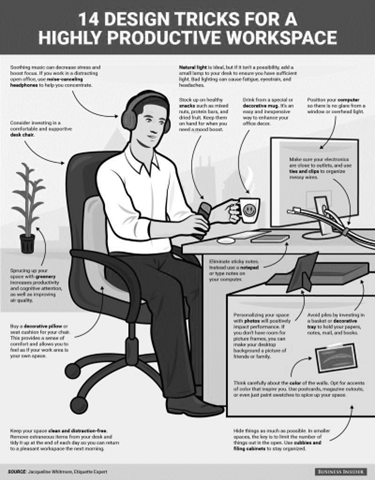
Our work areas are setup and not changed for long periods of time, even when a rearrangement would be a great improvement. Complacency often plays a factor in why our work areas are not changed for the better. Taking the time to evaluate your work areas as well as taking action to eliminate hazards can prevent an injury from occurring.
Often times much of our focus is given to the hazards of a work task, but less focus is given to the hazards poor work area conditions create. Work areas that are chaotic and that have poor organization can lead to more injuries and property damage incidents.
HAZARDS CREATED BY POOR ORGANIZATION OF WORK AREAS
Some hazards of poorly organized work areas include:
Struck-by incidents- Work areas that do not have any designated paths for personnel walking through or areas blocked off for specific work tasks such as grinding, create struck-by hazards can be particularly dangerous. Flying debris, lifting loads, and moving objects can all create struck-by hazards for anyone in the area.
Slips, trips, and falls- Objects on the ground due to poor organization or housekeeping create trip hazards for any walking through that area. Slippery surfaces due to moisture or other liquids such as oil can cause a slip or a fall. Uneven surfaces, steps, or unexpected drop-offs are also a common trip hazards in poorly designed work areas.
Caught in or between incidents– Work areas that place people near moving parts or equipment is also a huge concern. Moving equipment such as belts or fans can grab a hold of a person’s clothing or hair pulling them into the moving parts.
BEST PRACTICES FOR WORK AREA ORGANIZATION
MORE BEST PRACTICES FOR EMPLOYEES TO STAY ORGANIZED AT WORK
You have heard the saying, “A cluttered desk is a sign of a cluttered mind?” A workspace decently organized can leave more time for productivity. However, somewhere between meetings, conference calls and client work… things can quickly get out of hand. The important thing is to strive to stay organized, because it really can make a difference — in fact, the average office employee spends 1.5 hours a day just looking for things. That’s almost six weeks per year!
Make time to organize. Although you don’t have to make organizing your top priority for the day, it is important to at least make time for it. Set aside at least 30 minutes each week to get your desk, computer and even your thoughts in order. Try to spend time at the end of each workday organizing your desk before you leave. This will make the following day much easier, as you will already know where everything is. It’s a good idea to spend time at least one day a week organizing your computer to make sure that everything is in its proper folder. We know that there can be times when you are in a rush and you have to save something to the desktop. Having appropriate folders in your computer can really come in handy when you are quickly trying to locate a particular document. It’s also a good idea to start your workday off by regrouping and recalling all of your assigned daily responsibilities and tasks. This will help organize your mind for a productive start to your day while keeping you focused.
Establish a filing system. Filing cabinets or computer folders? In this case, it really doesn’t matter because both have the potential to be organized. Most importantly, be consistent with your system. Establish a filing system and stick with it. If you prefer to keep hard copies all of your documents in folders or in a filing cabinet, spend the time establishing a proper place for each type of document. Make various folders or use different drawers to distinguish between different types of work. On the other hand, if you prefer to keep track of everything online or on your computer, make sure you have a backup system to save your work in case something terrible happens.
Label Everything. Labeling is always a key factor to organization because it helps you stay consistent with your work. When you properly label everything, your organization process runs smoothly and cohesively. It helps keep everything in its proper place and ensures that you (hopefully) won’t misplace or lose track of something.
Don’t forget to breathe. No one is perfect and we don’t expect you to become an organized genius overnight. If you find that the process of trying to stay organized is stressing you out, then take a break and breathe. Although organization might be a key to success, it is not the only factor. Just remember that it really can make a big difference in your work life. Find the time and the method that works best for you and stick with it.
Take time to evaluate your work areas today. How long have they been organized in their current state? Is there a better way to setup a certain area? Were they better organized at one time and now they are not up to par? Think about how rearranging certain things can lead to fewer hazards as well as create a more pleasant place to work in general.
Take time to evaluate your work areas. The way we setup our work areas makes a huge impact on our ability to work safely as well as efficiently. it is important to consider what improvements we can make to our work areas to create safe work environment.

Source: http://www.jasonl.com
Noise at Work and Home Safety Talk
It’s important to protect yourself against noise hazards. Medicine or surgery cannot reverse noise-induced hearing loss. A hearing aid can’t completely restore hearing either. Once we diminish or lose our hearing we can never fully recover it.
NOISE FROM WORK
Damage to our hearing can happen over a short time or over a longer extended period of time depending on the source of the sound. Short loud bursts of noise such as explosions or gun shots can damage our ears in a short time of being exposed. Less hazardous noise such as woodworking equipment, heavy equipment, and machinery can lead to damage over an extended amount of time being exposed to the noise.
NOISE FROM HOME
There are many people who are overexposed at home to noise. Hobbies may also be causing hearing loss. Activities such as listening to loud music, shooting guns, woodworking, using a lawn mower, riding a dirt bike, etc. will damage your hearing overtime.
OSHA/NIOSH RECOMMENDATIONS
OSHA and NIOSH recommend to stay under levels of 85 decibels over an 8-hour time weighted average (TWA).
Average decibel ratings of some sounds:
HEARING DAMAGE PREVENTION
The best way to protect yourself is to eliminate the exposure. That can be achieved through removing yourself from the area the noise is in or eliminating the excessive noise altogether.
Engineering controls are the second best choice in protection from noise. Sound barriers, enclosures, and noise dampening systems are examples of engineering controls that will bring down the level of noise in an area.
Administrative controls such as training on using hearing protection, job rotation, breaks, and routine maintenance programs of equipment are some ways that protect workers from being exposed to hazardous noise.
PPE is the last line of defense. It is important to know the levels of noise that remain after applying the other techniques mentioned above. For noises between 85 decibels and 100 decibels on an 8 hour TWA, ear plugs will be enough to protect you if worn correctly. Over 100 decibels then double hearing protection is needed, an example is earplugs and ear muffs.
Your distance from the source of the sound and the length of time you are exposed to the sound are also important factors in protecting your hearing. A good rule of thumb is to avoid sounds that are too loud, too close, or last too long.
HEARING PROTECTIVE DEVICES
Electronic hearing protection devices permit conversations and warnings to reach the ear, but prevent harmful sound-pressure levels. Other electronic hearing protectors pick up and amplify desirable sounds. Some earmuffs or earplugs combine with communication systems for use in noisy areas.
Earmuffs – filled with liquid or foam – come in various styles for function and comfort. Earmuffs are fitted with a headband made of metal or plastic. Some headbands can be folded or put around the front or back of the neck in various positions. Cooling pads are even available for earmuffs worn in hot work environments.
Earplugs can be pre-molded to fit all wearers, or custom molded to fit exactly. They can be made expandable or non-expandable, and may be either reusable or disposable. Earplugs are available on cords you can wear around your neck so you can take earplugs out and put them in easily.
PROTECTION TIPS FOR WORKERS
When noise cannot be reduced to a safe level, your employer must provide hearing protection.
Protect your hearing. Once it goes, it is gone. It is possible to regain some of your hearing back artificially through hearing aids, but it will never be the same as it was before it was damaged. Take hearing protection seriously.
The Helena Police Department in Montana reached a $100,000 settlement with a Helena teacher who suffered hearing damage during an active shooter drill, and has since changed its training equipment to limit noise.
Lynn Trenary’s lawsuit against the city was formally dismissed following the settlement. The city confirmed that it has revised its active shooter exercises to use quieter Airsoft firearms and training to not fire close to participants.
Trenary participated in active shooter training on June 10, 2016, at the Project for Alternative Learning in Helena. The exercise was intended to train teachers how to respond to a school shooting.
Trenary was 20 feet away from an officer shooting blank ammunition as part of the drill. She believed the officer was giving instructions and was trying to understand what he was saying when he fired, the lawsuit says.
Trenary experienced hearing loss and a permanent ringing in her ears called tinnitus. She was not given hearing protection or warned that shots would be fired near her and her husband. Hearing protection was later provided at her request.
The lawsuit alleged negligence on the part of the city for failing to provide hearing protection or warn participants and failing to properly train employees to safely conduct the exercise.
In response to the lawsuit, attorneys for the city of Helena acknowledge that a Helena police officer fired the blanks, but said Trenary was warned to cover her ears with her hands before the shots were fired. The city contended in court filings that the Helena Police Department was not negligent and had followed procedures and standards of care. The city also stated that it was possible Ternary’s hearing loss could have come from a prior incident.
“The two blank gunshots fired from the policeman’s pistol at the active shooter training caused serious permanent tinnitus and hearing loss. This has caused difficult communication problems for Lynn at work, home and socially,” he said. “Lynn’s family and friends are very aware of the new problems which her doctors said were directly caused by the gunshots being fired too close to her from a revolver.
“The city now uses ‘airsoft’ guns and bullets which when fired don’t have the explosive danger of the blank bullets fired from a revolver. This change and the added care to not fire guns in close proximity to participants were positive results of this lawsuit.”
The city continues to conduct active shooter exercises following the settlement.
“Active shooter trainings simulate real scenarios to help prepare individuals for the worst,” public information officer Rebecca Connors said in a statement. “The city has adapted the program to both accommodate the safety of attendees while balancing the realism of the training.”

Source: https://www.ccohs.ca
Charla sobre el ruido en el trabajo y el hogar
Es importante protegerse contra los peligros del ruido. La medicina o la cirugía no pueden revertir la pérdida de audición inducida por el ruido. Un audífono tampoco puede restaurar completamente la audición. Una vez que disminuimos o perdemos la audición, nunca podremos recuperarla por completo.
EL RUIDO DEL TRABAJO
Los daños en nuestra audición pueden producirse en un periodo de tiempo corto o en un periodo de tiempo más largo, dependiendo de la fuente del sonido. Los ruidos fuertes y breves, como las explosiones o los disparos, pueden dañar nuestros oídos al poco tiempo de estar expuestos. Los ruidos menos peligrosos, como los de los equipos para trabajar la madera, los equipos pesados y la maquinaria, pueden provocar daños durante un tiempo prolongado de exposición al ruido.
RUIDO EN CASA
Hay muchas personas que están sobreexpuestas al ruido en casa. Los pasatiempos también pueden ser causa de pérdida de audición. Actividades como escuchar música a alto volumen, disparar armas, trabajar la madera, utilizar un cortacésped, montar en bicicleta de cross, etc. dañarán su audición con el tiempo.
RECOMENDACIONES DE OSHA/NIOSH
OSHA y el NIOSH recomiendan mantenerse por debajo de niveles de 85 decibelios en una media ponderada de 8 horas (TWA).
§ Valores medios de decibelios de algunos sonidos:
§ Conversación normal: 60 decibelios.
§ Tráfico urbano intenso: 85 decibelios
§ Motocicletas – 95 decibelios
§ Sierra circular: 100-105 decibelios
§ Un reproductor de MP3 al máximo volumen: 105 decibelios
§ Sirenas: 120 decibelios
§ Petardos y armas de fuego: 150 decibelios
PREVENCIÓN DE DAÑOS AUDITIVOS
La mejor manera de protegerse es eliminar la exposición. Esto puede conseguirse alejándose de la zona en la que se produce el ruido o eliminando por completo el ruido excesivo.
Los controles técnicos son la segunda mejor opción para protegerse del ruido. Las barreras acústicas, los recintos y los sistemas de amortiguación del ruido son ejemplos de controles técnicos que reducen el nivel de ruido en una zona.
Los controles administrativos, como la formación sobre el uso de la protección auditiva, la rotación del trabajo, los descansos y los programas de mantenimiento rutinario de los equipos, son algunas de las formas de proteger a los trabajadores de la exposición a ruidos peligrosos.
El EPP es la última línea de defensa. Es importante conocer los niveles de ruido que quedan después de aplicar las otras técnicas mencionadas anteriormente. Para ruidos entre 85 decibelios y 100 decibelios en una TWA de 8 horas, los tapones para los oídos serán suficientes para protegerle si los lleva correctamente. Por encima de los 100 decibelios, se necesita una doble protección auditiva; un ejemplo son los tapones y las orejeras.
La distancia a la que se encuentra la fuente de sonido y la duración de la exposición al sonido también son factores importantes para proteger su audición. Una buena regla general es evitar los sonidos demasiado fuertes, demasiado cercanos o que duren demasiado tiempo.
DISPOSITIVOS DE PROTECCIÓN AUDITIVA
Los dispositivos electrónicos de protección auditiva permiten que las conversaciones y las advertencias lleguen al oído, pero evitan los niveles de presión sonora perjudiciales. Otros protectores auditivos electrónicos recogen y amplifican los sonidos deseados. Algunas orejeras o tapones se combinan con sistemas de comunicación para su uso en zonas ruidosas.
Las orejeras, rellenas de líquido o espuma, se presentan en varios estilos para que sean funcionales y cómodas. Las orejeras están provistas de una diadema de metal o plástico. Algunas diademas pueden doblarse o colocarse alrededor de la parte delantera o trasera del cuello en varias posiciones. Incluso hay almohadillas refrigerantes para las orejeras que se usan en entornos de trabajo calurosos.
Los tapones para los oídos pueden estar premoldeados para adaptarse a todos los usuarios, o moldeados a medida para ajustarse exactamente. Pueden ser extensibles o no extensibles, y pueden ser reutilizables o desechables. Los tapones están disponibles en cordones que se pueden llevar alrededor del cuello para poder quitarse y ponerse los tapones fácilmente.
Asegúrese de que los protectores auditivos son cómodos, se ajustan correctamente y son compatibles con otros equipos de protección individual (EPI), como el casco.
Compruebe los protectores auditivos especialmente diseñados para su uso con otros EPP. Se acoplan a las ranuras y a los soportes de los cascos para combinar la protección auditiva, de la cabeza y de la cara.
CONSEJOS DE PROTECCIÓN PARA LOS TRABAJADORES
§ Cuando el ruido no puede reducirse a un nivel seguro, el empleador debe proporcionar protección auditiva.
§ Tapones para los oídos. Funcionan sellando el canal auditivo de la fuente de ruido.
§ Los tapones para los oídos son fáciles de usar, pero deben insertarse correctamente para proporcionar la mejor protección.
§ Algunos están diseñados para un solo uso y otros para un uso repetido.
§ Los tapones de espuma están diseñados para usarse una sola vez y desecharse después de su uso.
§ Muchos tapones de plástico están diseñados para ser reutilizados.
§ Tapones de canal. Son una variante de los tapones para los oídos diseñados para ajustarse a la parte superior del canal auditivo.
§ Algunas personas prefieren los tapones de canal porque no se introducen en el canal auditivo y son más cómodos.
§ Los tapones de canal no proporcionan tanta protección como los tapones.
§ Orejeras. Las orejeras pueden durar mucho tiempo si se cuidan adecuadamente y suelen ser más fáciles de colocar y llevar.
§ Funcionan sellando todo el oído con una copa acolchada.
§ Las orejeras también pueden usarse sobre los tapones para proporcionar una protección adicional.
Proteja su audición. Una vez que se va, se va. Es posible recuperar parte de la audición de forma artificial mediante audífonos, pero nunca será igual que antes de sufrir el daño. Tómese en serio la protección de la audición.
El Departamento de Policía de Helena, en Montana, llegó a un acuerdo de 100.000 dólares con una profesora de Helena que sufrió daños auditivos durante un simulacro de disparo activo, y desde entonces ha cambiado su equipo de entrenamiento para limitar el ruido.
La demanda de Lynn Trenary contra la ciudad fue desestimada formalmente tras el acuerdo. La ciudad confirmó que ha revisado sus ejercicios de tirador activo para utilizar armas de fuego Airsoft más silenciosas y entrenar para no disparar cerca de los participantes.
Trenary participó en un entrenamiento de tirador activo el 10 de junio de 2016, en el Proyecto de Aprendizaje Alternativo en Helena. El ejercicio pretendía formar a los profesores sobre cómo responder a un tiroteo en una escuela.
Trenary estaba a seis metros de un agente que disparaba munición de fogueo como parte del simulacro. Ella creía que el agente estaba dando instrucciones y trataba de entender lo que decía cuando disparó, según la demanda.
Trenary sufrió una pérdida de audición y un zumbido permanente en los oídos llamado tinnitus. No se le proporcionó protección auditiva ni se le advirtió de que se realizarían disparos cerca de ella y de su marido. Más tarde se le proporcionó protección auditiva a petición suya.
La demanda alega negligencia por parte de la ciudad por no proporcionar protección auditiva o advertir a los participantes y por no formar adecuadamente a los empleados para realizar el ejercicio de forma segura.
En respuesta a la demanda, los abogados de la ciudad de Helena reconocen que un agente de policía de Helena disparó las balas de fogueo, pero afirman que se advirtió a Trenary de que se cubriera los oídos con las manos antes de los disparos. La ciudad sostuvo en los archivos judiciales que el Departamento de Policía de Helena no fue negligente y que había seguido los procedimientos y las normas de atención. La ciudad también declaró que era posible que la pérdida de audición de Ternary pudiera provenir de un incidente anterior.
“Los dos disparos de fogueo efectuados por la pistola del policía en el entrenamiento para tiradores activos le causaron un grave tinnitus permanente y pérdida de audición. Esto ha causado difíciles problemas de comunicación a Lynn en el trabajo, en casa y en la vida social”, dijo. “La familia y los amigos de Lynn son muy conscientes de los nuevos problemas que, según sus médicos, fueron causados directamente por los disparos efectuados demasiado cerca de ella con un revólver.
“La ciudad utiliza ahora pistolas de ‘airsoft’ y balas que al ser disparadas no tienen el peligro explosivo de las balas de fogueo disparadas desde un revólver. Este cambio y el cuidado añadido de no disparar armas cerca de los participantes fueron resultados positivos de esta demanda.”
La ciudad sigue realizando ejercicios con tiradores activos tras el acuerdo.
“Los entrenamientos de tiradores activos simulan escenarios reales para ayudar a preparar a los individuos para lo peor”, dijo la oficial de información pública Rebecca Connors en un comunicado. “La ciudad ha adaptado el programa tanto para acomodar la seguridad de los asistentes como para equilibrar el realismo del entrenamiento”.

Fuente: https://www.cotral.es
Noise Induced Hearing Loss (NIHL) Safety Talk
Hearing is precious. Once we diminish or lose our hearing we can never fully recover it. Both on the job and at home there are many sources of noise which can damage our hearing. These sounds can damage sensitive structures in the inner ear and cause noise-induced hearing loss (NIHL). Approximately 26 million Americans have some type of noise-induced hearing loss. According to the CDC, over 22 million workers are exposed to hazardous noise levels at work each year. Occupational hearing loss is one of the most common workplace injuries today in the United States.
UNDERSTANDING HEARING DAMAGE
Hearing loss can occur when exposed to 85 decibels of noise averaged over 8 hours. Normal conversations typically occur at 60 decibels, well below the hearing loss threshold. Remember those headphones used as speakers? That music was probably playing at full volume, which can often register as 105 decibels. For every 3 decibel increase past 85 decibels, hearing loss can occur in half the amount of time. So it only takes 4 hours of exposure to 88 decibels for hearing loss to occur, and 2 hours of exposure to 91 decibels. Once noise levels exceed 100 decibels, a person can suffer hearing damage in as little as 15 minutes. The louder the noise, the faster hearing loss occurs.
WORKPLACE NOISE LEVELS
Where do the tools and environments where we work fit into this picture?
If workers are exposed to these noise levels without protection, then hearing loss is very likely. Some indications that noise levels may be this high are if employees complain about the loudness of the noise, if there are signs suggesting that employees are losing their hearing, or if the noise levels make normal conversation difficult.
HOW THE EAR IS DAMAGED BY NOISE
Hearing depends on a series of events that change sound waves in the air into electrical signals. Our auditory nerve then carries these signals to the brain through a complex series of steps.
To breakdown the process simply the sound waves travel to the ear and eventually move hair cells up and down in the air that cause channels to open up. This allows chemicals to rush into a cell that creates an electrical signal that translates the sound into something we understand.
Most noise induced hearing loss is caused by the damage and eventual death of these cells. Unlike bird and amphibian hair cells, human hair cells don’t grow back. They are gone forever.
SIGNS AND SYMPTOMS OF NOISE INDUCED HEARING LOSS
Most damage due to noise is gradual and over time. Because of this, many people ignore or do not realize that their hearing is being damaged.
Damage can also occur from a single loud impulse noise such as a gunshot or explosion. These types of noises can rupture the eardrum or damage the bones in the middle ear. This kind of NIHL can be immediate and permanent. Loud noise exposure can also cause tinnitus—a ringing, buzzing, or roaring in the ears or head. Tinnitus may subside over time, but can sometimes continue constantly or occasionally throughout a person’s life. Hearing loss and tinnitus can occur in one or both ears. Sometimes temporary hearing loss can subside however the event that caused it can still cause long term damage to your hearing.
HEARING DAMAGE PREVENTION – IMPORTANCE OF PROTECTION
Ear plugs provide the greatest amount of protection as long as they are inserted correctly. Therefore, employees need to be trained to wear them correctly when they are used. Ear muffs can also reduce the decibel exposures, though not to the extent that ear plugs can. They are easier to wear correctly, though, which is why some workers prefer them.
Noise is unwanted sound. Noise can harm human hearing. Noise has at least two measurable effects on humans. Hearing Loss can be temporary or permanent and can be measured. Physical Effects that may include fatigue, increase blood pressure and stomach disturbances.
Each year, 22 million workers are exposed to hazardous noise, according to the National Institute of Occupational Safety and Health (NIOSH), making hearing loss the third most common chronic physical condition among adults.
In 2008, Jeff Ammon, 55, began noticing a feeling of pressure in his ears every day after work.
Over the next months, when his symptoms progressed into a slight loss of hearing and sensitivity to noise, he became worried. Ammon, a construction worker for 32 years, eventually started wearing ear protection hoping this would address these complaints – but it was too late.
From that point on, sounds ranging from the hum of a lawnmower to normal tones of conversation caused a piercing, jabbing pain in his inner ear. He stopped working in 2011, when the pain became unbearable. He also hears ringing in his ears and experiences dizziness, both side effects of the auditory damage.
“It’s debilitating … completely,” he said.
Ammon spent almost all of his working life surrounded by the loud noises of jackhammers, saws and air compressors.
Ammon worked for several small construction companies building houses. He said he was never told to wear ear protection. His colleagues didn’t wear it either. No one talked about it and, even when he worked with loud equipment, he wasn’t aware of the need for ear protection.
He applied for Social Security disability benefits but was rejected because his condition was not on the Social Security Administration’s list of medical diseases considered disabling. When he first experienced his symptoms, he visited dozens of audiologists who only told him he had slight hearing loss. Research linking hyperacusis – unusual tolerance toward ordinary sounds – and pain was only at its infancy. Specific treatments still are not available for people with this type of hearing damage.
These days, he experiments with new medications or therapies, hoping for more awareness about the illness – and about protecting hearing at the workplace. He is waiting for the third appeal for Social Security disability benefits.
“I’m hearing a little more about it, but not nearly enough,” he said. “And it needs to start at the workplace.”
Now he avoids going outdoors, choosing instead to stay in his soundproof basement in Lebanon, Pa., and communicate with his doctor mostly through an online patient portal.
“The medication to address pain has not been very successful at all. … I’m also on some medication for stress, anxiety and depression,” he said. “It has isolated me from society.”

Source: https://advancedhearing.com
Charla de seguridad sobre la pérdida de audición inducida por el ruido (NIHL)
La audición es preciosa. Una vez que disminuimos o perdemos nuestra audición, nunca podremos recuperarla por completo. Tanto en el trabajo como en casa hay muchas fuentes de ruido que pueden dañar nuestra audición. Estos sonidos pueden dañar las estructuras sensibles del oído interno y provocar una pérdida auditiva inducida por el ruido (NIHL). Aproximadamente 26 millones de estadounidenses padecen algún tipo de pérdida auditiva inducida por el ruido. Según los CDC, más de 22 millones de trabajadores están expuestos a niveles de ruido peligrosos en el trabajo cada año. La pérdida de audición en el trabajo es una de las lesiones laborales más comunes hoy en día en los Estados Unidos.
CÓMO ENTENDER LOS DAÑOS AUDITIVOS
La pérdida de audición puede producirse cuando se expone a 85 decibelios de ruido de media durante 8 horas. Las conversaciones normales suelen producirse a 60 decibelios, muy por debajo del umbral de pérdida auditiva. ¿Recuerda aquellos auriculares que se utilizaban como altavoces? Probablemente, la música se reproducía a todo volumen, lo que a menudo puede registrar 105 decibelios. Por cada aumento de 3 decibelios por encima de los 85 decibelios, la pérdida de audición puede producirse en la mitad de tiempo. Por lo tanto, sólo hacen falta 4 horas de exposición a 88 decibelios para que se produzca la pérdida de audición, y 2 horas de exposición a 91 decibelios. Cuando los niveles de ruido superan los 100 decibelios, una persona puede sufrir daños auditivos en tan sólo 15 minutos. Cuanto más alto es el ruido, más rápido se produce la pérdida de audición.
NIVELES DE RUIDO EN EL LUGAR DE TRABAJO
¿Dónde encajan las herramientas y los entornos en los que trabajamos?
§ Los compresores de aire a un metro de distancia registran 92 decibelios, lo que tardaría menos de dos horas en provocar una pérdida de audición.
§ Los taladros eléctricos registran 98 decibelios, lo que provocaría daños al cabo de 30 minutos.
§ Las fábricas típicas suelen registrar 100 decibelios, lo que supone 15 minutos de exposición.
§ Las sierras eléctricas pueden alcanzar los 110 decibelios a un metro de distancia, lo que podría causar una pérdida de audición permanente en menos de 2 minutos
Si los trabajadores están expuestos a estos niveles de ruido sin protección, es muy probable que sufran una pérdida de audición. Algunos indicios de que los niveles de ruido pueden ser tan elevados son si los empleados se quejan de la intensidad del ruido, si hay signos que sugieren que los empleados están perdiendo la audición o si los niveles de ruido dificultan la conversación normal.
CÓMO SE DAÑA EL OÍDO CON EL RUIDO
La audición depende de una serie de acontecimientos que transforman las ondas sonoras del aire en señales eléctricas. El nervio auditivo lleva estas señales al cerebro a través de una compleja serie de pasos.
Para desglosar el proceso, simplemente las ondas sonoras viajan hasta el oído y acaban moviendo las células ciliadas hacia arriba y hacia abajo en el aire, lo que hace que se abran canales. Esto permite que las sustancias químicas entren en una célula que crea una señal eléctrica que traduce el sonido en algo que entendemos.
La mayor parte de la pérdida de audición inducida por el ruido está causada por el daño y la eventual muerte de estas células. A diferencia de las células ciliadas de las aves y los anfibios, las células ciliadas humanas no vuelven a crecer. Desaparecen para siempre.
SIGNOS Y SÍNTOMAS DE LA PÉRDIDA DE AUDICIÓN INDUCIDA POR EL RUIDO
La mayoría de los daños debidos al ruido son graduales y se producen con el tiempo. Por ello, muchas personas ignoran o no se dan cuenta de que su audición está siendo dañada.
El daño también puede producirse por un solo ruido de impulso fuerte, como un disparo o una explosión. Este tipo de ruidos puede romper el tímpano o dañar los huesos del oído medio. Este tipo de lesión puede ser inmediata y permanente. La exposición a ruidos fuertes también puede provocar acúfenos, es decir, zumbidos o ruidos en los oídos o en la cabeza. El tinnitus puede remitir con el tiempo, pero a veces puede continuar de forma constante u ocasional durante toda la vida de una persona. La pérdida de audición y los acúfenos pueden producirse en uno o en ambos oídos. A veces, la pérdida de audición temporal puede remitir, pero el acontecimiento que la causó puede seguir causando daños en la audición a largo plazo.
PREVENCIÓN DE DAÑOS AUDITIVOS – IMPORTANCIA DE LA PROTECCIÓN
§ La mejor manera de protegerse es eliminar la exposición al ruido. Esto puede conseguirse alejándose de la zona en la que se produce el ruido o eliminando por completo el ruido excesivo.
§ Los controles técnicos son la segunda mejor opción para protegerse del ruido. Las barreras acústicas, los recintos y los sistemas de amortiguación del ruido son ejemplos de controles técnicos que reducen el nivel de ruido en una zona.
§ Los controles administrativos, como la formación sobre el uso de la protección auditiva, la rotación de puestos de trabajo, las pausas y los programas de mantenimiento rutinario, son algunas formas de proteger a los trabajadores de la exposición a ruidos peligrosos.
§ El EPP es la última línea de defensa. Es importante conocer los niveles de ruido que quedan después de aplicar las otras técnicas mencionadas anteriormente. Para ruidos entre 85 decibelios y 100 decibelios en una TWA de 8 horas, los tapones para los oídos serán suficientes para protegerle si los lleva correctamente. Por encima de los 100 decibelios, se necesita una doble protección auditiva; un ejemplo son los tapones y las orejeras.
Los tapones para los oídos proporcionan la mayor protección siempre que se introduzcan correctamente. Por lo tanto, es necesario formar a los empleados para que los lleven correctamente cuando los utilicen. Las orejeras también pueden reducir la exposición a los decibelios, aunque no en la misma medida que los tapones. Sin embargo, son más fáciles de llevar correctamente, por lo que algunos trabajadores las prefieren.
El ruido es un sonido no deseado. El ruido puede dañar el oído humano. El ruido tiene al menos dos efectos medibles en los seres humanos. La pérdida de audición puede ser temporal o permanente y puede medirse. Efectos físicos que pueden incluir la fatiga, el aumento de la presión arterial y los trastornos estomacales.
El ruido por encima de los 90 decibelios (dB) puede causar pérdida de audición, especialmente cuando la exposición se prolonga. (Oficina de Estadísticas Laborales)
En EL 2008, Jeff Ammon, de 55 años, empezó a notar una sensación de presión en los oídos todos los días después del trabajo.
En los meses siguientes, cuando los síntomas se convirtieron en una ligera pérdida de audición y sensibilidad al ruido, empezó a preocuparse. Ammon, trabajador de la construcción desde hace 32 años, empezó a usar protección para los oídos con la esperanza de que esto solucionara estas molestias, pero ya era demasiado tarde.
A partir de ese momento, los sonidos, desde el zumbido de un cortacésped hasta los tonos normales de una conversación, le provocaban un dolor punzante en el oído interno. Dejó de trabajar en 2011, cuando el dolor se hizo insoportable. También oye pitidos en los oídos y experimenta mareos, ambos efectos secundarios del daño auditivo.
“Es debilitante… completamente”, dijo.
Ammon pasó casi toda su vida laboral rodeado de ruidos fuertes de martillos neumáticos, sierras y compresores de aire.
Ammon trabajó para varias pequeñas empresas de construcción de viviendas. Dice que nunca le dijeron que llevara protección para los oídos. Sus compañeros tampoco la llevaban. Nadie hablaba de ello e, incluso cuando trabajaba con equipos ruidosos, no era consciente de la necesidad de protegerse los oídos.
Solicitó las prestaciones por incapacidad de la Seguridad Social, pero se las denegaron porque su enfermedad no figuraba en la lista de enfermedades médicas consideradas incapacitantes de la Administración de la Seguridad Social. Cuando experimentó sus primeros síntomas, visitó a docenas de audiólogos que sólo le dijeron que tenía una ligera pérdida de audición. La investigación que relaciona la hiperacusia -tolerancia inusual hacia los sonidos ordinarios- y el dolor estaba en sus inicios. Todavía no existen tratamientos específicos para las personas con este tipo de daño auditivo.
Estos días, experimenta con nuevos medicamentos o terapias, esperando que haya más conciencia sobre la enfermedad – y sobre la protección de la audición en el lugar de trabajo. Está a la espera de la tercera apelación a las prestaciones por discapacidad de la Seguridad Social.
“Se habla un poco más de ello, pero no lo suficiente”, afirma. “Y tiene que empezar en el lugar de trabajo”.
Ahora evita salir a la calle y opta por quedarse en su sótano insonorizado en Lebanon, Pensilvania, y se comunica con su médico sobre todo a través de un portal de pacientes en línea.
“La medicación para tratar el dolor no ha tenido ningún éxito. … También estoy tomando algunos medicamentos para el estrés, la ansiedad y la depresión”, dijo. “Me ha aislado de la sociedad”.
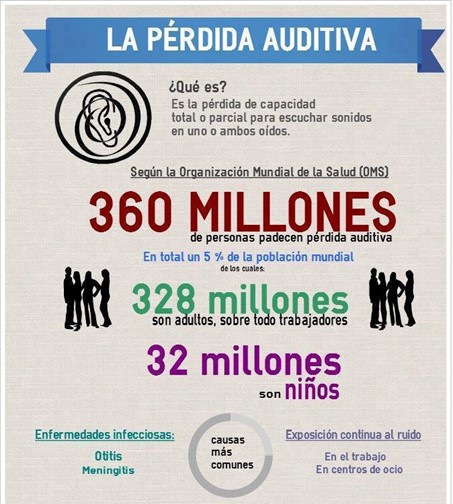
PÉRDIDA DE AUDICIÓN POR EL RUIDO
VISUALIZE ESTO
Most of us have heard of the saying “it is not a big deal until it is”. There are always issues that are recognized, but nothing is done to correct them in a timely matter.
UNADDRESSED HAZARDS IN THE WORKPLACE
The list of reasons for why hazards are walked past and left unaddressed can be a long one. A few common related responses when asking why a hazard is left unaddressed are:
The problem with these responses is that it shows that there is complacency towards the situation.
HAZARDS ARE A BIG DEAL
Often times the upper management of a company has high expectations for their worksites to work safely however, hazards are left unaddressed at an individual site level or in part of a facility. When an injury occurs due to a hazard that has been recognized but not corrected this is when it becomes a big deal for everyone involved.
EMPLOYEES BEWARE OF HAZARDS
Employees must be vigilant for workplace hazards which include the following:
1) Safety Hazards
Safety hazards are one of the most prevalent workplace dangers. They encompass unsafe conditions that can lead to injury, illness, or death.
Confined Spaces
A confined space is not designed for continuous human occupancy. It’s advised to never work in a confined space unless a hazard assessment and control program is implemented. Some risks include:
Roofers, painters, firefighters, and construction workers are at high risk for falls. They work from ladders, scaffolds, and roofs. Even with the proper training, slips and accidents can happen at high heights.
2) Ergonomic Hazards
Ergonomic hazards are those caused by strain put on your body. Be aware of how your body position and working conditions strain your body. Examples of ergonomic hazards include:
Secretaries, bus drivers, delivery drivers, janitors, and stock clerks are susceptible to Ergonomic hazards. Even entertainers like musicians and athletes can fall victim to these hazards.
3) Biological Hazards
Biological hazards involve the risks that come from working with humans, animals, or plants. They are most common in hospitals, nursing homes, and research labs.
4) Environmental Hazards
OTHER EMPLOYEE HAZARDS
We do not always have total control over each and every situation, but there is always something we can do to try to bring it to light or get it corrected. Choosing to take action can make the difference in preventing an injury.

Two workers on a scissors lift perform a “non-live” installation of wiring for fans that will later be connected, energized, and inspected by a licensed electrician. As they run conduit across the ceiling, they approach a partially exposed 480-volt electrical bus bar in a bus enclosure missing an end cap. One worker attempts to use a voltmeter to test the current; the voltmeter crosses two phases of the bus bar and explodes, setting fire to his clothing and causing burns to over 35 percent of his body. His co-worker manages to lower the lift, but his clothes catch fire too; both men pass out. The worker holding the voltmeter dies 14 days later.
The plant where the incident occurred was purchased by the company 18 months prior to the incident. It employs 170 permanent employees and 200-300 temporary employees, most from the Dominican Republic, who work during a four-month busy season. Little formal training is provided and no safety training other than what employees learn on the job. The victim was a 19-year-old Hispanic male, originally hired as a laborer-helper, who was being trained to work as a mechanic’s assistant. The employee had no training on electrical safety and was not trained to test circuits.
Overview Of Case Study
It’s clear how differing approaches to risk identification and assessment can lead to radically different results. An experience-based approach will not pick up on the risk involved in the case study because there is no prior history of a similar experience. A hazard-based approach, on the other hand, will give this situation significant risk priority because the workers were operating at a high elevation while exposed to high energy with low-level controls. But only the hazard-based approach combined with a focus on human factors and organizational deficiencies yields higher priority attention to the task because the workers exposed to the hazards were impacted by organizational factors that made matters worse… much worse.
Not a Big Deal Until It is
Picture This