Lifting Safely Stats and Facts – Spanish

HECHOS

  1. Las torceduras y los esguinces provocados por el levantamiento inadecuado de cargas o por el transporte de cargas demasiado grandes o pesadas son riesgos comunes asociados al movimiento manual de materiales.
  2. Cuando los empleados utilizan prácticas inteligentes de levantamiento, es menos probable que sufran esguinces de espalda, tirones musculares, lesiones en la muñeca, lesiones en el codo, lesiones en la columna vertebral y otras lesiones causadas por el levantamiento de objetos pesados. 
  3. Fuerza. Ejercer demasiada fuerza sobre la espalda -por ejemplo, al levantar o mover objetos pesados- puede causar lesiones.
  4. Repetición. Repetir ciertos movimientos, especialmente los que implican girar o rotar la columna vertebral. 
  5. Inactividad. Un trabajo inactivo o de escritorio puede contribuir al dolor de espalda, especialmente si tienes una mala postura o se sienta todo el día en una silla con un soporte inadecuado para la espalda.
  6. Empiece por llevar una dieta sana. Asegúrese de consumir suficiente calcio y vitamina D. Estos nutrientes pueden ayudar a prevenir una enfermedad que hace que sus huesos se vuelvan débiles y frágiles (osteoporosis). La osteoporosis es responsable de muchas de las fracturas óseas que provocan dolor de espalda.
  7. Combine el ejercicio aeróbico, como nadar o caminar, con ejercicios que fortalezcan y estiren los músculos de la espalda y el abdomen. 
  8. Para la mayoría de los adultos sanos, el Departamento de Salud y Servicios Humanos recomienda al menos 150 minutos a la semana de actividad aeróbica moderada o 75 minutos a la semana de actividad aeróbica vigorosa -preferiblemente repartida a lo largo de la semana- y ejercicios de capacitación de fuerza al menos dos veces a la semana.
  9. Fumar reduce el flujo sanguíneo a la parte inferior de la columna vertebral, lo que puede contribuir a la degeneración de los discos de la columna vertebral y retrasar la curación de las lesiones de espalda.  

ESTADÍSTICAS

  • Levantar objetos pesados es una de las principales causas de lesiones en el lugar de trabajo. En 2001, la Oficina de Estadísticas Laborales informó de que más del 36% de las lesiones que implicaban bajas laborales eran consecuencia de lesiones de hombro y espalda.
  • Cada año se producen más de un millón de lesiones de espalda en el lugar de trabajo.
  • La BLS realizó una encuesta y descubrió que el 80% de esas lesiones se producían en la zona lumbar y, como era de esperar, el 75% de ellas se producían al levantar objetos.
  • En 2016, los trastornos musculoesqueléticos relacionados con la espalda representaron el 38,5% de todos los trastornos musculoesqueléticos relacionados con el trabajo.
  • Los auxiliares de enfermería son los que más días de baja laboral tienen como consecuencia de una lesión de espalda.
  • Según la Oficina de Estadísticas Laborales (BLS), las lesiones de espalda representan una de cada cinco lesiones y enfermedades en el lugar de trabajo. El ochenta por ciento de esas lesiones se producen en la zona lumbar y están asociadas a tareas de manipulación manual de materiales.
  • El dolor de espalda es el tercer motivo más frecuente de visita a la consulta del médico, por detrás de los trastornos de la piel y la artrosis/trastornos articulares.


Lifting Safely Fatality File

Maywood man dies lifting boxes at Schaumburg mall

SCHAUMBURG, Ill. (AP) — Police in northwest suburban Chicago say a man has died after he fell from a truck lift gate while unloading boxes at Woodfield Mall in Schaumburg.

Schaumburg Police Sgt. John Nebl tells the Daily Herald (http://bit.ly/HJmUGE) that 44-year-old Eric Terrell of Maywood died Sunday. Police say Terrell was moving shelving units when he fell and several boxes dropped onto him. Terrell was later pronounced dead at an Elk Grove Village hospital.

Police say it’s not clear what caused Terrell to fall. An autopsy is scheduled.

Police are investigating but don’t consider the death suspicious. Nebl says “it looks like a terrible accident.” 


Lifting Safely Fatality File – Spanish

Un hombre de Maywood muere levantando cajas en el centro comercial de Schaumburg

SCHAUMBURG, Ill. (AP) – La policía en el noroeste de los suburbios de Chicago dice que un hombre ha muerto después de que se cayó de una plataforma de levantamiento de camiones, cuando descargaba cajas en el centro comercial Woodfield en Schaumburg.

El sargento de la policía de Schaumburg, John Nebl, dijo al Daily Herald (http://bit.ly/HJmUGE) que Eric Terrell, de 44 años, de Maywood, murió el domingo. La policía dice que Terrell estaba moviendo estanterías cuando se cayó, y varias cajas cayeron sobre él. Terrell fue declarado muerto más tarde en un hospital de Elk Grove Village.

La policía dice que no está claro qué causó la caída de Terrell. Está prevista una autopsia.

La policía está investigando, pero no considera que la muerte sea sospechosa. Nebl dice que “parece un terrible accidente”.


Lifting Safely Picture This

Source: https://www.pinterest.com


Lifting Safely Picture This – Spanish

Fuente: https://www.doktuz.com/


Repetitive Strain Injuries Meeting Kit

CAUSES OF RSI

Repetitive Strain Injuries (RSI) is not one diagnosis, but rather an umbrella term for disorders such as Bursitis, Carpal Tunnel Syndrome, tennis elbow, tendonitis, and trigger finger. Also known as Cumulative Trauma Disorder, RSIs are caused by constantly repeated physical movements, awkward postures and sustained force, among other risk factors. These repetitive motions damage the soft body tissues (tendon, cartilage, nerves, ligaments, and muscles) that are involved in producing the motion. RSI is a painful and potentially debilitating condition that if left untreated, can lead to permanent damage. 

Symptoms of RSI

  • Pain or tenderness
  • Stiffness or joint restriction
  • Tingling or numbness
  • Cramping
  • Swelling in the hands or forearms
  • Referred pain – where the pain is felt in a different part of the body to the one that is injured.

There are Two Main Types of RSI:

Type 1– pain is the result of a recognized medical condition such as tendonitis, cellulitis or carpal tunnel syndrome.

Type 2– no specific diagnosis can be made, and the injury is often referred to as non-specific upper limb pain or diffuse RSI.

SIGNIFICANT RISK FACTORS

  • carrying out repetitive tasks for long periods without suitable rest breaks
  • poor posture or activities that require you to work in an awkward position
  • poor working environment setup

PSYCHOLOGICAL STRESS

  • Studies have shown that the onset of repetitive motion injuries may be affected by factors like work satisfaction.
  • People who experience high amounts of psychological stress at work are more likely to develop repetitive motion injuries than those who don’t experience high amounts of stress. 

OCCUPATIONS AT RISK/DANGER 

  • Office work (such as typing and clerical duties)
  • Process work (such as assembly line and packing duties)
  • Piece work (such as sewing)
  • Manual work (such as bricklaying and carpentry)

RSI PREVENTION 

Good Ergonomics

The best way to avoid repetitive strain injuries is to implement good ergonomics in your workplace. Ergonomics is a science concerned with designing and arranging things people use to avoid occupational injury. 

The following can help prevent repetitive strain injuries:

  • Report early symptoms before they get worse
  • Ease back into work after a vacation
  • Maintain good general health and fitness
  • Take regular breaks

TREATMENT FOR RSI MINOR REPETITIVE MOTION INJURIES

  • Rest
  • Ice packs
  • Over-the-counter pain relievers

FOR REPETITIVE STRAIN INJURIES THAT ARE MORE SERIOUS, THE FOLLOWING MAY BE NECESSARY:

  • Physical rehabilitation. 
  • A surgical procedure that can improve tendon health.

BEST PRACTICES TO PREVENT RSI USING STANDARD EQUIPMENT 

  • resting your feet flat on the floor, or on a footrest
  • sitting central to the curve on any curved desk
  • placing your screen at eye level and directly in front of you
  • having your keyboard directly in front of you, with a space at the front of the desk to rest your wrists.
  • positioning your mouse as close to you as possible so you can use it with your wrist straight.
  • using a ‘compact’ keyboard without a number pad so that the mouse can be brought in closer still.
  • avoiding reflections from overhead lighting and sunlight.
  • using a document holder, to avoid bending your neck – position this centrally to also avoid twisting.
  • touch typing, to spread the load
  • using predictive text and auto-correct features, to reduce keystrokes
  • learning common keyboard shortcuts, to reduce the use of the mouse
  • slowing your mouse down, to reduce muscle tension.

FINAL WORD

As with any hazards, RSIs are best eliminated at the source which, in this case, is the repetition of the tasks performed. Prevention of these injuries should focus on eliminating repetitive work through job design which may involve mechanizing certain tasks. In addition, jobs should be structured so that workers can rotate between various tasks where they do something completely different, using different muscles groups. 


Flammable and Combustible Liquids/Hazards – Spanish

Course Description

Los líquidos inflamables y combustibles son líquidos que pueden arder. Cómo pueden los trabajadores evitar que estos líquidos se enciendan y qué hacer si se produce un incendio?


Repetitive Strain Injuries Stats and Facts

FACTS

1. RSIs are related to the overuse of muscles and tendons in the upper body.

The risk of RSIs is increased by:

  • repetitive activities
  • doing a high-intensity activity for a long time without rest
  • poor posture or activities that involve working in an awkward position

2. Cold temperatures and vibrating equipment are also thought to increase the risk of getting RSIs and can make the symptoms worse. Stress can also be a contributing factor.

3. Jobs that involve repetitive movements can lead to RSIs, such as working on an assembly line, at a supermarket checkout or on a computer.

4. Your work environment should be as comfortable as possible. You should ideally have a workplace assessment so that any adjustments needed can be made. 

STATS

  • Almost 2 million US workers suffer from RSI’s like carpal tunnel syndrome (CTS) and tendinitis each year. 600,000 workers take time off work each year to recuperate and treat their RSI. 
  • According to the Trades Union Congress (TUC), 1 in every 50 workers has reported experiencing RSI symptoms. These numbers are even higher in industries like computer operation where the prevalence is as high as 1 in every 4 employees.
  • Wrists are the most common RSI trouble spot: A survey on RSI trouble spots found that wrist pain is the most common point of pain out of all RSI related injuries.
    • Wrists – 69%
    • Fingers – 29%
    • Forearms – 23%
  • A workforce survey by the Federal Institute for Occupational Safety and Health found that 63.5% of women experience neck and shoulder pain while only 39.7% of men do. The same goes for back pain, which is more common in women (51.4%) than men (44%).
  • Most injuries take an average of 9 days for full recovery while RSI’s require 23 days off work on average.
  • Data shows that 6 employees are estimated to quit their jobs each day due to RSI.


Repetitive Strain Injuries Stats and Facts – Spanish

HECHOS

1. Las LER están relacionadas con el uso excesivo de los músculos y tendones de la parte superior del cuerpo.

El riesgo de sufrir una LER aumenta por:

  • las actividades repetitivas
  • la realización de una actividad de alta intensidad durante mucho tiempo sin descanso
  • malas posturas o actividades que impliquen trabajar en una posición incómoda.

2. También se cree que las temperaturas frías y los equipos que vibran aumentan el riesgo de padecer LER y pueden empeorar los síntomas. El estrés también puede ser un factor contribuyente.

3. Los trabajos que implican movimientos repetitivos pueden provocar LER, como trabajar en una cadena de montaje, en la caja de un supermercado o en un ordenador.

4. El entorno de trabajo debe ser lo más cómodo posible. Lo ideal es que se haga una evaluación del lugar de trabajo para poder realizar los ajustes necesarios.

ESTADÍSTICAS

  • Casi 2 millones de trabajadores estadounidenses sufren cada año de LER, como el síndrome del túnel carpiano (CTS) y la tendinitis. 600.000 trabajadores se dan de baja cada año para recuperarse y tratar sus LER. 
  • Según el Congreso de Sindicatos (TUC), uno de cada 50 trabajadores ha declarado haber sufrido síntomas de LER. Estas cifras son aún más elevadas en sectores como el informático, donde la prevalencia llega a ser de 1 de cada 4 empleados.
  • Las muñecas son el punto problemático más común de la LER: Una encuesta sobre los puntos problemáticos de la LER reveló que el dolor de muñeca es el punto de dolor más común de todas las lesiones relacionadas con la LER.
    • Muñecas: 69%.
    • Dedos – 29%
    • Antebrazos: 23%
  • Una encuesta sobre la mano de obra realizada por el Instituto Federal de Seguridad y Salud en el Trabajo descubrió que el 63,5% de las mujeres experimentan dolor de cuello y hombros, mientras que sólo el 39,7% de los hombres lo hacen. Lo mismo ocurre con el dolor de espalda, que es más frecuente en las mujeres (51,4%) que en los hombres (44%).
  • La mayoría de las lesiones tardan una media de 9 días en recuperarse por completo, mientras que las LER requieren 23 días de baja laboral de media.
  • Los datos muestran que se estima que 6 empleados dejan su trabajo cada día debido a las LER.


Repetitive Strain Injuries Fatality File – Spanish

Guía del veterano para sobrevivir a una lesión por torcedura repetitiva 

Roberta West es una persona que padece desde hace tiempo una tenosinovitis (LER) desde hace 26 años. Es escritora y madre de tres hijos. Recientemente ha completado su licenciatura en Literatura (con honores) a través de la educación a distancia con la Universidad Abierta en Gran Bretaña. Se lesionó con LER como secretaria en la industria del mercado inmobiliario “Boom and Bust”, de finales de los 80. Esto es lo que tiene que decir sobre las LER:

“Si recibes tratamiento a tiempo y lo controlas. Variar las prácticas de trabajo, mantenerse relajado y estirarse a menudo, le dará la clave para sobrevivir a la lesión por esfuerzo repetitivo. Pero que no cunda el pánico.

Una enfermedad como la LER puede ser una combinación de problemas que se han agrupado bajo este término “paraguas” que, con demasiada frecuencia, puede conducir a un diagnóstico erróneo o insuficiente y a la desmoralización general de quien la padece. Aconsejaría a cualquier persona que se encuentre sufriendo síntomas, que primero insista en las Pruebas de Conducción Nerviosa, y en un examen exhaustivo por parte de un neurólogo/fisioterapeuta/profesional de la salud, de todas las vías nerviosas/neurológicas en la parte superior del cuerpo/tendones/músculos, con el fin de llegar a un diagnóstico preciso y exhaustivo que pueda ser utilizado para tratarle con éxito, y lo que es más importante, en una fase temprana de la aparición de los síntomas.

Esta intervención/diagnóstico precoz evitará la necesidad del último recurso, que es la cirugía. El Síndrome del Túnel Carpiano es tanto una LER como una condición de daño/entrepaso de nervios que se reporta que responde bien a la cirugía, pero no todas las LER se aliviarán con la cirugía de liberación del túnel carpiano CTR. Los tratamientos/prácticas de mente/cuerpo, en última instancia, utilizan la manipulación física para liberar la tensión en los músculos y las áreas de las articulaciones donde se concentran los síntomas, (puntos gatillo/puntos calientes y se cree que son los más útiles para aquellos que no responden o no responderían a la cirugía CTR.

Lo más importante es recordar que NUNCA hay que perder la esperanza y siempre hay que buscar ayuda para controlar el dolor y los síntomas. Yo añadiría que hay que intentar no depender de los medicamentos para el dolor las 24 horas del día (los grupos de apoyo son más útiles) y buscar un alivio inmediato del dolor, como los estiramientos o el hielo. Hay luz ahí fuera, pero podrías apagarla si la dejas demasiado tiempo. La LER es una “condición invisible” que suele estar relacionada con el dolor nervioso. Si no se trata, pueden producirse daños permanentes en los nervios.

En resumen, según esta experiencia, cuidar de ” Usted ” es la clave más importante para controlar ” Nuestra ” lesión por torcedura repetitiva. Es posible hacerlo. Tenemos que asumirla, controlarla y gestionarla. En última instancia, podemos vencerla”.


Repetitive Strain Injuries Fatality File

A Veterans Guide To Surviving Repetitive Strain Injury 

Roberta West is a long-term sufferer of Tenosynovitis (RSI) of 26 years duration. She is a writer and mother of three sons. She has recently completed her BA (Hons) Literature through distance learning with the Open University in Britain. She was injured with RSI as a secretary in the ‘Boom and Bust’ housing market industry, of the late 80’s. Here’s what she had to say about RSIs:

“If you get treatment early and manage it. Varying work practices, staying relaxed and stretching often, will give you the key to surviving Repetitive Strain Injury. Just don’t panic.

With a condition such as RSI you may suffer from a combination of problems that have been put together under this ‘Umbrella’ term that all too often can lead to misdiagnosis/under-diagnosis and general demoralisation in the sufferer. I would advise anyone who finds themselves suffering from symptoms, to firstly insist on Nerve Conduction Tests, and a thorough examination by a neurologist/physiotherapist/health professional, of all the nerve/neurological pathways in your upper body/tendons/Muscles, in order to arrive an accurate and comprehensive, diagnosis that can then be used to treat you successfully, and most importantly, early in the onset of symptoms.

Such early intervention/diagnosis will negate the need of the last resort, of eventually requiring surgery. Carpal Tunnel Syndrome is both an RSI and a nerve damage/entrapment condition that is reported to respond well to surgery, but not all RSI’s will be relieved from Carpal Tunnel Release CTR surgery. Mind/body treatments/practice, ultimately use physical manipulation to release tension in muscles and joint areas where symptoms concentrate, (Trigger points/hot spots and are thought to be the most helpful for those that do not/or would not respond to CTR surgery.

The most important thing to remember is NEVER give up hope, and always seek help in managing your pain and symptoms. I would add, to try not to rely on Pain Meds 24/7 (Support groups are more helpful) and seeking out immediate pain relief such as stretching/ice. There is light out there, but you could blow it out if you leave it too long. RSI is an ‘Invisible Condition’ most often related to nerve pain. If left untreated, permanent damage to the nerves may occur.

To sum up, from my own experiences, taking care of ‘You’ is our greatest key to managing ‘Our’ repetitive strain injury. We can do it. We must own it, control it and manage it. Ultimately, we can beat it.”

Source: https://www.rsipain.com/success-story-veterans-guide-to-surviving-repetitive-strain-injury.php


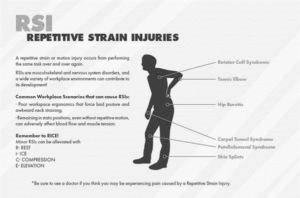
Repetitive Strain Injuries Picture This

Source: https://sitflow.com


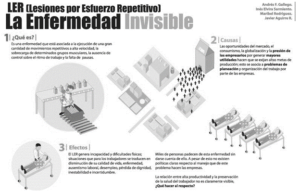
Repetitive Strain Injuries Picture This – Spanish

Fuente: http://lerinvisible.blogspot.com/


Rigging Safety: Rigging The Force In Your Favor

ON DEMAND WEBINAR

While cranes are an invaluable tool, they are also extremely dangerous. Rigging safety is an essential part of operating a crane correctly, and poor rigging practices can lead to serious injury or death.

Join our all-new rigging safety webinar to learn best practices to keep your crews and bystanders safe. Our rigging expert will review the basic concepts of a safe rigging system and how to conduct a thorough equipment inspection. Don’t miss this vital safety webinar!

Download these helpful Rigging Safety resources


Night Vision Care and Terminology – Quick Tips

Introduction

Night vision products are comprised of image intensifier tubes and optics that amplify existing light to allow a person to see in conditions that are too dark for the naked eye. All night vision products work on the principle of collecting light energy (photons), converting that energy into electrical energy (electrons), multiplying the electrical energy and converting it back to light when the electrons strike a phosphor screen similar to a television.

Applications for night vision include:

  • Security, to scan surroundings or property for intruders or illegal hunters
  • Search and rescue, to spot lost people in low-light situations
  • Natural disasters, to see when electrical power is out for extended periods
  • Wildlife studies, to remain undetected while observing wildlife at night

Night Vision Generations

The term generation refers to a major advancement in technology regarding image quality and tube life.

Generation 0: This technology, while impressive in its time as the first night vision equipment, depended on an infrared light source to supplement available light to produce an image. These images were fuzzy and distorted and range was limited by the strength of the infrared source. The tube, which is the heart of any night vision system, generally lasted only a few hundred hours of use.

Generation 1: These devices use improved electronics to produce an image without the need for an external light source, but image quality and tube life are still low. Generation 1 technology is found in most starlight or moonlight devices.

Generation 2: Devices marked a major improvement by introducing the micro-channel plate (MCP). The MCP is a glass disk with millions of microscopic holes to multiply and channel the electrons before they reach the phosphor screen. Light amplification for Generation 2 devices is typically 30,000 times.

Advanced night vision: Is not a separate generation, but rather a separate technology advanced by Bushnell that is comparable to Generation 2. Instead of using a micro-channel plate, fiber optic bundles eliminate distortion and noise to produce a high-resolution image.

Generation 3: Technology is even more sensitive by using gallium arsenide (GaAs) in the photocathode. This is the component responsible for converting photons to electrons, and the GaAs creates significantly more photoelectrons than with Generation 2. Light amplification for Generation 3 devices is typically 50,000 times.

Night Vision Terminology

Angle or field of view: The widest dimension of the circular viewing area seen through the device, often expressed in feet at 1000 yards distance.

Bright source: A bright source is an electronic circuit that turns the power down or off when exposed to light, thereby protecting the image intensifier.

Eyepiece focus: The focus used to match a night vision device to a persons specific eyesight.

Intensifier tube: These tubes amplify light to present a usable image.

Objective lens: Collects available light and focuses it on the image intensifier, along with providing magnification.

Phosphor screen: A green screen located at the back of the intensifier tube. The phosphor screen makes the image become visible.

Photocathode: This component converts the photon energy into electrons to be amplified in the intensifier tube.

Night Vision Care and Maintenance

The most important point is to keep the device off in the light. Exposure to bright light can damage the components, and reduce the life span of those devices featuring a bright source protection. Though designed for use at night when humidity and dampness can be high, exposure to rain, fog or extended periods of high humidity can also damage these devices. Lenses should be cleaned similarly to those of a camera, and can easily be scratched if abrasive material is used. Cool, dry places are best for long-term storage.

Commonly Asked Questions

Q: Why don’t night vision devices have higher magnification?

A: Magnification results in a decrease in the amount of light available to amplify.

Q: How long do these devices last?

A: Providing there have not been exposures to light, intensifier tube life increases as the generation increases. Generation 0 and 1 products tend to last in the neighborhood of 400 hours, while the operational life of Generation 2 devices is around 5,000 hours, and Generation 3 devices have an ion coating on the MCP which increases life to 10,000 hours of use.

Q: Can these be used in total blackness?

A: No, night vision amplifies the small amount of existing light, so they require some light in order to operate.

Sources

Night Owl Optics®
Bushnell®


The information contained in this article is intended for general information purposes only and is based on information available as of the initial date of publication. No representation is made that the information or references are complete or remain current. This article is not a substitute for review of current applicable government regulations, industry standards, or other standards specific to your business and/or activities and should not be construed as legal advice or opinion. Readers with specific questions should refer to the applicable standards or consult with an attorney.
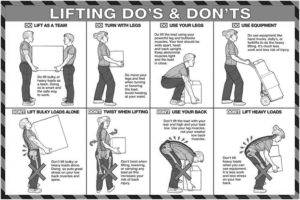
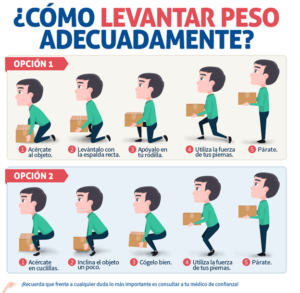
General Hitching and Hauling Stats and Facts

FACTS

  1. When most people attempt to hook a trailer to the back of their vehicle, they usually haven’t had any kind of professional training in doing so. The result is hitching a boat, trailer or car in a way that may not have been done correctly.
  2. Each year, thousands of people are injured or killed in hitch and towing accidents. The cause is often negligent towing or a faulty hitch. Negligent towing includes vehicle owners who simply didn’t know what they were doing.
  3. Often times a vehicle with a trailer is being driven by someone who is inexperienced driving with a trailer and makes a mistake maneuvering the vehicle and cargo in traffic.
  4. In a car without a tow hitch receiver, the force of a rear-end collision is distributed through the back bumper and the undercarriage of the vehicle. With a tow hitch in place, a rear-end collision impacts most or all the force of the impact on this protruding metal hitch. There’s no resistance from the fender crumpling. This causes a higher amount of force through the frame increasing the amount of force that affects the driver and passengers.
  5. Hitching and towing accidents can happen not only with an inexperienced driver in a station wagon but also with an experienced commercial driver of a semi-truck. Some reasons for this type of accident include:
  • Excessive speed
  • Failure to use safety chains
  • Overweight cargo
  • Steep declines
  • Faulty brakes
  • Defective trailer coupler
  • Rusted components in trailer hitch
  • Road conditions such as potholes
  • Unexpected turns

STATS

  • The National Highway Traffic Safety Administration (NHTSA) reports that around 50,000 hitch accidents occur every year. About 21,000 injuries were reported as caused by negligent towing or a faulty hitch. In the same year, an additional 450 fatalities were reported. 
  • According to the National Safety Commission, approximately 40 % of the vehicles on the road are equipped with a tow hitch receiver, which is part of the towing package that remains bolted onto the rear frame of the vehicle. Having this piece attached to your vehicle actually puts you at increased risk of injury if your vehicle is hit in a rear-end collision. The impact of this increased force can be unexpected and result in the following:
    • Increased risk of severe injury – With a tow hitch in place, occupants of the vehicle have a 22 % higher risk of experiencing severe whiplash when hit from behind and are also at an increased risk of being thrown forward a further distance.


General Hitching and Hauling Stats and Facts – Spanish

HECHOS

  1. Cuando la mayoría de las personas intentan enganchar un remolque a la parte trasera de su vehículo, normalmente no han recibido ningún tipo de capacitación profesional para hacerlo. El resultado es enganchar una embarcación, un remolque o un vehículo de una manera que puede no haberse hecho correctamente.
  2. Cada año, miles de personas resultan heridas o muertas en accidentes de enganche y remolque. La causa suele ser un remolque negligente o un enganche defectuoso. El remolque negligente incluye a los propietarios de vehículos que simplemente no sabían lo que estaban haciendo.
  3. Muchas veces un vehículo con remolque está siendo conducido por alguien que no tiene experiencia conduciendo con un remolque y comete un error al maniobrar el vehículo y la carga en el tráfico.
  4. En un vehículo sin receptor de enganche de remolque, la fuerza de una colisión trasera se distribuye a través del parachoques trasero y los bajos del vehículo. Con un enganche de remolque colocado, una colisión trasera hace recaer la mayor parte o toda la fuerza del impacto en este enganche metálico que sobresale. No hay resistencia por parte de la arruga del guardabarros. Esto provoca una mayor cantidad de fuerza a través del bastidor aumentando la cantidad de fuerza que afecta al conductor y a los pasajeros.
  5. Los accidentes de enganche y remolque pueden ocurrir no sólo con un conductor inexperto en una camioneta, sino también con un conductor comercial experimentado de un semi – camión. Algunas de las razones de este tipo de accidentes son
  • Velocidad excesiva
  • No utilizar las cadenas de seguridad
  • Sobrepeso de la carga
  • Descensos pronunciados
  • Frenos defectuosos
  • Acoplamiento del remolque defectuoso
  • Componentes oxidados en el enganche del remolque
  • Condiciones de la carretera, como baches
  • Giros inesperados

ESTADÍSTICAS

  • La Administración Nacional de Seguridad del Tráfico en Carreteras (NHTSA) informa de que cada año se producen alrededor de 50.000 accidentes de enganche. Se informó de unas 21.000 lesiones causadas por un remolque negligente o un enganche defectuoso. Ese mismo año, se registraron otras 450 víctimas mortales. 
  • Según la Comisión Nacional de Seguridad, aproximadamente el 40% de los vehículos que circulan por la carretera están equipados con un receptor de enganche de remolque, que forma parte del paquete de remolque que permanece atornillado al bastidor trasero del vehículo. El hecho de tener esta pieza unida al vehículo supone un mayor riesgo de sufrir lesiones si el vehículo es golpeado en una colisión trasera. El impacto de este aumento de fuerza puede ser inesperado y dar lugar a lo siguiente
    • Mayor riesgo de lesiones graves: con un enganche de remolque colocado, los ocupantes del vehículo tienen un 22 % más de riesgo de sufrir un latigazo cervical grave cuando son golpeados por detrás y también corren un mayor riesgo de salir despedidos hacia delante una distancia mayor.


General Hitching and Hauling Fatality File – Spanish

Un accidente de enganche mata a un niño 

La víctima de 12 años era el sobrino del granjero. Había estado ayudando a empacar heno en la granja de 700 acres de su tío. Un remolque, sin frenos y apilado con balas de heno, estaba aparcado en lo que parecía ser un terreno llano, sin calzos para las ruedas.

El chico saltó del camión para enganchar la carreta mientras el granjero colocaba su camión de una tonelada en posición frente a ella. Cuando el chico levantó la lengüeta de la carreta, ésta rodó lentamente hacia delante. Al parecer, el niño no se dio cuenta de que su cabeza estaba directamente entre la plataforma metálica del camión y el borde del vagón. Es posible que estuviera demasiado ocupado intentando colocar el enganche en su sitio.

Cuando de repente el granjero no pudo ver al niño, fue a buscarlo. Encontró a su sobrino en un charco de sangre, desplomado sobre el enganche de la carreta, que se había clavado en el suelo. El niño murió al instante.

Cualquier vehículo sin frenos debe ser inmovilizado de alguna otra manera. Se pueden utilizar calzos o estacas en el suelo, o bien se pueden poner troncos o cadenas en las ruedas. El niño no debería haber estado entre los vehículos mientras el camión estaba en movimiento. Cualquier sistema que requiriera que el niño y el agricultor estuvieran fuera de la vista del otro, aunque fuera un momento era demasiado peligroso.


General Hitching and Hauling Fatality File

Hitching Mishap Kills Child 

The 12-year-old victim was the farmer’s nephew. He’d been helping bale hay on his uncle’s 700-acre farm. A wagon, without brakes and piled high with hay bales, was parked on what seemed to be level ground, without wheel chocks.

The boy jumped from the truck to hitch the wagon as the farmer reversed his one-ton truck into position in front of it. When the boy lifted the wagon’s tongue, the wagon slowly rolled forward. The boy apparently didn’t realize his head was directly between the truck’s metal bed and the wagon’s edge. He may have been too busy trying to drop the hitch into place.

When the farmer suddenly couldn’t see the boy, he went to find him. He found his nephew in a pool of blood, slumped over the wagon hitch, which had plowed into the ground. The boy died instantly.

Any vehicle without brakes must be immobilized in some other way. Chocks or stakes in the ground can be used, or the wheels could be sprigged with logs or chains. The boy should not have been between the vehicles while the truck was moving. Any system that required the boy and the farmer to be out of each other’s sight for even a moment was too dangerous. 


General Hitching and Hauling Picture This – Spanish

Fuente: https://www.autobild.es


General Hitching and Hauling Picture This


Refuelling equipment Meeting Kit

FIRE PREVENTION IS THE GOAL WHEN REFUELING 

While it’s easy to let your refueling routine slip, it’s important to remain alert and aware of the dangers of refueling. 

DANGERS OF REFUELING EQUIPMENT 

  • Improper fueling techniques can have deadly consequences. Vapors from these liquids can ignite with explosive force from no more than a spark.
  • Fuel spills resulting from poor refueling procedures can cause needless damage to the environment.
  • Inhalation of gasoline fumes can cause nausea, dizziness, headaches, and loss of coordination.
  • Once ignited, fires from liquid fuels can be very difficult to extinguish, as they often spread quickly.

STATIC ELECTRICITY DANGER 

It’s important to be aware of any source that could cause a spark or static electricity. Grounding the machine with a ground wire or dropping mounted equipment reduces the risk of static electricity. Remain still while refueling. Walking around, entering and exiting the machinery could result in a static charge build-up. Electronic devices, including cellphones or MP3 players, can also cause static electricity and shouldn’t be used when refueling. Open flames are also dangerous — items like cigarettes and butane torches need to be kept away from designated refueling areas. Exposing fuel to sparks, static electricity and open flames could result in explosions and fire.

KEY POINTS 

  • Know why liquid fuels can cause life-threatening situations and know how to prevent them.
  • Take the time to learn about the fuels that you work with and know how to safely handle them.
  • Respect the process of refueling—always work thoughtfully and carefully.
  • Practice safe procedures when it comes to storing, handling, and dispensing the fuels that you use.
  • Understand the importance of preventing and reacting to costly spills.
  • Know how to respond to emergencies, such as fires or contamination, if they occur.
  • Always adhere to OSHA regulations, which are in place to ensure a safe work environment.

BEST SAFE WORK REFUELING PRACTICES

In general, gloves and safety glasses must be worn by anyone administering fuel to equipment. Here are some other helpful suggestions on how to foster a safe work environment and safe work practices.

  • Make sure stationary storage fuel tanks have proper ventilation and are well out of the way of buildings. If they are not buried, they should be grounded.
  • Transport gasoline in a closed, vented container.
  • Check tanks daily for leaks.
  • Make sure static chain is attached.
  • Keep the metal fill nozzle in contact with the lip of the tank so no static builds up.
  • Don’t over-fill tanks.
  • Utilize a three-point system when climbing on or off equipment.
  • Refrain from smoking during the fueling process.
  • Make sure there are no open fires or welding in the fueling zones.
  • Equipment should be turned off prior to fueling equipment.
  • Do not get on equipment until it has been shut off.
  • Do not leave fuel pumping unattended.
  • Wear proper fall protection.

FINAL WORD

Refueling happens so frequently that it is easy to get complacent about it. However, it must be remembered that diesel and gasoline are designed to cause explosions—hopefully within an engine. 


Refuelling equipment Meeting Kit – Spanish

QUÉ ESTÁ EN RIESGO

LA PREVENCIÓN DE INCENDIOS ES EL OBJETIVO AL REABASTECER DE COMBUSTIBLE 

Aunque es fácil dejar de lado la rutina de reabastecimiento de combustible, es importante mantenerse alerta y ser consciente de los peligros que conlleva el reabastecimiento. 

CUÁL ES EL PELIGRO

PELIGROS DEL REABASTECIMIENTO DE EQUIPOS 

  • Las técnicas de reabastecimiento de combustible inadecuadas pueden tener consecuencias mortales. Los vapores de estos líquidos pueden inflamarse con fuerza explosiva con sólo una chispa.
  • Los derrames de combustible resultantes de procedimientos de reabastecimiento deficientes pueden causar daños innecesarios al medio ambiente.
  • La inhalación de los vapores de la gasolina puede provocar náuseas, mareos, dolores de cabeza y pérdida de coordinación.
  • Una vez encendidos, los incendios provocados por los combustibles líquidos pueden ser muy difíciles de extinguir, ya que suelen propagarse rápidamente.

PELIGRO DE LA ELECTRICIDAD ESTÁTICA 

Es importante estar atento a cualquier fuente que pueda causar una chispa o electricidad estática. Conectar la máquina con un cable de tierra o dejar caer el equipo montado reduce el riesgo de electricidad estática. Permanezca quieto mientras reabastece de combustible. Caminar, entrar y salir de la maquinaria podría provocar una acumulación de carga estática. Los dispositivos electrónicos, incluidos los teléfonos móviles o los reproductores de MP3, también pueden provocar electricidad estática y no deben utilizarse al repostar. Las llamas abiertas también son peligrosas: artículos como los cigarrillos y los sopletes de butano deben mantenerse alejados de las zonas de reabastecimiento de combustible. La exposición del combustible a las chispas, la electricidad estática y las llamas abiertas puede provocar explosiones e incendios.

COMO PROTEGERSE

PUNTOS CLAVE 

  • Conozca por qué los combustibles líquidos pueden provocar situaciones de riesgo para la vida y sepa cómo prevenirlas.
  • Tómese el tiempo necesario para conocer los combustibles con los que trabaja y sepa cómo manipularlos de forma segura.
  • Respete el proceso de reabastecer de combustible: trabaje siempre de forma reflexiva y cuidadosa.
  • Practique procedimientos seguros a la hora de almacenar, manipular y dispensar los combustibles que utiliza.
  • Comprenda la importancia de prevenir y reaccionar ante los costosos derrames.
  • Sepa cómo responder a las emergencias, como los incendios o la contaminación, si se producen.
  • Cumpla siempre la normativa de la OSHA, que está en vigor para garantizar un entorno de trabajo seguro.

MEJORES PRÁCTICAS DE REABASTECIMIENTO DE SEGURIDAD EN EL TRABAJO

En general, cualquier persona que administre combustible a los equipos debe llevar guantes y gafas de seguridad. A continuación, se ofrecen otras sugerencias útiles sobre cómo fomentar un entorno de trabajo seguro y prácticas de trabajo seguras.

  • Asegúrese de que los tanques de combustible de almacenamiento estacionario tengan una ventilación adecuada y estén bien alejados de los edificios. Si no están enterrados, deben estar conectados a tierra.
  • Transporte la gasolina en un contenedor cerrado y ventilado.
  • Compruebe diariamente que los tanques no tengan fugas.
  • Asegúrese de que la cadena estática está conectada.
  • Mantenga la boquilla metálica de llenado en contacto con el borde del tanque para que no se acumule estática.
  • No llene los depósitos en exceso.
  • Utilice un sistema de tres puntos cuando suba o baje del equipo.
  • No fume durante el proceso de llenado de combustible.
  • Asegúrese de que no hay fuegos abiertos ni soldaduras en las zonas de repostaje.
  • Los equipos deben estar apagados antes de abastecerse de combustible.
  • No se suba al equipo hasta que se haya apagado.
  • No deje el bombeo de combustible sin vigilancia.
  • Utilice una protección contra caídas adecuada.

CONCLUSIÓN

El reabastecimiento de combustible es tan frecuente que es fácil caer en la complacencia. Sin embargo, hay que recordar que el diésel y la gasolina están diseñados para provocar explosiones, a ser posible dentro de un motor.


Refuelling equipment Stats and Facts – Spanish

HECHOS

  1. Los derrames de combustible resultantes de un mal procedimiento de reabastecimiento pueden causar daños innecesarios al medio ambiente.
  2. La inhalación de los vapores de la gasolina por un reabastecimiento inadecuado puede provocar náuseas, mareos, dolores de cabeza y pérdida de coordinación.
  3. Una vez encendidos, los incendios de combustibles líquidos pueden ser muy difíciles de extinguir, ya que se propagan rápidamente.
  4. Los peligros que conlleva el repostaje de equipos en una obra incluyen incendios de gas y combustible, derrames, vapores y resbalones, tropiezos y caídas. 
  5. Las técnicas de abastecimiento de combustible inadecuadas, o un motor que se deja en marcha pueden causar un incendio, una explosión o un derrame.
  6. Fumar mientras se carga el combustible puede provocar un incendio o una explosión.
  7. El llenado de recipientes no homologados puede dar lugar a una carga de electricidad estática que provoque un incendio o una explosión.
  8. El uso de mangueras, bombas o boquillas en mal estado puede provocar un incendio o una explosión.
  9. La gasolina derramada sobre el cuerpo durante un tiempo prolongado puede causar quemaduras graves.

ESTADÍSTICAS

  • La mayoría de las muertes relacionadas con el propano son el resultado de quemaduras graves provocadas por un incendio de propano. Las operaciones de reabastecimiento de combustible y las reparaciones de los equipos de propano suelen ser las causas más comunes de las lesiones relacionadas con el propano, aunque la exposición al propano o al monóxido de carbono que se libera cuando el propano arde también puede ser una fuente de lesiones.
  • El 87% de los incendios se produjeron cuando el abastecedor regresó al vehículo durante el proceso de reabastecimiento y tocó la boquilla después de salir del vehículo. 
  • El 39% de los informes describen incendios antes de que comience el proceso de reabastecimiento, cuando el abastecedor tocó el tapón de gasolina o la zona cercana a éste después de salir del vehículo. 
  • El 32% de los incendios no implican ninguna de estas dos situaciones de hecho.
  • El 61% de los incidentes de incendios en gasolineras tienen que ver con incendios de vehículos.


Refuelling equipment Stats and Facts

FACTS

  1. Fuel spills resulting from poor refueling procedures can cause needless damage to the environment.
  2. Inhalation of gasoline fumes from improper refueling can cause nausea, dizziness, headaches, and loss of coordination.
  3. Once ignited, fires from liquid fuels can be very difficult to extinguish, as they spread quickly.
  4. The hazards involved with fueling equipment on a construction site include gas and fuel fires, spills, vapors and slips, trips and falls. 
  5. Improper fuelling techniques, or an engine left running may cause a fire, explosion, or a spill.
  6. Smoking while fuelling can cause a fire or explosion.
  7. Filling unapproved containers can result in static electricity charge, resulting in a fire or explosion.
  8. Using improperly maintained hoses, pumps or nozzles can cause a fire or explosion.
  9. Gasoline spilled on the body for a prolonged time can cause severe burns.

STATS

  • The majority of propane-related deaths are the result of severe burns from a propane fire. Tank-refueling operations and repairs to propane equipment tend to be the most common causes of propane-related injuries, though exposure to propane or carbon monoxide released when propane burns can also be a source of injuries.
  • 87% of fires occurred when the fueler returned to the vehicle during the refueling process and then touched the nozzle after leaving the vehicle. 
  • 39% of reports described fires before the refueling process began, when the fueler touched the gas cap or the area close to it after leaving the vehicle. 
  • 32% of fires do not involve either of these two fact situations.
  • 61% of gas station fire incidents involve vehicle fires.