Sleep and Effective Farming Fatality File – Spanish

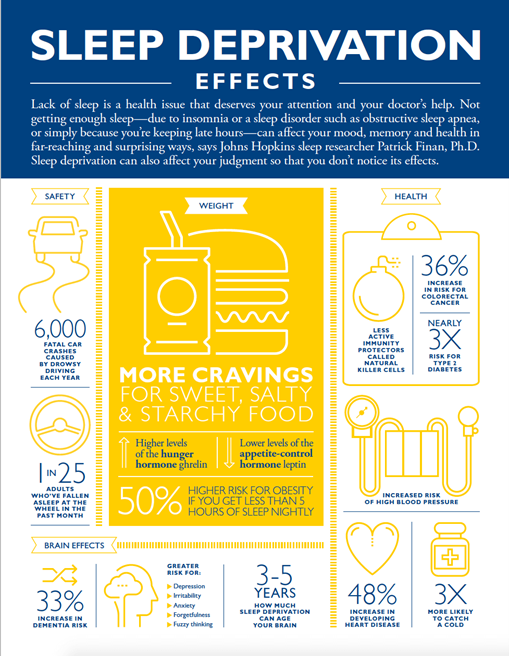
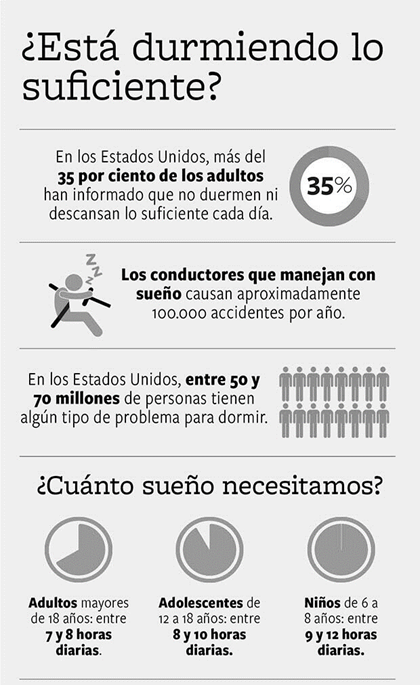
Frank Cole volvía a casa de una fiesta a la casa de sus padres en Melbourne cuando empezó a sentirse somnoliento.

A primera hora de la mañana del domingo, el joven de 21 años había encendido la calefacción de su EJ Holden y seguía el vehículo de su primo.

Pero después de una semana trabajando en una granja de ovejas, estaba agotado y pronto sintió que los párpados le pesaban.

“Sentí que me perdía, y lo siguiente que supe fue que había rodeado el vehículo con un poste de electricidad”, dijo el Sr. Cole.

Más tarde supo que se había roto el cuello y la mandíbula y que tendría que pasar meses en el hospital antes de recuperarse.

Es un duro recordatorio de los peligros de la privación del sueño, una condición que casi le costó la vida al Sr. Cole, y que es cada vez más común en el mundo desarrollado.

La catástrofe nuclear de Chernóbil en 1986 y el vertido de petróleo del Exxon Valdez en 1989 se han relacionado con trabajadores somnolientos.

“Es muy probable que el sueño esté al servicio de un proceso absolutamente fundamental”, afirma la doctora Amy Jordan, experta en sueño y profesora titular del departamento de psicología de la Universidad de Melbourne.

“Si se cogen ratas y se las priva de sueño de forma continuada, morirán al cabo de unos 20 días.

“No es que todas mueran de infarto… En realidad, mueren por razones complejas y diversas”.


Farm Workshop Safety Fallen Phrases

Answer:
A workshop provides a focal point at the farmstead for the repair and maintenance of machines, implements and structures. Workshop is essential to the operation of our farm.


Managing Grain Dust Stats and Facts

FACTS

  1. Grain and flour dusts can form explosive clouds and have caused some of the worst industrial accidents. 
  2. Dusts from wheat and other grains, as well as from flour, ignite and propagate flames readily because the source of heat required is relatively small.
  3. Grain dust is highly combustible, so a fire or an explosion can happen at a large grain-handling facility or in a grain-storage area on a local farm or ranch. 
  4. Four basic elements must be present for a grain dust explosion to occur: fuel, oxygen, confinement, and an ignition source.
  5. As well as causing asthma, working with grain dusts can also worsen symptoms in people who already have asthma. It is much better to prevent respiratory disease by using good working practices.
  6. Eye and skin irritation are frequent reactions to grain dust exposure. 

STATS

  • Statistics of dust explosions in the United States show that more than 50% of all explosions of combustible dusts have occurred in grain elevators and flour mills. 
  • In the agricultural industry, grain dust explosions are a hazard that must be addressed. According to a report from Purdue University, grain dust explosions have occurred at a constant rate over the last ten years, with little change in the number of explosions, injuries, and fatalities. They report an average of 9.3 explosions each year over the past decade.
  • From 2007 to 2016, there were 91 dust explosions, and 52 of those were caused by corn dust. The second most hazardous type was mixed feed, which probably includes corn quite often, with 19 explosions. 20 explosions out of 91 were caused by other types of dust.
  • In 2017, there were 7 grain dust explosions, slightly below the ten-year average of 9. The locations included a pet food plant, a grain mill, and 5 grain elevators.
  • In the last ten years, there have been 101 injuries and 15 fatalities due to grain dust explosions. 55 of the explosions occurred in grain elevators, with feed mills a distant second at 18.


Managing Grain Dust Stats and Facts – Spanish

HECHOS

  1. Los polvos de grano y harina pueden formar nubes explosivas y han causado algunos de los peores accidentes industriales. 
  2. Los polvos de trigo y otros granos, así como de harina, se encienden y propagan las llamas con facilidad porque la fuente de calor necesaria es relativamente pequeña.
  3. El polvo de grano es altamente combustible, por lo que puede producirse un incendio o una explosión en una gran instalación de manipulación de grano o en una zona de almacenamiento de grano en una granja o rancho local. 
  4. Para que se produzca una explosión de polvo de grano deben estar presentes cuatro elementos básicos: combustible, oxígeno, confinamiento y una fuente de ignición.
  5. Además de provocar asma, el trabajo con polvos de cereales también puede agravar los síntomas en personas que ya tienen asma. Es mucho mejor prevenir las enfermedades respiratorias utilizando buenas prácticas de trabajo.
  6. La irritación de los ojos y de la piel son reacciones frecuentes a la exposición al polvo de cereales.

ESTADÍSTICAS

  • Las estadísticas de explosiones de polvo en Estados Unidos muestran que más del 50% de todas las explosiones de polvos combustibles se han producido en elevadores de grano y molinos de harina. 
  • En la industria agrícola, las explosiones de polvo de grano son un peligro que debe ser abordado. Según un informe de la Universidad de Purdue, las explosiones de polvo de grano se han producido a un ritmo constante en los últimos diez años, con pocos cambios en el número de explosiones, lesiones y víctimas mortales. Informan de una media de 9,3 explosiones cada año durante la última década.
  • De 2007 a 2016, hubo 91 explosiones de polvo, y 52 de ellas fueron causadas por el polvo de maíz. El segundo tipo más peligroso fue el de los piensos mixtos, que probablemente incluyen maíz con bastante frecuencia, con 19 explosiones. 20 explosiones de las 91 fueron causadas por otros tipos de polvo.
  • En 2017, se produjeron 7 explosiones de polvo de grano, ligeramente por debajo de la media de diez años, que fue de 9. Los lugares incluyeron una planta de alimentos para mascotas, un molino de grano y 5 elevadores de grano. 
  • En los últimos diez años, se han producido 101 lesiones y 15 víctimas mortales debido a explosiones de polvo de cereales. 55 de las explosiones se produjeron en elevadores de grano, mientras que las fábricas de piensos quedaron en segundo lugar, con 18.


Managing Grain Dust Fatality File

Waupun man dies in corn silo at Didion Corn Mill in Cambria 

CAMBRIA – A 52-year-old Waupun man died Tuesday in a corn silo at Didion Corn Mill in Cambria.

Columbia County Sheriff Roger Brandner said his office received a call shortly after 9 a.m. about an unaccounted-for employee at the mill, in the village of Cambria.

Initial reports were that an employee was working in or around a corn silo in a confined space and now could not be located.

Cambria and Friesland fire departments and Pardeeville EMS were dispatched to the mill and began search and rescue efforts. After hours of rescue efforts, the employee was found, dead, inside one of the corn bins.

The name of the employee has not been released.

Didion released a statement around 7:30 p.m. that read: 

“We are deeply saddened by the loss of a Didion work family member who was recovered from a grain silo at the Cambria raw corn processing facility. … We are assisting authorities as they investigate the cause of this tragic event and will not be able to release additional details at this time. Our thoughts and prayers are with our employee’s loved ones and our grieving work family. We want to thank local fire and EMT professionals for their responsiveness and rescue efforts.”

Additional resources from Portage Fire Department, Divine Savior/Aspirus EMS, Lifestar EMS, UW Medflight, Columbia County Emergency Management, Salvation Army and the Portage and Columbus departments of public works assisted on scene.

In June 2017 an explosion at the Didion Milling Plant five workers and injured 14 others. According to the Occupational Safety and Health Administration, the explosion likely occurred from Didion’s failure to correct the leakage and accumulation of highly combustible grain dust throughout the facility.


Managing Grain Dust Fatality File – Spanish

Waupun hombre muere en el silo de maíz en Didion Corn Mill en Cambria 

CAMBRIA – Un hombre de 52 años de Waupun murió el martes en un silo de maíz en Didion Corn Mill en Cambria.

El sheriff del condado de Columbia, Roger Brandner, dijo que su oficina recibió una llamada poco después de las 9 de la mañana sobre un empleado en paradero desconocido en el molino, en el pueblo de Cambria.

Los informes iniciales fueron que un empleado estaba trabajando en o alrededor de un silo de maíz en un espacio confinado y ahora no pudo ser localizado.

Los departamentos de bomberos de Cambria y Friesland y el servicio de emergencias de Pardeeville fueron enviados al molino y comenzaron los esfuerzos de búsqueda y rescate. Tras horas de esfuerzos de rescate, se encontró al empleado, muerto, dentro de uno de los silos de maíz.

El nombre del empleado no se ha hecho público.

Didion emitió un comunicado sobre las 19:30 horas en el que se leía: 

“Estamos profundamente entristecidos por la pérdida de un miembro de la familia del trabajo de Didion que fue recuperado de un silo de grano en las instalaciones de procesamiento de maíz crudo de Cambria. … Estamos ayudando a las autoridades mientras investigan la causa de este suceso y no podremos dar más detalles en este momento. Nuestros pensamientos y oraciones están con los seres queridos de nuestros empleados y nuestra familia de trabajo en duelo. Queremos agradecer a los bomberos locales y a los profesionales de la EMT su capacidad de respuesta y sus esfuerzos de rescate.”

Recursos adicionales del Departamento de Bomberos de Portage, Divine Savior/Aspirus EMS, Lifestar EMS, UW Medflight, Columbia County Emergency Management, Salvation Army y los departamentos de obras públicas de Portage y Columbus asistieron en la escena.

En junio de 2017 una explosión en la planta de molienda de Didion cinco trabajadores e hirió a otros 14. Según la Administración de Seguridad y Salud Ocupacional, la explosión se produjo probablemente por la incapacidad de Didion de corregir la fuga y la acumulación de polvo de grano altamente combustible en toda la instalación.


Farm Workshop Safety Picture This – Spanish

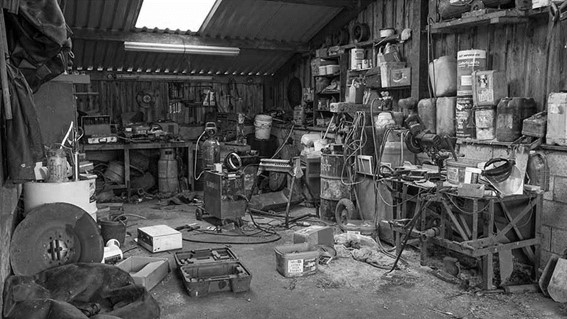
¿Qué hay de malo en esta foto? 

Este lugar es un caos total. Un taller es el centro de la granja, pero es un punto potencialmente peligroso para la seguridad y la salud. 

Si usted está frecuentemente en un taller como parte de su función, es probable que esté expuesto a muchos riesgos. Los talleres son entornos peligrosos tanto por su naturaleza como por las actividades que se realizan en ellos. Por lo tanto, si tiene que trabajar en un taller como parte de su trabajo, es esencial que sea consciente de los peligros y de cómo proteger su salud y seguridad y la de sus compañeros.

Mantenga siempre los locales ordenados y libres de obstáculos. Asegúrese de no bloquear ninguna salida de incendios, interruptores de corte y otros elementos que puedan ser necesarios en caso de emergencia. Evite la necesidad de arrastrar cables realizando las actividades más cerca de la toma de corriente.

Debe informar de cualquier problema a su empleador. Esto incluye los defectos de los equipos, la falta o rotura de protecciones y pantallas, los procedimientos de limpieza deficientes, los obstáculos, los accidentes y casi accidentes, y cualquier otra cosa que creas que pone en riesgo tu salud y seguridad. Su empleador no puede solucionar los problemas si no los conoce.


Farm Workshop Safety Picture This

What’s wrong in this picture? This place is total chaos. A workshop is the hub of the farm, but it’s a potential safety and health hot spot. 

If you are frequently in a workshop as part of your role, you’re likely exposed to many risks. Workshops are hazardous environments both by nature and the activities people carry out in them. Therefore, if you are required to work in a workshop as part of your job, it’s essential that you’re aware of the hazards and how to protect you and your colleagues’ health and safety.

Always keep the premises tidy and free from obstructions. Ensure you don’t block any fire exits, cut out switches, and other things that you may need in case of emergency. Avoid the need for trailing cables by conducting activities closer to the plug socket.

You should report any problems to your employer. This includes equipment defects, missing or broken guards and screens, poor housekeeping procedures, obstructions, any accidents and near misses, and anything else that you think is putting your health and safety at risk. Your employer can’t fix problems if they don’t know about them.


Managing Grain Dust Picture This

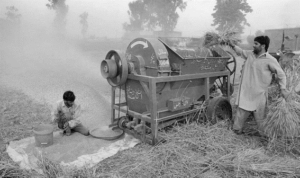
What’s wrong in this picture? There is a huge lack of PPE in this scene. These workers are unaware of the present grain dust hazards. The exposure to grain dust causes “grain fever,” wheezing, chest tightness, cough, eye and nasal irritation, and symptoms of chronic respiratory disease.

Breathing in grain dust can affect the health and overall comfort for grain producers and others who work in the grain industry.

If you cannot avoid exposure to grain dust then you must put in place appropriate control measures.


Managing Grain Dust Picture This – Spanish

¿Qué hay de malo en esta imagen? 

Hay una enorme falta de EPP en esta escena. Estos trabajadores no son conscientes de los peligros presentes del polvo de grano. La exposición al polvo de grano provoca “fiebre del grano”, sibilancias, opresión en el pecho, tos, irritación ocular y nasal, y síntomas de enfermedad respiratoria crónica.

Respirar polvo de grano puede afectar a la salud y al confort general de los productores de grano y de otras personas que trabajan en la industria del grano.

Si no puede evitar la exposición al polvo de los granos, debe poner en práctica las medidas de control adecuadas.


Hazards and Eye Protection on the Farm Meeting Kit – Spanish

QUÉ ESTÁ EN RIESGO

Desde el taller hasta el campo, las explotaciones agrícolas presentan muchas oportunidades de sufrir lesiones oculares. Es importante llevar una protección ocular adecuada cuando haya riesgos. Familiarícese con el tratamiento adecuado de primeros auxilios para las lesiones oculares y busque atención médica si se produce una lesión ocular.

CUÁL ES EL PELIGRO

LESIONES OCULARES – CAUSAS 

Productos químicos en botes de aerosol: Los productos químicos se utilizan habitualmente en la granja, y los botes de aerosol llenos de productos químicos pueden dañar los ojos. Los agricultores deben utilizar estos botes de aerosol con cuidado y mantenerlos en un lugar seguro, fuera del alcance de los niños.

Partículas generadas por el equipo: Las herramientas, como las amoladoras y los equipos agrícolas más grandes, pueden levantar tierra, piedras y otros objetos extraños en el aire. Estas partículas son peligrosas tanto para el agricultor como para los transeúntes.

Mantenimiento de la maquinaria agrícola: El mantenimiento de la maquinaria agrícola puede suponer una serie de riesgos para los ojos, ya que las piezas o herramientas errantes pueden golpear un ojo.

COMO PROTEGERSE

CINCO TIPOS DIFERENTES DE PROTECCIÓN OCULAR Y SUS PROPÓSITOS:

Lentes de seguridad – Los pesados lentes de las gafas de seguridad ofrecen protección contra las partículas que vuelan, ya que pueden soportar el impacto. Sin embargo, no protegen el acceso de residuos al ojo alrededor y detrás de la lente. Si necesita gafas graduadas, se aconseja usar lentes resistentes a los impactos.

Gafas de seguridad: equipadas con los mismos lentes pesados, ofrecen más protección contra los impactos laterales. Se recomienda utilizar gafas de seguridad cuando se trabaje con productos químicos, se golpeen herramientas y superficies metálicas endurecidas y se trabaje con madera.

Protectores faciales – Pueden encontrarse con protectores resistentes a los impactos, pero se utilizan más a menudo para proteger la cara contra las salpicaduras, el polvo y la paja. 

Gafas de sol – Utilice gafas de sol cuando trabaje bajo el sol. No son sólo los productos químicos o los residuos que vuelan los que causan daños a los ojos. Los peligros de los rayos UV pueden ser tan graves como los causados por el trabajo con herramientas y productos químicos.

Cascos de soldador – Están hechos específicamente para proteger al individuo de los múltiples peligros de la soldadura. Los soldadores deben estar protegidos no sólo de las salpicaduras de metal fundido y de la escoria, sino también de los dañinos rayos del arco de soldadura. Los cascos están equipados con una lente de color para garantizar la protección contra la luz. Es importante consultar el manual de instrucciones del soldador, ya que existen tonos específicos para los distintos niveles de corriente utilizados. Por ejemplo, un tono nº 10 es necesario cuando se trabaja con 200 amperios o menos. En el caso de los soldadores de oxiacetileno, asegúrese de que lleva lentes del nº 5 o 6 para soldar y cortar, y del nº 3 o 4 para soldar.

PRIMEROS AUXILIOS BÁSICOS PARA LESIONES OCULARES COMUNES

  • Partícula extraña en el ojo: Enjuague el ojo con agua hasta que el objeto se enjuague. Si no se puede eliminar la partícula, cubra el ojo y busque atención médica.
  • Objeto incrustado en el ojo: Vendar ambos ojos y buscar atención médica.
  • Corte cerca del ojo: Vende ambos ojos sin apretar y busque atención médica.
  • Golpe o hematoma cerca del ojo: Aplique una compresa fría durante 15 minutos para reducir la hinchazón y busque atención médica.
  • Quemadura por arco de soldadura: Mantenga los ojos cerrados y busque atención médica. La víctima puede o no sentir dolor inmediatamente, pero el ojo puede ser sensible a la luz, estar rojo o hinchado hasta 12 horas después del incidente.

Acciones que evitar

  • No se frote el ojo, ya que el objeto podría arañar el ojo o incrustarse. 
  • No intente retirar el objeto.
  • No frote, presione o lave el corte porque podría causar más daños.

CONCLUSIÓN

Muchas actividades agrícolas conllevan el riesgo de lesiones oculares. Mover el grano, arreglar el equipo, manejar las trituradoras y manipular productos químicos son ejemplos de actividades que pueden provocar una lesión ocular si no se toman las precauciones adecuadas.


Hazards and Eye Protection on the Farm Meeting Kit

From the workshop to the field, farms present many opportunities for eye injuries. It is important to wear proper eye protection where hazards are present. Become familiar with proper first aid treatment for eye injuries and seek medical attention if there is an eye injury.

EYE INJURIES – CAUSES 

Chemicals Filled in Spray Cans: Chemicals are commonly used on the farm, and spray cans filled with chemicals can harm the eyes. Farmers should use these spray cans carefully and keep them in a safe place, out of reach of children.

Equipment-Generated Particles: Tools Such as grinders and larger farm equipment can kick up soil, rocks, and other foreign objects into the air. These particles are dangerous to both the farmer, as well as any bystanders.

Servicing Farming Equipment: Servicing equipment on the farm can pose a number of different hazards to the eyes, as errant parts or tools carry the possibility of striking an eye.

FIVE DIFFERENT TYPES OF EYE PROTECTION AND THEIR PURPOSES:

Safety Glasses – The heavy lenses of safety glasses offer protection from flying particles, as they can withstand the shock of impact. However, these do not protect debris from accessing the eye around and behind the lens. If you require prescription glasses, it is advised to wear impact resistant lenses.

Safety Goggles – Fitted with the same heavy lens, these offer more protection from side impact. It is recommended you wear safety goggles when working with chemicals, striking hardened metal tools and surfaces, and working with wood.

Face Shields – These can be found with impact resistant shields, but they are most often used to protect the face against splashing, dust, and chaff. 

Sunglasses – Wear sunglasses when working in the sun. It is not just chemicals or flying debris that causes damage to the eyes. The dangers of UV rays can be just as severe as those caused by working with tools and chemicals.

Welding Helmets – These are made specifically to protect the individual from the multiple dangers of welding. Welders must be protected from not only the splatter of molten metal and slag, but the damaging rays of the welding arc. The helmets are equipped with a coloured lens to ensure protection from the light. It is important to consult your welder’s instruction manual, as there are specific shades for the different levels of currents used. For example, a No. 10 shade is necessary when working with 200 amperes or less. For oxyacetylene welders, be sure you are wearing No. 5 or 6 lenses for welding and cutting, and a No. 3 or 4 for brazing.

BASIC FIRST AID FOR COMMON EYE INJURIES

  • Foreign Particle in the Eye: Flush the eye with water until the object rinses out. If unable to flush the particle out, cover the eye and seek medical attention.
  • Object Embedded in the Eye: Bandage both eyes and seek medical attention
  • Cut Near the Eye: Loosely bandage both eyes and seek medical attention
  • Bump or Bruise Near the Eye: Apply a cold compress for 15 minutes to reduce swell and seek medical attention.
  • Welding Arc Burn: Keep eyes closed and seek medical attention. The victim may or may not feel pain immediately, but eye may be sensitive to light, red, or swollen for up 12 hours after the incident.

Actions to Avoid

  • Do not rub your eye, as the object could scratch your eye or become embedded. 
  • Do not attempt to remove the object.
  • Do not rub, press, or wash the cut because it could cause further damage.

FINAL WORD

Many farming activities carry the risk of eye damage. Moving grain, fixing equipment, operating grinders and chemical handling are all examples of activities that can result in an eye injury if proper precautions aren’t taken.


Farming Around Power Lines Meeting Kit

ELECTRICAL HAZARDS 

Overhead power lines on a farm or ranch can pose a significant electrocution hazard. Because power lines may have been installed without insulation or the insulation may have worn off due to exposure to weather, you should assume that all power lines are bare. When electricity enters something or someone, it takes the easiest and shortest path to electrical ground, the point at which the electricity is absorbed.

DANGEROUS FARM EQUIPMENT

There are numerous pieces of equipment on a farm or ranch that, due to their height, can come in contact with overhead power lines:

  • loader tractors 
  • portable grain augers and elevators 
  • dump trucks 
  • cultivators in transport mode
  • irrigation pipes
  •  equipment with antennas

SPECIFIC RISKS 

Dump trucks: The person operating the dump truck should note the location of power lines before raising the bed and should not move the dump truck or trailer while the bed is in the raised position.

Typically, if a raised bed contacts a power line, the operator will not be at risk of electrocution if he or she remains inside the vehicle because the truck’s tires provide insulation. If, however, a person standing on the ground touches the dump truck or trailer while it is in contact with an overhead line, he or she could be electrocuted.

Hay: A loader tractor or telescopic loader may be used during hay handling. Because the booms of such vehicles may reach as high as overhead power lines, hay should not be stored under power lines.  

Grain bin: Electrocution incidents associated with grain bins occur when augers and/or elevator equipment is used in the vicinity of overhead power lines. 

REDUCE RISK OF ELECTROCUTION 

  • When possible, choose equipment routes that avoid known power line locations. 
  • Never touch a power line.
  • Avoid using ladders, portable augers, or irrigation equipment around power lines.
  • Maintain 10 feet of clearance space between the power lines and your equipment. Contact your power company to determine the height of power lines on your farm.
  • Review safety measures with all individuals working on your farm, whether full-time, part-time, or voluntary.
  • Remember that even non-metallic objects, such as tree limbs, ropes, and straw, can conduct electricity.

ELECTRICAL FACTS AND SAFETY NEAR POWER LINES 

  1. Most overhead power lines have no protective insulation. Physical or equipment contact is dangerous. 
  2. Non-metallic materials such as lumber, tree limbs, tires, ropes, straw and hay, are capable of conducting electricity, depending on moisture content and surface contamination.
  3. Electricity always seeks the path of least resistance to the ground. 
  4. You can be electrocuted by simply coming too close to a power line. Electricity can arc or “jump” between a wire and a conducting object, such as a ladder or a truck. 
  5. When electricity flows into the ground, it can electrocute anyone who comes close. Stay at least 10 metres away from fallen wires. Also, if you see equipment or a person in contact with a power line, be aware that the ground may be energized and be dangerous to bystanders.

FARM SAFETY RECOMMENDATIONS 

  • Start each morning by planning your day’s work. Know what jobs will happen near power lines and have a plan. 
  • Use care when raising augers or the bed of a grain truck. It can be difficult to estimate distance, and sometimes, a power line is closer than it looks. Use a spotter to make certain you stay far away from power lines.
  • Always lower equipment extensions, portable augers, or elevators to their lowest possible level, under 14 feet, before moving or transporting them. Wind, uneven ground, shifting weight, or other conditions can cause you to lose control of equipment and make contact with power lines.
  • Be aware of increased height when loading and transporting larger modern tractors with higher antennas.
  • Never attempt to raise or move a power line to clear a path. If power lines near your property have sagged over time, call your utility company to repair them.
  • Don’t use metal poles when breaking up bridged grain inside and around bins.
  • If you are on equipment that contacts a power line, do not exit the equipment. When you step off the equipment, you become the electricity’s path to ground and receive a potentially fatal shock. Wait until utility workers have de-energized the line and confirmed it is safe for you to exit the vehicle. If the vehicle is on fire and you must exit, jump clear of the vehicle with both feet together. Hop as far from the vehicle as you can with your feet together. Keep your feet together to prevent current flow through your body.

NITTY-GRITTY OF FARMING AND POWER LINES

  • Never stack hay or pile grain near power lines.
  • Use care when doing field work around power poles and guy wires. Watch for broken or dislodged guy wires. 
  • Never place bulk fuel tanks or granaries near power lines.
  • Never spray water hoses or irrigation pivots at power lines.
  • When using machinery to dig, a clearance distance of one metre (3.2 feet) has to be maintained from any underground electrical cable. If you must work closer, contact your electrical service provider.

FINAL WORD

Farm equipment like augers, hoisted truck boxes and large cultivators in transport position are a few examples of farm equipment that could come into contact with power lines.


Farming Around Power Lines Meeting Kit – Spanish

QUÉ ESTÁ EN RIESGO

RIESGOS ELÉCTRICOS 

Las líneas eléctricas aéreas en una granja o rancho pueden suponer un importante peligro de electrocución. Dado que las líneas eléctricas pueden haber sido instaladas sin aislamiento o el aislamiento puede haberse desgastado debido a la exposición a la intemperie, debe suponer que todas las líneas eléctricas están desnudas. Cuando la electricidad entra en algo o en alguien, tome el camino más fácil y corto hacia la tierra eléctrica, el punto en el que la electricidad es absorbida.

EQUIPOS AGRÍCOLAS PELIGROSOS

Hay numerosas piezas de equipo en una granja o rancho que, debido a su altura, pueden entrar en contacto con líneas eléctricas aéreas:

  • tractores de carga 
  • sinfines y elevadores de grano portátiles 
  • camiones basculantes 
  • cultivadores en modo de transporte
  • tuberías de riego
  • equipos con antenas

CUÁL ES EL PELIGRO

RIESGOS ESPECÍFICOS 

Camiones volquetes: La persona que maneja el volquete debe fijarse en la ubicación de las líneas eléctricas antes de elevar la plataforma y no debe mover el volquete o el remolque mientras la plataforma esté en posición elevada.

Normalmente, si una plataforma elevada entra en contacto con una línea eléctrica, el operador no correrá riesgo de electrocución si permanece dentro del vehículo porque los neumáticos del camión proporcionan aislamiento. Sin embargo, si una persona de pie en el suelo toca el camión volquete o el remolque mientras está en contacto con una línea aérea, podría electrocutarse.

Heno: Durante la manipulación del heno se puede utilizar un tractor de carga o una cargadora telescópica. Dado que las plumas de estos vehículos pueden alcanzar la altura de las líneas eléctricas aéreas, el heno no debe almacenarse bajo las líneas eléctricas.  

Depósito de granos: Los incidentes de electrocución asociados a los silos de grano se producen cuando se utilizan sinfines y/o equipos de elevación en las proximidades de líneas eléctricas aéreas. 

COMO PROTEGERSE

REDUCIR EL RIESGO DE ELECTROCUCIÓN 

  • Siempre que sea posible, elija rutas para el equipo que eviten las líneas eléctricas conocidas. 
  • No toque nunca una línea eléctrica.
  • Evite utilizar escaleras, taladros portátiles o equipos de riego cerca de las líneas eléctricas.
  • Mantenga un espacio libre de 3 metros entre las líneas eléctricas y su equipo. Póngase en contacto con su compañía eléctrica para determinar la altura de las líneas eléctricas en su granja.
  • Revise las medidas de seguridad con todas las personas que trabajan en su granja, ya sea a tiempo completo, a tiempo parcial o de forma voluntaria.
  • Recuerde que incluso los objetos no metálicos, como las ramas de los árboles, las cuerdas y la paja, pueden conducir la electricidad.

DATOS ELÉCTRICOS Y SEGURIDAD CERCA DE LAS LÍNEAS ELÉCTRICAS 

  1. La mayoría de las líneas eléctricas aéreas no tienen aislamiento de protección. El contacto físico o con el equipo es peligroso. 
  2. Los materiales no metálicos como la madera, las ramas de los árboles, los neumáticos, las cuerdas, la paja y el heno, son capaces de conducir la electricidad, dependiendo del contenido de humedad y la contaminación de la superficie.
  3. La electricidad siempre busca el camino de menor resistencia hacia el suelo. 
  4. Puede electrocutarse por el simple hecho de acercarse demasiado a una línea eléctrica. La electricidad puede arquearse o “saltar” entre un cable y un objeto conductor, como una escalera o un camión. 
  5. Cuando la electricidad fluye hacia el suelo, puede electrocutar a cualquiera que se acerque. Aléjate al menos 10 metros de los cables caídos. Además, si ve un equipo o una persona en contacto con un cable eléctrico, tenga en cuenta que el suelo puede estar energizado y ser peligroso para los transeúntes.

RECOMENDACIONES DE SEGURIDAD EN LA GRANJA 

  • Comience cada mañana planificando el trabajo del día. Conozca los trabajos que se realizarán cerca de las líneas eléctricas y tenga un plan. 
  • Tenga cuidado al elevar los sinfines o la plataforma de un camión de grano. Puede ser difícil calcular la distancia, y a veces, una línea eléctrica está más cerca de lo que parece. Utilice un observador para asegurarse de que se mantiene alejado de las líneas eléctricas.
  • Baje siempre las extensiones del equipo, los sinfines portátiles o los elevadores a su nivel más bajo posible, por debajo de los 14 pies, antes de moverlos o transportarlos. El viento, los desniveles del terreno, los cambios de peso u otras condiciones pueden hacerle perder el control del equipo y hacer contacto con las líneas eléctricas.
  • Tenga en cuenta el aumento de la altura al cargar y transportar tractores modernos más grandes con antenas más altas.
  • Nunca intente levantar o mover una línea eléctrica para despejar un camino. Si las líneas eléctricas cercanas a su propiedad se han hundido con el tiempo, llame a su compañía de servicios BÁSICOS para que las repare.
  • No utilice postes metálicos cuando rompa el grano en puente dentro y alrededor de los silos.
  • Si está en un equipo que entra en contacto con una línea eléctrica, no salga del equipo. Cuando se baje del equipo, se convertirá en el camino de la electricidad a tierra y recibirá una descarga potencialmente mortal. Espere hasta que los trabajadores de los servicios BÁSICOS hayan desenergizado la línea y hayan confirmado que es seguro para usted salir del vehículo. Si el vehículo está en llamas y debe salir, salte del vehículo con ambos pies juntos. Salte tan lejos del vehículo como pueda con los pies juntos. Mantenga los pies juntos para evitar el flujo de corriente a través de su cuerpo.

DETALLES DE LA AGRICULTURA Y LAS LÍNEAS ELÉCTRICAS

  • Nunca apile heno o grano cerca de las líneas eléctricas.
  • Tenga cuidado cuando realice trabajos de campo cerca de los postes y cables eléctricos. Tenga cuidado con los cables rotos o desprendidos. 
  • No coloque nunca tanques de combustible a granel o graneros cerca de las líneas eléctricas.
  • Nunca rocíe mangueras de agua o pivotes de riego en las líneas eléctricas.
  • Al utilizar maquinaria para excavar, hay que mantener una distancia de un metro (3,2 pies) con respecto a cualquier cable eléctrico subterráneo. Si tiene que trabajar más cerca, póngase en contacto con su proveedor de servicios eléctricos.

CONCLUSIÓN

Los equipos agrícolas como los sinfines, las cajas de camiones elevadas y los grandes cultivadores en posición de transporte son algunos ejemplos de equipos agrícolas que podrían entrar en contacto con las líneas eléctricas.


Attitude – Train the Trainer

Some believe that training is as easy as knowing the subject matter and being able to communicate well. While you absolutely need both of these qualities, they’re hardly enough to make an effective trainer.

Attitude is the main determinant of success in new endeavors. A trainer’s attitude is the bottom floor of a building holding the structure for building knowledge, skill and behavior.

ATTRIBUTES TO BRING TO YOUR TRAINING SESSION

The following list provides the core from which trainers should base of their attitude while delivering training.

  1. Self-confidence – truly believing you can reach the goals you have set for yourself, believing you can get your trainees to listen, hear and change, believing you can handle any situation that may arise during the training.
  2. Self-awareness– being aware of one’s true motivation (why am I a trainer), of one’s strengths and weaknesses, aware of one’s blind spots at least to some extent, being aware of the real and objective quality of all the areas of compass (what I know, what I do, how I behave),
  3. Own learning – having a deep dedication towards learning and re-adjusting attitudes towards self, others and knowledge
  4. Questioning and critical thinking – constantly questioning attitudes, knowledge, techniques, ways things are done
  5. Openness to learning – being constantly hungry for knowledge

TAKEAWAY

The teaching attitude of a competent trainer is characterized by giving latitude to and having respect for the trainee, being available for consultation, while individualizing the teaching approach. Enthusiasm, flexibility, patience and self-insight are great personality traits for a trainer.


Becoming an Effective Speaker – Train the Trainer

THE IMPORTANCE OF STRONG PUBLIC SPEAKING

Strong speaking skills will set you apart, make you feel more confident, and give you the ability to take on leadership roles.

Public speaking offers one of the most effective ways to get your point across, demonstrate your knowledge, and influence others. It can even help you stay organized and improve your writing and interpersonal communication.

Many people who appear completely comfortable in front of crowds started out with a significant fear of public speaking. By overcoming this fear, practicing, and gaining confidence, you can have more advantages in life.

STRATEGIES TO BECOME AN EFFECTIVE SPEAKER

Plan Appropriately. Make sure that you plan your communication appropriately. Use tools like the Rhetorical Triangle, Monroe’s Motivated Sequence, and the 7Cs of Communication to think about how you’ll structure what you’re going to say.

When you do this, think about how important a book’s first paragraph is; if it doesn’t grab you, you’re likely going to put it down. The same principle goes for your speech: from the beginning, you need to intrigue your audience.

Planning helps you to think on your feet. This is especially important for unpredictable question and answer sessions or last-minute communications.

Perfect Practice Makes Perfect.

People say, “Practice makes perfect!” Better said, “perfect practice makes perfect!!” Seek opportunities to speak in front of others. For example, Toastmasters is a club geared specifically towards aspiring speakers, and you can get plenty of practice at Toastmasters sessions.

If you’re going to be delivering a presentation or prepared speech, create it as early as possible. The earlier you put it together, the more time you’ll have to practice.

Practice it plenty of times alone, using the resources you’ll rely on at the event.

If appropriate, do a test run in front of a small audience: this will help you calm your jitters.

Engage the Audience. Engage your audience. This makes you feel less isolated as a speaker. Ask leading questions targeted to individuals or groups and encourage people to participate and ask questions.

Keep in mind that some words reduce your power as a speaker. For instance, think about how these sentences sound: “I just want to add that I think we can meet these goals” or “I just think this plan is a good one.” The words “just” and “I think” limit your authority and conviction. Don’t use them.

Pay attention to how you’re speaking. If you’re nervous, you might talk quickly. This increases the chances that you’ll trip over your words or say something you don’t mean. Force yourself to slow down by breathing deeply. Don’t be afraid to gather your thoughts; pauses are an important part of conversation.

Avoid reading word-for-word from your notes. Instead, make a list of important points on cue cards.

Pay Attention to Body Language. Your body language will give your audience subtle clues about your inner state. If you’re nervous, or if you don’t believe in what you’re saying, the audience will know.

Pay attention to your body language: stand up straight, take deep breaths, look people in the eye, and smile.

Many people prefer to speak behind a podium when giving presentations. Instead of standing behind a podium, walk around and use gestures to engage the audience.

Positive Thinking. Positive thinking can make a huge difference to the success of your communication.

Fear makes it all too easy to slip into a cycle of negative self-talk, especially right before you speak. Self-sabotaging thoughts such as “I’ll never be good at this!” or “I’m going to fall flat on my face!” lower your confidence and increase the chances that you won’t achieve what you’re truly capable of.

Affirmations and visualization raise your confidence. This is especially important right before your speech or presentation. Visualize giving a successful presentation and imagine how you’ll feel once it’s over and when you’ve made a positive difference for others. Use positive affirmations such as “I’m grateful I have the opportunity to help my audience” or “I’m going to do well!”

Cope With Nerves. Many people cite speaking to an audience as their biggest fear, and a fear of failure is often at the root of this. Public speaking can lead your “fight or flight” response to kick in: adrenaline courses through your bloodstream, your heart rate increases, you sweat, and your breath becomes fast and shallow.

Make an effort to stop thinking about yourself, your nervousness, and your fear. Instead, focus on your audience: what you’re saying is “about them.” Remember that you’re trying to help or educate them in some way, and your message is more important than your fear.

Use deep breathing exercises to slow your heart rate and give your body the oxygen it needs to perform. This is especially important right before you speak.

Watch Recordings of Your Speeches. Whenever possible, record your presentations and speeches. You can improve your speaking skills dramatically by watching yourself later.

Notice any verbal stalls, such as “um” or “like.” Look at your body language: are you swaying, leaning on the podium, or leaning heavily on one leg? Are you looking at the audience? Did you smile?

Pay attention to your gestures. Do they appear natural or forced? Make sure that people can see them.

Look at how you handled interruptions, such as a sneeze or a question that you weren’t prepared for. Does your face show surprise, hesitation, or annoyance? If so, practice managing interruptions like these smoothly, so that you’re even better next time.

TAKEAWAY

Good communication is never perfect. Putting in the time to prepare will help you become a better speaker. Becoming a better and more effective speaker is a learnable skill.

Hazards and Eye Protection on the Farm Stats and Facts

FACTS

  1. People involved in agriculture and farm-related activities are at greater risk of eye injuries. 
  2. Eye injuries are common and a leading cause of preventable unilateral blindness worldwide. Trauma is more common during the farming season. 
  3. Stick injuries are common in children and farmers, sometimes causing a penetrating injury that can result in the affected eye quickly becoming infected. Blunt trauma is common among children, who can be injured with a flying object. The dusty environment is a common cause of corneal, conjunctival and sub-tarsal foreign bodies injuries.
  4. Due to working in the sun, dust, and wind, eye injuries are common among agricultural workers. Short-term conditions include eye irritation and sensitivity, while long-term conditions such as cataracts and retinal damage are also possible. 
  5. Farmers are at risk for eye injury from activities such as grinding and cutting metal, welding, and drilling and from other diverse activities on the farm for which eye hazards may not have been anticipated. 

STATS

  • Unpublished data from the National Blindness and Visual Impairment Survey showed that, of the participants who had a history of eye injury, over half (53%) were farmers. 
  • Of those without a history of eye injury, only 39% were farmers. 
  • A 5-year hospital review of people with eye injuries showed that more than two-thirds of all eye injuries were sustained on a farm. Although non-penetrating eye injuries were more common, 15% of people were already blind in the injured eye at presentation.
  • In a multi-centre retrospective review of ocular trauma among older people, eye injury most commonly occurred on the farm (37.2%).
  • Farm activities of grinding or cutting metal accounted for 11 (27.5%) of the eye injuries, welding for 3 (7.5%), and drilling for 2 (5%). The other 24 eye injuries were related to diverse farm activities. 


Hazards and Eye Protection on the Farm Stats and Facts – Spanish

HECHOS

  1. Las personas que se dedican a la agricultura y a las actividades relacionadas con el campo corren un mayor riesgo de sufrir lesiones oculares. 
  2. Las lesiones oculares son comunes y una de las principales causas de ceguera unilateral evitable en todo el mundo. Los traumatismos son más frecuentes durante la temporada agrícola. 
  3. Las lesiones por pinchazo son comunes en los niños y en los agricultores, y a veces causan una lesión penetrante que puede hacer que el ojo afectado se infecte rápidamente. Los traumatismos contundentes son comunes entre los niños, que pueden lesionarse con un objeto volador. El ambiente polvoriento es una causa común de lesiones por cuerpos extraños en la córnea, la conjuntiva y el subtarso.
  4. Debido al trabajo bajo el sol, el polvo y el viento, las lesiones oculares son comunes entre los trabajadores agrícolas. Las afecciones a corto plazo incluyen la irritación y la sensibilidad ocular, mientras que las afecciones a largo plazo, como las cataratas y los daños en la retina, también son posibles. 
  5. Los agricultores corren el riesgo de sufrir lesiones oculares por actividades como el amolado y el corte de metales, la soldadura y la perforación, así como por otras actividades diversas en la explotación agrícola para las que no se han previsto riesgos oculares.

ESTADÍSTICAS

  • Datos no publicados de la Encuesta Nacional sobre Ceguera y Discapacidad Visual mostraron que, de los participantes que tenían antecedentes de lesiones oculares, más de la mitad (53%) eran agricultores. 
  • De los que no tenían antecedentes de lesiones oculares, sólo el 39% eran agricultores. 
  • Una revisión hospitalaria de 5 años de personas con lesiones oculares mostró que más de dos tercios de todas las lesiones oculares se produjeron en una granja. Aunque las lesiones oculares no penetrantes eran más comunes, el 15% de las personas ya estaban ciegas en el ojo lesionado en el momento de la presentación.
  • En una revisión retrospectiva multicéntrica de los traumatismos oculares entre las personas mayores, las lesiones oculares se produjeron sobre todo en la granja (37,2%).
  • Las actividades agrícolas de amolado o corte de metales representaron 11 (27,5%) de las lesiones oculares, la soldadura 3 (7,5%) y la perforación 2 (5%). Las otras 24 lesiones oculares estaban relacionadas con diversas actividades agrícolas.


Being Approachable – Train the Trainer

WHAT DOES APPROACHABLE MEAN?

Approachability is measured by how you convey yourself to others in terms of body language, response and appearance.

At the workplace, if colleagues deem you unfriendly, stuck up, and difficult to talk to, you are seen as unapproachable.

TIPS TO BE MORE APPROACHABLE – ATTITUDE, BEHAVIOR, BODY LANGUAGE AND WORDS

  1. Smile. A friendly facial expression can be inviting to people. Maintain a warm but natural smile when you are walking around the office or at a work event. When you make eye contact with someone, acknowledge them by smiling bigger.
  2. Make eye contact. You can also encourage people to approach you through eye contact. Maintain eye contact when you greet someone and during conversations. If you are at a conference or an event, make eye contact and smile at strangers if they look in your direction.
  3. Angle toward people. When talking to someone, angle your body toward them to show your interest in the conversation. Focus on turning your feet and legs toward the person, and your body will follow. Do this whether you are sitting or standing.
  4. Look up. Keep your head and eyes up when walking around the office or events. When you look up and ahead, it is easier to make eye contact with and greet people. Many people read your face to determine your approachability.
  5. Avoid fidgeting. Nervous habits can make you look anxious. Avoid fidgeting with things like your pen, keys or hair or doing something you might not be aware of. When interacting with people, focus on keeping your hands at your sides or in your lap or using them to gesture rather than fidget during conversations.
  6. Mirror people. Mirroring or mimicking another person’s body language can make both you and that individual feel more comfortable. You might nod, smile or shift your position slightly when the person you are talking to does the same.
  7. Be positive. Positivity attracts people, whether you show it in your words or your body language and energy. When passing someone at work, make a positive remark or give a compliment to let them know you are friendly and open to interaction.
  8. Ignore your phone. If you are looking at your phone, people might think you are busy. They might not interact with you because they do not want to interrupt. Your phone can also distract you from making eye contact, connections and conversations with the people around you.
  9. Have an open posture. Practice an open posture by:
    • Sitting up straight with your shoulders back
    • Leaning toward the speaker slightly during conversations
    • Placing your hands at your sides rather than in your pockets or across your chest

Practice having an open posture during meetings, in social situations and when someone enters your office. This body language is inviting and shows you are interested in the other person.

  1. Show interest. Take an interest in what other people say or the things they enjoy doing. Ask about their hobbies or what they did over the weekend to encourage them to open up to you. Show your interest by listening carefully to what others say and asking follow-up questions.
  2. Start conversations. Rather than waiting for someone to start a conversation with you at work or a conference, make the first move. Make eye contact to engage with people and put your hand out for a handshake.
  3. Keep your face and body visible. People feel comfortable when they can see your eyes and facial expression. Avoid wearing things that block your face in professional settings, such as sunglasses, hats or large scarves.
  4. Dress professionally. Your appearance can have a positive first impression on others. Practice good hygiene and dress appropriately (professionally but not overdressed for the situation) so people want to be near you.
  5. Make room for people. If you are talking with a group, provide room for others to join. Keep the circle open and inviting by putting space between you and your peers or coworkers.

TAKEAWAY

Being approachable can work in your favor, as your colleagues or employees will be able to communicate more openly with you, which will help you create a good working environment and increase your overall business productivity.


Building a Safety Program – Train the Trainer

Workplace fatalities, injuries, and illnesses are preventable. Safe workplaces exist because employers make the choice to fulfill their responsibilities and protect their workers. Workers shouldn’t need to put their lives at risk to make a living.

The system should train workers to be aware of and appreciate safety issues. A well-defined safety program benefits and advances the best interests of everyone.

SAFETY PROGRAM DEVELOPMENT

Step 1. Make the Commitment to Safety with a Mission Statement.

  • Document safety goals so they can be measured and improved.

Step 2. Industry Requirements

  • Check out all resources made available including other professionals in the industry.
  • Bring in an external safety consultant who specializes in your industry

Step 3. Identify hazards and risks

  • Anything with the potential to cause harm should be addressed.
  • Talk to your employees and assess your own workplace to learn the best places to implement changes.
  • Pay attention to: workplace hazards like shop layout, environmental hazards such as dust, hazardous activities such as using machinery, and the safety culture of your company.

Step 4. Develop processes and programs

  • These processes and programs should be specifically tailored to answer the requirements and issues from Step 2 and 3.
  • They should hold both management and employees accountable to safety.
  • Have them written and accessible to the employees.

Regulations that require a written program are:

  • Hazard Communication Program.
  • Lockout / Tagout Program (energy control procedures).
  • Respiratory Protection Program.
  • Personal Protective Equipment (hazard assessment).
  • Bloodborne Pathogens Post-Exposure Plan.
  • Emergency Action Plan.
  • Permit-required Confined Spaces.
  • Electrical Safety.
  • Fire Prevention Plan.
  • Hearing Conservation Program.
  • Trenching and Excavation Safety.

Step 5. Train the workforce

  • New hires
  • Individuals who recently transferred or changed assignments
  • Any time a new process, substance, or piece of equipment is added
  • Any time new hazards are identified
  • Any time refresher training is needed or required by regulations

Step 6. Investigate and track all accidents and incidents

This will help you to prevent incidents in the future regardless of the severity.

Determine the cause, identify what could be changed, take corrective and preventative measures (and record these too!).

Step 7. Program Review

Every year you should review your training, procedures, and any written safety documentation you have to find holes in your program or to improve it. It pays to have a good auditing tool to work through every aspect of your safety program.

Step 8. Implement an EHS management software

A good software should have tools to procedures, manuals, training and auditing, incidents.

TAKEAWAY

Use employees to help identify potentially dangerous work areas and things that need correcting. This involvement from your team helps make them aware and encourages them to take ownership of workplace safety.


Communication Tips – Train the Trainer

There are many different kinds of supervisor/trainer communication skills when delivering staff training and facilitating learning in others.

LISTENING

Knowing how to listen to the people, their opinions, thoughts, their needs and knowing when it’s time to interject to either ask a question to enable awareness, or, to assist them to question something in a way they might not have before.

An effective communicator knows when to stop talking and listen to the other person during a conversation.

The last thing you want is to be constantly interrupting someone or talking over them when they’re trying to speak.

This can become incredibly irritating and often makes people believe what they’re saying is unimportant or irrelevant. A great communicator knows when to stop and let the other person speak.

The only way you will be able to be aware of this is by listening to what they have to say. If you feel you may have been talking for too long, ask them a direct question.

This shows you’re paying attention to what they have to say as you’re shifting the focus back on them, rather than risking rambling on with no direction.

METHODS OF ACTIVE LISTENING

Listen attentively to clients explain their goals, struggles and motivations.

Motivational interviewing is one way you can actively listen to clients, and to check that you’ve understood them correctly using the three styles of communication: directing, following and guiding.

These methods of communication are important to build rapport, establish the drivers that are directing your client’s behavior and can help you get to the root cause of behaviors quickly and directly.

Mirroring involves repeating the client’s statement back to them. Usually this would be the last one to three words, inflected as a question, to prompt them to divulge more details to you. This can be useful when talking about goal setting or problems.

ACTIVE LISTENING REFRAIN

  • Aim to hear and understand the complete message being communicated to you, not just the words someone is saying.
  • Improve personal trainer communication skills by paying attention to clients very carefully. Active listening is understanding what is being communicated.
  • Total concentration is required when clients explain their goals and ambitions to you.
  • When clients are talking to you, they want to know you are actually listening to what they’re saying. This can be as simple as nodding your head or asking questions about something they’ve just said.

TAKEAWAY

The secret of success of being an effective communicator is not complicated. But it takes energy grounded in a strong work ethic capsulized in the oft – used phrase “Practice, practice, practice”!! But there is a caveat.

Sound active listening communication skills are achievable and passed onto others only if these skills are disciplined, authentic and transparent to people.


Sleep and Effective Farming Picture This

Source: https://msuextension.org


Sleep and Effective Farming Picture This – Spanish

Fuente: https://magazine.medlineplus.gov/


How to Respond to Feedback – Train the Trainer

While receiving critical feedback can be uncomfortable, try take the feedback you receive into serious consideration. It may help you improve your performance and collaborate more efficiently with your colleagues.

There are a few fundamental principles of responding to constructive feedback that can help you grow both professionally and personally.

  1. Listen Actively

When somebody is giving you feedback, it’s important to listen carefully to what they’re saying. Explaining your actions might be your first instinct, but such efforts aren’t necessary and likely won’t prove helpful in the long run. Colleagues often give feedback to help you improve your performance, so try to let them explain their perspectives completely by avoiding interrupting them or interjecting with your own opinions. Understanding the intention behind their feedback and what concrete recommendations they’re making for growth will help you form your response more effectively.

  1. Breathe – Wait to React

Once you’re done listening to your colleague give you feedback, you should give yourself some time to react to what they’ve said. Instead of diving right into a conversation about the feedback and how you can implement it, you should take a few moments to thank your colleague for their comments.

From here, you can internally practice mindfulness and self-affirming techniques. You might take a minute before processing and reacting to remind yourself that you are valued by your organization and devoted to your role.

  1. Information/Knowledge is Key

Once you’ve taken stock of your colleague’s feedback, consider asking them for more information and clarifying exactly what they said. Regardless of what information you’d like to clarify, getting more data on feedback can help you truly understand your colleague’s perspective and figure out how you might grow from learning such information.

  1. Ask For Time

It’s a good idea to ask your colleague for some time to think about their feedback. Requesting time to process your colleague’s thoughts can be very beneficial in the long term. It gives you more time to form a proper response to the feedback you’ve received. Asking for more time can help show your colleague that you’re taking their feedback seriously and considering what they’ve said carefully.

  1. Create an Action Plan with Visible Change

While you take time to consider your colleague’s feedback, you should start working on your actual response in the form of an action plan. Even if you don’t agree with everything they’ve said at first, try to visualize the situation from their perspective and locate at least a few things they identified in their feedback that you’re willing to work on. From here, you can create an action plan on how you’ll implement their feedback into your day-to-day duties.

Your action plan should start with implementations that result in visible change. This can help your colleague see your improvement tangibly while you commit to other, less visible professional development processes.

  1. Consult a Friend

Often, receiving constructive feedback and going through implementation processes can be challenging to do in isolation. Therefore, you should find a confidant—a friend or colleague you can trust—that you can talk to honestly and openly about the feedback you just received.

Your buddy may be able to give you additional ideas about how you can take action and implement the feedback in your daily work.

  1. Long Term Follow-Up

It’s important to understand that receiving and responding to constructive feedback effectively is a long-term process. Change doesn’t happen overnight, so give yourself time to implement change and schedule intervals to follow up with your colleague on a semi-regular basis, such as 30 or 60 days after receiving the feedback. Following up can help you keep yourself accountable to growth and show your colleague that you’ve considered their feedback carefully.

TAKEAWAY

Remember – while feedback can be difficult to receive at times, it’s a vital part of your professional development.


Hazards and Eye Protection on the Farm Fatality File – Spanish

La tragedia inspira la prevención 

Barry Weatherall trabajaba en una empresa de fontanería y calefacción en Alberta (Canadá) hace más de 15 años. Hoy dedica su tiempo a contar su historia a miles de trabajadores industriales de todo Canadá, sobre cómo perdió la vista. Con la esperanza de inspirar un cambio en la actitud común de “a mí no me va a pasar”, dirige talleres interactivos de 90 minutos sobre seguridad ocular en el lugar de trabajo. La historia de Weatherall, que le cambió la vida, comienza después de que, estando en el trabajo, recibiera información incorrecta de una empresa química sobre el riesgo que suponía neutralizar el ácido sulfúrico con otro producto químico llamado perla de sosa cáustica.

Weatherall llevaba un equipo de protección personal que incluía gafas de seguridad, una mascarilla y guantes mientras realizaba su trabajo. Cuando terminó de neutralizar los productos químicos y creyó que ya no había riesgo de explosión, salió para quitarse el EPP Su vida cambió para siempre cuando volvió a comprobar los productos químicos, sin ponerse de nuevo el EPP. Se produjo una explosión química que dejó a Weatherall permanentemente ciego. El contacto de los ojos con productos químicos constituye el 20% de las lesiones oculares. Las partículas volantes, una combinación de objetos que vuelan o caen o chispas que golpean el ojo, representan el 70% del total de las lesiones.  “Las empresas pueden capacitar a la gente hasta que se ponga azul, pero una vez que el trabajador está en el lugar de trabajo por sí mismo, depende de ese trabajador tomarse el tiempo para estar seguro”, dijo. La intención del programa es proporcionar a los trabajadores una perspectiva intensa y totalmente nueva sobre la seguridad ocular.