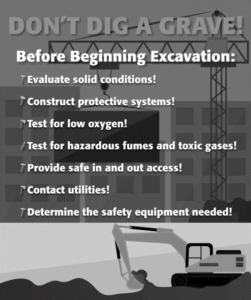
Changing Crops During Drought Infographic – Spanish

Fuente: https://www.croplifela.org/
Fuente: https://www.croplifela.org/
Common office accidents include pedestrian collisions whether between two people, or a person and an inanimate object such as a glass door.
These collisions happen for the followinag reasons:
Personal
Logistical
In either scenario, the result of these collisions are injuries some of which are serious and debilitating.
Pedestrian safety is relevant in most sectors of our society. The following are a few reminders about pedestrian safety:
Office collisions can be avoided to a minimum by taking thoughtful and corrective action. Some suggestions offered to accomplish this are as follows:
Walking can be similar to driving a vehicle. If you maintain a safe speed, watch where you are going and always stay alert, you can arrive safety.
Los accidentes de oficina más comunes son las colisiones de peatones, ya sea entre dos personas o entre una persona y un objeto inanimado, como una puerta de cristal.
Estas colisiones se producen por los siguientes motivos:
Personal
Logística
Las colisiones en la oficina pueden evitarse al mínimo si se toman medidas reflexivas y correctivas. Algunas sugerencias para lograrlo son las siguientes:
Caminar puede ser similar a conducir un vehículo. Si mantiene una velocidad segura, mire por dónde va y manténgase siempre alerta, puede llegar con seguridad.
Slips, trips and falls are among the leading causes of workplace injuries everywhere. Slips, trips and falls occur because workers sometimes take short cuts or don’t pay attention to what they are doing. They try to jump across an obstacle instead of going around it or moving it. Moments of inattention and diversion usually have bad consequences.
There is a positive connection between safety and fitness. More alert, physically and mentally fit employees are better equipped to handle safety challenges like slips, trips and falls in a successful fashion.
And remember the bigger picture. Failure to reduce or eliminate slips, trips and falls erodes the business and, also affects the overall quality of the lives of employees.
Safety is not an “accident”. Safety is the outcome of well-designed common sense procedures utilized over time and honed through trial and error.
Here are some of the ways to prevent slips, trips and falls.
Be aware – Pay attention to where you’re going and resist the temptation to take a shortcut that may have obstacles or be unstable, shaky or slippery.
Be proactive – Report any holes or openings that you find in grates or decking that require repair.
Resist skidding – Wear shoes or boots that have skid-resistant soles, and keep your footwear free of grease and oil. On slick surface keep your hands at your sides for balance and take caution, short steps. Don’t run.
Shed light – poor lighting can camouflage hazards, so replace fixtures or bulbs that don’t work. In areas where no fixtures are installed, make sure obstacles have been removed.
Practice stair care – there’s always a potential for trips and falls on stairways that are too steep or not steep enough. Always walk up and down stairs slowly, one step at the time. Sound too caution? Numerous workers have been injured on stairways by going to fast or by skipping steps. And if you must carry a load on stairs, make sure the load doesn’t block your vision, and try to keep one hand free to hold the railing.
Personal regimen – Get enough rest and sleep. Exercise regularly. Eat nutritious well-balanced diet and include vitamin C.
Good housekeeping and clean up tips:
FINAL WORD
Slips, trips and falls area common serious hazards. Follow these steps to keep your feet on firm ground.
Inventories must be maintained for all hazardous chemicals. Hazardous chemicals include chemicals for which there is statistically significant evidence of health effects following exposure as well as flammable and explosive substances.
OSHA requires all businesses that use, store, or transport hazardous chemicals to keep an inventory list. They also require the designation of one or more employees to manage this list.
The OSHA Hazard Communication Standard requires chemical manufacturers, distributors, and importers to communicate the hazards of chemical products to users by providing Safety Data Sheets (SDSs; formerly known as Material Safety Data Sheets or MSDSs). SDSs for all chemical in-use and stored in the workplace must be readily accessible to all employees at all times. These SDSs are designed to provide essential hazard and protective measures information to chemical users and emergency responders. Keep in mind that any accident or incident involving a chemical will require a SDS being provided to emergency personnel and to the attending physician so proper treatment can be administered.
The Toxic Substances Control Act (TSCA) established the requirements for chemical inventory lists. These lists include every chemical substance made, processed, or imported into the United States.
The Environmental Protection Agency (EPA) posts an update to this inventory on a bi-annual basis.
This inventory includes 86,557 chemicals. Only 41,864 of the chemicals on this list are actively used in the United States at this time.
The TSCA Inventory updates describe new chemical substance additions. It also provides the current commercial regulatory flags and activity data. One example includes exemptions for polymers.
The following describes the minimum data that chemical inventory lists must include.
You don’t need to list non-hazardous materials, temporary solutions, or consumer products. Biohazardous or radioactive materials need their own separate inventory program.
Chemical inventory can be as simple as a document, spreadsheet, or you can purchase professional software or contract with online inventory maintenance services.
To some, chemical inventory regulation may seem like just another overreach and impediment to business success. Taking a deeper look, there are potentially cost savings and efficiency increases to be had.
MOUNT SINAI, NY – Un informe de noticias sobre accidentes mortales publicado en wpdh.com afirma que un hombre de Nueva York murió trágicamente después de que una tumba que el hombre estaba excavando en un cementerio se derrumbara sobre él. El accidente mortal ocurrió por la mañana, alrededor de las 8:30 horas. El incidente mortal está siendo investigado y se dispone de pocos detalles. Según el informe de noticias en línea, el trabajador quedó enterrado vivo cuando le cayeron encima montones de tierra.
Los investigadores de las fuerzas del orden declararon que el hombre de 42 años de Coram, Nueva York, estaba tratando de nivelar los cimientos de la tumba dentro del Washington Memorial Park en Mount Sinai. Trágicamente, las fuerzas del orden declararon que los compañeros de trabajo del hombre no tuvieron éxito en sus intentos de sacar a la víctima de la tumba derrumbada.
Según las noticias, el trabajador fue enterrado en una tumba de más de dos metros de profundidad. Según los agentes de la ley, los equipos de emergencia enviados al accidente acudieron al lugar, pero la víctima ya había fallecido. En los accidentes laborales, otros organismos gubernamentales suelen llevar a cabo una investigación por separado. Es probable que la Administración de Seguridad y Salud en el Trabajo (OSHA) lleve a cabo una investigación del accidente para determinar la causalidad y ayudar a diseñar estrategias para prevenir este tipo de accidentes en el futuro.
Some chainsaws are electric, but most have gasoline-powered, two-cycle motors. These saws have become lighter, faster and more powerful, increasing the hazard to users. Three main hazards are associated with chainsaw use: Noise, vibration and cuts.
Noise: When the ear is exposed to high levels of noise, such as those produced by a chainsaw, hearing loss occurs. This is permanent and worsens over time, but is easily preventable. Wear properly fitted ear plugs or muffs, preferably both.
Vibration: Over time, the vibration produced by a chainsaw can cause circulatory problems in your hand and fingers.
Cuts: These are the most common injuries caused by chainsaws, ranging from minor hand injuries while filing the chain to major amputation from saw kickback.
Prior to beginning the task of cutting, a chainsaw operator must do the following:
When using a chain saw, wear protective clothing. This includes a hard hat, safety goggles, gloves (for a good grip), hearing protection, steel-toed shoes with nonslip soles, and trim-fitting clothes that won’t get caught in the chain.
Start your chainsaw according to the manual’s direction. Clear the work area so the chain won’t touch anything but the wood you want to cut. Then, place the saw on a level surface—never rest this tool on your leg or drop-start it. Stand to the side of the saw so you won’t follow the cut through into your leg. Also, stand on the uphill side of your work so it won’t roll into you. Hold the saw parallel to the ground with your left arm straight for better control.
Keep both hands on the saw while it’s running. Work slowly, don’t rush. Let the chainsaw do the work; never force it. Avoid cutting above mid-chest height.
It’s a good idea to take frequent breaks from cutting so you don’t operate the saw when you’re tired.
Although some chainsaw injuries are caused by operator error, kickback is the greatest cause of chainsaw injuries. A kickback usually happens when the chain and bar get caught in a cut. This usually happens when the operator doesn’t notice that tip of the bar is hitting another branch or obstacle. The chain stops for split second, transferring momentum back towards the operator. The operator then might either lose control of the saw or lose balance, bringing the saw into contact with the body.
Some chainsaws have tip guards to help prevent kickbacks. Keeping your left arm straight and locked can help prevent an injury from a kickback by making the saw travel up during a kickback and keeping it away from you. Chain brakes are designed to instantly stop the saw when the operator releases the handle. While this doesn’t prevent a kickback, it can reduce or prevent an injury if the operator loses their grip on the saw when a kickback happens.
When moving a chainsaw, carry it below the waist, with the engine off and guide bar pointed to the rear.
If your saw is electric, make sure you use an extension cord that’s approved for outdoor use and don’t use the saw in a damp environment. Fuel gasoline-powered chainsaws outdoors and be careful not to overfill or spill the fuel. Never refuel a hot saw. Let it cool down first, and have a fire extinguisher nearby.
It’s dangerous to work alone with a chainsaw. Have a companion within calling distance, but keep bystanders and helpers at a safe distance from operation so that they will not be injured.
Based on the inherent danger of working with chainsaws, it’s vital that employees exposed to chainsaw operations be given the proper education and skills training so that they know how to work skillfully, keeping themselves and their co-workers safe.
Even with proper training, operating a chainsaw is inherently dangerous. Employees should never attempt to do jobs beyond their abilities or training. High-risk chainsaw operations include:
Make sure you read the operator’s manual and follow the instructions for safe use of a chainsaw. Your safety comes first, even in an emergency.
A worker was using a chainsaw to trim the ends off spacers used to separate layers of lumber in preparation for drying in a kiln. He was working alone although other workers were close by. He was not wearing protective clothing and there was no chain guard or anti-kickback device on the chainsaw he was using.
One of the spacers that he was cutting was apparently loose in the pile and the saw kicked back striking him on the right side of the neck. A deep laceration on his neck to the depth of his spinal cord resulted in death.
Chainsaws were once a tool used only by professional loggers, but it is now estimated that 90 per cent of chainsaws are sold outside of the logging industry.
A chainsaw should be treated like a loaded gun! Bystanders should always keep a safe distance from the operator. And the operator should protect himself as though he was at war!
Despite the fact that any chainsaw can be a killer, too many users operate them in a careless manner.
Many owners even fail to read the safety tips in their operator’s manuals, and too often, when a saw is resold, the manual does not go with it. Most saws today incorporate several safety features that, when working properly, provide a good measure of safety for the operator.
Some chainsaw owners fail to wear personal protective equipment. They will even remove safety devices because they feel they “get in the way”. Too often the only thing that gets in the way is some part of their body.
All people using chainsaws both on and off the job should take advantage of training programs and safety courses.

¿Qué hay de malo en esta imagen?
Al talar y cortar transversalmente, es posible que quiera perforar la barra guía en el tronco. Existe un riesgo de contragolpe si se sierra descuidadamente con la zona de contragolpe de la barra guía directamente orientada hacia el tronco. Puede evitar el mayor riesgo de contragolpe simplemente no poniendo nunca la punta de la barra guía directamente contra la madera. Sin embargo, la técnica de corte por perforación requiere serrar con la nariz de la barra guía. Si utiliza esta técnica, asegúrese de entender cómo realizarla correctamente y de forma segura.
El uso incorrecto de la motosierra puede provocar lesiones graves e incluso la muerte. Cada año, las salas de urgencias de los hospitales atienden aproximadamente 30.000 lesiones catastróficas provocadas por las motosierras. Las lesiones por motosierra más frecuentes se producen en la pierna izquierda y en el dorso de la mano izquierda. Estas lesiones suelen estar relacionadas con el retroceso y la pérdida de control de la motosierra.
Planifique su corte de manera que sepa exactamente dónde saldrá la barra de la sierra del tronco. Como decían los antiguos: Lo que cuenta no es dónde se empieza el corte, sino dónde se termina. Es decir, no quiere atravesar el tronco, salir por el otro lado y llegar a su pierna o pie.
Afile los dientes y mantenga la cadena lubricada y con la tensión adecuada para obtener los mejores y más seguros cortes.
Cemetery workers operate year-round in all types of weather. Their job duties include grounds keeping, excavating, equipment moving and setup, landscaping, and chemical management. Cemetery workers must use good work practices and get training on job hazards such as field safety, ergonomics, and excavation.
Workers in the cemetery industry can face any number of injuries including falls, injuries related to operating machinery or carrying headstones, and hazards related to trenching and excavation. Essentially, digging at a grave site is an excavation like those performed in the construction industry. In addition to the hazards workers face by the potentiality of a wall collapse without proper trench support, they can also be exposed to hazardous chemicals. Workers should have their own personal protective gear such as hard hats to prevent head injury from falling rocks or dirt. In addition, workers should wear respiratory protection to limit the inhalation of elements such as carbon dioxide, carbon monoxide, and methane that can appear in the soil.
Marble, concrete, and other memorial stones dot the cemetery landscape. Due to the size and weight of these stones, take care when working around them; overturned stones can cause fatalities. Existing stones should be inspected periodically to ensure that they are firmly and securely set. When moving or installing memorial stones, use mechanical lifting devices; ensure that the load and rigging are secure before attempting to move the stone.
Cemetery work is divided in two aspects; groundskeeping and digging graves.
Grave Digging: Grave digging at a cemetery can be done by hand or with excavating equipment. Before you dig, do not assume the area is clear of hazards, ensure that there are no underground hazards such as pipes or utilities. Always get training on the use and maintenance of excavating equipment before using it and always inspect the equipment before use. If you use manual digging tools, ensure they are the proper size and weight for you to use them properly. Use a functional and proper tool for the job; using the wrong tool can lead to injury.
Trenching and Excavation: Trenching and excavation safety protocol, must be followed when digging graves. Grave sides deeper than 5 feet should be shored with supports such as timber or metal struts and hydraulic jacks to avoid a collapse. Sloping is another safety measure for trenches. As with all equipment, you must inspect the shoring equipment before each use. Often timber or metal struts and jacks can deteriorate over time and should not be used. After the grave is excavated, ensure you clearly mark the area to prevent falls.
Mechanical Lifting Devices: Overturned stones can cause fatalities due to their weight. Use mechanical lifting devices when moving stones and always ensure that the load and rigging are secure before moving the stone. Whether in motion or not, always set and properly secure memorial stones to protect yourself and others.
Avoid Slips, Trips and Falls: Avoid slips, trips and falls by moving cautiously through the landscape and being aware of uneven ground. Avoid walking over grave sites and concrete slabs; older graves may cave in while slabs may be covered with slippery moss or lichen. Practice safe cemetery operations and stay on top of your work.
Cemetery work is not seasonal work. Workers accomplish tasks in all types of weather. Their job includes grounds maintenance, excavating, equipment moving and set up, and chemical management.
Los trabajadores de los cementerios trabajan todo el año en cualquier tipo de clima. Sus tareas incluyen el mantenimiento del terreno, la excavación, el traslado y la instalación de equipos, la jardinería y la gestión de productos químicos. Los trabajadores de cementerios deben utilizar buenas prácticas de trabajo y recibir capacitación sobre los riesgos del trabajo, como la seguridad en el campo, la ergonomía y la excavación.
RIESGOS/PELIGROS
Los trabajadores de la industria de los cementerios pueden sufrir un gran número de lesiones, como caídas, lesiones relacionadas con el manejo de maquinaria o el transporte de lápidas, y peligros relacionados con la excavación y la apertura de zanjas. Esencialmente, cavar en una tumba es una excavación como las que se realizan en la industria de la construcción. Además de los peligros a los que se enfrentan los trabajadores por la posibilidad de que se derrumbe un muro sin el apoyo adecuado de la zanja, también pueden estar expuestos a sustancias químicas peligrosas. Los trabajadores deben tener su propio equipo de protección personal, como cascos, para evitar lesiones en la cabeza por la caída de rocas o tierra. Además, los trabajadores deben llevar protección respiratoria para limitar la inhalación de elementos como el dióxido de carbono, el monóxido de carbono y el metano que pueden aparecer en el suelo.
Mármol, hormigón y otras piedras conmemorativas salpican el paisaje del cementerio. Debido al tamaño y al peso de estas piedras, tenga cuidado cuando trabaje cerca de ellas; el vuelco de las mismas puede causar víctimas mortales. Las piedras existentes deben inspeccionarse periódicamente para asegurarse de que están colocadas con firmeza y seguridad. Al mover o instalar piedras conmemorativas, utilice dispositivos mecánicos de elevación; asegúrese de que la carga y el aparejo están bien sujetos antes de intentar mover la piedra.
OTROS RIESGOS DEL CEMENTERIO PARA LOS TRABAJADORES
TRABAJO EN CEMENTERIOS
El trabajo en el cementerio se divide en dos aspectos: el mantenimiento del terreno y la excavación de tumbas.
RESUMEN DEL TRABAJO
SEGURIDAD DE LAS TUMBAS
Excavación de tumbas: La excavación de tumbas en un cementerio puede hacerse a mano o con equipos de excavación. Antes de excavar, no dé por sentado que la zona está libre de peligros, asegúrese de que no hay peligros subterráneos como tuberías o servicios públicos. Obtenga siempre capacitación sobre el uso y el mantenimiento del equipo de excavación antes de utilizarlo e inspeccione siempre el equipo antes de usarlo. Si utiliza herramientas de excavación manuales, asegúrese de que tienen el tamaño y el peso adecuados para poder utilizarlas correctamente. Utilice una herramienta funcional y adecuada para el trabajo; el uso de una herramienta incorrecta puede provocar lesiones.
Zanjas y excavaciones: El protocolo de seguridad para zanjas y excavaciones debe seguirse al cavar tumbas. Los lados de las tumbas de más de 1,5 metros de profundidad deben apuntalarse con soportes como puntales de madera o metal y gatos hidráulicos para evitar un derrumbe. La inclinación es otra medida de seguridad para las zanjas. Al igual que con todo el equipo, debe inspeccionar el equipo de apuntalamiento antes de cada uso. A menudo, los puntales y gatos de madera o metal pueden deteriorarse con el tiempo y no deben utilizarse. Una vez excavada la fosa, asegúrese de marcar claramente la zona para evitar caídas.
Dispositivos mecánicos de elevación: Las piedras volcadas pueden causar muertes debido a su peso. Utilice dispositivos mecánicos de elevación al mover las piedras y asegúrese siempre de que la carga y el aparejo están bien sujetos antes de mover la piedra. Tanto si está en movimiento como si no, fije siempre y asegure adecuadamente las piedras conmemorativas para protegerse a sí mismo y a los demás.
Evite resbalones, tropiezos y caídas: Evite resbalones, tropiezos y caídas moviéndose con precaución por el paisaje y siendo consciente de los desniveles del terreno. Evite caminar sobre tumbas y losas de hormigón; las tumbas más antiguas pueden derrumbarse y las losas pueden estar cubiertas de musgo o líquenes resbaladizos. Practique operaciones seguras en el cementerio y manténgase al tanto de su trabajo.
El trabajo en los cementerios no es un trabajo estacional. Los trabajadores realizan tareas en cualquier tipo de clima. Su trabajo incluye el mantenimiento del terreno, la excavación, el traslado y la instalación de equipos y la gestión de productos químicos.
MOUNT SINAI, NY – A fatal accident news report posted on wpdh.com states that a New York man was tragically killed after a grave the man was excavating at a cemetery collapsed on top of him. The fatal accident occurred in the morning at around 8:30 am. The fatal incident is under investigation, and there were few details available. According to the online news report, the worker was buried alive when mounds of dirt collapsed onto him.
Law enforcement investigators stated that the 42-year-old man from Coram, New York, was trying to level out the foundation of the gravesite inside the Washington Memorial Park in Mount Sinai. Tragically, law enforcement officials stated that the man’s coworkers were unsuccessful in their attempts to dig the victim out of the collapsed gravesite.
According to the news report, the worker was buried in a gravesite that was over seven feet deep. According to law enforcement officers, emergency crews dispatched to the accident rushed to the scene, but the victim was already deceased. In workplace accidents, additional governmental agencies will often conduct a separate investigation. Occupational Safety and Health Administration (OSHA) is likely to conduct an accident investigation to determine causation and help devise strategies to prevent these types of accidents in the future.
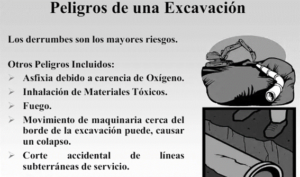
Fuente: https://www.universidadviu.com/
Un trabajador estaba utilizando una motosierra para recortar los extremos de los separadores utilizados para separar las capas de madera en la preparación para el secado en un horno. Estaba trabajando solo, aunque había otros trabajadores cerca. No llevaba ropa de protección y la motosierra que utilizaba no tenía protector de cadena ni dispositivo anti-retroceso.
Al parecer, uno de los separadores que estaba cortando estaba suelto en la pila y la sierra retrocedió golpeándole en el lado derecho del cuello. Una profunda laceración en el cuello hasta la profundidad de la médula espinal le causó la muerte.
Las motosierras fueron en su día una herramienta utilizada únicamente por los leñadores profesionales, pero ahora se calcula que el 90% de las motosierras se venden fuera de la industria maderera.
Una motosierra debe tratarse como un arma cargada. Los transeúntes deben mantener siempre una distancia de seguridad con el operario. Y el operario debe protegerse como si estuviera en guerra.
Aunque cualquier motosierra puede ser mortífera, demasiados usuarios las manejan de forma descuidada.
Muchos propietarios ni siquiera leen los consejos de seguridad de los manuales del operador, y con demasiada frecuencia, cuando se revende una motosierra, el manual no va con ella. La mayoría de las motosierras de hoy en día incorporan varios dispositivos de seguridad que, cuando funcionan correctamente, proporcionan una buena medida de seguridad para el operario.
Algunos propietarios de motosierras no utilizan el equipo de protección personal. Incluso quitan los dispositivos de seguridad porque creen que “estorban”. Con demasiada frecuencia, lo único que estorba es alguna parte de su cuerpo.
Todas las personas que utilicen motosierras, tanto dentro como fuera del trabajo, deberían aprovechar los programas de capacitación y los cursos de seguridad.
What’s wrong in this picture?
When felling and crosscutting, you may want to bore the guide bar into the trunk. There is a kickback risk if you saw carelessly with the guide bar’s kickback zone directly facing the trunk. You can avoid the greatest kickback risk simply by never putting the nose of the guide bar directly against the wood. The bore cutting technique, however, requires sawing with the nose of the guide bar. If using this technique, make sure you understand how to perform it properly and in a safe way.
Improper chainsaw use can lead to serious injury and even death. Each year, hospital emergency rooms see approximately 30,000 catastrophic injuries from chainsaws. The most frequent chainsaw injuries occur to the left leg and the back of the left hand. These injuries are usually related to kickback and losing control of the saw.
Plan your cut so you know exactly where the saw’s bar will exit the log. As the old timers used to say: It’s not where you start the cut that counts—it’s where you finish. That is, you don’t want to sweep right through the log, out the other side, and into your leg or foot.
Sharpen the teeth and keep the chain lubricated and under proper tension for the best and safest cuts.
Within an agricultural context, drought is a prolonged period of deficient precipitation which results in negative impacts on crop growth or yield. An increasingly warming climate is expected to intensify the frequency and severity of drought in the near future. Identifying key physiological limitations to productivity under drought and mechanisms of crop tolerance to water deficit stress will be important for improving yield stability.
Many farmers are changing their crops to less water intensive plants, drought resistant crops, or leaving their lands fallow. With this shift, causing needed changes in cultivation and harvesting, farmers must conduct hazard analysis to update safety procedures for equipment, tools, and chemicals related to new crops and processes.
New crops may require changing implements on your farming equipment. Make sure to:
Changes to hand cultivating, treatment, and crop harvest techniques requires that you:
Changing water conditions can also require changes to irrigation systems.
Address chemical safety if you change pesticides, fertilizer, or other additives with your new crop.
Consider other field safety issues that might change with your crop. Update procedures and train employees on:
Before giving up on existing crops, examine your current crops for silage potential. For example, corn may be the best forage alternative available.
Existing crops as alternative forages
Summer-seeded crops. These generally should be seeded by July 15, but only if moisture is available for germination and emergence. Crops include:
Alternative cash crops. If you planted cash crops, such as wheat or corn, but drought is causing problems, you may decide to replant. Some good alternatives are buckwheat and millet, which can be planted in July. These are very short season crops and both are high in fiber. Consider whether you have a market to sell these two crops or whether you can feed them to livestock.
REDUCE THE RISK OF DROUGHT STRESS: The only sure method to avoid drought-stressed crops is to use irrigation. However, other management practices can help reduce the risk of drought stress.
Early planting. By planting early, you increase the chance of having pollination completed before the driest part of the season.
Optimum fertilization. Proper fertilization will promote healthy plant growth and efficient moisture utilization, essential for high yields in normal and dry years.
Adequate weed control. Weeds compete with crop plants for water, so controlling weeds will provide more soil moisture for the crop.
Residue management. By maintaining a cover of residue through conservation tillage or no-till, you can reduce the amount of evaporation from the soil surface and conserve water for the crop’s use.
In these days of worldwide climatic changes, farmers are forced to make dramatic changes in farming operations. Due to drought conditions, farmers are reduced to change their crops to fewer intensive plants, drought resistant crops, or leave their lands fallow.
¿QUÉ ES LA SEQUÍA?
En un contexto agrícola, la sequía es un período prolongado de precipitaciones deficientes que tiene un impacto negativo en el crecimiento o el rendimiento de los cultivos. Se prevé que un clima cada vez más cálido intensifique pronto la frecuencia y la gravedad de la sequía. La identificación de las principales limitaciones fisiológicas a la productividad bajo sequía y los mecanismos de tolerancia de los cultivos al estrés por déficit hídrico serán importantes para mejorar la estabilidad del rendimiento.
LOS EFECTOS DE LA SEQUÍA
Muchos agricultores están cambiando sus cultivos por otros menos intensivos en agua, por cultivos resistentes a la sequía o por dejar sus tierras en barbecho. Con este cambio, que provoca cambios necesarios en el cultivo y la cosecha, los agricultores deben realizar análisis de riesgos para actualizar los procedimientos de seguridad de los equipos, las herramientas y los productos químicos relacionados con los nuevos cultivos y procesos.
FACTORES DE CAMBIO DE CULTIVOS
Los nuevos cultivos pueden requerir el cambio de implementos en su equipo agrícola. Asegúrese de:
Los cambios en las técnicas de cultivo manual, tratamiento y recolección de cosechas requieren que usted
Los cambios en las condiciones del agua también pueden requerir cambios en los sistemas de riego.
Aborde la seguridad química si cambia de pesticidas, fertilizantes u otros aditivos con su nuevo cultivo.
Considere otras cuestiones de seguridad en el campo que puedan cambiar con su cultivo. Actualice los procedimientos y capacite a los empleados:
CULTIVOS ALTERNATIVOS
Antes de renunciar a los cultivos existentes, examine el potencial de ensilado de sus cultivos actuales. Por ejemplo, el maíz puede ser la mejor alternativa forrajera disponible.
Cultivos existentes como forrajes alternativos
Cultivos de siembra de verano. Por lo general, deben sembrarse antes del 15 de julio, pero sólo si hay humedad disponible para la germinación y la emergencia. Los cultivos incluyen:
Cultivos comerciales alternativos. Si ha plantado cultivos comerciales, como el trigo o el maíz, pero la sequía está causando problemas, puede decidir replantar. Algunas buenas alternativas son el trigo sarraceno y el mijo, que pueden plantarse en julio. Son cultivos de temporada muy corta y ambos tienen un alto contenido en fibra. Considera si tienes un mercado para vender estos dos cultivos o si puedes alimentar al ganado con ellos.
REDUCIR EL RIESGO DE ESTRÉS POR SEQUÍA: El único método seguro para evitar los cultivos con estrés por sequía es el uso del riego. Sin embargo, otras prácticas de gestión pueden ayudar a reducir el riesgo de estrés por sequía.
Siembra temprana. Al plantar temprano, aumenta la posibilidad de que la polinización se complete antes de la parte más seca de la temporada.
Fertilización óptima. Una fertilización adecuada fomentará el crecimiento saludable de las plantas y la utilización eficiente de la humedad, esencial para obtener altos rendimientos en años normales y secos.
Control adecuado de las malas hierbas. Las malas hierbas compiten con las plantas de cultivo por el agua, por lo que el control de las malas hierbas proporcionará más humedad al suelo para el cultivo.
Gestión de los residuos. Al mantener una cubierta de residuos mediante el laboreo de conservación o la siembra directa, se puede reducir la cantidad de evaporación de la superficie del suelo y conservar el agua para el uso del cultivo.
En estos días de cambios climáticos en todo el mundo, los agricultores se ven obligados a realizar cambios drásticos en las operaciones agrícolas. Debido a las condiciones de sequía, los agricultores se ven reducidos a cambiar sus cultivos por plantas menos intensivas, cultivos resistentes a la sequía o a dejar sus tierras en barbecho.
Individuals need to identify and plan for the potential of lightning before beginning a work activity or any leisure activity during storm season. This quick course will cover the dangers of lightning and how to protect yourself. (Spanish Version)
La seguridad general es un enfoque multidisciplinario para desarrollar y garantizar el cumplimiento de los organismos reguladores, las prácticas de trabajo seguras y el mantenimiento de la salud y el bienestar de las personas contratadas en una determinada ocupación o lugar de trabajo. Las estrategias para lograr estos objetivos se centran en la prevención de lesiones a través de la identificación, prevención y control de los riesgos, la educación y la capacitación, las auditorías e inspecciones, las modificaciones de ingeniería y el cumplimiento de las normas.
Las instalaciones del taller mecánico deben mantenerse en buen estado de funcionamiento y en un entorno de trabajo y manipulación seguro por parte de todo el personal. La autodisciplina y las buenas maneras de trabajar son la clave del éxito del laboratorio y del taller. Cualquier accidente o percance puede dañar el equipo, causar lesiones o la muerte. Existen normas y directrices generales que deben seguir las personas que trabajan con dispositivos mecánicos. También hay manuales de funcionamiento y normas específicas para cada equipo mecánico que deben seguir los usuarios. Cuando maneje una máquina o un aparato mecánico, debe adoptar siempre una actitud defensiva y estar atento a la fuente de peligro.
Existen normas generales de seguridad para las personas que trabajan con dispositivos mecánicos y en situaciones potencialmente peligrosas en su lugar de trabajo.
Normas generales de seguridad
Se debe usar el siguiente EPP:
El concepto más importante que hay que recordar es que usted es responsable de su propia seguridad y de la de los demás. La mayoría de las prácticas de seguridad son de sentido común. Por desgracia, pueden olvidarse o pasarse por alto a menos que conviertas las prácticas de seguridad en un hábito o un instinto.
Some spiders occasionally find their way inside structures or buildings and can also present a risk to indoor workers including machine operators, janitors, and cashiers. Insects bites, stings cause thousands of workplace injuries. This quick course covers the dangers around working in an area where spiders may be and how to protect yourself. (Spanish version)