Dermatitis Fatality File

Ted worked as a tiler for 20 years and was skilled at his trade. But for ten years he suffered from dermatitis on his hands. His hands were red and cracked and his skin peeled. The itching and pain could be so bad that they woke him up at night. As well as the pain and embarrassment this caused, it meant long periods when he was unable to work, which created financial problems for him. The job that he enjoyed became a battle, the golf that he played in his spare time became a struggle, and his personal life lost its sparkle. At times he even felt that he had become a liability to his family and that life was no longer worth living.

He tried wearing gloves for work, but the craft nature of his job meant that he couldn’t wear them all the time. He used skin creams, but even that didn’t help.

Eventually Ted was referred to a skin specialist. He was tested and found to be allergic to the cement he used in his work and to chemicals in rubber gloves. Knowing what was causing his skin problem meant that he could start to find ways to avoid the things he was allergic to and helped him to come to terms with his condition.

Since being diagnosed, Ted has reduced his skin contact with cement as much as possible and gradually his skin has improved. His hands are still not completely clear of dermatitis, but his condition is much more manageable.

Ted is philosophical about his allergy, ‘I hope that recounting my experience will help publicise the misery caused by occupational dermatitis. Over many years I have learnt just how widespread the problem is.’ 


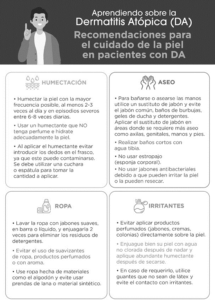
Dermatitis Infographic – Spanish

Fuente: https://www.tusaludbajocontrol.com/


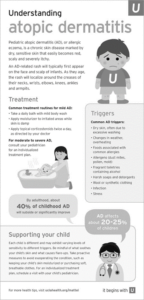
Dermatitis Infographic

Source: https://www.medicpresents.com


Demolition Safety Planning Fatality File – Spanish

Un trabajador muerto y otro herido en el derrumbe parcial de un edificio de North Vancouver 

NORTH VANCOUVER – Una persona ha muerto y otra está hospitalizada después de que un edificio en demolición en North Vancouver sufriera un fallo estructural que provocó el derrumbe de partes del edificio. Sgto.

Sgt. Peter DeVries, portavoz de la RCMP de North Vancouver, dijo que la policía recibió una llamada alrededor de las 9:45 de la mañana del miércoles de un incidente de construcción.

La RCMP de North Vancouver acudió al lugar de los hechos junto con el Departamento de Bomberos de la ciudad de North Vancouver y el Servicio de Ambulancias de B.C.

DeVries dijo que los bomberos determinaron que una persona había quedado atrapada entre los escombros durante el derrumbe y que había fallecido a consecuencia de las lesiones catastróficas.

“Los bomberos han podido determinar en gran medida que esta persona ha fallecido; sin embargo, no pueden sacar el cuerpo de los escombros porque todavía no es seguro hacerlo”, dijo, y añadió que se trata de un lugar muy peligroso.

DeVries confirmó que otra persona había resultado herida y había sido trasladada al hospital Lions Gate. Dijo que se cree que sus lesiones no ponen en peligro su vida.

Greg Shalk, jefe del Departamento de Bomberos de la ciudad de North Vancouver, dijo que se requirió la ayuda del grupo especial de búsqueda y rescate urbano pesado Can-TF1 de los Servicios de Rescate de Bomberos de Vancouver para la siguiente fase de la operación.

Shalk dijo que el trabajador que está en el hospital estaba manejando maquinaria cuando se produjo el derrumbe y fue sacado por los equipos de bomberos.

“En este momento, creemos que todos los demás han sido contabilizados”, dijo.

Los investigadores de Delitos Graves de la Policía Montada de North Vancouver se han hecho cargo de la investigación para determinar si hubo algún tipo de delito en el derrumbe.


Playing the Lottery and Workplace Injuries Meeting Kit

WINNING THE LOTTERY 

The majority of employees go to work every day thinking an injury will never happen to them. Many of these same people play the lottery from time to time when they stop at the local gas station. We do not play the lottery because we think we are going to waste those dollars trying, we play because we have the chance to win.

WHAT ARE THE ODDS OF WINNING THE LOTTERY?

More than a third of Americans believe winning the lottery is the only way they will ever retire comfortably. But the odds of winning either the Powerball or Mega Millions are roughly 1 in 292.2 million and 1 in 302.5 million, respectively.

The Powerball is arguably the most well-known lottery in the United States. Every time we buy a ticket, we dream about what we will do with the millions we will win. After all, there is a chance to win right? If you buy one ticket for the Powerball, you have a 1 in 292,201,338 chance to win according to their website. Even if you played the Powerball every week for a lifetime, the odds of winning are still extremely slim. So, if we play the lottery thinking we have the possibility to win then why do many of us think an injury at work will never occur?

WORKPLACE INJURY STATISTICS

In 2015, the Bureau of Labor Statistics reported that there were 2.9 million nonfatal workplace injuries and illnesses reported by private industry employers. That works out to 3 cases per every 100 full-time workers or 1 case for every 33 full-time workers. Obviously, a few industries experience a majority of workplace injuries and illnesses, but overall the chance of you getting hurt on the job is much greater than winning the Powerball.

THE ODDS OF DYING

What are your odds of death by a particular event? The following statistics (2008) from the National Safety Council show the odds of dying within a lifetime from certain selected causes.

  • Motor vehicle incidents: 1 in 98
  • Unintentional poisoning by exposure to noxious substances: 1 in 126
  • Falls: 1 in 163
  • Assault by firearm: 1 in 321
  • Car occupant: 1 in 368
  • Pedestrian: 1 in 701
  • Accidental drowning and submersion: 1 in 1,103
  • Exposure to smoke, fire, and flames: 1 in 1,344
  • Air and space transport incidents: 1 in 7,178
  • Exposure to electric current, radiation, temperature, and pressure: 1 in 12,420
  • Exposure to excessive natural heat: 1 in 13,217
  • Contact with hornets, wasps, and bees: 1 in 79,842
  • Lightning: 1 in 134,906
  • Bitten or struck by dog 1 in 144,899
  • Flood 1 in 558,896

Takeaway

Many of these statistics indicate the odds of dying from events that you have no control over. But when you are at work, you can greatly improve the odds for life by taking control of the work environment and ensuring employees perform the job the right way every time. Beat the odds — make the right choices when it comes to being safe at work and at home.

TOP 5 MOST COMMON WORKPLACE INJURIES AND HOW TO AVOID THEM.

1. Trips, Slips and Falls: Slips, trips, and falls account for one third of all personal injuries in the workplace. The types of injuries incurred include head, back and neck injuries, broken bones, cuts, sprains and pulled muscles.

The most common reasons for falls in the workplace are:

Slips: Occasional spills, wet or oily surfaces, weather hazards like icy steps or walkway, and loose rugs.

Trips: Poor lighting, clutter, wrinkled carpeting, or mats, uncovered cables, and uneven walking surfaces.

2. Being Struck By Or Caught In Moving Machinery: Machinery that’s not properly guarded is a safety hazard. When body parts get caught in or struck by exposed moving parts or flying objects from machines without protective guards, the results are often times disastrous. The horrifying list of machinery related injuries includes crushed hands and arms, severed fingers, blindness and even worse.

3. Vehicle Related Accidents: Where there are vehicles of any kind, there’s the potential for accidents. These include being struck or run over by a moving vehicle, falling from a vehicle, being struck by objects falling from a vehicle and getting crushed by or stuck under an overturned vehicle.

4. Fire And Explosions: Explosions and fires in the workplace are frequently caused by risk factors such as faulty gas lines, improperly stored combustible materials or open flames. The resulting injuries incurred include damage to the respiratory system, varying degrees of burns and even potential disfigurement. Explosions and fires account for 3 percent of workplace injuries and have the highest casualty rate of all probable workplace accidents.

5. Repetitive Stress and Overexertion Injuries: Musculoskeletal disorders are the costliest workplace injuries. Complaints of back pain alone cost employers more than 7 billion dollars annually and lead to more than 100 million lost workdays annually. These kinds of injuries contribute to loss of productivity and millions in annual health benefit payout costs.

Repetitive Stress Injuries (RSIs) are the fasting growing category of workplace injury and comprise more than 100 different types of job-induced injuries, and they’re severe enough to inhibit simple activities with crippling and debilitating pain. They could even eventually permanently impair a worker’s ability to perform his or her job.

OVERVIEW 

The best way to protect your employees and help prevent injuries in your workplace is to take a holistic approach to workplace safety. This means ensuring your employees have the proper protective equipment, adequate training to perform their jobs, and making sure your facility is compliant with federal and environmental regulations.

FINAL WORD

As humans we tend to overestimate the chance of good things happening to us and downplay bad things occurring in our life. While having a positive attitude and outlook on life is important, it is also important to not let it put blinders on you while dealing with the hazards of your work. Take the hazards of a work task seriously. Having the “it won’t happen to me” mindset will not protect you from an injury whether that is in the workplace or off the job.


Demolition Safety Planning Infographic

Imagen1Source: https://visual.ly


Demolition Safety Planning Infographic – Spanish

Imagen2

Fuente: https://www.construyendoseguro.com/


Preventing Equipment Damage Incidents (Construction) Meeting Kit – Spanish

QUÉ ESTÁ EN RIESGO

Prevención de incidentes por daños en los equipos (construcción) Charla sobre seguridad

El objetivo de operar con seguridad es, en primer lugar, proteger la vida y, en segundo lugar, proteger la propiedad. La industria de la construcción no sólo puede ser peligrosa para los trabajadores, sino que los incidentes de daños en los equipos pueden ser frecuentes y costosos. Cada vez que se producen daños en los equipos, no sólo hay un coste asociado, sino que también existe la posibilidad de que los operadores o el personal de tierra de la zona sufran lesiones.

CUÁL ES EL PELIGRO

Causas y tipos de accidentes de maquinaria y equipos pesados

Los accidentes de maquinaria y equipos pesados pueden ser el resultado de una lista interminable de factores. Desde un error del operador hasta defectos en el equipo y la maquinaria, si una sola cosa sale mal, las consecuencias pueden ser devastadoras. Algunos de los tipos de equipos pesados y maquinaria más comúnmente involucrados en accidentes de trabajo incluyen:

  • Retroexcavadoras y cargadoras                                                 
  • Bulldozers                        
  • Recogedoras de cerezas
  • Cosechadoras y otros equipos agrícolas             
  • Grúas                                
  • Camiones volquetes
  • Carretillas eléctricas                                                     
  • Excavadoras                       
  • Carretillas elevadoras
  • Máquinas industriales y de fábrica                               
  • Zanjadoras                            
  • Equipos y maquinaria de almacén

COMO PROTEGERSE

MEJORES PRÁCTICAS PARA PREVENIR DAÑOS EN LOS EQUIPOS

Los fallos mecánicos de los equipos, la maquinaria y las herramientas pueden implicar muchos problemas, como la desalineación de las piezas, las sobrecargas de energía, la rotura de los conjuntos de engranajes, las astillas o roturas de las piezas y la contaminación del aceite. En algunos casos, la rotura de una pieza puede causar más daños a la maquinaria y provocar su mal funcionamiento y que un trabajador resulte herido. Hay muchas razones por las que los equipos fallan y causan accidentes, entre ellas:

Desgaste. Las piezas de la maquinaria y las herramientas se desgastan con el tiempo debido a su uso constante. En algún momento, deben ser reemplazadas debido al desgaste. Cuando los empresarios no las sustituyen debido a su coste, se estropean, a veces repetidamente, si sólo se hacen pequeñas reparaciones.

Diseño o fabricación defectuosos. En algunos casos, la maquinaria, el equipo o las herramientas se diseñaron o fabricaron de forma incorrecta. Si el defecto es lo suficientemente grave, puede causar un accidente laboral catastrófico si la maquinaria funciona mal o se avería.

Falta de formación. Los trabajadores deben recibir formación sobre el uso seguro de equipos pesados, como carretillas elevadoras, bulldozers y otras máquinas y equipos pesados, antes de utilizarlos en el trabajo. Incluso los taladros, las sierras eléctricas y otras herramientas eléctricas pueden ser extremadamente peligrosas si los trabajadores las utilizan sin formación en su uso seguro. Muchos accidentes trágicos se producen cuando los empresarios no se toman en serio la seguridad de sus trabajadores y no invierten el tiempo necesario para formar adecuadamente a sus empleados.

Mantenimiento inadecuado. Los empresarios tienen la obligación de inspeccionar, reparar y sustituir la maquinaria, el equipo y las herramientas de forma regular. Desgraciadamente, muchos empresarios no lo hacen, lo que puede dar lugar a un trágico accidente laboral.

Error del operario. Muchos accidentes ocurren cuando los operadores de equipos y maquinaria cometen errores o realizan acciones negligentes. Esto puede conducir a sus propias lesiones o a las de otros, como cuando el operador de una máquina pesada golpea a un trabajador cercano.

CONSEJOS

Piense. No actúe sin pensarlo bien.

 Cómo prevenir lesiones y accidentes en una obra de construcción

Los reglamentos y protocolos de seguridad deben demostrarse y explicarse adecuadamente. Deben celebrarse reuniones periódicas con los empleados para revisar las formas de mejorar la seguridad y comprobar que se cumplen las normas.

Se pueden colocar carteles sobre las normas de seguridad y sobre lo que se debe y no se debe hacer en determinadas zonas de la obra. Algunas de las cosas adicionales que se pueden hacer son:

  • Intentar mantener un lugar de trabajo limpio y ordenado. Esto puede evitar que las personas y los equipos se lesionen.
  • Debe impartirse formación en materia de seguridad a todos los empleados, sobre todo al empezar un trabajo.
  • Tener una señalización adecuada de lo que está permitido en ciertas secciones del lugar de trabajo.

Hacer que los empleados lleven siempre el EPP adecuado cuando el trabajo lo requiera. Algunos de los tipos más comunes que deben usarse en las obras de construcción son los cascos, las gafas de seguridad, los guantes, las botas con puntera de acero, los chalecos de seguridad, la protección auditiva y los arneses.

Ponga los pasos adecuados para jugar donde se necesitan. Asegure los elementos que están en superficies altas que podrían caer y golpear a alguien o al equipo que está debajo.

Los gerentes, supervisores o quienquiera que esté a cargo deben hacer inspecciones y observaciones periódicas del trabajo que se realiza. Esto puede ayudar a garantizar que se tomen todas las medidas y precauciones adecuadas en todo momento.

El equipo debe devolverse siempre a los espacios de almacenamiento adecuados que se hayan previsto para él. Dejarlo fuera o incluso desatendido cuando no se utiliza puede dar lugar a circunstancias inseguras.

Deben tomarse las precauciones de seguridad adecuadas cuando se utilice maquinaria pesada. Los cinturones de seguridad previstos para el operador deben llevarse siempre puestos cuando la maquinaria esté en uso.

CONCLUSIÓN

Piense en los sucesos de daños en los equipos que ha experimentado en este trabajo o en trabajos anteriores. ¿En qué se parece cada incidente? ¿Qué podría haberse hecho de forma diferente para evitarlo? ¿Qué situaciones pueden surgir en este caso que podrían dar lugar a daños en el equipo pesado?


Playing the Lottery and Workplace Injuries Fallen Phrases

Imagen9

Most of employees go to work everyday thinking an injury will never happen to them. the workplace contains many inconspicuous safety hazards, which has the potential to cause accident injuries to employees.


Preventing Equipment Damage Incidents (Construction) Stats and Facts

FACTS

  • According to the U.S. Occupational Safety and Health Administration (OSHA), heavy equipment and machinery accidents are among the leading causes of serious and fatal accidents on construction sites, and safety standards governing the use of powered industrial trucks (such as forklifts) on jobsites are among those most-commonly violated by employers. 
  • Some of the most-common factors involved in heavy equipment and machinery accidents include:
  • Backing up
  • Colliding with a stationary object
  • Colliding with another piece of equipment
  • Dropped loads
  • Machinery entanglement
  • Failure to check blind spots
  • Objects falling from forklifts and other equipment
  • Pinning workers between equipment and stationary objects

STATS

    1. According to a report on the United States Department of Labor, 5,250 employees died on the job because of work-related injuries in 2018. Twenty-one percent of the fatalities were in the construction industry. 
  • Being caught in or compressed by equipment or objects is one of the top ten leading causes of workplace injuries according to the U.S. Bureau of Labor Statistics. It is responsible for 3.5 percent of disabling workplace injuries and cost the U.S. economy approximately $2.1 billion in 2012. 
  • According to OSHA, 12 of the 874 deaths in the construction industry in 2014 were caused by a worker being caught in machinery at work, and one of the most frequently cited OSHA violations involves machinery and machine guarding.


Preventing Equipment Damage Incidents (Construction) Stats and Facts – Spanish

HECHOS

  1. Según la Administración de Seguridad y Salud Ocupacional (OSHA) de EE.UU., los accidentes con maquinaria y equipos pesados se encuentran entre las principales causas de accidentes graves y mortales en las obras de construcción, y las normas de seguridad que rigen el uso de carretillas industriales motorizadas (como los montacargas) en las obras se encuentran entre las más infringidas por los empleadores. 
  2. Algunos de los factores más comunes que intervienen en los accidentes con equipos y maquinaria pesada son:
  • Retroceso
  • Colisión con un objeto inmóvil
  • Colisión con otra pieza de equipo
  • Caída de cargas
  • Enredo de la maquinaria
  • No comprobar los puntos ciegos
  • Caída de objetos desde carretillas y otros equipos
  • Atrapamiento de trabajadores entre equipos y objetos fijos

ESTADÍSTICAS

  • Según un informe del Departamento de Trabajo de los Estados Unidos, 5.250 empleados murieron en el trabajo debido a lesiones relacionadas con el trabajo en 2018. El 21% de las víctimas mortales se produjeron en el sector de la construcción. 
  • Quedar atrapado o comprimido por equipos u objetos es una de las diez principales causas de lesiones en el lugar de trabajo, según la Oficina de Estadísticas Laborales de Estados Unidos. Es responsable del 3,5% de las lesiones incapacitantes en el lugar de trabajo y costó a la economía estadounidense aproximadamente 2.100 millones de dólares en 2012. 
  • Según la OSHA, 12 de las 874 muertes que se produjeron en el sector de la construcción en 2014 se debieron a que un trabajador quedó atrapado por la maquinaria en el trabajo, y una de las infracciones de la OSHA más citadas tiene que ver con la protección de la maquinaria y las máquinas.


Playing the Lottery and Workplace Injuries Word Search – Spanish

Imagen10

Safety Now, Trabajo , Lesion, Caídas, Resbalones, Explosiones, Presión, Aplastamiento, Quemaduras, Tóxicos, Sustancias , Fuego, Repetitivo, Estrés, Sobreesfuerzo.


Preventing Equipment Damage Incidents (Construction) Fatality File

On Nov. 16, 2016, Nissan North America sent 46-year-old maintenance technician Dennis Pinkston to investigate an equipment breakdown. Pinkston, along with the rest of the maintenance crew at the company’s Smyrna, Tenn. plant, discovered the roller drive motor for an elevator, which is designed to move car seat pallets from one conveyor system to another, was not working.

They removed some machine guarding and set to work. However, when checking whether the elevator correctly was functioning, the crew neglected to place the machine guarding back where it had been, according to Tennessee OSHA. 

OSHA described the following actions that led to Dennis Pinkston’s death:

“After replacing the drive motor, the employee was testing the lift table. He leaned into an opening to look under the lift table as the table was being raised. He was struck by a counterbalance weight that was descending as the lift table was elevated. A guard for the opening had been removed for the repair and not replaced to cover the opening before the lift table was activated.”

Pinkston was struck in the back of the head.  The counterweight, which weighed 1,275 lbs. pushed his head downward, where his head was caught between the weight and the top of the metal guarding system.

Emergency services were called, and he was transported to a nearby hospital but did not survive. Pinkston had been a maintenance technician at Nissan North America since 2004 and was authorized to perform service on machines and equipment. He had received training on lockout/tagout procedures.

However, Tennessee OSHA’s subsequent investigation revealed that while lockout/tagout steps were taken, the mesh machine guard was not replaced and Pinkston was not positioned far enough away from the machinery while performing a final test.

The agency discovered that Nissan North America had failed to perform routine equipment inspections or check whether it complied with the 29 CFR 1910.147 standard which details periodic inspections. In addition, Nissan received a Repeat -Serious violation because lockout/tagout devices were not replaced once maintenance was completed. The company previously had been cited for this in 2014.

Nissan North America has 30 days to pay a total of $29,000 as a result of the incident. Despite Pinkston’s death, the company received an overall “effective” rate for its safety and health program.

“The safety and well-being of our employees is always our top priority,” the company said in a media statement. “We dedicate extensive time and resources to safety programs and training at the plant. Nissan is working through TOSHA’s established process to contest these citations and bring this matter to a close. We also continue to work on determining what can be done to prevent future occurrences.”

“I was mad at first, but once I read the report — I mean the way the reports wrote and all that, it’s obviously just an accident,” Pinkston’s brother told local TV outlet WSMV 4 in an interview. “It’s an accident that could’ve been avoided if the guard had been put back in place. After reading that, that’s going to bother me for a long time. It could’ve very well been avoided.”


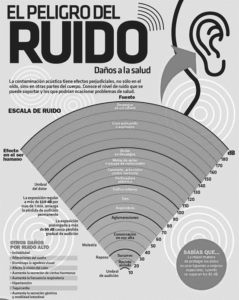
Noise and Hearing Protection Infographic

Source: https://eave.io


Front-end Tractor Attachments Infographic – Spanish

Imagen2

Fuente: https://www.fraternidad.com


Cryptococcus Gattii Yeast or Fungus Fatality File

Fungus infection kills 2 B.C. men 

Two Vancouver Island men have died this summer from Cryptococcus gattii, a tropical fungal infection that was first reported in B.C. seven years ago, say health officials.

Vancouver Island Health Authority spokeswoman Karen Heimlich said 16 to 23 cases are reported annually on Vancouver Island, with one to three people dying of it each year. The fungus is found in trees and soil.

While there is no vaccine to prevent infection, she says it is treatable with antifungal medication.

The spores have been found all the way from Port Renfrew on the southwest coast of the Island to Campbell River on the northeast coast. Some cases have also been reported on the Lower Mainland.

Heimlich said many people in the area have been exposed to the yeast-like spores, but adds that the chances of becoming ill are very low.

She notes that frail, elderly people, and people with compromised immune systems are most at risk from the fungus. The symptoms are similar to those of pneumonia or meningitis, including:

  • A cough lasting weeks or month.
  • Sharp chest pain.
  • Unexplained shortness of breath.
  • Severe headache.
  • Fever.
  • Night sweats.
  • Weight loss.

Heimlich reiterates that there is no cause for panic, as most residents of southwestern B.C. will never get sick from Cryptococcus gattii, and if they do, it’s treatable. 


Use of Personal Protective Equipment Fatality File

Troy Bridgeman worked for Hammond Power Solutions on Southgate Drive. 

The company had recently introduced a rule requiring everyone on the shop floor to wear safety glasses. It is a standard policy in most manufacturing facilities today, but back then it was met with some resistance. People argued the glasses were uncomfortable and unflattering and that wearing them all the time, even when they weren’t brazing or doing some other potentially eye-threatening activity, was unnecessary. 

The safety manager took his job seriously and looked for ways to make the workplace safer.

He called a meeting with all the employees to address their concerns and shared a story.

He told us that he wore safety glasses whenever he did yard work around his home and that he had taken a lot of ribbing from his neighbor because of it.

One day, he was mowing his lawn and, sure enough, his neighbor started making fun of his glasses. He tried to ignore him and carried on mowing the lawn until he heard his neighbor groan in agony. The blade from the lawnmower struck a stone, shattering it and sending shards in all directions. One of the fragments hit his neighbor directly in the eye and nearly blinded him.

The manager told the story with grave seriousness, but something about it was funny.

Perhaps it was the inappropriateness of laughing at his neighbor’s misfortune.

The health and safety manager were not impressed and centered him out.

He finally asked him if he found something funny about the story.

“No,” he responded, summoning every bit of will power to stop laughing.

It wasn’t the first or only time his sense of humor got him in trouble

He had a large hedge separating his yard from his neighbors on both sides. Twice a year he rented an industrial hedge trimmer to cut it back. A dirty, sweaty job and it is also dangerous.

He had never worn safety glasses while cutting the hedge, but this year decided to do so. However, when he couldn’t find a pair in the house, after a short search, he carried on without them. 

Within minutes a rogue piece of shrub shrapnel hit him directly in the white of my right eye, cutting it so bad it bled.

The pain was excruciating and he feared he might have caused permanent damage. Luckily, he didn’t, but did manage to find a pair of glasses after that.

Most of his friends laughed when he told them the story and asked why he wasn’t wearing safety glasses.

He is embarrassed to admit it took 20 years and the threat of losing an eye to learn that valuable lesson. 


Front-end Tractor Attachments Fatality File – Spanish

Un trabajador muere bajo una cargadora frontal 

Probablemente Tom nunca supo lo que le golpeó, y Dean, que conducía la cargadora frontal, no sabía que acababa de atropellar y matar a un compañero de trabajo.

Tom, de 31 años, trabajaba en una obra donde se reciclaba asfalto y hormigón. El trabajo de Dean consistía en recoger el material sin triturar y subir por una rampa de tierra donde lo volcaba en la trituradora. A continuación, bajaba la rampa, atravesaba la obra y recogía más material.

La investigación 

Los investigadores descubrieron que la cargadora estaba equipada con una alarma sonora de retroceso, pero no funcionaba en el momento del incidente.

Dean acababa de terminar de verter el material en la trituradora. Retrocedió por la rampa y siguió conduciendo hacia atrás por el lugar de trabajo. Sabía que Tom estaba en las inmediaciones, pero no sabía que estaba caminando cerca de la cargadora. Mientras retrocedía por la obra, sintió que el neumático delantero golpeaba algo. De repente, Dean vio a Tom tirado en el suelo delante de la cargadora.

Los investigadores se enteraron de que, antes del incidente, la alarma de retroceso había funcionado mal (emitía un sonido constante en lugar de uno intermitente). Dean dijo que posteriormente desactivó el dispositivo de advertencia cortando el cable de la alarma.

Tras la muerte de Tom se hicieron las siguientes recomendaciones

Los equipos móviles deben estar equipados con un dispositivo de advertencia audible de reserva, así como con unidades de detección para detectar a los trabajadores que se encuentren en puntos ciegos.

El equipo debe mantenerse siempre en buenas condiciones de funcionamiento. Si el equipo necesita ser reparado, debe ser retirado del servicio hasta que sea reparado.

Los equipos móviles deben conducirse hacia delante en la medida de lo posible. Cuando el equipo se conduce marcha atrás, los transeúntes corren mayor riesgo de ser atropellados.


Noise and Hearing Protection Infographic – Spanish

Fuente: https://prevencionar.com.mx


Front-end Tractor Attachments Infographic

Imagen1

Source: https://www.slideserve.com


Cryptococcus Gattii Yeast or Fungus Meeting Kit

WHAT IS CRYPTOCOCCUS GATTII YEAST OR FUNGUS?

Cryptococcus gattii (C. gattii) is a fungus that can cause a disease called cryptococcosis. Cryptococcosis usually affects the lungs or the central nervous system (the brain and spinal cord), but it can also affect other parts of the body. Brain infections caused by C. gattii and other types of Cryptococcus are called cryptococcal meningitis. C. gattii lives in soil and on certain trees, primarily in tropical and subtropical regions across the world. People can become infected with C. gattii after breathing in the microscopic fungus from the environment.

SYMPTOMS FROM C. GATTII 

In the lungs: A C. gattii infection in the lungs can cause a pneumonia-like illness. The symptoms are often similar to those of many other illnesses, and can include:

  • Cough
  • Shortness of breath
  • Chest pain
  • Fever

In the Brain (Cryptococcal Meningitis): Cryptococcal meningitis is an infection caused by C. gattii and other types of Cryptococcus after it spreads from the lungs to the brain, but patients can have a brain infection without a lung infection. The symptoms of cryptococcal meningitis include:

  • Headache
  • Confusion or changes in behavior
  • Fever
  • Neck pain
  • Nausea and vomiting
  • Sensitivity to light

Symptoms from C. gattii infection can take between two to fourteen months to appear after exposure. Infection may cause a pneumonia-like illness, with shortness of breath, coughing, nausea, and fever. Another common form of C. gattii infection is central nervous system infection, such as meningoencephalitis. Symptoms may include fever, headache, or a change in mental status. 

WHO GETS C. GATTII INFECTIONS? Anyone can be infected with C. gattii if they’ve been in an area where the fungus lives in the environment. However, in different parts of the world, different characteristics may make some people more likely to get C. gattii infections than others. C. gattii infections are thought to be more common among:

  • People who are otherwise healthy,
  • Males, and
  • Aboriginal peoples

IS C. GATTII INFECTION CONTAGIOUS? – No. The infection can’t spread between people, or between people and animals.

CAN PETS GET C. GATTII INFECTIONS? – Yes. Pets can get C. gattii infections, but it is very rare. The infection cannot spread between animals and people. The symptoms of C. gattii infection in pets such as cats and dogs are similar to the symptoms in humans.

HOW TO PREVENT C. GATTII INFECTION: There are no formal recommendations to prevent C. gattii infection. Most people breathe in small amounts of many fungi every day but never become sick. If you have symptoms that you think may be caused by C. gattii, you should see a healthcare provider as soon as possible.

C. GATTII INFECTIONS TREATMENT: People who have C. gattii infection need to take prescription antifungal medication for at least 6 months, often longer. The type of treatment usually depends on the severity of the infection and the parts of the body that are affected.

  • For people who have asymptomatic infections or mild-to-moderate pulmonary infections, the treatment is usually fluconazole.
  • For people who have severe lung infections or infections in the central nervous system (brain and spinal cord), the recommended initial treatment is liposomal amphotericin B in combination with flucytosine. After initial antifungal therapy, patients usually need to take fluconazole for an extended time to clear the infection. Some people will need lumbar punctures to get rid of increased pressure in the brain. Some people will also need corticosteroids.

CRYPTOCOCCUS GATTII EXPOSURE FOR OUTSIDE WORKERS 

Workers who spend time outdoors in wooded areas may be exposed to Cryptococcus gattii (C. gattii), a microscopic fungus that releases spores which may be inhaled and cause an infection called cryptococcal disease.

C. gattii grows on leaves and soil in forested areas, primarily in the Greater Vancouver area, in the Fraser Valley, and on central and southern Vancouver Island. Activities that disturb the fungus — such as walking through wooded areas, clearing trees, and pruning or chipping trees where C. gattii is growing — may release spores into the air. Inhalation of these spores can result in cryptococcal disease, which may include symptoms such as headaches, fever, vomiting, weight loss, shortness of breath, prolonged cough, and pneumonia. In more severe cases, the fungus can potentially travel through the bloodstream to the central nervous system, resulting in a more serious disease, such as meningitis, or even death.

INDUSTRIES AT RISK

  • Forestry
  • Agriculture
  • Park, campground, or trail maintenance
  • Landscaping, lawn, or garden maintenance
  • Weed control

C. GATTII TAKEAWAYS 

  • C. gattii infections are rare
  • If you are a smoker, you can decrease your risk of infection by quitting smoking. There are no other particular precautions that can be taken to avoid Cryptococcus gattii infection. 
  • Cryptococcus gattii infection is not easy to diagnose because the disease is rare, the combination of symptoms can be unusual, and symptoms can be mild and last a long time before a patient seeks medical attention. 
  • People are advised to see their doctor if they experience symptoms if the symptoms persist or are severe. People should remind their doctor that they live in or visited an area where the fungus can be found.
  • Doctors can request tests for patients who show symptoms. They can test for Cryptococcus in blood, lung or spinal fluid samples.

FINAL WORD

Cryptococcus gattii has not been a household word but that is changing. Affects to the nervous system, specifically cryptococcal meningitis are especially noteworthy. Surveillance is empowering public health authorities to monitor trends in the number of C. gatti cases. 


Cryptococcus Gattii Yeast or Fungus Stats and Facts – Spanish

HECHOS

  1. La infección por C gattii puede producirse no sólo en las regiones tropicales y subtropicales, sino también en otros entornos geográficos. 
  2. C. gattii puede afectar tanto a individuos inmunocompetentes como inmunodeprimidos y dar lugar a una importante infección fúngica sistémica, principalmente en los pulmones y el SNC. 
  3. Las infecciones por C. gattii son poco frecuentes. En todo el mundo, muchos de los casos notificados de infecciones por C. gattii se han producido en Norteamérica, Australia y Sudamérica. 
  4. La infección está causada por la inhalación del hongo Cryptococcus. No se transmite de persona a persona ni de animal a persona. Una persona con criptococosis no es contagiosa.
  5. Si se presentan síntomas, la enfermedad puede causar neumonía, meningitis, nódulos en los pulmones o el cerebro, o infección de la piel. 
  6. La infección, la criptococosis, afecta primero a los pulmones, ya que se adquiere por la inhalación de esporas de hongos. En ausencia de terapia, y a veces a pesar de ella, la infección se extiende rápidamente al cerebro y otros órganos, con consecuencias a menudo fatales. Durante este brote en EE.UU., alrededor de un tercio de las personas que contraen la enfermedad sucumben a ella. Los infectados tienen que someterse a una terapia de medicamentos antifúngicos que puede durar meses. Pero esos fármacos a menudo no consiguen frenar la enfermedad, lo que obliga a muchos a optar por la cirugía.

ESTADÍSTICAS

  • En los estudios publicados en Australia, Papúa Nueva Guinea, la Columbia Británica (Canadá) y el noroeste del Pacífico estadounidense, la tasa de mortalidad entre los pacientes con infecciones por C. gattii oscila entre el 13% y el 33%. La diferencia en el porcentaje de personas que mueren en las distintas zonas geográficas se debe probablemente a las diferencias en las características de los pacientes, las diferencias en la forma de tratarlos y el tiempo de seguimiento de los pacientes.
  • Las personas enferman de criptococosis y alrededor del 16% mueren a causa de la enfermedad. Las personas mayores de 50 años, las que toman esteroides orales, los fumadores, las que padecen enfermedades pulmonares crónicas y las que padecen afecciones inmunodeficientes (por ejemplo, infección por VIH, cáncer, trasplante de órganos) tienen un mayor riesgo de enfermar.
  • En algunos casos, puede producirse una diseminación a través del torrente sanguíneo, más comúnmente al sistema nervioso central (SNC), con una diseminación ocasional a otros órganos como la piel, el ojo y la próstata. Las manifestaciones predominantes de la infección por C. gattii afectan a los pulmones en el clima tropical de Australia (66% de carácter pulmonar), así como en el clima templado de la isla de Vancouver y sus alrededores (75% de carácter pulmonar).


Cryptococcus Gattii Yeast or Fungus Fatality File – Spanish

Una infección fúngica mata a dos hombres de la Columbia Británica 

Dos hombres de la isla de Vancouver han muerto este verano a causa del Cryptococcus gattii, una infección fúngica tropical de la que se informó por primera vez en B.C. hace siete años, según las autoridades sanitarias.

La portavoz de la Autoridad Sanitaria de la Isla de Vancouver, Karen Heimlich, dijo que cada año se registran entre 16 y 23 casos en la Isla de Vancouver, y que cada año mueren entre una y tres personas. El hongo se encuentra en los árboles y el suelo.

Aunque no existe una vacuna para prevenir la infección, dice que se puede tratar con medicamentos antifúngicos.

Las esporas se han encontrado desde Port Renfrew, en la costa suroeste de la isla, hasta Campbell River, en la costa noreste. También se han registrado algunos casos en Lower Mainland.

Heimlich dijo que muchas personas de la zona han estado expuestas a las esporas similares al moho, pero añade que las posibilidades de enfermar son muy bajas.

Señala que las personas frágiles, los ancianos y las personas con el sistema inmunitario comprometido son las que corren más riesgo de contraer el hongo. Los síntomas son similares a los de la neumonía o la meningitis, e incluyen

  • Tos que dura semanas o un mes.
  • Dolor agudo en el pecho.
  • Falta de aire inexplicable.
  • Dolor de cabeza intenso.
  • Fiebre.
  • Sudores nocturnos.
  • Pérdida de peso.

Heimlich reitera que no hay motivo para el pánico, ya que la mayoría de los residentes del suroeste de la Columbia Británica nunca enfermarán de Cryptococcus gattii, y si lo hacen, es tratable.


Cryptococcus Gattii Yeast or Fungus Infographic

Source: https://www.cidara.com/wp-content/uploads/2019/06/Cidara-IFI-Infogr-12.pdf


Cryptococcus Gattii Yeast or Fungus Infographic – Spanish

Fuente: https://www.lavanguardia.com/