Baling and Compacting Work Fatality File

Case 1

A 16-year-old male produce market worker died as a result of crushing injuries from a baling machine used to compress waste cardboard boxes for disposal and recycling. The victim, working alone in the basement of a small produce market, was crushing and baling cardboard boxes when he was caught in the hydraulic ram. An investigation of the incident by the police found that the baler was being operated improperly, with the loading chamber door open and the door safety interlocks bypassed with a wad of paper. When the victim was found, it appeared that he had been starting a new bale. The wire had been threaded through the compression chamber and secured to the outside of the compactor, and a flattened box was in place in the base of the compactor chamber. The victim may have leaned over into the compression chamber trying to quickly adjust a tie wire or the base box when he was caught by the ram as it moved downward.

Case 2

A 24-year-old male machine operator died from crushing injuries after he fell into a baling machine used to compress and bale waste cardboard for recycling. The victim worked alone loading, compressing, and moving completed bales to a storage area. The victim was last seen around 5 p.m. during a break. Between 5:30 and 7 p.m., the victim may have climbed up the outside walls of the conveyor to dislodge a piece of cardboard that was jamming the conveyor belt — an act he had been observed performing in the past. Workers reported that occasionally cardboard would become lodged in the top part of the hopper just under the conveyor (an area that measures 28 by 8 inches), causing the hopper to jam. During this action, the victim may have lost his balance and fallen into the compression chamber, thereby tripping the automatic sensor that indicated that the chamber was full and caused the baler to cycle. 


Baling and Compacting Work Fatality File – Spanish

Caso 1

Un trabajador del mercado de productos agrícolas, de 16 años de edad, murió a consecuencia de las lesiones por aplastamiento producidas por una máquina de embalar utilizada para comprimir cajas de cartón de desecho para su eliminación y reciclaje. La víctima, que trabajaba sola en el sótano de un pequeño mercado de productos, estaba aplastando y enfardando cajas de cartón cuando quedó atrapado en el ariete hidráulico. La policía investigó el incidente y descubrió que la empacadora se utilizaba de forma incorrecta, con la puerta de la cámara de carga abierta y los dispositivos de seguridad de la puerta puenteados con un fajo de papel. Cuando se encontró a la víctima, parecía que había estado iniciando una nueva paca. El cable había sido enhebrado a través de la cámara de compresión y asegurado al exterior del compactador, y una caja aplastada estaba en la base de la cámara del compactador. Es posible que la víctima se haya inclinado hacia la cámara de compresión tratando de ajustar rápidamente un alambre de atado o la caja de la base cuando fue atrapado por el ariete mientras se movía hacia abajo.

Caso 2

Un operario de máquinas de 24 años murió a causa de lesiones por aplastamiento después de que se cayera dentro de una máquina empacadora utilizada para comprimir y empacar cartón de desecho para su reciclaje. La víctima trabajaba sola cargando, comprimiendo y trasladando las balas terminadas a una zona de almacenamiento. La víctima fue vista por última vez sobre las 17:00 horas durante un descanso. Entre las 17:30 y las 19:00 horas, la víctima podría haber trepado por las paredes exteriores de la cinta transportadora para desprender un trozo de cartón que estaba atascado en la cinta, un acto que se le había observado en el pasado. Los trabajadores informaron de que ocasionalmente los cartones se atascaban en la parte superior de la tolva, justo debajo de la cinta transportadora (una zona que mide 28 por 8 pulgadas), lo que provocaba el atasco de la tolva. Durante esta acción, la víctima puede haber perdido el equilibrio y haber caído en la cámara de compresión, disparando así el sensor automático que indicaba que la cámara estaba llena y haciendo que la empacadora se pusiera en marcha.


Are You Prepared For An Emergency Stats and Facts

FACTS

1. Unexpected emergencies occur every day in many facilities. It might be a fire, flood, earthquake, shooting, tornado, or hazardous chemical spill. If you don’t know what to do during an emergency the odds increase that you or others around you will be injured or killed.

2. Emergencies you may encounter include:

  • Severe weather, such as heavy wind, flooding, tornados, or hurricanes
  • Utility outages
  • Fires
  • Explosions
  • Widespread infection
  • Hazardous materials
  • Earthquakes
  • Workplace violence
  • Terrorism

3. Any of these examples can injure or kill you, but if you know what to do in an emergency you increase your odds of making it through the situation safely. 

STATS

  • According to a recent report released by the CDC, nearly 1 in 5 Americans make a trip to the emergency room each year. Canadians are among the most frequent users of emergency departments in the world, with an average of 17 million visits a year.  
  • In 2017, 59,985 weather – related events resulted in 592 deaths and 4,270 injuries. Flash floods, tropical storms and heat waves resulted in the most deaths in 2017.
  • Nearby 60% of American adults have not practiced what to do in a disaster by participating in a disaster drill or preparedness exercises at work, school, or home.
  • Only 39% percent of respondents have developed an emergency plan and discussed it with their household despite the fact that 80% of people surveyed live in places that have been hit with weather related disaster.


Are You Prepared For An Emergency Stats and Facts – Spanish

HECHOS

1. Todos los días se producen emergencias inesperadas en muchas instalaciones. Puede tratarse de un incendio, una inundación, un terremoto, un tiroteo, un tornado o un derrame de sustancias químicas peligrosas. Si no sabe qué hacer durante una emergencia, aumentan las probabilidades de que usted u otras personas de su entorno resulten heridas o mueran.

2. Las emergencias que puede encontrar incluyen:

  • Tiempo severo, como vientos fuertes, inundaciones, tornados o huracanes
  • Cortes de los servicios básicos
  • Incendios
  • Explosiones
  • Infección generalizada
  • Materiales peligrosos
  • Terremotos
  • Violencia en el lugar de trabajo
  • Terrorismo

3. Cualquiera de estos ejemplos puede herirte o matarte, pero si sabes qué hacer en una emergencia aumentas tus probabilidades de superar la situación de forma segura.

ESTADÍSTICAS

  • Según un reciente informe publicado por los Centros para el Control y la Prevención de Enfermedades (CDC), casi uno de cada cinco estadounidenses acude a urgencias cada año. Los canadienses se encuentran entre los usuarios más frecuentes de los servicios de urgencias del mundo, con una media de 17 millones de visitas al año.  
  • En 2017, 59.985 eventos relacionados con el clima provocaron 592 muertes y 4.270 lesiones. Las inundaciones repentinas, las tormentas tropicales y las olas de calor fueron las que provocaron más muertes en 2017.
  • Cerca del 60% de los adultos estadounidenses no han practicado qué hacer en caso de desastre participando en un simulacro de desastre o en ejercicios de preparación en el trabajo, la escuela o el hogar.
  • Sólo el 39% de los encuestados ha desarrollado un plan de emergencia y lo ha discutido con su hogar, a pesar de que el 80% de las personas encuestadas viven en lugares que han sufrido desastres relacionados con el clima.


Are You Prepared For An Emergency Fatality File

City forestry worker killed responding to downed tree after Tropical Storm Irma 

COLUMBIA, SC (WIS) – The City of Columbia says one of their own was one of the people who died responding to a downed tree in the aftermath of Tropical Storm Irma.

According to city officials, Assistant Superintendent Arthur D. Strudwick was killed in a car accident on Monday night. According to the Columbia Police Department, Strudwick struck a tree after his car ran off the side of Farrow Road.

Strudwick worked with the Forestry and Beautification Division of the Public Works Department.

“Arthur was a wonderful employee who always maintained a positive attitude and cooperative spirit,” City Manager Teresa Wilson said in a statement. “He will be missed by his co-workers and colleagues at the City of Columbia. Everyone is deeply saddened by this devastating loss. Grief counselors are assisting staff.”

Due to Arthur’s death, flags at city buildings will be flown at half-staff. 


Are You Prepared For An Emergency Fatality File – Spanish

Trabajador forestal de la ciudad murió respondiendo a un árbol derribado después de la tormenta tropical Irma 

COLUMBIA, SC (WIS) – La ciudad de Columbia dice que uno de los suyos fue una de las personas que murieron respondiendo a un árbol derribado tras la tormenta tropical Irma.

Según los funcionarios de la ciudad, el Superintendente Asistente Arthur D. Strudwick murió en un accidente de vehículo el lunes por la noche. Según el Departamento de Policía de Columbia, Strudwick chocó con un árbol después de que su vehículo se saliera de la carretera de Farrow.

Strudwick trabajaba en la División de Forestación y Embellecimiento del Departamento de Obras Públicas.

“Arthur era un empleado maravilloso que siempre mantuvo una actitud positiva y un espíritu de cooperación”, dijo la administradora de la ciudad, Teresa Wilson, en un comunicado. “Sus compañeros de trabajo y colegas de la ciudad de Columbia le echarán de menos. Todo el mundo está profundamente entristecido por esta devastadora pérdida. Los consejeros de duelo están asistiendo al personal”.

Debido a la muerte de Arthur, las banderas de los edificios de la ciudad ondearán a media asta.


Are You Prepared For An Emergency Picture This – Spanish

Fuente: https://charlasdeseguridad.com


Are You Prepared For An Emergency Picture This

Source: https://infographicworld.com


Band Saw Safety Meeting Kit

INTRODUCTION 

Band saws use a powered and rotating continuous metal blade to make even and precise cuts on metal, wood, and other objects. Because the moving blade has cutting teeth, serious injury and even death can occur if you use a band saw incorrectly.

BAND SAW SAFETY RULES

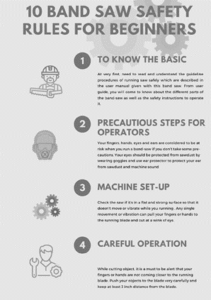
  1. Be Familiar with Basic Band Saw Safety: Before starting work with a band-saw, the first step is to read and understand the procedures for running it safely. Whether it be vertical band saw, horizontal or battery powered band saw, you should always read the user manual and understand safe work practices prior to beginning the task. 
  2. PPE and Safety Precautions for Operators: Your fingers, hands, eyes and ears are considered to be at risk when operating a bandsaw. Wear goggles to protect your eyes from sawdust and flying debris. Use ear protection to protect from excessive noise. Avoid wearing loose-fitting or long-sleeve clothes. Tie back long hair to ensure it doesn’t get caught in the blade.  
  3. Machine Setup: Ensure the bandsaw is set on a flat and stable surface to minimize movement and vibrations during use. Excessive movement can result in a cut accident in the blink of an eye. 
  4. Careful Operation: While operating the bandsaw, maintain a minimum of 3 inches distance between your hand/fingers and the blade at all times. Never lean too close to the saw while cutting, and power the machine off while cleaning the work surface. 
  5. Blade Maintenance: Change the blade on the bandsaw often. Worn blades can snap without warning during use, creating a serious safety hazard for an operator’s eyes, hands and fingers. 

BEST BAND SAW SAFETY PRACTICES 

  • Make sure all guards are in place and properly adjusted.
  • Make sure all band wheels are enclosed.
  • Make sure the wheels and blade are in good condition.
  • Make sure the blade is positioned properly on the track.
  • Adjust blade guard height to about 3 mm or 1/8 inch to 6mm or 1/4 inch above the top of the material being cut. Wider gaps will place tension on the blade and increase the risk of breaking.
  • Ensure the blade is tracking correctly and runs freely in and against the upper and lower guide rollers.
  • Ensure the blade is under proper tension. 
  • Hold stock firmly to prevent the stock from turning and drawing your fingers against the blade.
  • Use a push stick when you remove cut pieces from between the fence and saw blade or when your hands are close to the blade. Keep your hands on either side of the blade 
  • Make release (relief) cuts before tight curves when doing intricate scroll-type work.
  • If you need to stop cutting, hold the material firmly and shut down the saw. 
  • Keep the floor around a band saw clean and free of obstructions or clutter.
  • Keep the machine properly oiled and serviced.
  • Provide adequate lighting at the machine table.
  • If maintaining or making repairs, use lockout procedures where necessary.
  • Always turn the bandsaw off after use. 

FINAL WORD

Band saws use a powered and rotating metal blade to make even and precise cuts on metal, wood, and other objects. Serious injuries and death can occur if a band saw is used incorrectly. 


Band Saw Safety Meeting Kit – Spanish

QUÉ ESTÁ EN RIESGO

INTRODUCCIÓN 

Las sierras de cinta utilizan una hoja metálica continúa accionada y giratoria para realizar cortes uniformes y precisos en metal, madera y otros objetos. 

CUÁL ES EL PELIGRO

Debido a que la hoja móvil tiene dientes cortantes, pueden producirse lesiones graves e incluso la muerte si se utiliza una sierra de cinta de forma incorrecta.

COMO PROTEGERSE

REGLAS DE SEGURIDAD DE LA SIERRA DE CINTA

  1. Familiarícese con la seguridad básica de la sierra de cinta: Antes de comenzar a trabajar con una sierra de cinta, el primer paso es leer y comprender los procedimientos para hacerla funcionar con seguridad. Tanto si se trata de una sierra de cinta vertical como de una horizontal o de una sierra de cinta con batería, siempre debe leer el manual del usuario y comprender las prácticas de trabajo seguras antes de comenzar la tarea. 
  2. EPP y precauciones de seguridad para los operadores: Sus dedos, manos, ojos y oídos se consideran de riesgo al operar una sierra de cinta. Utilice gafas para proteger sus ojos del serrín y de los restos que salgan despedidos. Utilice protección para los oídos para protegerse del ruido excesivo. Evite llevar ropa holgada o de manga larga. Recoja el pelo largo para que no se enganche en la hoja.  
  3. Configuración de la máquina: Asegúrese de que la sierra de cinta está colocada sobre una superficie plana y estable para minimizar el movimiento y las vibraciones durante su uso. Un movimiento excesivo puede provocar un accidente por corte en un abrir y cerrar de ojos. 
  4. Operación cuidadosa: Mientras opera la sierra de cinta, mantenga un mínimo de 3 pulgadas de distancia entre su mano/dedos y la hoja en todo momento. Nunca se incline demasiado cerca de la sierra mientras corta, y apague la máquina mientras limpia la superficie de trabajo. 
  5. Mantenimiento de la hoja: Cambie la hoja de la sierra de cinta con frecuencia. Las cuchillas desgastadas pueden romperse sin previo aviso durante el uso, creando un grave peligro para los ojos, las manos y los dedos del operario.

MEJORES PRÁCTICAS DE SEGURIDAD DE LA SIERRA DE CINTA 

  • Asegúrese de que todas las protecciones están colocadas y ajustadas correctamente.
  • Asegúrese de que todas las ruedas de la cinta están cerradas.
  • Asegúrese de que las ruedas y la hoja están en buenas condiciones.
  • Asegúrese de que la hoja de sierra está colocada correctamente en el carril.
  • Ajuste la altura del protector de la cuchilla a unos 3 mm o 1/8 de pulgada a 6 mm o 1/4 de pulgada por encima de la parte superior del material que se está cortando. Los espacios más amplios pondrán tensión en la cuchilla y aumentarán el riesgo de rotura.
  • Asegúrese de que la cuchilla se desplaza correctamente y corre libremente dentro y contra los rodillos guía superior e inferior.
  • Asegúrese de que la cuchilla está bajo la tensión adecuada. 
  • Sujete el material con firmeza para evitar que el material gire y atraiga sus dedos contra la cuchilla.
  • Utilice un bastón de empuje cuando retire las piezas cortadas de entre la guía y la hoja de sierra o cuando sus manos estén cerca de la hoja. Mantenga las manos a ambos lados de la hoja 
  • Realice cortes de liberación (en relieve) antes de las curvas cerradas cuando realice trabajos intrincados de tipo pergamino.
  • Si necesita dejar de cortar, sujete el material con firmeza y apague la sierra. 
  • Mantenga el suelo alrededor de la sierra de cinta limpio y libre de obstáculos o desorden.
  • Mantenga la máquina correctamente engrasada y revisada.
  • Proporcione una iluminación adecuada en la mesa de la máquina.
  • Si realiza tareas de mantenimiento o reparaciones, utilice procedimientos de bloqueo cuando sea necesario.
  • Apague siempre la sierra de cinta después de utilizarla.

CONCLUSIÓN

Las sierras de cinta utilizan una hoja metálica motorizada y giratoria para realizar cortes uniformes y precisos en metal, madera y otros objetos. El uso incorrecto de una sierra de cinta puede provocar lesiones graves e incluso la muerte.


Baling and Compacting Work Picture This

BALING-AND-COMPACTING-WORK-picture-this

Source: https://globaltrashsolutions.com/blog/balers-vs-compactors/


Baling and Compacting Work Picture This – Spanish

BALING-AND-COMPACTING-WORK-Spanish

Fuente: https://www.elcolombiano.com/


Band Saw Safety Stats and Facts

FACTS

  1. A bandsaw can be hazardous when improperly used. Incidents could include electric shock, fire, or personal injury.
  2. Band saws use a powered and rotating continuous metal blade to make even and precise cuts on metal, wood, and other objects. Because the moving blade has cutting teeth, serious injury and even death can occur if you use a band saw incorrectly.
  3. Band saws may cause the following: 
  • Cuts and amputations
  • Musculoskeletal injuries 
  • Muscular pain and discomfort
  • Physical and mental fatigue.
  • Eye irritation or damage, breathing problems, lung damage, cancer and worsening of existing health conditions.
  • Contact dermatitis, breathing problems, illness and can worsen existing health problems.
  • Can contribute to noise-induced hearing loss.

STATS

  • A retrospective survey of 1002 woodworkers established that the band saw accounted for 6% of injuries and 2% of 366 amputation incidents; 37% of all injuries were finger amputations and 52% of the injuries involved the pulp or fingertip alone.
  • Band saw injuries represent 11.5% of all reported saw injuries.
  • Fatality and catastrophe investigation data from 1984 through 2017 indicate that 4,160 incidents occurred related to the search term saw, many of these being finger amputation injuries. 
  • The National Electronic Injury Surveillance System (NEISS) estimates that band saws are the cause of 3,550 injuries per year (Woodworkers Guild of America, 2019).
  • A separate survey of 283 woodworkers reported that 59% of respondents had been injured by powered saws and equated band saw injuries with a reported incidence of 2.6 per 1000 person-hours


Band Saw Safety Stats and Facts – Spanish

HECHOS

  1. Una sierra de cinta puede ser peligrosa si se utiliza de forma incorrecta. Los incidentes podrían incluir descargas eléctricas, incendios o lesiones personales.
  2. Las sierras de cinta utilizan una hoja metálica continúa accionada y giratoria para realizar cortes uniformes y precisos en metal, madera y otros objetos. Debido a que la hoja móvil tiene dientes cortantes, pueden producirse lesiones graves e incluso la muerte si se utiliza una sierra de cinta de forma incorrecta.
  3. Las sierras de cinta pueden causar lo siguiente: 
  • Cortes y amputaciones
  • Lesiones musculoesqueléticas 
  • Dolor y malestar muscular
  • Fatiga física y mental.
  • Irritación o daño ocular, problemas respiratorios, daño pulmonar, cáncer y empeoramiento de las condiciones de salud existentes.
  • Dermatitis de contacto, problemas respiratorios, enfermedades y puede empeorar los problemas de salud existentes.
  • Puede contribuir a la pérdida de audición inducida por el ruido.

ESTADÍSTICAS

  • Un estudio retrospectivo de 1002 trabajadores de la madera estableció que la sierra de cinta representaba el 6% de las lesiones y el 2% de los 366 incidentes de amputación; el 37% de todas las lesiones eran amputaciones de dedos y el 52% de las lesiones afectaban sólo a la pulpa o a la yema del dedo.
  • Las lesiones por sierra de cinta representan el 11,5% de todas las lesiones por sierra notificadas.
  • Los datos de investigación de muertes y catástrofes desde 1984 hasta 2017 indican que se produjeron 4.160 incidentes relacionados con la sierra de cinta, muchos de los cuales fueron lesiones por amputación de dedos. 
  • El Sistema Nacional de Vigilancia Electrónica de Lesiones (NEISS) estima que las sierras de cinta son la causa de 3.550 lesiones al año (Woodworkers Guild of America, 2019).
  • Una encuesta separada de 283 trabajadores de la madera informó de que el 59% de los encuestados se había lesionado con sierras eléctricas y equiparó las lesiones con sierras de cinta con una incidencia reportada de 2,6 por 1000 horas-persona


Band Saw Safety Fatality File

A 35-year-old right hand dominant male butcher injured his dominant hand with a meat band saw while butchering a piece of raw pork at a supermarket. He presented to the emergency department within 30 min of the injury along with the amputated portion of his index finger, which contained the radial border of both the index metacarpal and proximal phalanx, connected by an intact radial collateral ligament of the metacarpophalangeal (MCP) joint. Examination of his right hand demonstrated a clean-cut wound on the radial side of the index finger extending from the mid-portion of the first web space to a point just distal to the MCP joint, with minimal active hemorrhage.

Tetanus toxoid booster and intravenous cefazolin were administered in the emergency department, and he was taken urgently to the operating room after written informed consent was obtained. Surgical fixation of the salvaged bony fragments and radial collateral ligament allowed reconstruction of the metacarpophalangeal joint and primary skin closure yielded a cosmetically acceptable result. After a course of cefalexin and post-operative hand therapy, the patient’s MCP joint had full range of active motion from 0 to 90 degrees of flexion and was stable to varus and valgus stresses throughout the flexion arc. No cultures were taken during debridement and there was no clinical evidence of infection during post-operative follow-up. Based on his functional improvement and adequate bony healing seen on a follow-up radiograph, he returned to his full duties as a butcher 16 weeks following the injury. 


Band Saw Safety Fatality File – Spanish

Un carnicero de 35 años, de mano derecha dominante, se lesionó la mano dominante con una sierra de cinta para carne mientras descuartizaba una pieza de carne de cerdo cruda en un supermercado. Acudió al servicio de urgencias a los 30 minutos de la lesión con la parte amputada de su dedo índice, que contenía el borde radial del metacarpiano índice y la falange proximal, conectados por un ligamento colateral radial intacto de la articulación metacarpofalángica (MCP). El examen de su mano derecha demostró una herida limpia en el lado radial del dedo índice que se extendía desde la porción media del primer espacio web hasta un punto justo distal a la articulación MCP, con una mínima hemorragia activa.

Se administró un refuerzo de toxoide tetánico y cefazolina intravenosa en el servicio de urgencias, y se le trasladó urgentemente al quirófano tras obtener el consentimiento informado por escrito. La fijación quirúrgica de los fragmentos óseos recuperados y del ligamento colateral radial permitió la reconstrucción de la articulación metacarpofalángica y el cierre primario de la piel dio un resultado cosméticamente aceptable. Tras un tratamiento con cefalexina y terapia manual postoperatoria, la articulación MCP del paciente tenía una amplitud completa de movimiento activo de 0 a 90 grados de flexión y era estable a las tensiones de varo y valgo en todo el arco de flexión. No se tomaron cultivos durante el desbridamiento y no hubo evidencia clínica de infección durante el seguimiento postoperatorio. Basándose en su mejora funcional y en la adecuada cicatrización ósea observada en una radiografía de seguimiento, se reincorporó a sus tareas completas como carnicero 16 semanas después de la lesión.


Band Saw Safety Picture This

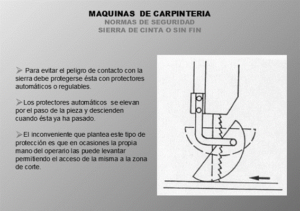
Source: https://sawmaniac.com/band-saw-safety/


Band Saw Safety Picture This – Spanish

Fuente: https://www.monografias.com/


Maintaining a Burn Free Zone

If your workforce operates in a kitchen or is involved in welding, this safety webinar is for you. Occupational burns are a serious hazard for restaurant workers and welders. We’ll review common burn hazards in both scenarios and best practices to prevent burns. Watch our all-new safety training webinar and get your roadmap to a burn-free zone.


In this webinar, you’ll learn

  • Common restaurant burn hazards
  • Common welding burn hazards
  • Burn prevention safety tips
  • Staff training essentials

Download these helpful resources for maintaining a burn free zone

Maintaining a Burn Free Zone Presentation
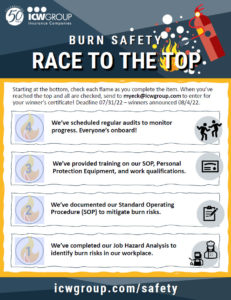
Burn Safety Race to the Top Challenge
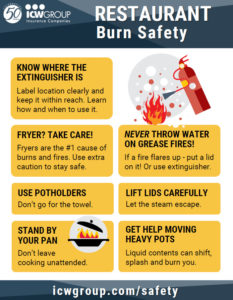
Restaurant Burn Safety
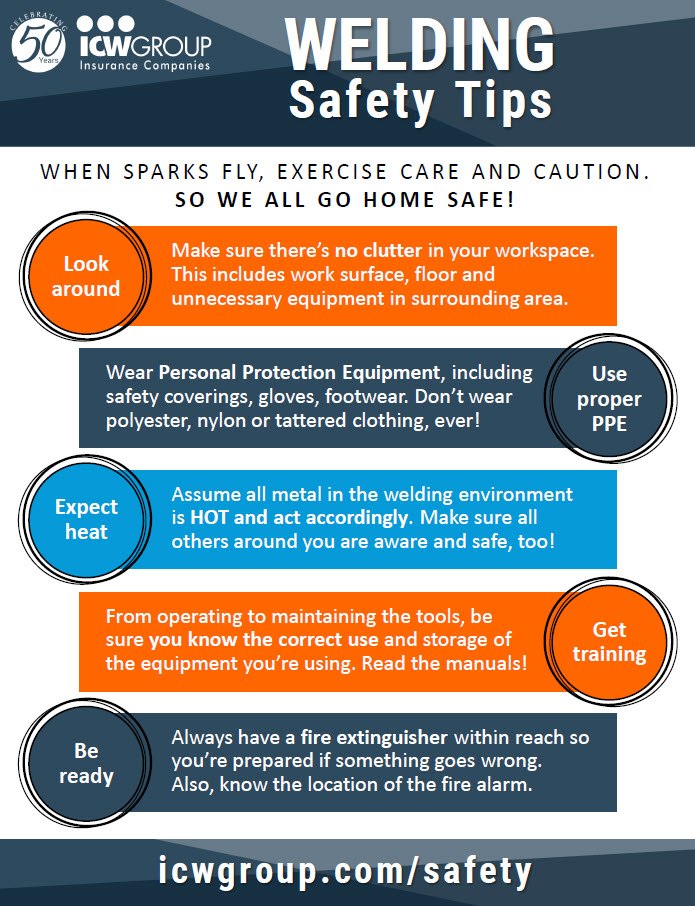
Welding Safety Tips
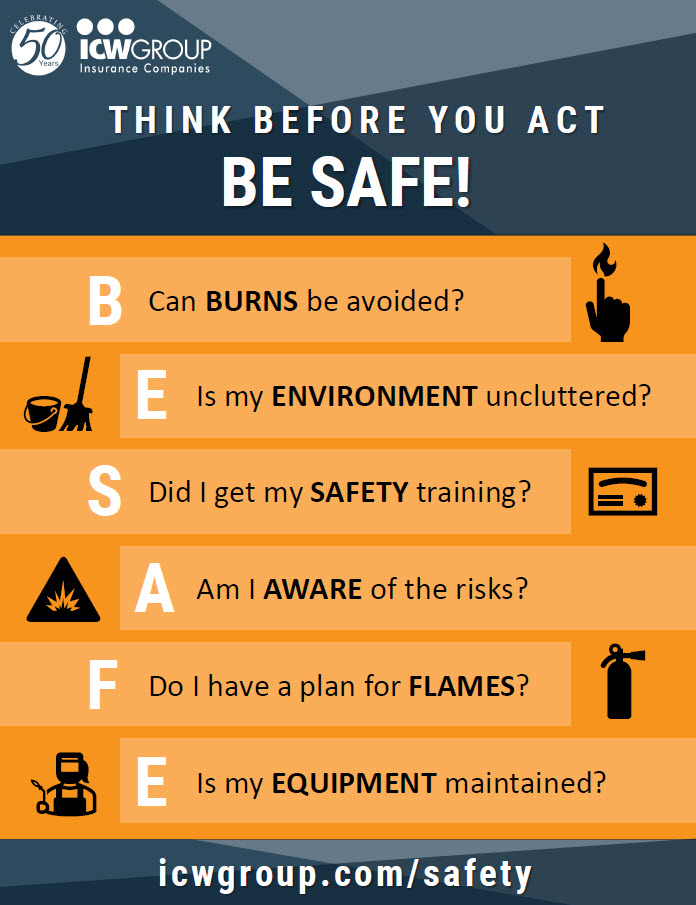
Think Before You Act
4 Questions to Ask Before You Start
Welding Best Practices
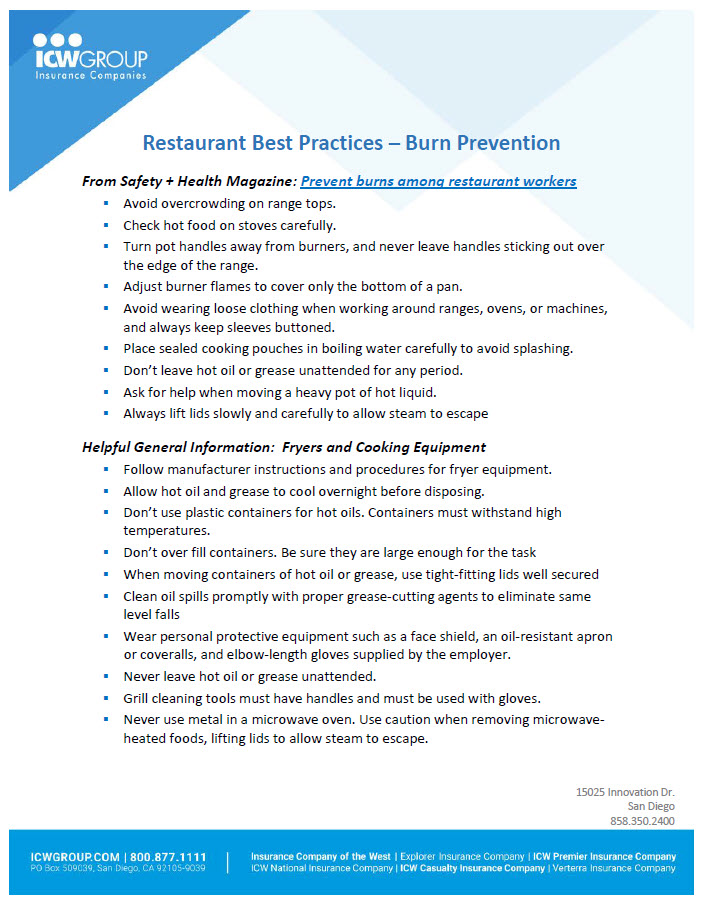
Restaurant Best Practices


Asphalt Worker Safety Picture This – Spanish

Fuente: https://asfaltoseguro.com


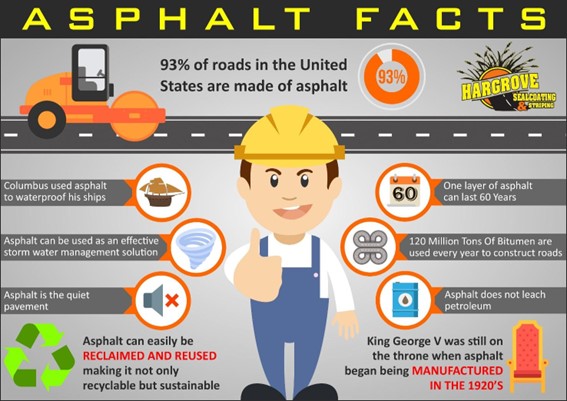
Asphalt Worker Safety Picture This

Source: https://hargrovesealcoating.com


Asphalt Worker Safety Stats and Facts

FACTS

  1. Asphalt is derived from crude oil. Exposure to asphalt fumes can cause headaches, skin rashes, sensitization, fatigue, reduced appetite, throat and eye irritation, cough, and skin cancer.
  2. Two main hazards associated with working with asphalt are fires and explosions and inhalation of the substance’s fumes.
  3. Work in the asphalt industry in the USA has been associated with increased risk of fatal industrial and/or road accidents, but not with deaths due to any other external causes (for example, suicide, road accidents, poisoning, violence).
  4. For paving operators working in the highway or road context, a common cause of accidents was being hit by paving or construction equipment, or by other vehicles that inadvertently enter the construction zone.
  5. A number of different forms of human error can lead to fatal occupational injuries for paving operators, including carelessness, fatigue, being distracted, or drugs and alcohol.  

STATS

  • Millions of tons of asphalt are produced and used in the paving and roofing industries every year, the Texas Department of Insurance Division of Workers’ Compensation notes, and more than 500,000 workers are exposed to fumes from asphalt.
  • The average fatal injury rate was 3.5 per 100,000 workers for the average job, while the rate was 46.7 per 100,000 workers for paving operators, making the profession 13 times more dangerous than the average job.
  • There are approximately 3,500 hot mix asphalt facilities in the United States and more than 7,000 paving contractors employing more than 300,000 workers.
  • Most of the asphalt in the United States is used either for paving of roads or roofing operations. According to estimates by the CDC up to 50,000 roofers are exposed to asphalt fumes every year. Other use includes insulation, damp proofing, and waterproofing.


Preventing Back Injuries Stats and Facts

FACTS

  1. Factors such as aging, obesity and poor physical condition can contribute to back pain.
  2. Back pain is one of most common reasons people see a doctor or miss days at work. 
  3. Back pain can range in intensity from a dull, constant ache to a sudden, sharp or shooting pain. It can begin suddenly as a result of an accident or by lifting something heavy, or it can develop over time as we age.
  4. Pain in the upper back is usually the result of poor posture, muscle overuse, or injury.
  5. A traumatic injury can also lead to back pain. This may be the result of situations that include:
    • car accidents
    • slip/fall
    • work accidents
    • lifting incorrectly
  1. A herniated disc can slip far enough out that it compresses the nearby nerve and cause:
    • pain in the arms or legs
    • problems in controlling urination
    • weakness or loss of control in legs 

STATS

  • More than one million back injuries are sustained in the workplace annually.
  • According to the Bureau of Labor Statistics (BLS), a back-related injury accounts for one in every five injuries and illnesses at work.
  • BLS ran a survey and discovered that 80% of these injuries were to the lower back and 75% of these happened during lifting tasks.
  • These injuries affect more than 600,000 American workers per annum, to the tune of more than $50 billion each year.
  • Experts estimate that up to 80% of the population will experience back pain at some time in their lives.
  • 54% of Americans who experience pain, spend most of their day at work sitting.
  • Up to 1/3 of back injuries could be prevented through a better designed job workspace.
  • Back injuries are the most common reason for nonattendance in the general workforce, after the common cold.
  • Low back pain is the single leading cause of disability worldwide.
  • Back injuries made up 41% of ergonomic injury cases.
  • Back disorders account for over 24% of all occupational injuries and illnesses involving days away from work.


Preventing Back Injuries Stats and Facts – Spanish

HECHOS

  1. Factores como el envejecimiento, la obesidad y la mala condición física pueden contribuir al dolor de espalda.
  2. El dolor de espalda es una de las razones más comunes por las que las personas acuden al médico o pierden días de trabajo. 
  3. El dolor de espalda puede variar en intensidad desde un dolor sordo y constante hasta un dolor repentino, agudo o punzante. Puede comenzar repentinamente debido a un accidente o por levantar algo pesado, o puede desarrollarse con el tiempo a medida que envejecemos.
  4. El dolor en la parte superior de la espalda suele ser el resultado de una mala postura, un uso excesivo de los músculos o una lesión.
  5. Una lesión traumática también puede provocar dolor de espalda. Esto puede ser el resultado de situaciones que incluyen:
    • accidentes de vehículo
    • resbalones/caídas
    • accidentes de trabajo
    • levantamiento de objetos de forma incorrecta
  1. Una hernia discal puede salirse lo suficiente como para comprimir el nervio cercano y causar
    • dolor en los brazos o las piernas
    • problemas para controlar la micción
    • debilidad o pérdida de control en las piernas

ESTADÍSTICAS

  • Cada año se producen más de un millón de lesiones de espalda en el lugar de trabajo.
  • Según la Oficina de Estadísticas Laborales (BLS), las lesiones relacionadas con la espalda representan una de cada cinco lesiones y enfermedades en el trabajo.
  • La BLS realizó una encuesta y descubrió que el 80% de esas lesiones se producían en la zona lumbar y que el 75% de ellas se producían al levantar objetos.
  • Estas lesiones afectan a más de 600.000 trabajadores estadounidenses al año, con un coste de más de 50.000 millones de dólares anuales.
  • Los expertos estiman que hasta el 80% de la población experimentará dolor de espalda en algún momento de su vida.
  • El 54% de los estadounidenses que experimentan dolor, pasan la mayor parte del día en el trabajo sentados.
  • Hasta 1/3 de las lesiones de espalda podrían evitarse con un espacio de trabajo mejor diseñado.
  • Las lesiones de espalda son el motivo más común de inasistencia en la población activa en general, después del resfriado común.
  • El dolor lumbar es la principal causa de discapacidad en todo el mundo.
  • Las lesiones de espalda representan el 41% de los casos de lesiones ergonómicas.
  • Los trastornos de espalda representan más del 24% de todas las lesiones y enfermedades profesionales que implican días de ausencia del trabajo.


Pinch Points and Hand Injuries Meeting Kit

INTRODUCTION

We use out hands for virtually all work tasks that we do. Because of how often we use our hands, they are often in the line of fire where they can be injured. Hand injuries are the second leading type of injury on the job in the United States. Pinch points are a leading cause of both minor and serious injuries to the fingers and hands.

A pinch point is any point at which it is possible for a person or part of a person’s body to be caught between a stationary object and moving object or between moving parts or objects. A pinch point not only can cause injury to a limb or body part, but can cause a person to become trapped or pinched between the two objects.  An example of a pinch point that everyone can probably relate to is shutting your finger or hand in a door.

Body parts can become caught between moving parts, moving or stationary machine parts, moving parts and materials, between materials or equipment when moving them, slamming fingers or hands in doors, pinching fingers or hand with equipment that has sliding parts or hinges, machines such as presses and rollers, and tools. Pinch points commonly impact the fingers or hands, but can include any area of the body. Injuries resulting from pinch points can be minor, such as contusions or blisters, or more serious, such as amputation or even death.

COMMON CAUSES OF INJURIES FROM PINCH POINTS INCLUDE:

  • Not keeping your eyes on the task at hand or not paying attention.
  • Working or walking in areas with mobile equipment and fixed structures.
  • Using tools for purposes other than their intended use.
  • Placing body parts into moving equipment or machinery.
  • Improper handling of materials or suspended loads.
  • Defective equipment or not using guards.

PROTECTIVE MEASURES INCLUDE:

  • Verify all guards are in place and effective.
  • Identify all potential pinch points before starting work.
  • Always make sure mobile equipment operators know you are in the area. Never put yourself in a position between mobile equipment and a stationary object.
  • When performing lockout tagout verify the equipment is deenergized before starting work.
  • Stay alert and keep your eyes on the task you are performing. Always know where your body parts are.
  • Review operating manuals and work procedures before starting work, these may identify potential pinch points.
  • Heavy duty gloves may help protect against certain types of pinch points.

SAFETY CONTROLS FOR PINCH POINTS

  • Machine guarding: Verify all guarding is in place and effective
  • Personal Protective Equipment: Heavy-duty gloves, metacarpal guards, forearm guards, etc. Do not wear gloves around rotating machinery
  • Pre-work inspection: Identify potential pinch points before starting work
  • Stay in employee designated areas: Always make sure mobile equipment operators know your location
  • Lockout/Tagout: Always verify the equipment is de-energized before starting any maintenance work
  • Alertness: Drowsiness leads to inattentive work habits and shortcuts
  • Operating manuals and work procedures: Always review these before starting work; pinch points may also be identified in these documents.

SAFETY TIPS TO AVOID PINCH POINT INJURIES

Follow the dress code – Wearing the right kind of clothing when working in areas where pinch injuries can occur is critically important. Pant legs and shirt sleeves shouldn’t be too long or too loose. Shirts should be tucked into the pants to reduce the risk of them getting caught in moving machinery.

Leave the jewelry home – All jewelry should be removed, especially dangling earrings, necklaces, and rings.

Tuck away long hair – Long hair should be tied back, and braids and ponytails should be kept at the back of the head and secured. Hair falling forward or down toward the machinery could get caught in its pinch points.

Wear your safety gear – The right personal protective gear for the job should be kept on at all times. Make sure safety gloves fit properly to avoid getting them caught (consult this sizing chart to make sure you get the right size).

Conduct a pre-inspection – Inspect machinery for any potential hazards before anyone operates it. Make a safety plan and follow through with it during the entire time the machine is in operation.

Stay alert and focused – Anyone operating equipment should stay totally focused on the job at hand and keep their eyes focused on the moving parts. Minimize distractions in the work environment as much as possible.

Use machine guards – Make sure that the right guard has been installed on the equipment and make sure that it is fitted properly. If you notice missing or damaged safety guards during your pre-inspection, don’t put the machinery into operation.

Know how to deal with a jam – Make sure you learn how to safely deal with the machine if it becomes jammed. Before you clean or fix jammed equipment, make sure it has been turned off and come to a complete stop. Familiarize yourself with the lockout/Tagout procedures.

Look beyond the machinery – Pinch points aren’t just found in industrial equipment. Machinery pinch points can cause serious injuries, but so can a stack of heavy items. Even getting your hand or foot jammed in the door might cause enough damage to require medical attention.

FINAL WORD

When it comes to working or operating machinery with rotating parts, pinch point safety is imperative. In the work environment, pinch points are used to explain situations where hand tools, machines, and various conditions place body parts or a worker’s entire body at risk.