Preventing Equipment Damage Incidents (Construction) Fatality File

On Nov. 16, 2016, Nissan North America sent 46-year-old maintenance technician Dennis Pinkston to investigate an equipment breakdown. Pinkston, along with the rest of the maintenance crew at the company’s Smyrna, Tenn. plant, discovered the roller drive motor for an elevator, which is designed to move car seat pallets from one conveyor system to another, was not working.

They removed some machine guarding and set to work. However, when checking whether the elevator correctly was functioning, the crew neglected to place the machine guarding back where it had been, according to Tennessee OSHA. 

OSHA described the following actions that led to Dennis Pinkston’s death:

“After replacing the drive motor, the employee was testing the lift table. He leaned into an opening to look under the lift table as the table was being raised. He was struck by a counterbalance weight that was descending as the lift table was elevated. A guard for the opening had been removed for the repair and not replaced to cover the opening before the lift table was activated.”

Pinkston was struck in the back of the head.  The counterweight, which weighed 1,275 lbs. pushed his head downward, where his head was caught between the weight and the top of the metal guarding system.

Emergency services were called, and he was transported to a nearby hospital but did not survive. Pinkston had been a maintenance technician at Nissan North America since 2004 and was authorized to perform service on machines and equipment. He had received training on lockout/tagout procedures.

However, Tennessee OSHA’s subsequent investigation revealed that while lockout/tagout steps were taken, the mesh machine guard was not replaced and Pinkston was not positioned far enough away from the machinery while performing a final test.

The agency discovered that Nissan North America had failed to perform routine equipment inspections or check whether it complied with the 29 CFR 1910.147 standard which details periodic inspections. In addition, Nissan received a Repeat -Serious violation because lockout/tagout devices were not replaced once maintenance was completed. The company previously had been cited for this in 2014.

Nissan North America has 30 days to pay a total of $29,000 as a result of the incident. Despite Pinkston’s death, the company received an overall “effective” rate for its safety and health program.

“The safety and well-being of our employees is always our top priority,” the company said in a media statement. “We dedicate extensive time and resources to safety programs and training at the plant. Nissan is working through TOSHA’s established process to contest these citations and bring this matter to a close. We also continue to work on determining what can be done to prevent future occurrences.”

“I was mad at first, but once I read the report — I mean the way the reports wrote and all that, it’s obviously just an accident,” Pinkston’s brother told local TV outlet WSMV 4 in an interview. “It’s an accident that could’ve been avoided if the guard had been put back in place. After reading that, that’s going to bother me for a long time. It could’ve very well been avoided.”


Preventing Equipment Damage Incidents (Construction) Fatality File – Spanish

El 16 de noviembre de 2016, Nissan North America envió a Dennis Pinkston, técnico de mantenimiento de 46 años, a investigar una avería en un equipo. Pinkston, junto con el resto del equipo de mantenimiento de la planta de la empresa en Smyrna (Tennessee), descubrió que el motor de accionamiento de los rodillos de un elevador, diseñado para trasladar los palés de los asientos de los coches de un sistema de transporte a otro, no funcionaba.

Retiraron algunas protecciones de la máquina y se pusieron a trabajar. Sin embargo, al comprobar si el elevador funcionaba correctamente, el equipo no colocó la protección de la máquina donde estaba, según la OSHA de Tennessee. 

La OSHA describió las siguientes acciones que condujeron a la muerte de Dennis Pinkston:

“Tras sustituir el motor de accionamiento, el empleado estaba probando la mesa elevadora. Se inclinó hacia una abertura para mirar debajo de la mesa elevadora mientras ésta se elevaba. Fue golpeado por un peso de contrapeso que descendía mientras la mesa elevadora se elevaba. Se había retirado un protector de la abertura para la reparación y no se había vuelto a colocar para cubrir la abertura antes de que se activara la mesa elevadora”.

Pinkston fue golpeado en la parte posterior de la cabeza.  El contrapeso, que pesaba 1.275 libras, le empujó hacia abajo, donde su cabeza quedó atrapada entre el peso y la parte superior del sistema de protección metálica.

Se llamó a los servicios de emergencia y se le trasladó a un hospital cercano, pero no sobrevivió. Pinkston era técnico de mantenimiento en Nissan North America desde 2004 y estaba autorizado a realizar tareas de mantenimiento en máquinas y equipos. Había recibido formación sobre procedimientos de bloqueo y etiquetado.

Sin embargo, la investigación posterior de la OSHA de Tennessee reveló que, aunque se tomaron medidas de bloqueo y etiquetado, no se sustituyó la malla de protección de la máquina y Pinkston no se colocó lo suficientemente lejos de la maquinaria mientras realizaba una prueba final.

La agencia descubrió que Nissan North America no había realizado inspecciones rutinarias de los equipos ni había comprobado si cumplía la norma 29 CFR 1910.147, que detalla las inspecciones periódicas. Además, Nissan recibió una infracción repetida y grave porque no se sustituyeron los dispositivos de bloqueo y etiquetado una vez finalizado el mantenimiento. La empresa ya había sido citada por esto en 2014.

Nissan North America tiene 30 días para pagar un total de 29.000 dólares como resultado del incidente. A pesar de la muerte de Pinkston, la empresa recibió un índice general de “efectivo” por su programa de seguridad y salud.

“La seguridad y el bienestar de nuestros empleados es siempre nuestra máxima prioridad”, dijo la empresa en un comunicado de prensa. “Dedicamos mucho tiempo y recursos a los programas de seguridad y a la formación en la planta. Nissan está trabajando a través del proceso establecido por TOSHA para impugnar estas citaciones y poner fin a este asunto. También seguimos trabajando para determinar lo que se puede hacer para prevenir futuras ocurrencias.”

“Al principio me enfadé, pero una vez que leí el informe -me refiero a la forma en que se redactaron los informes y todo eso-, obviamente es sólo un accidente”, dijo el hermano de Pinkston al medio de televisión local WSMV 4 en una entrevista. “Es un accidente que podría haberse evitado si el guardia se hubiera puesto en su lugar. Después de leer eso, me va a molestar durante mucho tiempo. Podría haberse evitado perfectamente”.


Use of Personal Protective Equipment Meeting Kit

PERSONAL PROTECTIVE EQUIPMENT 

Personal protective equipment, commonly referred to as “PPE”, is equipment worn to minimize exposure to hazards that cause serious workplace injuries and illnesses. These injuries and illnesses may result from contact with chemical, radiological, physical, electrical, mechanical, or other workplace hazards. Personal protective equipment may include items such as gloves, safety glasses and shoes, earplugs or muffs, hard hats, respirators, or coveralls, vests and full body suits. 

ENSURE PROPER USE OF PERSONAL PROTECTIVE EQUIPMENT

All personal protective equipment should be safely designed and constructed, and should be maintained in a clean and reliable fashion. It should fit comfortably, encouraging worker use. If the personal protective equipment does not fit properly, it can be the difference between being safely covered or dangerously exposed. When engineering, work practice, and administrative controls are not feasible or do not provide sufficient protection, employers must provide personal protective equipment to their workers and ensure its proper use. 

TRAINING – EMPLOYERS MUST: 

  • Have training with “hands on” instruction in the fit, use and maintenance of assigned PPE.
  • Understand the limitations of the PPE and know what to do in the event of exposure or device failure (e.g. how to use emergency showers, eyewash stations, and first aid).
  • Understand when to discard/replace PPE (e.g. end of shift, every hour).
  • Report any missing or defective devices to the supervisor.

WHY IS PPE IMPORTANT? – THE LAST LINE OF DEFENSE 

In the hierarchy of risk control, PPE is considered to rank lowest and represent the option of last resort. It is only appropriate where the hazard in question cannot be totally removed or controlled in such a way that harm is unlikely. 

  • PPE protects only the person using it, whereas measures controlling the risk at source can protect everyone at the workplace;
  • Theoretical maximum levels of protection are seldom achieved using PPE, and the real level of protection is difficult to assess (due to factors such as poor fit, or failure to wear it when required). Effective protection can only be achieved by equipment which is correctly fitted, maintained and properly used at all times;
  • PPE may restrict the wearer by limiting mobility, visibility or by requiring additional weight to be carried.
  • Use of PPE may alter employees’ perception of the hazards they are dealing with.
  • In this context of a last resort control measure, PPE is critically important as it is generally only used where other measures are insufficient and as such it plays a crucial role in preventing and reducing many occupational fatalities, injuries and diseases.

SELECTING, USING, AND MAINTAINING PPE

Employers are responsible for selecting, providing and fitting appropriate PPE for the hazardous exposures in the workplace. Consult the Material Safety Data Sheet (MSDS) for advice. Consider how the materials will be used, the quantity used, and the types and duration of exposure. Ensure that there will be an adequate margin of protection in case of a spill or other emergency.

DANGERS OF EMPLOYEE REFUSAL TO WEAR PPE

An employee’s refusal to wear PPE may be cause for discipline, particularly if the refusal creates a risk of infection for other employees at the workplace. However, each case should be considered on its own facts and with a view to the individual employee’s situation.

FINAL WORD

Personal protective equipment (PPE) is equipment or clothing worn to minimize exposure to hazards in the workplace. PPE does not remove or reduce workplace hazards, it only reduces the risk of exposure to the hazard. And most importantly, PPE only works if you use it!


Use of Personal Protective Equipment Meeting Kit – Spanish

QUÉ ESTÁ EN RIESGO

EQUIPO DE PROTECCIÓN PERSONAL 

Los equipos de protección personal, comúnmente denominados ” EPP “, son equipos que se utilizan para minimizar la exposición a los peligros que causan lesiones y enfermedades graves en el lugar de trabajo. Estas lesiones y enfermedades pueden deberse al contacto con productos químicos, radiológicos, físicos, eléctricos, mecánicos u otros peligros en el lugar de trabajo. El equipo de protección personal puede incluir elementos como guantes, gafas y zapatos de seguridad, tapones para los oídos u orejeras, cascos, respiradores o monos, chalecos y trajes integrales.

CUÁL ES EL PELIGRO

GARANTIZAR EL USO ADECUADO DEL EQUIPO DE PROTECCIÓN PERSONAL

Todos los equipos de protección individual deben estar diseñados y construidos de forma segura, y deben mantenerse de forma limpia y fiable. Debe ajustarse cómodamente, fomentando el uso por parte del trabajador. Si el equipo de protección personal no se ajusta correctamente, puede suponer la diferencia entre estar cubierto de forma segura o expuesto de forma peligrosa. Cuando la ingeniería, las prácticas de trabajo y los controles administrativos no son factibles o no proporcionan suficiente protección, los empleadores deben proporcionar equipos de protección personal a sus trabajadores y garantizar su uso adecuado. 

COMO PROTEGERSE

CAPACITACIÓN – LOS EMPLEADORES DEBEN 

  • Recibir capacitación con instrucción “práctica” sobre el ajuste, el uso y el mantenimiento del EPP asignado.
  • Comprender las limitaciones del EPP y saber qué hacer en caso de exposición o fallo del dispositivo (por ejemplo, cómo utilizar las duchas de emergencia, las estaciones de lavado de ojos y los primeros auxilios).
  • Entender cuándo hay que desechar/reemplazar el EPP (por ejemplo, al final del turno, cada hora).
  • Informar al supervisor de cualquier dispositivo que falte o esté defectuoso.

¿POR QUÉ ES IMPORTANTE EL EPP? – LA ÚLTIMA LÍNEA DE DEFENSA 

En la jerarquía de control de riesgos, se considera que el EPP ocupa el lugar más bajo y representa la opción de último recurso. Sólo es apropiado cuando el peligro en cuestión no puede eliminarse totalmente o controlarse de manera que el daño sea improbable. 

  • El EPP sólo protege a la persona que lo utiliza, mientras que las medidas que controlan el riesgo en su origen pueden proteger a todas las personas en el lugar de trabajo;
  • Los niveles máximos teóricos de protección rara vez se alcanzan con los EPP, y el nivel real de protección es difícil de evaluar (debido a factores como un mal ajuste o el hecho de no llevarlo cuando es necesario). La protección eficaz sólo puede lograrse con equipos que se ajusten correctamente, se mantengan y se utilicen adecuadamente en todo momento;
  • El EPP puede restringir al usuario limitando la movilidad, la visibilidad o exigiendo un peso adicional.
  • El uso de EPP puede alterar la percepción de los empleados sobre los peligros a los que se enfrentan.
  • En este contexto de medida de control de último recurso, el EPP tiene una importancia crítica, ya que generalmente sólo se utiliza cuando otras medidas son insuficientes y, como tal, desempeña un papel crucial en la prevención y reducción de muchas muertes, lesiones y enfermedades profesionales.

SELECCIÓN, USO Y MANTENIMIENTO DE LOS EPP

Los empleadores son responsables de la selección, el suministro y la colocación de los EPP adecuados para las exposiciones peligrosas en el lugar de trabajo. Consulte la hoja de datos de seguridad de los materiales (MSDS) para obtener asesoramiento. Considere cómo se utilizarán los materiales, la cantidad utilizada y los tipos y la duración de la exposición. Asegúrese de que habrá un margen adecuado de protección en caso de derrame u otra emergencia.

PELIGROS DEL EMPLEADO QUE SE NIEGA A USAR EPP

El rechazo de un empleado a llevar EPP puede ser motivo de sanción, sobre todo si la negativa crea un riesgo de infección para otros empleados en el lugar de trabajo. Sin embargo, cada caso debe considerarse según sus propios hechos y teniendo en cuenta la situación individual del empleado.

PROTECCIÓN ESPECÍFICA DEL EPP

Ojos

  • Gafas de seguridad, lentes de protección, pantallas faciales, protectores faciales, visores.

Cabeza y Cuello 

  • Algunos cascos de seguridad incorporan o pueden equiparse con protecciones oculares o auditivas especialmente diseñadas.

Oídos  

  • Tapones para los oídos, orejeras, tapones semi-insertos/canales

Manos y brazos

  • Guantes, guantes con puño, guanteletes y manguitos que cubren parte o la totalidad del brazo.

Pies y piernas 

  • El calzado puede tener una variedad de patrones de suela y materiales para ayudar a evitar resbalones en diferentes condiciones, incluyendo suelas resistentes al aceite o a los productos químicos. También puede ser antiestático, conductor de la electricidad o aislante térmico.

Equipos de protección respiratoria (EPR) 

  • Algunos equipos de protección respiratoria se basan en la filtración de contaminantes del aire del lugar de trabajo. Entre ellos se encuentran las mascarillas y los respiradores de filtrado simple y los asistidos por energía.
  • Asegúrese de que se ajustan correctamente, por ejemplo, en el caso de los respiradores ajustados (mascarillas filtrantes, medias máscaras y máscaras completas).
  • También hay tipos de aparatos respiratorios que proporcionan un suministro independiente de aire respirable, por ejemplo, manguera de aire fresco, línea de aire comprimido y aparatos respiratorios autónomos.

Cuerpo entero 

  • Monos convencionales o desechables, trajes de caldera, delantales, trajes químicos

CONCLUSIÓN

El equipo de protección personal (EPP) es el equipo o la ropa que se utiliza para minimizar la exposición a los peligros en el lugar de trabajo. El EPP no elimina ni reduce los peligros del lugar de trabajo; sólo reduce el riesgo de exposición al peligro. Y lo que es más importante, el EPP sólo funciona si se utiliza.


Crane Safety – Safety Precautions for Working Near Overhead Pow Infographic – Spanish

Imagen2

Fuente: https://www.gruasyequiposgarcia.com/


Crane Safety – Safety Precautions for Working Near Overhead Pow Infographic

Imagen1

Source: https://blogs.cdc.gov/niosh-science-blog/2021/04/12/lift-zone-safety/


Use of Personal Protective Equipment Stats and Facts

FACTS

  1. Some hazards may be controlled by eliminating them at the source through engineering and administrative controls, but personal protective equipment (PPE) is a crucial safety precaution often used in combination with other controls. 
  2. When controls can’t eliminate hazards, personal protective equipment (PPE) can provide acceptable protection within its capabilities and limitations. It’s important to remember that PPE doesn’t eliminate hazards; it just minimizes exposure. 
  3. PPE should be viewed as the “last line of defense” in protecting you from workplace hazards. 

STATS

  • According to the U.S. Bureau of Labor Statistics, hard hats were worn by only 16% of workers who sustained head injuries, although 2/5th’s were required to wear them for certain tasks at specific locations. Only 1% of approximately 770 workers who suffered face injuries were wearing face protection. 23% of the workers with foot injuries wore safety shoes or boots. About 40% of the workers with eye injuries wore eye protective equipment. 
  • About 60% of workers use PPE during work. Main reasons for non-use are discomfort, lack of knowledge on how to use it and poor fit. Occupational accidents in the last 12 months were reported by 64.3% of workers. 
  • Each day, an estimated 2,000 workers suffer eye injuries on the job, and costs employers and insurance companies millions of dollars a year. These injuries incur more than $924 million annually in workers’ compensation, and nearly $4 billion in wage and productivity losses, according to the U.S. Bureau of Labor Statistics (BLS). 90 percent of all workplace eye injuries are preventable with the use of proper eyewear and safety measures.


Use of Personal Protective Equipment Stats and Facts – Spanish

HECHOS

  1. En algunos casos, el EPP es el único control para determinados riesgos. Los equipos de protección individual (EPP) son prendas y equipos que protegen diversas partes del cuerpo contra los peligros a los que se puede estar expuesto en el trabajo.
  2. Los daños pueden producirse en el cuerpo de varias maneras, como, por ejemplo, por problemas respiratorios, por ingestión accidental y por lo que se absorbe o inyecta en la piel. Un EPP adecuado puede proporcionar protección.
  3. Algunos peligros pueden controlarse eliminándolos en su origen mediante controles administrativos y de ingeniería, pero el equipo de protección personal (EPP) es una precaución de seguridad crucial que a menudo se utiliza en combinación con otros controles. 
  4. Cuando los controles no pueden eliminar los peligros, los equipos de protección personal (EPP) pueden proporcionar una protección aceptable dentro de sus capacidades y limitaciones. Es importante recordar que el EPP no elimina los peligros; sólo minimiza la exposición. 
  5. El EPP debe considerarse como la “última línea de defensa” para protegerse de los riesgos del lugar de trabajo.

ESTADÍSTICAS

  • Según la Oficina de Estadísticas Laborales de EE. UU., sólo el 16% de los trabajadores que sufrieron lesiones en la cabeza llevaban cascos, aunque 2/5 partes estaban obligados a llevarlos para determinadas tareas en lugares específicos. Sólo el 1% de los aproximadamente 770 trabajadores que sufrieron lesiones en la cara llevaban protección facial. El 23% de los trabajadores con lesiones en los pies llevaban zapatos o botas de seguridad. Alrededor del 40% de los trabajadores con lesiones en los ojos llevaban equipos de protección ocular. 
  • Alrededor del 60% de los trabajadores utilizan EPP durante el trabajo. Las principales razones para no utilizarlos son la incomodidad, la falta de conocimientos sobre su uso y el mal ajuste. El 64,3% de los trabajadores declararon haber sufrido accidentes laborales en los últimos 12 meses. 
  • Se calcula que cada día unos 2.000 trabajadores sufren lesiones oculares en el trabajo, lo que cuesta a los empleadores y a las compañías de seguros millones de dólares al año. Estas lesiones suponen más de 924 millones de dólares anuales en indemnizaciones a los trabajadores, y casi 4.000 millones de dólares en pérdidas salariales y de productividad, según la Oficina de Estadísticas Laborales de EE. UU. (BLS). El 90% de las lesiones oculares en el lugar de trabajo pueden prevenirse con el uso de gafas y medidas de seguridad adecuadas.


Front-end Tractor Attachments Meeting Kit

For farmers, who tackle a wide variety of tasks every day, a front-mounted bucket is perfect for many tasks. It is one of the most versatile attachments for any tractors. 

  • moving compost and manure
  • digging and shifting dirt
  • clearing snow
  • transporting materials
  • grading driveways

EXAMPLES OF ATTACHMENTS 

You can also install many other useful attachments on the front of your tractor. They further expand its capabilities while making your farm chores easier and faster.

  • Bucket Teeth: Adding a row of teeth to the bucket of your front-end loader can increase its capacity and—more importantly—its versatility as a digging tool. It literally gives it the teeth it needs to take powerful bites out of tough ground.

The shape of the teeth can be an art form in and of itself. Varying sizes and shapes offer ideal performance for working with rocks, clay soils, soft soils and more.

  • Forks: Forks can be installed on the bucket or in place of the bucket to quickly turn your tractor into a forklift. This offers you the ability to transport pallets of supplies, hay bales, logs, large branches and more.

As with a front-end loader, how much your forks can handle depends on the strength of your tractor. But even a utility tractor of modest size can handle a lot of material. 

In many cases, forklift attachments are adjustable, allowing you to change the width between the two forks. This is an important feature if you wind up working with pallets of different sizes, or if you’re moving something more obscure and need the forks to be set a specific distance apart.

  • Bale Spear: A hay bale spear is a lot like a forklift attachment, except it’s specifically designed for transporting round hay bales.

Designs vary, but a typical bale spear uses a handful of tapered spears to penetrate a round bale in multiple locations. This provides a secure means for the tractor to lift and transport the bale to wherever it’s needed.

  • Grapple: A grapple installs in place of the bucket and is the perfect tool for dealing with logs, branches, brush and more.

The hydraulic-powered jaws allow you to secure a tight grip on your load and lift it up for transportation to a more appropriate location, whether that’s a brush pile, a wagon or a sawmill.

A large grapple mounted on a strong tractor will significantly speed up your efforts to clean up tree debris on your farm. In turn, you will save a lot of time and manual labor.

DANGERS/RISKS OF FRONT-END TRACTOR ATTACHMENTS 

Front-end tractor attachments change the tractor’s centre of gravity. The higher the load is lifted, the more unstable the tractor becomes, and this can result in the tractor tipping over onto its side. Front-mounted tractor attachments also make the tractor longer and this changes the amount of room needed when maneuvering. 

SAFETY PRECAUTIONS 

  • Make Sure All Attachments Are Secure

Front-end attachments can become unattached if they are not properly secured. Clear any debris from the coupling system and make sure that all locking mechanisms are engaged. Visually inspect the coupling system to verify that the attachment is secure, all locks are fully engaged, and the centre of the attachment matches up to the coupler. Quick attach systems are quick, but they are not foolproof!

  • The Bucket Should Be Kept as Low as Possible When Turning and Transporting

Carrying loads higher than needed can cause centre of gravity of the tractor to shift. This can cause the tractor to tip or roll if the tractor becomes unstable.

  • Never Walk or Work Under a Raised Loader

The loaders are attachments, and even though we make sure that they are properly attached, at times, mechanical or hydraulic issues can cause the loader to drop. Make sure that no one walks or works under the loader at any time.

  • A Front-End Attachment Changes the Clearance

A front-end attachment changes the amount of room the tractor needs to turn corners, maneuver through the yard and to park. Adjust for this and make sure you have enough clearance when operating a tractor with a front-end attachment.

  • Front-End Attachments Aren’t People Transporters

Front-end loaders can haul many things, but never people. A sudden stop, lurch or bump can cause the rider to lose their footing and fall off.

  • Front-End Attachments Aren’t Replacements for Post drivers or Other Tools

Even though front-end loaders are handy, please make sure you are using the proper tool for the job.

FINAL SAFETY TIPS OVERVIEW 

Here are some additional safety tips for working with front-end tractor loaders:

  1. Loader controls should only be operated from the operator’s platform when the operator has a clear sight of what is around the machinery or is being guided by a spotter.
  2. Never exceed the lifting capacity of the loader.
  3. When handling large bales, make sure the bale is speared through the centre. Never lift the bale by sliding the fork under the bale as it might fall off.

FINAL WORD

Front-end tractor loaders and other attachments are used to transport bales, rocks and other objects, move debris and snow on yards and lanes, and are essential on farms. However, there are safety considerations when it comes to using these attachments. 


Front-end Tractor Attachments Meeting Kit – Spanish

QUÉ ESTÁ EN RIESGO

Los agricultores, que se enfrentan a una gran variedad de tareas de vez en cuando, una cuchara frontal es perfecta para muchas tareas. Es uno de los implementos más versátiles para cualquier tractor. 

  • mover abono y estiércol
  • cavar y desplazar la tierra
  • limpiar la nieve
  • transportar materiales
  • nivelación de calzadas

CUÁL ES EL PELIGRO

EJEMPLOS DE ACCESORIOS 

Puede instalar muchos otros accesorios útiles en la parte delantera de su tractor. Amplían aún más sus capacidades y hacen que sus tareas agrícolas sean más fáciles y rápidas.

  1.  Dientes de la cuchara: Añadir una fila de dientes a la cuchara de su cargador frontal puede aumentar su capacidad y, lo que es más importante, su versatilidad como herramienta de excavación. Literalmente, le da los dientes que necesita para dar potentes mordiscos a terrenos difíciles.

La forma de los dientes puede ser un arte en sí mismo. Los diferentes tamaños y formas ofrecen un rendimiento ideal para trabajar con rocas, suelos arcillosos, suelos blandos y mucho más.

  1.  Horquillas: Las horquillas pueden instalarse en la cuchara o en lugar de la cuchara para convertir rápidamente su tractor en una carretilla elevadora. Esto le ofrece la posibilidad de transportar palés de suministros, balas de heno, troncos, ramas grandes y mucho más.

Al igual que con un cargador frontal, la cantidad que pueden manejar sus horquillas depende de la fuerza de su tractor. Pero incluso un tractor utilitario de tamaño modesto puede manejar mucho material. 

En muchos casos, los accesorios para carretillas son ajustables, lo que le permite cambiar la anchura entre las dos horquillas. Esta es una característica importante si acaba trabajando con palés de diferentes tamaños, o si está moviendo algo más complicado y necesita que las horquillas estén separadas a una distancia específica.

  1. Lanza de paca: Una lanza de paca de heno es muy parecida a un accesorio de carretilla elevadora, excepto que está diseñada específicamente para transportar balas de heno redondas.

Los diseños varían, pero una lanza de pacas típica utiliza un puñado de lanzas cónicas para penetrar en una paca redonda en varios lugares. Esto proporciona un medio seguro para que el tractor levante y transporte la paca a donde sea necesario.

  1. Garra: La garra se instala en lugar del cazo y es la herramienta perfecta para tratar troncos, ramas, maleza y mucho más.

Las mordazas de accionamiento hidráulico le permiten sujetar firmemente la carga y levantarla para transportarla a un lugar más apropiado, ya sea una pila de maleza, un vagón o un aserradero.

Una garra grande montada en un tractor fuerte acelerará significativamente sus esfuerzos para limpiar los restos de árboles en su granja. A su vez, ahorrará mucho tiempo y trabajo manual.

PELIGROS/RIESGOS DE LOS IMPLEMENTOS PARA TRACTORES FRONTALES 

Los accesorios para tractores delanteros modifican el centro de gravedad del tractor. Cuanto más alta sea la carga, más inestable será el tractor, lo que puede hacer que se vuelque. Los accesorios montados en el tractor hacen que éste sea más largo, lo que modifica el espacio necesario para las maniobras. 

COMO PROTEGERSE

PRECAUCIONES DE SEGURIDAD PARA LOS ACCESORIOS DELANTEROS DEL TRACTOR 

  • Asegúrese de que todos los implementos están bien sujetos

Los accesorios del cargador frontal pueden soltarse si no están bien asegurados. Limpie cualquier residuo del sistema de acoplamiento y asegúrese de que todos los mecanismos de bloqueo están acoplados. Inspeccione visualmente el sistema de acoplamiento para comprobar que el accesorio está asegurado, que todos los cierres están completamente acoplados y que el centro del accesorio coincide con el acoplador. Los sistemas de enganche rápido son rápidos, pero no son infalibles.

  • El cazo debe mantenerse lo más bajo posible al girar y transportar

Es importante que se asegure de tener suficiente espacio libre al conducir para que el cazo no toque o se enganche en el suelo, pero llevar cargas más altas de lo necesario puede hacer que el centro de gravedad del tractor se desplace. Si el tractor se vuelve inestable debido al desplazamiento de la gravedad, esto puede hacer que el tractor vuelque o ruede.

  • Nunca camine o trabaje debajo de una cargadora elevada

Las palas cargadoras son accesorios, y aunque nos aseguramos de que están bien sujetas, a veces, los problemas mecánicos o hidráulicos pueden hacer que la pala cargadora se caiga. Asegúrese de que nadie camina o trabaja debajo de la cargadora en ningún momento.

  • Una cargadora frontal cambia el espacio libre

Un accesorio frontal cambia la cantidad de espacio que el tractor necesita para girar en las esquinas, maniobrar a través del patio y aparcar. Ajuste esta circunstancia y asegúrese de tener suficiente espacio libre cuando maneje un tractor con un accesorio frontal.

  • Los cargadores frontales no son transportadores de personas

Los cargadores frontales pueden transportar muchas cosas, pero nunca personas. Una parada repentina, un bandazo o un bache pueden hacer que el conductor pierda el equilibrio y se caiga.

  • Los cargadores frontales no son sustitutos de los conductores de postes u otras herramientas

Aunque los cargadores frontales son prácticos, asegúrese de que está utilizando la herramienta adecuada para el trabajo.

ÚLTIMOS CONSEJOS DE SEGURIDAD 

Aquí hay algunos consejos de seguridad adicionales para trabajar con cargadores frontales de tractor:

  1. Los controles de la cargadora sólo deben manejarse desde la plataforma del operador cuando éste tenga una visión clara de lo que hay alrededor de la maquinaria o sea guiado por un observador.
  2. No sobrepasar nunca la capacidad de elevación de la pala cargadora.
  3. Cuando manipule pacas grandes, asegúrese de que la paca está atravesada por el centro. Nunca levante la paca deslizando la horquilla por debajo de la paca, ya que podría caerse.

CONCLUSIÓN

Las cargadoras frontales de los tractores y otros implementos se utilizan para transportar fardos, piedras y otros objetos, mover escombros y nieve en patios y caminos, y son esenciales en las granjas. Sin embargo, existen consideraciones de seguridad a la hora de utilizar estos implementos.


Noise and Hearing Protection Meeting Kit

NOISE INDUCED HEARING LOSS (NIHL) 

Hearing loss is one of the fastest growing chronic conditions facing today’s workers, affecting nearly 30 million people in the United States and Canada. While there are many causes of hearing loss, noise-induced hearing loss (NIHL) is one of the most common types and it can affect anyone who is exposed to loud sounds or noise over a long period of time, whether at work or during recreational activities. NIHL is irreversible, but it is also preventable. To protect yourself, you need to know which noises can cause damage (those at or above 85 decibels).

UNDERSTAND HEARING DAMAGE

Hearing loss can occur when exposed to 85 decibels of noise averaged over 8 hours. Normal conversations typically occur at 60 decibels, well below the hearing loss threshold.  For every 3 decibel increase past 85 decibels, hearing loss can occur in half the amount of time.  So it only takes 4 hours of exposure to 88 decibels for hearing loss to occur, and 2 hours of exposure to 91 decibels.  Once noise levels exceed 100 decibels, a person can suffer hearing damage in as little as 15 minutes.  The louder the noise, the faster hearing loss occurs.

HEARING PROTECTION IN THE WORKPLACE

The best protection you can provide is to eliminate the hazard, by eliminating the need to work with the tools or in the environments that create these noise exposures.  Some tools and machines are available that are designed to operate at lower decibels, therefore reducing the risk of hearing loss.  We can also implement administrative controls, such as placing a cap on the number of hours that an employee can work in a high decibel environment or limiting the hours working with specific tools and equipment.

The final line of protection is PPE.  Ear plugs and earmuffs can reduce the decibel exposures, providing protection against hearing loss.  Ear plugs provide the greatest amount of protection as long as they are inserted correctly.    Earmuffs can also reduce the decibel exposures, though not to the extent that ear plugs can.  

THE NEED FOR HEARING PROTECTION DEVICES

The majority of the jurisdictions require that employers provide hearing protection devices when noise levels are at or above 85 dBA. The value of 85 dBA is also based on good practice guidelines set out by organizations such as the Centers for Disease Control. CSA Standards Z94.2 Hearing Protection Devices – Performance, selection, care, and use and Z1007 Hearing Loss Prevention Program Management also recommend that hearing protection devices be used when engineering controls or administrative controls are not practicable or do not reduce noise exposure to acceptable levels (i.e., below 85 dBA).

WHAT TO DO WHEN HEARING PROTECTION IS NEEDED

The employer should make sure that workers using hearing protection devices is adequately trained and instructed by a competent person in selection, fit, use, care, maintenance, and inspection.

AUDIOMETRIC TESTING

Audiometric testing is recommended when a worker is exposed to noise levels greater than 85 dBA. 

Hearing Loss Prevention Program Management recommends that audiometric testing involves:

  • an initial hearing test, and
  • a hearing test at least once every 12 months after the initial test, or
  • a hearing test more frequently should the noise level exceed 105 dBA.

RECORDKEEPING

Keeping records of your assessment and any control measures implemented is very important. 

The level of documentation or record keeping depends on:

  • Level of risk.
  • Legislation.
  • Requirements of any management systems that may be in place.

QUESTIONS TO HELP WITH PROGRAM REVIEW OR EVALUATION

  • Is it necessary to re-test or monitor the noise exposures?
  • Are there periodic education and training sessions?
  • What are the results from the audiometric tests?
  • Have changes in processes or equipment resulted in reduced hearing losses?
  • Do existing noise controls appear to be in good working condition and being used?
  • Have any modifications been made to controls, possibly reducing their effectiveness?
  • Is hearing protection available? Is it stored and maintained properly?
  • Are workers wearing their protection? Have they noted any issues?
  • When new machinery or equipment is being purchased, is “buying quiet” considered in the decision process?

FINAL WORD

Noise is unwanted sound, and can harm human hearing. Noise has at least two measurable effects on humans. Hearing Loss can be temporary or permanent and can be measured. Physical Effects that may include fatigue, tension, increased blood pressure and stomach disturbances. 


Noise and Hearing Protection Meeting Kit – Spanish

QUÉ ESTÁ EN RIESGO

PÉRDIDA AUDITIVA INDUCIDA POR EL RUIDO (NIHL) 

La pérdida de audición es una de las enfermedades crónicas de más rápido crecimiento a las que se enfrentan los trabajadores de hoy en día, y afecta a casi 30 millones de personas en Estados Unidos y Canadá. Aunque hay muchas causas de pérdida de audición, la pérdida de audición inducida por el ruido (NIHL) es uno de los tipos más comunes y puede afectar a cualquier persona que esté expuesta a sonidos o ruidos fuertes durante un periodo de tiempo prolongado, ya sea en el trabajo o durante actividades recreativas. La HNI es irreversible, pero también se puede prevenir. Para protegerse, hay que saber qué ruidos pueden causar daños (los que alcanzan o superan los 85 decibelios).

CUÁL ES EL PELIGRO

ENTENDER LOS DAÑOS AUDITIVOS

La pérdida de audición puede producirse al exponerse a 85 decibelios de ruido de media durante 8 horas. Las conversaciones normales suelen tener lugar a 60 decibelios, muy por debajo del umbral de pérdida auditiva.  Por cada aumento de 3 decibelios por encima de los 85 decibelios, puede producirse una pérdida auditiva en la mitad de tiempo.  Por tanto, sólo hacen falta 4 horas de exposición a 88 decibelios para que se produzca la pérdida auditiva, y 2 horas de exposición a 91 decibelios.  Cuando los niveles de ruido superan los 100 decibelios, una persona puede sufrir daños auditivos en tan sólo 15 minutos.  Cuanto más alto es el ruido, más rápido se produce la pérdida de audición.

COMO PROTEGERSE

PROTECCIÓN AUDITIVA EN EL LUGAR DE TRABAJO

La mejor protección que se puede proporcionar es eliminar el peligro, eliminando la necesidad de trabajar con las herramientas o en los entornos que crean estas exposiciones al ruido.  Existen algunas herramientas y máquinas diseñadas para funcionar con decibelios más bajos, lo que reduce el riesgo de pérdida de audición.  También podemos aplicar controles administrativos, como poner un tope al número de horas que un empleado puede trabajar en un entorno de altos decibelios o limitar las horas de trabajo con herramientas y equipos específicos.

La última línea de protección son los EPP.  Los tapones para los oídos y las orejeras pueden reducir la exposición a los decibelios, proporcionando protección contra la pérdida de audición.  Los tapones para los oídos proporcionan la mayor protección siempre que se inserten correctamente.    Las orejeras también pueden reducir la exposición a los decibelios, aunque no en la misma medida que los tapones.  

LA NECESIDAD DE DISPOSITIVOS DE PROTECCIÓN AUDITIVA

La mayoría de las jurisdicciones exigen que los empleadores proporcionen dispositivos de protección auditiva cuando los niveles de ruido son iguales o superiores a 85 dBA. El valor de 85 dBA también se basa en las directrices de buenas prácticas establecidas por organizaciones como los Centros de Control de Enfermedades. Las normas de la CSA Z94.2 Hearing Protection Devices – Performance, selection, care, and use (Dispositivos de protección auditiva – Rendimiento, selección, cuidado y uso) y Z1007 Hearing Loss Prevention Program Management (Gestión del programa de prevención de la pérdida de audición) también recomiendan que se utilicen dispositivos de protección auditiva cuando los controles de ingeniería o los controles administrativos no sean viables o no reduzcan la exposición al ruido a niveles aceptables (es decir, por debajo de 85 dBA).

QUÉ HACER CUANDO SE NECESITA PROTECCIÓN AUDITIVA

El empleador debe asegurarse de que los trabajadores que utilicen dispositivos de protección auditiva reciban una capacitación adecuada y sean instruidos por una persona competente en la selección, ajuste, uso, cuidado, mantenimiento e inspección.

PRUEBAS AUDIOMÉTRICAS

Se recomienda realizar pruebas audiométricas cuando un trabajador esté expuesto a niveles de ruido superiores a 85 dBA. 

La Dirección del Programa de Prevención de la Pérdida de Audición recomienda que las pruebas audiométricas incluyan:

  • una prueba auditiva inicial, y
  • una prueba auditiva al menos una vez cada 12 meses después de la prueba inicial, o
  • una prueba auditiva más frecuente si el nivel de ruido supera los 105 dBA.

MANTENIMIENTO DE REGISTROS

Es muy importante mantener un registro de la evaluación y de las medidas de control aplicadas. 

El nivel de documentación o mantenimiento de registros depende de

  • El nivel de riesgo.
  • La legislación.
  • Los requisitos de los sistemas de gestión que puedan estar en vigor.

PREGUNTAS PARA AYUDAR A LA REVISIÓN O EVALUACIÓN DEL PROGRAMA

  • ¿Es necesario volver a realizar pruebas o supervisar las exposiciones al ruido?
  • ¿Hay sesiones periódicas de educación y capacitación?
  • ¿Cuáles son los resultados de las pruebas audiométricas?
  • ¿Los cambios en los procesos o en los equipos han permitido reducir las pérdidas auditivas?
  • ¿Parece que los controles de ruido existentes están en buen estado de funcionamiento y se utilizan?
  • ¿Se han realizado modificaciones en los controles que puedan reducir su eficacia?
  • ¿Se dispone de protección auditiva? ¿Se guardan y mantienen adecuadamente?
  • ¿Los trabajadores llevan puesta la protección? ¿Han observado algún problema?
  • Cuando se adquiere una nueva maquinaria o equipo, ¿se tiene en cuenta la “compra silenciosa” en el proceso de decisión?

CONCLUSIÓN

El ruido es un sonido no deseado y puede dañar el oído humano. El ruido tiene al menos dos efectos medibles en los seres humanos. La pérdida de audición puede ser temporal o permanente y puede medirse. Efectos físicos que pueden incluir la fatiga, la tensión, el aumento de la presión arterial y los trastornos estomacales.


Front-end Tractor Attachments Stats and Facts

FACTS

  1. Because of their high center of gravity, tractors are more susceptible to rolling or turning over than vehicles like passenger cars and trucks, which have a low center of gravity.
  2. While all tractor operators are at risk of overturning a tractor, highest rates of fatalities occur:
  • in farms involved in crop production
  • among farm family members
  • among older operators
  1. The most frequent causes of tractor-related deaths are side and rear overturns. The vehicles typically involved in these incidents are older tractors that are not equipped with Roll-Overprotective Structures (ROPS).
  2. Tractor roll-overs are one of the most common causes of injury and death on farms.
  3. Tractor overturn incidents can result in major injuries (crushing injuries, broken bones, and so on) and even death. 
  4. Side overturns are the most common type of tractor overturn incident. In a side overturn incident, a tractor rolls onto its side.
  5. The two major factors at play inside overturn incidents are center of gravity and centrifugal force. 

STATS

  • Tractor overturns are the leading cause of fatal injuries on US farms, resulting in an average of about 130 deaths each year.
  • 1 in 10 operators overturns a tractor in his or her lifetime.
  • 80% of deaths caused by tractor overturns involve experienced operators.
  • The 5-year average death rate was 4.9 deaths per 10,000 farms.
  • Deaths mostly occurred in the morning and in summer and fall months.
  • Ninety-one percent of all fatalities were to males.
  • Each year, an average of 132 American farm workers are crushed to death as tractors overturn during operation. 
  • If tractors without ROPS are not retrofitted, NIOSH estimates that 2,800 rollover-related deaths could occur during the period that these tractors remain in use (an estimated 31 years).
  • Forty percent of the 250 persons involved in unprotected tractor rollover incidents died. In contrast, only 2%, or one person died, of the 61 persons operating ROPS-equipped tractors that rolled over. 
  • The most common type of tractor accident is rollovers—The U.S. Department of Labor (USDL) reports that 44% of farm accidents are due to tractor rollovers. 


Front-end Tractor Attachments Stats and Facts – Spanish

HECHOS

  1. Debido a su alto centro de gravedad, los tractores son más susceptibles de rodar o volcar que vehículos como los turismos y los camiones, que tienen un centro de gravedad bajo.
  2. Aunque todos los operadores de tractores corren el riesgo de volcar, los mayores índices de mortalidad se producen:
  • en las explotaciones agrícolas dedicadas a la producción de cultivos
  • entre los miembros de una familia agrícola
  • entre los operadores de mayor edad.
  1. Las causas más frecuentes de las muertes relacionadas con los tractores son los vuelcos laterales y traseros. Los vehículos típicamente involucrados en estos incidentes son tractores antiguos que no están equipados con Estructuras de Protección contra Vuelcos (ROPS).
  2. Los vuelcos de tractores son una de las causas más comunes de lesiones y muertes en las explotaciones agrícolas.
  3. Los incidentes de vuelco de tractores pueden provocar lesiones importantes (lesiones por aplastamiento, rotura de huesos, etc.) e incluso la muerte. 
  4. Los vuelcos laterales son el tipo más común de incidente de vuelco de tractor. En un incidente de vuelco lateral, una tractor rueda sobre su lado.
  5. Los dos factores principales que intervienen en los incidentes de vuelco son el centro de gravedad y la fuerza centrífuga.

ESTADÍSTICAS

  • Los vuelcos de tractores son la principal causa de lesiones mortales en las explotaciones agrícolas de EE. UU., y provocan una media de unas 130 muertes al año.
  • 1 de cada 10 operadores vuelca un tractor a lo largo de su vida.
  • El 80% de las muertes causadas por vuelcos de tractores afectan a operadores experimentados.
  • La tasa media de mortalidad en 5 años fue de 4,9 muertes por cada 10.000 explotaciones.
  • Las muertes se produjeron sobre todo por la mañana y en los meses de verano y otoño.
  • El 91% de las muertes fueron de varones.
  • Cada año, una media de 132 trabajadores agrícolas estadounidenses mueren aplastados al volcar los tractores durante su funcionamiento. 
  • Si los tractores sin ROPS no se adaptan, NIOSH estima que podrían producirse 2.800 muertes relacionadas con el vuelco durante el periodo en que estos tractores permanezcan en uso (un estimado de 31 años).
  • El 40% de las 250 personas implicadas en incidentes de vuelco de tractores sin protección murieron. Por el contrario, sólo el 2%, o una persona murió, de las 61 personas que operaban tractores equipados con ROPS que volcaron. 
  • El tipo de accidente de tractor más común es el vuelco: el Departamento de Trabajo de los Estados Unidos (USDL) informa de que el 44% de los accidentes agrícolas se deben a vuelcos de tractores.


Noise and Hearing Protection Stats and Facts

FACTS

  1. Too much noise can gradually damage your hearing. The damage may not be noticeable at first, but once it occurs, the hearing loss is permanent. The louder the sound the more likely damage will occur. Noise-induced hearing loss is preventable, but it is permanent and can get worse over time.
  2. Research shows that stronger occupational regulation of noise leads to safer sound levels. 
  3. Employees exposed to hazardous levels of noise must be provided hearing protection and replacements at no cost. The employer is required to provide multiple suitable options of hearing protectors including one type of earplug and one type of earmuff.
  4. Hearing protectors are required to decrease employee noise exposure to at least an 8-hour time-weighted average of 85dBA. The noise reduction ratio (NRR) is the unit of measure to determine the effectiveness of hearing protectors. The higher the NRR, the higher potential for noise reduction. It is important to know that the NRR does not represent a direct reduction in decibels. To determine the noise reduction capability of a specific hearing protector, you must take the NRR in decibels, subtract seven, and then divide by two.

STATS

  • The National Institute for Occupational Safety and Health (NIOSH) recommends that workers are not exposed to noise at a level that amounts to more than 85 decibels (dBA) over 8 continuous hours.
  • NIOSH estimates that 30 million U.S. workers are exposed to noise levels high enough to cause irreversible hearing loss.
  • According to the U.S. Bureau of Labor Statistics, more than 20,000 workplace hearing loss cases occur annually, many resulting in permanent hearing loss.
  • An estimated 24% of hearing loss in the United States has been attributed to workplace exposure, according to the Centers for Disease Control.
  • In the U.S., hearing loss is the third most common chronic physical condition among adults after hypertension and arthritis.
  • About 12 % of the U.S working population has hearing difficulty.
  • About 8% of the U.S working population has Tinnitus (ringing in the ears).
  • Each year, about 22 million external U.S. workers are exposed to hazardous noise levels at work. Over 30 million external U.S. workers are exposed to chemicals, some of which are harmful to the ear (ototoxic) and hazardous to hearing. 
  • The Center for Disease Control (CDC) estimates that 22 million workers are exposed to potentially damaging noise at work each year. Whether you work at a sports venue, on a tarmac, or operate a jackhammer—hearing loss is preventable. 


Noise and Hearing Protection Stats and Facts – Spanish

HECHOS

  1. El exceso de ruido puede dañar gradualmente la audición. El daño puede no ser perceptible al principio, pero una vez que se produce, la pérdida de audición es permanente. Cuanto más alto sea el sonido, más probable será el daño. La pérdida de audición inducida por el ruido se puede prevenir, pero es permanente y puede empeorar con el tiempo.
  2. Las investigaciones demuestran que una mayor regulación del ruido en el trabajo conduce a niveles sonoros más seguros. 
  3. Los empleados expuestos a niveles peligrosos de ruido deben recibir protección auditiva y recambios sin coste alguno. El empleador está obligado a proporcionar múltiples opciones adecuadas de protectores auditivos, incluyendo un tipo de tapón y un tipo de orejera.
  4. Los protectores auditivos deben reducir la exposición al ruido de los empleados a una media ponderada en el tiempo de al menos 8 horas de 85dBA. El índice de reducción de ruido (NRR) es la unidad de medida para determinar la eficacia de los protectores auditivos. Cuanto mayor sea el NRR, mayor será el potencial de reducción del ruido. Es importante saber que el NRR no representa una reducción directa en decibelios. Para determinar la capacidad de reducción de ruido de un protector auditivo específico, debe tomar el NRR en decibelios, restar siete y dividir por dos.

ESTADÍSTICAS

  • El Instituto Nacional de Seguridad y Salud en el Trabajo (NIOSH) recomienda que los trabajadores no estén expuestos a un nivel de ruido que supere los 85 decibelios (dBA) durante 8 horas continuas.
  • El NIOSH calcula que 30 millones de trabajadores estadounidenses están expuestos a niveles de ruido lo suficientemente altos como para causar una pérdida de audición irreversible.
  • Según la Oficina de Estadísticas Laborales de EE. UU., cada año se producen más de 20.000 casos de pérdida de audición en el lugar de trabajo, muchos de los cuales dan lugar a una pérdida de audición permanente.
  • Se calcula que el 24% de las pérdidas auditivas en Estados Unidos se atribuyen a la exposición en el lugar de trabajo, según los Centros de Control de Enfermedades.
  • En Estados Unidos, la pérdida de audición es la tercera afección física crónica más común entre los adultos, después de la hipertensión y la artritis.
  • Aproximadamente el 12% de la población activa de EE. UU. tiene dificultades auditivas.
  • Alrededor del 8% de la población activa de EE. UU. padece tinnitus (pitidos en los oídos).
  • Cada año, unos 22 millones de trabajadores externos de EE. UU. están expuestos a niveles de ruido peligrosos en el trabajo. Más de 30 millones de trabajadores externos de EE. UU. están expuestos a productos químicos, algunos de los cuales son perjudiciales para el oído (ototóxicos) y peligrosos para la audición. 
  • El Centro de Control de Enfermedades (CDC) estima que 22 millones de trabajadores están expuestos a ruidos potencialmente perjudiciales en el trabajo cada año. Tanto si trabaja en un recinto deportivo como en una pista de aterrizaje o maneja un martillo neumático, la pérdida de audición puede prevenirse.


Noise and Hearing Protection Fatality File

In 2008, Jeff Ammon, 55, began noticing a feeling of pressure in his ears every day after work.

Over the next months, when his symptoms progressed into a slight loss of hearing and sensitivity to noise, he became worried. Ammon, a construction worker for 32 years, eventually started wearing ear protection hoping this would address these complaints – but it was too late.

From that point on, sounds ranging from the hum of a lawnmower to normal tones of conversation caused a piercing, jabbing pain in his inner ear. He stopped working in 2011, when the pain became unbearable. He also hears ringing in his ears and experiences dizziness, both side effects of the auditory damage.

“It’s debilitating … completely,” he said.

Ammon spent almost all of his working life surrounded by the loud noises of jackhammers, saws and air compressors.

Ammon worked for several small construction companies building houses. He said he was never told to wear ear protection. His colleagues didn’t wear it either. No one talked about it and, even when he worked with loud equipment, he wasn’t aware of the need for ear protection.

He applied for Social Security disability benefits but was rejected because his condition was not on the Social Security Administration’s list of medical diseases considered disabling. When he first experienced his symptoms, he visited dozens of audiologists who only told him he had slight hearing loss. Research linking hyperacusis – unusual tolerance toward ordinary sounds – and pain was only at its infancy.  Specific treatments still are not available for people with this type of hearing damage.

These days, he experiments with new medications or therapies, hoping for more awareness about the illness – and about protecting hearing at the workplace. He is waiting for the third appeal for Social Security disability benefits.

“I’m hearing a little more about it, but not nearly enough,” he said. “And it needs to start at the workplace.”

Now he avoids going outdoors, choosing instead to stay in his soundproof basement in Lebanon, Pa., and communicate with his doctor mostly through an online patient portal.

“The medication to address pain has not been very successful at all. … I’m also on some medication for stress, anxiety and depression,” he said. “It has isolated me from society.” 


Noise and Hearing Protection Fatality File – Spanish

En 2008, Jeff Ammon, de 55 años, empezó a notar una sensación de presión en los oídos todos los días después del trabajo.

En los meses siguientes, cuando los síntomas se convirtieron en una ligera pérdida de audición y sensibilidad al ruido, empezó a preocuparse. Ammon, trabajador de la construcción desde hace 32 años, empezó a usar protección para los oídos con la esperanza de que esto solucionara estas molestias, pero ya era demasiado tarde.

A partir de ese momento, los sonidos, desde el zumbido de un cortacésped hasta los tonos normales de una conversación, le provocaban un dolor punzante en el oído interno. Dejó de trabajar en 2011, cuando el dolor se hizo insoportable. También oye pitidos en los oídos y experimenta mareos, ambos efectos secundarios del daño auditivo.

“Es debilitante… completamente”, dijo.

Ammon pasó casi toda su vida laboral rodeado de ruidos fuertes de martillos neumáticos, sierras y compresores de aire.

Ammon trabajó para varias empresas pequeñas de construcción que edificaban casas. Dice que nunca le dijeron que llevara protección para los oídos. Sus compañeros tampoco la llevaban. Nadie hablaba de ello e incluso cuando trabajaba con equipos ruidosos, no era consciente de la necesidad de protegerse los oídos.

Solicitó las prestaciones por incapacidad de la Seguridad Social, pero se las denegaron porque su enfermedad no figuraba en la lista de enfermedades médicas consideradas incapacitantes de la Administración de la Seguridad Social. Cuando experimentó sus primeros síntomas, visitó a docenas de audiólogos que sólo le dijeron que tenía una ligera pérdida de audición. La investigación que relaciona la hiperacusia -tolerancia inusual hacia los sonidos ordinarios- y el dolor estaba en sus inicios.  Todavía no existen tratamientos específicos para las personas con este tipo de daño auditivo.

Estos días, experimenta con nuevos medicamentos o terapias, esperando que haya más conciencia sobre la enfermedad – y sobre la protección de la audición en el lugar de trabajo. Está a la espera de la tercera apelación a las prestaciones por discapacidad de la Seguridad Social.

“Se habla un poco más de ello, pero no lo suficiente”, dice. “Y tiene que empezar en el lugar de trabajo”.

Ahora evita salir a la calle y opta por quedarse en su sótano insonorizado en Lebanon, Pensilvania, y se comunica con su médico principalmente a través de un portal de pacientes en línea.

“La medicación para tratar el dolor no ha tenido ningún éxito. … También estoy tomando algunos medicamentos para el estrés, la ansiedad y la depresión”, dijo. “Me ha aislado de la sociedad”.


Front-end Tractor Attachments Fatality File

Worker Dies Under Front-End Loader 

Tom probably never knew what hit him, and Dean, driving the front-end loader, did not know he just ran over and killed a co-worker.

Tom, 31, was working at a construction site where asphalt and concrete were being recycled. Dean’s job was to pick up uncrushed material and drive up an earthen ramp where he dumped it into the crusher. He would then back down the ramp, drive across the worksite and pick up additional material.

The Investigation 

Investigators found the loader was equipped with an audible back-up alarm, but it wasn’t working at the time of the incident.

Dean just finished dumping material into the crusher. He backed down the ramp and continued to drive backwards across the worksite. He knew that Tom was in the general vicinity, but he didn’t know he was walking near the loader. As he was backing across the site, he felt the front tire strike something. Dean suddenly saw Tom lying on the ground in front of the loader.

Investigators learned that prior to the incident, the back-up alarm had malfunctioned (it would make a steady sound instead of an intermittent sound). Dean said he subsequently disabled the warning device by cutting the alarm’s wire.

The following recommendations were made after Tom’s death:

  • Mobile equipment should be equipped with an audible backup warning device as well as sensing units to detect pedestrian workers in blind spots.
  • Equipment should always be maintained in proper working condition. If equipment is found to need repair, it should be taken out of service until it is fixed.
  • Mobile equipment should be driven in a forward direction as much as possible. When equipment is driven in reverse, bystanders are at greater risk of being run over. 


Front-end Tractor Attachments Fatality File – Spanish

Un trabajador muere bajo una cargadora frontal 

Probablemente Tom nunca supo lo que le golpeó, y Dean, que conducía la cargadora frontal, no sabía que acababa de atropellar y matar a un compañero de trabajo.

Tom, de 31 años, trabajaba en una obra donde se reciclaba asfalto y hormigón. El trabajo de Dean consistía en recoger el material sin triturar y subir por una rampa de tierra donde lo volcaba en la trituradora. A continuación, bajaba la rampa, atravesaba la obra y recogía más material.

La investigación 

Los investigadores descubrieron que la cargadora estaba equipada con una alarma sonora de retroceso, pero no funcionaba en el momento del incidente.

Dean acababa de terminar de verter el material en la trituradora. Retrocedió por la rampa y siguió conduciendo hacia atrás por el lugar de trabajo. Sabía que Tom estaba en las inmediaciones, pero no sabía que estaba caminando cerca de la cargadora. Mientras retrocedía por la obra, sintió que el neumático delantero golpeaba algo. De repente, Dean vio a Tom tirado en el suelo delante de la cargadora.

Los investigadores se enteraron de que, antes del incidente, la alarma de retroceso había funcionado mal (emitía un sonido constante en lugar de uno intermitente). Dean dijo que posteriormente desactivó el dispositivo de advertencia cortando el cable de la alarma.

Tras la muerte de Tom se hicieron las siguientes recomendaciones

Los equipos móviles deben estar equipados con un dispositivo de advertencia audible de reserva, así como con unidades de detección para detectar a los trabajadores que se encuentren en puntos ciegos.

El equipo debe mantenerse siempre en buenas condiciones de funcionamiento. Si el equipo necesita ser reparado, debe ser retirado del servicio hasta que sea reparado.

Los equipos móviles deben conducirse hacia delante en la medida de lo posible. Cuando el equipo se conduce marcha atrás, los transeúntes corren mayor riesgo de ser atropellados.


Noise and Hearing Protection Infographic

Source: https://eave.io


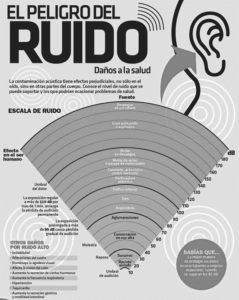
Noise and Hearing Protection Infographic – Spanish

Fuente: https://prevencionar.com.mx


Front-end Tractor Attachments Infographic

Imagen1

Source: https://www.slideserve.com


Front-end Tractor Attachments Infographic – Spanish

Imagen2

Fuente: https://www.fraternidad.com


Cryptococcus Gattii Yeast or Fungus Meeting Kit

WHAT IS CRYPTOCOCCUS GATTII YEAST OR FUNGUS?

Cryptococcus gattii (C. gattii) is a fungus that can cause a disease called cryptococcosis. Cryptococcosis usually affects the lungs or the central nervous system (the brain and spinal cord), but it can also affect other parts of the body. Brain infections caused by C. gattii and other types of Cryptococcus are called cryptococcal meningitis. C. gattii lives in soil and on certain trees, primarily in tropical and subtropical regions across the world. People can become infected with C. gattii after breathing in the microscopic fungus from the environment.

SYMPTOMS FROM C. GATTII 

In the lungs: A C. gattii infection in the lungs can cause a pneumonia-like illness. The symptoms are often similar to those of many other illnesses, and can include:

  • Cough
  • Shortness of breath
  • Chest pain
  • Fever

In the Brain (Cryptococcal Meningitis): Cryptococcal meningitis is an infection caused by C. gattii and other types of Cryptococcus after it spreads from the lungs to the brain, but patients can have a brain infection without a lung infection. The symptoms of cryptococcal meningitis include:

  • Headache
  • Confusion or changes in behavior
  • Fever
  • Neck pain
  • Nausea and vomiting
  • Sensitivity to light

Symptoms from C. gattii infection can take between two to fourteen months to appear after exposure. Infection may cause a pneumonia-like illness, with shortness of breath, coughing, nausea, and fever. Another common form of C. gattii infection is central nervous system infection, such as meningoencephalitis. Symptoms may include fever, headache, or a change in mental status. 

WHO GETS C. GATTII INFECTIONS? Anyone can be infected with C. gattii if they’ve been in an area where the fungus lives in the environment. However, in different parts of the world, different characteristics may make some people more likely to get C. gattii infections than others. C. gattii infections are thought to be more common among:

  • People who are otherwise healthy,
  • Males, and
  • Aboriginal peoples

IS C. GATTII INFECTION CONTAGIOUS? – No. The infection can’t spread between people, or between people and animals.

CAN PETS GET C. GATTII INFECTIONS? – Yes. Pets can get C. gattii infections, but it is very rare. The infection cannot spread between animals and people. The symptoms of C. gattii infection in pets such as cats and dogs are similar to the symptoms in humans.

HOW TO PREVENT C. GATTII INFECTION: There are no formal recommendations to prevent C. gattii infection. Most people breathe in small amounts of many fungi every day but never become sick. If you have symptoms that you think may be caused by C. gattii, you should see a healthcare provider as soon as possible.

C. GATTII INFECTIONS TREATMENT: People who have C. gattii infection need to take prescription antifungal medication for at least 6 months, often longer. The type of treatment usually depends on the severity of the infection and the parts of the body that are affected.

  • For people who have asymptomatic infections or mild-to-moderate pulmonary infections, the treatment is usually fluconazole.
  • For people who have severe lung infections or infections in the central nervous system (brain and spinal cord), the recommended initial treatment is liposomal amphotericin B in combination with flucytosine. After initial antifungal therapy, patients usually need to take fluconazole for an extended time to clear the infection. Some people will need lumbar punctures to get rid of increased pressure in the brain. Some people will also need corticosteroids.

CRYPTOCOCCUS GATTII EXPOSURE FOR OUTSIDE WORKERS 

Workers who spend time outdoors in wooded areas may be exposed to Cryptococcus gattii (C. gattii), a microscopic fungus that releases spores which may be inhaled and cause an infection called cryptococcal disease.

C. gattii grows on leaves and soil in forested areas, primarily in the Greater Vancouver area, in the Fraser Valley, and on central and southern Vancouver Island. Activities that disturb the fungus — such as walking through wooded areas, clearing trees, and pruning or chipping trees where C. gattii is growing — may release spores into the air. Inhalation of these spores can result in cryptococcal disease, which may include symptoms such as headaches, fever, vomiting, weight loss, shortness of breath, prolonged cough, and pneumonia. In more severe cases, the fungus can potentially travel through the bloodstream to the central nervous system, resulting in a more serious disease, such as meningitis, or even death.

INDUSTRIES AT RISK

  • Forestry
  • Agriculture
  • Park, campground, or trail maintenance
  • Landscaping, lawn, or garden maintenance
  • Weed control

C. GATTII TAKEAWAYS 

  • C. gattii infections are rare
  • If you are a smoker, you can decrease your risk of infection by quitting smoking. There are no other particular precautions that can be taken to avoid Cryptococcus gattii infection. 
  • Cryptococcus gattii infection is not easy to diagnose because the disease is rare, the combination of symptoms can be unusual, and symptoms can be mild and last a long time before a patient seeks medical attention. 
  • People are advised to see their doctor if they experience symptoms if the symptoms persist or are severe. People should remind their doctor that they live in or visited an area where the fungus can be found.
  • Doctors can request tests for patients who show symptoms. They can test for Cryptococcus in blood, lung or spinal fluid samples.

FINAL WORD

Cryptococcus gattii has not been a household word but that is changing. Affects to the nervous system, specifically cryptococcal meningitis are especially noteworthy. Surveillance is empowering public health authorities to monitor trends in the number of C. gatti cases.