Personal Protective Equipment – Dressed for Protection Infographic

Source: https://www.shponline.co.uk
Source: https://www.shponline.co.uk

Fuente: https://safetyculture.com
La concienciación sobre la seguridad personal en los entornos urbanos es un fenómeno relativamente nuevo. El objetivo de crear entornos más seguros se ha limitado tradicionalmente a la prevención de accidentes y la reducción de los delitos contra la propiedad. La seguridad personal es diferente, ya que se centra en lo cómodo o seguro que se siente un individuo en una situación determinada.
PELIGROS DE AGRESIÓN FÍSICA
Cada vez son más las personas que expresan preocupación por su seguridad personal en entornos urbanos. La gente siente miedo de utilizar los espacios y las instalaciones públicas. Este miedo a la violencia y la percepción de que un entorno es inseguro es, de hecho, un obstáculo para que muchas personas utilicen y disfruten del espacio público.
Si usted es agredido físicamente, sepa que no hay una forma “correcta” de responder. Tendrá que evaluar sus capacidades y la situación, y luego determinar cuál es la mejor forma de actuar. A veces, la resistencia y un grito de auxilio bastan para disuadir al agresor. Puede intentar convencer al agresor de que no cometa el delito o puede someterse e intentar escapar. Tiene derecho a defenderse razonablemente.
CONCIENCIA PERSONAL
El primer paso para estar seguro en lugares públicos es ser consciente de lo que ocurre a su alrededor. Los ladrones no quieren llamar la atención. Si ven que usted se ha fijado en ellos -o peor aún, que ha establecido contacto visual- es probable que no se conviertan en su objetivo. Hay mucha gente a su alrededor que no está prestando atención y que puede convertirse en la próxima víctima del ladrón.
MOVIMIENTOS DECIDIDOS
Empiece por echar un vistazo rápido a la multitud. Busque la ruta que quiere seguir para llegar a su destino. Todo esto es una práctica de estar presente entre la multitud. Con la práctica, incluso desarrollará el sentido de si algo está fuera de lugar, incluso en una gran multitud.
PRECAUCIONES EN LA CALLE
MEDIDAS DE SEGURIDAD EN UN LUGAR PÚBLICO
Las personas no deberían vivir con miedo cuando salen de casa. Si se siente ansioso cuando está en un lugar concurrido, tome una clase de iniciación a la defensa personal. Las destrezas que aprenda, por ejemplo cómo parecer seguro en público y cómo incapacitar a los atacantes, le serán muy valiosas. Aunque nunca llegue a utilizarlas, se sentirá más seguro y con más control. He aquí algunas medidas.
ALGUNOS CONSEJOS DE SEGURIDAD SENCILLOS Y SENSATOS (SSSST)
CONSEJOS DE SEGURIDAD PERSONAL
La gente quiere disfrutar de todas las comodidades de la vida que les son evitables en los lugares públicos de nuestra sociedad. Por desgracia, hay quienes se empeñan en frustrar los sueños sociales básicos de la mayoría.
Awareness of personal safety in urban environments is a relatively new phenomenon. The objective of creating safer environments has traditionally been limited to accident prevention and the reduction of property crimes. Personal safety is different in that it focuses on how comfortable or safe an individual feels in any given situation.
PHYSICAL ASSAULT DANGERS
Increasing numbers of people are expressing concern for their personal safety in urban settings. People feel afraid to use public spaces and public facilities. This fear of violence and the perception that an environment is unsafe is, in effect, a barrier to many people’s use and enjoyment of public space.
If you are physically assaulted, know that there is no “right” way to respond. You will need to assess your abilities and the situation, then determine your best course of action. Sometimes, resistance and a shout for help are enough to discourage an attacker. You can try to talk the attacker out of committing the crime or you can submit and try to escape later. You have the right to reasonably defend yourself.
PERSONAL AWARENESS
The first step to safety in public places is to be aware of what’s going on around you. Thieves don’t want to be noticed. If they see you’ve noticed them — or worse, made eye contact — you’ll likely not be targeted. There are plenty of people around you who aren’t paying attention who can become the thief’s next victim.
PURPOSEFUL MOVEMENTS
Start by taking a quick glance over the crowd. Look for the route you want to take to get to your destination. This is all a practice of being present as you are in a crowd. With practice, you will even develop a sense if something is out of place, even in a big crowd.
STREET WISE PRECAUTIONS
SAFETY MEASURES IN A PUBLIC PLACE
People shouldn’t have to live in fear when then leave the house. If you find yourself feeling anxious when being in a crowded place, take an introductory class in self-defence. The skills you learn, such as how to appear confident in public and how to disable attackers, will be valuable. Even if you never actually use them, you’ll still feel more confident and in control. Here are some measures.
SOME SIMPLE SENSIBLE SAFETY TIPS (SSSST)
PERSONAL SAFETY TAKEAWAYS
People want to enjoy all the amenities of life that are avoidable to them in public places in our society. Unfortunately, there are those who are driven to thwart basic societal dreams of the majority.
Street harassment includes some of the following unwanted behaviors:
1. 34 active shooter attacks occurred in 21 states. Of these, 59% took place at public sites that are freely accessible to the general population, including sidewalks, restaurants, retail stores, and a gas station.
2. In 2020, the number of public preventable injury-related deaths was up 13.5% from the 2019 total of 37,700. The 2020 death rate per 100,000 population increased 13.0%, from 11.5 in 2019 to 13.0.
3. An estimated 15 million medically consulted preventable injuries occurring in public places and a population of more than 329 million people, on average about 1 person in 22 experienced such an injury in 2020.
4. The two leading causes of preventable injury-related deaths in public places are poisoning and falls, accounting for about 17,100 and 13,200, respectively. These two causes alone account for 71% of public deaths.
El acoso callejero incluye algunos de los siguientes comportamientos no deseados:
1. Se produjeron 34 ataques con tiradores activos en 21 estados. De ellos, el 59% tuvieron lugar en lugares públicos de libre acceso para la población en general, incluidas aceras, restaurantes, tiendas minoristas y gasolineras.
2. En 2020, el número de muertes relacionadas con lesiones prevenibles públicas aumentó un 13,5% con respecto al total de 2019 de 37.700. La tasa de mortalidad en 2020 por cada 100.000 habitantes aumentó un 13,0%, pasando de 11,5 en 2019 a 13,0.
3. Se estima que 15 millones de lesiones prevenibles consultadas médicamente ocurrieron en lugares públicos y una población de más de 329 millones de personas, en promedio alrededor de 1 persona de cada 22 experimentó una lesión de este tipo en 2020.
4. Las dos causas principales de muertes relacionadas con lesiones evitables en lugares públicos son las intoxicaciones y las caídas, que representan alrededor de 17.100 y 13.200, respectivamente. Estas dos causas representan por sí solas el 71% de las muertes en lugares públicos.
FORT WORTH, Texas (AP) — A man who was apparently caught on video slugging a flight attendant in the back of the head during an American Airlines flight was arrested after the plane landed in Los Angeles.
Authorities charged Alexander Tung Cuu Le on Thursday with interfering with a flight crew. Le, of Westminster, California, faces up to 20 years in prison if convicted.
The incident happened Wednesday on a flight from San Jose del Cabo in Mexico to Los Angeles International Airport. Video posted by another passenger showed a man running up behind a male flight attendant and punching him as the crew member walked in the other direction.
According to an FBI agent’s affidavit, shortly after takeoff Le grabbed another flight attendant by the shoulders and asked for coffee. He was told to wait.
When Le, 33, moved from the back of the plane to an open seat near the first-class cabin, the male flight attendant asked him to return to his assigned seat. Instead, Le stood in a two-fisted fighting stance and swung an arm at the crew member but missed, according to the affidavit.
FORT WORTH, Texas (AP) – Un hombre que aparentemente fue captado en video golpeando a una asistente de vuelo en la nuca durante un vuelo de American Airlines fue arrestado después de que el avión aterrizó en Los Ángeles.
Las autoridades acusaron el jueves a Alexander Tung Cuu Le de interferir con la tripulación de un vuelo. Le, de Westminster (California), se enfrenta a una pena de hasta 20 años de prisión si es declarado culpable.
El incidente ocurrió el miércoles en un vuelo de San José del Cabo (México) al aeropuerto internacional de Los Ángeles. Un vídeo publicado por otro pasajero mostraba a un hombre corriendo detrás de un auxiliar de vuelo y dándole un puñetazo mientras el miembro de la tripulación caminaba en la otra dirección.
Según la declaración jurada de un agente del FBI, poco después del despegue Le agarró por los hombros a otro auxiliar de vuelo y le pidió un café. Le dijeron que esperara.
Cuando Le, de 33 años, se trasladó de la parte trasera del avión a un asiento libre cerca de la cabina de primera clase, el auxiliar de vuelo le pidió que volviera al asiento que tenía asignado. En lugar de ello, Le se puso en posición de lucha con los dos puños y golpeó con un brazo al miembro de la tripulación, pero falló, según la declaración jurada.


Fuente: https://www.quironprevencion.com
Un plomero instala, repara y mantiene instalaciones o sistemas de plomería en empresas, industrias o residencias. El trabajo puede incluir la instalación y reparación de tuberías, accesorios y aparatos para el suministro de agua, la eliminación de residuos y los sistemas de calefacción. Plomería es un nombre sencillo para un trabajo que tiene una gran variedad de funciones.
PRINCIPALES RIESGOS LABORALES DE LOS PLOMEROS
CÁNCERES RELACIONADOS CON EL TRABAJO PARA PLOMEROS Y TUBEROS
Los plomeros y los instaladores de tuberías que han estado expuestos a polvos y otras toxinas transportadas por el aire pueden empezar a experimentar problemas respiratorios al cabo de unos años (o hasta 35 años después). La exposición provoca otros problemas de salud crónicos:
CONSEJOS DE SEGURIDAD PARA PLOMEROS
Los plomeros son plenamente conscientes del trabajo que supone asegurarse de que tuberías, radiadores y desagües hacen lo que tienen que hacer. ¿Conocen los riesgos? Incluso con la mejor planificación de seguridad, el trabajo de plomero conlleva muchos riesgos.
A plumber installs, repairs, and maintains plumbing fixtures or systems in businesses, industries, or residences. The job may include installation and repair of pipes, fittings, and fixtures servicing the water supply, waste disposal, and heating systems. Plumbing is a simple name for a job that has a wide variety of duties.
MAIN OCCUPATIONAL HAZARDS FOR PLUMBERS
WORK-RELATED CANCERS FOR PLUMBERS AND PIPEFITTERS
Plumbers and pipefitters who have been exposed to dusts and other airborne toxins may begin to experience respiratory problems after a few years (or up to 35 years later). Exposure leads to other chronic health problems:
SAFETY TIPS FOR PLUMBERS
Plumbers are fully aware of the work involved in making sure pipes, radiators and drains do what they need to do. Do they understand the risks? Even with the best safety planning, working as a plumber comes with plenty of risks.
Plumbers face Numerous Safety Hazards
Los plomeros se enfrentan a numerosos riesgos de seguridad
1. The FAA outlines risks of flying with a checklist, which stands for: PAVE
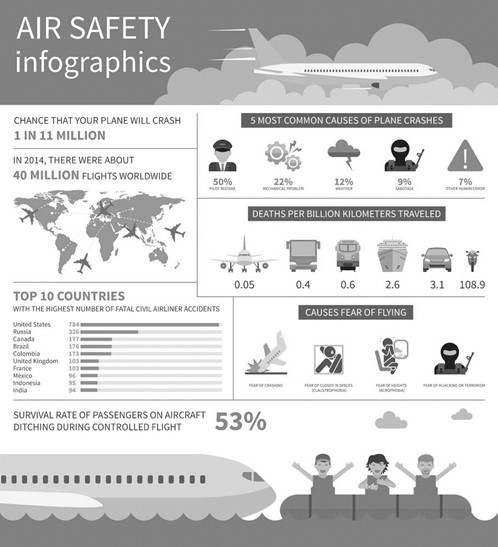
Here are some informative statistics concerning airplane accidents:
1. La FAA describe los riesgos de volar con una lista de comprobación, que significa: PAVE
He aquí algunas estadísticas informativas sobre los accidentes aéreos:
One man is dead following an explosion at a construction site on the premises of a Boynton Beach condominium. Reports detail that the victim in the incident, John Thomas Dillon IV, was working in a large hole in the ground when the explosion occurred this past Friday.
Working with heavy machinery or in a skilled trade such as plumbing, construction, or electrical is inherently dangerous for even the most experienced workers.
Mr. Dillion was working with a plumbing team to clear a pipe blockage. Reports have surfaced that it was an exploding air bag that killed Mr. Dillon. Air bags are devices are that used to plug a pipe so that the pipe can be worked on, repaired, patched, or replaced.
Air bags are under pressure, so when they do fail, it can result in an extremely dangerous explosion, shattering pipes creating projectiles out of nearby objects. Mr. Dillon was killed by either the explosion itself, or by debris that became projected by the force of the explosion.
As to whatever may have caused the air bag to fail, it could be any number of factors. The air bag may have been deficient, or there may have been a mistake in properly deploying the device.
Un hombre ha muerto tras una explosión en una obra de construcción en las instalaciones de un condominio de Boynton Beach. Los informes detallan que la víctima del incidente, John Thomas Dillon IV, estaba trabajando en un gran agujero en el suelo cuando se produjo la explosión el pasado viernes.
Trabajar con maquinaria pesada o en un oficio especializado como plomería, construcción o electricidad es intrínsecamente peligroso incluso para los trabajadores más experimentados.
El Sr. Dillion trabajaba con un equipo de plomeros para desatascar una tubería. Se ha informado de que fue la explosión de un airbag lo que mató al Sr. Dillon. Las bolsas de aire son dispositivos que se utilizan para taponar una tubería y poder trabajar en ella, repararla, parcharla o sustituirla.
Las bolsas de aire están sometidas a presión, por lo que cuando fallan pueden provocar una explosión extremadamente peligrosa, haciendo añicos las tuberías y creando proyectiles en los objetos cercanos. El Sr. Dillon murió por la propia explosión o por los escombros que salieron proyectados por la fuerza de la explosión.
En cuanto a la causa del fallo del airbag, puede deberse a varios factores. El airbag puede haber sido deficiente, o puede haber habido un error al desplegar correctamente el dispositivo.
DEWITT TOWNSHIP, Mich. (AP) — Federal investigators blame pilot error and an overloaded aircraft for a 2019 plane crash near a Michigan airport that killed five Indiana men and seriously injured a sixth person aboard.
The National Transportation Safety Board said in its final report on the Oct. 3, 2019, crash that the pilot failed to maintain airspeed during his final approach to the Capital Region International Airport, near Lansing.
The report, issued Wednesday, said that at the time of the crash the single-engine Socata TBM 700 had slowed to just 74 knots, below the manufacturer’s specified approach speed of 85 knots.
Investigators also said the plane was more than 200 pounds (91 kilograms) overweight and its load was too far back in the aircraft, contributing to it being difficult to control.
“The altitude and airspeed trends during the final moments of the flight were consistent with the airplane entering an aerodynamic stall at a low altitude,” according to the NTSB’s report.
The pilot Joel Stewart Beavins, 48, and Timothy Joe Clark, 67, both of Franklin, Indiana; John Thomas Lowe, 51, of Greenwood, Indiana; Neil Alan Sego, 46, of Trafalgar, Indiana; and Zechariah Eugene Bennett, 27, of Plainfield, Indiana.
A sixth passenger, Aaron Levi Blackford, 42, of Frankton, Indiana, survived the crash but suffered severe injuries.
The plane had departed from Indy South Greenwood Airport near Indianapolis. It crashed in an open grass field about 0.3 miles (0.48 kilometers) from the Lansing-area airport.
Four of the six passengers were headed to work as contractors for the Lansing Board of Water & Light’s Delta Energy Park, a natural gas-fired power plant that began operating in March, the Lansing State Journal reported.
DEWITT TOWNSHIP, Michigan (AP) – Investigadores federales culpan a un error del piloto y a un avión sobrecargado por un accidente aéreo en 2019 cerca de un aeropuerto de Michigan que mató a cinco hombres de Indiana e hirió gravemente a una sexta persona a bordo.
La Junta Nacional de Seguridad en el Transporte dijo en su informe final sobre el accidente del 3 de octubre de 2019 que el piloto no mantuvo la velocidad aérea durante su aproximación final al Aeropuerto Internacional de la Región Capital, cerca de Lansing.
El informe, publicado el miércoles, dijo que en el momento del accidente el monomotor Socata TBM 700 había desacelerado a solo 74 nudos, por debajo de la velocidad de aproximación especificada por el fabricante de 85 nudos.
Los investigadores también señalaron que el avión tenía un sobrepeso de más de 91 kilogramos (200 libras) y su carga estaba demasiado atrás en la aeronave, lo que contribuyó a que fuera difícil de controlar.
“Las tendencias de altitud y velocidad aerodinámica durante los momentos finales del vuelo eran consistentes con que el avión entrara en pérdida aerodinámica a baja altitud”, según el informe de la NTSB.
El piloto Joel Stewart Beavins, de 48 años, y Timothy Joe Clark, de 67, ambos de Franklin, Indiana; John Thomas Lowe, de 51, de Greenwood, Indiana; Neil Alan Sego, de 46, de Trafalgar, Indiana; y Zechariah Eugene Bennett, de 27, de Plainfield, Indiana.
Un sexto pasajero, Aaron Levi Blackford, de 42 años, de Frankton, Indiana, sobrevivió al accidente pero sufrió heridas graves.
El avión había despegado del aeropuerto Indy South Greenwood, cerca de Indianápolis. Se estrelló en un campo abierto de hierba a unos 0,48 kilómetros del aeropuerto de la zona de Lansing.
Cuatro de los seis pasajeros se dirigían a trabajar como contratistas del Delta Energy Park de la Junta de Agua y Luz de Lansing, una central eléctrica de gas natural que empezó a funcionar en marzo, informó el Lansing State Journal.
Fuente: https://desdelacabinadevuelo.com
Source: https://www.vectorstock.com
Source: https://www.fhfurr.com
A press is a machine that uses pressure to change the shape of a workpiece by rolling, forming, forging, punching, stamping, bending, piercing, drawing, etc. Presses are classified by the work they perform as well as their power source: manual driven, mechanical, hydraulic, or pneumatic.
TYPES OF POWER PRESSES
full revolution (positive clutch) – once activated, it cannot be stopped until the press cycle is completed by lowering and raising of the slide or ram. Presence sensing devices will not work on these machines. Operators must be protected by fixed guards or mechanical interlock guards during the entire operating cycle.
part revolution or friction clutch – can be disengaged at any time before it completes the down stroke. Can be guarded with presence-sensing devices.
THE MAIN CAUSES OF POWER PRESS ACCIDENTS ARE LACK OF TRAINING, LACK OF EFFECTIVE GUARDING, AND BYPASSING OF GUARDS.
GREATEST DANGER FOR WORKERS
Employees work with power presses face the greatest danger of injury at the point of operation where the stock is inserted, held and withdrawn by hand. That is why effective machine guarding is crucial for keeping hands, arms or other parts of the body from making contact with dangerous moving parts.
GUARDING PREVENTION
Safeguards should be designed so they can’t be easily tampered and removed, don’t create a new hazard, or don’t impede a worker from performing the job. Point-of-operation guards and devices can include light curtains, barrier guards, two-hand controls, and restraints.
Guards should be designed to prevent workpieces or offcuts from being ejected while under pressure and expose operators to a hazard.
Adequate guards must be provided. Some power press injuries are caused by relying on the operator to synchronize the movement of their hand with the operation of the foot pedal.
WHAT WORKERS NEED TO DO TO AVOID POWER PRESS INJURIES
Check the power press at the beginning of each shift, following each new die setup, and when operators change. Make sure all parts, auxiliary equipment, and safeguards are in place, properly adjusted, and in safe operating condition.
At least once per week, conduct a functional performance check to ensure components are operating safely and complete all necessary maintenance or repairs before the press is returned to operations.
TRAINING IS THE MOST IMPORTANT ELEMENT IN ELIMINATING ACCIDENTS
BEST WORKPLACE SAFETY MEASURES WITH POWER PRESSES
Anyone operating or near a mechanical press needs to be aware of the dangers and use their best judgment along with their common sense in all aspects of their work.
Una prensa es una máquina que utiliza la presión para cambiar la forma de una pieza de trabajo mediante laminado, conformado, forjado, punzonado, estampado, doblado, perforación, embutición, etc. Las prensas se clasifican en función del trabajo que realizan y de su fuente de energía: manual, mecánica, hidráulica o neumática.
TIPOS DE PRENSAS MECÁNICAS
De revolución completa (embrague positivo) – una vez activada, no puede detenerse hasta que se complete el ciclo de prensado bajando y subiendo la corredera o el pistón. Los dispositivos de detección de presencia no funcionarán en estas máquinas. Los operarios deben estar protegidos por resguardos fijos o resguardos de enclavamiento mecánico durante todo el ciclo de funcionamiento.
Embrague de revolución parcial o de fricción – puede desembragarse en cualquier momento antes de completar la carrera descendente. Puede protegerse con dispositivos detectores de presencia.
LAS PRINCIPALES CAUSAS DE ACCIDENTES EN PRENSAS MECÁNICAS SON LA FALTA DE CAPACITACIÓN, LA FALTA DE PROTECCIONES EFICACES Y LA OMISIÓN DE LAS PROTECCIONES.
MAYOR PELIGRO PARA LOS TRABAJADORES
Los empleados que trabajan con prensas mecánicas se enfrentan al mayor peligro de lesiones en el punto de operación donde se inserta, sujeta y retira el material a mano. Por ello, una protección eficaz de la máquina es crucial para evitar que las manos, los brazos u otras partes del cuerpo entren en contacto con piezas móviles peligrosas.
PREVENCIÓN DE RIESGOS LABORALES
Las protecciones deben diseñarse de modo que no puedan manipularse ni retirarse fácilmente, no creen un nuevo peligro o no impidan al trabajador realizar su trabajo. Las protecciones y dispositivos en el punto de operación pueden incluir cortinas de luz, barreras de protección, mandos a dos manos y dispositivos de retención.
Los resguardos deben estar diseñados para evitar que las piezas de trabajo o los recortes salgan despedidos mientras están bajo presión y expongan a los operarios a un peligro.
Deben proporcionarse guardas adecuadas. Algunas lesiones causadas por prensas mecánicas se deben a que el operario debe sincronizar el movimiento de su mano con el accionamiento del pedal.
LO QUE DEBEN HACER LOS TRABAJADORES PARA EVITAR LESIONES CON LA PRENSA MECÁNICA
Compruebe la prensa de la energía al principio de cada cambio, siguiendo cada nueva disposición del dado, y cuando los operadores cambian. Cerciórese de que todas las piezas, equipo auxiliar, y salvaguardias estén en lugar, ajustado correctamente, y en condiciones de funcionamiento seguras.
Por lo menos una vez por semana, conduzca un cheque funcional del funcionamiento para asegurarse de que los componentes están funcionando con seguridad y terminan todo el mantenimiento o reparaciones necesario antes de que la prensa se vuelva a las operaciones.
LA CAPACITACIÓN ES EL ELEMENTO MÁS IMPORTANTE PARA ELIMINAR ACCIDENTES
MEJORES MEDIDAS DE SEGURIDAD EN EL LUGAR DE TRABAJO CON PRENSAS MECÁNICAS
Toda persona que trabaje con una prensa mecánica o cerca de ella debe ser consciente de los peligros y utilizar su sentido común y su buen juicio en todos los aspectos de su trabajo.