Safety in Agriculture Infographic – Spanish
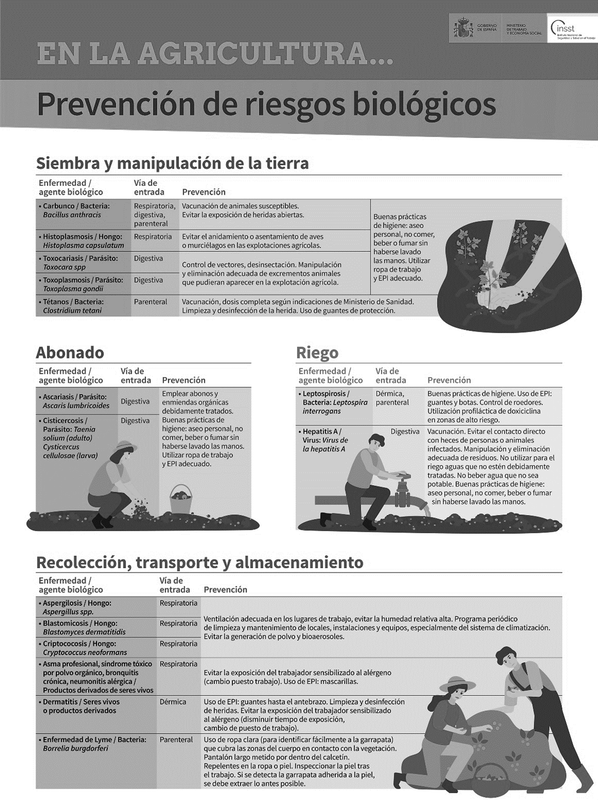
Fuente: https://www.insst.es
Fuente: https://www.insst.es
THE BENEFITS OF THE SUN
You may have been taught that you need sunlight for your body to make vitamin D, because vitamin D is not found naturally in most foods. But today, many foods are fortified with vitamin D during the manufacturing process. Thus, sun exposure is not as important for the body’s vitamin D supply as it used to be. Being outdoors makes most people feel good. Playing tennis is better for your health than watching television. But you can still protect yourself from the sun’s damaging effects while enjoying yourself outdoors.
DANGERS OF SUN EXPOSURE
The immediate danger of too much sun is sunburn. If you looked at sunburned skin under a strong microscope, you would see that the cells and blood vessels have been damaged. With repeated sun damage, the skin starts to look dry, wrinkled, discolored, and leathery. Although the skin appears to be thicker, it actually has been weakened and, as a result, it will bruise more easily. The sun’s most serious threat is that it is the major cause of skin cancer, which is now the most common of all cancers. Doctors believe that most skin cancers can be avoided by preventing sun damage.
SUNSCREEN PROTECTION
Wear sunscreen with an SPF of 30nor higher, everyday. This includes summer or winter, on cloudy and clear days.
BEST PRACTICES FOR PUTTING SUNSCREEN ON YOUR NOSE
You might already know the importance of wearing sunscreen on your neck, back, and arms, but there’s one area of the body that often gets overlooked: your nose. According to a study published in the Journal of the American Academy of Dermatology, only one in three Americans rub sunscreen all over their bodies, and less than half apply it to their face. Putting sunscreen on your nose—as well as everywhere else on your body—should be a priority in your sun protection application process. While it might not seem like a big deal, forgetting to protect your nose from the sun’s harmful UV rays can actually cause a lot of sun damage in the long run.
The face is one of the areas most commonly affected by skin cancer, and your nose sits right at the center of it.
According to the Skin Cancer Foundation, skin cancer-like basal cell carcinomas can be found on parts of the body that get the most sun exposure, like the nose. These high-exposure areas are also prone to melanoma, the most dangerous form of skin cancer.
Scars and damage caused by any facial lesion will be extra apparent because of the nose’s prominence on the face. UV protection is the simplest way to keep your skin healthy, young, and unblemished as you age.
WAYS TO AVOID HARMFUL EFFECTS OF THE SUN
Staying out of the sun is the best way to avoid the harmful effects of sun damage. Next best is to follow these best practices.
Peak hours are from 10 a.m. to 4 p.m. Find shade if you need to be outdoors. You can also find how much UV exposure you are getting by using the shadow rule. If your shadow is longer than you, then UV exposure is low. If your shadow is shorter than you, then UV exposure is high.
A suntan may look and feel good, but the sun’s rays can cause serious problems when exposure is excessive. Radiation from sunlight damages the skin. Besides sunburn it has been known to cause various types of skin cancer.
LOS BENEFICIOS DEL SOL
Es posible que le hayan enseñado que necesita la luz del sol para que su cuerpo produzca vitamina D, porque ésta no se encuentra de forma natural en la mayoría de los alimentos. Pero hoy en día, muchos alimentos se enriquecen con vitamina D durante el proceso de fabricación. Por lo tanto, la exposición al sol no es tan importante para el suministro de vitamina D del cuerpo como solía ser. Estar al aire libre hace que la mayoría de la gente se sienta bien. Jugar al tenis es mejor para la salud que ver la televisión. Pero aún puede protegerse de los efectos nocivos del sol mientras disfruta al aire libre.
PELIGROS DE LA EXPOSICIÓN AL SOL
El peligro inmediato del exceso de sol son las quemaduras solares. Si observáramos la piel quemada por el sol con un microscopio potente, veríamos que las células y los vasos sanguíneos han resultado dañados. Con el daño solar repetido, la piel empieza a parecer seca, arrugada, descolorida y correosa. Aunque la piel parece más gruesa, en realidad se ha debilitado y, como resultado, se magulla con más facilidad. La amenaza más grave del sol es que es la causa principal del cáncer de piel, que es ahora el más común de todos los cánceres. Los médicos creen que la mayoría de los cánceres de piel pueden evitarse previniendo el daño solar.
PROTECCIÓN SOLAR
Utilice protección solar con un FPS de 30 o superior todos los días. Tanto en verano como en invierno, en días nublados o despejados.
BUENAS PRÁCTICAS PARA PONERSE PROTECCIÓN SOLAR EN LA NARIZ
Es posible que ya conozca la importancia de ponerse protección solar en el cuello, la espalda y los brazos, pero hay una zona del cuerpo que a menudo se pasa por alto: la nariz. Según un estudio publicado en el Journal of the American Academy of Dermatology, sólo uno de cada tres estadounidenses se aplica crema solar en todo el cuerpo, y menos de la mitad en la cara. Ponerse crema solar en la nariz al igual que en el resto del cuerpo debe ser una prioridad en el proceso de aplicación de la protección solar. Aunque no parezca un gran problema, olvidarse de proteger la nariz de los dañinos rayos UV del sol puede causar muchos daños a largo plazo.
La cara es una de las zonas más afectadas por el cáncer de piel, y la nariz se encuentra justo en el centro.
Según la Skin Cancer Foundation, los carcinomas basocelulares, similares al cáncer de piel, pueden aparecer en las partes del cuerpo más expuestas al sol, como la nariz. Estas zonas de alta exposición también son propensas al melanoma, la forma más peligrosa de cáncer de piel.
Las cicatrices y los daños causados por cualquier lesión facial serán más evidentes debido a la prominencia de la nariz en la cara. La protección contra los rayos UV es la forma más sencilla de mantener la piel sana, joven y sin manchas a medida que envejecemos.
FORMAS DE EVITAR LOS EFECTOS NOCIVOS DEL SOL
Mantenerse alejado del sol es la mejor forma de evitar los efectos nocivos del daño solar. La siguiente mejor es seguir estas prácticas recomendadas.
Las horas punta son de 10 a 16 h. Busque la sombra si necesita estar al aire libre. También puede averiguar cuánta exposición a los rayos UV está recibiendo aplicando la regla de la sombra. Si su sombra es más larga que usted, la exposición a los rayos UV es baja. Si tu sombra es más corta que tú, entonces la exposición UV es alta.
Un bronceado puede tener buen aspecto y sentar bien, pero los rayos del sol pueden causar graves problemas cuando la exposición es excesiva. La radiación solar daña la piel. Además de las quemaduras solares, se sabe que causa varios tipos de cáncer de piel.
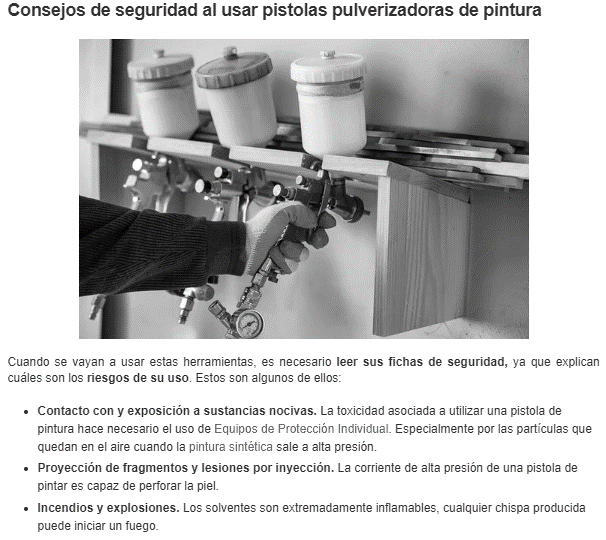
Spray Painters are exposed to many risks in spray painting operations.
Un pintor de 41 años (la víctima) sufrió quemaduras a causa de una explosión que se produjo mientras pintaba el interior de un tanque de 1300 galones. Murió 5 días después. Un pintor de 32 años (compañero de trabajo) que se encontraba fuera del tanque sufrió quemaduras y un brazo roto.
La víctima y su compañero de trabajo habían sido asignados para pintar el interior de un tanque de acero de 1300 galones recientemente fabricado. El tanque medía 68 pulgadas de alto, 75 pulgadas de diámetro y estaba en posición vertical con una abertura de paso de 22 pulgadas de diámetro en la parte superior.
La víctima entró en el tanque pisando las palas mezcladoras que se habían incorporado en el interior del tanque. Llevaba un respirador con suministro de aire (sin aparato respiratorio autónomo de escape auxiliar (SCBA)), gorro de soldador, mono de trabajo, guantes de goma y botas con puntera de acero. Para iluminar a la víctima, el trabajador colocó una lámpara halógena no antideflagrante de 500 vatios sobre la abertura de la boca de acceso. A continuación, se sentó encima del tanque, junto a la boca de acceso, para observar a la víctima. Llevaba un respirador para polvo y niebla. Con una pistola de pulverización sin aire, la víctima empezó a pintar el interior del depósito con una pintura de base epoxi. La víctima había terminado de pintar el fondo y los laterales del tanque, y cuando estaba pintando la parte superior, la boquilla de la pistola pulverizadora golpeó la lámpara, rompiendo el haz sellado. Esto encendió el vapor de epoxi, lo que provocó una explosión. La víctima pudo salir del tanque sin ayuda. A continuación se quitó la máscara respiratoria y tanto la víctima como el compañero de trabajo caminaron unos 300 pies hasta la oficina. Allí explicaron al personal de la oficina lo que había ocurrido. El personal de la oficina avisó al Servicio de Emergencias Médicas (SEM) local. Los agentes de policía que se encontraban en la zona escucharon una llamada de emergencia relativa a la explosión y llegaron al lugar en 3 minutos. Una ambulancia de la brigada de rescate llegó 10 minutos después de recibir el aviso y trasladó a la víctima a urgencias de un hospital local. El compañero fue trasladado al mismo hospital en el coche de otro trabajador. Ambos trabajadores estaban plenamente conscientes y podían conversar mientras eran trasladados al hospital y mientras se les administraba atención médica en la sala de urgencias. La víctima sufrió quemaduras de segundo y tercer grado en el 40% de su cuerpo (muslos, manos, brazos y pecho). El compañero sufrió quemaduras de primer y segundo grado en el 12% de su cuerpo (cara y cuello), y sufrió una fractura de am al caerse de la parte superior del tanque tras la explosión. Los dos trabajadores fueron trasladados el mismo día a un centro de quemados cercano, donde fueron hospitalizados. El compañero se recuperó lo suficiente como para recibir el alta 8 días después del incidente. La víctima falleció por complicaciones de las quemaduras 5 días después del incidente.
Causa de la muerte
El médico que atendió a la víctima indicó como causa inmediata de la muerte una insuficiencia respiratoria. Se debió a complicaciones respiratorias debidas a las quemaduras térmicas que afectaron al 40% del cuerpo de la víctima.
Los pintores con pistola están expuestos a muchos riesgos en las operaciones de pintura con pistola.
A 41-year-old male painter (the victim) suffered burn injuries from an explosion which occurred while he was painting the inside of a 1300-gallon tank. He died 5 days later. A 32-year-old male painter (co-worker) stationed outside the tank suffered burns and a broken arm.
The victim and co-worker had been assigned to paint the inside of a recently fabricated 1300-gallon steel tank. The tank measured 68 inches high, 75 inches in diameter and stood vertically with a 22-inch diameter manway opening on the top.
The victim entered the tank by stepping on the mixing blades that had been built into the inside of the tank. He was wearing a supplied air respirator (without an auxiliary escape Self Contained Breathing Apparatus (SCBA)), welders cap, coveralls, rubber gloves, and steeltoe boots. To provide lighting for the victim, the co-worker positioned a 500-watt, non-explosion-proof halogen lamp over the manway opening. The co-worker then sat on top of the tank next to the manway to observe the victim. He (the co-worker) was wearing a dust/mist respirator. Using an airless spray gun, the victim began spray painting the inside of the tank with an epoxy base paint. The victim had completed painting the bottom and sides of the tank, and as he was painting the top when the spray gun nozzle hit the lamp, breaking the sealed beam. This ignited the epoxy vapor which caused a flash fire explosion. The victim was able to climb out of the tank unassisted. He then removed the respirator mask and both the victim and co-worker walked approximately 300 feet to the office. There they explained to office personnel what had happened. Office personnel notified the local Emergency Medical Service (EMS). Police officers who were in the area heard an emergency call concerning the explosion and arrived at the scene in 3 minutes. A rescue squad ambulance arrived 10 minutes after being notified and transported the victim to a local hospital emergency room. The co-worker was taken to the same hospital in another worker’s car. Both workers were fully conscious and able to converse while being transported to the hospital and while medical care was being administered in the emergency room. The victim suffered second and third degree burns on 40% of his body (thighs, hands, arms and chest). The co-worker suffered first and second degree burns on 12% of his body (face and neck), and suffered a broken am from falling off the top of the tank after the explosion. The two workers were transported the same day to a near-by burn center where they were hospitalized. The co-worker recovered sufficiently to be released from the hospital 8 days after the incident. The victim died from burn complications 5 days after the incident.
Cause of Death
The attending physician listed the immediate cause of death as respiratory failure. This was due to respiratory complications because of thermal burns affecting 40% of the victim’s body.
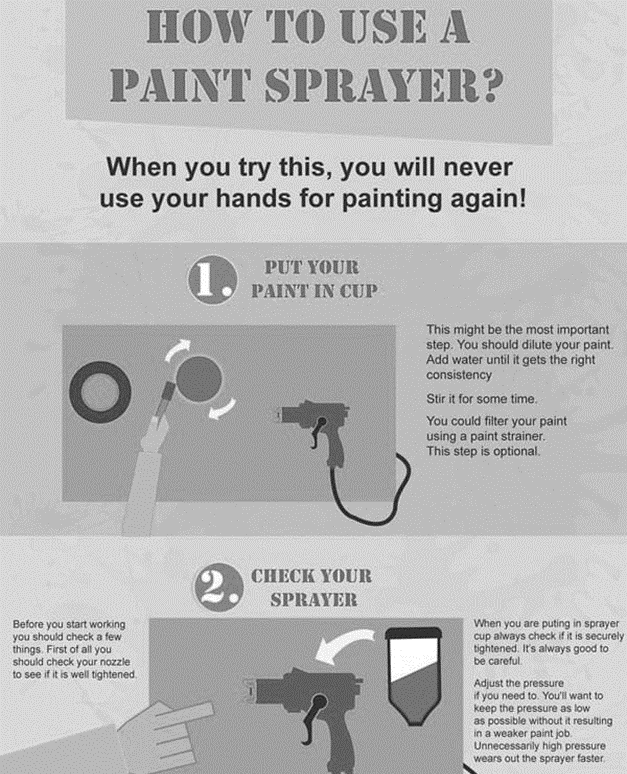
Source: https://www.toolnerds.com
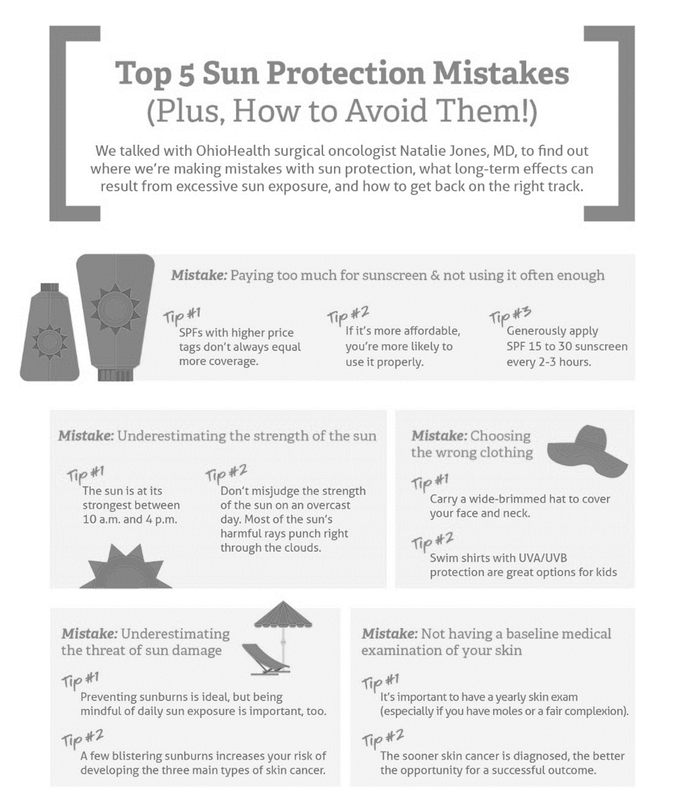
Source: https://blog.ohiohealth.com
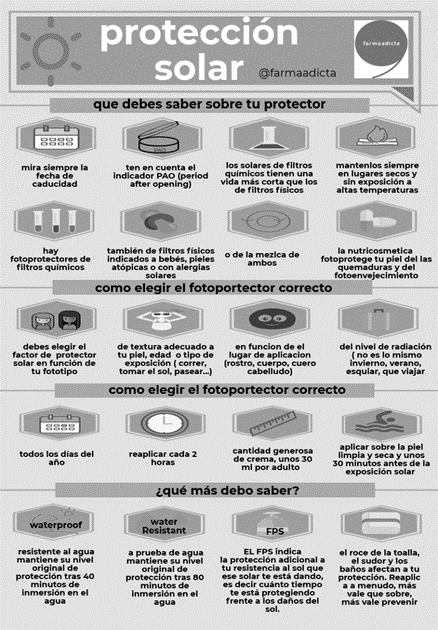
Fuente: https://farmaadicta.com
“I was always pretty convinced that I’d get skin cancer. I was a professional bike racer in the 80s, and nobody wore sunscreen back then. In fact, I’d go out and purposely try to lay down a base tan. Plus, I lived in Texas for much of my young adult life, where it’s warm and sunny even in the winter months.
In a nutshell, I’m the poster child for what not to do when it comes to skin cancer. Yet while I knew the odds were high that I’d get squamous or basal cell carcinoma—the most common and most treatable forms of skin cancer—melanoma didn’t cross my mind.
When I was 47, my wife pointed out a little mole near my ear and nudged me to go to the dermatologist. I’d see it when I shaved but didn’t think much of it. I would’ve put off making an appointment if it wasn’t for my wife’s insistence.
After a biopsy, I got the diagnosis: Stage 2 melanoma. I thought: This could be really bad. Regardless of where it is, cancer is scary. And my cancer was on my face. Luckily, the melanoma hadn’t spread to my lymph nodes, and so the surgery was relatively straightforward. However, a year and a half later, my mole came back in the same spot near my ear—and it was twice as big.
That time, the surgery was trickier. I went through 12 hours of biopsies alone just to determine where it stopped. Some people think skin cancer isn’t a big deal—you just have the doctor ‘cut it out.’ I can tell you this: The sound of those biopsies was like a giant meat cleaver scraping against a mirror. It was awful. The good news is my doctor was able to get all of the cancer, which was still Stage 2 and had not spread.
Now I wear sunscreen, see my dermatologist twice a year, and go back any time my wife or I spot something that we think needs investigating. It’s so important to have a doctor who you can call when you see something. And, honestly, it’s also important to have your partner or a friend help you with skin checks.
Men aren’t very good about getting to the doctor. My dermatologist told me that if I had waited a year, my melanoma would’ve been Stage 3 or 4. If I’d waited two years, I’d likely be dead.”
“Siempre estuve bastante convencido de que tendría cáncer de piel. Fui ciclista profesional en los años 80, y entonces nadie llevaba protección solar. De hecho, salía a la calle y me ponía moreno a propósito. Además, viví en Texas gran parte de mi juventud, donde hace sol y calor incluso en invierno.
En pocas palabras, soy el ejemplo perfecto de lo que no se debe hacer cuando se trata de cáncer de piel. Aunque sabía que tenía muchas probabilidades de padecer un carcinoma de células escamosas o basales -las formas más comunes y tratables de cáncer de piel-, el melanoma no se me había pasado por la cabeza.
A los 47 años, mi mujer me señaló un pequeño lunar cerca de la oreja y me animó a ir al dermatólogo. Lo veía cuando me afeitaba, pero no le daba importancia. Si no hubiera sido por la insistencia de mi mujer, habría pospuesto la cita.
Tras una biopsia, me dieron el diagnóstico: Melanoma en estadio 2. Pensé: Esto puede ser muy malo. Independientemente de dónde esté, el cáncer da miedo. Y mi cáncer estaba en la cara. Por suerte, el melanoma no se había extendido a los ganglios linfáticos, así que la operación fue relativamente sencilla. Sin embargo, un año y medio después, el lunar volvió a aparecer en el mismo lugar, cerca de la oreja, y era el doble de grande.
Esa vez, la operación fue más complicada. Me hicieron 12 horas de biopsias solo para determinar dónde se detenía. Algunas personas piensan que el cáncer de piel no es grave y que basta con que el médico “lo corte”. Puedo decirles una cosa: El sonido de esas biopsias era como una cuchilla de carnicero gigante raspando contra un espejo. Era horrible. La buena noticia es que mi médico pudo extraer todo el cáncer, que seguía en estadio 2 y no se había extendido.
Ahora uso protección solar, voy al dermatólogo dos veces al año y vuelvo cada vez que mi mujer o yo detectamos algo que creemos que hay que investigar. Es muy importante tener un médico al que puedas llamar cuando veas algo. Y, sinceramente, también es importante que tu pareja o un amigo te ayuden con las revisiones de la piel.
Los hombres no son muy dados a ir al médico. Mi dermatólogo me dijo que, si hubiera esperado un año, mi melanoma estaría en estadio 3 o 4. Si hubiera esperado dos años, probablemente estaría muerto”.
En los lugares de trabajo multiempresariales, todos los empresarios deben colaborar para identificar y controlar los peligros para la salud y la seguridad de los trabajadores.
RESPONSABILIDADES DEL EMPLEADOR EN UN LUGAR DE TRABAJO CON MÚLTIPLES EMPLEADORES
OSHA divide a los empleadores en las siguientes cuatro categorías: el Empleador Creador, el Empleador Expositor, el Empleador Corrector y el Empleador Controlador.
Empleador creador. El Empleador Creador es el empleador que causó una condición peligrosa que viola una norma de OSHA. Un empleador creador puede ser citado en los casos en que ninguno de sus empleados esté expuesto al peligro, pero los empleados de otros empleadores sí lo estén.
Empleadores expositores. El empleador expositor es aquel cuyos propios empleados están expuestos al peligro. La exposición de los empleados queda establecida si un agente de cumplimiento de OSHA presencia, observa o supervisa la exposición de un empleado a una condición peligrosa durante el trabajo.
Si el empleador que expone carece de la autoridad para corregir el peligro, aún puede ser citado si no hace cada uno de los siguientes:
Empleadores controladores. Los empresarios con autoridad de supervisión sobre el lugar de trabajo y que tienen la capacidad de corregir las infracciones de la OSHA o de exigir a otros que corrijan los peligros se definen como empresario controlador. Este estatus se establece en el contrato o mediante la práctica de control sobre un lugar de trabajo.
Los siguientes factores para determinar la frecuencia adecuada y de las inspecciones y cómo de cerca un empleador controlador debe inspeccionar un sitio de trabajo:
Empresarios correctores. El empresario corrector es responsable de corregir un peligro en el lugar de trabajo. En la mayoría de los casos, es el empleador responsable de proporcionar y mantener los equipos o dispositivos de seguridad para el proyecto. Los empleadores correctores pueden ser citados por infracciones de OSHA incluso en casos en los que sus empleados no estén expuestos a la condición peligrosa.
MEJORES PRÁCTICAS DE SEGURIDAD EN LUGARES DE TRABAJO CON MÚLTIPLES EMPLEADORES – TRES PROCESOS PRINCIPALES
FORMACIÓN, FORMACIÓN, FORMACIÓN: CUATRO TIPOS DE FORMACIÓN PARA LOS EMPLEADOS
Además de las responsabilidades legales, los lugares de trabajo multiempresariales presentan muchos peligros únicos. Las diferencias en las políticas de seguridad, las prácticas habituales y los niveles de formación pueden crear un terreno de juego desigual en el que muchos trabajadores estén mal preparados para los peligros de su entorno o no sean conscientes de ellos.
On multi-employer worksites, all employers must work together to identify and control hazards for worker health and safety.
EMPLOYER’S RESPONSIBILITIES IN A MULTI-EMPLOYER WORKSITE
OSHA breaks employers down into the following four categories: the Creating Employer, the Exposing Employer, the Correcting Employer, and the Controlling Employer.
Creating Employer. The Creating Employer is the employer who caused a hazardous condition that violates an OSHA standard. A creating employer can be cited in instances where none of its employees are exposed to the hazard but employees of other employers are exposed.
Exposing Employers. The Exposing Employer is one whose own employees are exposed to the hazard. Employee exposure is established if an OSHA compliance officer witnesses, observes or monitors the exposure of an employee to a hazardous condition during work.
If the exposing employer lacks the authority to correct the hazard, it can still be cited if it fails to do each of the following:
Controlling Employers. Employers with supervisory authority over the jobsite and that have the ability to correct OSHA violations or to require others to correct the hazards are defined as the Controlling Employer. This status is established by the contract or by practicing control over a worksite.
The following factors to determine the appropriate frequency and of inspections and how closely a controlling employer must inspect a job site:
Corrective Employers. The correcting employer is responsible for correcting a hazard on-site. They most often are the employer given the responsibility of providing and maintaining safety equipment or devices for the project. Correcting employers can be cited for OSHA violations even in instances in which its employees are not exposed to the hazardous condition.
BEST SAFETY PRACTICES IN MULTI EMPLOYER WORKSITES – THREE PRINCIPAL PROCESSES
1. Job Hazard Management for the benefit of workers
In a job hazard analysis, where contractors and sub-tier contractors identify the means that will be used to perform work, the associated hazards and the controls that will be implemented to protect workers.
At the start of each day or before a shift change, contractors should conduct a physical survey of work areas to identify hazards. They should also review any drawings, documents, the project hazard analysis and project-specific safety and health plan, and confer with workers to understand any potential hazards. Contractors should identify any hazards within the scope of work that could impact other project personnel and the public over the course of the project.
2. Set clear hazard reporting procedures for employees
All employees need to understand how to report safety hazards that they encounter on the job. Using hazard reporting software, employees can easily document hazards, attach photos, and automatically notify key team members of the problem so that it can be corrected quickly.
3. Daily Work Planning
Along with employees on a daily basis, contractors meet with workers crews at the start of the day and at shift changes to confirm each worker’s assignments and overall project activities are understood.
TRAINING, TRAINING, TRAINING – FOUR TYPES OF TRAINING FOR EMPLOYEES
In addition to the legal liabilities, multi-employer worksites have many unique hazards. Differing safety policies, standard practices and training levels can create an uneven playing field where many workers are ill-prepared for — or unaware of — the dangers of their surroundings.
Las sierras de albañilería son herramientas esenciales para la mayoría de los trabajos de paisajismo. Cortan con rapidez y precisión ladrillos, piedra y hormigón, pero también plantean una serie de peligros para la seguridad y la salud cuando no se manejan correctamente.
PELIGROS/RIESGOS DE LAS SIERRAS PARA MAMPOSTERÍA Y HORMIGÓN
LO QUE DEBEN HACER LOS EMPLEADOS
El polvo generado por la albañilería y el hormigón ha causado históricamente estragos entre los trabajadores en forma de silicosis y cáncer de larga duración. Estos peligros siguen existiendo hoy en día a pesar del amplio uso de respiradores en el lugar de trabajo.
Masonry saws are essential tools for most hardscaping jobs. They quickly and precisely cut brick, stone, and concrete but also pose an array of safety and health hazards when not handled correctly.
DANGERS/HAZARDS OF MASONRY AND CONCRETE SAWS
EMPLOYEE DOS
EMPLOYEE DON’TS
Dust created from masonry and concrete have historically wrought havoc with workers in the from of silicosis and long cancer. These dangers still exist today despite the wide use of respirators in the workplace.
1. Most multi-employer worksite accidents involve construction and building trades, particularly on large projects with a general contractor and multiple subcontractors.
2. Multi-employer work sites often create confusion about workplace safety regulations and responsibilities for accidents and injuries.
3. With respect to non-fatal injuries (all industries), an analysis performed by BLS identified the leading causes, of worksite accidents:
2. OSHA citations follow investigations of:
1. La mayoría de los accidentes en obras multiempresariales se producen en el sector de la construcción, especialmente en grandes proyectos con un contratista general y varios subcontratistas.
2. Los lugares de trabajo multiempleadores a menudo crean confusión sobre las normas de seguridad en el lugar de trabajo y las responsabilidades por accidentes y lesiones.
3. Con respecto a las lesiones no mortales (todas las industrias), un análisis realizado por BLS identificó las principales causas, de accidentes en el lugar de trabajo:
4. Las citaciones de la OSHA se producen tras la investigación de:
RIESGOS/PELIGROS
RISKS/HAZARDS
a 46-year-old construction worker died the day after he sustained injuries from falling approximately 20-25 feet while installing siding on a newly constructed apartment building. OR-FACE received notification of the incident from OR-OSHA; OR-FACE accompanied the investigator during investigation interviews. This report is based on review of investigation documents from OR-OSHA, information obtained during interviews, and follow-up discussions with the OR-OSHA investigator.
The worker who died was the owner of a small siding company. He had three workers assisting him on this project, two of whom had been working for him on various projects for about a year.
The site was a multi-employer construction worksite consisting of four, three-story apartment buildings. The general contractor had hired various sub-contractors, including a siding contractor who in turn hired several siding companies (including the company owned by the deceased) to perform the work over the course of the project. Construction work at the site had begun about nine months prior to the incident. The worker who was fatally injured had been working daily at this site for approximately two months at the time of the incident. Building and roofing construction was complete. Interior work was still underway in various stages of completion, and several specialty trades were working inside the buildings at the time of the incident.
On the day of the incident, the siding subcontractor was installing siding in a breezeway. He and his crew erected the scaffold. However, to work around the concrete stairs and related structures in the breezeway, they used only one pump-jack pole and used the stair landing to support the other end of the scaffold platform. To raise the platform above landing height they placed a stepladder on the landing, and would raise the pumpjack pole on the other side. The siding company owner was working alone at the time of the incident. He apparently was attempting to use a second stepladder placed on top of the scaffold platform to access a high peak above a 3rd floor landing, when he fell to the concrete slab at the bottom of the breezeway. A nearby worker called 911. Emergency responders arrived minutes later and transported the injured siding company owner to a hospital trauma center, where he died the following day.
un trabajador de la construcción de 46 años murió al día siguiente de sufrir lesiones al caer aproximadamente 20-25 pies mientras instalaba revestimiento en un edificio de apartamentos recién construido. OR-FACE recibió la notificación del incidente de OR-OSHA; OR-FACE acompañó al investigador durante las entrevistas de la investigación. Este informe se basa en la revisión de los documentos de investigación de OR-OSHA, la información obtenida durante las entrevistas y las conversaciones de seguimiento con el investigador de OR-OSHA.
El trabajador fallecido era el propietario de una pequeña empresa de revestimientos. Tenía tres trabajadores que le ayudaban en este proyecto, dos de los cuales habían estado trabajando para él en varios proyectos durante aproximadamente un año.
Se trataba de una obra de construcción multiempresariales formada por cuatro edificios de apartamentos de tres plantas. El contratista general había contratado a varios subcontratistas, incluido un contratista de revestimientos que, a su vez, contrató a varias empresas de revestimientos (incluida la empresa propiedad del fallecido) para realizar el trabajo a lo largo del proyecto. Las obras habían comenzado unos nueve meses antes del siniestro. En el momento del siniestro, el trabajador que resultó mortalmente herido llevaba aproximadamente dos meses trabajando a diario en la obra. El edificio y el tejado estaban terminados. Las obras interiores seguían en diversas fases de finalización y, en el momento del siniestro, varios especialistas estaban trabajando en el interior de los edificios.
El día del siniestro, el subcontratista de revestimientos estaba instalando revestimientos en un corredor. Él y su equipo montaron el andamio. Sin embargo, para trabajar alrededor de las escaleras de hormigón y las estructuras relacionadas en el corredor, utilizaron sólo un poste de gato de bomba y utilizaron el rellano de la escalera para apoyar el otro extremo de la plataforma del andamio. Para elevar la plataforma por encima de la altura del rellano, colocaban una escalera de tijera en el rellano y elevaban la pértiga del gato de bombeo por el otro lado. El propietario de la empresa de apartaderos estaba trabajando solo en el momento del incidente. Al parecer, estaba intentando utilizar una segunda escalera de tijera colocada encima de la plataforma del andamio para acceder a un pico alto por encima de un rellano de la 3ª planta, cuando cayó a la losa de hormigón del fondo del corredor. Un trabajador cercano llamó al 911. Los servicios de emergencia llegaron minutos después y trasladaron al propietario de la empresa de revestimientos herido a un centro de traumatología de un hospital, donde falleció al día siguiente.