Row Crop Harvesting Infographic
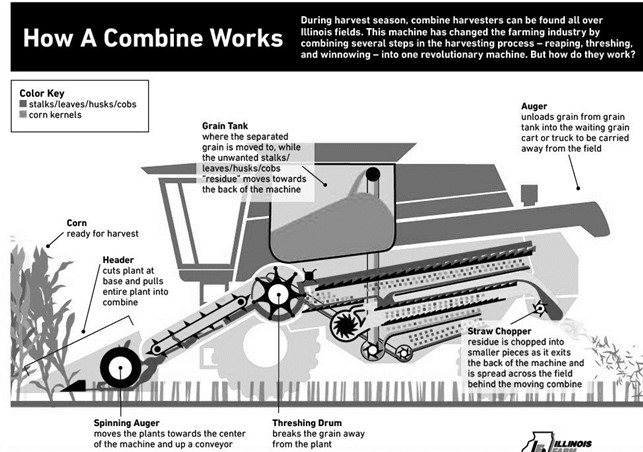
Source: https://www.iowafarmbureau.com
Source: https://www.iowafarmbureau.com
Ballia: A 65-year-old farmer died allegedly due to shock after seeing the damage to his crops due to unseasonal rain in Nathna village in the district, police said.
“According to the information provided by the family of the deceased, he died of shock after seeing his damaged wheat crop last night,” SDM Ramanuj Singh said.
The deceased had left his harvested crop in his two bighas of land which got damaged due to untimely rain, Mr. Singh said.
He added that necessary steps were being taken to help the family get financial help from Chief Minister’s discretionary fund.
Ballia: Un agricultor de 65 años murió supuestamente debido a un shock tras ver los daños sufridos por sus cultivos a causa de las lluvias fuera de temporada en el pueblo de Nathna, en el distrito, según informó la policía.
“De acuerdo con la información proporcionada por la familia del fallecido, murió de shock después de ver su cosecha de trigo dañada anoche”, dijo el SDM Ramanuj Singh.
El fallecido había dejado su cosecha en sus dos vigas de tierra que se dañaron debido a la lluvia inoportuna, dijo el Sr. Singh.
Añadió que se estaban tomando las medidas necesarias para ayudar a la familia a obtener ayuda financiera del fondo discrecional del ministro Principal.
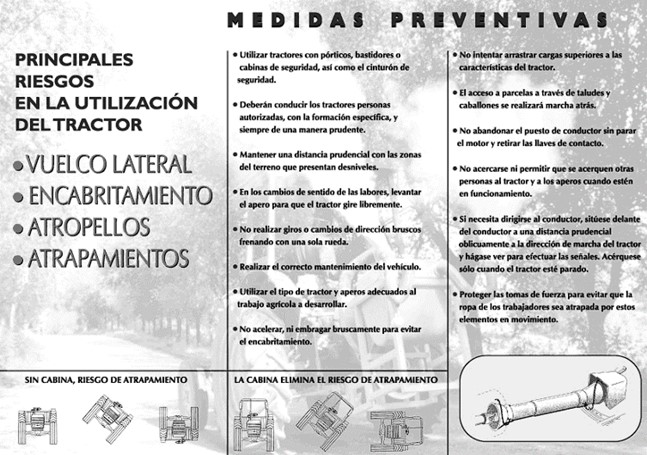
Fuente: https://www.carm.es
A lathe is a powered tool that spins wood, metal, or other material at an adjusted speed to allow for sanding, cutting, shaping, etc. Lathes can be used in woodworking, metalworking, glassblowing, and pottery forming. As with all powered equipment, lathe safety training and good work practices prevent serious caught/crush injuries and even death.
IS LATHE A HAZARDOUS MATERIAL?
Lathes contain several fast-rotating parts that can cause contact and entanglement hazards. Keep all body parts away from all rotating parts. Never wear loose-fitting clothing or jewelry while operating a lathe.
Operators of lathes are one of the largest machine worker populations in the United States, estimated to account for over 140,000 machinists. Of this population, approximately 3,000 suffer lost-time injuries annually in the United States. Some of these are fatal.
The most common causes of death and injury because of lathes include the entanglement of clothing in moving parts, being hit by loose objects on the machine, and being hit by a poorly secured or oversized workpiece. Whether or not you feel comfortable operating a lathe, accidents with the machine can be deadly.
THE BASICS OF LATHES AND HOW THEY WORK
Although there are different types of lathes, they all use a similar method in which the workpiece rotates against the cutting tool, the latter of which is stationary. Milling machines, of course, work in the opposite way. With a milling machine, the workpiece is stationary, whereas the cutting tool rotates.
Lathes are designed to remove material from workpieces by exposing them to a cutting tool. The workpiece is secured to the lathe, at which point it rotates while pressing into a cutting tool. The rotational movement of the workpiece allows for the fast, efficient, and precise removal of material.
Lathes are large and complex machines consisting of many individual components. The headstock, for example, is the component that holds the workpiece as it rotates. Lathes also have a tailstock to which the workpiece can be secured. The tailstock is typically used for exceptionally large or long workpieces.
Fundamentally, Lathes do the opposite of what most other machines do. Lathes spin the workpiece at a high speed and move a stationery cutter into the workpiece.
TYPES OF LATHES
In addition to woodworking lathes, there are also metalworking lathes. Metals are generally harder than wood, so metalworking lathes require a stronger and sharper cutting tool than their woodworking counterparts. Metalworking lathes offer a range of different cutting tools, varying in size, shape, and material, but they are all designed to cut through common metals like aluminum and steel.
A glass-working lathe, of course, is a type of lathe that’s used for glass workpieces. It’s used to make glasses and optical materials by exposing them to a stationary cutting tool. Of course, there are many other types of lathes, some of which include metal-spinning lathes, ornamental turning lathes, cue lathes and patternmaker’s lathes.
WHAT TO KNOW BEFORE USING A LATHE
OPERATOR TRAINING & PPE
First and foremost, lathe operators must be trained and held accountable for following safe work practices. This is essential in avoiding injury. Examples of lathe machine safety precautions include not wearing loose clothing, rings and other jewelry, keeping long hair pulled back while operating a lathe and keeping hands and fingers away from rotating parts. As mentioned earlier, these practices are important because rotating parts will catch loose or dangling items and pull the operator into the machine, causing serious injuries or death.
OSHA makes it the responsibility of the employer to provide training that addresses safe start-up and shutdown as well as proper machine operation, speed adjustments and work piece placement, control, and support.
BEST SAFETY PRACTICES TO FOLLOW WHEN USING A LATHE
A lathe is a machining tool that features a rotating workpiece and a stationary cutting tool. The workpiece is secured to the headstock or tailstock, which rotates the workpiece while it presses against a stationary cutting tool.
A 52-year-old machinist at a manufacturing company was preparing to spot drill the center of a 103-inch piece of round steel in a manual lathe. Because of the length of the steel, 24 inches of the material was protruding out of the back of the unguarded lathe, held in place with an aftermarket clamping device that rotates as the lathe rotates. Security footage showed that while the lathe was in operation and the steel rod was spinning, the machinist attempted to grab a glove from the top of the lathe. The sleeve of his shirt became entangled on the clamping device, pulling him into the lathe between the motor and rotating piece of steel. As the lathe continued to turn, the machinist’s body rotated around the piece of steel and struck the motor about 12 times. An employee in the changing room heard the event, ran out to investigate, shut down the machine and called emergency medical services. First responders transported the partially conscious machinist to a hospital, where he was pronounced dead on arrival. Cause of death was listed as traumatic blunt force injuries.
To help prevent similar occurrences, employers should:
Un torno es una herramienta motorizada que hace girar madera, metal u otro material a una velocidad ajustada para poder lijar, cortar, dar forma, etc. Los tornos pueden utilizarse para trabajar la madera, el metal, el vidrio soplado y la cerámica. Como ocurre con todos los equipos motorizados, la capacitación en seguridad con tornos y las buenas prácticas de trabajo evitan lesiones graves por atrapamiento o aplastamiento e incluso la muerte.
¿SON LOS TORNOS UN MATERIAL PELIGROSO?
Los tornos contienen varias piezas que giran rápidamente y que pueden provocar riesgos de contacto y enredo. Mantenga todas las partes del cuerpo alejadas de todas las piezas giratorias. No lleve nunca ropa holgada ni joyas mientras maneje un torno.
Los operadores de tornos son una de las poblaciones de trabajadores de máquinas más grandes de los Estados Unidos, estimándose que representan más de 140.000 maquinistas. De esta población, aproximadamente 3.000 sufren lesiones con baja cada año en Estados Unidos. Algunas de ellas son mortales.
Las causas más comunes de muerte y lesiones debidas a los tornos incluyen el enredo de la ropa en piezas móviles, ser golpeado por objetos sueltos en la máquina y ser golpeado por una pieza de trabajo mal sujeta o de tamaño excesivo. Tanto si se siente cómodo manejando un torno como si no, los accidentes con la máquina pueden ser mortales.
FUNDAMENTOS DE LOS TORNOS Y SU FUNCIONAMIENTO
Aunque existen diferentes tipos de tornos, todos utilizan un método similar en el que la pieza gira contra la herramienta de corte, que permanece fija. Las fresadoras, por supuesto, funcionan de forma opuesta. En una fresadora, la pieza está inmóvil, mientras que la herramienta de corte gira.
Los tornos están diseñados para retirar material de las piezas exponiéndolas a una herramienta de corte. La pieza de trabajo se fija al torno, momento en el que gira mientras se presiona contra una herramienta de corte. El movimiento de rotación de la pieza permite eliminar el material de forma rápida, eficaz y precisa.
Los tornos son máquinas grandes y complejas que constan de muchos componentes individuales. El cabezal, por ejemplo, es el componente que sujeta la pieza de trabajo mientras gira. Los tornos también tienen un contrapunto en el que se puede fijar la pieza de trabajo. El contrapunto se utiliza normalmente para piezas excepcionalmente grandes o largas.
Básicamente, los tornos hacen lo contrario que la mayoría de las demás máquinas. Los tornos hacen girar la pieza de trabajo a gran velocidad y mueven una fresa fija dentro de la pieza de trabajo.
TIPOS DE TORNOS
Además de los tornos para madera, también existen tornos para metales. Los metales son generalmente más duros que la madera, por lo que los tornos para metal requieren una herramienta de corte más fuerte y afilada que sus homólogos para madera. Los tornos para metal ofrecen una gama de diferentes herramientas de corte, que varían en tamaño, forma y material, pero todas están diseñadas para cortar metales comunes como el aluminio y el acero.
Un torno para vidrio, por supuesto, es un tipo de torno que se utiliza para piezas de vidrio. Se utiliza para fabricar vidrios y materiales ópticos exponiéndolos a una herramienta de corte estacionaria. Por supuesto, hay muchos otros tipos de tornos, algunos de los cuales incluyen tornos de hilar metal, tornos ornamentales, tornos de taco y tornos de patronista.
LO QUE HAY QUE SABER ANTES DE UTILIZAR UN TORNO
CAPACITACIÓN DEL OPERADOR Y EPP
Ante todo, los operarios de tornos deben estar capacitados y ser responsables de seguir unas prácticas de trabajo seguras. Esto es esencial para evitar lesiones. Ejemplos de precauciones de seguridad en máquinas de torneado incluyen no llevar ropa suelta, anillos y otras joyas, mantener el pelo largo recogido mientras se opera un torno y mantener las manos y los dedos alejados de las piezas giratorias. Como se ha mencionado anteriormente, estas prácticas son importantes porque las piezas giratorias pueden atrapar objetos sueltos o colgantes y arrastrar al operario hacia la máquina, causando lesiones graves o la muerte.
La OSHA responsabiliza al empleador de impartir capacitación sobre la puesta en marcha y el apagado seguro, así como sobre el funcionamiento correcto de la máquina, los ajustes de velocidad y la colocación, el control y el apoyo de las piezas de trabajo.
MEJORES PRÁCTICAS DE SEGURIDAD A SEGUIR CUANDO SE UTILIZA UN TORNO
Un torno es una herramienta de mecanizado que cuenta con una pieza de trabajo giratoria y una herramienta de corte estacionaria. La pieza de trabajo se fija al cabezal o al contrapunto, que la hace girar mientras presiona contra una herramienta de corte fija.

What´s wrong in this picture?
Rotating chuck showing overall sleeve and emery cloth entangled on the spindle. The chuck guard had never been fitted on the lathe. Although no engine ratings witnessed the accident, it was probable that either the emery cloth and / or the loose sleeve of the mechanic´s overalls were caught in the rotating chuck. The mechanic was then pulled over and held down over the rotating chuck, outside the reach of the emergency stop button.
In addition, the lack of a physical barrier around the chuck, the lathe had another design problem with the position of the emergency button, which was not within reach of the trapped and injured operator.
Lathes contain several fast-rotating parts that can cause contact and entanglement hazards. Keep all body parts away from all rotating parts. Never wear loose-fitting clothing or jewelry while operating a lathe.
So it is important to keep your hands and fingers away from any moving parts or cutting tools. Avoid reaching across the rotating chuck or work piece when you are filing or burnishing. Never use your hand to stop a moving chuck. Instead, move the cutting tool away from the metal, turn off the lathe and remove the work piece.
Un maquinista de 52 años de una empresa de fabricación se disponía a taladrar el centro de una pieza redonda de acero de 103 pulgadas en un torno manual. Debido a la longitud del acero, 24 pulgadas del material sobresalían por la parte trasera del torno no vigilado, sujeto con un dispositivo de sujeción del mercado de accesorios que gira a medida que gira el torno. Las grabaciones de seguridad mostraron que, mientras el torno estaba en funcionamiento y la barra de acero giraba, el maquinista intentó coger un guante de la parte superior del torno. La manga de su camisa se enredó en el dispositivo de sujeción, tirando de él hacia el interior del torno, entre el motor y la pieza de acero giratoria. Mientras el torno seguía girando, el cuerpo del maquinista giró alrededor de la pieza de acero y golpeó el motor unas 12 veces. Un empleado que se encontraba en el vestuario oyó el suceso, salió corriendo a investigar, apagó la máquina y llamó a los servicios médicos de urgencia. Los socorristas trasladaron al maquinista parcialmente consciente a un hospital, donde fue declarado muerto a su llegada. La causa de la muerte fueron lesiones traumáticas por objeto contundente.
Para evitar sucesos similares, los empleadores deben:
¿Qué ocurre en esta imagen?
Portabrocas giratorio mostrando el manguito general y la tela de esmeril enredados en el husillo. El protector del mandril nunca se había instalado en el torno. Aunque ningún operario del motor presenció el accidente, es probable que la tela de esmeril y/o el manguito suelto del mono del mecánico quedaran atrapados en el mandril giratorio. A continuación, el mecánico fue arrastrado y sujetado sobre el mandril giratorio, fuera del alcance del botón de parada de emergencia.
Además de la falta de una barrera física alrededor del plato, el torno tenía otro problema de diseño con la posición del botón de emergencia, que no estaba al alcance del operario atrapado y lesionado.
Los tornos contienen varias piezas que giran rápidamente y que pueden provocar riesgos de contacto y enredo. Mantenga todas las partes del cuerpo alejadas de todas las piezas giratorias. No lleve nunca ropa holgada ni joyas mientras maneja un torno.
Por lo tanto, es importante mantener las manos y los dedos alejados de cualquier pieza móvil o herramienta de corte. Evite alcanzar el plato giratorio o la pieza de trabajo cuando esté limando o bruñendo. Nunca utilice la mano para detener un plato en movimiento. En su lugar, aleje la herramienta de corte del metal, apague el torno y retire la pieza de trabajo.
Las cartas de presentación en el sector agrario no son tan habituales como en muchas otras profesiones. Sin embargo, esto le brinda una excelente oportunidad de captar la atención de su posible empleador y destacar sus aptitudes más impresionantes. El agricultor querrá saber que puede confiar en usted para producir la mejor cosecha o producto posible, con un mínimo de indicaciones. Aplique el formato del ejemplo de carta de presentación de peón agrícola profesional a su propio historial para ofrecer detalles que no aparecen en su currículum.
LA NECESIDAD DE UNA CARTA DE PRESENTACIÓN
Un currículum perfecto sólo es tan sólido como su primera impresión, por eso es tan importante una carta de presentación para que se vea y consiga que su currículum reciba la segunda mirada que se merece. Ese único trozo de papel es su mejor oportunidad para convencer a un empleador de que usted es la persona perfecta para el puesto. Bien redactada, pulida y profesional, su carta de presentación puede ser la clave para conseguir su próximo empleo en el sector agrario.
CÓMO CREAR UN CURRÍCULUM DE AGRICULTOR
Revise detenidamente la descripción del puesto al que opta para saber qué experiencia y habilidades debe mostrar en su currículum. Intente presentar un currículum que se acerque a los requisitos y preferencias enumerados en la descripción para aumentar sus posibilidades de conseguir el puesto. Estos son los pasos para crear un currículum de agricultor eficaz que capte la atención del responsable de contratación:
CONSEJOS IMPORTANTES PARA LA REDACCIÓN
Una carta de presentación bien redactada es su documento más valioso y redactada correctamente podría permitirle alcanzar el trabajo soñado que siempre le pareció inalcanzable.
A structural steel worker is a metal worker who is engaged in building metal structures, esp. in high-rise buildings, where a worker joins together steel beams, columns, and surfaces, and creates a metal skeleton. Structural steel workers could also perform other tasks involving metal construction building sites.
DANGERS OF WORKING/TRAVELLING ON SKELETON STEEL
COMMON CAUSES OF SKELETON STEEL ACCIDENTS
SAFETY PRECAUTIONS FOR SKELETON STEEL WORKERS
SKELETON STEEL WORKER SAFETY TAKEAWAYS
Simple steps can increase your safety and avoid serious injuries while working with steel channel and other metals. While some of these steps may seem cumbersome or inconvenient, trips to a doctor or a hospital will likely be a far greater inconvenience and can be quite expensive.

Source: https://www.boat-ed.com
1. Firefighters are usually exposed to asbestos from burning buildings. However, they can also be exposed from their protective gear, in their fire stations, or if asbestos fibers linger in the air after a fire is put out.
2. Firefighters face the highest risk of exposure when trying to put out fires in older buildings made with asbestos-containing products. Modern-day firefighters may not know whether a building contains asbestos, so they must use respiratory protection to avoid exposure.
3. Building parts that contained asbestos include:
4. Firefighters who are exposed to asbestos during firefighting risk injuries to:
5. Protective measures such as wearing appropriate personal protective equipment (PPE) can help to minimize the risk of exposure to asbestos-related disease.

Join us for an interactive, informative, and fun virtual 2 Day training class!
8:00am to 2:00pm pacific time for both days – Thursday and Friday
In order to attend this course online, OSHA requires each registrant to log in with their unique email, have their webcam turned on throughout the entire course, and a microphone available to participate in interactive exercises. OSHA will occasionally log in to audit the course.
Not meeting these requirements will result in dismissal from the class.
FREE – Each class limited to the first 40 RSVPs
Maximum of 5 participants per policyholder account
Students who successfully complete all 10 hours of training will receive their OSHA 10-hour Safety and Health completion card free of charge.
Registration will close once classes are full. Please email gtejada@icwgroup.com for any questions regarding the class.
The OSHA Outreach Training Program provides training for workers and employers on the recognition, avoidance, abatement, and prevention of safety and health hazards. This course will be completed over two days and will offer a broad scope of safety and health topics that will help you learn OSHA industry standards and safety best practices.
Los respiradores son un tipo de equipo de protección individual utilizado para proteger al trabajador contra la exposición a sustancias transportadas por el aire. Los respiradores son dispositivos que se llevan sobre la boca, la nariz y, a veces, los ojos, y que ayudan a respirar con seguridad en una zona peligrosa. Cuando no se puede controlar la exposición a sustancias transportadas por el aire, o mientras se instalan los controles, se pueden utilizar los respiradores adecuados.
TIPOS DE RESPIRADORES – 2 TIPOS BÁSICOS
Existen dos tipos básicos de respiradores: los “respiradores purificadores de aire”, que filtran el aire ambiente, y los “respiradores de suministro de atmósfera”, que proporcionan aire limpio procedente de una fuente no contaminada. Los respiradores con suministro de atmósfera proporcionan un mayor nivel de protección que los respiradores purificadores de aire.
Tipos específicos de mascarillas de respiración
Mascarilla de respiración antipolvo: Diseñada para capturar partículas como polvo, nieblas y humos cuando el usuario inhala.
Mascarilla de respiración de media cara: Mascarilla de respiración con suministro de atmósfera que cubre sólo la boca y la nariz y filtra los contaminantes cuando el usuario inhala.
Mascarilla de respiración completa: Respirador purificador de aire que cubre la nariz, la boca, los ojos y la cara y es especialmente útil en condiciones de presencia de contaminantes en el aire que pueden causar irritación ocular.
Respirador purificador de aire de presión positiva (PAPR): Un respirador que utiliza un ventilador portátil alimentado por baterías para aspirar aire ambiental hacia un cartucho filtrante y luego empujar el aire filtrado hacia la máscara del respirador.
Respirador con suministro de aire: También conocidos como respiradores con suministro de aire (SAR, por sus siglas en inglés), estos respiradores utilizan una fuente independiente de aire de calidad respirable suministrado a través de una manguera conectada a la máscara del respirador.
CUÁL ES EL PELIGRO
PELIGROS DE LA CALIDAD DEL AIRE EN EL TRABAJO
La calidad del aire en el lugar de trabajo debe ser uno de los primeros peligros que los empleadores busquen y aborden. El aire que respiramos influye directamente en nuestra salud. Si hay humos peligrosos impregnando el aire en un lugar de trabajo, los trabajadores están expuestos a riesgos incluso antes de empezar a trabajar o de tocar una pieza del equipo.
Los trabajadores suelen estar más expuestos a las calidades peligrosas del aire si trabajan en la construcción, la industria manufacturera o la agricultura. En estas industrias y en otras, los peligros respiratorios pueden incluir gases como el amoníaco y el monóxido de carbono, vapores como la gasolina y el cloroformo, polvo como partículas de carbón y grano, nieblas como la pintura en aerosol y el vapor químico, y humos provocados por la soldadura y la fundición.
PELIGROS PARA LA SALUD GENERADOS POR LA MALA CALIDAD DEL AIRE
La más grave de las complicaciones agudas son los problemas respiratorios del aire, que suelen producirse tras la exposición al metilbenceno, una sustancia utilizada para fabricar diluyentes de pintura y perfumes.
COMO PROTEGERSE
CONSEJOS DE SEGURIDAD PARA TRABAJADORES EN EL USO DE RESPIRADORES
La inhalación de contaminantes transportados por el aire puede causar problemas respiratorios y pulmonares a corto y largo plazo. Los respiradores son muy eficaces para eliminar el riesgo de exposición.
Respirators are a type of personal protective equipment used to provide protection against worker exposure to airborne substances. Respirators are devices worn over the mouth, nose and sometimes the eyes, that help you breathe safely in a hazardous area. When airborne exposures cannot be controlled, or while controls are being installed, appropriate respirators may be used.
TYPES OF RESPIRATORS – 2 BASIC TYPES
There are two basic types of respirators- “air purifying respirators,” which filter out ambient air, and “atmosphere supplying respirators,” which provide clean air, from an uncontaminated source. Atmosphere supplying respirators provide a higher level of protection than air-purifying respirators.
Specific Types of Respirators
Dust mask respirator: Designed to capture particles such as dusts, mists, and fumes when the wearer inhales.
Half-face respirator: An atmosphere supplying respirator that covers only the mouth and nose and filters out contaminants when the wearer inhales.
Full-face respirator: Air-purifying respirator that covers the nose, mouth, eyes, and face and is especially useful under conditions where airborne contaminants are present that can cause eye irritation.
Positive-Pressure, Air-Purifying Respirator (PAPR): Respirator that uses a portable, battery-powered fan to draw ambient air into a filtering cartridge and then push the filtered air into the respirator’s face piece.
Air-supplying respirator: Also known as supplied-air respirators (SARs), these respirators use an independent source of breathing-quality air provided through a hose connected to the respirator’s face piece.
AIR QUALITY HAZARDS AT WORK
Air quality in the workplace should be one of the first hazards employers look for and address. The air we breathe has such a direct impact on our health. If there are dangerous fumes permeating the air at a job site, workers are being exposed to hazards before ever even starting the job or touching a piece of equipment.
Workers are most commonly susceptible to hazardous air qualities if they work in construction, manufacturing or agriculture industries. In these industries and others, respiratory hazards can include gases such as ammonia and carbon monoxide, vapors such as gasoline and chloroform, dust such as particles of coal and grain, mists such as spray paint and chemical steam, and fumes caused by welding and smelting.
HEALTH HAZARDS GENERATED BY POOR AIR QUALITY
The most serious of acute complications is breathing air problems, which commonly occur after exposure to methylbenzene, a substance used to manufacture paint thinners and perfumes.
SAFETY TIPS FOR WORKERS IN RESPIRATOR USE
Breathing in airborne contaminants can cause breathing problems and lung problems in both the long and short term. Respirators are very effective at removing the risk of exposure.
El empleador es una empresa de galvanoplastia con 31 empleados, la mayoría de los cuales son electrodepositadores. Los empleados con al menos un año de experiencia habían asistido a una única sesión de capacitación sobre riesgos químicos impartida por una empresa de formación en comunicación de riesgos. Los nuevos empleados reciben una breve orientación sobre los productos químicos utilizados en las operaciones de galvanoplastia y la ubicación de las fichas de datos de seguridad de los materiales (MSDS) y, a continuación, realizan una “prueba de concienciación química” que consiste en un repaso de la información recibida. Los galvanizadores deben llevar equipo de protección personal (botas, guantes, delantales y gafas de seguridad). Se habían entregado respiradores de cartucho para la niebla ácida a dos electrodepositadores y al operario de tratamiento de aguas residuales, pero estaban a disposición de cualquiera de los trabajadores.
En el momento del incidente, el empleador no disponía de un programa de seguridad escrito, ni de procedimientos de emergencia en la planta, ni de formación continua en seguridad, ni de procedimientos de entrada segura en espacios confinados, y no celebraba reuniones de seguridad con los empleados.
La víctima no llevaba ningún equipo de protección respiratoria y el único equipo de protección individual (EPP) que llevaba eran guantes, botas y un delantal. En pocos minutos se formó vapor de cianuro de hidrógeno en el tanque debido a una reacción química entre el ácido muriático y el cianuro de zinc. Unos 4 minutos después de haber entrado en el tanque, los compañeros de trabajo observaron que la víctima intentaba salir, pero volvía a caer en el tanque. Cuatro compañeros entraron en el tanque para intentar rescatar a la víctima. Llevaban diversos EPP, pero ningún equipo de protección respiratoria. Todos se desplomaron dentro del tanque. Otros compañeros, al ver a estos trabajadores desplomarse, también hicieron diversos intentos de rescate. En ese momento, a medida que la reacción química continuaba, la mayoría de los trabajadores que entraron en la sala de cincado ni siquiera pudieron acercarse al tanque de retención debido al vapor de cianuro de hidrógeno. Sin embargo, un trabajador (sin protección respiratoria) sacó a uno de los cuatro trabajadores que se habían desplomado (que estaba inclinado sobre la parte superior del tanque con la cabeza hacia abajo) y le practicó la reanimación cardiopulmonar.
Se avisó a la policía municipal, a la policía estatal y a los bomberos. El personal de estos departamentos llegó en aproximadamente 15 minutos y comenzó a sacar a los trabajadores del tanque de almacenamiento de cianuro de zinc. Los bomberos llevaban equipo completo (EPP estándar para bomberos) con aparato de respiración autónomo (SCBA). Los agentes de policía no llevaban equipo de protección respiratoria ni EPP.
El forense del condado declaró muertos en el lugar de los hechos al electrodepositador (víctima) y a tres de los compañeros que intentaban rescatar. El cuarto compañero fue trasladado al hospital local, donde falleció dos días después. Además de las 5 víctimas mortales, 30 personas recibieron tratamiento médico por exposición tóxica a vapores de cianuro de hidrógeno:
The employer is an electroplating company with 31 employees most of whom are electroplaters. Employees with at least 1 year of experience had attended a one-time training session on chemical hazards from a hazard communication training company. New employees receive a brief orientation on the chemicals used in the plating operation and the location of Material Safety Data Sheets (MSDS), and then take a “chemical awareness test” which is a review of the information received. Electroplaters are required to wear personal protective equipment (boots, gloves, aprons and safety glasses). Acid-mist cartridge-type respirators had been issued to two electroplaters and the wastewater treatment operator but were available for use by any of the workers.
At the time of the incident the employer had no written safety program, no plant emergency procedures, no on-going safety training, no confined space safe entry procedures, and did not conduct safety meetings with employees.
The victim was not wearing any respiratory protective equipment and the only personal protective equipment (PPE) he was wearing were gloves, boots and an apron. Within a few minutes hydrogen cyanide vapor formed in the tank due to a chemical reaction between the muriatic acid and zinc cyanide. About 4 minutes after he had entered the tank, co-workers observed the victim trying to climb out but then falling back into the tank. Four co-workers entered the tank in an attempt to rescue the victim. They were wearing varying amounts of PPE but no respiratory protective equipment. They all collapsed inside the tank. Other co-workers, seeing these workers collapse, also made varying rescue attempts. By this time, as the chemical reaction continued, most of the co-workers who entered the zinc plating room were unable to even get close to the holding tank because of the hydrogen cyanide vapor. However, one co-worker (without respiratory protection) removed one of the four collapsed co-workers (who was bent over the top of the tank with his head down inside) and administered cardiopulmonary resuscitation.
The city police, state police, and fire department were notified. Personnel from these departments arrived within approximately 15 minutes and began removing the workers from the zinc cyanide holding tank. Firefighters were wearing full turnout gear (standard PPE for firefighters) with self-contained breathing apparatus (SCBA). Police officers were not wearing any respiratory protective equipment or PPE.
The county coroner pronounced the electroplater (victim) and three of the co-workers attempting rescue dead at the scene. The fourth co-worker was taken to the local hospital where he died 2 days later. In addition to the 5 fatalities, 30 individuals received medical treatment for toxic exposure to hydrogen cyanide vapor: