Ship Inspections Stats and Facts

FACTS

Accidents due to inadequate ship inspections:

  1. Insufficient inspections of the ship’s structural integrity can lead to fatigue cracks, corrosion, or other forms of damage going unnoticed.
  2. Inadequate inspections of fire safety systems, electrical equipment, and fuel storage can lead to fire and explosion incidents.
  3. Insufficient inspections of navigation equipment, including radar, GPS systems, and charts, can lead to navigational errors and collisions with other vessels, reefs, or shorelines.
  4. Poor inspections of pollution prevention measures and equipment can result in oil spills, hazardous material leaks, or improper disposal of waste.
  5. Negligence in inspecting safety equipment, machinery, and working conditions can result in accidents causing injuries or even fatalities to crew members or passengers.
  6. Poorly executed cargo operations, inadequate securing methods, or failure to comply with loading guidelines can result in accidents, cargo damage, or capsizing of the vessel.

STATS

  • Ship inspections often result in the identification of deficiencies or non-compliance issues. The deficiency rates vary depending on factors such as the ship’s type, age, flag state, and trading area. On average, studies have shown that approximately 10-20% of inspected ships are found with deficiencies.
  • AMSA has issued its Inspection Report for year 2022 revealing that container ships are in the top five detained ship types for three years, accounting for nearly 15 % of arrivals during last year. In 2022, 1,181 bulk carriers were inspected with 3,446 deficiencies issued resulting in 76 detentions. The detention rate for bulk carriers increased to 6.4 per cent from 6.1 per cent in 2021.
  • According to the report, the average PSC deficiencies per inspection increased from 2.2 % in 2021 to 2.58 per cent in 2022. This is significantly higher than the 10-year rolling average of 2.3 deficiencies per inspection.
  • While there was a 14.7 % decrease in the number of initial PSC inspections, AMSA increased the inspection rate of Priority 1 (P1) ships, inspecting 88.5 per cent of all eligible arrivals of P1 ships. We decreased the inspection rate of Priority 4 (P4) ships, inspecting 24.5 % of eligible arrivals. The PSC results show that there was a slight increase in the detention rate of ships from 5.6 per cent in 2021 to 6.0 % in 2022.  The peak detention rate was in 2011 with 9.2 %. The 2022 detention rate is consistent with the 10-year rolling average of 6.0 %.
  • 82 % increase in the number of detentions of DCVs, from 22 in 2021 to 62 in 2022.
  • The inspection rate of RAVs remains consistent at 95 per year. The number of detainable deficiencies identified on RAVs fell by 43 per cent (from seven in 2021 to four in 2022).
  • 1,181 bulk carriers were inspected with 3,446 deficiencies issued resulting in 76 detentions. The detention rate for bulk carriers increased to 6.4 % from 6.1 % in 2021.
  • Container ships continue to perform poorly, being in the top five detained ship types for three years, and accounting for nearly 15 % of arrivals in 2022.
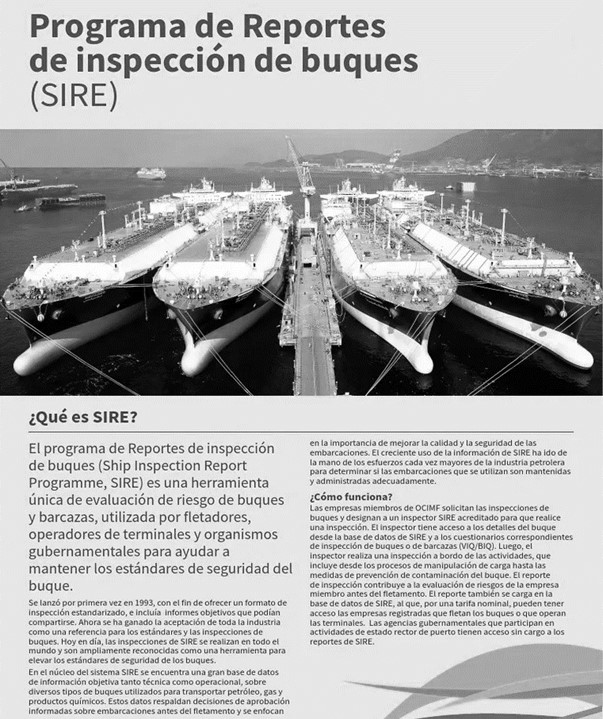
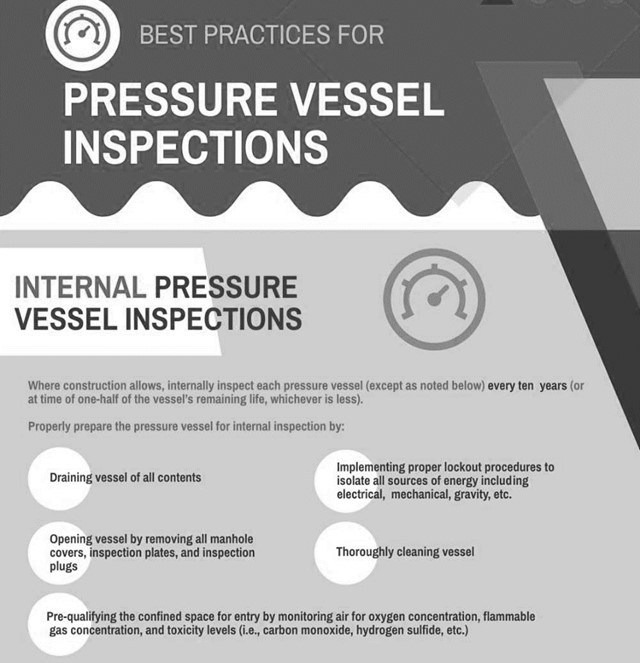

Ship Inspections Fatality File – Spanish

ACCIDENTE MORTAL DURANTE LA INSPECCIÓN DE UN ALMACÉN DE CADENAS

Durante la inspección rutinaria del almacén de cadenas con cadena a bordo de un arrastrero de popa, un miembro de un equipo de inspección se desmayó durante la inspección y murió poco después. Un segundo miembro se desmayó durante la operación de rescate, pero se recuperó.

Uno de los miembros había entrado en el almacén de cadenas a través de una boca de acceso en cubierta y había comenzado la inspección a unos 2 metros por debajo de la cubierta. El almacén de cadenas es de tipo rectangular y la cadena descansa sobre un fondo perforado por encima del fondo almacén. Los otros dos miembros del equipo permanecieron en cubierta. Al cabo de unos minutos se observó a la persona que estaba en el almacén de cadenas tumbada aparentemente inconsciente en un rincón. Un segundo miembro del equipo bajó inmediatamente a rescatarla y envió al tercer miembro del equipo a pedir ayuda. Durante este primer intento de rescate también se desmayó el segundo miembro del equipo.

Se prestaron los primeros auxilios en cuanto los dos hombres fueron sacados del casillero de cadenas y de camino al hospital. Sin embargo, no se pudo salvar la vida del miembro que entró primero en el cadenero.

La causa inmediata de este trágico accidente fue la falta de oxígeno en el cubrecadena, probablemente provocada por el proceso de corrosión en curso a lo largo del tiempo y la atmósfera estancada en el cubrecadena.

La boca de acceso al almacén de cadenas se había abierto unas horas antes de la inspección, pero la tapa se había vuelto a colocar sin apretar para evitar que alguien tropezara con el pañol. Los tubos de la cadena que conducen al almacén se habían cerrado provisionalmente con cemento para impedir la entrada de agua de mar. Al parecer, el ancla no se había utilizado en los últimos 4 ó 5 años.

Incidentes como éste subrayan la importancia de lo siguiente:

  • La inspección de espacios como pañoles de cadenas, ataguías, etc. puede representar peligros similares a la inspección de tanques de lastre en lo que respecta a atmósferas peligrosas y debe realizarse con el mismo cuidado.
  • Los espacios cerrados deben ventilarse adecuadamente y debe verificarse que es seguro entrar en ellos antes de hacerlo. Deberán aplicarse medios de ventilación forzada cuando sea necesario, también durante la inspección.
  • La atmósfera debe controlarse también durante la inspección mediante un medidor portátil que emita una alarma acústica en caso de atmósfera insegura.
  • Un equipo de dos personas debe llevar a cabo la inspección de los espacios cerrados. A la entrada del espacio debe haber una guardia de seguridad de al menos una persona con medios para comunicarse con el equipo de inspección dentro del espacio, así como con el oficial responsable de guardia a bordo en caso de emergencia.
  • El equipo de rescate, incluido el aparato de respiración, debe estar disponible en la entrada del espacio en caso de emergencia.
  • El contenido de oxígeno en una atmósfera normal es del 20,94% en volumen. No se debe entrar en espacios cerrados a menos que el contenido de oxígeno se aproxime a este valor.


Ship Inspections Fatality File

FATAL ACCIDENT DURING INSPECTION OF CHAIN LOCKER

During routine inspection of the chain locker with chain on board a stern trawler, one member of an inspection team fainted during the inspection and died shortly after. A second member fainted during the rescue operation but recovered.

One member had entered the chain locker through a manhole on deck and had started the inspection approximately 2 metres below the deck. The chain locker is of the rectangular type and the chain rests on a perforated bottom above the bottom of the locker. The other two members of the team remained on deck. After a few minutes the person in the chain locker was observed lying apparently unconscious in a corner. A second member of the team then immediately went down to rescue and sent the third member of the team to call for assistance. During this first attempt of rescue also the second member of the team fainted.

First aid was given as soon as the two men were brought out of the chain locker and on the way to hospital. The life of the member who first entered the chain locker could, however, not be saved.

The immediate cause of this tragic accident was lack of oxygen in the chain locker, probably caused by the on-going corrosion process over time and the stagnant atmosphere in the chain locker.

The manhole for the chain locker had been opened some hours prior to the inspection but the cover had been put loosely on again in order to prevent anyone to stumble into the locker. The chain pipes leading to the locker had been made temporarily tight by cement in order to keep seawater out. The anchor had apparently not been used the last 4-5 years.

Incident like this stress out the importance of the following:

  • Inspection of spaces such as chain lockers, cofferdams etc. may represent similar dangers as inspection of ballast tanks with respect to dangerous atmosphere and should be carried out with the same care.
  • Enclosed spaces are to be properly ventilated and verified safe to enter prior to entry. Means of forced ventilation should be applied as necessary, also during inspection.
  • Atmosphere should be monitored also during inspection by means of portable meter giving audible alarm in case of unsafe atmosphere.
  • A team of two persons should carry out inspection of enclosed spaces. A safety watch of at least one person should be stand-by at the entrance to the space with means to communicate with the inspection team inside the space as well as with the duty responsible officer on board in case of emergency.
  • Rescue equipment including breathing apparatus should be kept readily available at the space entrance in case of emergency.
  • The oxygen content in a normal atmosphere is 20.94% by volume. No entry to enclosed spaces should be performed unless the oxygen content is close to this value.


Ship Inspections Infographic – Spanish

Fuente: https://anclademia.com


Ship Inspections Infographic

Source: https://www.tuvsud.com


Survival Gear Meeting Kit

WHAT’S AT STAKE

Survival gear refers to equipment and supplies designed to help individuals or groups survive in emergency or challenging situations, such as natural disasters, wilderness adventures, or other unforeseen circumstances. Having the right survival gear can significantly increase your chances of staying safe and comfortable in these situations.

WHAT’S THE DANGER

RELIANCE SOLELY ON SURVIVAL GEAR HAS DANGERS

  • False Sense of Security: Having survival gear can give a false sense of security, leading individuals to take unnecessary risks or fail to adequately prepare in other aspects of survival.
  • Lack of Skill and Knowledge: Understanding how to properly use the gear and having the relevant skills and training is crucial for maximizing its potential benefits.
  • Limited Resources: In prolonged survival situations, reliance solely on gear may result in the depletion of resources, leaving individuals without the means to sustain themselves in the long run.
  • Dependence on Technology: Some survival gear relies on technology or power sources that may fail or become unavailable during emergencies.
  • Weight and Mobility: Carrying a significant amount of survival gear can impede mobility and make it more challenging to navigate through certain terrains or escape hazardous situations.
  • Maintenance and Durability: Survival gear requires regular maintenance to ensure it remains in proper working condition. Failure to maintain gear, such as checking expiration dates on food supplies or testing equipment, can lead to inefficiency or equipment malfunction when it’s needed the most.

HOW TO PROTECT YOURSELF

CONTENTS OF SURVIVAL GEAR KITS

  • Water Filtration System: Access to clean water is crucial for survival. Water filters or purifiers can remove contaminants from natural water sources, making it safe for drinking.
  • Shelter: A sturdy tent, tarp, or emergency blanket provides protection from the elements and helps maintain body heat.
  • Fire Starters: Reliable fire starters, such as waterproof matches, lighters, or fire starters, enable you to create warmth, cook food, and signal for help.
  • First Aid Kit: A comprehensive first aid kit should contain items like bandages, antiseptic wipes, pain relievers, tweezers, and medical tape.
  • Food: Non-perishable food items like energy bars, canned goods, or dehydrated meals are essential for sustenance. Pack lightweight, high-calorie options that provide nutrition and energy during emergencies.
  • Multi-Tool: A versatile multi-tool, like a Swiss Army knife, can serve various purposes like cutting, opening cans, tightening screws, and more.
  • Navigation Tools: Include a compass and a map of the area to help you navigate and find your way, especially in unfamiliar terrain.
  • Communication: A fully charged cell phone, a hand-crank or solar-powered emergency radio, or a satellite communicator can help you stay connected and receive important updates.
  • Lighting: Pack a headlamp or flashlight with extra batteries to provide illumination during nighttime or in low-light situations.
  • Personal Protection: Depending on the situation, it may be necessary to include personal protection items such as a whistle, pepper spray, or a small self-defence tool.
  • Extra Clothing and Blankets: Pack extra layers of clothing appropriate for the climate, including rain gear, thermal blankets, and warm socks.
  • Rope and Cordage: Nylon paracord or sturdy rope can assist with building shelters, securing gear, and performing various tasks.

SURVIVAL GEAR PROTECTION

  • Store your survival gear in a cool, dry place away from direct sunlight and moisture. Exposure to extreme temperatures or humidity can damage equipment and compromise its functionality. Use waterproof containers or bags to protect items from water damage.
  • Routinely inspect and maintain your gear. Check for any signs of wear, damage, or expiration dates on items such as food, medications, or batteries. Replace or repair any damaged or expired gear to ensure it’s in working condition when needed.
  • After each use, clean and dry gear thoroughly before storing it. This is particularly important for items like knives, tools, or water filtration systems that may come into contact with dirt, debris, or contaminants.
  • Handle your survival gear with care and avoid unnecessary roughness or misuse that could lead to damage. Be mindful of sharp edges, delicate components, or sensitive parts that may require special handling.
  • Keep your gear well-organized to easily locate and access items when needed. Use compartments, labels, or a systematic packing method to ensure everything has its place.
  • Certain chemicals, solvents, or insect repellents can deteriorate or damage your gear. Be cautious when using such products around your survival gear and keep them stored separately to prevent accidental contact.
  • If your survival gear includes battery-operated devices, regularly test the batteries, and replace them as needed. Consider storing spare batteries in a separate container to prevent them from leaking or corroding and damaging your gear.
  • Understand the specific requirements for maintaining and protecting each piece of survival gear you own. Read and follow the manufacturer’s instructions and guidelines for storage, maintenance, and care.
  • Keep your survival gear up to date by staying informed about new technologies, advancements, and improvements in gear. Periodically reassess your kit to determine if any items need to be upgraded, replaced, or added based on changes in your needs, environment, or the condition of your gear.

FINAL WORD

By investing time in learning, training, and maintaining your gear, you’ll be better equipped to handle emergencies and maximize the potential of your survival equipment.


Survival Gear Meeting Kit – Spanish

QUÉ ESTÁ EN RIESGO

Por equipo de supervivencia se entiende el material y los suministros diseñados para ayudar a personas o grupos a sobrevivir en situaciones de emergencia o difíciles, como catástrofes naturales, aventuras en la naturaleza u otras circunstancias imprevistas. Contar con el equipo de supervivencia adecuado puede aumentar significativamente las posibilidades de mantenerse seguro y cómodo en estas situaciones.

CUÁL ES EL PELIGRO

CONFIAR ÚNICAMENTE EN EL EQUIPO DE SUPERVIVENCIA TIENE SUS PELIGROS

  • Falsa sensación de seguridad: Tener equipo de supervivencia puede dar una falsa sensación de seguridad, llevando a las personas a correr riesgos innecesarios o a no prepararse adecuadamente en otros aspectos de la supervivencia.
  • Falta de habilidad y conocimientos: Comprender cómo utilizar correctamente el equipo y tener las habilidades y capacitación pertinentes es crucial para maximizar sus beneficios potenciales.
  • Recursos limitados: En situaciones de supervivencia prolongada, depender únicamente del equipo puede provocar el agotamiento de los recursos, dejando a las personas sin medios para mantenerse a largo plazo.
  • Dependencia de la tecnología: Algunos equipos de supervivencia dependen de tecnología o fuentes de energía que pueden fallar o no estar disponibles durante las emergencias.
  • Peso y movilidad: Llevar una cantidad significativa de equipo de supervivencia puede impedir la movilidad y hacer que sea más difícil atravesar ciertos terrenos o escapar de situaciones peligrosas.
  • Mantenimiento y durabilidad: El equipo de supervivencia requiere un mantenimiento regular para garantizar su buen funcionamiento. La falta de mantenimiento, como comprobar las fechas de caducidad de los alimentos o probar el equipo, puede provocar ineficacia o mal funcionamiento del equipo cuando más se necesita.

COMO PROTEGERSE

CONTENIDO DE LOS KITS DE SUPERVIVENCIA

  • Sistema de filtración de agua: El acceso a agua limpia es crucial para la supervivencia. Los filtros o purificadores de agua pueden eliminar los contaminantes de las fuentes naturales de agua, haciéndola potable.
  • Refugio: Una tienda de campaña resistente, una lona o una manta de emergencia protegen de los elementos y ayudan a mantener el calor corporal.
  • Encendedores: Los iniciadores de fuego fiables, como cerillas impermeables, mecheros o encendedores, te permiten crear calor, cocinar alimentos y hacer señales para pedir ayuda.
  • Botiquín de primeros auxilios: Un botiquín de primeros auxilios completo debe contener artículos como vendas, toallitas antisépticas, analgésicos, pinzas y esparadrapo médico.
  • Alimentos: Los alimentos no perecederos, como barritas energéticas, conservas o comidas deshidratadas, son esenciales para el sustento. Empaque opciones ligeras y altas en calorías que proporcionen nutrición y energía durante las emergencias.
  • Multiherramienta: Una multiherramienta versátil, como una navaja suiza, puede servir para varios propósitos, como cortar, abrir latas, apretar tornillos, etc.
  • Herramientas de navegación: Incluye una brújula y un mapa de la zona para ayudarte a navegar y encontrar el camino, especialmente en terrenos desconocidos.
  • Comunicación: Un teléfono móvil completamente cargado, una radio de emergencia de manivela o que funcione con energía solar, o un comunicador por satélite pueden ayudarte a mantenerte conectado y recibir actualizaciones importantes.
  • Iluminación: Lleva un faro o una linterna con pilas de repuesto para iluminar durante la noche o en situaciones de poca luz.
  • Protección personal: Dependiendo de la situación, puede ser necesario incluir artículos de protección personal como un silbato, un spray de pimienta o una pequeña herramienta de autodefensa.
  • Ropa y mantas adicionales: Empaque capas adicionales de ropa apropiada para el clima, incluyendo ropa de lluvia, mantas térmicas y calcetines calientes.
  • Cuerda y cordaje: El paracord de nailon o una cuerda resistente pueden ayudar a construir refugios, asegurar el equipo y realizar diversas tareas.

PROTECCIÓN DEL EQUIPO DE SUPERVIVENCIA

  • Guarde su equipo de supervivencia en un lugar fresco y seco, alejado de la luz solar directa y de la humedad. La exposición a temperaturas o humedad extremas puede dañar el equipo y comprometer su funcionalidad. Utilice recipientes o bolsas impermeables para proteger los artículos de los daños causados por el agua.
  • Inspeccione y mantenga rutinariamente su equipo. Compruebe si hay signos de desgaste, daños o fechas de caducidad en artículos como alimentos, medicamentos o pilas. Sustituya o repare cualquier artículo dañado o caducado para asegurarse de que funciona cuando lo necesite.
  • Después de cada uso, limpie y seque bien el equipo antes de guardarlo. Esto es especialmente importante en el caso de artículos como cuchillos, herramientas o sistemas de filtración de agua que puedan entrar en contacto con suciedad, residuos o contaminantes.
  • Manipule su equipo de supervivencia con cuidado y evite la rudeza innecesaria o el uso indebido que pueda provocar daños. Tenga cuidado con los bordes afilados, los componentes delicados o las piezas sensibles que puedan requerir un manejo especial.
  • Mantenga su equipo bien organizado para localizar y acceder fácilmente a los artículos cuando los necesite. Utilice compartimentos, etiquetas o un método de embalaje sistemático para asegurarse de que todo está en su sitio.
  • Ciertos productos químicos, disolventes o repelentes de insectos pueden deteriorar o dañar su equipo. Tenga cuidado cuando utilice estos productos cerca de su equipo de supervivencia y guárdelos por separado para evitar el contacto accidental.
  • Si su equipo de supervivencia incluye dispositivos que funcionan con pilas, compruébelas regularmente y sustitúyalas cuando sea necesario. Considere la posibilidad de guardar las pilas de repuesto en un recipiente aparte para evitar que se derramen o corroan y dañen su equipo.
  • Conozca los requisitos específicos de mantenimiento y protección de cada equipo de supervivencia que posea. Lea y siga las instrucciones y directrices del fabricante para el almacenamiento, mantenimiento y cuidado.
  • Mantenga actualizado su equipo de supervivencia manteniéndose informado sobre nuevas tecnologías, avances y mejoras en el equipo. Reevalúe periódicamente su equipo para determinar si es necesario actualizar, sustituir o añadir algún artículo en función de los cambios en sus necesidades, el entorno o el estado de su equipo.

CONCLUSIÓN

Si invierte tiempo en aprender, capacitarse y realizar el mantenimiento de su equipo, estará mejor preparado para afrontar emergencias y maximizar el potencial de su equipo de supervivencia.


Survival Gear Stats and Facts

FACTS

Hazards to consider when using survival gear:

  1. Survival gear, such as knives, fire starters, or tools, can be dangerous if not used correctly. Improper handling or misuse can result in injuries or accidents.
  2. Many survival tools and gear, such as knives, axes, or saws, have sharp edges that lead to cuts/injuries.
  3. Fire-starting tools like matches, lighters, or fire starters can be fire hazards if not used safely. Careless handling or leaving fire sources unattended can lead to unintended fires, endangering yourself and others.
  4. Failure to maintain and clean the water filtration system can result in contaminated water.
  5. Some survival gear, such as emergency food rations or first aid supplies, may contain allergens or substances that can cause sensitivities.
  6. Navigation tools like compasses, maps, or GPS devices can be invaluable in survival situations. It’s important to learn basic navigation skills and have a backup plan in case your navigation tools fail.
  7. Relying solely on gear without proper training of survival techniques can create a false sense of security.

STATS

  • According to a study by the BC injury research and prevention unit. 6.1 out of every 1000 hikers receives an injury. For other activities, their findings reported 4.7 injuries per 1000 backpackers and 2 injuries per 1000 people for day hiking.
  • A different report shows injuries based on how many hours you spend outside and found that there are 0.56 injuries per 1000 hours. More worrying, there are 0.13 deaths per 1000 hours spent outside.
  • Of the 50 surveys distributed, 37 were returned (72%). A majority of respondents (70%) reported wearing incomplete gear. Those who reported injury were more likely to have omitted gear (81% vs 45%). For all respondents, the items most commonly omitted were hood (58%), gloves (22%), and earflaps (22%). Regular cleaning of gear was not practiced by 39% of burned respondents and 46% had not had their gear sized within 2 years. Serious burns were reported by 41% of respondents. Mean burn size was 7% total body surface area (TBSA), and 11% reported self-treating their burns, including 63.5% who continued to work despite suffering a 2nd or 3rd degree burn injury. Only 17% were treated at a burn center, and this group missed anywhere from two shifts to 8 months of work.
  • The most common actions Americans took to prepare for disaster in 2020 were:
    • Gathering supplies (81 percent of respondents)
    • Seeking preparedness information (65 percent of respondents)
    • Creating an emergency plan (48 percent of respondents)


Survival Gear Stats and Facts – Spanish

HECHOS

Peligros a tener en cuenta al utilizar equipos de supervivencia:

  1. Los equipos de supervivencia, como cuchillos, encendedores o herramientas, pueden ser peligrosos si no se utilizan correctamente. Un manejo inadecuado o un mal uso pueden provocar lesiones o accidentes.
  2. Muchas herramientas y equipos de supervivencia, como cuchillos, hachas o sierras, tienen bordes afilados que provocan cortes/heridas.
  3. Las herramientas para encender fuego, como cerillas, mecheros o encendedores, pueden suponer un riesgo de incendio si no se utilizan de forma segura. Un manejo descuidado o dejar fuentes de fuego desatendidas puede provocar incendios involuntarios, poniendo en peligro su vida y la de los demás.
  4. No mantener y limpiar el sistema de filtración de agua puede resultar en agua contaminada.
  5. Algunos equipos de supervivencia, como las raciones de comida de emergencia o los suministros de primeros auxilios, pueden contener alérgenos o sustancias que pueden causar sensibilidades.
  6. Las herramientas de navegación, como brújulas, mapas o dispositivos GPS, pueden ser muy valiosas en situaciones de supervivencia. Es importante aprender habilidades básicas de navegación y tener un plan de respaldo en caso de que sus herramientas de navegación fallen.
  7. Confiar únicamente en el equipo sin una capacitación adecuada en técnicas de supervivencia puede crear una falsa sensación de seguridad.

ESTADÍSTICAS

  • Según un estudio de la unidad de investigación y prevención de lesiones de BC. 6,1 de cada 1000 excursionistas sufre una lesión. En el caso de otras actividades, los resultados indican 4,7 lesiones por cada 1.000 mochileros y 2 lesiones por cada 1.000 excursionistas.
  • Otro informe muestra las lesiones en función del número de horas que se pasa al aire libre y revela que se producen 0,56 lesiones por cada 1.000 horas. Y lo que es más preocupante, hay 0,13 muertes por cada 1.000 horas pasadas al aire libre.
  • De las 50 encuestas distribuidas, 37 fueron devueltas (72%). La mayoría de los encuestados (70%) declaró llevar el equipo incompleto. Los que declararon haber sufrido lesiones tenían más probabilidades de no llevar equipo (81% frente a 45%). Entre todos los encuestados, los elementos que más se omitían eran la capucha (58%), los guantes (22%) y las orejeras (22%). El 39% de los encuestados que habían sufrido quemaduras no limpiaban regularmente su equipo y el 46% no lo habían revisado en los últimos 2 años. El 41% de los encuestados sufrió quemaduras graves. El tamaño medio de las quemaduras era del 7% de la superficie corporal total (TBSA), y el 11% declararon haberse autotratado las quemaduras, incluido el 63,5% que siguieron trabajando a pesar de sufrir quemaduras de segundo o tercer grado. Sólo el 17% recibió tratamiento en un centro de quemados, y este grupo perdió entre dos turnos y 8 meses de trabajo.
  • Las acciones más comunes que los estadounidenses tomaron para prepararse ante una catástrofe en 2020 fueron:
    • Reunir suministros (81% de los encuestados)
    • Buscar información sobre preparación (65% de los encuestados)
    • Crear un plan de emergencia (48% de los encuestados)


Survival Gear Fatality File

Man dies taking survival test under guides’ care.

A man died of thirst during a wilderness-survival exercise in the Utah desert designed to test his physical and mental toughness, even though guides had water. They didn’t offer him any because they did not want to spoil the character-building experience.

By Day 2 in the blazing Utah desert, Dave Buschow was in bad shape. Pale, wracked by cramps, his speech slurred, the 29-year-old New Jersey man was desperate for water and hallucinating so badly he mistook a tree for a person.

After going roughly 10 hours without a drink in the 100-degree heat, he finally dropped dead of thirst, face down in the dirt, less than 100 yards from the goal: a cave with a pool of water.

But Buschow was no solitary soul, lost and alone in the desert. He and 11 other hikers from various walks of life were being led by expert guides on a wilderness-survival adventure designed to test their physical and mental toughness.

And the guides, it turned out, were carrying emergency water on that torrid summer day.

Buschow wasn’t told that, and he wasn’t offered any. The guides did not want him to fail the $3,175 course. They wanted him to dig deep, push himself beyond his known limits, and make it to the cave on his own.


Survival Gear Fatality File – Spanish

Muere un hombre en una prueba de supervivencia al cuidado de guías.

Un hombre murió de sed durante un ejercicio de supervivencia en el desierto de Utah diseñado para poner a prueba su fortaleza física y mental, a pesar de que los guías disponían de agua. No le ofrecieron nada porque no querían estropear la experiencia de formación del carácter.

El segundo día en el abrasador desierto de Utah, Dave Buschow estaba en mal estado. Pálido, atormentado por los calambres, con dificultad para hablar, este hombre de 29 años de Nueva Jersey estaba desesperado por conseguir agua y alucinaba tanto que confundió un árbol con una persona.

Tras pasar unas 10 horas sin beber en medio de un calor de 38 grados, finalmente cayó muerto de sed, boca abajo en la tierra, a menos de 100 metros de la meta: una cueva con un charco de agua.

Pero Buschow no era un alma solitaria, perdida y sola en el desierto. Él y otros 11 excursionistas de distintas procedencias estaban siendo dirigidos por guías expertos en una aventura de supervivencia en la naturaleza diseñada para poner a prueba su fortaleza física y mental.

Y resultó que los guías llevaban agua de emergencia en aquel tórrido día de verano.

A Buschow no se lo dijeron ni se lo ofrecieron. Los guías no querían que suspendiera el curso de 3.175 dólares. Querían que se esforzara al máximo, que superara sus límites conocidos y que llegara a la cueva por sus propios medios.


Survival Gear Infographic

Survival-Gear-Infographic

Source: https://matadornetwork.com


Survival Gear Infographic – Spanish

Survival-Gear-Infographic-Spanish

Fuente: https://www.alerta-temprana.sabanalarga.org


Farm Safety Write it Right Meeting Kit

WHAT’S AT STAKE

Cover letters in the farming industry are not as common as they are in many other occupations. However, this presents you with an excellent opportunity to catch the attention of your potential employer and highlight your most impressive skills. The farmer will want to know you can be relied upon to produce the best crop or product possible, with minimal direction. Apply the format of the professional farm hand cover letter sample to your own background to provide details not forthcoming in your resume.

WHAT’S THE DANGER

THE NEED FOR A COVER LETTER

A perfect resume is only as strong as its first impression, which is why a farmer cover letter is so important to be seen and getting your resume the second look, it deserves. That single piece of paper is your best chance to convince an employer that you are the perfect person for the job. Well-written, polished, and professional, your farmer cover letter could be the key to securing your next farming job.

HOW TO PROTECT YOURSLEF

HOW TO CREATE A FARMER RESUME

Carefully review the job description of the role you’re applying for to understand which of your experience and skills to showcase on your resume. Try to feature a resume that closely matches the requirements and preferences listed on the description to increase your chances of receiving the role. Here are steps to create an effective farmer resume that captures the hiring manager’s attention:

  1. List your contact information. Include your first and last name at the top left-hand corner of your resume. This can immediately tell the hiring manager who’s applying for the role. List your city and state, phone number, and email address below your name to make it easier for employers to contact you regarding the next steps for the role. Consider featuring your name in a slightly larger font to make it stand out from the rest of the contact information on your resume.
  2. Craft your summary. Under your name and contact information, create a professional summary. This is a one- to three-sentence statement that provides a brief overview of your experience, skills, and abilities that you’ve used in previous roles. Try to ensure all the information you include in your summary remains relevant to the role and poses you as a valuable candidate. Mention any impressive accomplishments you’ve earned in the past that may impress the hiring manager.
  3. Include your work history. Your job experience section can list the jobs you’ve held as a farmer or in a relevant role. List the job title you held, the title of the organization you worked for, which could be the name of the farm that hired you, the dates you served in that position, and the job duties you completed. Try to include around three to five bullet points that list these responsibilities. To make your duties and accomplishments more measurable, specific, and accurate, consider using numbers, when possible, to demonstrate the value you provided for the organization.
  4. Mention your relevant skills. As you review the job description, locate any keywords listed and use them in the skills section of your resume. Keywords are phrases or words hiring managers use to describe the strengths, abilities, and expertise they’d like the ideal candidate to have. Try to feature as many of these keywords as possible to help the hiring manager better understand how well your skills align with the requirements and responsibilities of the role. Common skills that can be impressive for farmers to possess include:
  • Mechanical and repair knowledge
  • Problem-solving and critical thinking skills
  • Time-management abilities
  • Health and physical stamina
  • Management and leadership skills
  • Technical skills
  1. Feature your education. Include a separate section that mentions any education you’ve earned. List the type of degree you earned, the school you attended, and the dates you attended this institution. Most farmers typically hold a high school diploma or equivalent. Some farmers may earn their associate or bachelor’s degree in agriculture, farming, or a relevant field. Those who earn these advanced degrees may pursue farming management roles and earn higher salaries, depending on the type and size of the farm that employs them.
  2. Proofread and format your resume. Review your resume carefully to make sure it’s visually appealing and simple for the hiring manager to read. Maintain consistent font usage with styles between 10 and 12 points and a professional style like Arial, Times New Roman, or Helvetica. Adjust your margins to around 1 to 1.5 inches. Ensure all the information on your resume makes sense and remains relevant to the role. Read the resume closely to find any potential grammatical or spelling errors. Consider reading it out loud or ask a friend or colleague to read through it and listen to any feedback they may provide.

IMPORTANT WRITING TIPS

  • Tailor your cover letter to each job you’re applying to, always! This cannot be stressed this one enough. Your cover letter is a personalized document that you’re using to convince the reader to look at your enclosed resume. Take some time to make sure you clearly state why you’re the best candidate for the job, based on the qualifications the job description is asking for.
  • Don’t rehash your resume in your cover letter. Your cover letter is a complimentary document and a place for you to establish a voice and target because your skills and experiences are a good fit for the role you’re applying to.
  • Make the reader’s job easy by including the job title and the reference number in the reference line. Include the date, your name and contact details in case your cover letter is separated from your resume during the application process.
  • Keep the font style and size consistent with your resume. It is recommended to use an easy-to read, sans serif font, like Arial.
  • Include where you heard about the job opening, whether you saw the position on AgCareers.com, heard about the position through a friend or found the job on the employer’s corporate career site. If you were referred by an existing employee, include their name, this will help to set you apart.
  • Show don’t tell. Use concrete examples to demonstrate to the reader how you developed a relevant skill or exceeded expectations in your current role.
  • Don’t overcomplicate the sentences within your cover letter by utilizing descriptive diction. In other words, use plain language.
  • Avoid including meaningless, overused adjectives like aggressive, creative, and independent. Instead, use action verbs like wrote, managed, generated, performed, adapted, and collaborated with, to describe exactly what you accomplished.

FINAL WORD

A properly drafted cover letter is your most valuable document and correctly written could enable you to attain the dream job that always seemed beyond your grasp.


Farm Safety Write it Right Stats and Facts

FACTS

  1. Stand out from the competition: In the farming industry, where cover letters may not be as common, including one with your application can make you stand out from other candidates. It shows your initiative and attention to detail.
  2. Highlight your skills and experiences: A cover letter allows you to provide more specific details about your farming skills, experiences, and accomplishments that may not be fully captured in your resume. It provides an opportunity to showcase your knowledge and expertise in the field.
  3. Demonstrate your commitment and passion: Writing a well-crafted cover letter demonstrates your genuine interest and enthusiasm for the farming industry. It allows you to articulate why you are passionate about agriculture and how your skills align with the job requirements.
  4. Address specific job requirements: A cover letter gives you a chance to address specific job requirements mentioned in the job description. You can explain how your qualifications make you an ideal candidate for the role, emphasizing relevant skills such as mechanical knowledge, problem-solving abilities, or management skills.
  5. Showcase your communication and writing skills: Writing a well-written cover letter demonstrates your communication and writing skills, which are valuable in the farming industry. It gives employers an insight into your ability to convey information effectively and professionally.
  6. Open doors for interviews: A compelling cover letter can significantly increase your chances of getting an interview. It provides an opportunity to make a positive impression and convince the employer to give your resume a closer look.

STATS

  • Nearly half (47%) of job seekers write cover letters.
  • Over ¼ (26%) of recruiters always read cover letters and think they are important to make a hiring decision.
  • Up to 38% of hiring managers say that including a cover letter makes them more likely to pay attention to the application.
  • On a spectrum of importance, 25% of hiring managers surveyed indicated a cover letter is ‘Very important’ when deciding whether to invite an applicant for an interview.


Farm Safety Write it Right Stats and Facts – Spanish

HECHOS

  1. Distíngase de la competencia: En el sector agrícola, donde las cartas de presentación pueden no ser tan habituales, incluir una con su solicitud puede hacerle destacar entre los demás candidatos. Esto demuestra su iniciativa y atención a los detalles.
  2. Destaca sus habilidades y experiencias: Una carta de presentación le permite proporcionar detalles más específicos sobre sus habilidades, experiencias y logros en el sector agrícola que pueden no estar totalmente reflejados en su currículum. Brinda la oportunidad de mostrar sus conocimientos y experiencia en el campo.
  3. Demuestre su compromiso y pasión: Una carta de presentación bien redactada demuestra su interés y entusiasmo genuinos por el sector agrícola. Le permite articular por qué le apasiona la agricultura y cómo sus habilidades se alinean con los requisitos del trabajo.
  4. Aborde los requisitos específicos del puesto: Una carta de presentación le da la oportunidad de abordar los requisitos específicos del puesto mencionados en la descripción del mismo. Puede explicar cómo sus cualificaciones le convierten en el candidato ideal para el puesto, haciendo hincapié en habilidades relevantes como los conocimientos mecánicos, la capacidad para resolver problemas o la capacidad de gestión.
  5. Demuestre su capacidad de comunicación y redacción: Escribir una carta de presentación bien redactada demuestra sus dotes de comunicación y redacción, que son muy valiosas en el sector agrícola. Ofrece a los empleadores una idea de su capacidad para transmitir información de manera eficaz y profesional.
  6. Abre puertas a las entrevistas: Una carta de presentación convincente puede aumentar significativamente sus posibilidades de conseguir una entrevista. Ofrece la oportunidad de causar una impresión positiva y convencer al empleador para que examine su currículum más detenidamente.

ESTADÍSTICAS

  • Casi la mitad (47%) de los solicitantes de empleo escriben cartas de presentación.
  • Más de ¼ (26%) de los seleccionadores leen siempre las cartas de presentación y creen que son importantes para tomar una decisión de contratación.
  • Hasta un 38% de los responsables de contratación afirman que incluir una carta de presentación les hace prestar más atención a la solicitud.
  • En un espectro de importancia, el 25% de los responsables de contratación encuestados indicaron que una carta de presentación es “Muy importante” a la hora de decidir si invitan a un candidato a una entrevista.


Farm Safety Write it Right Fallen Phrases

Farm-Safety-Write-it-Right-Fallen-Phrases

Answer

An agriculture cover letter is a written document that details your reason for wanting a job in agriculture and how you can benefit a workplace with your skills and experience.


Farm Safety Write it Right Fallen Phrases – Spanish

Farm-Safety-Write-it-Right-Fallen-Phrases-Spanish

Respuesta:

Una carta de presentación sobre agricultura es un documento escrito en el que se detallan los motivos por los que desea un empleo en agricultura y cómo puede beneficiar a un lugar de trabajo con sus conocimientos y experiencia.


Farm Safety Write it Right Infographic – Spanish

Farm-Safety-Write-it-Right-Infographic-Spanish

Fuente: https://dopharmadominicana.com


Farm Safety Write it Right Infographic

Farm-Safety-Write-it-Right-Infographic

Source: https://www.casa-acsa.ca


The Silent Dangers of Confined Space Meeting Kit

WHAT’S AT STAKE

Confined space safety is the practice of ensuring safe work conditions in fully or partially enclosed areas such as manholes, pipelines, boilers, utility vaults, and storage bins. Confined space safety precautions should be undertaken accordingly to comply with health and safety regulations.

WHAT’S THE DANGER

DANGERS OF CONFINED SPACE. All hazards found in a regular workspace can also be found in a confined space.

  • Poor air quality
    • insufficient amount of oxygen for the worker to breathe.
    • toxic gases that could make the worker ill or cause the worker to lose consciousness.
    • asphyxiants – simple asphyxiants are gases which can displace oxygen in the air (normally about 21 percent).  Low oxygen levels (19.5 percent or less) can cause symptoms such as rapid breathing, rapid heart rate, clumsiness, emotional upset, and fatigue. As less oxygen becomes available, nausea and vomiting, collapse, convulsions, coma, and death can occur. Unconsciousness or death could result within minutes following exposure to a simple asphyxiant. Asphyxiants include argon, nitrogen, or carbon monoxide.
  • Chemical exposures due to skin contact or ingestion (as well as inhalation of toxic gases).
  • Fire hazard – An explosive or flammable atmosphere due to flammable liquids and gases and combustible dusts which, if ignited, would lead to fire or explosion.
  • Process-related hazards – such as residual chemicals, or release of contents of a supply line.
  • Physical hazards – noise, heat, cold, radiation, vibration, electrical, and inadequate lighting.
  • Safety hazards – such as moving parts of equipment, structural hazards, engulfment, entanglement, slips, or falls.
  • Vehicular and pedestrian traffic.
  • Shifting or collapse of bulk material (engulfment).
  • Barrier failure that results in a flood or release of free-flowing solid or liquid.
  • Visibility – such as smoke particles in air.
  • Biological hazards – viruses, bacteria from fecal matter and sludge, fungi, or moulds.

HOW TO PROTECT YOURSELF

CONFINED SPACE SAFETY PRECAUTIONS

Avoid entry to confined spaces. Establish if the work is really necessary or if it can be done in another way that avoids the need to enter. If entry to a confined space is unavoidable then you must follow a safe system of work.

Safe systems of work. Make sure you have all the relevant information, knowledge, and experience to carry out the work. There needs to be a site specific method statement in place for all employees to adhere to before the work is carried out.

Ventilation. You will need to ensure there is suitable ventilation within the workplace. You may have to introduce temporary ventilation before you start.

Isolation. You may need to isolate local utilities to allow your employees to work safely such as

  • Gas, water, electricity.

Personal Protective Equipment (PPE). Ensure your employees have proper:

  • head, hand, and foot protection
  • eye and hearing protection
  • waterproof and thermal clothing
  • respirators and breathing apparatus.
  • appropriate safety harnesses.

Emergency procedures. Put emergency arrangements in place before any work starts.

They must be appropriate to the hazard presented by the activity.

  • There must be an effective means of communication for raising the alarm both from the confined space and by someone outside.
  • Work in confined spaces is often carried out at night, weekends, and times when the premises are closed, for example holidays. Consider how the alarm can be raised.
  • Provide rescue and resuscitation equipment. This will depend on the likely emergencies identified.
  • It may be necessary to shut down any adjacent plant before attempting emergency rescue. Ensure access and a means to safely shut down is available.
  • Consider how the local emergency services would be made aware of an incident. Plan access routes.

Rescuers. Those who are identified as rescuers need to be:

  • ready at hand.
  • properly trained.
  • fit to carry out their task.
  • protected against the cause of the emergency.
  • capable of using equipment provided for rescue, like breathing apparatus, and fire-fighting equipment.

Training. Training is critical in all work with confined spaces. This will include emergency procedures and if required training in the use of breathing apparatus.

HOW TO CONTROL HAZARDS FOR CONFINED SPACE ENTRY

  • Monitor the Situation – Someone outside of the confined space should be monitoring the condition of the person doing the work. If they show signs of distress, the outside worker can help pull them to safety.
  • Air Supply – If the confined space has a limited air supply, make sure that a safe supply is brought in.
  • Monitor for Gasses – Air should be constantly monitored for dangerous gases.
  • Tether the Worker – When working in very small areas the worker should be tethered either on the feet or around the waist so they can be pulled out if something goes wrong.
  • Watch for Collapse – Confined spaces are in caves, mines, or where risk of a collapse is present.
  • Personal Protection Equipment – Anyone entering a confined area should wear the PPE.

FINAL WORD

Given the risks associated with work in confined spaces, it’s imperative that employers take training seriously. Far too many companies emphasize increasing performance and productivity to simply get the work done, failing to adequately train their workers on proper procedures, hazards, and precautions.


The Silent Dangers of Confined Space Meeting Kit – Spanish

QUÉ ESTÁ EN RIESGO

La seguridad en espacios confinados es la práctica de garantizar unas condiciones de trabajo seguras en zonas total o parcialmente cerradas, como pozos de registro, tuberías, calderas, cámaras acorazadas y depósitos de almacenamiento. Las precauciones de seguridad en espacios confinados deben tomarse en consecuencia para cumplir la normativa de salud y seguridad.

CUÁL ES EL PELIGRO

PELIGROS DE LOS ESPACIOS CONFINADOS. Todos los peligros que se encuentran en un espacio de trabajo normal también pueden encontrarse en un espacio confinado.

  • Mala calidad del aire
    • Cantidad insuficiente de oxígeno para que el trabajador pueda respirar.
    • Gases tóxicos que pueden enfermar al trabajador o hacerle perder el conocimiento.
    • asfixiantes – los asfixiantes simples son gases que pueden desplazar el oxígeno del aire (normalmente alrededor del 21 por ciento).  Los niveles bajos de oxígeno (19,5 por ciento o menos) pueden provocar síntomas como respiración acelerada, frecuencia cardíaca rápida, torpeza, alteración emocional y fatiga. Al haber menos oxígeno disponible, pueden producirse náuseas y vómitos, colapso, convulsiones, coma y muerte. La inconsciencia o la muerte pueden producirse en cuestión de minutos tras la exposición a un asfixiante simple. Entre los asfixiantes se incluyen el argón, el nitrógeno o el monóxido de carbono.
  • Exposiciones químicas por contacto con la piel o ingestión (así como inhalación de gases tóxicos).
  • Peligro de incendio – Atmósfera explosiva o inflamable debida a líquidos y gases inflamables y polvos combustibles que, de inflamarse, provocarían un incendio o una explosión.
  • Peligros relacionados con el proceso – como productos químicos residuales, o liberación del contenido de una línea de suministro.
  • Peligros físicos – ruido, calor, frío, radiación, vibración, electricidad e iluminación inadecuada.
  • Peligros de seguridad – como piezas móviles de equipos, peligros estructurales, engullimiento, enredo, resbalones o caídas.
  • Tráfico de vehículos y peatones.
  • Desplazamiento o derrumbamiento de material a granel (engullimiento).
  • Fallo de una barrera que provoque una inundación o el vertido de un sólido o líquido que fluya libremente.
  • Visibilidad – como partículas de humo en el aire.
  • Peligros biológicos – virus, bacterias de materia fecal y lodos, hongos o mohos.

COMO PROTEGERSE

PRECAUCIONES DE SEGURIDAD EN ESPACIOS CONFINADOS

Evite entrar en espacios confinados. Establezca si el trabajo es realmente necesario o si puede realizarse de otra forma que evite la necesidad de entrar. Si la entrada en un espacio confinado es inevitable, debe seguir un sistema de trabajo seguro.

Sistemas de trabajo seguros. Asegúrese de que dispone de toda la información, los conocimientos y la experiencia necesarios para realizar el trabajo. Debe existir una declaración de método específica para el lugar de trabajo que todos los empleados deben cumplir antes de realizar el trabajo.

Ventilación. Deberá asegurarse de que haya una ventilación adecuada en el lugar de trabajo. Es posible que tenga que introducir ventilación temporal antes de empezar.

Aislamiento. Es posible que tenga que aislar los servicios locales para que sus empleados puedan trabajar con seguridad, como por ejemplo

  • Gas, agua, electricidad.

Equipos de protección individual (” E.PP. “). Asegúrese de que sus empleados dispongan de:

  • protección para cabeza, manos y pies
  • protección ocular y auditiva
  • ropa impermeable y térmica
  • respiradores y aparatos de respiración.
  • arneses de seguridad adecuados.

Procedimientos de emergencia. Establezca medidas de emergencia antes de iniciar cualquier trabajo.

Deben ser adecuados al riesgo que presenta la actividad.

  • Debe existir un medio de comunicación eficaz para dar la alarma tanto desde el espacio confinado como por alguien del exterior.
  • Los trabajos en espacios confinados se realizan a menudo por la noche, los fines de semana y en horas en que los locales están cerrados, por ejemplo, los días festivos. Considere cómo puede darse la alarma.
  • Proporcione equipos de rescate y reanimación. Esto dependerá de las posibles emergencias identificadas.
  • Puede ser necesario apagar cualquier planta adyacente antes de intentar un rescate de emergencia. Asegúrese de que se dispone de acceso y medios para desconectar la planta de forma segura.
  • Considere cómo se informaría a los servicios de emergencia locales de un incidente. Planifique las rutas de acceso.
    Socorristas. Las personas identificadas como rescatadores deben estar:
  • preparados.
  • debidamente formados.
  • aptos para llevar a cabo su tarea.
  • protegidos contra la causa de la emergencia.
  • capaces de utilizar el equipo proporcionado para el rescate, como aparatos de respiración y equipos de lucha contra incendios.

Capacitación. La capacitación es fundamental en todos los trabajos con espacios confinados. Incluirá procedimientos de emergencia y, si es necesario, formación en el uso de aparatos de respiración.

CÓMO CONTROLAR LOS RIESGOS AL ENTRAR EN ESPACIOS CONFINADOS

  • Supervisar la situación – Alguien fuera del espacio confinado debe supervisar el estado de la persona que realiza el trabajo. Si muestra signos de angustia, el trabajador externo puede ayudar a ponerla a salvo.
  • Suministro de aire – Si el espacio confinado tiene un suministro de aire limitado, asegúrese de que se introduce un suministro seguro.
  • Control de gases – El aire debe controlarse constantemente para detectar gases peligrosos.
  • Amarre al trabajador – Cuando trabaje en áreas muy pequeñas, el trabajador debe estar amarrado por los pies o alrededor de la cintura para que pueda ser sacado si algo sale mal.
  • Cuidado con los derrumbes – Los espacios confinados se encuentran en cuevas, minas o donde existe riesgo de derrumbe.
  • Equipo de protección personal – Toda persona que entre en un espacio confinado debe llevar puesto el EPP.

CONCLUSIÓN

Dados los riesgos asociados al trabajo en espacios confinados, es imperativo que los empresarios se tomen en serio la capacitación. Demasiadas empresas hacen hincapié en aumentar el rendimiento y la productividad para realizar el trabajo, sin capacitar adecuadamente a sus trabajadores sobre los procedimientos, peligros y precauciones adecuados.


The Silent Dangers of Confined Space Stats and Facts

FACTS

Four Main Causes of Confined Space Accidents That Lead To Injuries

1. Toxic atmospheric hazards can be roughly divided into two categories:

    • Asphyxiation caused by low levels of oxygen. In these types of cases, oxygen has been replaced by other gases, such as nitrogen or carbon dioxide.
    • Inhalation of harmful airborne contaminants, such as toxic gases, vapors, fumes, and dust.

2. Flammable atmospheric hazards refer to injuries resulting from fires and explosions in a confined space.

3. Engulfment is the result of being immersed in a liquid, such as oil or water, which then leads to drowning or asphyxiation. Engulfment can also be caused by free-flowing solids, such as rocks or dirt.

4. A portion of confined space-related fatalities stems from physical hazards. Many physical hazards and injuries are connected to atmospheric ones: exposure to low oxygen levels or toxic gases might lead to a worker losing consciousness and falling from a great height or drowning in a pool of liquid.

STATS

  • An often-cited study found that 79 percent of deaths in confined spaces were due to atmospheric hazards.
  • Approximately 60 percent of confined space fatalities would be rescuers trying to help a coworker.
  • 1 confined space fatality occurs every four days on average in workplaces across the United States. (US Department of Labor)
  • 4 dangers of confined spaces are oxygen deficiency or oxygen enrichment; fire/explosion; the potential to drown in liquids or solids; and toxic atmospheres.
  • About 50 percent of deaths in confined spaces in Canada result from insufficient oxygen.
  • 61 percent of confined space fatalities in the US occur during construction, repair, or cleaning activities.

NIOSH Studies:

  • Out of 100 deaths that were investigated, the main reasons the workers entered the confined space were to perform their work functions of routine maintenance, repairs, and inspections of the confined space.
  • Out of 670 confined space deaths, the most common types of hazards were atmospheric hazards.
  • Out of 217 confined spaces deaths that were investigated, the two most common types of gases in confined were spaces, hydrogen sulfide and carbon monoxide.
  • The overall fatality rate in confined space work is estimated to range between 0.05 and 0.08 per 100,000 workers.


The Silent Dangers of Confined Space Stats and Facts – Spanish

HECHOS

Cuatro causas principales de accidentes en espacios confinados que provocan lesiones

1. Los riesgos atmosféricos tóxicos pueden dividirse a grandes rasgos en dos categorías:

    • Asfixia causada por bajos niveles de oxígeno. En este tipo de casos, el oxígeno ha sido sustituido por otros gases, como nitrógeno o dióxido de carbono.
    • Inhalación de contaminantes nocivos transportados por el aire, como gases tóxicos, vapores, humos y polvo.

2. Los riesgos atmosféricos inflamables se refieren a las lesiones resultantes de incendios y explosiones en un espacio confinado.

3. La ingestión es el resultado de la inmersión en un líquido, como aceite o agua, que provoca ahogamiento o asfixia. El engulfamiento también puede ser causado por sólidos que fluyen libremente, como rocas o tierra.

4. Una parte de las muertes relacionadas con los espacios confinados se debe a peligros físicos. Muchos peligros físicos y lesiones están relacionados con los atmosféricos: la exposición a niveles bajos de oxígeno o a gases tóxicos puede hacer que un trabajador pierda el conocimiento y caiga desde una gran altura o se ahogue en un charco de líquido.

ESTADÍSTICAS

  • Un estudio citado a menudo reveló que el 79% de las muertes en espacios confinados se debían a riesgos atmosféricos.
  • Aproximadamente el 60 por ciento de las víctimas mortales en espacios confinados serían rescatadores que intentaban ayudar a un compañero de trabajo.
  • Se produce una víctima mortal en espacios confinados cada cuatro días de media en los lugares de trabajo de Estados Unidos. (Departamento de Trabajo de EE.UU.)
  • 4 peligros de los espacios confinados son la falta o el enriquecimiento de oxígeno; el incendio/explosión; la posibilidad de ahogarse en líquidos o sólidos; y las atmósferas tóxicas.
  • Alrededor del 50 por ciento de las muertes en espacios confinados en Canadá se deben a la insuficiencia de oxígeno.
  • El 61% de las muertes en espacios confinados en EE.UU. se producen durante actividades de construcción, reparación o limpieza.

Estudios del NIOSH:

  • De 100 muertes que se investigaron, las principales razones por las que los trabajadores entraron en el espacio confinado fueron para realizar sus funciones laborales de mantenimiento rutinario, reparaciones e inspecciones del espacio confinado.
  • De 670 muertes en espacios confinados, los tipos de peligros más comunes fueron los atmosféricos.
  • De las 217 muertes en espacios confinados que se investigaron, los dos tipos más comunes de gases en espacios confinados fueron el sulfuro de hidrógeno y el monóxido de carbono.
  • Se calcula que la tasa global de mortalidad en trabajos en espacios confinados oscila entre 0,05 y 0,08 por cada 100.000 trabajadores.


The Silent Dangers of Confined Space Fatality File

Four workers die in confined space of barge.

A 342-foot barge was undergoing maintenance in New Westminster. Workers were carrying out a variety of repairs on the barge, including repairs to manhole covers that access void compartments in the hull. The compartments are considered “confined spaces.” A supervisor went missing and another worker located him in the bottom of a compartment within the hull. Three other workers, one by one, entered the compartment to rescue their colleagues and lost consciousness. Ultimately four workers died from oxygen deprivation, and one suffered injuries. A firefighter was also injured in a rescue attempt.

Conclusions

Findings as to causes.

  • A marine service worker entered a confined space in the hull of a barge. Other workers entered in a rescue attempt. Four workers died of oxygen-deficiency, and another worker and a firefighter were injured.

Findings as to underlying factors.

  • Westminster Marine Services did not have a confined space program. Workers entered a confined space without pre-entry air testing being conducted, without mechanical ventilation of the void space, without a standby person being designated, and without a rescue plan in place. When the manhole covers were removed, access to the barge compartments was not restricted or controlled.
  • There was no written procedure for checking the well-being of workers working alone or in isolation.
  • The occupational health and safety program did not contain specific procedures for workers to follow in situations likely to be encountered, including confined spaces.
  • During a rescue attempt, the marine service workers and the first firefighter entered the confined space before a hazard assessment or air testing could be conducted and before back-up and rescue were in place.